

The Bolivian Amazon makes up 43% of Bolivia’s territory. This vast region gives travelers a chance to experience the world’s largest tropical rainforest that covers 5.5 million square kilometers of South America. Many people head to Brazil or Peru, but Bolivia’s rainforest section remains a hidden gem that won’t break your bank.
The Bolivian jungle lets you see amazing wildlife in their natural homes. Rurrenabaque town serves as the gateway to Bolivia’s Amazon rainforest. You can reach it by a quick 40-minute flight from La Paz. The area offers two main adventures – pampas tours filled with alligators, squirrel monkeys and capybaras, or deep rainforest expeditions that give you a complete jungle experience. The region’s history runs deep, and the Casarabe culture thrived here from 500 to 1400 AD.
Weather plays a vital role when planning your Amazon adventure. The dry season between May and October works best. Rivers attract more wildlife during this time and mosquitoes are less active. This piece covers everything about visiting this remarkable ecosystem – from getting there and choosing tours to making responsible choices and managing your budget.
How to Reach the Bolivian Amazon in 2025

Getting to the heart of the Bolivian Amazon needs proper planning and you’ll need to factor in the changing transport options coming in 2025. Most people start their experience in La Paz before heading to Rurrenabaque, a jungle town that welcomes visitors as the main doorway to this verdant region.
Flight Options from La Paz to Rurrenabaque
Flying stands out as the most convenient choice. A spectacular 40-minute flight takes you over dramatic Andean peaks before you descend into endless jungle vistas. BoA (Boliviana de Aviación) runs regular flights to Rurrenabaque with one-way tickets from $105. You can also catch EcoJet about three times each week on this route.
Ticket prices change with seasons, and round-trip costs range between $125-$396 based on when you book and the time of year. The cost might be higher than ground transport, but the stunning views and time you save make it worth every penny.
Rurrenabaque’s airport keeps things relaxed – your bags come on carts and vans wait to take you into town. Rain can lead to canceled flights, so it’s smart to build some wiggle room into your plans.
Bus Travel: Pros, Cons and Safety
Bus rides cost much less at around 100 Bolivianos ($10-15) one way. The journey takes 14-20 hours and winds down 3,500 meters through twisting Andean roads and ever-changing ecosystems.
Several companies run daily trips, including Turbus Totai, Trans Totai, Yunqueña and Vaca Diez. Busses leave from Villa Fatima in La Paz (not the main terminal) between 2:30-7:00 PM.
Roads are better now, but safety remains a concern. Accidents still happen, and rainy seasons bring risks of mudslides and flooding. Budget travelers report decent trips, especially during dry months.
Why Rurrenabaque is the Main Gateway
Rurrenabaque stands as the unchallenged entrance to the Bolivian Amazon, drawing about 30,000 visitors each year. The town’s perfect spot gives access to both wildlife-filled pampas wetlands and Madidi National Park’s thick jungle.
The town has everything tourists need – places to stay, tour companies and ATMs, which proves older travel guides wrong. This mix of easy access and good services makes Rurrenabaque your best starting point to experience South America’s most affordable Amazon adventure.
Choosing your Amazon Experience: Pampas vs Jungle
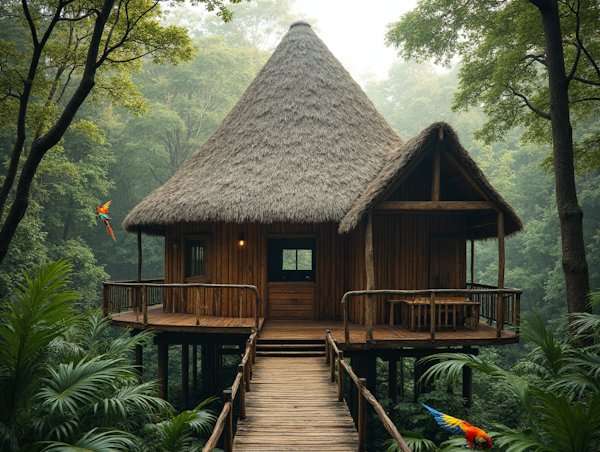
Travelers heading to the Bolivian Amazon must make a crucial decision: Should they visit the wildlife-rich Pampas wetlands or head over to the dense Madidi jungle? Each destination creates unique memories, so you need to know what each place offers.
What to Expect in the Pampas
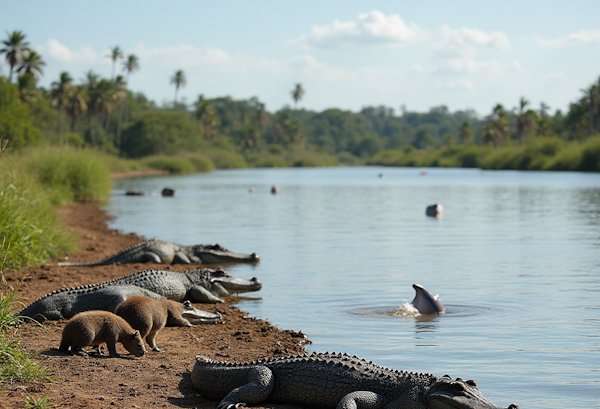
The Pampas isn’t your typical jungle – it’s a wetland savannah that sits on the Amazon basin’s edge. Wildlife watching becomes easier here because of its open rivers and flooded fields. Most visitors travel the Yacuma River in motorized canoes and stay at simple wooden lodges that offer minimal comforts. A typical three-day tour costs between $150-$200. These trips give budget travelers the perfect chance to see lots of animals without too much physical effort.
Wildlife Highlights in the Pampas
The Pampas’ open landscape makes it a wildlife watcher’s paradise. You’ll likely see caimans, capybaras, turtles, and the area’s famous pink river dolphins. The riverbanks buzz with squirrel monkeys, sloths and birds like herons, kingfishers and toucans. You might also spot anacondas, piranhas and countless birds – especially during dry season when animals gather near water sources. Most tours let you swim with pink dolphins, try piranha fishing and search for caimans at night.
Jungle Tours in Madidi National Park
Madidi National Park gives you a genuine rainforest experience and ranks as one of Earth’s most biodiverse areas. Dense vegetation makes animals harder to spot, but the park houses jaguars, giant otters, tapirs and more than 1,000 bird species. You’ll spend time on guided jungle walks, learn about medicinal plants and take night hikes to find nocturnal creatures. Indigenous communities run most eco-lodges here, and three-day tours usually cost $220-$300.
Combo Tours: Getting the Best of Both
A 4-6 day combo tour lets you experience everything the Amazon offers. These packages blend the Pampas’ amazing wildlife viewing with Madidi’s authentic jungle atmosphere. Companies like Mashaquipe run “Macaws & Caimans” programs that mix the Pampas’ guaranteed wildlife sightings with Madidi’s rich cultural and ecological experiences.
More Amazon experiences.
Local Tips for a Smooth and Ethical Adventure
Your Bolivian Amazon experience depends on good preparation. The right timing, gear, and ethical choices will make your adventure better for you and the ecosystem.
Best Time to Visit the Bolivian Amazon
The dry season (May to October) works best to learn about the Bolivia Amazon rainforest. Animals gather near rivers during these months, which means you’ll see more wildlife. Mosquito numbers drop too. May offers perfect conditions because water levels in the Pampas stay high enough for boats but low enough to spot animals along riverbanks. December and January bring heavy rains and swarms of mosquitoes that can make your trip tough.
What to Pack and Wear
The Bolivian Amazon jungle needs practical gear over stylish choices:
- Neutral-colored clothes that breathe well and cover your arms and legs
- DEET insect spray (30% or more) for any exposed skin
- Clothes treated with Permethrin or use the spray
- Boots that can handle wet jungle walks
- Strong flashlight or headlamp plus backup batteries
- Water bottle you can refill
Avoiding Unethical Tour Practices
Watch wildlife from a safe distance. Skip tours that let you handle animals or go on “anaconda hunts”. Good guides won’t let anyone touch the wildlife. Stay away from tours that feed animals because this changes their natural behavior. Share bad practices on social media to help other travelers avoid these tours.
Health and Safety Precautions
Smart travelers know prevention beats treatment. You’ll need Yellow fever vaccination certificates if you’re coming from places with transmission risk. Northern Beni and Pando regions have malaria risks, so some travelers need anti-malaria pills. Dengue fever poses another risk that needs constant alertness against mosquito bites. Check yourself for ticks each night.
How to Choose a Responsible Tour Operator
Good Bolivian Amazon tours start at $90-100 for jungle trips. Look for companies that protect nature and leave a small environmental footprint. Ask about how they treat their team and what they do for the environment—good operators welcome these questions.
Costs and Planning for Bolivian Amazon Tours

Smart budgeting makes the Bolivian Amazon both available and enjoyable. Travelers can better prepare when they know the costs upfront and avoid financial surprises.
Typical Tour Prices and Park Fees
The Bolivia Amazon rainforest offers tours at different price points. Pampas tours cost $200-$300 for three days. Jungle tours in Madidi National Park are a bit pricier at $220-$300 for the same duration. Without doubt, combination packages give you better value – a 4-5 day tour of both ecosystems costs around 2,500 Bolivianos per person.
Tour prices often exclude park entrance fees. Madidi National Park asks 200 Bolivianos per visitor, while the Pampas protected area charges 150 Bolivianos. These fees help support conservation efforts and local communities that manage these pristine areas.
Budgeting for Transport and Accommodation
Transport takes up much of your Bolivian Amazon budget. Flights between La Paz and Rurrenabaque cost about 600 Bolivianos one-way. The bus is cheaper at 150 Bolivianos. A decent place like Pampa y Selva Hotel costs around $30 per night.
Here’s what you might spend in total:
- Budget experience: 3-day pampas tour starts at $200 plus fees
- Mid-range experience: 3-day jungle tour costs $270-$300 plus fees
- Premium experience: 4-day ecolodge stay runs $580 plus flights
Cash vs Card: What to Know in Rurrenabaque
The Bolivian Amazon jungle still runs mainly on cash. Rurrenabaque has ATMs now, but they often run dry. Bigger places take cards but charge 3-5% extra. You should bring enough Bolivianos to last your entire stay, plus extra for unexpected costs or added tours. Local currency exchange offices give better rates than airports or hotels.
Enjoy Bolivian Amazon
The Bolivian Amazon remains one of South America’s most authentic rainforest destinations. This pristine region gives travelers better value than its commercialized neighbors, with easy access and plenty of adventure opportunities. Most visitors can’t decide between the wildlife-rich Pampas wetlands and the biodiverse Madidi jungle. The good news? These destinations work great together. The Pampas guarantees wildlife sightings and Madidi lets you experience the real rainforest.
Your trip’s timing can substantially impact the experience. The dry season from May to October offers the best conditions with dense wildlife populations and fewer mosquitos. Smart travelers should think over their transport choices carefully. Flying saves time, but the bus ride from La Paz to Rurrenabaque gives budget travelers beautiful views.
Every Amazon adventure needs responsible choices. Good travelers stay away from tour operators who let people handle wildlife or feed animals. On top of that, it helps to prepare well with health precautions, right clothing and enough cash for a smooth trip.
The real magic happens when you step off the usual tourist routes in the Bolivian Amazon. This amazing ecosystem shows off incredible biodiversity at prices that won’t break the bank. You might swim with pink river dolphins, catch piranhas or learn about healing plants from local guides. These experiences create lifelong memories. The Bolivian Amazon’s hidden gems await adventurous souls ready to explore one of Earth’s most incredible wild places – raw, affordable and simply unforgettable.
FAQs
Q1. What is the best time to visit the Bolivian Amazon?
The dry season from May to October is ideal for visiting the Bolivian Amazon. During this period, wildlife is more concentrated near water sources, making sightings more frequent. Additionally, there are fewer mosquitoes, making for a more comfortable experience.
Q2. How do I choose between a Pampas tour and a Jungle tour?
Pampas tours offer easier wildlife spotting in open wetlands, while Jungle tours in Madidi National Park provide a more immersive rainforest experience. Consider a combo tour if you want to experience both ecosystems. Pampas tours are generally cheaper and better for wildlife viewing, while Jungle tours offer more adventure and biodiversity.
Q3. What should I pack for a trip to the Bolivian Amazon?
Essential items include light, breathable clothing in neutral colors that cover arms and legs, DEET-based insect repellent, waterproof hiking boots, a high-powered flashlight or headlamp and a refillable water bottle. Consider treating your clothes with permethrin for added insect protection.
Q4. How much does a typical Amazon tour in Bolivia cost?
Pampas tours generally cost between $200-$300 for three days, while Jungle tours in Madidi National Park range from $220-$300 for a similar duration. Combination packages offering both experiences typically cost around 2,500 Bolivianos per person for 4-5 days. Don’t forget to factor in park entrance fees, which are usually not included in tour prices.
Q5. Is it safe to travel to the Bolivian Amazon?
While the Bolivian Amazon is generally safe for tourists, it’s important to take necessary health precautions. Yellow fever vaccination is required, and malaria prophylaxis may be necessary depending on the specific region you’re visiting. Always book with reputable tour operators, stay vigilant against mosquito bites and follow your guide’s safety instructions during activities.


Leave A Comment