

Traditional English food has evolved way beyond the reach and influence of its old reputation for being bland. Classic dishes like fish and chips, cottage pie and bangers and mash prove this point.
Fish and chips definitely stands out as the first dish people associate with English cuisine. This iconic pairing of battered white fish and thick-cut potato chips became a national treasure around 1870. British cuisine surprises most travelers with its diverse offerings. Many British households love the comforting cottage pie. The uniquely named “toad in the hole” adds character to the cuisine – it was originally known as “meat boiled in a crust”. British food’s essence lies in its simple cooking methods and hearty ingredients.
Modern British chefs have transformed these classic recipes with fresh interpretations. The story of English culinary heritage unfolds through every dish. Relaxed pub favorites like sausages with mashed potatoes and onion gravy deliver the “ultimate pub grub comfort food”. Traditional desserts such as summer pudding showcase seasonal berries. These recipes that spread through generations continue to evolve while keeping their unique character.
This detailed guide showcases 25 essential British dishes with authentic recipes you can make at home.
Fish and Chips

Image Source: Munchery
Britain’s beloved national meal, Fish and Chips, actually started its journey in 15th century Portugal and Spain, not England. This tasty combination became a perfect example of how different food cultures can come together.
Fish and Chips Origin
Sephardic Jewish immigrants brought the technique of coating fish in batter to England. These Jewish families needed a way to prepare fish on Friday afternoons so they could eat it cold during Sabbath when cooking wasn’t allowed. Charles Dickens wrote about “fried fish warehouses” in Oliver Twist back in 1838, that indicates the dish was already several decades old.
The north and south still argue about who opened the first combined fish and chip shop. A Jewish immigrant named Joseph Malin opened his London shop around 1860. John Lees set up his shop in Lancashire around 1863. Small family businesses ran these shops from their homes’ “front room” in the late 19th century.
Why Fish and Chips is Iconic
Steam-powered trawlers and railways changed everything. The trawlers brought lots of fish from the North Atlantic, while trains quickly moved them across the country. The British government knew how important fish and chips were and protected their supply during both World Wars. Winston Churchill called them “the good companions” and kept them off the wartime rationing list.
British soldiers used fish and chips as a clever way to identify each other during the D-Day landings. They would shout “fish” and wait for “chips” as the response. The UK had about 25,000 fish and chip shops by 1910 and this number grew to 35,000 by the 1930s.
How to Make Fish and Chips at Home
The best fish and chips start with thick white fish like cod, haddock or pollock. Mix flour (all-purpose and rice flour), cold beer, and vodka to make the perfect batter. The vodka helps create a crispier coating because it evaporates quickly. Keep your oil between 350-375°F to get that crispy outside without cooking the fish too much.
Make sure to dry your fish really well before adding batter. Any moisture will ruin your frying. Let the fried fish rest on a wire rack instead of a plate to keep it crispy. A spray bottle works best to add malt vinegar evenly at the end.
Toad in the Hole

Image Source: Food & Wine
Toad in the Hole ranks among England’s most beloved comfort foods, despite its unusual name. This classic dish combines sausages baked in Yorkshire pudding batter, creating what looks like a giant Yorkshire pudding with sausages poking through. The dish’s history goes back to the mid-1700s.
Toad in the Hole Explained
This clever creation started as a way to make small portions of meat go further and helped families create affordable meals. The early recipes proved quite versatile. Hannah Glasse’s 1747 cookbook featured “pigeon in a hole,” and other historical versions used rump steak, lamb’s kidney and cold mutton.
People say the dish got its playful name because the sausages look like toads peeping out from their holes. The dish has earned its spot in traditional English food history, though a 2017 survey showed all but one of these five British people had tried it.
The cooking process creates something magical. Sausages rest in a baking dish covered with a simple batter of flour, eggs and milk. Everything bakes until it turns puffy and golden brown. The Yorkshire pudding rises dramatically around the sausages right out of the oven but settles down as it cools.
Serving Suggestions for Toad in the Hole
This English classic tastes great with:
- Onion gravy – The traditional choice, best made with pan drippings to enhance flavor
- Mashed potatoes – Makes the meal heartier and more filling
- Seasonal vegetables – Many people choose peas, carrots, green beans, broccoli or steamed greens
- Red cabbage – A time-honored side dish that brings out the savory flavors
The 21st century has brought new twists to this classic dish. Modern cooks now make vegetarian and vegan versions, including options with Linda McCartney’s vegan sausages.
Full English Breakfast

Image Source: i am a food blog
The Full English Breakfast, known as a “fry-up” throughout the United Kingdom, stands as one of Britain’s most iconic meals. This beloved dish surpasses social class boundaries and remains a core part of the nation’s food identity.
What’s in a Full English Breakfast
A classic Full English breakfast has eggs prepared any way you like – fried, poached or scrambled. The plate comes with back bacon (leaner than American “streaky” bacon), sausages, baked beans, grilled tomatoes and fried mushrooms. Northern England’s version typically adds black pudding (blood sausage) to the mix. The hearty meal wouldn’t be complete without fried bread or toast. Modern plates often feature hash browns, though traditionalists call these a recent addition.
Why it’s a Typical British food
This substantial breakfast traces its roots to the Victorian era. Workers needed a filling meal to power through their physically demanding days. The meal reached its golden age during the Edwardian period. Hotels and restaurants later standardized it to maintain quality. British produce took center stage throughout the breakfast’s history. The 1950s saw this meal bounce back after World War II food shortages, thanks to mass-produced items like battery-farmed eggs and sliced bread.
Modern Takes on the English Breakfast
Today’s Full English keeps evolving with changing tastes. A recent survey shows 26% of Britons now choose dairy alternatives like coconut, almond or oat milk. About 11% pick vegetarian sausages instead of traditional pork ones. Millennials bring their own twist – 40% love adding smashed avocado, while many prefer sourdough bread. Restaurants get creative too, serving Full English shakshuka, frittata and breakfast kebabs. In spite of that, eggs remain crucial to 84% of Britons’ breakfast.
Bangers and Mash

Image Source: en.wikipedia.org
Bangers and Mash stands as Britain’s most popular comfort dish according to a 2009 survey. This quintessential meal features sausages served over creamy mashed potatoes and gets topped with rich onion gravy.
Bangers and Mash History
The name “bangers” came about during World War I. Meat shortages forced sausage makers to use water-filled fillers. These sausages would often burst—or “bang”—during cooking. The term became common by World War II. This traditional English food has managed to keep its place as a staple in British pubs and homes.
How to cook Bangers and Mash
Quality pork sausages make authentic bangers and mash. Lean varieties won’t work well because they don’t release enough fat to make proper gravy.
To prepare:
- Cook sausages gently by poaching them at 149°F before browning or bake them for about 10 minutes on each side.
- Make onion gravy by caramelizing sliced onions in sausage drippings. Add flour to create a roux, then slowly pour in beef stock.
- Pick medium-starch potatoes like Yukon Gold to make the mash. Boil large pieces instead of small ones to prevent waterlogging.
- Put it all together by mounding potatoes on plates. Place sausages on top and pour gravy over everything.
Steamed peas make this hearty English meal complete.
Sunday Roast
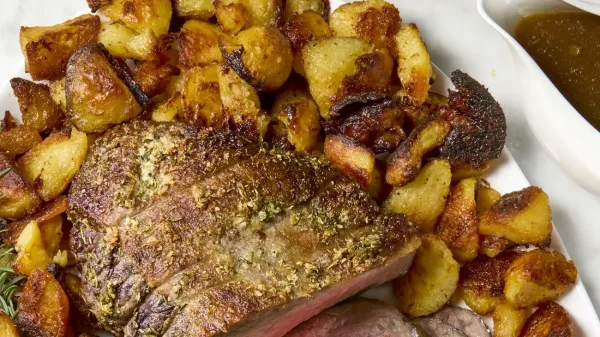
Image Source: The Kitchn
The beloved Sunday Roast sits right at the heart of British food culture and brings families together all over the UK. This weekly tradition dates back to the reign of King Henry VII in 1485 and today 60% of Britons still enjoy it every Sunday.
What Makes a Sunday Roast Special
Many people call it a scaled-down version of Christmas dinner. The Sunday Roast began when families would pop their meat in the oven before heading to church service. This meal means more than just food – it symbolizes prosperity and plenty. The weekly ritual gives families a chance to gather, share stories and stay connected.
Traditional Accompaniments
A proper Sunday Roast has these essential elements:
- The meat – Beef leads the way (especially in Yorkshire), followed by chicken, lamb or pork
- Yorkshire puddings – These started as starters with gravy to fill people up before the main course
- Roast potatoes – Golden and crispy outside, light and fluffy inside
- Seasonal vegetables – Carrots, Brussels sprouts, cabbage, and parsnips make regular appearances
- Gravy – Rich sauce made from meat drippings
- Condiments – Each meat needs its perfect partner: horseradish for beef, apple sauce for pork, mint sauce for lamb and cranberry sauce for poultry
Tips For a Perfect Roast
The meat needs to rest at room temperature for an hour before cooking. Your potatoes should be parboiled first to get that amazing crispy exterior. Beef tastes better with some herbs and garlic added. The biggest challenge lies in getting everything ready at the same time – that’s what makes a truly perfect English roast.
Try food in the Dominican Republic.
Shepherd’s Pie

Image Source: The Wholesome Dish
Shepherd’s Pie ranks as one of Britain’s beloved comfort foods. This hearty casserole combines minced meat, vegetables and a golden mashed potato topping. Frugal housewives created this rustic meal to give leftover roasted meat a delicious new life.
Shepherd’s Pie vs Cottage Pie
The main difference between these two dishes comes down to the meat choice. A true Shepherd’s Pie must contain lamb (since shepherds tend sheep), while Cottage Pie features beef. This practice dates back to the 1800s when people fell in love with potato-topped dishes. Cottage Pie made its first appearance in 1791 and Shepherd’s Pie followed as a variation. Both dishes helped families use their Sunday roast leftovers, making them practical English meals. Modern recipes often swap these terms, much to traditional cooks’ dismay.
Traditional English Food Recipes for Shepherd’s Pie
The classic recipe needs:
- Ground lamb browned with onions and carrots
- Rich gravy made with Worcestershire sauce and tomato paste
- Creamy mashed potato topping, browned under the broiler
Each region in the UK adds its own twist to the recipe. Some cooks add a cheese layer under the potatoes, while others mix peas into the meat. Scottish versions often come topped with “tatties and neeps” – a mix of potato and turnip. Experienced chefs suggest letting the pie cool briefly after baking. This rest time helps blend all the flavors perfectly.
Steak and Kidney Pie

Image Source: Mashed
Steak and Kidney Pie stands at the top of British savory pastry creations, with roots that stretch back centuries in British culinary tradition. This hearty dish has managed to keep its spot on dinner tables across generations and brings warmth and satisfaction with every bite.
Steak and Kidney Pie Ingredients
The classic filling starts with diced beef (usually chuck steak), diced kidney (from beef, lamb, veal or pork) and onions. The mixture gets its depth from beef stock, red wine or stout. Carrots make their way into many versions and some recipes add mushrooms for an earthy flavor. Worcestershire sauce brings a tangy kick to certain variations.
Chefs can’t seem to agree whether flaky puff pastry or heartier shortcrust works better. The pie comes together in two main ways: a “double-crust” style with pastry lining the dish before the filling goes in or a simpler “lid-only” version where meat sits in the dish under a pastry top.
Why it’s a Comfort Food Classic
The pie’s story really took off in the 19th century. Mrs Beeton’s Household Management published the first recipe that combined steak and kidney in 1859. The dish started as a pudding and slowly evolved into the pie we know today.
People love this pie because it hits all the right notes – buttery, crisp pastry meets rich, tender filling in perfect harmony. Each region puts its own spin on the classic. The West Country’s version is special – they pour clotted cream through the pastry right before serving.
Bubble and Squeak
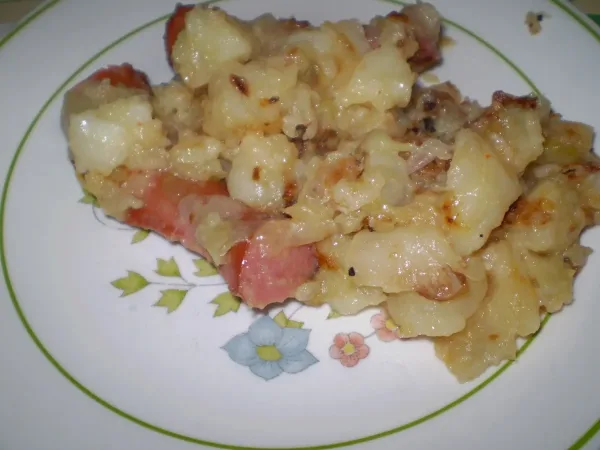
Image Source: Food.com
Bubble and Squeak earned its delightful name from the sounds it makes while cooking, reflecting the clever nature of English cuisine. This beloved dish emerged in the 18th century and featured cooked beef with vegetables.
What is Bubble and Squeak
The dish combines cooked potatoes and cabbage, which are mixed and fried until they develop a crispy exterior. Howard Hillman, a renowned food writer, considers it “one of the great peasant dishes of the world”. The distinctive name comes from the sounds the ingredients make as they cook in the pan. The recipe changed during World War II rationing and vegetables became the main ingredients instead of meat.
How to Use Leftovers Creatively
Cold mashed potatoes act as the binding agent that keeps all ingredients together. The dish comes together when you add finely chopped cabbage or Brussels sprouts, and you can include other leftover vegetables like carrots, peas or broccoli. Bacon, onions, or leftover meat enhance the flavor profile.
You can shape the mixture into individual patties with a flour coating for extra crispiness or cook it as one large portion in a pan. British families traditionally served this dish on Mondays to make the most of their Sunday roast leftovers. The dish tastes great with fried eggs, bacon, baked beans or cold sliced meat.
Scotch Egg

Image Source: Sainsbury’s Magazine
The beloved Scotch Egg remains a favorite on British pub menus and in picnic baskets. This portable snack combines a crispy outer layer with savory sausage and an egg center.
Scotch Egg Origin
The name “Scotch eggs” is misleading since they have no Scottish roots. Food historians still debate their true origins. London’s upscale department store Fortnum & Mason says they created them in 1738 as fancy travel food for rich travelers. Some experts point to the Indian dish “nargisi kofta” – an egg wrapped in spiced meat – as the inspiration. Another theory comes from Yorkshire, suggesting they started in Whitby. The original version used fish paste instead of sausage meat and people called them “Scotties” after William J Scott & Sons restaurant.
How to Make a Perfect Scotch Egg
Making great Scotch eggs needs attention to detail. Start by soft-boiling eggs for 7 minutes to get a jammy center, or longer if you want firm yolks. Cool them in ice water and peel them carefully. Mix your sausage with herbs, mustard, and spices. Wrap each egg in this mixture completely without leaving gaps. Roll them in flour, dip in beaten egg and coat with breadcrumbs. You can fry them at 350-360°F until golden brown. Baking at 350°F for 25-30 minutes or air-frying at 390°F for 12 minutes works great too.
Serving Ideas
Scotch eggs work well in many situations. People traditionally eat them cold at picnics or pack them for lunch, but they taste amazing warm too. Cut them in halves or quarters and serve with mustard – the classic choice for dipping. These eggs make great party food on wooden boards with pickled veggies or as part of charcuterie platters. Add a fresh salad, coleslaw, or crusty bread to turn them into a filling meal.
Yorkshire Pudding

Image Source: Great British Chefs
Yorkshire Pudding commands attention at English dinner tables with its dramatic puff and adaptable nature. This beloved dish shows the creative genius behind traditional English cooking.
Yorkshire Pudding Basics
Yorkshire pudding uses a simple batter of eggs, milk, flour and salt—quite similar to American popovers. The magic behind those gloriously puffed creations depends on two key techniques. The fat must be smoking hot before the batter goes in. On top of that, it needs an undisturbed oven that stays firmly closed during baking so the puddings can rise properly.
The pudding’s history reveals its practical origins. Cooks served it as an economical first course before the main meal to fill people’s stomachs with cheaper ingredients. The dish’s traditional preparation involved cooking the batter under roasting meat to capture all the flavorful drippings.
Pairing Yorkshire Pudding with Meals
Yorkshire pudding’s versatility extends far beyond the classic Sunday roast:
- With savory dishes: beef bourguignon, garlic bread, chicken curry
- As pub food: filled with chili or sausages
- For creative meals: paired with grilled salmon, Indian curries or lobster bisque
- As dessert: topped with vanilla ice cream
The pudding’s distinctive cup shape creates a perfect hollow center that holds gravy and other ingredients to maximize flavor.
Ploughman’s Lunch
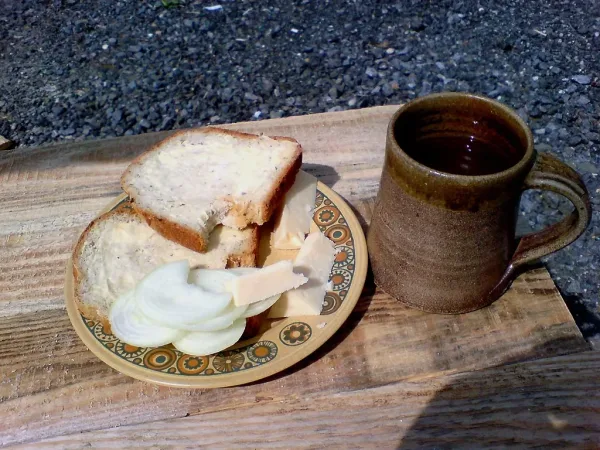
Image Source: en.wikipedia.org
Ploughman’s Lunch might sound like a farmer’s meal, but it stands as simplicity at its finest in traditional English food. This cold meal brings together quality ingredients that need minimal preparation and delivers an authentic taste of British culinary tradition.
What is a Ploughman’s Lunch
A classic Ploughman’s Lunch features a generous chunk of cheese (usually Cheddar, Stilton or local varieties) alongside a thick slice of crusty bread, pickled onions and Branston pickle or chutney. You’ll also find a fresh apple, celery sticks, radishes, hard-boiled eggs, ham or cold cuts, and sometimes a pork pie on the plate. This meal’s charm comes from its simple presentation on a wooden board that lets each ingredient’s natural flavors stand out.
Why it’s a Typical English Meal
The Ploughman’s Lunch has an interesting story behind its name. The Cheese Bureau created it during their 1960s marketing campaign to boost pub cheese sales. Notwithstanding that, this meal has become a 60-year old British food staple that appears on pub menus across the country. People love it because it needs no cooking and showcases local produce, especially cheese. The meal pairs perfectly with beer and gives diners a satisfying alternative that’s nowhere near as heavy as other English dishes. British food enthusiasts can easily sample this traditional fare without dealing with complex recipes.
Pie and Mash

Image Source: East London History
Pie and Mash became the life-blood of cockney culinary tradition in London’s East End in the last century. Local workers loved these affordable meals.
History of Pie and Mash
Henry Blanchard opened the first recorded pie and mash shop at 101 Union Street in Southwark in 1844. The River Thames provided abundant eels, so these shops served eel pies. Thames pollution led shop owners to switch to minced beef pies. East London saw these shops thrive during the Victorian era. Dock workers relied on these nutritious, cheap meals. The pies featured a unique combination of pastry—suet bottoms paired with shortcrust or puff pastry tops.
What is ‘liquor’ Sauce
The name “liquor” might mislead you—it contains zero alcohol. Shops once made this distinctive sauce with eel-stewing water. Modern recipes use chicken stock, flour, butter and fresh parsley. The sauce’s green color surprises first-time customers, yet it remains authentic pie and mash’s signature element. Customers love adding chili vinegar as their preferred condiment.
Where to Try it in London
M.Manze, a 121-year old shop on Tower Bridge Road, holds the title of London’s oldest pie and mash establishment. Food lovers can also visit Goddards near the Cutty Sark, Maureen’s 60-year old shop in Poplar and F.Cooke in Hoxton. These historic venues showcase London’s culinary heritage with their classic marble surfaces and gleaming tiles.
Welsh Rarebit

Image Source: Allrecipes
People often mistake Welsh Rarebit as just “cheese on toast,” but this dish packs way more complexity and flavor than you might think. The story behind this traditional British dish adds a fascinating chapter to English culinary history.
What is Welsh Rarebit
A savory melted cheese sauce spread over toast and grilled until it bubbles to perfection makes up Welsh Rarebit. The dish’s first recorded mention goes back to 1725. The name’s story starts in the 1500s when Welsh working-class families couldn’t afford meat like rabbit, so they created this hearty alternative. Though “Welsh Rabbit” later became “Welsh Rarebit,” many experts still prefer the original name. This comfort food stands as a perfect example of Britain’s best home cooking.
How to Make it Flavorful
Quality ingredients make Welsh Rarebit exceptional. Sharp cheddar traditionally serves as the base, though Lancashire, Cheshire, Double Gloucester or Welsh Caerphilly cheeses taste amazing too. The signature sauce combines:
- Beer (usually stout, ale, or porter) that adds richness and depth
- Worcestershire sauce to bring umami notes
- Mustard (English, Dijon, or powdered) that gives heat
- Butter or another fat source that keeps the cheese from becoming rubbery
Modern twists include nduja, laverbread (the so-called “Welshman’s caviar”), crispy bacon or sliced leeks. Some cooks swap the beer with wine, port, or cider.
Spotted Dick
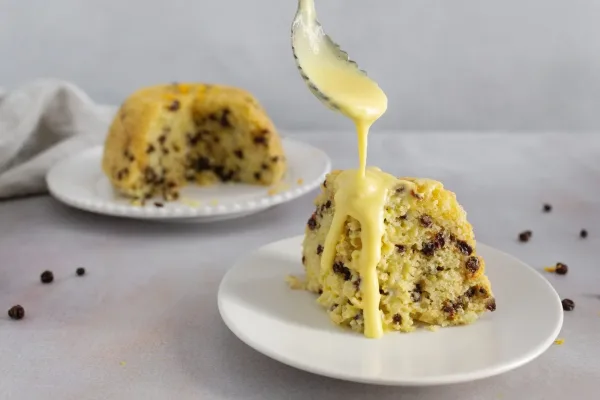
Image Source: Taste of Home
Spotted Dick stands out among traditional English desserts with its funny name and hearty ingredients. British people have enjoyed this steamed pudding for generations.
Spotted Dick ingredients
This classic British pudding blends suet (traditionally beef fat, now mostly vegetable-based), self-raising flour, sugar and milk to create a spongy dough. Currants or raisins scattered throughout give the pudding its characteristic “spots”. Most recipes use lemon zest to add a bright citrus flavor. Celebrity chef Alexis Soyer first mentioned this simple recipe in his 1850s book “The Modern Housewife”. Some older recipes use breadcrumbs instead of flour for a unique texture.
Why it’s a Traditional British Dessert
Victorian-era Brits loved Spotted Dick because it was cheap and filling. The name has become a part of British culture. The “spotted” part makes sense because of the dried fruit. The “dick” part likely comes from old English words for pudding – “puddog” and “puddick” were common in 19th century Britain. Scottish people sometimes call it “spotted dog” instead. You must serve this dessert with custard or risk facing “the Dickensian police of Victorian England”. Spotted Dick remains such a British staple that Heinz sells canned versions in every British grocery store.
Treacle Tart
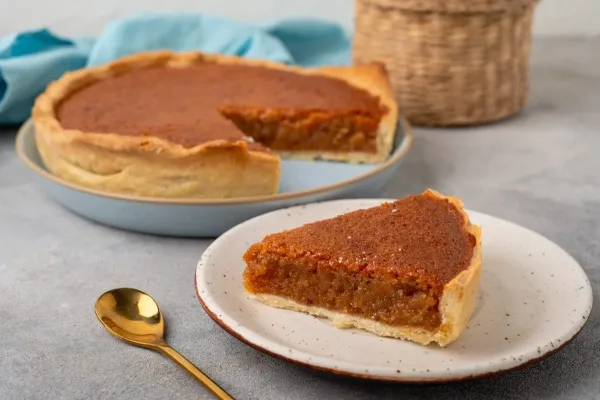
Image Source: Cookist
Treacle Tart stands as one of the most beloved traditional English desserts, combining simplicity with incredible taste. The dessert’s buttery shortcrust base cradles a golden syrup filling mixed with breadcrumbs and lemon zest. This creates a sticky, gooey center that carries subtle citrus notes.
Treacle Tart in Pop Culture
This classic dessert has become deeply embedded in British culture. Harry Potter fans know it as their favorite wizard’s most-loved dessert throughout the series. The tart’s cultural significance extends to the classic film Chitty Chitty Bang Bang, where the Child Catcher used it as a sinister lure with his famous chant “Lollipops, chocolates, cherry pie, cream puffs, ice cream and treacle tart!” The dessert’s first documented recipe appears in a 19th century cookbook written by English author Mary Jewry.
How to Make Treacle Tart
The perfect treacle tart begins with a well-prepared shortcrust pastry. The crust needs blind baking before the filling preparation starts. Golden syrup becomes perfectly runny when warmed with lemon juice and zest. Fresh homemade breadcrumbs work best in this recipe. The mixture comes together when cream and beaten egg blend into it, then goes into the pastry case. The tart should bake until it turns golden brown and maintains a slight jiggle. Serve this delightful dessert warm alongside clotted cream, whipped cream or custard.
Eton Mess
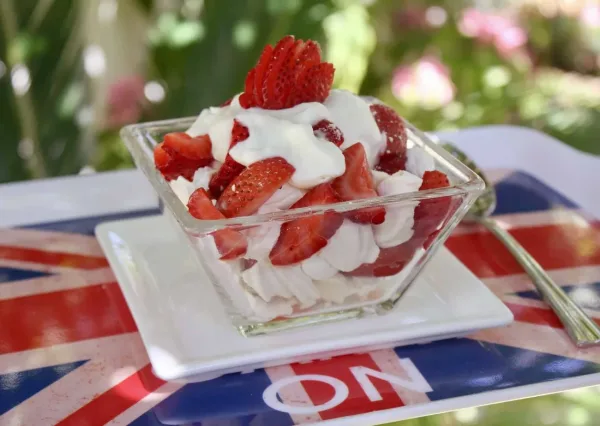
Image Source: Christina’s Cucina
Eton Mess brings together strawberries, crushed meringue and whipped cream in a beautiful summer dessert. This delightful chaos of ingredients has earned its place as a beloved classic in traditional English cuisine.
Eton Mess Origin
Queen Victoria enjoyed this dessert at a royal garden party back in 1893, which marks its first appearance in print. The dessert shares a special connection with Eton College, the prestigious boys’ school near Windsor. Students still serve it at their yearly cricket match against Harrow School. People love telling the story about a dog who knocked over a pavlova at a picnic and created this dessert by accident, but it’s probably just a fun tale. The school’s tuck shop started serving Eton mess in the 1930s. The original version used strawberries or bananas mixed with ice cream or cream. Someone added meringue to the recipe later.
Simple Recipe for Eton Mess
You need just three ingredients to make this English classic: fresh strawberries, meringue cookies and whipped cream. The magic starts when you turn one-third of the strawberries into sauce. Chop the remaining strawberries and mix them with broken meringue pieces. The next step blends these ingredients into soft whipped cream. A gentle swirl of strawberry sauce creates the finishing touch before you serve it in bowls. The dessert tastes best when you put it together right before serving – this keeps the meringue nice and crispy. Some people add raspberries or mascarpone cheese to create their own twist on this sweet treat.
Sticky Toffee Pudding

Image Source: finding time for cooking
Sticky Toffee Pudding stands as a quintessential British comfort dessert. Its decadent blend of date-infused sponge cake and luxurious toffee sauce has earned this beloved treat a special place among traditional English food classics.
Sticky Toffee Pudding texture
The magic of Sticky Toffee Pudding lies in its wonderfully moist, tender crumb that sets it apart from regular cakes. Medjool dates melt right into the batter as it bakes. These fruits might not leave a distinct taste, but they create rich, caramel-like notes and provide the moisture needed to soak up the toffee sauce perfectly. The cake comes out with a spongy texture that’s soft yet slightly chewy. The core team of experienced chefs suggests adding brown sugar and butter to each mold’s bottom before the batter goes in. This simple trick creates an extra moist cake surface.
Best Way to Serve It
This classic English dessert tastes best when served warm. The cake stays extra soft and soaks up the sauce beautifully at this temperature. The secret lies in brushing warm toffee sauce on the cake right after it leaves the ramekins. Expert bakers swear by the double-brushing method: “Once is good, but twice is better.” You can serve it several ways:
- A generous drizzle of warm toffee sauce on top
- A scoop of vanilla ice cream, light whipped cream, or custard on the side
- A sprinkle of chopped walnuts or flaky sea salt for that perfect salty-sweet balance
The pudding works beautifully as individual servings in ramekins or as one large cake, making it perfect for any occasion.
Victoria Sponge Cake

Image Source: Allrecipes
The Victoria Sponge Cake stands as British baking’s most elegant yet available creation, named after Queen Victoria who loved it with her afternoon tea. This quintessential sandwich cake rose to popularity after baking powder’s invention in 1843, quickly replacing standard sponges.
What Makes a Victoria Sponge
A classic Victoria Sponge’s recipe follows a beautifully simple formula. The perfect balance comes from equal amounts of eggs, sugar, flour and butter. Bakers can choose between two preparation methods. The traditional way calls for creaming butter with sugar before adding eggs and flour. A modern approach combines all ingredients simultaneously. Raspberry or strawberry jam sits between the cake’s golden layers and some recipes add freshly whipped cream or buttercream. The Women’s Institute strictly prefers just jam. A light dusting of icing sugar must crown the finished cake.
Tips for Baking the Perfect Sponge
Room-temperature eggs and butter yield exceptional results – cold ingredients will cause curdling. Caster sugar creates lighter texture compared to granulated varieties. Precise measurements and baking powder are the foundations of Victoria Sponge’s characteristic rise. Each egg needs individual incorporation to maintain proper emulsion. The oven door should stay closed because temperature drops will make the cake sink. A perfectly baked Victoria Sponge displays an even golden color and features a delicate, moist crumb throughout.
Comparison Table
| Traditional Food | Origin/Time Period | Main Ingredients | Traditional Accompaniments | Key Preparation Tips | Cultural Significance |
|---|---|---|---|---|---|
| Fish and Chips | 1870s | White fish, potatoes, batter | Malt vinegar | Keep oil at 350-375°F; Mix cold beer and vodka into batter | Churchill called them “good companions” and protected them during WWII |
| Toad in the Hole | Mid-1700s | Sausages, Yorkshire pudding batter | Onion gravy, mashed potatoes | Cook until golden brown and puffy | Started with different meats before sausages became standard |
| Full English Breakfast | Victorian era | Eggs, bacon, sausages, beans, tomatoes, mushrooms | Toast, black pudding | Time each component to finish together | Kept workers energized throughout demanding workdays |
| Bangers and Mash | WWI era | Sausages, mashed potatoes | Onion gravy, peas | Cook sausages at 149°F then brown them | Got its name because sausages burst while cooking |
| Sunday Roast | 1485 (Henry VII) | Meat (beef/chicken/lamb/pork), vegetables | Yorkshire puddings, roast potatoes, gravy | Rest meat an hour before cooking | Remains popular with 60% of Britons eating it weekly |
| Yorkshire Pudding | Not mentioned | Eggs, milk, flour, salt | Gravy | Use hot fat and never open the oven door | People ate it as a starter before the main course |
| Scotch Egg | 1738 | Eggs, sausage meat, breadcrumbs | Mustard | Boil eggs 7 minutes for perfect jammy center | Fortnum & Mason created it for wealthy travelers |
| Eton Mess | 1893 | Strawberries, meringue, whipped cream | N/A | Put together right before serving | First appeared at Eton College’s annual cricket match |
| Victoria Sponge | 1843 | Equal parts eggs, sugar, flour, butter | Raspberry/strawberry jam, whipped cream | Ingredients should be room temperature | Named to honor Queen Victoria |
Enjoy Traditional English Food
English cuisine definitely deserves more credit than its old reputation suggests. Our food trip across Britain showed us dishes that tell stories of resourcefulness, regional pride and centuries of tradition. The humble origins of Bubble and Squeak and royal connections of Victoria Sponge reveal how English food has evolved while keeping its unique character.
Quality ingredients and simplicity make English cooking special, not complicated techniques. The crispy batter of Fish and Chips and comforting warmth of Sticky Toffee Pudding offer both nourishment and nostalgia. British cooks excel at turning leftovers into delicious meals – a practical approach that makes sense today.
British cuisine shines with its array of regional specialties. Northern kitchens produce dramatically rising Yorkshire puddings, while London’s East End stays true to traditional Pie and Mash. In spite of that, these dishes have become favorites throughout the country and beyond.
Modern chefs put new spins on these classics, but traditional English food’s core character lives on. Families still gather weekly for Sunday Roast and afternoon tea wouldn’t feel right without Victoria Sponge or Treacle Tart.
These recipes and their stories help you create authentic English meals at home. Learning about each dish’s history makes every bite more meaningful. These 25 traditional English foods prove that English cuisine belongs among the world’s great food traditions, offering both delicious meals and glimpses into Britain’s food heritage.
FAQs
Q1. What are some must-try traditional English dishes?
Some iconic traditional English dishes include fish and chips, Sunday roast, shepherd’s pie, full English breakfast and sticky toffee pudding. These dishes showcase the hearty and comforting nature of English cuisine.
Q2. How did fish and chips become so popular in England?
Fish and chips gained popularity during the industrial revolution as steam trawlers brought abundant fish and railways allowed rapid distribution. It became so essential that the British government safeguarded its supply during both World Wars, with Winston Churchill calling it “the good companions.”
Q3. What is a typical Sunday roast and why is it significant?
A Sunday roast typically includes roasted meat (beef, chicken, lamb, or pork), Yorkshire puddings, roast potatoes, seasonal vegetables and gravy. It remains a cherished weekly tradition for many British families, with 60% of Britons still enjoying it every Sunday.
Q4. Are there any unique British desserts worth trying?
Yes, some unique British desserts include Eton mess (a mixture of strawberries, crushed meringue, and whipped cream), sticky toffee pudding, treacle tart, and spotted dick. These desserts often combine simple ingredients to create comforting and flavorful treats.
Q5. How has traditional English food evolved in recent years?
While maintaining its core characteristics, traditional English food has evolved to incorporate modern twists and cater to changing tastes. For example, there are now vegetarian and vegan versions of classic dishes and some chefs are reimagining traditional recipes with contemporary techniques and ingredients.


Leave A Comment