

Travelers will find amazing things to do in Lome, the vibrant capital and largest city of Togo. This bustling city hosts one of West Africa’s largest ports and is a vital export hub for the country’s agricultural products. The Grand Marché, Togo’s largest market, captures the city’s entrepreneurial spirit with its colorful traditional garments, electronic goods and delicious street food. The Monument de l’Independance stands as a proud reminder of Togo’s freedom from French rule on April 27, 1960. The Akodessewa Fetish Market, known as the world’s largest voodoo market, gives visitors a fascinating glimpse into centuries-old traditions through its many stalls of traditional healing items. The National Museum (Musée National) draws art and history enthusiasts with entrance fees between 500-1000 FCFA for children and 1000+ FCFA for adults. Lome’s blend of historical landmarks and cultural markets creates unforgettable experiences in this captivating corner of West Africa.
Palais de Lomé
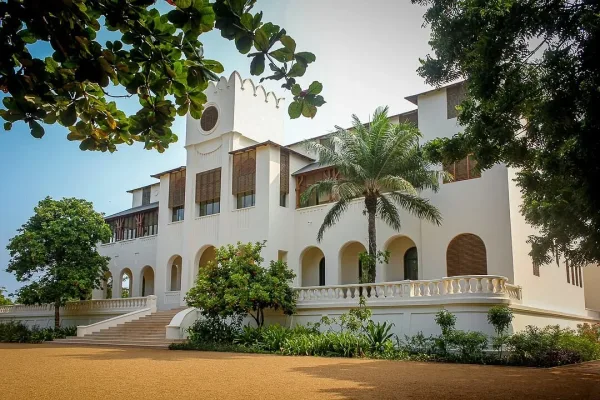
Image Source: Tripadvisor
The Palais de Lomé is one of the most important cultural destinations for visitors in Togo’s capital. The historic building was constructed between 1898 and 1905 under German colonial rule. It has evolved from a symbol of colonial power into a celebrated center for African art and culture.
Palais de Lomé History
German Governor August Köhler wanted the colonial capital to be visible from the sea, which led to the palace’s construction. Engineer Furtkamp directed its construction, and the building served as German governors’ residence first and French colonial administrators’ home later. The Togolese Presidency occupied the building until 1970 after independence. It then became accommodations for state guests until 1991. The structure deteriorated during the socio-political unrest of the early 1990s and remained abandoned for over two decades.
President Faure Gnassingbé started the building’s remarkable restoration in 2014. Togolese firms worked with French architects on this project, which symbolically reclaimed their heritage. The palace reopened as Togo’s first major art and culture center in November 2019 after seven years of restoration work that cost approximately two billion CFA francs (four million euros).
Palais de Lomé Exhibitions
The Palais has hosted many compelling exhibitions since reopening. Five exhibitions marked the inaugural program, including “Togo of Kings” which showcased traditional objects from kingdoms and chieftaincies. “Three Borders” presented works from artists in Togo, Ghana, Benin and Nigeria.
The exhibition “Dig Where You Stand” has connected Togo to other Ewe-speaking countries while examining themes of decolonization and cultural identity. Over 160 works from renowned artists like Zanele Muholi and Victor Ehikhamenor feature in this show. Local talent gets special attention, as seen in the posthumous display of Togolese industrial designer Kossi Aguessy’s sculptures.
Palais de Lomé Garden and Sculptures
The 11-hectare botanical park surrounding the palace is maybe just as impressive. Landscape architect Frédéric Reynaud redesigned the gardens, drawing inspiration from Togo’s varied landscapes. The grounds now feature more than 500 plant species native to Togo and other African countries, based on thorough ethnobotanical research.
Different atmospheric zones make up the garden, including a Sea garden with salt-resistant coconut trees, a grassy savanna typical of Togo and a tropical arboretum-forest. Sculptures dot the gardens, creating a unique outdoor gallery experience. The tranquil environment, scenic ocean views and roughly 40 bird species make this urban oasis special for visitors.
Grand Marché

Image Source: Pineqone
The Grand Marché (Great Market) pulses with authentic Togolese life right in the heart of Togo’s capital. This bustling marketplace takes up a city block and stands as a colorful showcase of local commerce where tourists and residents join together to experience one of West Africa’s most vibrant spots.
Grand Marché Shopping Experience
The Grand Marché starts its day at 7 a.m.. Early mornings bring the freshest goods and smaller crowds before the midday rush. Many visitors find Lomé’s Grand Marché surprisingly calm and easy to navigate, unlike the usual hustle of other African markets. The maze-like structure has merchants selling almost everything you can imagine—from Togolese football tops to cosmetics, electronics, clothing and even live animals.
The market stands out for its relaxed merchant atmosphere. Vendors simply invite visitors to their stalls and let them browse at their own pace. Shoppers can truly soak in the experience without any pressure.
French is the main language here, so knowing simple French phrases is a great way to get around. Google Translate comes in handy for those who need help with communication.
Grand Marché Local Crafts
Specialized sections showcase a rich variety of traditional crafts. Skilled artisans display vibrant kente and batik fabrics, handcrafted jewelry, pottery and detailed wood carvings that tell stories of Togolese cultural heritage.
Food lovers should try local treats like wagashi (a tasty cheese served with spicy green pepper) paired with Pemplemous, a sweet drink like lemonade. The market serves as a meeting place where locals gather, creating chances for real cultural connections beyond just buying and selling.
Grand Marché Safety Tips
Just like in crowded markets anywhere, visitors need to watch out for pickpockets who target tourists in Lomé’s Grand Marché. Here’s what you should know:
- Keep your money and valuables secure, especially cameras—thieves love them
- Wear sturdy, closed-toe shoes because of uneven ground and narrow walkways
- Bring cash since cards rarely work here, and don’t forget a small water bottle
- Become skilled at bargaining by starting at 50-70% of the asking price
- “Look determined” while walking—locals say this makes tourists seem less vulnerable
The beautiful beach right across from the market entrance gives visitors a chance to unwind after their market adventure.
Monument de l’Independance

Image Source: Wikipedia, the free encyclopedia
The Monument de l’Independance stands tall as Togo’s symbol of national pride. This remarkable landmark celebrates Togo’s freedom from French colonial rule and ranks among the most important things to do in Lomé. Visitors can experience both cultural immersion and amazing photo opportunities here.
Monument de l’Independance Symbolism
The Monument de l’Independance reminds everyone of April 27, 1960 – the day Togo won its independence. This isn’t just another structure – it represents the Togolese people’s fight for freedom and their dreams of ruling themselves. The site becomes alive during national celebrations as citizens gather to honor their country’s path to independence.
Tourists who want to experience authentic Togolese culture will find this monument a great way to understand the country’s break from colonial rule. Many visitors say they feel more connected to Lomé Togo Africa after they learn about this landmark’s role in history.
Monument de l’Independance Location
The Monument de l’Independance sits right in the heart of the city, making it easy to visit while exploring things to do in Lomé Togo. You can easily include it in your walking tour of the capital’s main sights. The area around it has many other attractions, so you can make the most of your sightseeing time.
A spacious plaza surrounds the monument where visitors can view its design from different angles. First-time visitors often notice how the monument creates a natural meeting place that shows its importance in the city’s layout.
Monument de l’Independance Photo Tips
Photographers love this landmark as one of the best things to do in Lomé Togo. The best shots come during golden hours – just after sunrise or before sunset – when warm sunlight bathes the structure. The monument looks different throughout the day, with morning light showing details that afternoon shadows hide.
Remember this is a national monument, so take photos respectfully. Security guards might be around, but they usually let tourists take pictures. Try to capture some of the surrounding area in your wider shots – it helps show how the monument fits into modern-day Lomé and tells a better story of this historic landmark.
Village Artisanal
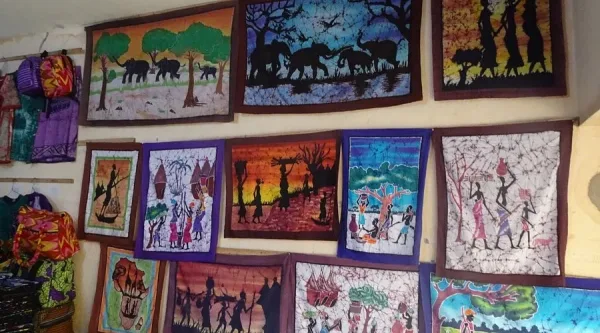
Image Source: Tripadvisor
Village Artisanal stands out as one of the most enjoyable things to do in Lomé. Travelers looking for authentic Togolese crafts in a relaxed atmosphere will find it on Avenue Kleber Dadjo (also known as Avenue de la Nouvelle Marche). This artisan center provides a peaceful alternative to the bustling Grand Marché.
Village Artisanal Handmade Goods
The marketplace displays a wide range of traditional Togolese craftsmanship. You’ll find intricately carved wooden sculptures, vibrant batik cloth paintings that show African village scenes and fauna, handwoven textiles, metalwork and some of the finest traditional pottery in West Africa. The Village Artisanal may not be huge, but it offers a detailed selection of authentic crafts like paintings, ceramics, jewelry and leather goods.
The thoughtful arrangement of merchandise throughout the market lets visitors browse easily without feeling overwhelmed. Beyond regular souvenirs, the center showcases contemporary wooden figures that blend traditional techniques with modern designs.
Village Artisanal Artist Interactions
What makes this venue different from other shopping spots in Lomé Togo Africa is the chance to watch artisans practice their craft. Visitors can see weavers create textiles, sculptors shape wooden pieces and painters work on batik cloth.
Artists welcome tourists warmly. Many artisans speak simple English and love sharing details about their techniques and their creations’ cultural meaning. The experience goes beyond shopping—it becomes a cultural exchange where visitors learn to appreciate Togolese artistic traditions more deeply.
Village Artisanal Best Buys
The most popular items at the Village Artisanal include:
- Batik cloth paintings: These colorful textiles featuring African scenes make distinctive souvenirs
- Wood carvings: Small decorative items offer excellent value and portability
- Traditional pottery: Considered among the finest examples in the region
Prices here are much lower than typical tourist spots, though bargaining remains common. The pricing pressure feels more relaxed than at street markets.
Visitors who stay in Lomé for more than a week can commission custom pieces directly from artisans. Village Artisanal’s free entry makes it an ideal stop for budget-conscious travelers exploring things to do in Lomé Togo.
How to travel from Accra to Lome by land.
Lomé Cathedral

Image Source: Tripadvisor
The Sacred Heart Cathedral shines as an architectural gem in Lomé. This iconic religious landmark, known simply as Lomé Cathedral, gives visitors a glimpse into Togo’s colonial past and serves as a peaceful sanctuary in the busy capital city.
Lomé Cathedral Architecture
The cathedral’s striking neo-Gothic style catches everyone’s eye with its distinctive red and white striped exterior that stands out from far away. Its design takes inspiration from the church of Steyl in the Netherlands, the hometown of Togo’s first Catholic missionaries. The tall ceilings inside create a reverent atmosphere and sunlight pours through intricate stained glass windows that show biblical scenes. These colorful windows fill the interior with dreamy light patterns that contrast with the lively energy outside. Yes, it is amazing how the cathedral’s simple yet elegant interior creates a calming effect and takes visitors from the busy market next door into a cool, quiet sanctuary.
Lomé Cathedral Historical Significance
Construction of this historic structure began on April 24, 1901 and workers completed it in just eighteen months. Lay brother Johannes (Franz Hopfer) led the project and worked with local carpenters, masons and Togolese Christians. The cathedral became an iconic building in Togo’s new capital after its consecration on September 21, 1902. The cathedral has seen many pivotal moments in its history. The most important moment came on August 9, 1985, when Pope John Paul II visited and celebrated Mass within its walls. The Sacred Heart Cathedral became the mother church of the Archdiocese of Lomé by 1955.
Lomé Cathedral Visiting Hours
People who want to see the cathedral usually find early morning or late afternoon the best times. The lighting makes the building more beautiful during these hours, and fewer people visit then. The cathedral sits next to the Grand Marché, making it available while seeing other attractions in Lomé Togo Africa. Visitors should plan to spend 1-2 hours to enjoy the cathedral’s architecture, take photos and soak in the peaceful atmosphere.
National Museum of Togo

Image Source: MoMAA
Founded in 1975, the National Museum of Togo ranks among the most interesting things to do in Lomé for anyone who loves history and culture. The museum sits close to Independence Square in the Congress Palace complex and packs a wealth of Togolese heritage into its compact space.
National Museum Exhibits
Two main rooms house the museum’s rich collection of ethnographic treasures. Visitors can find ancient artifacts that go back thousands of years, from traditional musical instruments to beautifully decorated baskets and calabashes that people once used to store food and water. The first room showcases Togo’s pottery and metalwork, along with detailed wood carvings that highlight local artists’ skills. The second room tells powerful stories about slavery and its associated ports, with historical photographs that document the country’s colonial era.
National Museum Entry Fees
Foreign adults pay between 1,500-2,000 CFA (about $2.30) to enter. Some guests think the price is a bit high for such a small museum, but most agree the cultural experience makes it worth every franc. Visitors need to pay at the main entrance, where staff members point out the areas they can explore.
National Museum Guided Tours
Since almost all descriptions are in French, English-speaking visitors should definitely take a guided tour. The museum’s knowledgeable guides explain each exhibit’s background and help visitors understand the statues’ meanings, origins, and historical importance. Tours run anywhere from 30 to 90 minutes and are a great way to learn about Togo’s cultural heritage that you might miss on your own.
Akodessewa Fetish Market
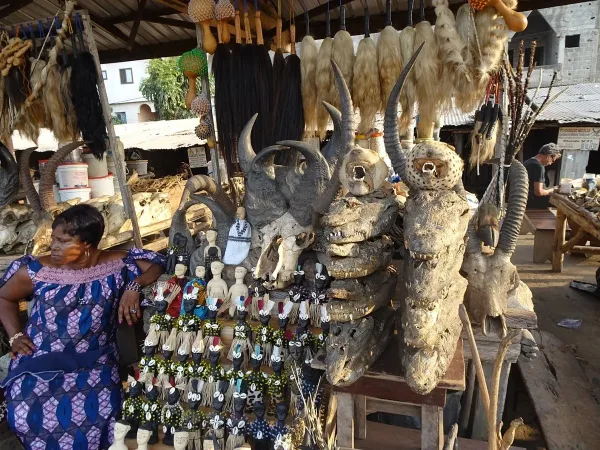
Image Source: Tripadvisor
Akodessewa Fetish Market in Lomé, Togo stands out as one of the most unique attractions and claims the title of world’s largest voodoo market. This remarkable cultural landmark lets visitors experience traditional West African spiritual practices that have stood the test of time.
Akodessewa Fetish Market Voodoo Culture
Voodoo runs deep in the traditions of Togo, Benin, Ghana and Nigeria. Local practitioners challenge common myths by explaining that voodoo centers on balance, healing and connecting with nature and ancestors. The market serves as a spiritual pharmacy where people look for cures to their ailments. Visitors can watch fetish priests connect with more than 40 different gods through dreams and other spiritual means.
Akodessewa Fetish Market Items Sold
The market displays rows of spiritual items, each with its own purpose. You’ll find animal skulls, monkey heads, crocodile skins, chameleons, herbs, powders and charms. These items help with everything from protection and healing to fertility and spiritual connections. The priests talk to spirits and prescribe these items as remedies, much like a pharmacist giving medicine.
Akodessewa Fetish Market Visitor Tips
Each person must pay 3000 CFA to enter and 2000 CFA if they want to take photos. A local guide’s knowledge will help you understand the cultural significance better. Visitors should remember this is a sacred space, not just another tourist spot. Just like other cultural sites, always ask before taking photos or videos.
Club Hippique du Togo
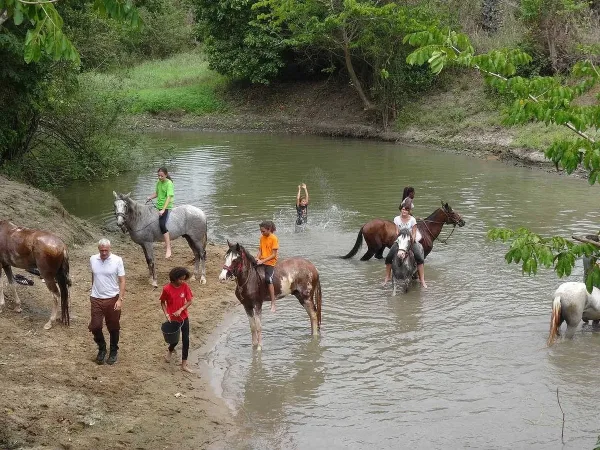
Image Source: Tripadvisor
This 1966-built Club Hippique du Togo gives visitors a refreshing recreational escape from Lomé’s cultural attractions. The equestrian club spans two hectares of lush green grounds and provides outdoor activities for locals and tourists alike.
Club Hippique du Togo Activities
Horse enthusiasts founded the club, which now features expert instructors who teach professional riding lessons. Visitors can participate in several activities beyond simple horseback riding:
- Gallop courses and FFE-approved competitive riding events
- Rock climbing adventures
- Traditional pétanque (French boules)
- Squash games for fitness enthusiasts
Pony trekking lets riders explore the well-managed grounds in a relaxed way.
Club Hippique du Togo for Families
The Club Hippique ranks among Lomé Togo’s most family-friendly attractions. Children love the educational farm with rabbits, donkeys, pigs and other small animals they can meet and learn about. The club’s family offerings include:
- A playground area for younger visitors
- Special pony rides designed for small children
- Musical shows and children’s events throughout the year
Club Hippique du Togo Pricing
The club’s comfortable bar and restaurant let visitors unwind after their activities. Activity prices vary, but the venue remains available to visitors looking for fun things to do in Lomé Togo with children of any age.
Lomé Beach

Image Source: Tripadvisor
Lomé Beach stretches along the Gulf of Guinea and gives visitors a mix of natural beauty and city life. The golden sandy beach sits just a five-minute walk from the main road, with palm trees swaying along its edges.
Lomé Beach Activities
The beach has plenty to offer despite its drawbacks. Visitors can jump into football games with locals or just watch these lively matches from the sidelines. Shell hunters will love the wide variety of specimens that wash up on shore, making this spot perfect for collectors. Several beachside bars serve cold drinks with great ocean views. Anyone who loves taking photos will find plenty of interesting shots, from powerful waves to old boats that tell stories of their own.
Lomé Beach Safety Tips
The beach comes with some serious safety issues that need attention. Violent crime, theft, and pickpocketing happen often and tourists are the main targets. Here’s how to stay safe:
- Don’t go to the beach by yourself, especially after dark
- Leave your valuables at home and don’t show off expensive items
- Stick to the cleaner areas below where Boulevard du 13 Janvier meets Boulevard de la Marina
- Watch out for the very strong ocean currents that cause many drownings each year
Lomé Beach Best Time to Visit
The beach is at its best from November through February during Togo’s dry season. These months bring more sun and less humidity, which makes beach activities much more enjoyable. The beach looks its cleanest in the morning hours, before the afternoon crowds show up.
Musee International du Golfe de Guinee
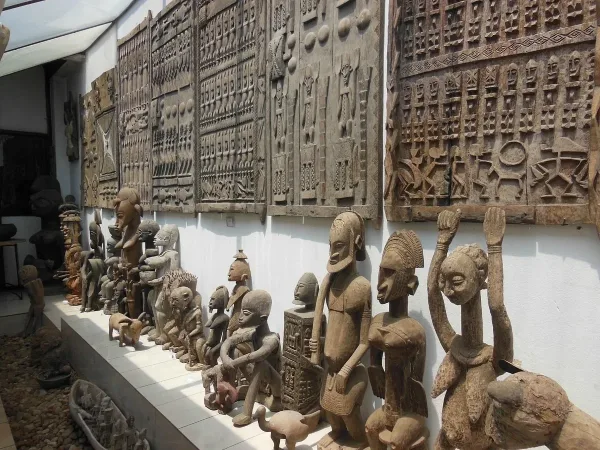
Image Source: Tripadvisor
The Musee International du Golfe de Guinee (now called Musée International d’Art d’Afrique) stands as a cultural gem among Lomé’s attractions. This private museum’s collection boasts over 3,000 art objects that showcase West Africa’s rich artistic heritage.
Musee International Collection
The museum’s beautiful setting blends indoor and outdoor spaces with an impressive array of centuries-old artifacts. Swiss owner René David’s collection has 2000-year-old items from the Nok culture. Nigeria’s Yoruba region provides most pieces, among works from ethnic groups of all sizes across West and South West Africa (Dogon, Ashanti, Fon, Ewè, Mossi). Visitors can find traditional masks, ceremonial objects, sculptures, carvings and pottery displayed artfully throughout three rooms and the garden area.
Musee International Location
The museum creates a peaceful oasis at 1603 Lomé on Boulevard du Mono near Hotel Akrimas, away from the city’s bustle. Located about 10 kilometers from Lomé’s administrative center, it provides sea views. Most visitors (95%) choose to reach this attraction by car.
Musee International Guided Tours
Guides provide information in English to help visitors appreciate the exhibits that have simple labels showing country of origin and time period. The relaxed indoor/outdoor setting ended up creating a perfect space for contemplation. Visitors can explore the museum Tuesday (14:30-17:30) and Wednesday through Saturday (10:00-17:30), with foreign visitors paying approximately 3000 CFA for admission.
Mount Agou Day Trip
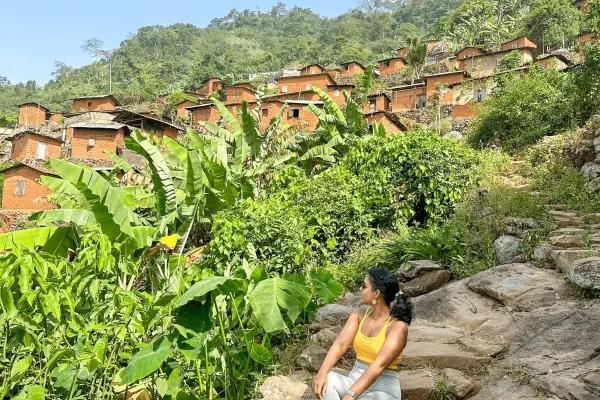
Image Source: Expat Panda
Mount Agou beckons adventurous travelers who want to escape Lomé’s urban environment with an exciting day trip. This natural wonder stands as Togo’s highest peak at 986 meters and provides a welcome break from regular city sightseeing.
Mount Agou Hiking Experience
A round trip takes about 6-8 hours, and the difficulty varies based on your chosen starting point. You’ll encounter a mix of paved roads, nature paths and village trails along the way. The route winds through traditional mountain villages that showcase authentic rural life. Many first-time climbers find the ascent gets easier as they climb higher, thanks to cool mountain breezes.
Mount Agou Scenic Views
The summit rewards visitors with sweeping views of Togo’s lush landscapes. Lucky travelers might spot neighboring Ghana on clear days. The mountain showcases different ecosystems as you climb, from plantations to forests and small settlements.
Mount Agou Tour Options
Tour packages from Lomé cost about $148 per person. These include transportation, guide services, and occasional waterfall visits. Budget travelers can find local guides at the base for roughly 8,000 CFA. Most trips combine mountain climbing with stops at waterfalls where hikers can take refreshing swims. Tours usually start early at 7:00 AM to ensure maximum comfort.
Guided City Tour of Lomé
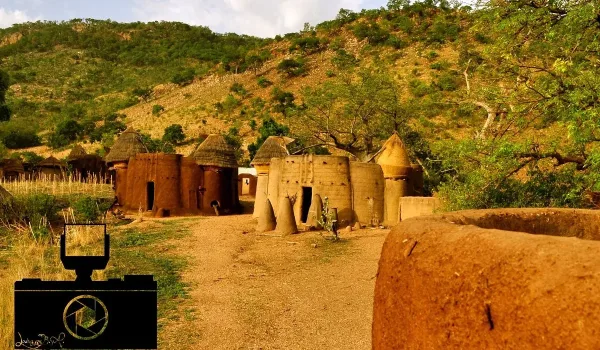
Image Source: Tripadvisor
A guided city tour gives you the quickest way to discover the best of Lomé in just one day. Expert guides help tourists explore Togo’s bustling capital while sharing fascinating stories and insights.
City Tour Highlights
Local tours take you to iconic spots like the Independence Monument, Grand Market, Palace of Lomé and Sacred Heart Cathedral. You’ll spend about 7 hours discovering these remarkable landmarks. The mysterious Akodessewa fetish market shows visitors traditional healing practices that continue today. Art enthusiasts will love the International Museum of the Gulf of Guinea’s amazing collections from the 5th century.
City Tour Pricing
Your group size and tour length determine the cost. Half-day adventures begin at $90 per person. Full-day tours cost between $148-$186. The price includes air-conditioned transport and bottled water. In spite of that, you’ll need to pay separate entry fees at attractions.
City Tour Booking Tips
Smart travelers book their tours at least 24 hours ahead. Tour companies let you cancel without charge if you notify them 24 hours before the tour. Customized tours are a great way to get deeper insights into history and culture. New visitors should check if their guide speaks English since language barriers sometimes occur with certain operators.
Historical Tour to Togoville

Image Source: Happy Days Travel
Togoville, the birthplace of modern Togo, sits just an hour away from Lomé. This lakeside town lets visitors experience the country’s rich colonial history and spiritual traditions up close.
Togoville Cultural Sites
The Notre-Dame du Lac Cathedral dominates Togoville’s skyline, a testament to German colonial rule from 1910. The French later transformed this Presbyterian church into a Catholic place of worship. The cathedral gained special significance in 1985 when Pope John Paul II made history here. He became the first Pope to pray with animists and pay respects to a sacred snake. A unique German-African friendship monument stands nearby, showing a German and African riding a dove together. This sculpture celebrates the 1884 treaty between German explorer Gustav Nachtigal and Chief Mlapa III that created the German protectorate.
Togoville Voodoo Heritage
The town’s voodoo culture runs deep, with traditions 6,000 years old. Voodoo shrines dot the landscape with distinct features – female deities stay protected under covers while male gods face the open air. Parents of twins still bring traditional offerings to the sacred “twin tree,” a vital spiritual landmark in the community.
Togoville Tour Logistics
Your trip starts with a ride from Lomé to Agbodrafo, then crosses Lake Togo by pirogue (canoe). Each person should expect to pay around $148. Make sure to book ahead.
Pure Plage Beach Resort
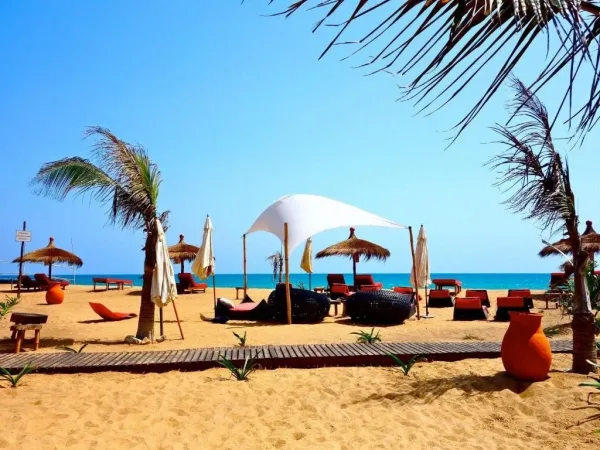
Image Source: Booking.com
Pure Plage Beach Resort stands as a tropical paradise just beyond Lomé’s historical landmarks. This beautiful beachfront property lets guests step right onto pristine shores and relax in style.
Pure Plage Amenities
The resort’s year-round outdoor swimming pool sits amid a beautiful garden and sun terrace. Kids can splash in their own pool while parents watch them play in the playground, making it perfect for families. The full-service spa pampers guests with sports massages, facials, and body scrubs in dedicated treatment rooms. Guests can find complete relaxation in the spa’s sauna, hot tub, steam room and Turkish bath/hammam. The resort also provides a free airport shuttle and keeps its pool open 24 hours.
Pure Plage Food and Drinks
The resort’s menu brings together local flavors and international dishes that guests love. An Australian visitor shared their experience: “Fish & chips in the restaurant was delicious”. The continental breakfast, available from 6:30-11:00 AM, comes free with your stay. American guests particularly praised the “phenomenal” bread. Guests can grab drinks and snacks at the beach bar, poolside bar or coffee shop.
Pure Plage Nightlife
The resort comes alive as night falls. A stylish bar serves up creative cocktails in an energetic setting, while live music adds to the beachside magic. A guest from Ghana summed up their stay perfectly: “peaceful, quiet and private with a unique atmosphere”.
Comparison Table
| Attraction | Type | Key Features | Location/Access | Entry Fee | Operating Hours/Best Time |
|---|---|---|---|---|---|
| Palais de Lomé | Cultural Center | 11-hectare botanical park with art exhibitions and colonial architecture | Visible from sea | – | Reopened in 2019 |
| Grand Marché | Market | Traditional crafts, local cuisine, clothing and electronics | City center block | Free | Opens 7 AM, peak activity at noon |
| Monument de l’Independance | Historical Monument | Symbol of 1960 independence and national celebration venue | City center | Free | Golden hours offer best photography |
| Village Artisanal | Artisan Market | Authentic handmade crafts, live artist demonstrations and batik art | Avenue Kleber Dadjo | Free | – |
| Lomé Cathedral | Religious Site | Neo-Gothic design with stained glass windows and Dutch-inspired architecture | Next to Grand Marché | – | Optimal visits early morning or late afternoon |
| National Museum | Museum | Rich ethnographic displays, historical pieces and pottery collection | Near Independence Square | 1,500-2,000 CFA | Tours last 30-90 minutes |
| Akodessewa Fetish Market | Traditional Market | Largest voodoo market globally, spiritual items and traditional healers | – | 3,000 CFA + 2,000 CFA for photos | – |
| Club Hippique du Togo | Recreational Facility | Horse riding, rock climbing, petting zoo and sports venues | Two hectares grounds | – | Established 1966 |
| Lomé Beach | Natural Attraction | Pristine golden sand, beach football and shell hunting | 5-min walk from main road | Free | November-February ideal, morning visits recommended |
| Musee International du Golfe de Guinee | Museum | Collection of 3,000+ art pieces and West African artifacts | 1603 Boulevard du Mono | 3,000 CFA | Tuesday 14:30-17:30, Wednesday-Saturday 10:00-17:30 |
| Mount Agou | Natural Attraction | Togo’s highest peak at 986m with hiking paths and village vistas | Day trip from Lomé | 8,000 CFA for local guide | 6-8 hours complete journey |
| Pure Plage Beach Resort | Resort | Pool complex, spa amenities, beachfront setting and dining options | – | – | Pool available 24 hours |
Enjoy Things to Do in Lome
Lome is a lively West African city with something for everyone. The Sacred Heart Cathedral shows off amazing architecture, while Palais de Lomé houses beautiful art collections. The city’s rich cultural heritage comes alive in places like the Grand Marché and Akodessewa Fetish Market. These markets give you a real taste of Togolese daily life and spiritual traditions that have lasted for centuries.
History buffs will love spots like the Monument de l’Independance and the National Museum. These landmarks tell Togo’s story from colonial times to independence. The Village Artisanal is perfect to watch skilled craftsmen at work. You can see them use age-old techniques and pick up unique souvenirs.
The city offers great escapes for nature enthusiasts. You can challenge yourself with a hike up Mount Agou or unwind at Pure Plage Beach Resort. These natural spots provide a beautiful contrast to city life. A day trip to historic Togoville helps you learn about the country’s spiritual and colonial roots.
Staying safe in Lome needs attention, especially when you have crowded beaches and busy markets. In spite of that, local guides are a great way to get cultural insights while seeing multiple attractions safely.
Lome amazes visitors by mixing French colonial style with traditional West African culture and modern growth. This coastal capital is available for first-time West African travelers and deserves a thorough exploration. The city delivers unforgettable moments that show Togo’s true spirit, whether you want to soak in the culture, explore history, or just relax by the Gulf of Guinea.
FAQs
Q1. What are the must-see attractions in Lomé?
Some of the top attractions include the Palais de Lomé with its art exhibitions and botanical gardens, the vibrant Grand Marché for local crafts and food and the Sacred Heart Cathedral known for its striking neo-Gothic architecture.
Q2. Is Lomé safe for tourists?
While Lomé offers many exciting experiences, tourists should remain vigilant, especially at beaches and crowded markets. It’s advisable to avoid displaying valuables and to be cautious after dark. Guided tours can provide a safer way to explore the city.
Q3. What unique cultural experiences can I have in Lomé?
Visit the Akodessewa Fetish Market, known as the world’s largest voodoo market, to witness traditional healing practices. The Village Artisnal offers opportunities to watch local artisans at work, while the National Museum showcases Togolese history and artifacts.
Q4. Are there any day trips from Lomé worth taking?
Yes, a popular day trip is to Mount Agou, Togo’s highest peak, offering hiking and panoramic views. Another option is a historical tour to Togoville, known for its colonial history and voodoo heritage.
Q5. What’s the best time to visit Lomé?
The best time to visit Lomé is during the dry season from November to February when the weather is more comfortable for outdoor activities. For beach activities, mornings typically offer cleaner conditions before afternoon crowds arrive.


Leave A Comment