

Benin’s tourist attractions remain yet to be explored by international travelers, despite the country’s rich cultural heritage and natural beauty. Tourist numbers grew from 150,000 in 1996 to 242,000 by 2014. Most visitors barely experience what this West African nation truly offers.
The country’s importance to world history extends way beyond its prominent destinations. Benin’s fundamental role in the transatlantic slave trade and its legacy as the birthplace of the Vodou religion shape its identity. The Slave Route in Ouidah tells a powerful story – a somber 4-kilometer path that witnessed at least a million enslaved people’s journey to the Americas. Travelers can explore Ganvié, Africa’s largest lake village with 20,000 residents. The vast wilderness of Pendjari National Park spans 4,800 km² and offers incredible wildlife experiences.
Benin’s appeal stretches way beyond its famous landmarks. The ancient Kingdom of Abomey flourished between 1600 and 1814, leaving behind a rich cultural legacy. This piece reveals 12 extraordinary tourist attractions that deserve space on any traveler’s itinerary, including hidden gems that most guidebooks miss.
Taneka Koko Village
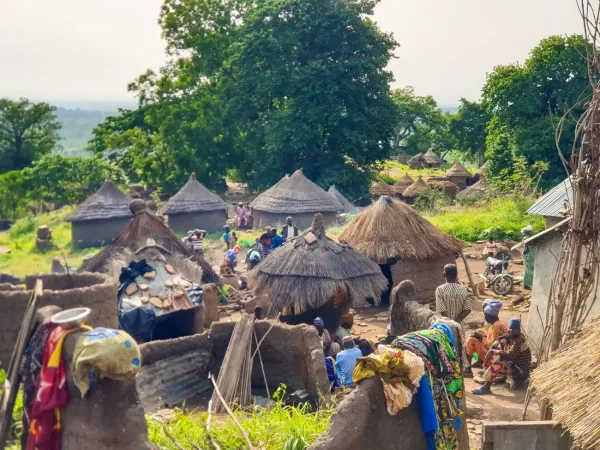
Image Source: Africanlanders
Taneka Koko village sits peacefully in northwestern Benin’s Atakora mountains. This remote settlement stands as a living testament to centuries-old traditions. The village represents one of the main communities of the Taneka people, whose culture emerged from three different ethnic groups coming together.
Why Taneka Koko Village is Special
The village came into existence when Kabye, Bariba, and Gourmantche peoples found sanctuary in the mountainous terrain to protect themselves from slave traders and invaders. These three groups gradually created their own cultural identity while keeping elements of their original heritage alive. The village stays true to its traditional way of life and animist beliefs, unlike many modern communities. Their name tells a story – “tana” means stone, showing their connection to the land, while “taneka” translates to warrior, highlighting their proud heritage.
The village holds special importance as the seat of Taneka monarchy. Their social structure remains strong today. A king wields political power, a land chief manages territories, and spiritual leaders guide religious practices.
What to See at Taneka Koko Village
Round clay huts with cone-shaped straw roofs catch your eye immediately, often crowned with clay pots. Though many residents now move to better farming areas, these traditional homes still play vital roles in ceremonies.
Meeting the village’s spiritual leader becomes the highlight of most visits. You’ll spot him by his distinctive leather loincloth, traditional headwear and special pipe used to communicate with ancestral spirits. He serves both as Voodoo Master and healer, crafting protective fetishes and using herbs to cure ailments.
A guided tour reveals fascinating rituals. These include a purification ceremony held every five years and men’s circumcision rite at age 25. The village’s layout reflects different areas’ spiritual importance.
Tips for Visiting Taneka Koko Village
You’ll find Taneka Koko 20 km from Djougou, reachable only by car. A guided tour costs 10,000 CFA and lasts about 45 minutes. Remember to bow respectfully when meeting the spiritual leader.
The village specifically welcomes tourists, unlike other Taneka villages. Visitors should act as respectful guests rather than observers. Bring plenty of water as the weather can get very hot. Your trip could include stops at nearby Taneka Beri or Kota waterfalls.
Sacred Forest of Kpassè
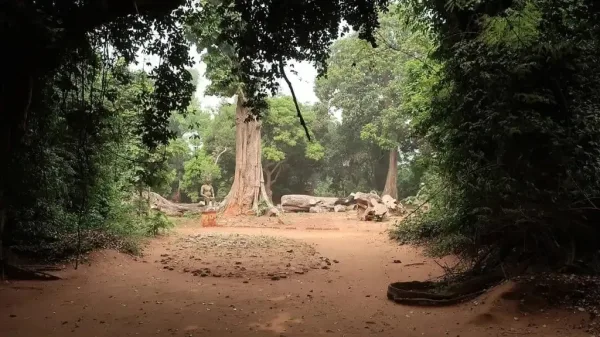
Image Source: Explanders
The Sacred Forest of Kpassè stands out as one of Benin’s most enchanting tourist spots. This mystical woodland blends natural beauty with deep cultural meaning. You’ll find it at the eastern edges of Ouidah, where Vodun followers come to seek spiritual guidance and perform their rituals.
Why Sacred Forest of Kpassè is Special
The forest used to cover 30 hectares, but urban growth has reduced it to just 4 hectares. In spite of that, its spiritual power hasn’t changed. King Kpassè, who ruled the ancient kingdom of Whydah in the 16th century, gave the forest its name. Local stories tell us that the king turned himself into an Iroko tree to escape enemy warriors. Today, this massive tree is the forest’s centerpiece. People believe touching it while making a wish will make their dreams come true.
The forest holds a special place in local history as King Kpassè’s final resting place. He founded Ouidah. After Benin’s biggest Voodoo festival in 1991, artists placed dozens of sculptures of Vodun deities throughout the forest. This turned the space into an outdoor gallery of local art.
What to See at Sacred Forest of Kpassè
Ancient trees line the winding paths, each one a witness to centuries of stories. The forest is home to 36 different plants and fungi. Many have healing properties that traditional healers still use today. Wildlife thrives here – you might spot squirrels, pythons, vipers and many forest birds.
The colorful statues of Vodun deities scattered through the forest catch everyone’s eye:
- Lègba: The messenger of all Voodoo gods, with his distinctive statue greeting visitors at the entrance
- Hêbiosso: The thunder and storm god, shown among tall plants with lightning
- Gu: The god of war and blacksmiths
- Sakpata: The divinity of illness and smallpox
Tips for Visiting Sacred Forest of Kpassè
Early morning visits offer the best experience. You’ll avoid crowds and enjoy the peaceful atmosphere. Wear comfortable shoes because the forest paths aren’t always smooth. A local guide will help you learn about the forest’s rich cultural meaning.
Remember that tourists can only visit half the forest. The other half stays reserved for ceremonies and rituals by initiated practitioners. Pack water and snacks since you won’t find many facilities inside.
Black River of Adjarra
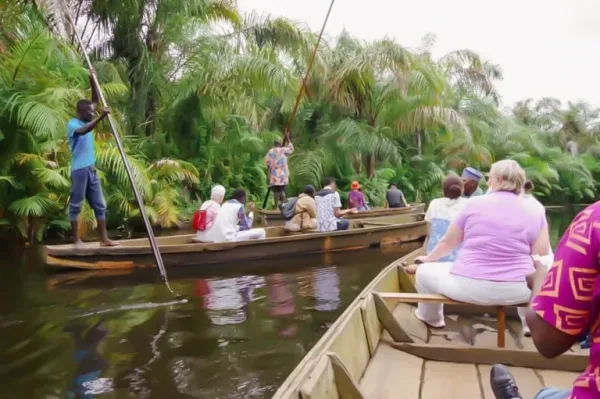
Image Source: ayiffa tourisme
The Black River flows peacefully through southeastern Benin. This mystical waterway connects the municipalities of Adjarra, Akpro-missérété, Ifangni, Porto-Novo and Avrankou. You’ll find this natural wonder just 10km north of Porto-Novo. The river has become the capital’s northern suburb while keeping its peaceful character away from city life.
Why Black River of Adjarra is Special
The Black River draws people with its mythical and mystical nature. Despite its name, the water isn’t actually black. The water stays clear but looks dark because plant leaves collect at the river bottom. Nature creates this mysterious atmosphere that makes the river even more appealing.
The river’s story runs deep in local history. Indigenous populations used it as a sanctuary during conflicts. Local communities consider it sacred, which has helped the ecosystem thrive undisturbed through generations.
Beninese people cherish the river as part of their heritage. Stories about their ancestors’ adventures in the rushing waters and the forest’s mysteries pass down through generations.
What to See at Black River of Adjarra
Traditional pirogues (canoes) take visitors down the river where they’ll discover:
- Rich biodiversity: Mango trees, cola trees, and raffia palms create a thick canopy over the water
- Diverse wildlife: The ecosystem teems with dwarf crocodiles, monitor lizards, monkeys and electric fish
- Traditional activities: Local fishing methods focus on sustainability. The community bans large nets to protect ecological balance
Visitors can watch palm wine (Le vin de raphia) extraction and taste this local specialty. Houses built with ecological materials like raffia show the community’s dedication to living in harmony with nature.
Tips for Visiting Black River of Adjarra
The best experience at Black River requires some planning.
The rainy season in June and July makes river activities difficult. Plan your visit during the dry season from November to March when water levels stay stable and conditions improve.
Safety comes first – make sure you get a life jacket even though the river stays calm most times. Wildlife watching and photography work best in the early morning.
A local guide will transform your visit. Book through dedicated websites or find one at Adjarra town’s pier. These guides share cultural stories and context that bring the river’s importance to life.
Kota Waterfalls

Image Source: Pendjari Safari Lodge
The majestic Kota Waterfalls cascade down the Atacora mountains, giving visitors one of Benin’s most exceptional natural sights. This enchanting waterfall sits just 15km southeast of Natitingou in northwestern Benin. Nature enthusiasts and travelers alike flock to this hidden gem that lies beyond the usual tourist spots.
Why Kota Waterfalls is Special
The waterfall’s pristine beauty and easy access make it stand out among Benin’s natural wonders. The impressive Atacora hill chain provides a perfect backdrop that nature lovers will appreciate. Groundwater feeds these falls continuously, which means visitors can enjoy the cascades throughout the year, even in dry seasons.
Kota towers 100 meters high and spans a basin of 36 km², making it Benin’s highest waterfall. The area’s unique microclimate supports diverse plant species along the banks, with lush vegetation that differs from nearby regions.
What to See at Kota Waterfalls
Kota Waterfalls delights visitors with:
- A cool, refreshing natural pool at the falls’ base that provides relief from Benin’s tropical heat
- Beautiful hiking trails around the hills and through botanical gardens
- Green landscapes that photographers will love
- A peaceful setting filled with rushing water sounds and birdsong
Visitors can reach the site through two paths – one leads through the Botanical Garden of Panatia, while another route opened in 2013. Both trails showcase spectacular views of the surrounding area.
Tips for Visiting Kota Waterfalls
These tips will help you make the most of your visit:
The entrance fee runs 500 FCFA per person. Water volume peaks during and right after rainy season, though the groundwater source keeps the falls impressive year-round.
A motorcycle taxi (zem) from Natitingou costs about 5,000 CFA daily. Local hotels and tour operators also provide transportation services.
Swimmers should pack swimwear, towels and extra clothes. The site offers bungalows if you want to stay overnight.
Sacred Mountain of Kétou
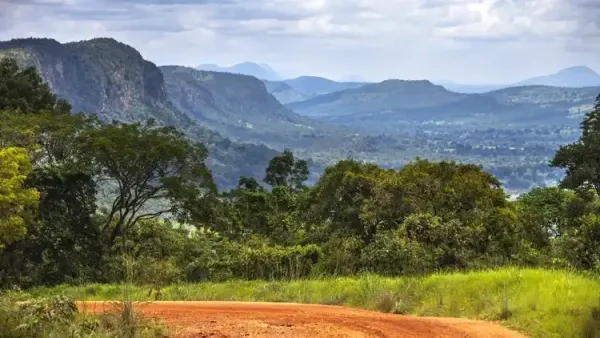
Image Source: Take your Backpack
The Sacred Mountain of Kétou towers over the surrounding area, drawing adventurous travelers who want both a physical challenge and cultural immersion. This sacred landmark stands out as one of Benin’s hidden yet spiritually most important tourist spots, giving visitors an exceptional blend of natural beauty and rich history.
Why Sacred Mountain of Kétou is Special
The local population treasures the Sacred Mountain of Kétou as a spiritual sanctuary. This mountain means more than just a hiking spot – it serves as a cultural cornerstone that keeps ancestral ties alive through rituals and ceremonies at its peak and base.
The site stands out because it doubles as a natural wonder and historical monument. The mountain’s ties to the ancient kingdom of Kétou run deep, and the monarchy still holds social influence in the community today. Local residents have kept their traditional practices alive at this sacred site through generations, creating a living link to their past.
What to See at Sacred Mountain of Kétou
The summit rewards climbers with stunning panoramic views of the countryside. The climb up reveals:
- The historic town of Kétou below
- Lush vegetation on the mountain slopes
- Traditional shrines and sacred spots along the path
The Palace of Kétou sits near the mountain at the town’s edge. Here, guides explain the royal chambers and sometimes set up meetings with the king. You’ll also find the “Magic Door” in an old fort – locals tell stories about this legendary portal that blew back into place during an enemy attack, saving the fortress.
Tips for Visiting Sacred Mountain of Kétou
You can explore on your own or hire local guides who will boost your experience with stories about the mountain’s cultural and religious meaning. Remember to show respect for local customs since this is a spiritual site.
Bring plenty of water and wear comfortable shoes – the climb can be tough. Residence Celine provides simple but clean rooms if you plan to stay overnight. The climb feels better during cooler morning hours.
Tata Somba Houses

Image Source: www.besttravelreview.com
The Tata Somba’s mud structures stand like fortresses and showcase Benin’s architectural brilliance. These distinctive two-story castle-like dwellings dot the Atacora region of northern Benin. The Batammariba people built these homes as cultural symbols. Their name carries special meaning – “those who are the real builders of the earth”.
Why Tata Somba Houses are Special
The Batammariba built these houses in the 17th century to defend against slave traders and hostile tribes. Their remarkable architecture earned UNESCO World Heritage recognition in 2004. This recognition helps preserve their building traditions for future generations.
These structures mean much more than just homes. Each house represents the connection between gods, humans and ancestors. The roof symbolizes the sky, while the middle floor represents earth and the bottom level embodies the underworld. People treat these buildings almost like living beings. The facade patterns often match their inhabitants’ facial scarification marks.
What to See at Tata Somba Houses
These miniature fortresses feature several distinct elements:
- Thick earthen walls mixed with straw and cow dung that keep the heat out
- A small entrance that always faces west to guard against eastern winds and evil spirits
- Ground floors that house livestock and have hearths whose smoke protects ceiling wood from termites
- Roof terraces with granaries that store enough food for long sieges
- Protective fetishes with animal skulls placed near entrances
A closer look at a Tata Somba reveals clever design features. Small sliding doors lead to bedrooms that you must crawl through to enter. Each room has its own hearth, and the granaries come equipped with bells that serve as anti-theft alarms.
Tips for Visiting Tata Somba Houses
Local guides help visitors understand the cultural significance and architectural details of these structures. The communities welcome tourists who respect their traditions.
Many young residents now leave these homes because they need renovation every three years. Authentic inhabited structures exist mainly in remote areas.
Several eco-lodges in the region offer rooms built in traditional Tata Somba style. Some Somba families welcome overnight guests in authentic Tata Sombas, which creates a deep cultural experience.
La Bouche du Roi

Image Source: Tripadvisor
The Mono River creates one of Benin’s most spectacular natural wonders as it meets the Atlantic Ocean at La Bouche du Roi. This captivating intersection of waters got its name from a mistranslation of the Portuguese “La boca del Rio” (mouth of the river) and shows visitors Benin’s coastal beauty at its finest.
Why La Bouche du Roi is Special
The waters of Grand Popo lagoon from the west and Ouidah lagoon from the east converge at La Bouche du Roi before flowing into the ocean. Lake Haémé adds its waters through an overflow channel. This ecological marvel stands as a key part of the Mono Delta Cross-Border Biosphere Reserve and creates a unique boundary between freshwater and saltwater ecosystems. The site’s importance extends to Benin’s water systems, as the Grand Popo lagoon collects water from the Mono River that separates Benin and Togo.
What to See at La Bouche du Roi
Visitors can experience these remarkable sights:
- Dramatic ocean waves crash against the lake’s entrance while interior waters remain perfectly still
- Rich vegetation lines the waterways and creates verdant landscapes
- Local fishermen cast traditional dragnets and pull their catches to shore
- The lagoon reflects magnificent sunsets while waves provide nature’s soundtrack
Tips for Visiting La Bouche du Roi
The journey to this natural treasure takes you along a strip of land east of Grand Popo, with lagoon waters on one side and ocean on the other. A 7-kilometer laterite track ends at an abandoned hotel. Visitors walk around this structure to reach the sand dunes that border La Bouche du Roi. A boat or canoe ride offers the best way to appreciate the area’s beauty. The sunset hours provide perfect conditions to capture photos and enjoy peaceful moments.
Royal Statues of Porto-Novo
Bronze sculptures line Porto-Novo’s historic streets and tell the story of Benin’s royal heritage. The statues stand tall as reminders of the past, with King Toffa I’s monument drawing the most attention from visitors who want to connect with the nation’s pre-colonial history.
Why Royal Statues of Porto-Novo are Special
The Royal Statues tell the story of leaders who shaped Benin’s history. King Toffa I, born in 1850 and crowned in 1874, made history as the first monarch to sign a treaty with the French. His leadership helped Porto-Novo grow into a multicultural city where Christians and Muslims lived peacefully with traditional Vodun practitioners.
These monuments bring people together during cultural celebrations throughout the year. They remain one of the few ways to connect with royal heritage today, as Benin continues its efforts to bring back 26 royal artifacts that French troops took over a century ago.
What to See at Royal Statues of Porto-Novo
King Toffa I’s iconic statue commands attention at Place Jean Bayol, looking straight at the Catholic church near Porto-Novo’s entrance. Visitors marvel at the detailed craftsmanship of these bronze sculptures that bring Benin’s past leaders to life.
The nearby Royal Palace (Museum Honme) adds depth to the experience. This beautiful red mudbrick complex has earned its place on UNESCO’s World Heritage List.
Tips for Visiting Royal Statues of Porto-Novo
The best photos come from visits in the morning or late afternoon when the light hits just right. Local guides can share amazing stories about King Toffa’s legacy. The adjacent gardens offer a peaceful spot to rest and reflect after your tour.
Temple of the Sacred Python

Image Source: Travel with a Pen
The Temple of the Sacred Python stands at the heart of Ouidah. This unique religious site engages visitors with its living sacred symbols. Dozens of royal pythons, deeply venerated in Vodun tradition, give travelers a chance to meet living religious icons up close.
Why Temple of the Sacred Python is Special
The temple’s story begins with a remarkable event. King Kpassè of Ouidah found protection from pythons during a war in the 1700s. His enemies tried to capture him when pythons emerged from the forest and created a protective barrier. The king’s gratitude led him to build three monuments, and this temple became a key pilgrimage site.
The temple now operates from a concrete building with a clay roof. It serves as home to about 60 royal pythons. The site goes beyond tourist attraction status. Religious activities continue here, with Dan, the rainbow serpent deity, bridging the gap between the living and spirits. These sacred snakes symbolize peace, prosperity and wisdom in Beninese culture.
What to See at Temple of the Sacred Python
Sacred pythons move around freely inside the temple. You might spot them slithering alone or coiled together in a central pit. These gentle creatures often roam the temple courtyard. Religious art and mosaics cover the temple’s walls, telling stories of Vodun traditions.
Brave visitors can hold these non-venomous snakes – the temple staff actually encourages it as part of the cultural experience. Photos with these sacred creatures make great souvenirs, though they cost extra.
Tips for Visiting Temple of the Sacred Python
A hand-purification ritual precedes any snake handling. Entry costs about 2,000 CFA ($3.00). Temple guardians guide visitors through the site and share fascinating historical stories.
The temple’s religious nature calls for modest dress. Clothes should cover knees and shoulders. Cameras are welcome, but skip the flash during ceremonies.
Artisanal Center in Cotonou
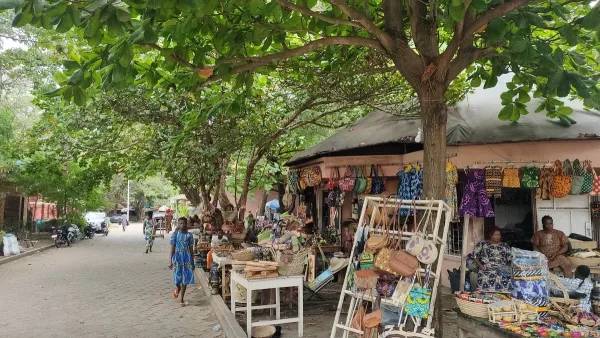
Image Source: Tripadvisor
The Artisanal Center, a vibrant marketplace nestled in Cotonou’s busy streets, brings Benin’s creative heritage to life through handcrafted treasures. The cultural hub, previously known as Center Artisanal, has moved to a new location as “Marché des Arts” right across from its original spot along the old railway line.
Why Artisanal Center in Cotonou is Special
Traditional African architecture shapes this center’s spaces where authentic Beninese craftsmen showcase their work. The marketplace stands apart from the bustling Dantokpa Market by focusing on unique souvenirs for visitors. Skilled artisans work right in front of guests, creating pieces that tell stories of their heritage. The center now serves two important roles – a marketplace and a cultural preservation site where artists demonstrate traditional techniques daily.
What to See at Artisanal Center in Cotonou
The center houses remarkable handcrafted items such as:
- Detailed paintings, sculptures and traditional masks
- Textiles, bags, and clothing woven by hand
- Decorative pieces ranging from hammocks to table settings
The center provides comfortable seating areas and a restaurant where visitors can take breaks between shopping. Many artists will customize pieces for guests who can wait for their completion.
Tips for visiting Artisanal Center in Cotonou
Doors open daily from 7:00 AM to 7:00 PM. Weekday mornings tend to be quieter, perfect for a relaxed shopping experience. Bargaining is part of the experience – sellers usually start high, expecting to negotiate. The best time to visit is during the dry season from November to February when temperatures stay between 24°C and 32°C.
Musee de la Fondation Zinsou
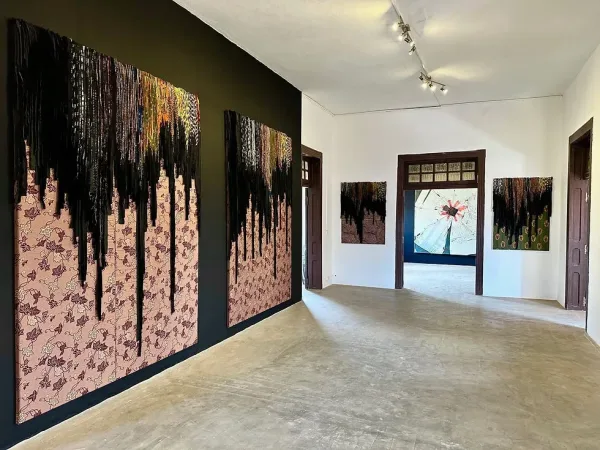
Image Source: Fondation Zinsou
The Musee de la Fondation Zinsou stands proudly in a stunning 1920s Afro-Brazilian villa. This cultural gem serves as Benin’s leading showcase for contemporary African art. The museum embodies a powerful belief that “Culture is not a luxury, but a right”.
Why Musee de la Fondation Zinsou is Special
The museum stands out by making art available to everyone through free entry and educational programs. Its cultural effect speaks volumes – more than four million people visited the foundation’s exhibitions over eight years. The museum goes beyond displaying art and helps nurture young African talent through programs like “Les Petits Pinceaux” (The Little Paintbrushes).
What to See at Musee de la Fondation Zinsou
The museum houses an impressive collection. Visitors will find sculptures that tell stories of ancient legacies, installations that resonate through Africa’s heart, vibrant paintings, and captivating photography. New exhibitions appear regularly, which means each visit brings fresh discoveries. The stylish café adds to the experience with its deep Majorelle blue walls and woven rattan fixtures – a perfect spot to unwind.
Tips for Visiting Musee de la Fondation Zinsou
Visitors can explore the museum Tuesday (1pm-7pm) and Wednesday through Sunday (9am-7pm). The staff helps wheelchair users access both floors. English-speaking guides help international visitors navigate the collections. Weekday visits offer a more peaceful experience.
Fidjrosse Beach

Image Source: Sandee
Fidjrosse Beach runs along Cotonou’s southern edge and delights visitors with its perfect mix of natural beauty and cultural energy. The vast golden shoreline has become a peaceful retreat and social hotspot for travelers who want to experience Benin’s coastal charm.
Why Fidjrosse Beach is Special
The sprawling sandy coastline of Fidjrosse Beach fascinates visitors and stretches endlessly toward the horizon. The beach comes alive at sunset with local musicians and dancers who show off their amazing skills. You can watch traditional Vodun ceremonies that make this place a cultural hub. This beautiful spot connects the natural world with the energetic rhythm of local life.
What to See at Fidjrosse Beach
Visitors can enjoy:
- Surfing and jet-skiing in marked areas
- Fresh grilled fish and cold drinks from beach vendors
- Spontaneous dance shows that celebrate local culture
- Beautiful Atlantic Ocean sunsets
Tips for Visiting Fidjrosse Beach
The best time to visit falls between November and March during the dry season when temperatures stay between 25°C and 32°C. The weather becomes really pleasant from December to February with less humidity. Strong currents make swimming dangerous in some spots, so watch for warning signs. The beach stays quiet on weekdays but gets busy during weekends. You can chat with local fishermen to learn about their daily work while enjoying the beach.
Comparison Table
| Attraction Name | Location/Region | Main Feature | Cultural Significance | Key Things to See | Best Time to Visit | Entry Fee |
|---|---|---|---|---|---|---|
| Taneka Koko Village | Atakora mountains, NW Benin | Traditional village settlement | Mix of Kabye, Bariba, and Gourmantche cultures | Round clay huts, spiritual leader, traditional ceremonies | – | 10,000 CFA |
| Sacred Forest of Kpassè | Ouidah | 4-hectare sacred forest | Named after King Kpassè, major Vodun pilgrimage site | Ancient Iroko tree, Vodun deity statues, medicinal plants | Early morning | – |
| Black River of Adjarra | 10km north of Porto-Novo | Mystical waterway | Past refuge during conflicts | Wildlife, traditional fishing, palm wine extraction | Nov-March (dry season) | – |
| Kota Waterfalls | 15km SE of Natitingou | 100m high waterfall | Benin’s tallest waterfall | Natural swimming pool, hiking trails, botanical gardens | During/after rainy season | 500 FCFA |
| Sacred Mountain of Kétou | Kétou | Sacred mountain | Ancient kingdom landmark, spiritual sanctuary | Kétou’s Palace, Magic Door, panoramic views | Early morning hours | – |
| Tata Somba Houses | Atacora region | Two-story fortress homes | UNESCO World Heritage site since 2004 | Traditional architecture, defensive features, cultural symbols | Not mentioned | – |
| La Bouche du Roi | Grand Popo | River-ocean confluence | Part of Mono Delta Biosphere Reserve | Water meeting point, fishing activities, sunset views | Sunset hours | – |
| Royal Statues of Porto-Novo | Porto-Novo | Bronze royal monuments | Honors King Toffa I and royal heritage | King Toffa I statue, Royal Palace Museum | Morning or late afternoon | – |
| Temple of the Sacred Python | Ouidah | Religious temple | Sacred site since 1700s | 60 royal pythons, religious art, ceremonies | Not mentioned | 2,000 CFA |
| Artisanal Center | Cotonou | Craft marketplace | Traditional craftsmanship center | Artisan demonstrations, handicrafts, local art | Weekday mornings | – |
| Musee de la Fondation Zinsou | Ouidah | Contemporary art museum | Benin’s first contemporary art museum | Rotating exhibitions, African art, stylish café | Weekdays | Free |
| Fidjrosse Beach | Cotonou | Coastal beach | Cultural performance venue | Water sports, sunset views, traditional ceremonies | Nov-March (dry season) | – |
Enjoy Benin Tourist Attractions
Benin stands out as West Africa’s best-kept secret. This amazing country offers a perfect mix of cultural heritage, natural wonders, and historical significance without the tourist crowds you’ll find at popular spots. Here are 12 hidden spots that show off the country’s rich landscape – from mystical rivers and stunning waterfalls to ancient villages and sacred sites.
The country opens up a world of authentic experiences for adventure seekers. You’ll find a rich spiritual heritage at the Sacred Forest of Kpassè and Temple of the Sacred Python, places that have shaped Beninese culture for centuries. The natural beauty of Kota Waterfalls and La Bouche du Roi showcases the country’s breathtaking landscapes.
Benin’s architectural wonders tell their own stories. The fortress-like Tata Somba houses show evidence of human creativity, while Porto-Novo’s Royal Statues keep historical stories alive. Art comes alive at Cotonou’s Artisanal Center and the modern Musee de la Fondation Zinsou.
You should plan a two-week trip to really soak in these hidden gems. Local guides are essential at many spots. They add value with their deep knowledge of culture and history. Most places welcome visitors year-round, though travel becomes more comfortable during the dry season from November through March.
This West African gem rewards travelers who step off the beaten path. Its mix of living traditions, beautiful landscapes and friendly people creates memories that last a lifetime. The experiences here go way beyond what you’d find on typical African safaris. A journey through these hidden treasures leaves visitors with unique stories and a deep love for this remarkable nation.
FAQs
Q1. What is the best time to visit Benin?
The most pleasant time to visit Benin is from November to February when temperatures and humidity are lower. This period offers comfortable conditions for exploring attractions like Kota Waterfalls and Fidjrosse Beach.
Q2. Is it safe to travel to Benin?
While Benin is generally safe for tourists, it’s advisable to exercise increased caution due to potential risks of crime and regional instability. Stick to recommended areas and take standard safety precautions when visiting attractions.
Q3. What are some unique cultural experiences in Benin?
Benin offers rich cultural experiences such as visiting the Temple of the Sacred Python in Ouidah, exploring traditional Tata Somba houses, and witnessing Vodun ceremonies at sites like the Sacred Forest of Kpassè.
Q4. Are there any notable natural attractions in Benin?
Yes, Benin boasts impressive natural attractions including the 100-meter high Kota Waterfalls, the mystical Black River of Adjarra and the scenic confluence at La Bouche du Roi where river meets ocean.
Q5. What kind of art and crafts can I find in Benin?
Benin has a vibrant art scene. You can explore traditional crafts at the Artisanal Center in Cotonou, view contemporary African art at the Musee de la Fondation Zinsou and find unique sculptures and textiles throughout the country.


Leave A Comment