
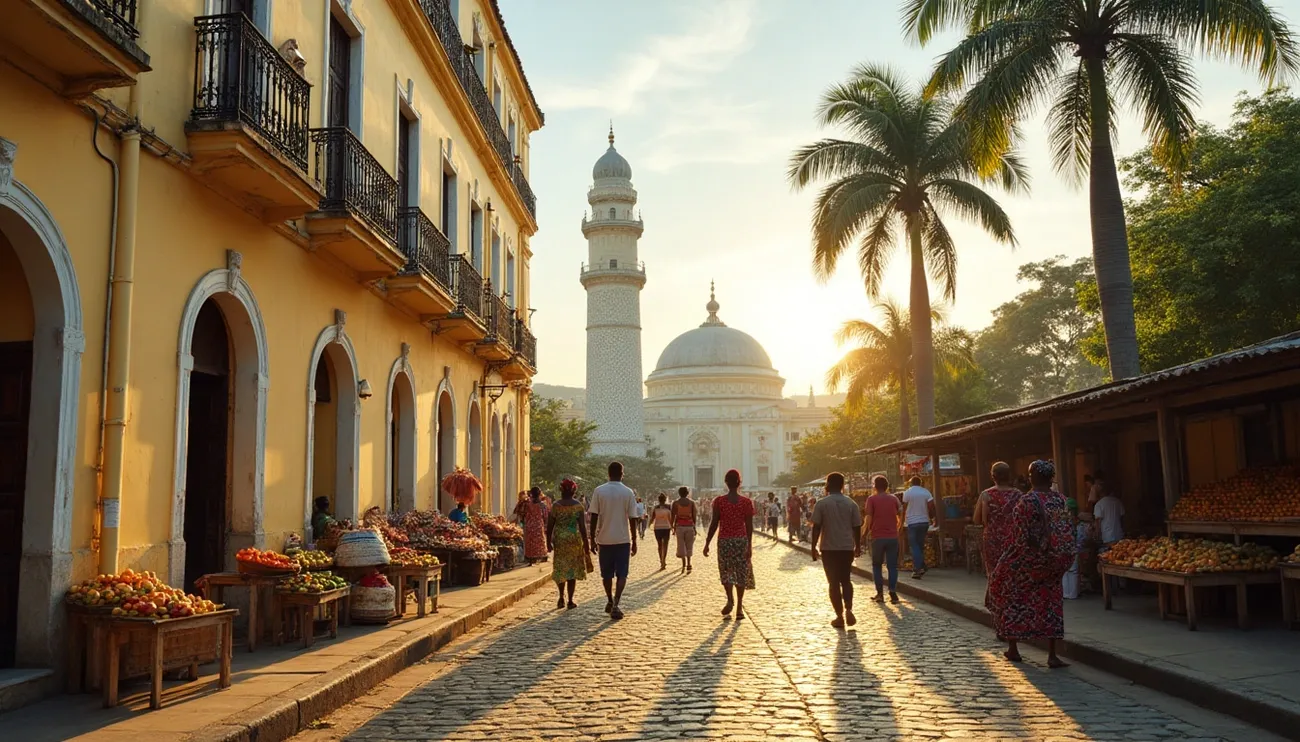
Porto-Novo stands as Benin’s official capital, yet this West African cultural gem doesn’t get the recognition it deserves despite its rich history.
The city’s story began in the 16th century when King Te-Agdanlin of Allada established what was then called Dahomey – “the country of a thousand kings”. Porto-Novo grew into a major trading hub during the Trans-Atlantic slave trade by the 18th century. The French took control in 1900, and their influence shows today as people speak French along with Portuguese and the local Fon language.
Most people might know about Cotonou, but Porto-Novo holds the title of Benin’s official capital, though it ranks as the nation’s second-largest city. The city boasts several prominent landmarks. These include the Royal Palace (active until 1976), the Porto-Novo Museum of Ethnography, the Great Mosque, the lively Brazilian Quarter and the bustling Central Market. Beyond these popular spots, adventurous travelers can find many hidden treasures throughout the city.
Great Mosque of Porto-Novo
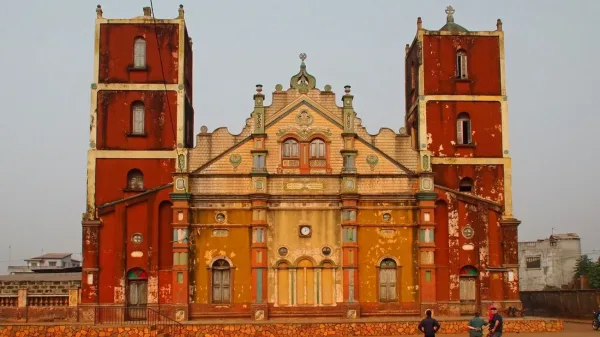
Image Source: IRCICA
The Great Mosque of Porto-Novo amazes first-time visitors with its church-like appearance, which reflects the city’s rich cultural heritage. This remarkable building’s construction started in 1912 and finished in 1925 during the French Dahomey period. Some historical records suggest the work continued until 1935.
Great Mosque Architecture
The building stands out from typical mosque designs with its unique Afro-Brazilian architectural style. The structure takes inspiration from 17th-18th century churches of Bahia, Brazil, featuring a long central hall and shallow vaulted roof. Beautiful floral, vegetable, and scrolled stucco molding adorns its front facade.
European and eastern design elements blend beautifully in the mosque’s central pediment, which features indented patterns and parallel indentations. Two crescents with six-pointed stars sit at the pediment’s upper angle – one of the few visible Islamic symbols on the exterior. The builders used terracotta briquettes and created exceptional carpentry work, which shows in the beautifully carved lateral entrance and woodwork.
Great Mosque Cultural Significance
This religious landmark tells the story of freed Afro-Brazilian slaves returning to West Africa. After the Malê Revolt in Brazil, authorities deported many former slaves – mostly Hausa and Yoruba Muslims – back to West African shores. These returnees brought their expertise in architecture, carpentry and blacksmithing.
The design draws inspiration from both the Mosque of Lagos and baroque churches of Salvador, Bahia. The building symbolizes cultural resilience and adaptation. The Porto-Novo city government recognized its historical importance and declared it a historical monument.
Great Mosque Visitor Tips
Here’s what you should know before visiting:
- Wear modest clothing that respects local customs
- The best times to visit are early morning or late afternoon when the lighting enhances the architecture and the atmosphere feels peaceful
- A local guide can help you learn about the mosque’s history and significance
- People still use the mosque for prayers and maintenance happens yearly
- The local markets and traditional crafts around the mosque deserve your attention too
The Great Mosque still engages visitors with its grandeur, beauty and unique cross-cultural architectural identity, though it shows some wear and tear, including cracks and damage from poor-quality additions made in the 1990s.
Jardin Place Jean Bayol
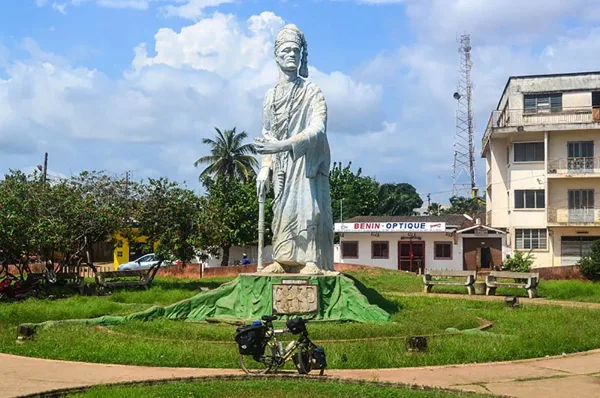
Image Source: Heroes Of Adventure
Jardin Place Jean Bayol welcomes visitors at the entrance of Porto-Novo, Benin’s capital city. This grand plaza combines peaceful gardens with rich historical significance. Visitors can experience the city’s colonial past and royal heritage while enjoying its serene atmosphere.
Jardin Place Jean Bayol History
The plaza got its name from Jean Bayol, a French colonial administrator who worked in French West Africa. Bayol became a key figure during the “Scramble for Africa” after the 1884 Berlin Conference. He used local conflicts to his advantage and declared Dahomey a French colony in 1899.
King Toffa I’s impressive statue stands as the plaza’s centerpiece. This monument shows proof of the city’s royal legacy, with the king’s statue looking into the distance from its pedestal. Recent sources suggest the plaza now bears the name Place Toffa to honor this visionary leader instead of Bayol.
Jardin Place Jean Bayol Layout
Beautiful gardens create a green haven in the heart of the city. The garden ranks among Porto-Novo’s biggest public spaces. People find perfect spots to relax thanks to its thoughtful design that blends the memorial statue with lush greenery.
A Catholic church stands right across from the garden. This setup shows Porto-Novo’s mix of different faiths. Colonial buildings surround the area and add charm for anyone learning about the garden and its neighborhood.
Jardin Place Jean Bayol Best Time to Visit
The garden feels most peaceful during morning hours before the heat sets in. Evening visits also let you enjoy pleasant walks among the plants. Many people choose this spot for picnics or quiet strolls away from busy streets.
The garden lets you watch local life unfold naturally. You can see authentic Porto-Novo culture in action. One visitor said it felt like “an artist taking a brush to a green canvas”. This garden gives you a perfect break while you learn about Benin’s capital.
Musee Honme (Royal Palace of King Toffa)
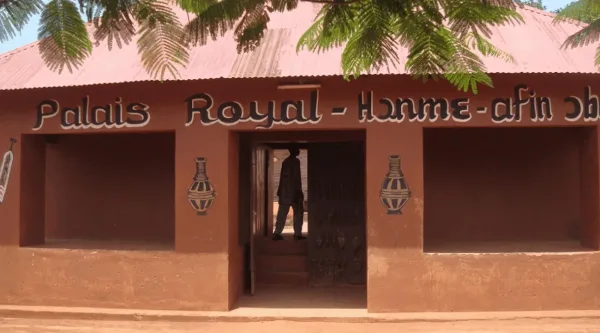
Image Source: MoMAA | Affordable Art Gallery & Lifestyle
The stunning Musee Honme, once King Toffa I’s walled palace, connects visitors to Porto-Novo’s royal history. This royal home from the 19th century now serves as a cultural center where people can experience the heritage that helped shape Benin’s capital city.
Musee Honme Exhibits
The museum showcases an amazing collection of artifacts that reflect Porto-Novo’s mixture of cultures. One of its unique displays is the alounloun, a special musical instrument with a sliding metal ring that became the life-blood of traditional adjogan music—showing the king’s power and authority. The collection also includes beautiful Yoruba tribal pieces like masks, traditional instruments and ceremonial costumes that show the region’s cultural identity.
Old photographs of Porto-Novo’s royal families create one of the museum’s most fascinating exhibits. These pictures let visitors peek into the lives and customs of the nobility. The palace building itself might be the most important exhibit. Its seven inner atria and large performance space are proof of royal grandeur and lifestyle.
Musee Honme Historical Importance
The palace played a vital role as home to King Toffa I, who ruled from 1874 to 1908. He became the first Porto-Novo king to sign a treaty with the French. This smart diplomatic move helped spread French language and western education in local schools. It also created the foundation for Porto-Novo’s mix of cultures. The palace and its surrounding area earned recognition on the UNESCO World Heritage Tentative List on October 31, 1996.
The museum protects Benin’s cultural heritage. It preserves the legacy of a kingdom that managed to keep its semi-autonomous status until King Toffa died in 1908. After his death, the kingdom became part of the French Dahomey colony.
Musee Honme Guided Tour Options
Note that while entry to the museum costs nothing, you must take a guided tour. The guides know everything about King Toffa and his dealings with French colonial authorities. Many have worked at the museum for years. Their knowledge makes the tours unmatched.
Tour prices range from 4,000-5,000 CFA (about $7-9 USD). The final cost depends on how long the tour lasts and how detailed the information is. Guides share amazing stories about royal life, including tales about the king’s 112 queens and the queen mother. Guests must bow to enter each room through a small door but leave through the grand door that only the king used.
Da Silva Museum
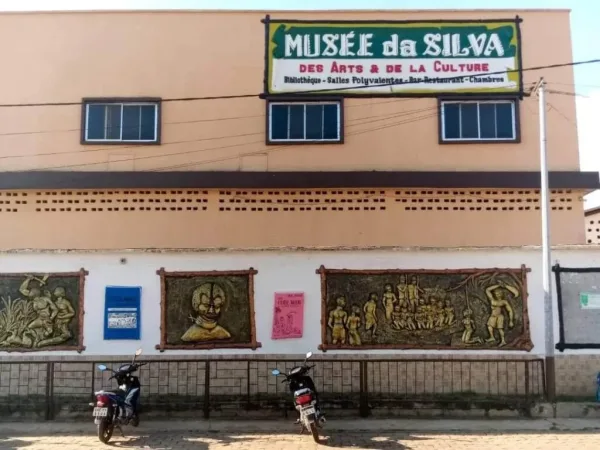
Image Source: Africa.com
The da Silva Museum sits in a beautiful 1870 Afro-Brazilian mansion that shows Porto-Novo’s mix of cultures. This unique museum, established in 1998, is one of the city’s finest examples of Afro-Brazilian architecture and tells a powerful story of cultural strength and historical ties.
Da Silva Museum Collections
The museum’s collections tell stories across generations and time periods. Visitors will find a large photo gallery on the ground floor that shows the da Silva family’s trip from slavery to success. The museum holds fascinating items from colonial-era Benin, with artifacts from traditional religious practices and records about the country’s slavery history.
Some of its best treasures are old tech items – vintage phones, typewriters, home theaters, speakers, radios and sewing machines from different times. People who love vehicles will enjoy the motorcycle collection from the 1960s to now, among classic cars like 1980s Rolls-Royce and 1950s Citroens.
A special gallery honors Martin Luther King Jr. with photos, life stories, quotes and speech transcripts that show his fight against racial discrimination in America.
Da Silva Museum Afro-Brazilian Heritage
The museum’s main goal is to keep Afro-Brazilian culture alive in Porto-Novo. The da Silva family’s story began when their ancestors were sold as slaves to Brazil, where they worked until their children became free. They came back to Porto-Novo as Agudás (freed returnee slaves) and became Benin’s middle class.
The building shows classic Afro-Brazilian design with breezy verandas and enclosed central galleries that work well in both Brazil’s and Benin’s tropical weather. People’s living spaces were built above ground to stay dry during rainy seasons.
Each January, a big Afro-Brazilian festival at the museum celebrates this special cultural heritage.
Da Silva Museum Pricing
Your entry ticket includes a guided tour. You can take photos in the outer courtyard but not inside the manor. The grounds have extra features like a traditional house, small library and outdoor cinema that shows French films. Travelers can stay at the museum’s hotel, where air-conditioned rooms start at CFA 13,000 per night.
The museum also has a restaurant and cyber café. Local artists sometimes perform live music here to add to the cultural experience.
Cathédrale Notre Dame de l’Immaculée Conception
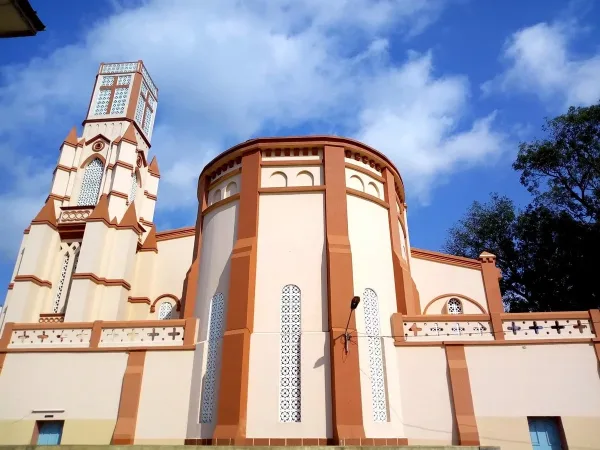
Image Source: Tripadvisor
The Cathédrale Notre Dame de l’Immaculée Conception stands as a most important spiritual landmark at the entrance of Porto-Novo’s lagoon-bordering city. This Roman Catholic cathedral serves as the main cathedral of Porto-Novo’s diocese. The building exemplifies the city’s religious heritage among its Muslim and traditional Vodoun influences.
Cathedral Architecture
Built in 1864, the cathedral marked its 150-year jubilee of evangelization in 2014. The structure combines European Gothic and local architectural styles that create a distinctive appearance and add to Porto-Novo’s architectural diversity. The cathedral’s interior features lovely stained-glass windows that tell biblical stories through vibrant colors and intricate designs.
Soaring spires define the cathedral’s exterior and make it a recognizable landmark on the city’s skyline. Sunlight streams through intricate stained glass windows, casting colorful patterns across the worship space. The building’s design reflects the Catholic Church’s historical presence in Benin and its influence on the region’s cultural growth.
Cathedral Religious Events
The cathedral buzzes with church services where visitors experience uplifting atmospheres filled with beautiful hymns and colorful ceremonies. Beyond regular worship services, the building serves as a hub for cultural and community activities throughout the year.
Visitors can witness local religious practices firsthand at this active place of worship. The cathedral offers guided tours to help people learn about its history and role in Porto-Novo’s religious life.
Cathedral Nearby Attractions
Several notable Porto-Novo attractions surround the cathedral. The Ethnographic Museum of Porto-Novo, Jardin des Plantes et de la Nature and da Silva Museum sit close by. This convenient location lets visitors explore multiple sites in one trip.
Tourists can capture stunning views of the city and surrounding areas from the cathedral grounds. The new parliament building adds to these vistas, making the cathedral an ideal starting point to explore Porto-Novo’s historic districts.
Visit Saint Denis Basilica, Paris.
Ethnographic Museum of Porto-Novo
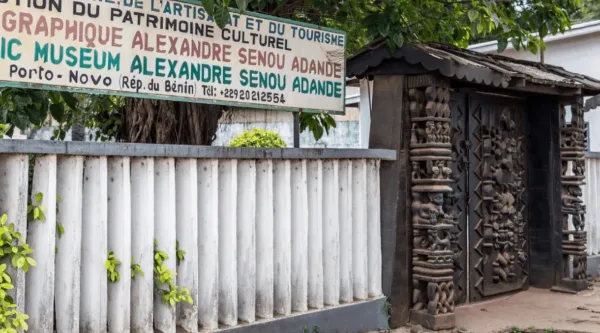
Image Source: MoMAA | Affordable Art Gallery & Lifestyle
A captivating colonial mansion built in 1922 houses the Alexandre Sènou Adandé Ethnographic Museum, the life-blood of Porto-Novo’s culture. The prestigious Dahomey Institute opened this repository of Beninese heritage in 1957, naming it after a renowned ethnologist.
Ethnographic Museum Highlights
Benin’s diverse cultures come alive through the museum’s fascinating collection of artifacts. Visitors can see striking Yoruba masks, intricate ritual objects, and formidable traditional weapons throughout the exhibition halls. The top floor’s exhibits follow themes of birth, life and death that showcase ceremonial costumes and carved drums. Cultural enthusiasts will find an impressive display of ceremonial masks on the lower floor.
Ethnographic Museum Cultural Insights
This institution does more than display objects – it brings Beninese history to life. Each mask, statue, and weapon tells a compelling story that shapes Benin’s identity. The museum’s famous masks leave their displays once a year during World Museums Day. A Gelede performance group wears them and draws large crowds across the city. Modern art meets tradition in the yard’s exhibition where artists transform Porto-Novo’s scrap metal into sculptures.
Ethnographic Museum Visitor Info
Weekday visits offer quiet time to learn from knowledgeable guides. The museum’s main building doesn’t allow photography. Special exhibitions and cultural events happen regularly where visitors can watch traditional performances or join workshops about local customs. Checking the museum’s calendar helps travelers plan their visit around these special events that make the cultural experience exceptional.
Jardin des Plantes et de la Nature
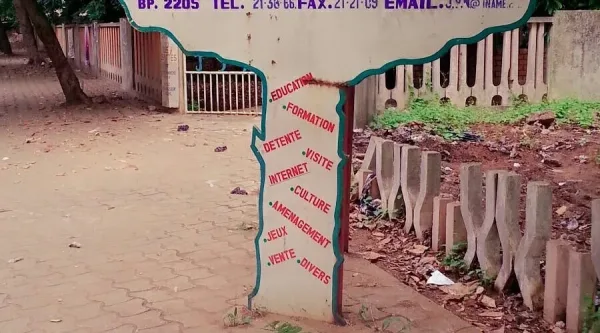
Image Source: Tripadvisor
The Jardin des Plantes et de la Nature started as a sacred grove in Porto-Novo’s kingdom. The French governor of Dahomey made it a botanical garden in 1895 after setting up his residence near this revered forest. This peaceful 3.8-hectare sanctuary lies in Porto-Novo’s center and gives visitors a break from city life while protecting a vital piece of Benin’s natural heritage.
Jardin des Plantes Flora
The garden now has approximately 200 documented plant species, down from its 630 species in 1905. The garden’s decline left only 300 species by 1998. This led Benin’s Ministry of Agriculture to step in and put it under EPA management. Visitors can now explore collections of medicinal plants and ornamental flora that thrive in this protected space. Black monkeys with white bellies freely move through the garden, which adds a special wildlife element to the botanical experience.
Jardin des Plantes Historical Trees
The Iroko stands as the garden’s most sacred tree. The Migan planted it over 300 years ago, and it’s known as Benin’s king of trees. These magnificent trees have grown up to 40 meters tall with a 10-meter circumference. The Iroko’s spiritual meaning runs deep—people believed its roots talked to underground spirits while its branches connected with atmospheric ones. These trees played a vital role in rituals, divination, and judicial decisions.
Jardin des Plantes Guided Tours
Tours cost 2000 FCFA and are a great way to learn about the garden’s spiritual importance. The garden welcomes visitors Tuesday through Thursday from 10:00 to 21:00, with extended hours until 23:00 from Friday through Sunday. Thirteen wooden sculptures of Fa divination signs stand throughout the grounds. These connect visitors to traditional practices and spiritual heritage. The sacred forest served as a judicial center before becoming a botanical garden. The Migan and royal Hogbonou would come here to focus while making key political decisions.
LE MAGNUM Bar
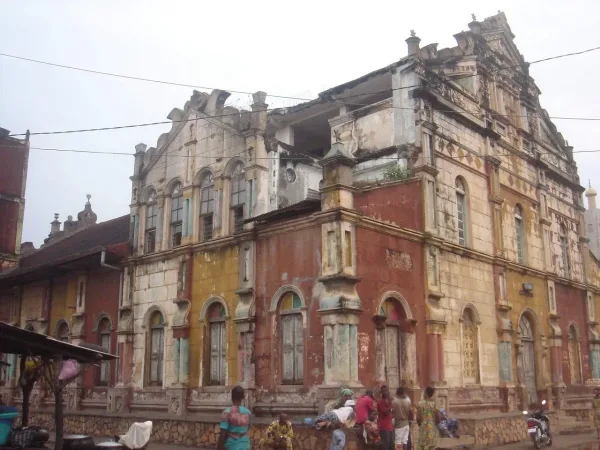
Image Source: Tripadvisor
Night owls looking for Porto-Novo’s buzzing nightlife will love LE MAGNUM, one of the city’s best spots for entertainment. This Travelers’ Choice winner sits in the top 10% of properties on Tripadvisor and gives visitors a real taste of Benin’s nightlife.
LE MAGNUM Ambiance
Right in Porto-Novo’s heart, LE MAGNUM’s festive decorations set the perfect mood for an exciting night out. The club bridges traditional and modern music, making it more than just another night spot. You’ll find top-notch sound equipment, great acoustics and plenty of space that creates an amazing audio experience. The moment you walk in, the energy hits you and you’ll want to dance all night.
LE MAGNUM Local Crowd
The dance floor brings together tourists and locals, which makes it a great spot to experience different cultures. The weekends are especially lively, with DJs spinning live sets that showcase local talent. You’ll often catch special shows that celebrate Benin’s musical heritage.
LE MAGNUM Pricing
The drink menu has something for everyone. The staff is friendly and makes sure you feel at home. Here’s what you should know to make the most of your night:
- Show up early because good spots go fast
- Give the local drinks a try for the full experience
- Dress to impress – it’s that kind of place
Note: While the club usually runs on weekends, recent reviews hint at possible changes in their schedule.
Travel from Lome to Porto-Novo.
Porto-Novo Central Market
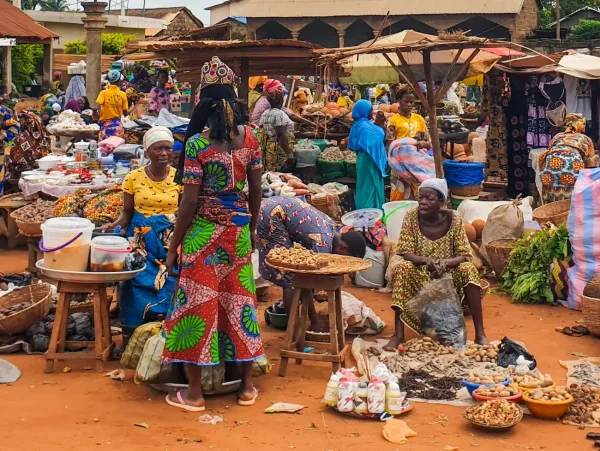
Image Source: Africanlanders
The Central Market of Porto-Novo brims with life and provides a genuine window into Benin’s commercial soul. This marketplace stretches across several blocks in the city center and creates a mesmerizing blend of sights and sounds that captivate travelers.
Central Market Local Goods
The Grand Marche de Porto-Novo displays an amazing variety of goods from fresh produce and textiles to household items. Local vendors showcase vibrant fabrics, handmade items and cultural materials that represent Benin’s heritage. Shoppers can find stands with traditional medicines and ceremonial objects throughout the market. Skilled craftsmen work in their shops to create detailed metalwork, woodcarvings and textiles that show their family’s artistic legacy.
Central Market Best Shopping Tips
Cash works best since vendors rarely take credit cards at their stalls. The market welcomes visitors daily from 7 AM to 9 PM and morning shoppers get the freshest produce. Comfortable clothes and secure storage of valuables help navigate the busy walkways easily. Unlike Porto’s Mercado do Bolhão, bargaining is part of the experience here—start with half the original price and work your way up.
Central Market Cultural Experience
The market experience goes well beyond shopping. Food lovers should try local favorites like ‘akassa’ and ‘amitou’ from street vendors to taste authentic Beninese flavors. This place serves as more than just a marketplace—it’s where community bonds grow stronger amid the lively mix of conversations, aromas and colors.
Vodoun Festival Grounds
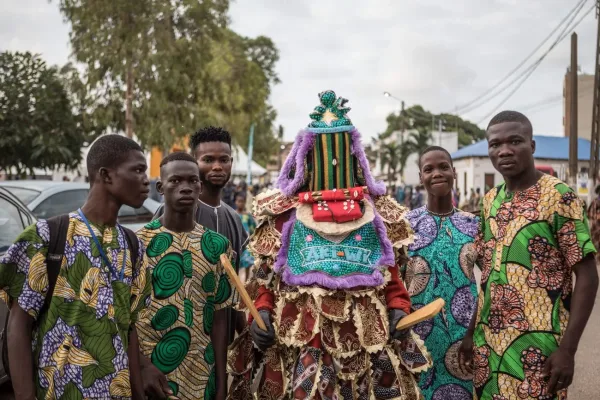
Image Source: Daily Sabah
Porto-Novo’s architectural treasures complement a vibrant spiritual dimension found in the Vodoun Festival Grounds. Benin stands as the only country worldwide where Vodoun is an official religion, which makes these festival spaces significant to understanding the nation’s cultural identity.
Vodoun Festival History
Vodoun (meaning “spirit” in the Fon language) emerged in the 13th century through Allada, the Kings’ ancestor. This animistic religion recognizes objects, creatures and places as having spiritual essence – all “alive” and “connected”. Hollywood’s portrayal differs from authentic Vodoun, which focuses on five elements that predict the universe. The religion peacefully coexists with Christianity and Islam throughout Benin.
Vodoun Festival Events
Ouidah hosts the main celebration yearly on January 10th, while Porto-Novo features smaller, more intimate events. Dagbo Houno, Ouidah’s supreme feticheur, marks the festival’s peak with their arrival. Dancers wearing wooden masks and flowing fabrics move through streets to represent ancestral spirits. The Zangbetos (Night Watchmen) create mesmerizing displays as they swirl their raffia coverings, while the powerful Egungun spirits wear colorful patchwork from head to toe.
Vodoun Festival Travel Tips
January’s three-day celebration offers the best festival experience. Visitors can explore local crafts and regional cuisine at the festival village while enjoying concerts and parades. The celebration attracts people from Benin, neighboring Togo, Burkina Faso and international guests looking to connect with their ancestral heritage.
Brazilian Quarter
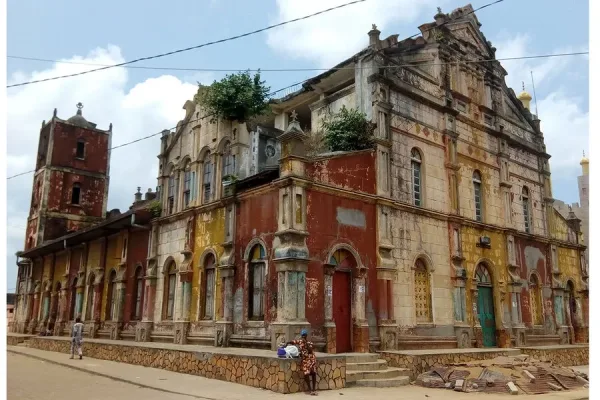
Image Source: The Christian Science Monitor
The Brazilian Quarter stands as a remarkable cultural gem in Porto-Novo’s heart. This special neighborhood reflects the story of freed slaves who made their way back from Brazil during the 19th century. They built a unique cultural pocket that makes visitors feel like they’ve stepped onto a different continent.
Brazilian Quarter Architecture
Beautiful pastel-colored mansions with decorative balconies, Baroque-style arches, and clay-tiled roofs define the quarter’s landscape. The buildings showcase a fascinating mix of Portuguese colonial design and African elements. Local residents say this architecture “speaks two languages at once”. Afro-Brazilian buildings feature clay covered with cement and their walls display lime dyed with ochre that artisans have decorated with low relief carvings. The builders’ smart design choices shine through – clay walls help keep rooms cool on hot days and retain warmth when temperatures fall.
Brazilian Quarter Walking Tour
The quarter’s narrow streets reveal a unique blend of West African and colonial Portuguese-Brazilian influences. Many houses still proudly display their Brazilian family names and residents eagerly share stories about their heritage. The neighborhood’s colorful facades, murals, and small shrines offer endless possibilities for photography enthusiasts.
Brazilian Quarter Cultural Fusion
This vibrant area tells a powerful story of cultural endurance. The returnees, known as “Agudas,” created this unique cultural space and became the foundations of Benin’s middle class. Their influence lives on through local festivals, traditional cuisine, and dedicated efforts to preserve the area’s architectural heritage.
Local Street Art Murals
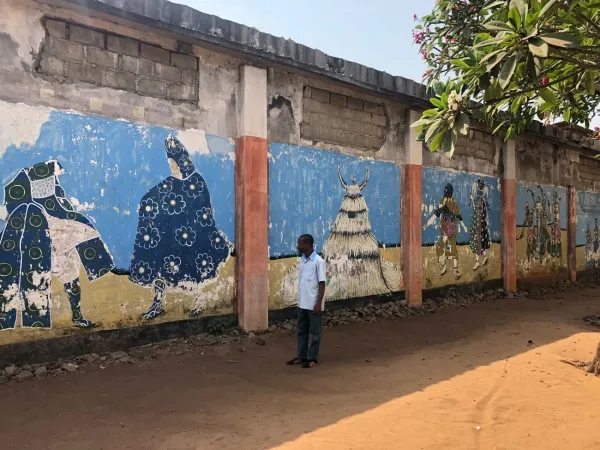
Image Source: World Capital Confidential
Porto-Novo’s walls and public spaces have become vibrant canvases that showcase Benin’s creative spirit through artistic expression. The city surprises visitors with unexpected bursts of beauty that go well beyond typical tourist attractions.
Street Art Locations
Local artists have turned city roundabouts into open-air galleries. Their contemporary sculptures stand proudly where you’d normally see flower arrangements. This city project has run for over 20 years and lets artists show their work while making Porto-Novo’s streets more beautiful. The quickest way to find these artistic gems is to hire a zem (motorcycle taxi) driver who knows the city’s creative hideaways.
Street Art Themes
Porto-Novo’s street art celebrates Benin’s rich cultural heritage, much like the record-breaking 940-meter graffiti mural in nearby Cotonou. Many artworks honor the ancient kingdom of Dahomey with portraits of historical figures and traditional symbols. Some pieces tackle modern social issues, while others simply add splashes of color to city spaces.
Street Art Photography Tips
Here’s how to capture Porto-Novo’s street art:
- Head out early in the morning for the best light and fewer crowds
- Use doorways and other surroundings to frame your shots
- Take close-up shots to show the artist’s detailed work
- Try different angles to show how the art fits into its surroundings
Black Lake of Adjara (Day Trip)
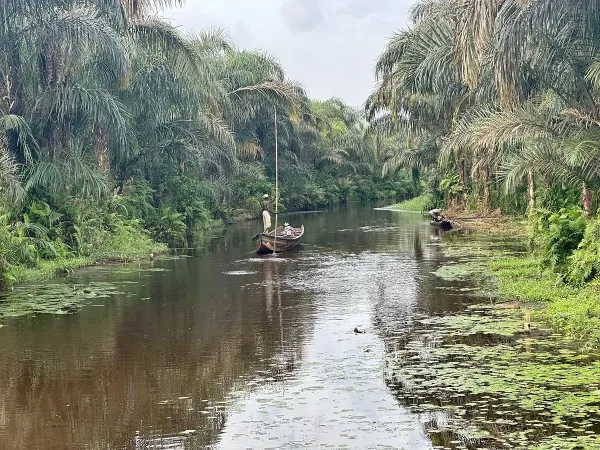
Image Source: Tripadvisor
A quick trip from Porto-Novo takes you to one of Benin’s most peaceful natural getaways—the Black Lake of Adjara. This quiet retreat balances perfectly with the capital city’s historical sites.
Black Lake Natural Beauty
The Black Lake shows a peaceful setting surrounded by thick mangroves, delicate water lilies and colorful tropical plants. Nature lovers find their paradise in this protected sanctuary where they can watch authentic Beninese river life unfold. Local plants and animals thrive naturally in their untouched habitat. Nature enthusiasts and photographers will find plenty of amazing shots here.
Black Lake Tour Options
Traditional canoe rides let visitors glide smoothly on the lake’s calm waters. Local fishermen and craftsmen who keep their centuries-old traditions alive often stop to chat with passing boats. The experience stays true to ecotourism values and gives visitors a real connection with nature away from city life.
Black Lake Travel Logistics
A day trip to Black Lake usually takes 7-8 hours and costs $99 USD. This price includes fees, transportation, guide services and bottled water. Tour companies pick up guests from hotels, airports and ports in Porto-Novo. The route passes through traditional villages and the Adjara region’s green landscapes. People of all fitness levels can enjoy these trips since they are designed to be easy and comfortable.
Opatrip.com Benin Tours
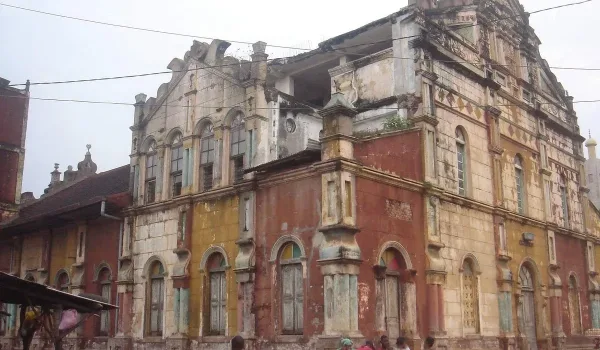
Image Source: Tripadvisor
Opatrip.com leads the way as Porto-Novo’s top guided tour service, helping visitors discover the city’s hidden gems. Their professional team creates unforgettable experiences that showcase the capital’s best-kept secrets.
Opatrip Tour Types
Opatrip runs two different walking tours in Porto-Novo: “The Best of Porto-Novo Walking Tour” and “Romantic Walking Tour in Porto-Novo”. The standard walking tour guides you through the city’s most enchanting spots, including the stunning Great Mosque that blends Portuguese and African architecture beautifully. These 2-hour experiences weave together fascinating historical tales, local stories, and cultural insights that make Porto-Novo’s streets and buildings come alive.
Opatrip Local Guides
The company’s professional local guides are the heart of their success, with many having spent over ten years in tourism. These experts share compelling stories about Porto-Novo’s daily life and offer genuine views on what makes the city special. They focus on creating tours that both educate and inspire positive emotions throughout the experience.
Opatrip Pricing
A group of up to 15 people can book an Opatrip tour for 399.99 USD. Tours start at the Great Mosque’s main entrance, which new visitors can find easily. The company also offers similar walking tours in other Beninese cities like Cotonou, Ouidah, and Ganvie.
Comparison Table
| Attraction Name | Type | Historical Period/Year | Key Features | Visitor Information | Cultural Significance |
|---|---|---|---|---|---|
| Great Mosque | Religious Site | 1912-1925 | Afro-Brazilian architectural style, church-like appearance, floral stucco molding | Dress modestly, best times are early morning or late afternoon | Represents returned Afro-Brazilian slaves’ influence |
| Jardin Place Jean Bayol | Public Garden | Colonial era | Statue of King Toffa I, landscaped gardens, colonial architecture | Morning or early evening visits recommended | Named after French colonial administrator, now known as Place Toffa |
| Musee Honme | Museum/Palace | 19th century | 7 inner atria, performance space, traditional artifacts | Guided tours required (4,000-5,000 CFA), listed on UNESCO World Heritage Tentative List | King Toffa I’s former home (1874-1908) |
| da Silva Museum | Museum | Est. 1998 | Vintage technology collection, photo gallery, Afro-Brazilian architecture | Photography allowed in courtyard, accommodation available | Showcases Afro-Brazilian cultural heritage |
| Cathédrale Notre Dame | Religious Site | Built 1864 | Gothic architecture, stained glass windows, spires | Active church, tours available with guides | Porto-Novo diocese’s main cathedral |
| Ethnographic Museum | Museum | Est. 1957 | Yoruba masks, ritual objects, ceremonial costumes | Weekday visits work best, no photos inside | Houses Benin’s essential cultural artifacts |
| Jardin des Plantes | Botanical Garden | Est. 1895 | 200 plant species, sacred Iroko trees, wooden sculptures | Tour price: 2000 FCFA, operates Tue-Sun | Porto-Novo kingdom’s former sacred grove |
| LE MAGNUM Bar | Nightclub | – | Modern sound system, vibrant decor | Ranks in Tripadvisor’s top 10%, weekend hours | Combines traditional and modern music |
| Porto-Novo Central Market | Market | – | Fresh produce, textiles, traditional crafts | Daily hours: 7 AM-9 PM, cash payments only | Community hub and trade center |
| Brazilian Quarter | Historic District | 19th century | Pastel-colored mansions, Baroque-style arches, clay-tiled roofs | Guided walking tours offered | Built by Brazil’s returning slaves |
| Black Lake of Adjara | Natural Site | – | Mangroves, water lilies, tropical plants | Full-day trips cost $99 USD, duration 7-8 hours | Home to traditional fishing communities |
Enjoy Hidden Gems in Porto-Novo
Porto-Novo remains one of West Africa’s hidden treasures. This city blends centuries of history naturally with its vibrant modern life. These fifteen secret spots give travelers real insights into the capital’s many faces. The Great Mosque’s stunning architecture and the peaceful Black Lake of Adjara each tell powerful stories about how cultures have merged and survived here.
The city’s unique cultural mix makes it special. The Brazilian Quarter shows this perfectly with its beautiful pastel mansions. These buildings reflect the legacy of returned slaves who created their own distinct Afro-Brazilian architectural style. The city also shows remarkable religious harmony – ancient Vodoun traditions exist peacefully with Islamic and Christian practices.
Travelers who venture beyond the usual spots will find a different Porto-Novo than what typical travel guides describe. The city reveals its true character in quiet moments. You might see craftsmen making traditional instruments at the Central Market, spot amazing street art that turns city walls into galleries, or stand near sacred Iroko trees that have watched over the city for hundreds of years.
Cotonou might get more attention, but Porto-Novo offers authentic experiences and real cultural connections. Visitors can explore King Toffa’s palace with its seven inner courtyards or enjoy local drinks at LE MAGNUM Bar. Each experience adds to the ongoing story of Benin’s fascinating capital.
Next time you plan an African adventure, look past the usual spots. Porto-Novo might surprise you. Here, history lives in colonial buildings, old traditions thrive next to modern life and every corner might hide something amazing just waiting to be found.
FAQs
Q1. What is the best time to visit Porto-Novo?
The best time to visit Porto-Novo is during the dry season, from November to April. This period offers more comfortable weather for exploring the city’s outdoor attractions and participating in cultural events.
Q2. How can I experience the Vodoun culture in Porto-Novo?
You can experience Vodoun culture by visiting the Vodoun Festival Grounds, especially during the annual celebration on January 10th. Additionally, exploring local markets and temples can provide insights into this important aspect of Beninese spirituality.
Q3. Are there any unique architectural styles to see in Porto-Novo?
Yes, Porto-Novo is known for its Afro-Brazilian architecture, particularly visible in the Brazilian Quarter. The Great Mosque also showcases a fascinating blend of architectural styles, resembling a church more than a typical mosque.
Q4. What are some must-try local dishes in Porto-Novo?
While exploring Porto-Novo, be sure to try local delicacies like ‘akassa’ and ‘amitou’. These can often be found at street vendors or in the Central Market, offering an authentic taste of Beninese cuisine.
Q5. How can I best explore Porto-Novo’s hidden gems?
To discover Porto-Novo’s hidden gems, consider taking a guided tour with a local company like Opatrip.com. Alternatively, hire a zem (motorcycle taxi) driver familiar with the city to explore off-the-beaten-path locations, including street art installations and lesser-known historical sites.


Leave A Comment