

Travelers can escape Kenya’s bustling capital through incredible day trips without long-distance commitments. The diverse landscapes near Nairobi offer everything from ocean views to high-altitude tea farms and scenic drives through the Great Rift Valley. These attractions sit just hours away from the city’s center.
Most popular road trips around Nairobi take just 2 to 3 hours by car. Some destinations like Lake Naivasha (95km) make perfect single-day adventures. Lake Magadi (112km) might need two days to fully appreciate its beauty. Nairobi’s safari options stand out among Kenya’s best day trips, especially when visiting iconic spots like Nairobi National Park and Amboseli National Park.
Quick two-hour trips and full-day adventures give outdoor enthusiasts plenty of options. This piece highlights 11 of Nairobi’s most rewarding day trips that locals suggest to visitors in 2025.
Lake Naivasha

Image Source: Eastern Vacations
Lake Naivasha sits 95km from Kenya’s capital, making it one of the most available day trips from Nairobi. The lake’s name comes from the Maasai word “Nai’posha” which means “rough water.” This freshwater jewel stands at 1,884m, the highest point among lakes in the Great Rift Valley.
Highlights of Lake Naivasha
A stunning 139 sq km lake forms the centerpiece of this destination, with 64 sq km of surrounding swampland. Fever tree forests line the lake’s shores and create a stunning backdrop where wildlife roams free. The lake’s waters teem with life, including over 1,500 hippos that pop up just meters away from tour boats.
The area’s rich bird life draws enthusiasts from everywhere, with over 400 species calling it home. The surrounding area also supports large mammals. Giraffes, zebras, impalas and waterbucks roam freely across the landscape, particularly around Crescent Island and Crater Lake Game Sanctuary.
Best Time to Visit Lake Naivasha
The lake welcomes visitors throughout the year, with each season bringing its own charm. The long, cool dry season from July to October lets you see wildlife easily as animals gather near water sources. The short hot-dry season in January and February brings clear skies and warm days.
Bird lovers should plan their visits between October and March. This period sees thousands of migratory birds arrive . The long rainy season (April-June) turns the area into a green paradise with blooming flowers, though some activities might need adjusting.
The lake stays quieter during weekdays. Nairobi residents flock here on weekends to unwind.
Top Activities in Lake Naivasha
Boat safaris top the list of must-do activities. These trips bring you close to hippos and birds, especially during dawn or dusk. Crescent Island Game Sanctuary offers walking safaris where you can see wildlife up close in a safe, predator-free setting.
Mount Longonot beckons adventure seekers with its dormant volcano trails. The hike takes about 4-5 hours. Hell’s Gate National Park lets you cycle through beautiful landscapes while watching wildlife.
Lake Elementaita draws visitors with its flamingo flocks. You can ride horses at Sanctuary Farm, relax at Ol Karia Geothermal Spa, or spot over 150 bird species at Crater Lake Game Sanctuary.
Elsamere, once Joy Adamson’s home, gives an explanation of the “Born Free” story. Here, you can spot colobus monkeys while enjoying tea in the gardens.
Hell’s Gate National Park
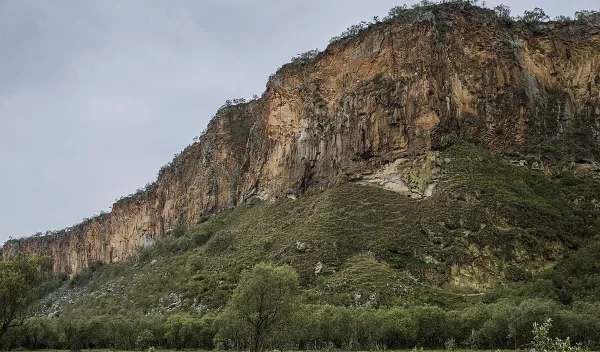
Image Source: en.wikipedia.org
Hell’s Gate National Park gets its name from a narrow break in the towering cliffs. This unique safari destination sits 90km from Nairobi. The 68-square-kilometer park in the Great Rift Valley has been a geological wonder since 1984.
Highlights of Hell’s Gate
Dramatic red sandstone cliffs, volcanic formations, and deep gorges carved by prehistoric lakes make this park special. Hell’s Gate stands out from other Kenyan wildlife spots because visitors can walk or bike without guides. This creates a rare chance to connect with nature up close.
Fischer’s Tower, a 25-meter volcanic plug, stands as the park’s most recognizable landmark. Rock climbers from all over the world come here to test their skills. The park’s natural geothermal features show its volcanic nature through bubbling springs, steam vents and hot water streams.
Wildlife thrives in this compact park. Zebras, giraffes, gazelles and buffaloes roam freely across the savannah grasslands. Bird lovers can spot over 100 different species here. Many raptors build their nests on the cliff faces.
Best Time to Visit Hell’s Gate
June through October and January through February are perfect for a visit. These dry months bring clear skies and pleasant temperatures between 20-25°C.
Rainy seasons from March to May and November to December have their own appeal. Visitors can enjoy green landscapes and smaller crowds during these months. Early morning trips work best as animals are more active and the weather stays cool for hiking and cycling.
The park sees fewer visitors on weekdays than weekends. Nature enthusiasts looking for peace and quiet should plan their trips accordingly.
Top Activities in Hell’s Gate
Cycling stands out as the park’s signature activity. Visitors can rent bikes at the main entrance and pedal next to zebras – something rare in Kenyan national parks.
The Hell’s Gate Gorge trek is a must-try experience. Ancient volcanic activity and water have shaped this gorge into narrow passages between tall cliffs, complete with hot springs and unique rock formations.
Fischer’s Tower draws rock climbing enthusiasts from everywhere. The Maasai Cultural Center teaches visitors about local customs and traditions.
Olkaria Geothermal Spa lies within the park’s boundaries. Visitors can relax in natural hot mineral waters while taking in the scenery – a perfect end to an adventure-filled day.
Best time for safaris in Kenya.
Mount Longonot

Image Source: The Global Alliance of National Parks
Mount Longonot stands majestically above the Great Rift Valley floor, just 60-68km from Nairobi. This dormant stratovolcano got its name from the Maasai word “Oloonong’ot” which means “mountains of many spurs and ridges.” Nature lovers will find it a perfect mix of challenge and easy access for day trips from Nairobi.
Highlights of Mount Longonot
The mountain’s most impressive feature is its massive circular crater, approximately 1km across. A thick forest thrives inside the crater, creating what looks like a “lost world” ecosystem. Nobody can reach this mysterious forest easily. Hikers who reach the summit at 2,776m get stunning views of Lake Naivasha, Hell’s Gate National Park and the Great Rift Valley stretching far into the distance.
The Mount Longonot National Park spans 52 square kilometers, with the mountain taking up most of the space. V-shaped valleys and ridges mark the mountain’s sides, where stony soils support sparse vegetation. The volcano’s last eruption happened in the 1860s, leaving behind an area of significant geological importance.
You might spot buffaloes, elands, zebras, giraffes, gazelles and various antelope species while exploring. Birds of prey love this park. Many raptors soar on thermal currents above the crater.
Best Time to Visit Mount Longonot
January through March and July through October are perfect times to visit. These dry seasons bring clear skies, good weather and great trail conditions. Stay away during April-May (long rains) and November (short rains) when trails turn muddy and dangerous.
Start your hike between 7:00-9:00 AM. This helps you dodge the midday heat and enjoy clear views before clouds roll in. Morning light creates perfect conditions for landscape photography.
Top Activities in Mount Longonot
Hiking to the crater rim is the main attraction. The moderately difficult 3.1km trail from the park gate takes 45 minutes to 2 hours depending on how fit you are. More adventurous hikers can walk around the entire crater rim. This 7.2km trek takes 2-3 hours but rewards you with unique 360-degree views.
Essential items for the hike include:
- Minimum 3 liters of water
- Sun protection (hat, sunscreen)
- Comfortable hiking shoes with good tread
- Light, quick-drying clothing
- Camera for capturing panoramic vistas
A complete Mount Longonot hike usually takes 4-6 hours. The park has no roads, so you’ll explore everything on foot – a true wilderness experience. You can stay overnight in public campsites with simple amenities or special campsites inside the crater. Just remember to book the special sites ahead of time.
Lake Magadi
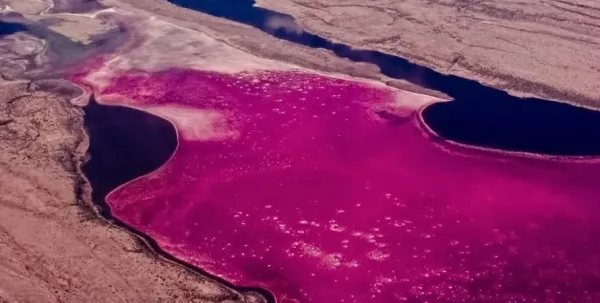
Image Source: Africa Adventure Vacations
Lake Magadi, a striking alkaline lake, sits in the southernmost part of Kenya’s Rift Valley. This 104 square kilometer saline lake creates one of the most otherworldly day trips from Nairobi. You’ll find it about 120km southwest of the capital, where the landscape looks almost extraterrestrial.
Lake Magadi’s Key Features
The lake’s unique composition stands out as its most fascinating aspect. During dry season, soda ash covers about 80% of the lake. Large polygonal patterns form in the white salt crust that spreads across the surface. Photography enthusiasts love the surreal backdrop created when algae react with salt, giving the lake stunning pink to red hues.
The lake works differently from most water bodies – it has no outflow. Water can only escape through evaporation. These conditions create a very alkaline environment where just one fish species lives – the remarkable cichlid Alcolapia grahami. This fish adapted to survive in waters up to 45°C.
Bird lovers can spot many flamingos and pelicans at the lake. The surrounding plains are home to zebras, giraffes, antelopes and wildebeest. Lucky visitors might spot lions and elephants in the Shompole Conservancy north of the lake.
When to Visit Lake Magadi
The dry season from June to December gives you the best chance to see Lake Magadi. These months let you see the full salt flats and the lake’s unique colors. The temperature can reach up to 40°C, so come prepared.
Early morning visits between 7:30-10:00 AM work best to see wildlife and explore before the heat gets too intense. Weekdays tend to be less crowded than weekends.
What to Do at Lake Magadi
Natural hot springs top the must-visit list. The southern springs feel cooler than those in the north. Local Maasai people believe these mineral-rich waters help heal skin conditions.
More activities you can try:
- Watch birds, especially the flamingos and many other species
- Hike the northern section with its island-like formations and unique landscapes
- Stop at the Olorgesailie Prehistoric Site on your way to learn about ancient inhabitants
- Meet local Maasai communities and see how they live in this harsh environment
Geology fans will love studying the lake’s formations. These include magadiite—a rare hydrous sodium-silicate mineral first found here in 1967.
Amboseli National Park
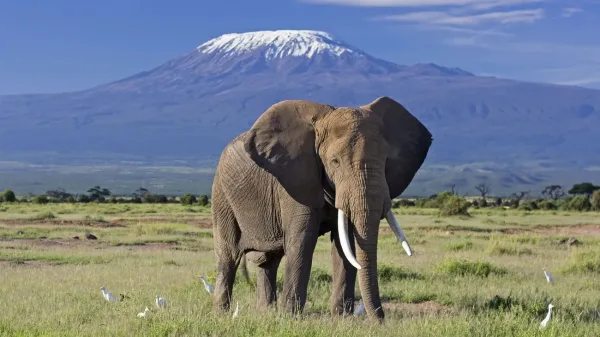
Image Source: www.amboseliparkkenya.com
Amboseli National Park shines as a gem among safari day trips from Nairobi. The park’s spectacular views of Mount Kilimanjaro and impressive elephant herds make it special. You’ll find it about 150 miles (240 km) southeast of Nairobi near the Tanzania border. The park might be compact at 392 square kilometers, but it packs an extraordinary wildlife experience.
Highlights of Amboseli
Mount Kilimanjaro—Africa’s highest peak—dominates the park’s skyline and creates perfect backgrounds for wildlife photos. The park boasts one of the world’s largest populations of free-roaming African elephants. Visitors can spot up to fifty different herds during a single safari.
The park’s ecosystem has five distinct habitats: savanna grassland, acacia woodland, rocky thorn bush, swamps and marshland. These varied environments support amazing biodiversity. Four members of the Big Five call this park home and more than 400 bird species thrive in its wetlands.
Kilimanjaro’s ice cap feeds water springs that filter through volcanic rock. This creates permanent swamps in what would otherwise be an arid landscape. Thanks to this unique water system, wildlife viewing stays excellent even in dry seasons.
Best Time to Visit Amboseli
The dry seasons from June to October and January to February work best for visits. Animals gather around the few water sources during these months, which makes wildlife viewing spectacular. The track conditions also stay good for game drives.
April brings the most rain and can make roads tricky to navigate. The wet season (November to May) has its perks though. You’ll get clearer views of Kilimanjaro after the rain washes dust from the sky.
Want that perfect elephant-with-Kilimanjaro photo? Head out early morning or late afternoon. The mountain often hides behind clouds at midday.
Top Activities in Amboseli
Game drives top the list of things to do. The best times are early morning (6:30 AM) and late afternoon (4 PM). You’re likely to see elephants, zebras, wildebeests, giraffes and if you’re lucky, lions and cheetahs.
Observation Hill (Nomatior) lets you see the whole park spread out before you. It’s a photographer’s dream spot, especially when Kilimanjaro shows off its snowy peak.
Meeting local Maasai communities adds a rich cultural dimension to your visit. You’ll learn about their traditional way of life and how they live alongside wildlife.
Bird lovers will enjoy spotting flamingos, African fish eagles and marabou storks in the wetlands. For something really special, take a balloon safari at dawn to see everything from above.
Nairobi National Park
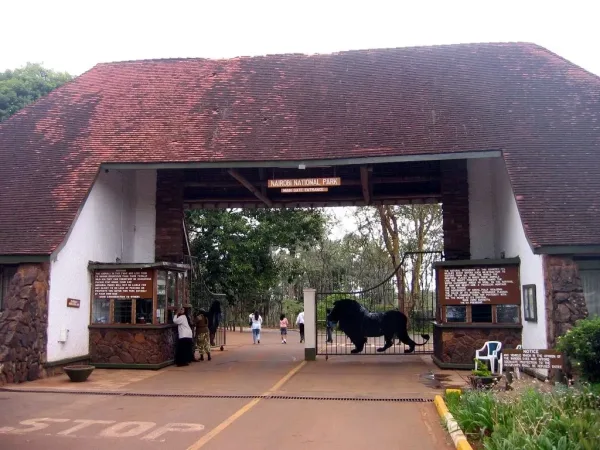
Image Source: nairobipark.org
7 kilometers from downtown Nairobi sits the remarkable Nairobi National Park, the world’s only protected wildlife sanctuary next to a capital city. This 117 square kilometer reserve lets you spot wild animals with Nairobi’s skyline as your backdrop.
Highlights of Nairobi National Park
The park stands out with its urban setting and rich wildlife. Despite its compact size, the park teems with lions, rhinos, giraffes, zebras, cheetahs and over 400 bird species. The park’s role as one of Kenya’s most successful rhino sanctuaries makes it perfect to see these endangered creatures up close.
Photography lovers can capture stunning shots of wildlife with Nairobi’s skyscrapers in the background. This creates a striking visual contrast you won’t find anywhere else on earth.
Best Time to Visit Nairobi National Park
Wildlife viewing peaks during the dry season from June through October. Animals gather near water sources during these months and the thin vegetation makes them easier to spot. The park also offers great visibility and pleasant temperatures in January and February.
Animals are most active early mornings (6:00-9:00 AM) and late afternoons (4:00-6:30 PM). These times give you better chances to see predators. The park sees fewer visitors on weekdays than weekends.
Top Activities in Nairobi National Park
Game drives top the list of attractions. You can choose self-drive options, VIP tour vans or bus shuttles. Visitors can enjoy:
- Safari walks on designated paths for close wildlife encounters
- Birdwatching, which gets exciting between November and April when migratory birds arrive
- Picnics at spots like Impala Observation Point or Kingfisher Picnic Site
- A visit to the historic Ivory Burning Site Monument that shows Kenya’s steadfast dedication to wildlife conservation
The park welcomes corporate events, team-building activities, and school programs that promote wildlife awareness.
Ngong Hills
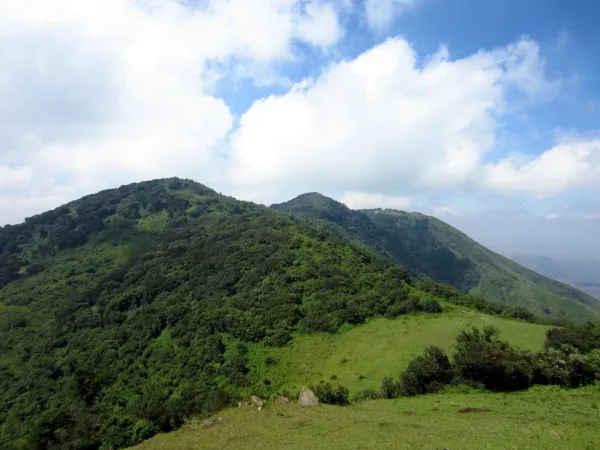
Image Source: Mindtrip
The Ngong Hills stand proudly with their distinctive knuckle-shaped peaks just 25 kilometers southwest of Nairobi. These rolling green ridges along the Great Rift Valley escarpment are a perfect destination to get away from the city bustle and offer rewarding day trips with sweeping panoramic views in every direction.
Highlights of Ngong Hills
The Ngong Hills’ most striking feature is their unique geography. A series of seven aligned peaks form a ridge that reaches 2,460 meters above sea level. Visitors can enjoy a spectacular dual view from this elevation – the sprawling plains of the Great Rift Valley to the west and the cityscape of Nairobi to the east.
These hills emerged from basalt lava between five and six and a half million years ago and are remnants of a massive volcano. The mountain range has become a gazetted forest reserve. The area supports rich flora including indigenous acacia, croton, cypress and numerous wild plants and flowers.
Nature lovers can spot baboons, gazelles and various bird species in the area. Lucky visitors might see buffaloes, rabbits and on rare occasions, larger wildlife.
Best Time to Visit Ngong Hills
The dry seasons from January to March and July to October are perfect to visit Ngong Hills. Weather data suggests another ideal window between June 4th to October 28th or November 19th to April 15th.
Early mornings provide the clearest views and most comfortable hiking conditions before the day heats up. Weekdays are less crowded compared to weekends when locals come out to enjoy recreational activities.
Top Activities in Ngong Hills
A hike along the ridge trail is the main attraction that rewards visitors with spectacular views. Most people complete the trail in 4-5 hours based on their fitness level. The full experience involves starting from either Ngong Town or Kona Baridi and crossing all seven hills.
Visitors can also enjoy:
- Capturing stunning panoramic landscapes through photography
- Having picnics at scenic spots along the hills
- Observing smaller mammals and birds in their natural habitat
- Testing their limits with ziplining and rock climbing
The hills also offer chances to meet local pastoralists and learn about their traditional lifestyle.
Kiambethu Tea Farm
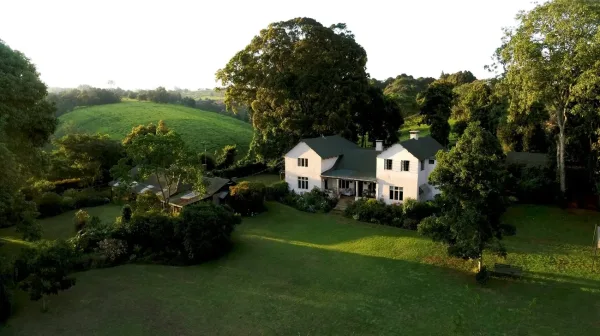
Image Source: www.kiambethufarm.com
Kiambethu Tea Farm stands as one of the most enriching day trips from Nairobi, offering visitors a deep dive into Kenya’s tea heritage. Founded in 1910 by AB McDonell, this groundbreaking estate ranks among Kenya’s oldest tea plantations. McDonell’s granddaughter, Fiona Vernon, now runs this 109-year-old property.
Highlights of Kiambethu Tea Farm
The farm sits at a breathtaking height of 7,200 feet and rewards visitors with spectacular views of lush tea fields stretching toward the Ngong Hills. Beautiful gardens embrace the original farmhouse, creating a peaceful atmosphere. The property shares its boundary with an indigenous forest where distinctive black and white Colobus monkeys make their home and often show up during visits.
Best Time to Visit Kiambethu
The farm welcomes visitors Thursday through Sunday each week. Tours start at 11:00 AM sharp and wrap up between 2:30-3:00 PM. The high elevation makes the farm cooler than Nairobi, so guests should pack a sweater. The experience tends to book up quickly, making advance reservations necessary.
Top Activities in Kiambethu
The signature experience has:
- A fascinating deep-dive into tea’s history and production process
- Guided forest walks that reveal traditional plant uses
- A delicious three-course farm-to-table lunch with garden-fresh vegetables and homemade desserts topped with cream from their Jersey cows
The all-inclusive package costs 4,700 KSh per person, with children under 12 paying half price. This covers tea tastings, guided tours, and the complete lunch experience.
Laugh at these safari puns.
Fourteen Falls
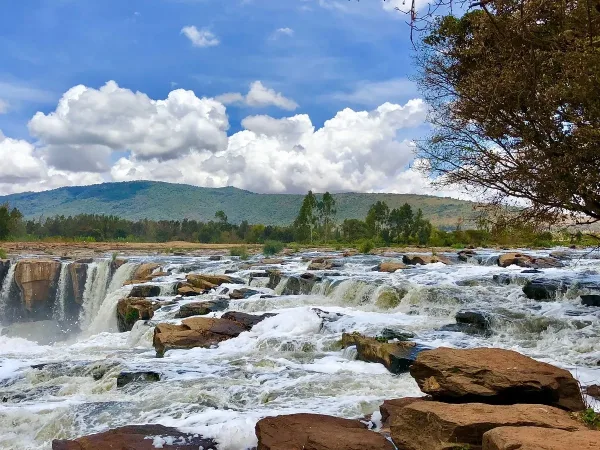
Image Source: Tripadvisor
Fourteen Falls cascades down the Athi River in Thika, offering an exciting day trip from Nairobi. Located approximately 65-70km northeast of the capital, these fourteen distinct waterfalls create a breathtaking sight as water crashes down a 27-meter drop into a vast pool below.
Highlights of Fourteen Falls
The fourteen successive rapids form the main attraction as they tumble over rocky ledges to create a continuous water curtain. You can hear the powerful rush of water from kilometers away, which makes every visit memorable. The falls’ surroundings burst with lush vegetation that provides a perfect backdrop. Many tourists make a stop at Chania Falls in Thika town on their way to the main site. The nearby Oldonyo Sabuk National Park, known locally as Kilimambogo, adds another dimension to the adventure.
Best Time to Visit Fourteen Falls
June through September marks the ideal season to visit during the dry months. The water levels stay safe enough for swimming and exploration during this period. Photographers will find the morning light perfect for capturing stunning shots.
Top Activities in Fourteen Falls
The site offers several exciting activities:
- Boat rides across the river that provide unique views of the falls
- Walks around the base rocks under refreshing water spray
- Bird watching opportunities in the surrounding environment
- Picture-perfect moments throughout the scenic setting
- Local guides’ thrilling diving performances from the falls’ summit
A local guide can help you get the most out of your visit to this natural wonder.
Paradise Lost, Kiambu
Paradise Lost sits just 14 kilometers from Nairobi’s city center in Kiambu. This 54-acre private sanctuary nestled in a coffee plantation lets you escape the city buzz with a quick 20-minute drive.
Highlights of Paradise Lost
The property’s star attraction showcases 2.5-million-year-old caves carved by the Gichi River, with a magnificent waterfall that splits the landscape naturally. These historic caves hold special significance as they sheltered Mau Mau freedom fighters during Kenya’s independence struggle. Beautiful greenery, pristine gardens and a peaceful lake surround these features, creating perfect spots to unwind.
Best Time to Visit Paradise Lost
Paradise Lost opens its gates daily from 8:00 AM to 6:00 PM year-round. The dry seasons from January to February and June to October offer the best weather conditions. Early morning visits will give a more peaceful experience before the crowds arrive.
Top Activities in Paradise Lost
Visitors can enjoy boat rides on the peaceful lake (Ksh 300), explore ancient caves (Ksh 200) or take horseback and camel rides (Ksh 300). Adventure seekers have options like ziplining (Ksh 1,500), quad biking (Ksh 1,500) and archery (Ksh 1,200). Families love the picnic spots, fishing areas, nature trails and kids’ play zones that make every visit special.
Giraffe Center and David Sheldrick Wildlife Trust
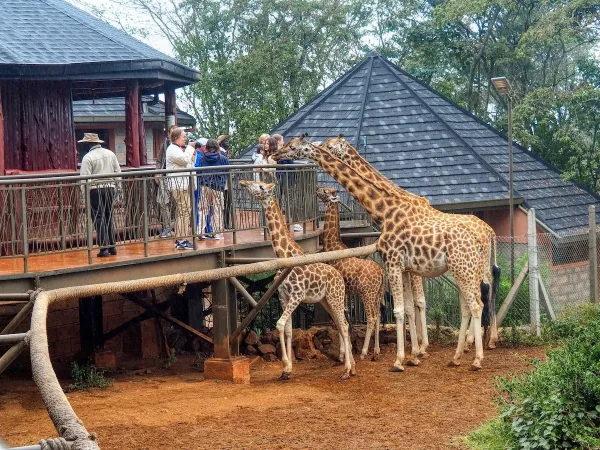
Image Source: Free Two Roam
Two amazing wildlife sanctuaries right in Nairobi make perfect half-day trips if you care about conservation. You can get up close with endangered animals while learning about them and supporting their protection.
What Makes the Giraffe Center & Elephant Orphanage Special
The Giraffe Center, 44 years old, breeds endangered Rothschild giraffes. Their population had dropped to just 100 before the center started its work. The conservation efforts doubled their numbers to 300 throughout Kenya. The Sheldrick Wildlife Trust runs the world’s best elephant rescue program. They’ve successfully raised 322 baby elephants.
When to Visit the Giraffe Center
You can visit any day between 9:00 AM and 5:00 PM. The giraffes are most active from 9:00-11:00 AM, making these hours perfect to see them. Weekdays are better than weekends to avoid crowds. The weather works best during dry seasons – December to March and June to October.
What to Do at David Sheldrick Trust
Watch the baby elephants enjoy their mud bath and milk feeding between 11:00 AM and 12:00 PM daily. You’ll need to book ahead. The Trust does more than care for elephants – they run anti-poaching teams, provide veterinary care and work to protect natural habitats.
Comparison Table
| Destination | Distance from Nairobi | Best Time to Visit | Main Features | Activities | Operating Hours/Entry Details |
|---|---|---|---|---|---|
| Amboseli National Park | 240 km | June-Oct & Jan-Feb | Mount Kilimanjaro views, vast elephant herds, five distinct habitats | Game drives, wildlife viewing, Maasai cultural visits, balloon safaris | Best viewing: 6:30 AM & 4 PM |
| Fourteen Falls | 65-70 km | June-September | 14 cascading waterfalls, 27-meter drop | Boating, photography, bird watching, guided tours | – |
| Giraffe Center & David Sheldrick | Within Nairobi | Dec-Mar & Jun-Oct | Rothschild giraffes, elephant sanctuary | Giraffe feeding, elephant viewing, conservation education | Giraffe Center: 9 AM-5 PM daily; Elephant viewing: 11 AM-12 PM |
| Hell’s Gate National Park | 90 km | June-Oct & Jan-Feb | Steep cliffs, geothermal features, wildlife | Cycling, hiking, rock climbing, cultural visits | – |
| Kiambethu Tea Farm | Not mentioned | Thu-Sun | Historic tea plantation, native forest | Tea tours, forest walks, three-course lunch | 11 AM-2:30/3 PM |
| Lake Magadi | 120 km | June-December | Soda ash flats, hot springs, distinctive pink hues | Bird watching, hot springs visits, hiking | Best viewing: 7:30-10 AM |
| Lake Naivasha | 95 km | Jul-Oct & Jan-Feb | Freshwater lake, hippos, rich birdlife | Boat safaris, wildlife viewing, hiking | – |
| Mount Longonot | 60-68 km | Jan-Mar & Jul-Oct | 2,776m volcano, circular crater, forest | Hiking, crater rim walk, camping | Best start: 7-9 AM |
| Nairobi National Park | 7 km | June-October | Wildlife against city backdrop, rhino sanctuary | Game drives, safari walks, birdwatching | Best viewing: 6-9 AM & 4-6:30 PM |
| Ngong Hills | 25 km | Jan-Mar & Jul-Oct | Seven peaks, 2,460m elevation | Hiking, photography, ziplining | Morning hours recommended |
| Paradise Lost | 14 km | Jan-Feb & Jun-Oct | 2.5M-year-old caves, waterfall | Boat rides, cave exploration, ziplining | 8 AM-6 PM daily |
Enjoy Day Trips From Nairobi
Nairobi opens the door to countless adventures across Kenya’s varied landscapes. This piece takes you through eleven amazing spots you can visit in a day from the capital. These destinations range from Amboseli National Park’s wildlife with Kilimanjaro in the background to Lake Magadi’s stunning pink waters. Each spot shows off Kenya’s incredible natural beauty.
These destinations are easy to reach. You can drive to five popular spots in just 2-3 hours. Nairobi National Park sits right next to downtown. Here, you can see lions and rhinos with the city’s skyline behind them – something you won’t find anywhere else in the world.
The weather plays a big role in how enjoyable these trips can be. The best times to visit are from January to March and June to October. These months offer clear skies with little rain. Early morning trips give you the best chance to see wildlife. You’ll also avoid the heat and crowds that come later in the day.
Thrill-seekers will love the variety of things to do. You can hike Mount Longonot’s volcanic craters, ride bikes near zebras at Hell’s Gate, feed rare Rothschild giraffes or try tea at the historic Kiambethu Farm. These spots offer something for everyone, no matter your energy level.
Nairobi’s nearby attractions create lasting memories, whether you have a few hours or a whole day free. The mix of city buzz and pure nature just hours apart makes this region special. These eleven spots are just the start of what lies beyond the city. Kenya’s amazing landscapes wait for you to explore them, one day trip at a time.
FAQs
Q1. What are some popular day trip destinations from Nairobi?
Popular day trips from Nairobi include Lake Naivasha, Hell’s Gate National Park, Mount Longonot, Amboseli National Park and Nairobi National Park. These destinations offer diverse experiences from wildlife viewing to hiking and cultural encounters, all within a few hours’ drive from the city.
Q2. When is the best time to visit attractions around Nairobi?
The best time for most day trips from Nairobi is during the dry seasons, typically from June to October and January to February. These months offer clear skies, minimal rainfall and optimal conditions for wildlife viewing and outdoor activities.
Q3. Can I see wildlife on a day trip from Nairobi?
Yes, you can definitely see wildlife on day trips from Nairobi. Nairobi National Park, just 7 km from the city center, offers opportunities to see lions, rhinos and other wildlife. Other nearby parks like Amboseli also provide excellent wildlife viewing experiences within a day’s journey.
Q4. Are there any cultural experiences available on day trips from Nairobi?
Several day trip destinations offer cultural experiences. You can visit the Kiambethu Tea Farm to learn about tea production, interact with local Maasai communities near some national parks or explore historical sites like the caves at Paradise Lost in Kiambu.
Q5. What activities can I do on day trips from Nairobi?
Day trips from Nairobi offer a wide range of activities. These include game drives in national parks, hiking at Mount Longonot, cycling in Hell’s Gate National Park, boat rides on Lake Naivasha, visiting animal sanctuaries like the Giraffe Center and exploring geological wonders like the Fourteen Falls.


Leave A Comment