

Albania’s food culture stands as one of Europe’s hidden culinary gems. The country ranks second worldwide in onion consumption, which speaks volumes about its rich cooking traditions.
Albanian cooking relies heavily on fresh, seasonal ingredients from local sources. The cuisine emphasizes vegetables, fruits, fish, dairy products, and meat to create healthy, traditional meals. Olive oil plays a central role as the preferred cooking fat in authentic dishes. The country’s food landscape divides into three distinct regions – north, central and south – each with its own special flavors and cooking methods. Tavë Kosi, which locals pronounce as “tah-veh koh-see,” holds a special place in Albanian homes. This national dish combines tender lamb with a creamy mixture of yogurt and eggs to create pure comfort food.
The country’s food heritage spans thousands of years. Roman and Ottoman influences have left their mark on Albanian cooking, along with Mediterranean and Balkan techniques and ingredients. Food and hospitality remain at the heart of Albanian culture, which makes the country a perfect destination for food lovers who want to experience something authentic.
Tavë Kosi
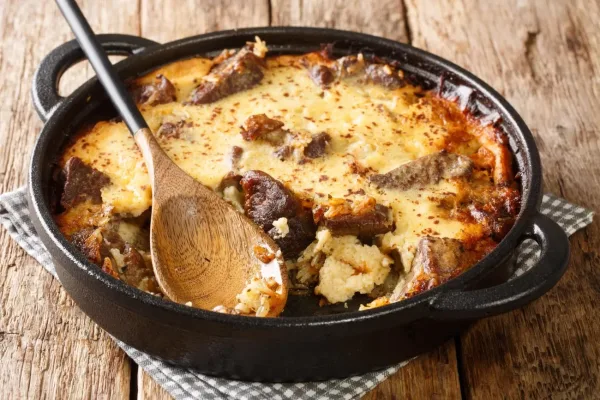
Image Source: Remitly Blog
Tavë Kosi stands as the national dish of Albania. This comfort food casserole’s name means “soured milk casserole” and represents the essence of Albanian cooking through its rich flavors and simple preparation.
Tavë Kosi Ingredients
The heart of this beloved dish comes from these basic ingredients:
- Lamb shoulder (some versions use chicken, called “tavë kosi me mish pule”)
- Yogurt (which replaced the traditional soured milk)
- Eggs
- Rice
- Butter
- Flour for making a roux
- Garlic cloves
- Oregano
- Salt and pepper
Home cooks often add nutmeg to create more warmth and depth. Lamb shoulder remains the classic choice, but local variations might use different cuts or chicken instead.
How Tavë Kosi is Prepared
Making Tavë Kosi starts with browning the lamb in butter and olive oil until it turns golden. The cook adds garlic, oregano, and water, and lets the meat simmer for 45-60 minutes until it becomes tender. The rice goes into the lamb mixture with salt and pepper before everything moves to an ovenproof dish.
The next step creates a roux by melting butter and cooking flour for about 2 minutes. Yogurt blends into this roux, and beaten eggs and seasonings follow. This mixture covers the lamb and rice, gets a sprinkle of fresh nutmeg on top and bakes for 40-45 minutes until golden-brown.
When Tavë Kosi is Eaten
People know Tavë Kosi as “Albania’s comfort food” and serve it during family gatherings and special occasions. The dish’s roots trace back to the Ottoman period. A popular tale tells how 15th century residents of Elbasan made this dish from leftover lamb marinated in yogurt for the Ottoman sultan.
Modern Albanian restaurants proudly serve this treasured dish. Visitors learning about Albanian food can taste authentic versions at places like Oda Garden in Pazari i Ri, Tirana. A simple salad usually accompanies the warm dish.
Fërgesë

Image Source: Atlantiku
Fërgesë ranks among Albania’s most treasured national dishes. The dish’s name comes from “fërgoj,” meaning “to fry”. This flavorful combination reflects Albania’s agricultural heritage and the ingredients accessible to more people in the region.
Fërgesë Ingredients
The traditional vegetarian Fërgesë calls for:
- Roasted red peppers (Albanian cooks prefer longer, meaty varieties instead of bell-shaped ones)
- Ripe tomatoes
- White cheese (“djathë i bardhë”) – Albanian gjizë, which tastes as with salty cottage cheese
- Onions
- Garlic
- Olive oil
- Herbs such as basil, oregano, or parsley
- Paprika
- Salt and pepper
Some cooks add butter and flour to create a roux that enhances creaminess. The heartier winter version includes liver (beef or lamb), known as “Fergese me melçi” or “Tave Dheu” in northern Albania.
How Fërgesë is Prepared
The cooking process starts with roasting red peppers until they blister and char. The cook sautés onions in olive oil until they turn translucent. After stripping and chopping the roasted peppers, they join the onions in the pan.
Peeled and chopped tomatoes become part of the mixture next. Everything simmers together to blend the flavors. The cook crumbles white cheese into the skillet, which melts slightly and creates a creamy consistency.
Traditional preparation requires small clay pots (15cm by 5cm deep) that add an earthy flavor. The mixture goes into these pots and bakes until a golden crust forms on top, which enhances the dish’s taste and appearance.
When Fërgesë is Eaten
This dish originated in Albania’s capital, Tirana, and holds deep cultural meaning across the country. People serve the vegetarian version (“fergesë e tiranës me speca”) as a side dish or appetizer. Notwithstanding that, paired with bread, it becomes a filling main course.
The meat version serves primarily as a substantial main dish that people enjoy at the time of cold weather. Both versions appear at family gatherings, celebrations, and everyday meals. These dishes are the foundations of Albania’s enduring food traditions.
Byrek
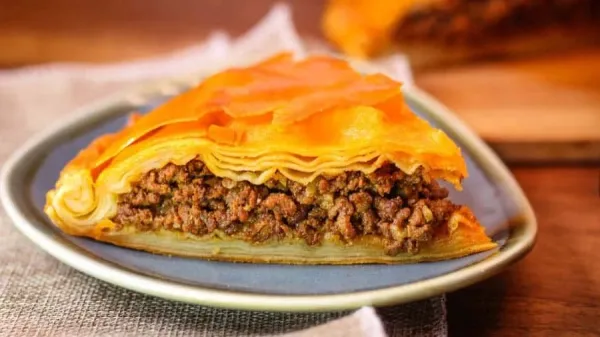
Image Source: ChainBaker
Byrek stands as the champion of Albanian cuisine and ranks as the country’s most beloved savory pastry. This flaky delight, pronounced “burek,” has its roots in the Ottoman Empire. Albanian cooks adopted it after its introduction to the Balkans.
Byrek Ingredients
The heart of this traditional Albanian dish consists of:
- Thin sheets of dough called petë (like phyllo)
- Butter or olive oil to brush between layers
- Various fillings including:
- Spinach and feta cheese (byrek me spinaq)
- Ground or minced beef (byrek me mish)
- White cheese (gjizë, like cottage cheese)
- Leeks, onions and tomatoes (seasonal variation)
Basic dough needs flour, water, salt, and sometimes egg, oil or vinegar. The classic spinach and feta filling combines dill, green onions, and yogurt.
How Byrek is Prepared
Cooks either make the dough from scratch or use ready-made phyllo sheets. The homemade version combines flour, salt, water and sometimes oil. The mixture needs kneading until it becomes smooth and elastic. The dough rests before being divided into small portions and rolled into very thin sheets.
Shape and filling determine the preparation method. The traditional approach requires brushing each sheet with butter or olive oil and layering it in a baking dish. The chosen filling spreads evenly across the middle layers. The top layers seal the dish with crimped or folded edges. Some cooks create triangular shapes by folding dough strips around small portions of filling.
The byrek bakes at 350-375°F until it turns golden brown, usually taking 30-50 minutes.
When Byrek is Eaten
Albanian culture celebrates with byrek at weddings, birthdays, and religious holidays. The dish works perfectly as breakfast, a quick lunch, or alongside dinner. People enjoy byrek with yogurt or dhallë, a yogurt drink like Turkish ayran. Formal meals might start with light soup before serving byrek.
Qofte
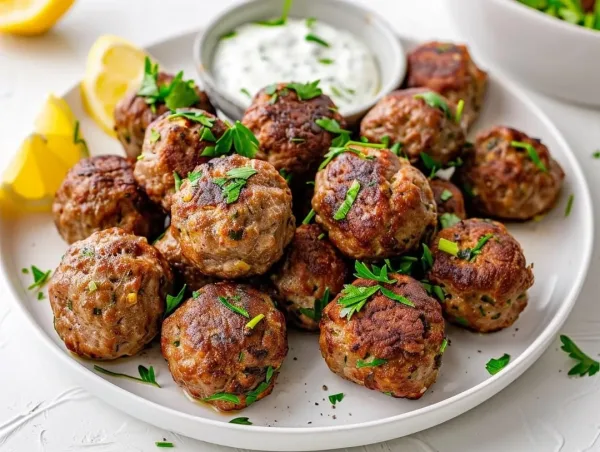
Image Source: Reddit
Qofte, Albania’s beloved meatballs, stands as a cornerstone of traditional Albanian cuisine. These flavorful meatballs emerged from Ottoman influences but evolved into a unique Albanian specialty as generations adapted the recipe.
Qofte Ingredients
A classic Qofte recipe has these essential ingredients:
- Ground meat (lamb or beef, sometimes a combination)
- Finely grated or chopped onion (with juices reserved)
- Fresh herbs (especially when you have mint, oregano, and fresh parsley)
- Breadcrumbs or soaked bread
- Feta cheese (4 tablespoons in traditional recipes)
- Garlic
- Spices (cinnamon, paprika)
- Eggs (for binding)
- Flour (for dusting)
- Salt and pepper
How Qofte is Prepared
The preparation starts by combining all ingredients in a large bowl and folding them together until just mixed. Experienced cooks handle the mixture gently since over-mixing makes tough Qofte. The mixture needs to rest refrigerated for at least one hour so the flavors blend well.
The meat takes shape into small logs, patties, or oval forms after marinating, with a light dusting of flour. Traditional cooking methods require frying in oil until the exterior turns golden brown and crispy, about 5 minutes on each side. Some modern recipes offer a healthier baked version.
When Qofte is Eaten
Qofte serves as an affordable and satisfying meal found everywhere in Albania. These tasty meatballs pair well with pink salt, raw vegetables, bread, yogurt sauce or a fresh salad. Local establishments called “qofteri” specialize in serving Qofte with beer.
Regional variations might feature Qofte in tomato-based sauce or among pilaf (rice) to create a heartier meal. Tirana’s “zgara” (grill-houses) list Qofte as their most budget-friendly option that still delivers a satisfying meal.
Qifqi
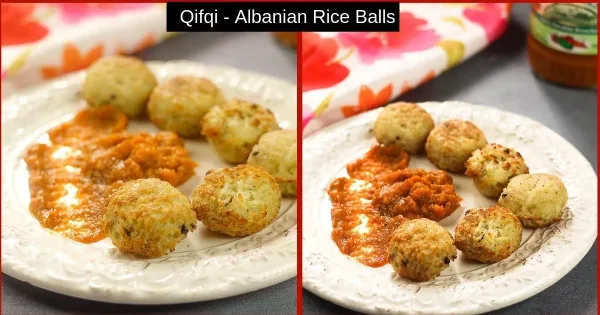
Image Source: Global Kitchen Travels
Qifqi rice balls stand out as a rare vegetarian dish in Albania’s meat-loving food culture. These delicious treats come from Gjirokastra, a UNESCO World Heritage city. The small fried rice balls have become a symbol of southern Albanian cuisine with their simple yet unique taste.
Qifqi Ingredients
You’ll need just a few basic ingredients to make authentic Qifqi:
- Rice (1 cup, preferably long-grain)
- Eggs (3-4, for binding)
- Dried mint (a key flavoring component)
- Salt and black pepper to taste
- Olive oil for frying
These rice balls are unique in Albanian cooking since they don’t contain any meat – quite unusual in a cuisine that loves its meat dishes.
How Qifqi is Prepared
The recipe starts with cooking rice in twice its volume of water. Let the rice cool to room temperature, then mix it with beaten eggs, dried mint, salt and black pepper until well combined.
The traditional way involves shaping the mixture into small balls by hand. Each ball gets fried in olive oil until it turns golden and crispy on the outside. Local cooks often use a special socket-bottomed frying pan made just for Qifqi.
When Qifqi is Eaten
We serve these rice balls as appetizers or light meals, especially during special occasions and family get-togethers in southern Albania. They’re a popular vegetarian option that local women prepare for celebrations.
These tasty bites go really well with yogurt, dhallë (a salty yogurt drink) or ajvar (roasted red pepper spread). You can make them into a full meal by adding a green salad. The old town of Gjirokastra remains the best place to try authentic Qifqi for anyone visiting Albania.
Flija
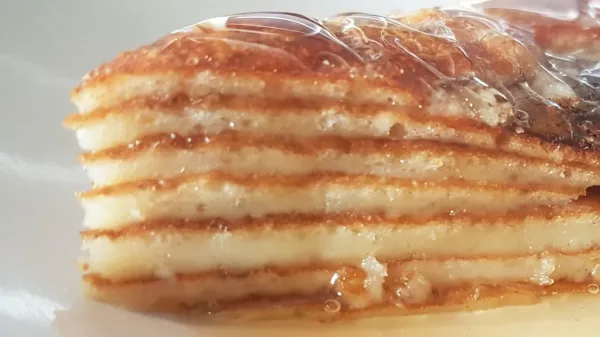
Image Source: My Albanian Food
Flija represents a beloved treasure in traditional Albanian cuisine. This cherished dish demands patience and precision to achieve its unique layered structure.
Flija Ingredients
This traditional dish shines through its simplicity. The basic ingredients include:
- A simple batter made from flour, water and salt
- Dairy elements like yogurt, sour cream or butter between layers
- Optional eggs that add richness to the dish
Family recipes vary across regions, and some households add cheese to boost the flavor.
How Flija is Prepared
The creation of Flija demands a careful process that takes several hours traditionally. Cooks prepare two distinct batters – one combines flour and water, while another contains dairy products. These batters go onto a special baking lid called “saç” above an open fire in alternating layers. Each layer needs complete cooking before the next addition, which results in a distinctive cake-like structure.
Families often gather outdoors around a campfire to prepare Flija together. Modern cooking methods sometimes use an oven broiler instead of the traditional saç.
When Flija is Eaten
People serve this dish warm alongside honey or yogurt. Flija carries deep cultural meaning throughout Albania. The country celebrates “Flija Day” on March 18th, bringing families together to prepare and share this special dish. The dish’s origins connect to spring equinox celebrations known as Verëza and some people believe it started as an offering to the Sun-god.
Petulla
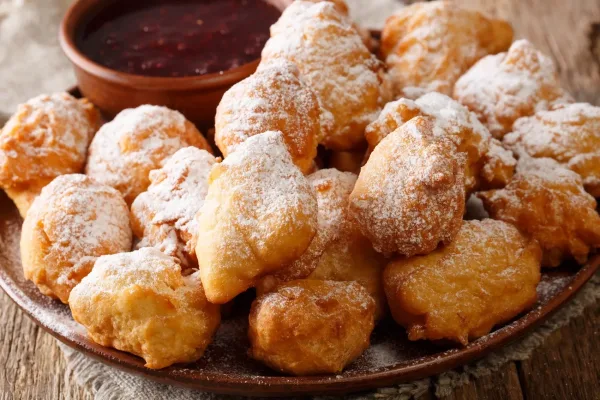
Image Source: TasteAtlas
Petulla, Albania’s version of fried dough, is a beloved comfort food that has become a symbol of grandmotherly love across the country. This delightful snack tastes like a cross between pancakes and donuts and puffs up like beignets.
Petulla Ingredients
The basic recipe needs:
- Flour (2-3 cups all-purpose)
- Yogurt (Greek yogurt works best)
- Eggs
- Baking soda or yeast
- Salt
- Oil for frying
You can add sugar to make it sweet, olive oil to make it richer or water to get the right consistency. Some regions’ cooks mix cheese right into the batter before frying.
How Petulla is Prepared
The cook mixes dry ingredients (flour, salt, baking soda) in a bowl. In another bowl, eggs and yogurt are whisked until smooth. These two mixtures come together bit by bit until they form a smooth, sticky batter.
The dough needs to rest for 25-30 minutes. Some recipes suggest overnight refrigeration to boost flavor. The next step is heating oil in a pan over medium heat. A spoon drops portions of batter into hot oil that fry until golden brown on both sides.
When Petulla is Eaten
Petulla is a breakfast favorite in Albania. It’s also popular as a snack, dessert and street food. People love these fried treats with different toppings – powdered sugar, honey, homemade jams for sweet lovers or feta cheese for those who like it savory.
Speca te Mbushura
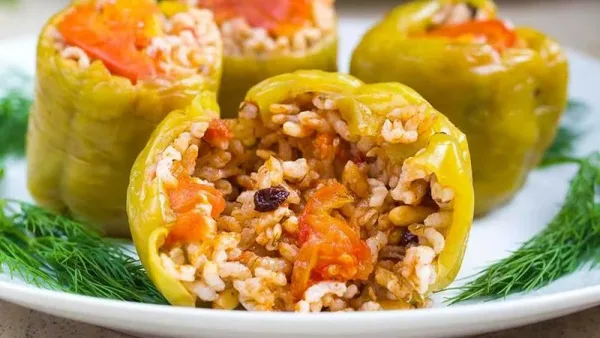
Image Source: World Food Guide
Speca te Mbushura, the local name for stuffed peppers, represents the practical and flavorful essence of traditional Albanian cooking. This beloved dish exists throughout the Balkans and stands as a testament to Ottoman influence. Each region has developed its unique variation over time.
Speca te Mbushura Ingredients
The traditional recipe calls for:
- Bell peppers (5-12 depending on size)
- Ground beef (approximately 1 pound)
- Rice (3/4 to 1 cup, uncooked)
- Onions and garlic
- Fresh herbs (dill and parsley are must-haves)
- Tomato sauce or crushed tomatoes
- Seasonings (salt, pepper, oregano)
Many families enhance the dish by adding potatoes around the peppers. These potatoes soak up extra liquid and create an interesting texture.
How Speca te Mbushura is Prepared
The cooking process starts with the removal of pepper tops and seeds. The cook sautées onions and garlic until soft, then browns the ground beef. The mixture comes together as rice, tomato sauce, herbs and seasonings simmer until they reach the right consistency.
Each pepper gets filled with this flavorful mixture and arranged in a baking dish. The remaining sauce goes around the peppers with enough water to cook the rice completely. The dish needs about 40-45 minutes in an oven heated to 350-375°F.
When Speca te Mbushura is Eaten
We enjoyed this dish most during summer months as bell peppers grow abundantly in the countryside. The versatile nature of Speca te Mbushura means you can serve it hot, warm, or cold. People usually pair it with fresh yogurt or bread, and it graces both family celebrations and everyday meals.
Perime në Zgarë
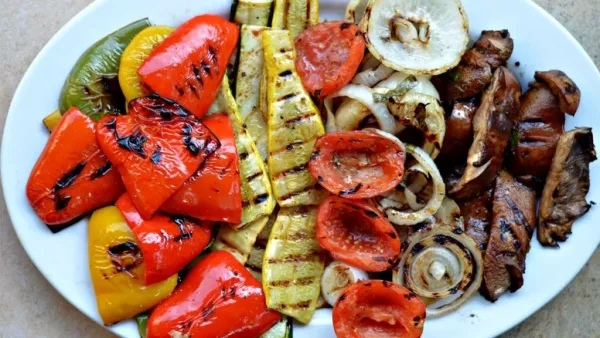
Image Source: Abenteuer Albanien
Perime në Zgarë brings vibrant color and flavor to everyday Albanian meals as a delicious side dish. This simple grilled vegetable preparation lets the natural flavors shine through minimal cooking.
Perime në Zgarë Ingredients
The dish comes alive with a mix of seasonal vegetables:
- Bell peppers (yellow, green, and red varieties)
- Zucchini and yellow summer squash
- Eggplant
- Red onions
- Cherry tomatoes
- Button mushrooms
- Other seasonal vegetables based on availability
A drizzle of olive oil, salt, black pepper, oregano and sometimes balsamic vinegar improves the natural flavors.
How Perime në Zgarë is Prepared
The process starts with vegetables cut into uniform chunks or slices. Cooks either marinate them in olive oil, garlic and herbs beforehand or toss everything together right before grilling.
The smoky essence comes from cooking on traditional charcoal grills. Each vegetable needs its own cooking time – peppers take 10-15 minutes while cherry tomatoes cook quickly in about 5 minutes. The vegetables need occasional stirring to char evenly.
How Perime në Zgarë is Served
Summer brings the best vegetables, making this dish a staple on Albanian tables. The colorful medley works perfectly with grilled meats and other main courses. Its simple preparation and beautiful presentation make it popular at both family gatherings and casual meals. The dish serves as both a tasty side and a healthy vegetarian option.
Peshk në Zgarë
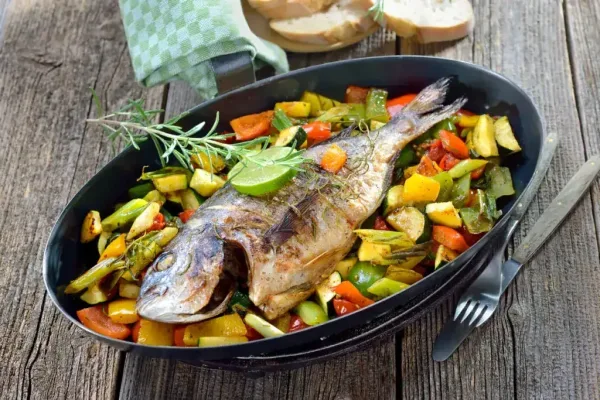
Image Source: Abenteuer Albanien
The Albanian coastline gifts us Peshk në Zgarë, a grilled fish dish that captures the pure flavors of the sea. This simple preparation reflects Albania’s rich connection to the Adriatic and Ionian seas, along with its lakes and rivers.
Peshk në Zgarë Ingredients
This traditional Albanian dish shines through its simplicity:
- Whole fish (sea bass/branzino, levinj, trout, carp or other white fish varieties)
- Olive oil (3-4 tablespoons)
- Fresh lemon juice (3-4 tablespoons)
- Garlic (2-3 cloves, minced)
- Fresh herbs (parsley, rosemary)
- Salt and pepper
- Optional vegetables like tomatoes, potatoes or peppers
How Peshk në Zgarë is Prepared
The process starts with cleaning the whole fish while keeping its scales intact. Small slashes go into the flesh before the fish bathes in a marinade of olive oil, lemon juice, garlic and herbs for 30-40 minutes to boost flavor.
Albanians prefer a charcoal grill that adds a wonderful smoky taste. The fish needs about 3-4 minutes on each side until its skin turns crispy and golden. Some regions bake the fish in an oven with vegetables and potatoes for a different take on this classic dish.
When Peshk në Zgarë is Eaten
This healthy staple of Albanian cuisine appears on tables all along the Albanian Riviera and near lakes. Fresh seafood remains available throughout much of the country thanks to Albania’s beautiful beaches and inland waterways. A simple side salad or grilled vegetables complete this dish that exemplifies Mediterranean diet principles in Albanian cooking.
Jani me Fasule
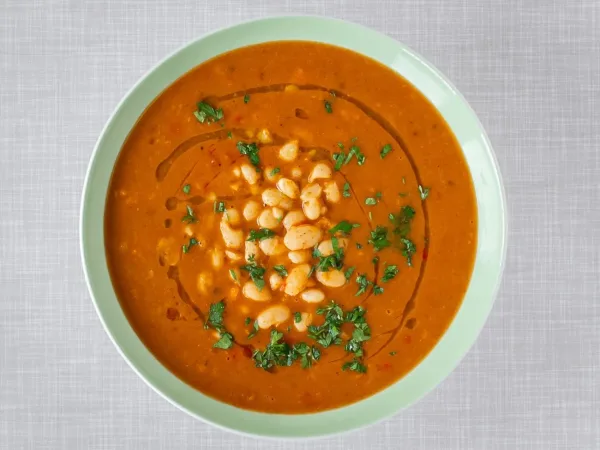
Image Source: Plantbasedredhead
Albanian families love this hearty bean soup-stew combination as their comfort food. The dish brings warmth to homes with its simple ingredients and rich flavors. People call it by different names – Jani me Fasule, Fasule, or Grosh – depending on which part of Albania they’re from.
Jani me Fasule Ingredients
The heart of this traditional Albanian dish includes:
- White beans (cannellini, butter beans, or kidney beans)
- Onions and red bell peppers
- Olive oil
- Tomato paste or passata
- Herbs and spices (oregano, paprika, bay leaves)
- Beef or vegetable stock
Family recipes often add vegetables like carrots, celery or zucchini. Some versions use flour to thicken the soup or add smoked meats to boost its flavor.
How Jani me Fasule is Prepared
The process starts with soaking dried beans overnight until they soften. People can also use canned beans to save time. Next comes sautéing onions and red peppers in olive oil until soft. The beans, stock, tomato paste, and seasonings join the mix. Everything simmers together – 30 minutes in a pressure cooker or 2-3 hours on the stovetop – until the flavors blend perfectly.
When Jani me Fasule is Eaten
Monday evenings hold a special place in Albanian homes as the traditional time to serve this dish. The simple yet satisfying Jani me Fasule becomes a winter staple. Families serve it hot with crusty bread. The soup stays good for 5-7 days in the fridge or can go in the freezer for later.
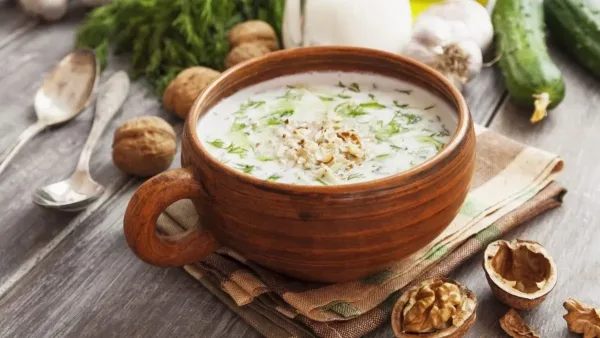
Image Source: Tapas Magazine
Tarator adds a refreshing touch to traditional Albanian cuisine. This versatile dish works as both a cold soup and side dish that pairs well with grilled meats and seafood during warm months.
Tarator Ingredients
The classic Albanian Tarator needs:
- Plain yogurt (traditional Albanian yogurt is like Greek yogurt)
- Cucumber (peeled and finely diced)
- Garlic cloves (minced or crushed)
- Olive oil
- Fresh dill
- Salt
Many people add chopped walnuts to enhance texture and a splash of water to adjust consistency.
How Tarator is Prepared
The preparation requires no cooking. The process starts with peeling and finely dicing or grating cucumbers. A mortar and pestle helps crush garlic with salt to extract maximum flavor. The next step involves beating yogurt until smooth and mixing it with the cucumber-garlic blend. A drizzle of olive oil goes in while stirring, followed by fresh dill. The flavors need an hour to meld in the refrigerator before serving.
When Tarator is Eaten
We enjoy this dish most during hot summer days as a cooling appetizer or palate cleanser. Albania’s coastal regions pair it with seafood dishes. The refreshing nature makes it a perfect light refreshment between meals. Tarator stands as Albania’s version of cold yogurt dishes that spread across the Balkans, each region adding its own twist.
Trileçe
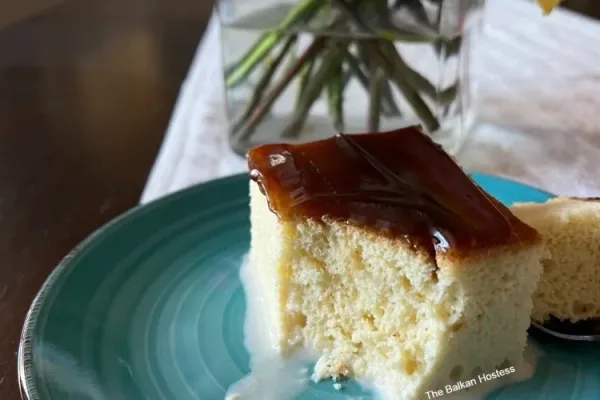
Image Source: The Balkan Hostess –
Trileçe has evolved from its Latin American roots to become a cherished dessert in Albania’s southeastern European cuisine. This milk-soaked sponge cake takes its name from the Spanish “tres leches,” and Albanian bakers have created their own unique version of this sweet treat.
Trileçe Ingredients
The recipe’s core components create this mouthwatering dessert:
- Basic sponge cake elements (eggs, sugar, flour, baking soda, vanilla)
- A blend of three milks (traditional recipe calls for cow’s milk, goat’s milk and water buffalo milk)
- Contemporary versions combine evaporated milk, condensed milk and whole milk or cream
- Rich caramel topping (sugar, water, butter, salt)
- Additional garnishes might include whipped cream, strawberries or seasonal fruits
How Trileçe is Prepared
The process starts with a light sponge cake that bakers cook until it reaches a golden brown color. The cooled cake needs tiny holes poked throughout with a skewer or fork. A special three-milk mixture soaks into the cake and creates a pudding-like texture.
Albanian bakers add their signature touch with a caramel topping, which sets their version apart from Latin American recipes that use whipped cream and fruit. Creative bakers often add decorative touches by piping whipped cream in parallel lines across the caramel’s surface to create beautiful swirl patterns.
When Trileçe is Eaten
This refreshing dessert surged in popularity throughout Albania during the mid-2010s and remains a year-round favorite. The dessert’s adaptability makes it perfect for both celebrations and casual meals. Albanian families serve this chilled treat straight from the refrigerator, often pairing it with a cup of Turkish coffee or tea.
Bakllava
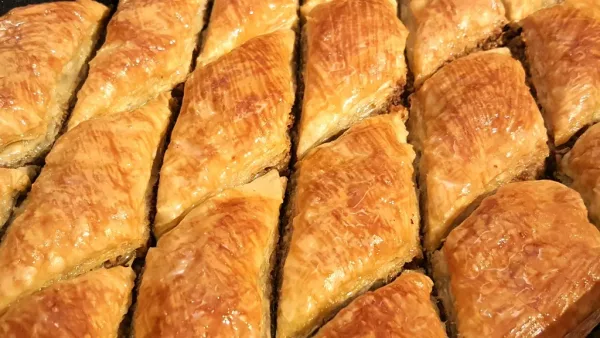
Image Source: My Albanian Food
The rich aroma of honey-soaked phyllo pastry makes Bakllava a treasured part of Albanian cuisine. This luxurious dessert combines multiple layers of buttery pastry with chopped nuts and sweet syrup.
Bakllava Ingredients
Albanian bakllava’s core ingredients include:
- Phyllo dough (approximately 36 sheets)
- Walnuts (500g) – unlike Turkish bakllava’s pistachio filling
- Butter (200g, melted)
- Sugar, honey, and water for syrup
- Cinnamon for flavor
- Lemon juice to balance sweetness
Many recipes add spices like cloves to boost the flavor profile.
How Bakllava is Prepared
The process starts with layers of buttered phyllo dough in a baking dish. A mixture of crushed walnuts and cinnamon goes between every 8 sheets. The layering continues until all ingredients find their place and the final layer needs 8 buttered phyllo sheets.
The baker cuts the assembled bakllava into diamond shapes before it goes into the oven. The dessert bakes for 45-50 minutes until it turns golden brown. Hot bakllava receives a generous pour of syrup made from honey, water, sugar, and lemon juice.
When Bakllava is Eaten
Albanian families serve this room-temperature treat during special occasions and religious celebrations. New Year’s festivities wouldn’t be complete without fresh bakllava. This beloved dessert represents Albanian hospitality and celebration in its food culture.
Raki
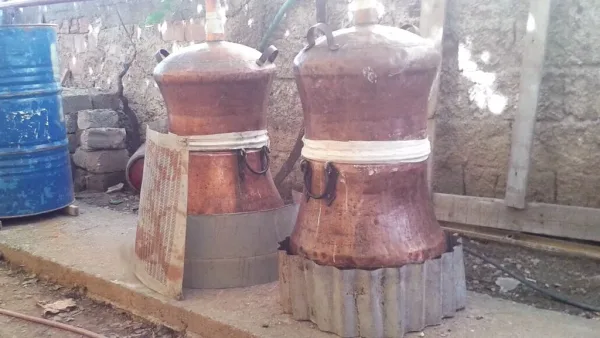
Image Source: My Albanian Food
Albanian cuisine’s life-blood is Raki, the clear fruit brandy that stands as the country’s national spirit. Albanian Raki contains no aniseed, making it distinct from Turkish versions, and it brings people together across the country.
Raki Ingredients
We produced Raki using various fruits that change by region. Southern Albania’s traditional base comes from grapes, while plums take center stage in Korçë and Pogradec regions. Distillers across other areas employ raspberries, persimmons, mulberries, cherries and pears. This spirit packs quite a punch contains 45-50% alcohol by volume, matching vodka or whiskey in strength.
How Raki is Prepared
Making this traditional spirit takes both patience and precision. The process starts as fruits get crushed and ferment for 2-4 weeks. The crucial distillation phase follows and needs about 6 hours of careful heating. Albanian families’ recipes pass down through generations and making Raki at home has become a cultural milestone.
When Raki is Consumed
Raki surpasses simple drinking—it’s a social ritual. Small glasses of Raki appear before or after meals, and people enjoy it with morning coffee. The spirit pairs beautifully with meze like olives, cheese or cured meats. During Ottoman rule, Raki became a symbol of quiet resistance as Albanians kept distilling despite restrictions. Modern Albanian gatherings still center around Raki, which sparks conversations and creates memories that last.
Kaçkavall
Kaçkavall ranks as Albania’s second favorite cheese, just behind djathë i bardhë (white cheese) in popularity. This yellow semi-hard cheese plays an important cultural role and appears in many traditional Albanian dishes.
Kaçkavall Ingredients
The basic ingredients needed are:
- Milk (mostly from cows or sheep, sometimes from goats)
- Rennet or starter culture
- Salt
- Calcium chloride (used in commercial production)
The cheese’s color shifts from pale yellow to golden as it ages and it has a nutty, slightly salty taste. The saltiness is milder than white cheese, which makes it a great match for different dishes.
How Kaçkavall is Prepared
The cheesemakers start by heating milk to 74-78°C to kill unwanted bacteria that could react with cultures. They cool it down to 34-37°C and add starter cultures. These cultures need to hydrate for a few minutes before getting mixed well.
The next step adds calcium chloride and rennet solutions, which turn the milk into solid curd with liquid whey around it. The curd gets heated while its pH levels are checked. Then it’s stretched in hot brine and kneaded until smooth before being shaped. The cheese needs proper aging time to develop its special flavor.
How Kaçkavall is Eaten
Albanian cuisine uses Kaçkavall in many ways. Restaurants often serve it raw or fried as a free appetizer before main dishes. People at home like to grill or fry it as a starter, put it in sandwiches or melt it over traditional dishes like Tave Dheu. Some locals make it even better by baking it with chopped tomatoes and herbs.
Dolma Japrak
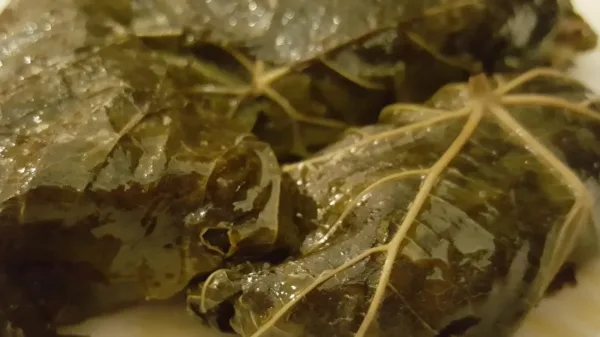
Image Source: My Albanian Food
Japrak (dolma) stands as a cornerstone of traditional Albanian cuisine. This Mediterranean delicacy consists of grape vine leaves stuffed with delicious ingredients. People across the Balkans enjoy their own versions of this dish, which Turkish cuisine knows as yaprak sarma.
Dolma Japrak Ingredients
A genuine Albanian recipe calls for:
- Grape leaves (30-40 fresh or jarred)
- Ground meat (traditionally lamb, but beef or a mixture works well)
- Rice (75-100g)
- Herbs (fresh mint, parsley, dill, basil)
- Onions (finely chopped)
- Spices (salt, pepper, paprika)
- Olive oil
Different regions have created their own versions, including meatless alternatives. North Albania’s recipe often includes extra spices like cumin or powdered garlic to improve the flavor profile.
How Dolma Japrak is Prepared
The cooking process starts with a quick blanch of grape leaves in boiling water until they develop a deep green color, usually 1-2 minutes. A savory filling combines sautéed onions, rice, ground meat and fresh herbs. Each leaf receives a small portion of the mixture. The cook tucks in the sides and rolls them tightly to create cigar-shaped bundles.
These rolled delicacies need tight arrangement in a cooking pot, with lemon slices nestled between layers for extra zest. A heavy plate sits on top to help the rolls keep their shape during cooking.
When Dolma Japrak is Eaten
Summer brings fresh grape leaves, making it the perfect season for this dish. People love to serve it with yogurt or lemon wedges. Dolma japrak brings Albanian families closer to their food heritage and shines as a centerpiece at gatherings and celebrations.
Comparison Table
| Dish Name | Type of Dish | Main Ingredients | Preparation Method | Traditional Serving Context |
|---|---|---|---|---|
| Tavë Kosi | Casserole | Lamb, yogurt, eggs, rice | Baked in oven with egg-yogurt mixture | Family gatherings, special occasions |
| Fërgesë | Vegetable dish | Red peppers, tomatoes, white cheese | Roasted and baked in clay pots | Side dish or appetizer |
| Byrek | Savory pastry | Phyllo dough, various fillings (spinach, meat, cheese) | Layered and baked | Breakfast, lunch, special occasions |
| Qofte | Meatballs | Ground meat, herbs, onions, breadcrumbs | Pan-fried | Everyday meals, served with salad or yogurt |
| Qifqi | Rice balls | Rice, eggs, dried mint | Shaped and fried | Appetizers, light meals |
| Flija | Layered pastry | Flour, water, dairy products | Cooked layer by layer under saç | Special occasions, especially when you have March 18th |
| Petulla | Fried dough | Flour, yogurt, eggs, baking soda | Deep-fried | Breakfast, snacks |
| Speca te Mbushura | Stuffed peppers | Bell peppers, ground beef, rice | Baked | Summer meals, family gatherings |
| Perime në Zgarë | Grilled vegetables | Seasonal vegetables, olive oil | Grilled | Summer meals, side dish |
| Peshk në Zgarë | Grilled fish | Fresh fish, olive oil, lemon | Grilled | Coastal areas, everyday meals |
| Jani me Fasule | Bean soup/stew | White beans, vegetables, stock | Slow-cooked | Winter months, Monday dinners |
| Tarator | Cold soup | Yogurt, cucumber, garlic | No cooking, mixed | Summer refreshment |
| Trileçe | Dessert | Sponge cake, three types of milk | Baked and soaked | Year-round dessert |
| Bakllava | Dessert | Phyllo dough, walnuts, honey | Layered and baked | Special occasions, New Year |
| Raki | Spirit | Various fruits (grapes, plums) | Fermented and distilled | Social gatherings, before/after meals |
| Kaçkavall | Cheese | Cow’s or sheep’s milk | Aged | Appetizer, side dish |
| Dolma Japrak | Stuffed leaves | Grape leaves, meat, rice, herbs | Rolled and steamed | Summer gatherings |
Enjoy Traditional Albanian Food
Albanian cuisine proves the country’s rich cultural heritage and geographic diversity. We explored 17 authentic dishes that grace Albanian tables in 2025. These traditional foods express the remarkable balance between simplicity and flavor that defines this Balkan cuisine.
The national treasure Tavë Kosi and versatile Byrek pastries appear on breakfast tables daily. Albanian food celebrates fresh, seasonal ingredients with time-honored techniques. Regional variations show the country’s diverse landscapes. Coastal areas embrace seafood dishes like Peshk në Zgarë, while inland communities cherish hearty meals such as Jani me Fasule.
Albanian cooking shows Ottoman influence through dishes like Dolma Japrak and Bakllava. Each dish evolved into distinctly Albanian interpretations over centuries. Yet Albanian cuisine keeps its unique identity through specific preparation methods and local ingredient combinations.
Family gatherings remain at the heart of Albanian food culture. People prepare many dishes specifically for celebrations and special occasions. Flija represents this communal cooking tradition, while Raki brings people together during social gatherings.
The mix of meat-centric dishes with vegetarian options like Fërgesë and Tarator shows Albanian cooking’s adaptability. Traditional techniques blend with modern adaptations that help these culinary traditions thrive in today’s Albanian households.
Albanian cuisine tells a story of resilience, resourcefulness and regional pride. These 17 dishes offer a glimpse into an array of flavors that define Albanian food culture. People lucky enough to taste authentic Albanian hospitality will find a culinary tradition that values freshness, simplicity and the joy of sharing good food with others.
FAQs
Q1. What are some must-try traditional Albanian dishes?
Some essential traditional Albanian dishes to try include Tavë Kosi (baked lamb with yogurt), Fërgesë (a vegetable dish with peppers and cheese), Byrek (savory pastry with various fillings), Qofte (meatballs) and Peshk në Zgarë (grilled fish). These dishes showcase the diverse flavors and ingredients of Albanian cuisine.
Q2. Is baklava a part of Albanian cuisine?
Yes, Bakllava (the Albanian spelling) is an important part of Albanian cuisine. It’s traditionally prepared for religious holidays and special occasions, particularly during the winter holiday season and New Year celebrations. The Albanian version typically uses walnuts instead of pistachios and features a distinctive caramel topping.
Q3. What is a typical Albanian meze platter?
An Albanian meze platter usually includes a variety of small dishes meant for sharing. It often features items like prosciutto ham, salami, brined cheese, roasted bell peppers and olives marinated in olive oil with garlic. Meze is an important part of Albanian dining culture and hospitality.
Q4. What is Tavë Kosi and why is it significant in Albanian cuisine?
Tavë Kosi is a national dish of Albania, often referred to as “soured milk casserole.” It consists of lamb (or sometimes chicken) baked with rice and a mixture of yogurt and eggs. This dish is significant because it represents the heart of traditional Albanian cooking and is often prepared for special occasions and family gatherings.
Q5. What role does Raki play in Albanian food culture?
Raki, a clear fruit brandy, is Albania’s national spirit and plays a crucial role in the country’s food and social culture. Unlike its Turkish counterpart, Albanian Raki doesn’t contain aniseed. It’s typically enjoyed before or after meals, often accompanied by meze. Raki is more than just a drink; it’s an integral part of Albanian hospitality and social gatherings.










Leave A Comment