

Doi Inthanon stands as Thailand’s tallest peak at 2,565 meters above sea level. But beyond the typical Chiang Mai itinerary, a world of hidden gems waits for adventurous travelers to explore.
Travelers can explore Thailand’s stunning northern landscapes through day trips from Chiang Mai without switching hotels. The impressive Chiang Dao Cave and hot springs let visitors camp overnight for just 150 baht ($7.50). These spots in the Chiang Mai region show Thailand’s authentic side that locals love. These best day trips from Chiang Mai stay relatively uncrowded and give visitors a fresh alternative to busy tourist spots.
This complete guide shows 11 spectacular Chiang Mai day trips that seasoned travelers might have missed. These hidden destinations give memorable experiences without long travel times. Nature lovers can explore wonders, while culture enthusiasts can dive into local traditions. Anyone seeking a quiet break from city life will find their perfect escape.
Doi Chiang Dao
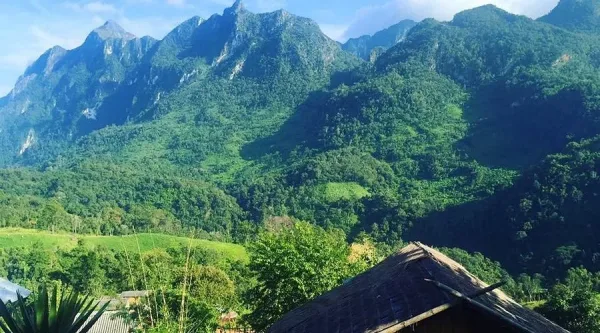
Image Source: Tripadvisor
Doi Chiang Dao, Thailand’s third-highest peak, rises at 2,175 meters above sea level. This majestic mountain ranks among the best day trips from Chiang Mai for nature lovers. The locals call it the “City of Stars”. This ancient limestone giant has stood for about 230-250 million years and gives visitors an experience that’s nowhere near your typical tourist spots.
Doi Chiang Dao highlights
The mountain rewards climbers with stunning panoramic views of northern Thailand’s green landscapes. Nature enthusiasts love this peak, especially when you have its pristine beauty and sacred meaning to local people. The path takes you through a mix of dry evergreen forests, bamboo groves, and limestone formations.
The mountain gives photographers amazing chances to capture sunrises and sunsets. The area around Doi Chiang Dao also features some great spots like the famous Chiang Dao Cave and temples such as Wat Tham Pha Plong. A climb up 500 steps at the temple rewards you with beautiful valley views.
How to get to Doi Chiang Dao
The mountain sits about 70 kilometers north of Chiang Mai. The trip takes about 1.5 hours by road. You can choose from several ways to get there:
- Public busses: Leave every half hour from Chiang Mai and cost less than $2 USD
- Minibus and taxi combo: Takes about 2.5 hours and costs between $30-$45 USD
- Private vehicle: The quickest option at roughly 1 hour of driving time
Visitors must stop at the park headquarters to pay entrance fees (200 baht per person plus vehicle fees).
Best time to visit Doi Chiang Dao
Thailand’s winter months from November through early February offer the best time to visit Doi Chiang Dao. These months bring:
- Clear skies with no rain and great visibility
- Nice daytime temperatures between 25-30°C
- Cool nights (10-20°C, below 10°C higher up)
Note that you can only visit Doi Luang Chiang Dao Wildlife Reserve during this cool, dry season. The summit climb needs careful planning. Foreign visitors should book about 6 months ahead and get approval from the Thai Royal Forest Department.
The mountain’s beauty makes this day trip from Chiang Mai worth your time, even if you just admire it from ground level.
Wat Chaloem Phra Kiat
Wat Chaloem Phra Kiat stands majestically on limestone cliffs as one of northern Thailand’s most stunning visual spectacles. This extraordinary temple complex sits on Doi Pu Yak mountain at an elevation of 815 meters above sea level. The experience here differs completely from other day trips around Chiang Mai.
Wat Chaloem Phra Kiat special features
The temple’s most remarkable sight is its collection of gleaming white pagodas that seem to float above the clouds. Monks and locals devoted a decade to building these structures, which were completed around 2015 to mark the 200th anniversary of King Mongkut’s (Rama IV) birth.
The Sacred Shrine of Wishes welcomes travelers who seek blessings and good fortune. Ancient Buddha’s Footprints existed here even before the temple’s construction. Visitors at Phu Pha Mok can see a stunning panorama that shows off a royal pavilion, golden stupa, and more than ten cascading white stupas.
The site boasts a breathtaking 360-degree view of Chae Hom district with its small river, lush forests, rolling hills, and dramatic mountain backdrop.
Getting to Wat Chaloem Phra Kiat
This hidden gem sits about 160km from Chiang Mai, and you’ll need 2-2.5 hours by car to reach it. The temple lies roughly 63km north of Lampang city in the Chae Hom District.
Visitors must buy tickets at the base parking area that come with a mandatory songthaew (pickup truck) ride. No private vehicles can reach the temple directly. The pickup covers 3.5km of steep mountain roads. A 800-meter walk leads to the temple grounds – the first 400 meters follow an easy path before turning into stairs for the rest.
Wat Chaloem Phra Kiat entrance fees
Recent reports show these entrance fees for foreigners:
- Adult foreign visitors: 490 THB (has 400 THB national park fee, 55 THB foreigner tax, 25 THB maintenance fee, and 10 THB local community tax)
- Child foreign visitors: 280 THB
Thai nationals pay less:
- Adult Thai visitors: 120 THB
- Child Thai visitors: 70 THB
The temple welcomes visitors daily from 7:30 AM to 4:00 PM on weekdays and 7:00 AM to 4:30 PM on weekends and holidays. Visitors should set aside at least half a day to explore this destination as part of their Chiang Mai day trips.
Emerald Lake (Chiang Mai Sinkhole)
A geological wonder awaits visitors in Thailand’s Lampang Province. The Emerald Lake (Chiang Mai Sinkhole) stands out as one of the most captivating day trips from Chiang Mai that lets you experience natural beauty away from regular tourist spots.
Why Emerald Lake is unique
This natural wonder emerged about 280 million years ago through a geological process that created a sinkhole. The process led to an almost round emerald pond spanning 80 meters across. The pristine jungle pool looks like the cenotes of Mexico and has crystal clear water where catfish thrive.
The location’s cultural significance makes it exceptional. Thai locals call the Emerald Lake sacred and make yearly offerings to honor its spiritual value. Swimming, fishing, and feeding fish remain strictly off-limits. Thai visitors flock here regularly, but foreign tourists rarely come to this hidden gem. This makes it an authentic spot to experience off-the-beaten-path day trips from Chiang Mai Thailand.
How to reach Emerald Lake
You’ll just need to travel about 110 kilometers east of Chiang Mai. The scenic countryside drive takes roughly 3.5 hours. The lake sits in the Ngao district of Lampang within Tham Pha National Park, and finding it takes some navigation skills.
Travelers should:
- Stick to route 1013 instead of Google Maps shortcuts
- Watch for roadside signs showing Emerald Lake images
- Be ready for a partially paved road (about 5 km from the main highway)
- Remember the final 2 km stays unpaved based on recent reports
A vehicle with good clearance works best, particularly after rain turns the dirt sections muddy. A short 100-meter walk from the parking area leads to the viewing spot.
Local tips for Emerald Lake
The site welcomes first-time visitors with a moderate hike. You’ll climb about 200 meters of stairs—50 meters up then 150 meters down—to reach the pond’s viewpoints. Elderly visitors and young children might find the steep stairs challenging.
Other key tips include:
- Bring plenty of drinking water since temperatures inside the former volcanic crater can rise substantially
- Put on mosquito repellent before you arrive
- Plan enough time to get back to Chiang Mai before sunset
- Take in the stunning mountain ranges along Highway 1
This extraordinary natural wonder gives visitors a perfect break from Chiang Mai’s busy streets. The experience combines scenic beauty with deep insights into Thailand’s treasured natural landmarks.
Sticky Waterfalls (Bua Tong)
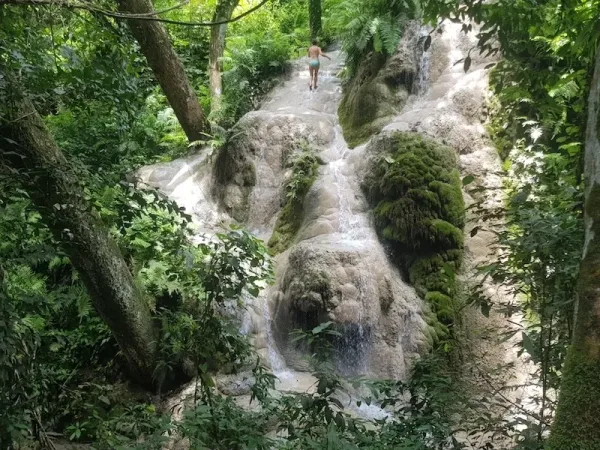
Image Source: Green Trails
The Bua Tong Sticky Waterfalls stand as one of Thailand’s most extraordinary natural wonders, just 60 kilometers north of Chiang Mai. Nature defies physics at this remarkable spot where visitors can climb up a flowing waterfall barefoot.
Sticky Waterfalls experience
The waterfall’s magic comes from its mineral-rich limestone deposits that coat the rocks. These deposits create a natural grip that stops slippery moss from growing. The waterfall stretches 100 meters high and features four unique tiers that each give climbers a different challenge.
The tufa limestone surface gives amazing traction to bare feet, though first-time visitors might feel nervous. Safety comes first, so remember these important points:
- Climb barefoot only – shoes or sandals will make you slip dangerously
- Move against the water flow – the running water actually keeps the rocks clean and less slippery
- Use the fixed ropes when sections get steep
- Stay away from dark green or algae spots as they remain slippery
A sacred clear water spring called “Namphu Chet Si” awaits discovery with a quick walk from the waterfall’s peak.
How to get to Sticky Waterfalls
The falls sit about 60km (37 miles) north of Chiang Mai Old Town. The trip takes 1.5-2 hours by road. You can get there several ways:
- Rent a motorbike: About 200 baht (~$6 USD) daily
- Hire a songthaew: Round-trip costs 1000-1500 baht with waiting time
- Join a guided tour: The easiest choice with transport included
- Take public transport: Busses run from Chang Phuak Bus Station (not ideal due to schedules)
Driving yourself? Take Route 1001 north for 54km, then watch for signs pointing right to Bua Tong Waterfall for the final 3km.
Best time to visit Sticky Waterfalls
The falls welcome visitors daily from 8AM to 5PM at no cost. Your best bet for an amazing visit:
Early birds catch the best views between 8-9AM when crowds are thin. The parking lot fills up by 9:45AM as climbing queues start forming.
Weekday visits promise more peace than busy weekends when Thai families love to gather. Rainy season brings spectacular water flow and vibrant greenery.
Most people spend 1-2 hours at the falls. This makes it perfect for a half-day trip from Chiang Mai. The site has simple amenities – restrooms, a small café with snacks and drinks, and picnic spots with wooden benches.
Mae Ya Waterfall
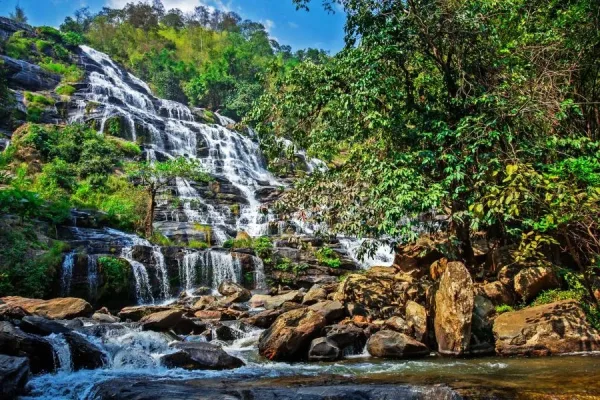
Image Source: Thai National Parks
Mae Ya Waterfall stands as one of Thailand’s most breathtaking cascades. This natural marvel fascinates visitors with its massive multi-tiered beauty inside Doi Inthanon National Park. The waterfall shows off a unique triangular fan shape that reaches 260 meters high, creating a stunning curtain-like effect that photographers can’t resist.
Mae Ya Waterfall beauty
The waterfall’s sheer size makes it stand out from others. Water flows down like a silver curtain over smooth rocks through several cascading tiers. The rainy season transforms Mae Ya into an awe-inspiring sight, stretching 100 meters wide. Locals fondly call it nature’s grand staircase.
The waterfall’s textured appearance creates magic in long exposure photographs. Lush forests surround the falls and create a peaceful atmosphere that helps you unwind. You’ll often spot photographers with their professional gear here, as this spot has become their paradise.
Getting to Mae Ya Waterfall
Mae Ya Waterfall lies within Doi Inthanon National Park, about 50 kilometers southwest of Chiang Mai. A car ride takes around 1.5-2 hours. The waterfall sits outside the main checkpoint, unlike other attractions in Doi Inthanon.
A well-laid-out 600-meter path leads from the parking area along the river. The walk takes about 10-15 minutes on mostly flat ground. The parking area has several tented cantines and markets where you can buy food and drinks before heading to the falls.
Mae Ya Waterfall entrance fees
Foreign visitors pay an entrance fee of 300 baht (about $7) per person, plus a small fee for vehicles. Thai citizens get a reduced rate of 50 baht per person.
The waterfall welcomes visitors daily from 8:00 AM to 5:00 PM. Early birds catch the best experience with fewer crowds. The best time to visit falls between October and March when cool weather combines with impressive water flow.
Smart travelers who plan to explore more of Doi Inthanon National Park should buy a national park ticket first. This ticket costs the same 300 baht but gives you access to multiple attractions for five days.
Pha Chor Canyon
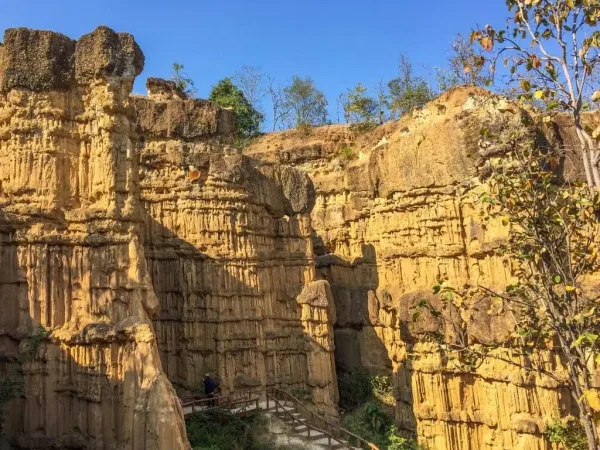
Image Source: The Blond Travels
Pha Chor Canyon sits peacefully in Mae Wang National Park. This geological wonder came to life after the Ping River shifted its path years ago. Locals now call it the “Grand Canyon of Chiang Mai” because of its stunning 30-meter high soil pillars and cliff formations.
Pha Chor Canyon landscape
The canyon started as a simple hill made from river sediments. Nature’s forces shaped it into dramatic cliffs and soil pillars over time. These amazing sandstone formations took shape over approximately three million years. Tectonic plates squeezed the land together, and weather did the rest.
The canyon looks just like ancient Roman pillars reaching up to touch the sky. Golden-colored rocks create a desert feel against the lush forest backdrop. Visitors can take in the whole scene from a scenic viewpoint. A very narrow path winds through weathered rock beds in a loop. Thai people love this spot, but most international tourists haven’t discovered it yet.
How to reach Pha Chor
The canyon lies 50-55 kilometers southwest of Chiang Mai city. The drive takes about 1-1.5 hours. Here’s how to get there from Chiang Mai:
- Drive along Route 3035 until you hit Route 1013
- Make a right toward Mae Wang (you’ll see signs)
- Keep going until Ban Kat village, then watch for Mae Wang National Park signs
- The park entrance is roughly 12 kilometers from Ban Kat
You won’t find public transport to the park. Your options are renting a car, taking a taxi (800-1200 THB round trip), or booking a songthaew (1200-1800 THB).
Tips for visiting Pha Chor
Entry fees are straightforward:
- Foreign adults pay 100 baht
- Vehicles cost 20 baht for motorcycles, 30 baht for cars
The park welcomes visitors from 8:30 AM to 4:30 PM daily. A small café near the entrance sells drinks and snacks before you hit the trail. The whole hike takes about 20-30 minutes. Signs along the path tell you about local plants and rocks.
Morning visits work best. You’ll dodge the crowds and get better light for photos. The cool season from November through February gives you the nicest hiking weather. Pack good walking shoes, sun protection, and plenty of water. Some trail sections get narrow with little shade.
Chiang Dao Cave
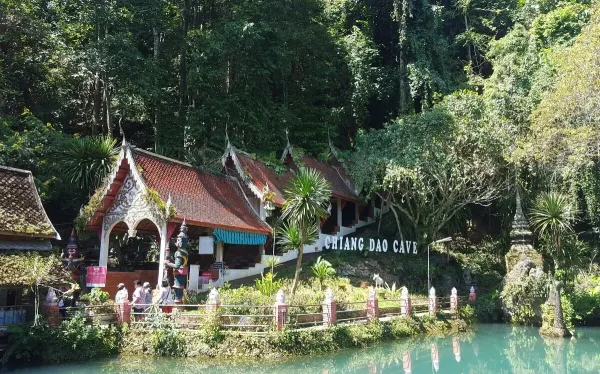
Image Source: Tripadvisor
The Chiang Dao Cave system sits at the base of Doi Chiang Dao mountain and offers a mix of natural beauty and spiritual importance. This limestone maze extends approximately twelve kilometers into the mountain, making it one of the best day trips from Chiang Mai that adventurous travelers can take.
Chiang Dao Cave exploration
The cave complex has five areas you can explore: Tham Maa, Tham Kaew, Tham Phra Nawn, Tham Seua Dao, and Tham Naam. Visitors first step into a sacred temple space where locals pray, with Buddha statues striking various poses. The lit section shows off stunning stalactites and stalagmites among colorful religious symbols.
Past the main entrance, visitors can choose between two experiences. You can explore the first two caves (Tham Phra Nawn and Tham Seua Dao) on your own thanks to electric lighting. The more daring sections need a guide with a lantern to help you navigate through dark chambers. These darker passages reveal beautiful crystal formations that water drops created over centuries.
How to get to Chiang Dao Cave
You can reach the caves from Chiang Mai in several ways:
- Public transportation: Busses leave Chang Phuak station (north of Chiang Mai’s Old City) every half hour from 6:00 AM to 7:30 PM. A ticket costs about 50 baht. Note that you’ll need your passport for checkpoints on the way.
- Private vehicle: The drive takes about 1.5 hours on Highway 107. You’ll find plenty of parking at the cave entrance.
- Guided tour: Many tours from Chiang Mai combine the cave visit with nearby attractions.
Chiang Dao Cave entrance and guide fees
Here’s what you’ll pay:
- Entrance fee: 40 baht for foreign visitors
- Guide service: You must have one for the unlit caves. This costs 100-200 baht per group based on size
- Lantern rental: 100 baht
The caves welcome visitors daily from 8:00 AM to 5:00 PM. A typical visit lasts 1.5-2 hours. Wear shoes you don’t mind getting dirty since you might need to crawl through tight spaces. Bats live in parts of the cave system, so plan ahead if you’re sensitive to their presence.
Wat Phra That Doi Suthep
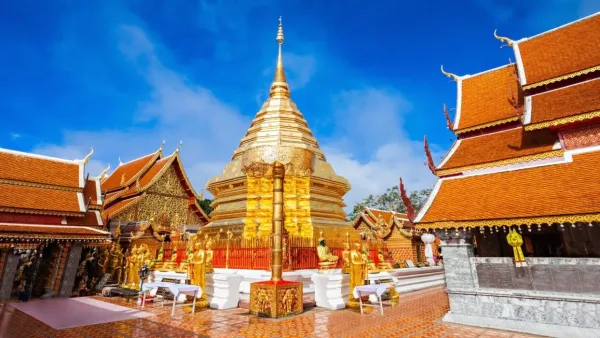
Image Source: Agoda.com
Wat Phra That Doi Suthep stands as Chiang Mai’s most sacred temple and embodies the city’s soul for many Thai people. This golden sanctuary rests majestically on Doi Suthep mountain at 1,073 meters above sea level, combining deep spiritual meaning with stunning panoramic views.
Why locals love Doi Suthep
This temple surpasses mere tourism and represents Chiang Mai’s cultural identity. Local residents flock here during Buddhist holidays, especially during Makha Bucha and Visakha Bucha. The temple’s golden chedi houses a sacred Buddha relic that locals believe protects and blesses Chiang Mai. Visitors cherish the temple’s peaceful atmosphere, cool mountain breezes, and spectacular city views.
How to get to Doi Suthep
The temple sits 15 km from Chiang Mai’s Old City, with several ways to reach it:
- Songthaew: Red shared trucks leave Chang Phueak every hour, costing 50-60 baht per person
- Taxi/Grab: A comfortable but pricier option at 400-600 baht round-trip[324]
- Motorbike: Perfect for those who want to explore the winding mountain roads
- Monk’s Trail: A beautiful 1.5-2 hour hike that starts near Chiang Mai Zoo
Visitors can climb 306 steps between ornate naga serpents or ride a funicular (20-50 baht) from the temple’s base.
Best time to visit Doi Suthep
The magical morning light and smaller crowds make early visits (7-9 AM) ideal. Sunset creates enchanting reflections on the golden structures. The period from November through February brings cooler temperatures and clearer skies. Remember to wear clothes that cover your shoulders and knees.
San Kamphaeng Hot Springs
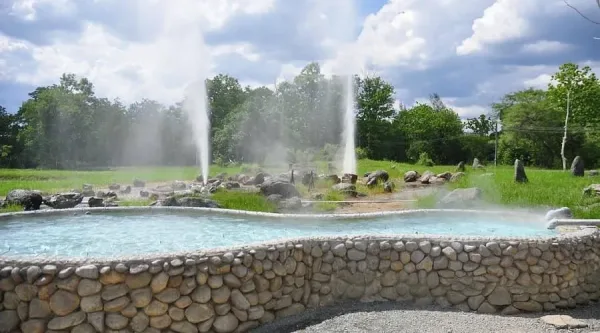
Image Source: Airial Travel
San Kamphaeng Hot Springs sits among green mountains, just 36 kilometers east of Chiang Mai city center. This natural thermal wonder has water temperatures that reach 100 degrees Celsius. The location makes a perfect day trip for visitors interested in health benefits.
San Kamphaeng Hot Springs experience
Visitors can buy eggs in bamboo baskets (20 baht for 4 eggs) and cook them in the steaming waters. The site features special channels for foot soaking and private mineral baths. The water’s high sulfur content helps improve blood circulation and reduces various health issues. The 40-acre park attracts many locals who enjoy picnics under shady trees across the grounds.
Getting to San Kamphaeng
You can reach the springs by:
- Yellow songthaew busses from Warorot Market (50 baht each way)
- Motorbike rental (approximately 150 baht daily)
- Private taxi (around 1,000 baht for round trip with waiting time)
- Rental car (700-1,000 baht per day)
The trip takes 45-60 minutes from central Chiang Mai.
San Kamphaeng pricing
The entrance fee for foreign visitors is 100 baht, while Thai citizens pay a lower rate. Extra activities include:
- Mineral swimming pool: 50 baht adults/30 baht children
- Private mineral baths: 200-300 baht
- Massage services: 200 baht per hour
The springs welcome visitors daily from 7:00 AM to 6:00 PM.
Mae Sa Valley and Samoeng Loop
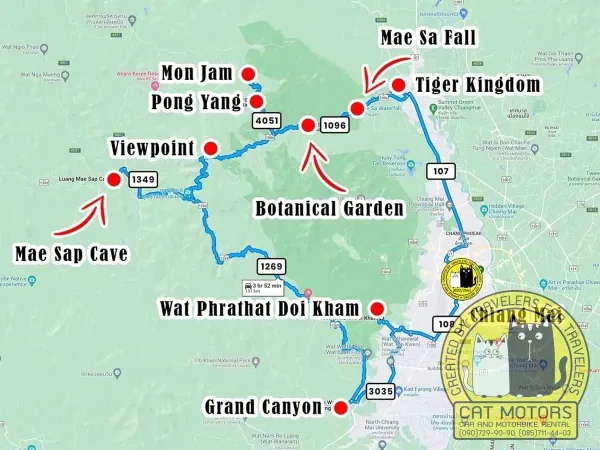
Image Source: Airial Travel
The Samoeng Loop winds through pristine countryside and creates a scenic 100-kilometer circuit. This route ranks among the most picturesque day trips from Chiang Mai for nature lovers who don’t want to venture too far.
Mae Sa Valley attractions
Mae Sa Valley showcases northern Thailand’s lush landscapes at their finest. Queen Sirikit Botanic Garden stands out with its international-standard facilities spanning 1,000 hectares. The garden boasts twelve massive greenhouses that display over 33,000 plants from 4,000 different species. Mae Sa Waterfall draws water enthusiasts with its ten stunning levels that are perfect for cooling off. Foreign visitors pay an entrance fee of 100 baht.
Mon Jam serves as a peaceful hilltop retreat known for its fresh mountain air, panoramic views, and seasonal strawberry fields. The golden hour light reshapes the scene, making it a favorite spot for photography enthusiasts.
How to explore Samoeng Loop
Most visitors start this trip counterclockwise from Chiang Mai at 8:30 AM. The complete route takes 6-7 hours with stops. The path leads through Mae Rim town before a gentle climb into the mountains.
Renting a motorbike costs about 200 baht and offers flexibility, while cars provide more comfort for extended exploration. The excellent road conditions make this route suitable for novice riders.
Local tips for Mae Sa Valley
Pong Yang Ang Doi makes an ideal lunch stop with its valley views and northern Thai cuisine. Samoeng Forest Viewpoint offers perfect photo opportunities with its wooden signage creating natural frames.
Weekday visits see by a lot fewer crowds, while weekends attract many Thai families. Smart travelers pack mosquito repellent, sunscreen, and a light jacket to handle sudden weather changes at higher elevations.
Elephant Nature Park

Image Source: www.elephantnaturepark.org
Elephant Nature Park ranks as one of Chiang Mai’s most meaningful day trips. This groundbreaking ethical sanctuary was created by renowned elephant rights promoter Saengduean “Lek” Chailert. The 250-acre haven rescues elephants from logging, street begging, and tourism industries.
Ethical elephant experience
The park’s “Saddle Off” model lets elephants roam freely without riding or performing. Visitors can watch these gentle giants interact naturally with their social groups. The sanctuary provides a compassionate environment for elephants that have endured physical and psychological injuries. Blind, crippled, orphaned, and senior elephants find their home here. Visitors learn about conservation efforts while observing these magnificent creatures.
Elephant Nature Park pricing
The park offers several visit options to fit your schedule:
- Half Day Morning Visit (7:30-8:00 AM pickup): 2,500 THB for adults, 1,250 THB for children under 11
- Half Day Afternoon Visit (12:00-12:30 PM pickup): 2,500 THB for adults, 1,250 THB for children under 11
- Full Day SkyWalk: 3,500 THB for adults, 1,750 THB for children
- Overnight Stay (2 Days + 1 Night): 5,800 THB for adults, 2,900 THB for children
How to book a visit
You’ll need to book at least 24 hours before your visit. Last-minute visitors can reach out through:
- Email: info@elephantnaturepark.org
- Phone: +66(0)53 272855
- Office: 1 Ratmakka Road, Chiang Mai (open 7:00 AM-5:00 PM daily)
This popular Chiang Mai day trip often sells out quickly, especially during peak tourist seasons, so book your visit early.
Comparison Table
| Location | Distance from Chiang Mai | Travel Time | Entrance Fee (Foreign) | Best Time to Visit | Main Features |
| Doi Chiang Dao | 70 km | 1.5 hours | 200 baht | November – February | Thailand’s third-highest peak stands at 2,175m with magnificent limestone formations and scenic hiking paths |
| Wat Chaloem Phra Kiat | 160 km | 2-2.5 hours | 490 baht | 7:30 AM – 4:00 PM daily | Stunning white pagodas perched on limestone cliffs offering sweeping 360° views |
| Emerald Lake | 110 km | 3.5 hours | – | Early morning | Sacred emerald pond within an 80m diameter sinkhole filled with crystal clear waters |
| Sticky Waterfalls | 60 km | 1.5-2 hours | Free | 8 AM – 5 PM, weekdays | Unique climbable limestone cascade fed by natural springs |
| Mae Ya Waterfall | 50 km | 1.5-2 hours | 300 baht | October – March | Majestic 260m waterfall cascading in a distinctive triangular pattern |
| Pha Chor Canyon | 50-55 km | 1-1.5 hours | 100 baht | Early morning, Nov-Feb | Natural wonder featuring 30m soil pillars and weathered cliff formations |
| Chiang Dao Cave | – | 1.5 hours | 40 baht | 8 AM – 5 PM daily | Vast 12km cave network adorned with Buddhist shrines and crystal formations |
| Wat Phra That Doi Suthep | 15 km | – | – | 7-9 AM | Sacred temple complex with golden chedi, accessed by 306 steps, offering city vistas |
| San Kamphaeng Hot Springs | 36 km | 45-60 minutes | 100 baht | 7 AM – 6 PM daily | Therapeutic mineral baths and natural hot springs perfect for egg cooking |
| Mae Sa Valley/Samoeng Loop | 100 km (loop) | 6-7 hours | Varies by attraction | Weekdays | Scenic route featuring botanical gardens, cascading falls and mountain landscapes |
| Elephant Nature Park | – | – | 2,500 baht (half-day) | – | Respected elephant sanctuary dedicated to rescue and rehabilitation |
Enjoy Day Trips From Chiang Mai
Chiang Mai gives adventure seekers way more than what you’ll see in typical tourist brochures. These 11 hidden day trips reveal the authentic essence of northern Thailand that locals love. The impressive heights of Doi Chiang Dao and magical floating pagodas at Wat Chaloem Phra Kiat are just two spots that promise exceptional experiences.
Nature lovers will fall in love with geological wonders like Emerald Lake’s crystal-clear waters and Pha Chor Canyon’s dramatic soil pillars. The Sticky Waterfalls give you a chance to climb up flowing water, while Mae Ya Waterfall shows off its massive triangular cascade. People looking for spiritual connections can explore Chiang Dao Cave’s sacred chambers or soak in the peaceful atmosphere at Wat Phra That Doi Suthep.
San Kamphaeng Hot Springs’ relaxing mineral waters and the scenic Samoeng Loop through Mae Sa Valley are perfect spots for family outings. The Elephant Nature Park is a great way to get up close with these magnificent creatures while supporting ethical tourism.
The rewards are worth the several hours of travel time these spots might need. These places stay nowhere near as crowded as mainstream attractions, and weekday visits are even quieter. Getting there early in the morning is your best bet – you’ll get better lighting for photos and dodge the crowds.
Northern Thailand has a wealth of hidden spots beyond Chiang Mai’s city limits. These local favorites help you break away from tourist crowds and find extraordinary natural beauty. The region’s cultural significance and authentic charm make it a truly special place to explore.
FAQs
Q1. What are some unique day trips from Chiang Mai that locals enjoy? Some hidden gems include Doi Chiang Dao for hiking, Wat Chaloem Phra Kiat for stunning cliff-top pagodas, the Emerald Lake sinkhole, Sticky Waterfalls for a unique climbing experience, and Pha Chor Canyon for dramatic eroded cliffs.
Q2. When is the best time to visit attractions around Chiang Mai? Generally, November to February offers the most pleasant weather for outdoor activities. However, specific attractions may have ideal times – for instance, early mornings are best for Doi Suthep to avoid crowds and enjoy clear views.
Q3. How can I experience local culture on day trips from Chiang Mai? Visit lesser-known temples like Wat Chaloem Phra Kiat, explore local markets in small towns, try authentic northern Thai cuisine at roadside eateries, or take a scenic drive through the countryside on routes like the Samoeng Loop.
Q4. Are there any ethical animal encounters near Chiang Mai? Yes, the Elephant Nature Park is a reputable sanctuary that offers ethical elephant experiences. Visitors can observe rescued elephants in a natural environment without riding or performances.
Q5. What should I prepare for day trips outside Chiang Mai? Pack essentials like sunscreen, insect repellent, comfortable walking shoes, and a light jacket for cooler mountain areas. Bring cash for entrance fees and small purchases, as many rural attractions may not accept cards.





Leave A Comment