
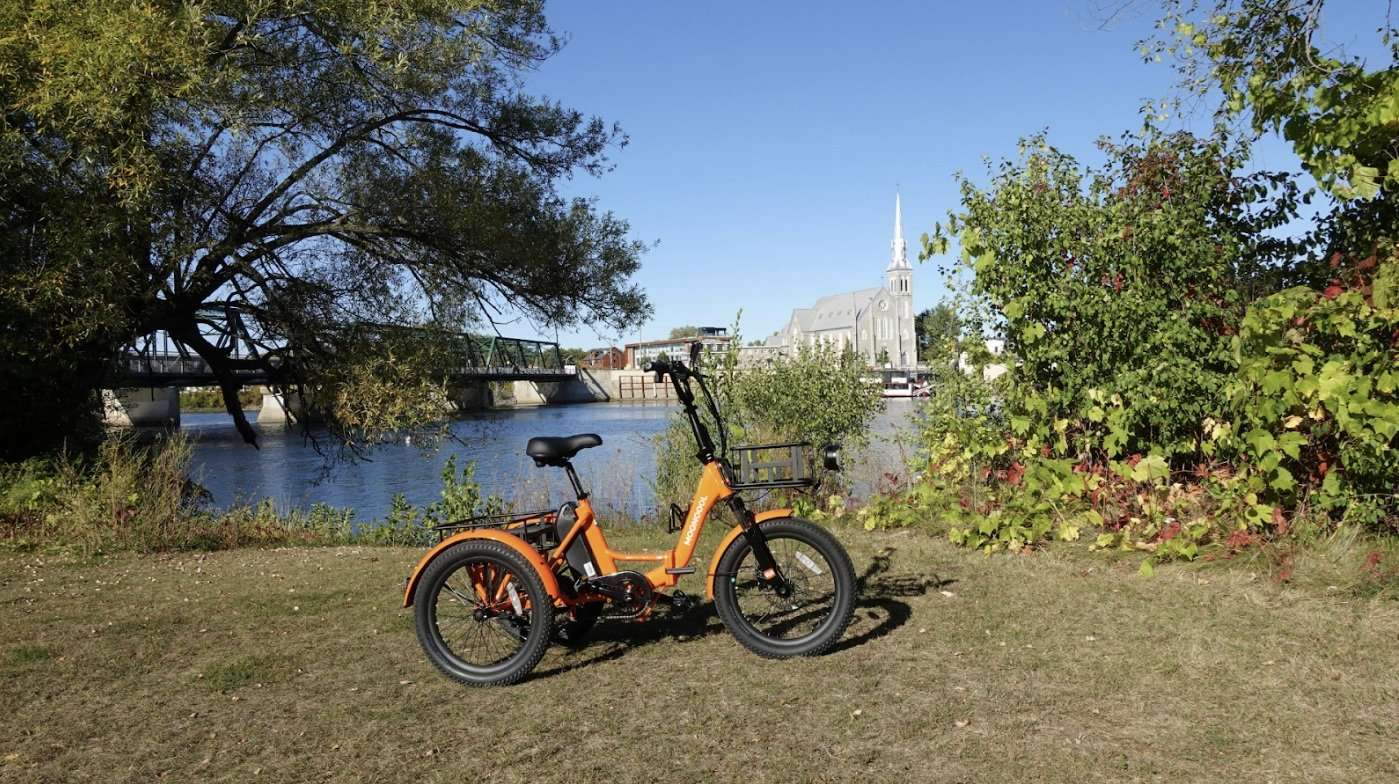
Navigating urban streets on a folding electric bike can be a breeze, until winter hits. Snow-covered sidewalks, icy patches, and slick roads can turn your daily commute into a challenge. On the other hand, dry urban roads offer smooth rides but still demand attention to traffic and road conditions.
This blog will help you understand how to safely and efficiently ride your folding electric bike across varying conditions. From winter hazards to sunny city streets, you can enjoy every journey no matter the season.
Breaking Down Folding E-Bike Design for Year-Round Riding
So you’re curious why these compact bikes work across different seasons and surfaces. Fair question. The answer lies in some surprisingly clever engineering choices that aren’t immediately obvious when you first see one folded up.
Why Frame Design Actually Affects Your Winter Safety
The folding electric bike frame isn’t just about cramming into tight spaces. Where manufacturers position the hinge changes how weight shifts when you’re navigating icy corners. That matters when grip vanishes and physics becomes your enemy.
Most decent folders run 20-inch wheels. Smaller diameter equals lower center of gravity compared to standard 26 or 29-inch mountain bike wheels. You’re sitting closer to the ground, which genuinely helps balance when everything’s slippery.
Compact geometry creates shorter wheelbases. Your steering feels more responsive, letting you react faster to black ice patches. The tradeoff: jerky movements can bite you harder, so smooth inputs become essential.
Cold Weather Reality Check for Electrical Components
Battery placement isn’t something riders think about until problems arise. Folding frames typically mount batteries low and central, which actually shields them better from road spray than traditional e-bike configurations. The weak points? Those connector joints at hinge locations during slushy commutes.
You want IP65 waterproofing at minimum. That certification keeps moisture at bay during heavy precipitation and road slush. High-end models push to IP67 or beyond, meaning they’ll survive accidental dunking if that hidden puddle turns out deeper than expected.
Must-Have Winter Features: What Separates Capable Folders from Fair-Weather Toys
Understanding mechanical design is step one. Step two means knowing exactly which specifications determine whether your bike laughs at snowfall or leaves you walking.
Getting Your Tire Setup Right for Different Surfaces
Tire width literally determines whether your electric bike for snow works or doesn’t. For folders, the goldilocks zone runs between 1.75 and 2.5 inches. Fatter rubber grabs better, but you’ll pay with reduced portability and more effort pushing through resistance.
Studded tires are game-changers on ice. Catch: not every 20-inch folder accommodates them due to tight frame clearances. Double-check before buying. Pressure adjustments help tremendously, drop down to 25-30 PSI when snow hits for improved contact, then inflate back to 50 PSI once pavement dries.
Motor Choices and Battery Behavior When Temperatures Plummet
Hub motors generally prove more dependable in freezing weather since they’re sealed packages. Mid-drive systems distribute weight better but leave more parts exposed. Both function fine with decent maintenance.
Battery capacity tanks when cold hits hard. No way around this physics problem, expect range drops anywhere from 20% to 50%, influenced by exact temperature, how aggressively you ride, and what terrain you’re crossing. Budget for roughly 40% reduction near freezing, that’s realistic planning. Better folding electric bike options now include thermal management that preheats batteries before your ride.
Portability Changes Everything: Storage Tactics and Combined Transit Options
Right tires, proper motor, solid waterproofing, you’re mechanically set for winter. But here’s where folding design becomes your secret weapon: storage flexibility and transit compatibility completely reshape your commuting possibilities when weather gets nasty.
Solving the Apartment Storage Problem in Winter
Indoor storage eliminates battery degradation overnight. Regular bikes trapped in unheated garages suffer; your folding e-bike for ice conditions stays cozy in your hallway. This single factor extends battery lifespan by literal years.
Tight apartments benefit from vertical storage approaches. Most quality folders stand upright when collapsed, eating up maybe two square feet of floor space. Keeps moisture off components and prevents corrosion.
Combining Public Transit When Conditions Turn Dangerous
When streets become genuinely unsafe, you’ve got backup plans. Most transit authorities permit folded bikes anytime, unlike full-size bicycles limited to specific hours. Chicago’s CTA, Boston’s MBTA, Minneapolis Metro, all allow folded e-bikes without restrictions.
Fold speed matters enormously here. Models collapsing under 20 seconds make the difference between catching your connection or standing in the cold for the next one. Practice at home until it’s automatic.
Surface-Specific Riding Skills: Techniques That Keep You Upright
Your hardware is winter-ready. Great start. But equipment alone won’t keep you rubber-side-down, you need surface-specific riding techniques tailored to what’s under your wheels.
Maximizing Performance on Clear Pavement
Dry roads let you optimize your urban electric bike guide efficiency completely. Switch to eco mode and watch range extends by 30-40% compared to full power. Bank that battery capacity for days when you’re battling through slush.
Speed management becomes critical in pedestrian areas. Smaller wheels accelerate quicker but demand more frequent braking. Keep fingers hovering near brake levers in crowded zones, stopping distance is actually shorter on folders anyway.
Survival Skills for Ice and Packed Snow
Counter-steering becomes your lifeline. When your rear wheel slides on ice, gently steer into the direction of the skid instead of against it. Feels completely wrong initially but prevents total wipeouts. Practice in empty lots before committing to busy intersections.
Speed reduction isn’t negotiable, cut your typical pace by 50-70% minimum. That comfortable 20 mph cruising speed? Drop it to 6-10 mph on ice. Anything faster is playing Russian roulette with gravity. Emergency dismounts differ on folders since you’re positioned lower. Swing your leg over the back rather than trying a side step-off.
Your Next Steps Toward Complete Urban Freedom
You’ve got the full roadmap now for riding every season on a compact electric bike. Winter prep, surface techniques, smart storage, these factors transform portable machines into legitimate car alternatives. The money you’ll save adds up fast: zero parking fees, no insurance premiums, just pennies per charge.
Start with one winter ride weekly to build confidence, then scale up as comfort increases. Your apartment-friendly, transit-compatible, all-weather solution is ready. The question isn’t whether folding e-bikes work in winter, thousands of daily riders prove it every day, it’s whether you’re ready to experience that freedom yourself.
Common Questions About Riding Folders Year-Round
Do folding electric bikes really handle snow as well as full-size models?
Absolutely, assuming proper tire choice and technique. The best folding e-bike for winter runs studded 2-inch tires and maintains conservative speeds. Smaller wheels actually boost stability through lower center of gravity, though ground clearance caps deep snow at roughly 4 inches maximum.
How quickly can you fold an electric bike wearing winter gloves?
Quality designs fold in 15-30 seconds even with thick gloves. Prioritize large quick-release mechanisms over tiny fiddly parts. Practice weekly so your hands remember the sequence when dexterity suffers. Some riders prefer thin liner gloves under mittens for better manipulation during folding.
What’s the safe weight limit for winter cargo on folding electric bikes?
Most folders safely handle 220-300 pounds total, combining rider plus cargo. Winter clothing adds 10-15 pounds, so factor that in. Rear racks rated for 50 pounds manage panniers with extra layers, tools, and essentials without compromising stability on snow.













Leave A Comment