

Join the conversation: What makes a hug truly meaningful to you? Share your thoughts and experiences with our community as you read through this guide.
Why Hugs Matter for Your Wellbeing
Hugs do more than show affection. Physical touch releases oxytocin in your body, often called the “bonding hormone.” This chemical helps reduce stress and creates feelings of trust between people.
Research shows that hugs can lower your blood pressure and decrease cortisol levels. When you hug someone for just a few seconds, your body begins to relax. The physical contact signals safety to your nervous system.

Regular hugging strengthens your relationships with others. This simple act builds emotional bonds with family members and friends. Partners who hug frequently report higher satisfaction in their relationship compared to those who don’t.
Physical Benefits
- Reduces stress hormones
- Lowers blood pressure
- Boosts immune system
- Relieves physical pain
- Improves heart health
Emotional Benefits
- Creates sense of belonging
- Reduces feelings of loneliness
- Increases happiness levels
- Builds trust with others
- Strengthens emotional bonds
The power of human touch extends beyond individual wellbeing. Communities where people hug and touch appropriately tend to have stronger social connections. This physical contact helps build trust throughout society.
How to Hug: Step-by-Step Instructions
Giving a proper hug involves more than wrapping your arms around someone. The best hugs feel natural and comfortable for both people involved. Here’s how to hug someone correctly.

Approaching the Other Person
Start by reading the situation carefully. Make eye contact with the person and watch their body language. Open arms and a smile usually mean they’re ready for a hug.
Move toward them at a comfortable pace. Don’t rush into someone’s personal space too quickly. Give them time to respond to your approach and prepare for the hug.
Positioning Your Body
Stand facing the person with your body slightly angled. This position feels less confrontational than standing completely straight-on. Keep about an arm’s length of distance initially.

Open your arms to signal your intention clearly. Extend them at about shoulder height. This gesture invites the other person into your personal space comfortably.
The Embrace Itself
Bring your arms around the person’s back or shoulders. The placement depends on the type of hug and your relationship with them. Rest your hands gently rather than squeezing too tight.
Pull them toward you with gentle pressure. A good hug brings bodies close without crushing. You should feel contact at the chest and shoulder area.

Hold the embrace for three to five seconds. This duration feels natural for most situations. Very brief hugs can seem cold, while too-long hugs may feel awkward.
Ending the Hug Smoothly
Release your arms gradually rather than pulling away suddenly. A smooth release shows you valued the moment of connection. Step back to restore personal space naturally.
Maintain eye contact and perhaps offer a smile as you separate. This final moment reinforces the positive feeling created by the hug. A few kind words can complete the interaction nicely.
Pro Tip: Pay attention to how tightly the other person hugs you back. Match their pressure level to ensure both people feel comfortable during the embrace.
Different Types of Hugs for Various Relationships
Not all hugs are created equal. The way you hug someone should match your relationship and the social context. Understanding these different styles helps you choose the right approach for each situation.

The Friendly Hug
This casual embrace works well for friends and acquaintances. You wrap your arms around the person’s shoulders or upper back. The hug lasts about three seconds and includes moderate pressure.
Both people typically lean in slightly at the shoulders while keeping their lower bodies apart. This position maintains appropriate boundaries in friendship. Your hands rest flat on their back rather than grabbing.

The Romantic Hug
Partners often hug with full body contact. You might wrap your arms around their waist while they embrace your shoulders. This intimate hug can last much longer than other types.
Romantic hugs often include additional gestures like stroking the back or neck. You might rest your head on your partner’s shoulder or chest. The closeness and duration show deeper affection.

Many couples have their own hugging style that feels unique to their relationship. Your partner might prefer certain arm placements or duration. Communication helps you understand what they like best.
The Family Hug
Family members often share warm, comfortable hugs that vary based on familiarity. Parents might hug children differently than siblings hug each other. The key is genuine affection without formality.
These embraces often last a bit longer than friendly hugs. Family hugs might include patting on the back or gentle swaying. The pressure is typically firm but gentle, showing care and protection.

The Professional or Polite Hug
Workplace or formal situations call for more reserved hugs. The side hug works well here. Stand next to the person and wrap one arm around their shoulders or upper back briefly.
These hugs last only one to two seconds. You maintain more personal space than in other hug types. This approach shows friendliness while respecting professional boundaries.

The Comforting Hug
When someone feels upset or distressed, they need a different kind of embrace. Hold them securely with both arms wrapped around their shoulders or back. Let them determine the duration.
This supportive hug provides safety and reassurance. You might gently rub their back or simply hold steady. Don’t pull away first when comforting someone. Let them decide when they’re ready to separate.

The comforting hug communicates that you’re present for the other person. Sometimes people cry during these embraces. Simply holding space for their emotions shows tremendous care and support.
The Group Hug
Multiple people can share an embrace simultaneously. Group hugs work well for celebrations or showing collective support. Everyone moves in together and wraps arms around whoever they can reach.
These hugs create a sense of community and shared experience. They’re popular after team victories or during emotional family moments. The collective warmth amplifies the positive feelings for everyone involved.

Reading Body Language: When to Offer a Hug
Knowing when to hug someone requires paying close attention to their signals. People communicate their openness to physical contact through body language well before any words are spoken.

Positive Signals That Welcome Hugs
Watch for open body posture when you greet someone. Arms at their sides or spread slightly show receptiveness. A genuine smile that reaches their eyes indicates comfort with your presence.
People who want a hug often lean toward you slightly as you approach. They might open their arms first or take a step into your personal space. These movements invite physical connection naturally.
Welcoming Body Language
- Open arms positioned away from body
- Direct eye contact with warm expression
- Leaning slightly toward you
- Relaxed shoulders and stance
- Genuine smile showing happiness
- Moving into your personal space
Closed Body Language
- Arms crossed over chest or body
- Avoiding eye contact or looking away
- Leaning or stepping backward
- Tense shoulders and rigid posture
- Forced or absent smile
- Creating physical distance between you

When to Ask Before Hugging
Some situations call for explicit permission before physical contact. First meetings with new people require verbal consent. Simply asking “Can I give you a hug?” shows respect for their boundaries.
Professional contexts often need this extra step of checking in. Even with people you know, asking demonstrates care for their comfort level in that specific moment. Their mood or circumstances might make them less receptive to touch today.
Cultural Note: Different cultures have varying norms about physical contact. What seems friendly in one culture might feel invasive in another. Always err on the side of asking permission with people from different backgrounds.
Respecting Personal Space
Everyone has different comfort levels with physical touch. Some people rarely want hugs from anyone outside close family. Others hug frequently and casually. Neither preference is wrong.
Notice how someone responds to others’ physical contact. If they seem to avoid hugs generally, don’t take it personally. Their boundaries deserve respect regardless of your relationship.

Past experiences shape how people feel about hugs. Someone who seems distant might have trauma related to physical contact. They might warm up to hugs over time as trust builds. Let them control the pace of physical affection in the relationship.
The Importance of Consent in Physical Affection
Consent forms the foundation of all physical contact between people. This principle applies to hugs just as much as any other touch. Never assume someone wants a hug, even if you’ve hugged them before.

Asking for Permission
The simple question “Would you like a hug?” gives someone control over their body. This approach works in nearly every situation. Most people appreciate being asked rather than surprised with unwanted touch.
You can also offer alternatives by saying something like “Hug, handshake, or high five?” This gives them options for connection without pressure. The choice empowers them to select their comfort level.
Accepting a “No” Gracefully
When someone declines a hug, accept their answer without question or complaint. Don’t ask why or try to convince them otherwise. A simple “No problem!” followed by another greeting option keeps the interaction positive.

Remember that declining a hug doesn’t mean rejecting you personally. People have countless reasons for not wanting physical contact in any given moment. Respecting their boundary actually strengthens your relationship with them.
Important: Children especially need to learn that their bodies belong to them. Don’t force children to hug adults or other kids if they’re uncomfortable. This teaches healthy boundary-setting they’ll need throughout life.
Reading Reluctance During the Hug
Sometimes people agree to a hug but then show discomfort during it. Their body might stiffen or they might pat your back quickly. These signals mean you should end the embrace immediately.
A great hug involves mutual enthusiasm and comfort. If you sense the other person isn’t fully present or engaged, release them. You can acknowledge it lightly: “Sorry if that felt awkward!” This shows awareness and care.

Getting the Duration and Pressure Right
The perfect hug balances time and touch intensity. Too brief feels cold and dismissive. Too long creates awkwardness and discomfort. Similarly, pressure matters tremendously in how your hug is received.

Standard Hug Duration
Most casual hugs last between three and five seconds. This timeframe feels natural for friends and family in everyday situations. Count silently if you’re unsure about timing at first.
Research suggests that a hug needs at least three seconds to trigger oxytocin release in your body. Anything shorter might not provide the emotional and physical benefits that make hugs valuable. Give the moment enough time to matter.
Longer Embraces for Deeper Connection
Some situations call for extended hugs. Comforting someone in distress often means holding them for ten seconds or longer. Reuniting after long absence might warrant a hug lasting eight to ten seconds.
Very close relationships, especially romantic partners, can enjoy twenty-second hugs that maximize oxytocin and bonding benefits. These longer embraces allow you to fully relax into the moment of connection with someone you trust completely.

Adjusting Your Pressure
Your hug pressure should match the context and person. Gentle pressure works for most situations. Your arms create contact without squeezing hard. Think of it as a firm but comfortable hold.
Very light hugs can feel cold or reluctant. The other person might wonder if you actually wanted to hug them. On the flip side, crushing hugs can hurt and overwhelm. Find the middle ground where you’re clearly engaged but not aggressive.

Pressure Guidelines
- Start with gentle contact and adjust
- Match the pressure they’re giving you
- Firmer for very close relationships
- Lighter for professional or new connections
- Never squeeze so hard it restricts breathing
- Pay attention to their response and comfort
Special Considerations for Different Body Types
Height differences affect how you position your arms and body. If you’re taller than the person you’re hugging, you might need to bend slightly or hug around their shoulders. Shorter people often hug around the waist or lower back.
Pregnant people need special consideration for hug positioning. Embrace them from the side or keep more space at the front to avoid pressure on their belly. They’ll appreciate your awareness and thoughtfulness about their comfort.

Cultural Differences in Hugging Etiquette
Hugging norms vary dramatically across cultures around the world. What feels natural in one country might seem inappropriate or even offensive in another. Understanding these differences helps you navigate diverse social situations with respect.

Western Culture Perspectives
In the United States, casual hugging among friends is common and expected in many communities. People often hug when greeting close friends or saying goodbye. However, professional settings typically stick to handshakes.
New York and other major American cities tend toward more reserved greetings compared to Southern states. Regional differences within countries can be as significant as international variations. West Coast communities often embrace hugging more readily than East Coast formality.

European customs differ widely by country. French, Italian, and Spanish cultures often include cheek kissing along with or instead of hugs. British culture tends toward more reserved greetings, though this is changing among younger generations.
Asian Cultural Norms
Many Asian cultures traditionally prefer bows or verbal greetings over physical contact. In Japan, hugging someone you don’t know well can make them very uncomfortable. The bow remains the standard greeting for most situations.
Chinese culture has historically limited physical affection to very close family relationships. However, younger generations in urban areas increasingly adopt Western greeting styles. Context and age of the people involved greatly affect appropriateness.

Indian culture varies by region and religious background. Some communities hug freely among same-gender friends but avoid opposite-gender physical contact outside family. The traditional namaste greeting with pressed palms offers a respectful alternative.
Middle Eastern Traditions
Middle Eastern cultures often feature warm, enthusiastic greetings among same-gender friends and family. Men might hug and kiss cheeks with male friends. Women do the same with female friends and relatives.
However, physical contact between unrelated men and women is often inappropriate or forbidden in many Middle Eastern communities. Always follow the lead of people from these cultures regarding cross-gender greetings. A nod or verbal greeting might be more appropriate.

Latin American Warmth
Latin American cultures generally embrace physical affection in greetings. Hugs often accompany meeting friends, family, and even new acquaintances in social settings. The warmth of these greetings reflects cultural values around community and relationships.
In many Latin American countries, people combine a hug with a kiss on one or both cheeks. The number of kisses and which cheek to start with varies by country. Watch what others do and follow their lead when visiting these regions.

Adapting to New Cultural Contexts
When traveling or meeting people from different backgrounds, observe how they greet others before initiating contact. Asking “What’s the appropriate greeting in your culture?” shows respect and interest. Most people appreciate your willingness to learn and adapt.
In multicultural settings, you might need to adjust your greeting style multiple times in one gathering. This flexibility demonstrates cultural intelligence and helps everyone feel comfortable. When in doubt, let the other person initiate the type of greeting.
Travel Tip: Research greeting customs before visiting a new country. Understanding whether people hug, kiss cheeks, bow, or shake hands helps you avoid awkward or offensive mistakes. Your effort to follow local customs shows respect.
Master the Art of Human Connection
Download our free comprehensive guide: “10 Essential Communication Skills for Building Deeper Relationships.” Learn body language, active listening, empathy techniques, and more strategies that complement great hugging skills.
Common Hugging Mistakes to Avoid
Even well-intentioned hugs can go wrong. Certain behaviors make hugs uncomfortable or awkward for the other person. Learning what to avoid helps you give better hugs that people actually enjoy.

The Limp or Reluctant Hug
A half-hearted hug with barely any pressure feels worse than no hug at all. If you’re going to hug someone, commit to the gesture fully. Engage your arms and body rather than just touching lightly with limp arms.
The “pat-pat-pat” hug where you quickly tap their back sends a message of discomfort or disinterest. This nervous gesture tells the other person you want to escape the embrace. Either hug properly or choose a different greeting entirely.

Holding On Too Long
Exceeding the appropriate duration makes people uncomfortable. When the other person starts to pull away, release immediately. Holding on after they’ve signaled the hug is over feels controlling and strange.
Watch for subtle cues that they’re ready to end the embrace. Their arms might loosen or their body might shift away slightly. Respect these signals by releasing promptly. The hug should end with both people feeling good about the interaction.
Inappropriate Touching During Hugs
Keep your hands on appropriate areas like the upper back or shoulders. Letting your hands wander to lower back, hips, or other areas changes the nature of the hug inappropriately. This applies especially in non-romantic relationships.

Rubbing or stroking during a hug works only in very close relationships where you have clear permission. These gestures can feel invasive to friends, colleagues, or new acquaintances. Stick to simple, still contact for most situations.
Invading Personal Space Suddenly
Rushing at someone for a surprise hug can startle or frighten them. Always approach at a moderate pace and give them time to see you coming. This advance notice allows them to prepare mentally and physically for the interaction.
Similarly, don’t grab someone from behind for a surprise hug unless you’re certain they’ll welcome it. This approach can trigger fight-or-flight responses in people who weren’t expecting physical contact. Front-facing approaches work better for almost everyone.

Ignoring Signals to Stop
When someone stiffens, pulls back, or otherwise indicates discomfort, end the hug immediately. Continuing despite these signals disrespects their boundaries. Apologize briefly if you sense you’ve made them uncomfortable.
Some people verbally say they’re uncomfortable during a hug. Take their words at face value and release them right away. Don’t argue or minimize their feelings. Their comfort matters more than completing your intended greeting.
The Wrong Hug for the Situation
Giving a long, tight embrace at a business meeting feels as inappropriate as offering a formal handshake to your romantic partner. Match your hug style to the relationship and context. Professional situations need professional-level hugs.
Hug Do’s
- Ask permission when appropriate
- Match their enthusiasm and pressure
- Keep hand placement appropriate
- Respect their personal boundaries
- End when they signal readiness
- Make eye contact before and after
- Consider cultural context
Hug Don’ts
- Force unwanted physical contact
- Hold on after they try to release
- Touch inappropriate body areas
- Ignore their comfort signals
- Surprise someone from behind
- Give limp, uncommitted hugs
- Assume everyone wants hugs
How to Politely Decline a Hug
You have every right to refuse physical contact, including hugs. Setting this boundary doesn’t make you rude or cold. Protecting your personal comfort shows healthy self-respect. Learning to decline gracefully helps maintain relationships while honoring your needs.

Direct and Polite Refusal
Simple, honest communication works best. Say something like “I’m not really a hugger, but it’s great to see you!” This direct approach sets your boundary while keeping the interaction friendly. Most people respect clear communication.
You can offer an alternative greeting immediately: “How about a handshake instead?” or “High five?” This substitution shows you still want to connect, just through different means. The other person rarely feels rejected when you offer another option.

Using Body Language
Your physical positioning can prevent unwanted hugs before words are needed. Step back slightly as someone approaches. Extend your hand for a handshake first, creating physical space. These nonverbal cues often redirect the greeting naturally.
Crossing your arms or keeping your hands occupied with items can signal unavailability for hugs. While less direct than verbal communication, these signals help in situations where declining verbally feels too awkward or difficult.
Explaining When Necessary
Sometimes a brief explanation helps people understand your preference. You might say “I’m getting over a cold” or “I’m not feeling well today.” These reasons provide context that most people readily accept without further questions.

For persistent boundary-crossers, you may need to be more explicit: “I prefer not to hug people outside my immediate family. I hope you understand.” This firmer statement establishes your limit clearly. You don’t owe anyone more explanation than you’re comfortable giving.
Building a Reputation
Consistently declining hugs trains people in your social circle to expect and respect your preference. After a few interactions, most people remember and adjust their greetings automatically. This takes the pressure off you to decline repeatedly.
Friends who truly care about you will adapt to your comfort level. They might check in occasionally: “Are you okay with a hug today?” This question shows they remember your preference but allow for flexibility if you’re feeling differently.
Remember: Your body belongs to you alone. You never need to justify refusing physical contact to anyone. People who pressure you after you’ve declined are the ones being inappropriate, not you.
Continue Learning About Connection and Communication
Mastering the art of hugging is just one piece of building strong relationships. These related topics can help you develop even better interpersonal skills and deepen your connections with others.

Active Listening Skills
Learn how to truly hear what others are saying. Active listening strengthens all your relationships by making people feel valued and understood. Discover techniques for better attention and empathy.

Reading Body Language
Body language communicates more than words in many situations. Understanding nonverbal signals helps you navigate social interactions with greater confidence and awareness. Master this essential skill.

Setting Healthy Boundaries
Boundaries protect your wellbeing while maintaining strong relationships. Learn how to establish and communicate your limits effectively. This skill improves every relationship in your life.

Developing Emotional Intelligence
Emotional intelligence helps you understand and manage both your emotions and others’. This crucial skill improves communication, conflict resolution, and relationship satisfaction. Start developing yours today.

Cultural Sensitivity in Communication
Navigate cross-cultural interactions with confidence and respect. Learn about communication differences across cultures and how to adapt your style. Build bridges across diverse communities.

Building Stronger Romantic Relationships
Physical affection forms just one part of healthy romantic relationships. Explore communication strategies, conflict resolution, and intimacy-building techniques that create lasting partnership satisfaction.
Hugging in Special Circumstances
Certain situations require extra thought and care around physical contact. These scenarios present unique challenges that standard hugging advice doesn’t always address. Understanding these special cases helps you navigate them with grace and sensitivity.

Comforting Someone Who’s Grieving
When someone experiences loss, your physical presence provides powerful comfort. Hold them as long as they need, even if that means several minutes. Let them cry on your shoulder without worrying about your clothes or discomfort.
Don’t pull away first when hugging a grieving person. They’ll release when ready. Your steady presence during this vulnerable moment shows deep care and support. Sometimes the hug matters more than any words you could offer.

Hugging People with Mobility Limitations
Wheelchair users can receive hugs too, but you need to adjust your approach. Bend down to their level rather than making them crane their neck upward. This consideration shows respect for their comfort and dignity.
Some people with mobility devices prefer side hugs that don’t interfere with their equipment. Ask what works best for them. Their guidance helps you give a comfortable hug that accommodates their physical situation.

Hugging During Illness or Pandemic
Health concerns sometimes make physical contact risky or impossible. During flu season or pandemic conditions, many people avoid hugs to prevent disease transmission. Respect these health boundaries without taking offense.
Air hugs or virtual hugs through video calls can substitute when physical contact isn’t safe. These alternatives maintain emotional connection while protecting physical health. The gesture still communicates care even without actual touch.
First Hugs in New Relationships
The first time you hug someone sets the tone for future physical affection in the relationship. Take cues from how the interaction has gone so far. A great first date might end with a hug if both people seem comfortable.

Romantic first hugs often last slightly longer than friend hugs. Pay attention to whether they linger in the embrace or pull away quickly. Their response tells you about their interest level and comfort with physical closeness moving forward.
Hugging Children Appropriately
Adult-child hugs require special care and attention to boundaries. Never force a child to hug you, even if you’re family. Teaching children they control their own bodies protects them and develops healthy boundary-setting skills.
Let children initiate and end hugs with adults. Keep your hands on their shoulders or upper back, never lower. These guidelines protect children while still allowing appropriate affectionate connection with trusted adults in their lives.

The Science Behind Why Hugs Feel Good
Hugs trigger fascinating biological responses in your body. Understanding the science behind these reactions helps explain why physical touch matters so much for human wellbeing. Your body is wired to respond positively to appropriate physical contact.
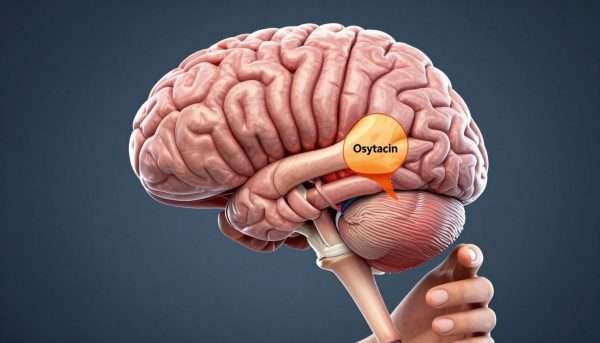
Oxytocin: The Bonding Hormone
Physical contact triggers your brain to release oxytocin, sometimes called the “love hormone.” This neurochemical creates feelings of trust, bonding, and emotional closeness. Oxytocin helps explain why hugs from loved ones feel so comforting and reassuring.
Studies show oxytocin levels rise significantly during embraces lasting at least three seconds. This chemical reduces activity in your amygdala, the brain region associated with fear and stress responses. The result is a calming effect throughout your entire nervous system.
Cortisol Reduction and Stress Relief
Hugging someone you trust lowers cortisol, your body’s main stress hormone. High cortisol contributes to anxiety, poor sleep, and various health problems. Regular hugs help keep cortisol at healthier levels, protecting both physical and mental health.

A hug lasting twenty seconds or longer provides maximum stress-reduction benefits. Longer embraces give your body time to shift from sympathetic (stress) to parasympathetic (calm) nervous system activation. This physiological change leaves you feeling noticeably more relaxed.
Serotonin and Mood Improvement
Hugs boost serotonin production in your brain. This neurotransmitter regulates mood, happiness, and feelings of wellbeing. People with depression often have low serotonin levels. Physical affection provides a natural way to increase this important chemical.
The mood-lifting effect of hugs can last for hours after the physical contact ends. Regular hugging contributes to overall emotional resilience and better mental health over time. This makes physical affection an important part of self-care and relationship maintenance.
Pain Relief Through Touch
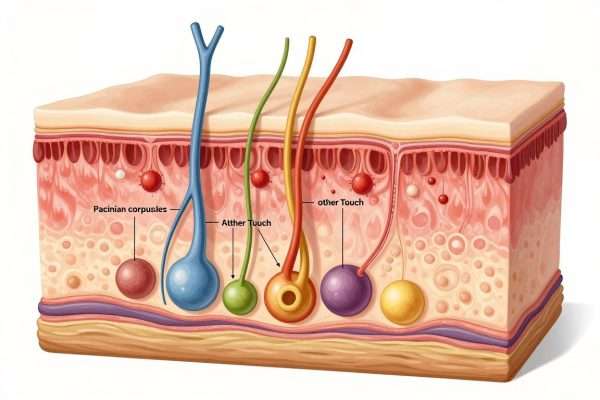
Physical contact activates pressure receptors in your skin called Pacinian corpuscles. These receptors send signals that can reduce pain perception. Some research suggests hugs may decrease headaches and other physical discomfort through this mechanism.
Immune System Boost
Regular physical affection may strengthen your immune system. Studies have found that people who hug more frequently get sick less often. When they do catch colds, their symptoms tend to be milder than those who receive less physical contact.
The immune-boosting effect likely results from the stress reduction and positive emotional states that hugging creates. Chronic stress weakens immunity, so anything that lowers stress helps your body fight off infections more effectively.
| Biological Response | Effect on Body | Benefit | Time to Take Effect |
| Oxytocin Release | Increases bonding chemicals in brain | Greater trust and emotional connection | 3-5 seconds |
| Cortisol Reduction | Lowers stress hormone levels | Reduced anxiety and tension | 20+ seconds |
| Serotonin Boost | Increases mood-regulating neurotransmitter | Improved happiness and wellbeing | 5-10 seconds |
| Dopamine Increase | Activates reward centers in brain | Pleasure and motivation enhancement | Immediate |
| Blood Pressure Drop | Relaxes cardiovascular system | Better heart health and circulation | 10-30 seconds |
Tips for Giving Better Hugs
Anyone can improve their hugging technique with practice and awareness. Small adjustments make the difference between an awkward embrace and one that truly connects two people. These tips help you become known for giving great hugs.

Be Fully Present
Put your phone away and eliminate distractions before hugging someone. Your full attention makes the embrace feel genuine and meaningful. The other person senses when you’re mentally elsewhere, which diminishes the connection.
Take a breath and focus on the moment as you embrace. This mindfulness helps you notice their response and adjust accordingly. Present-moment awareness transforms a routine gesture into a memorable moment of connection.
Adjust Your Approach
Consider the height difference between you and the other person. Taller individuals might need to bend slightly. If you’re shorter, you might reach up toward their shoulders rather than around their waist.

Angle your body slightly rather than standing completely straight-on. This position prevents awkward chest-bumping and creates more natural contact. The slight angle makes the hug feel more comfortable for both people involved.
Match Their Energy
Pay attention to the enthusiasm level the other person brings to the hug. Match their energy rather than overwhelming them with more intensity than they’re offering. This synchronization creates better connection and comfort.
If someone seems reserved or hesitant, keep your hug brief and gentle. Save longer, tighter hugs for people who clearly want that level of contact. This sensitivity shows respect for their boundaries and emotional state.
Use Appropriate Hand Placement
Rest your hands flat on their back between the shoulder blades or on the shoulders themselves. Avoid letting your hands wander lower unless you’re in a romantic relationship where that’s clearly welcome. Appropriate hand placement maintains respect and comfort.
Hand Placement Guidelines
- Upper back between shoulder blades works for most hugs
- Shoulders and upper arms for more casual greetings
- Around waist only for romantic partners
- Keep hands still rather than rubbing in non-romantic hugs
- Never place hands on lower back with people you don’t know well
- Avoid touching hair or neck in professional contexts

Mind Your Scent
Personal hygiene matters during close physical contact. Strong perfume, cologne, or body odor can make hugs unpleasant. Use scented products sparingly and ensure basic cleanliness before situations where hugging is likely.
Similarly, be mindful of what you’ve eaten recently. Strong food smells like garlic or onions can transfer during close contact. A mint before hugging friends or family shows consideration for their comfort.
Practice Makes Better
Like any skill, hugging improves with practice and feedback. Pay attention to how people respond to your hugs. Do they lean in and seem to enjoy it? Or do they stiffen and pull away quickly? These reactions guide your improvement.

Consider asking close friends or family for honest feedback about your hugs. They can tell you if you squeeze too hard, hold on too long, or need to adjust your technique. This feedback helps you become better at giving hugs people actually enjoy.
Practice Tip: The best huggers are those who pay attention and adapt. Notice what makes you feel good when others hug you, then incorporate those elements into your own hugging style.
Professional Boundaries: Hugging in Work Settings
Workplace hugging requires extra caution and awareness. Professional settings have different rules than personal relationships. Misreading these situations can create discomfort or even lead to complaints about inappropriate contact.

When Workplace Hugs Are Acceptable
Some workplace situations naturally invite hugs. Departing colleagues often receive farewell hugs from coworkers they’ve known for years. Major celebrations like promotions or personal milestones might warrant brief hugs among friendly colleagues.
The key is having an established relationship with the person beyond just working together. You should feel confident they’ll welcome the gesture. Even then, asking “Can I give you a congratulations hug?” provides safer confirmation of consent.

Default to Handshakes
When in doubt, choose a handshake instead of a hug. This greeting maintains professionalism while still showing warmth. You can add your other hand on top of the handshake for extra friendliness without crossing into hug territory.
Client meetings, job interviews, and first meetings with colleagues should always stick to handshakes. These formal situations require formal greetings. Attempting a hug in these contexts appears unprofessional and can make others uncomfortable.
Power Dynamics Matter
Never initiate hugs with people who report to you or who have less power in the workplace hierarchy. This power imbalance makes it difficult for them to refuse comfortably. Let subordinates initiate any physical contact if it’s to happen at all.

Similarly, be cautious about hugging your boss or superiors. Some workplace cultures frown on this familiarity. Others embrace it. Read your specific workplace culture carefully before attempting physical contact with anyone in your professional hierarchy.
Gender Considerations
Be especially thoughtful about cross-gender hugging at work. What one person sees as friendly might make another person uncomfortable. Consistency matters too. If you hug some colleagues, others may feel excluded or notice unfair treatment.
Many professionals find it safer to maintain a no-hugging policy at work across the board. This eliminates any appearance of favoritism or inappropriate contact. Clear, consistent boundaries protect everyone and maintain professional standards.
Legal Note: Unwanted physical contact at work can constitute harassment. Always obtain clear consent and respect anyone who declines. Your comfort with physical affection doesn’t override others’ right to refuse contact.
Bringing It All Together: The Power of a Great Hug
Learning how to hug properly opens doors to deeper human connection. This simple physical gesture communicates care, builds trust, and strengthens every relationship in your life. The time you invest in understanding proper hugging technique pays dividends in your social and emotional wellbeing.

Remember that great hugs start with awareness and respect. Pay attention to the other person’s signals and comfort level. Ask permission when you’re uncertain. Match their energy and enthusiasm. These simple principles guide you toward hugs that both people genuinely enjoy and appreciate.
Different relationships call for different hugging styles. Close friends and family can share longer, warmer embraces. Professional contacts need brief, appropriate greetings. Romantic partners enjoy intimate, extended hugs. Cultural context matters tremendously in determining what’s appropriate for any given situation.

The science behind hugging reveals why this physical contact matters so much. Oxytocin release, stress reduction, mood improvement, and immune system benefits all flow from appropriate physical affection. Regular hugging contributes to both physical health and emotional resilience throughout your life.
Practice these techniques in your daily interactions. Notice how people respond when you offer mindful, appropriate hugs. Your improved technique will strengthen existing relationships and help build new connections. The simple act of hugging well can transform how others experience your presence in their lives.
Most importantly, respect everyone’s boundaries around physical contact. Your right to offer hugs doesn’t supersede anyone’s right to decline. The best huggers understand that consent and comfort create the foundation for truly meaningful embraces that both people treasure.

Start today by being more intentional about your hugs. Each embrace offers an opportunity to make someone feel valued, supported, and cared for. These moments of connection accumulate over time, building the strong relationships that make life meaningful and fulfilling for everyone involved.













Leave A Comment