

Understanding Argentina’s Seasons and Climate Diversity
Argentina’s diverse climate zones influence the best times to visit each region
As a Southern Hemisphere country, Argentina’s seasons are reversed from those in North America and Europe. Summer runs from December to February, fall from March to May, winter from June to August, and spring from September to November. This seasonal flip creates unique opportunities for travelers seeking to escape their own winter or summer extremes.
What makes Argentina particularly fascinating is its incredible climate diversity. The country stretches nearly 2,300 miles from north to south, encompassing everything from tropical rainforests to windswept glaciers. This means that while one region might be experiencing its prime travel season, another could be best avoided.
The Magic of Shoulder Seasons
For travelers seeking the perfect balance of pleasant weather and manageable crowds, Argentina’s shoulder seasons offer the golden middle ground. These transition periods—typically October to November (spring) and March to May (fall)—often provide the best overall travel experience across most regions.
During these months, you’ll generally find mild temperatures, fewer tourists, lower prices, and greater availability at top accommodations. The landscape also offers special charms: spring brings wildflowers and renewed energy after winter, while fall delivers spectacular foliage in many regions, particularly in Patagonia and the Lake District.
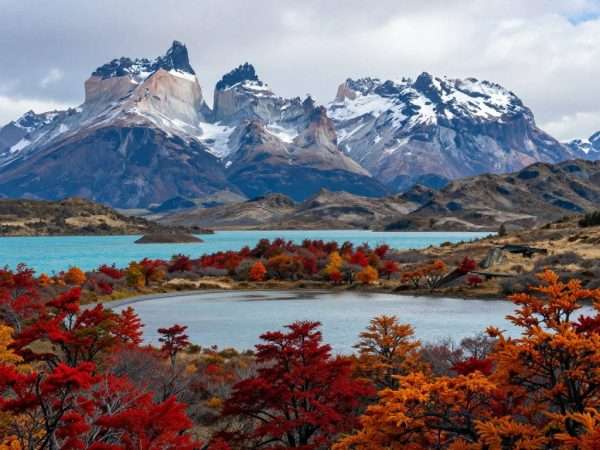
Fall colors transform Patagonia during the March-May shoulder season
As Argentinians often say, “vestite como una cebolla” (dress like an onion), as weather can change rapidly in many regions. This is especially true during shoulder seasons, when layers become your best friend for adapting to daily temperature fluctuations.
Regional Breakdown: When to Visit Argentina’s Key Destinations
Argentina’s diverse geography means that the ideal travel time varies significantly by region. Let’s explore the best times to visit each major area for optimal weather and fewer crowds.
Patagonia (El Calafate, Ushuaia, Bariloche)
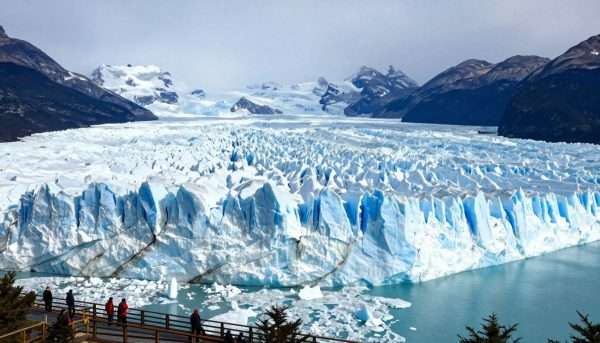
Perito Moreno Glacier in Los Glaciares National Park is best visited during shoulder seasons
Best time: October to April (spring through fall)
Sweet spot for fewer crowds: October-November (spring) and March-April (fall)
Patagonia shines during the austral summer (December-February), with long daylight hours and temperatures ranging from 50-70°F (10-21°C). However, this is also peak tourist season, when trails become crowded and accommodations book up months in advance.
For the perfect balance, aim for the shoulder months. October-November offers blooming wildflowers and gradually warming temperatures, while March-April delivers spectacular fall foliage as the lenga trees turn brilliant shades of red and orange. During these periods, you’ll encounter significantly fewer tourists while still enjoying relatively stable weather for hiking and outdoor activities.
Winter (June-August) brings heavy snow to much of Patagonia, making many areas inaccessible. However, it’s prime time for skiing near Bariloche and Ushuaia if winter sports are your goal.
Buenos Aires
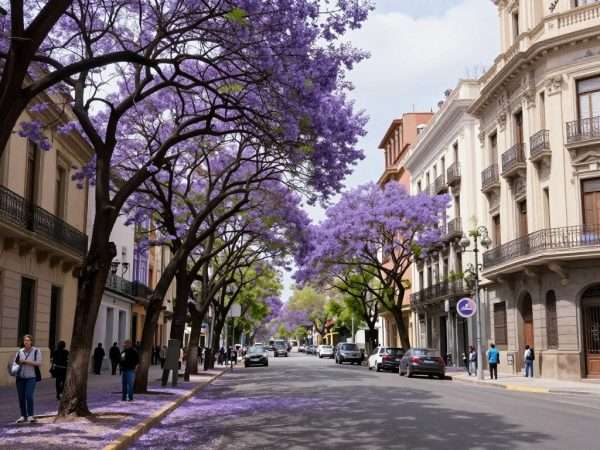
Jacaranda trees bloom throughout Buenos Aires in October and November
Best time: March to May (fall) and September to November (spring)
Sweet spot for fewer crowds: April and October
Buenos Aires is at its most pleasant during fall and spring when temperatures hover comfortably between 60-75°F (15-24°C). The city can be uncomfortably hot and humid during summer (December-February), when many porteños (Buenos Aires residents) flee to coastal areas, leaving some restaurants and shops closed.
Spring brings the spectacular purple bloom of jacaranda trees throughout the city, creating a magical atmosphere, especially in October and November. Fall offers pleasant temperatures and golden light that enhances the city’s European-inspired architecture.
The shoulder months of April and October typically offer the best combination of pleasant weather, cultural activities, and moderate tourist numbers. These periods avoid both the summer heat and the winter chill while still providing plenty of sunshine for exploring the city’s diverse neighborhoods.
Iguazú Falls and the Northeast
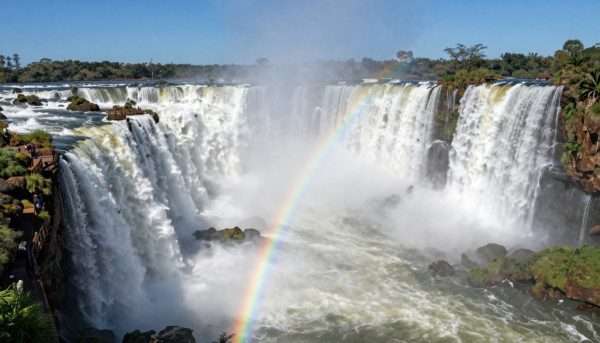
Iguazú Falls offers a more intimate experience during shoulder seasons with fewer crowds
Best time: April to June (fall) and August to October (winter/spring)
Sweet spot for fewer crowds: May and September
The subtropical northeast of Argentina experiences hot, humid summers and mild winters. For comfortable exploration of Iguazú Falls, the shoulder seasons provide the best balance of pleasant temperatures (65-80°F/18-27°C) and manageable humidity.
Water levels at the falls vary seasonally, with the highest volume typically occurring after summer rains (January-March). While impressive, extremely high water can sometimes limit access to certain walkways. The April-May period often provides an ideal balance of substantial water flow and accessibility.
August to October offers drier conditions and increasing warmth as spring progresses. Wildlife viewing in the surrounding Atlantic Forest is excellent during these months, with better chances of spotting toucans, monkeys, and butterflies.
To avoid crowds, steer clear of Argentine and Brazilian national holidays and aim for weekday visits, particularly in May and September when international tourism is lower.
Mendoza and Wine Country
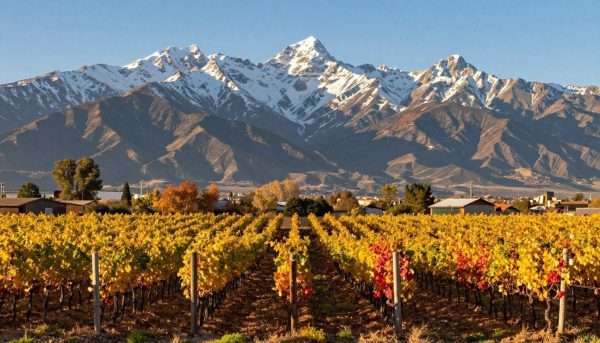
Mendoza’s vineyards against the Andes backdrop are spectacular during harvest season
Best time: March to May (fall) and September to November (spring)
Sweet spot for fewer crowds: April (post-harvest) and October
Mendoza’s wine country enjoys a semi-arid climate with distinct seasons. Summer (December-February) brings hot days with temperatures often exceeding 90°F (32°C), while winter (June-August) sees cool days and cold nights, with occasional frost.
For wine enthusiasts, March is particularly special as it marks the harvest season, celebrated with the lively Vendimia Festival. However, this is also a busy period for the region. April offers a wonderful post-harvest experience with fewer crowds, autumn colors in the vineyards, and pleasant temperatures for wine tasting and outdoor activities.
Spring (September-November) brings warming temperatures and blossoming vineyards, creating another excellent window for visiting. October typically offers ideal conditions with daytime temperatures around 70-80°F (21-27°C) and clear skies that showcase the majestic Andes backdrop.
Salta and the Northwest
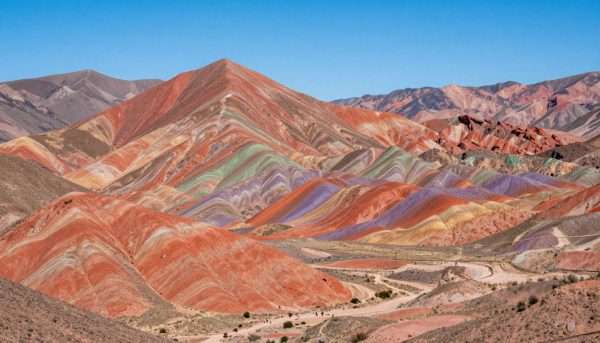
The colorful mountains of Salta province are most vibrant during the dry season
Best time: April to November (fall through spring)
Sweet spot for fewer crowds: May and September-October
The northwestern provinces of Salta and Jujuy experience a distinct wet and dry season. The summer months (December-March) bring regular rainfall that can cause flooding and mudslides, potentially limiting access to some attractions.
The extended dry season from April through November offers the best conditions for exploring this region’s spectacular landscapes, including the colorful mountains of Quebrada de Humahuaca and the salt flats of Salinas Grandes. During this period, you’ll enjoy clear skies, excellent visibility, and minimal precipitation.
May offers particularly pleasant temperatures and fewer tourists, as does the September-October period. During these months, daytime temperatures typically range from 65-80°F (18-27°C), cooling significantly at night due to the high altitude.
If you visit during the dry season, you’ll also have better access to remote areas like the Puna, where high-altitude deserts and salt flats create otherworldly landscapes.
Month-by-Month Guide to Argentina Travel
This comprehensive monthly breakdown will help you plan your perfect Argentina trip, highlighting the best destinations and activities throughout the year.
| Month | Weather | Crowds | Best Regions | Highlights |
| January | Hot summer in most regions | Peak season, very crowded | Patagonia, Lake District, Atlantic Coast | Hiking in Patagonia, beach time in Mar del Plata, Cosquin Folk Festival |
| February | Hot summer continues | Peak season, very crowded | Patagonia, Beaches, Mendoza | Carnival celebrations, wine harvest begins, Patagonia trekking |
| March | Early fall, cooling temperatures | Moderate, decreasing | Mendoza, Patagonia, Buenos Aires | Vendimia Grape Harvest Festival, fall colors begin in Patagonia |
| April | Pleasant fall weather | Low, except Easter week | Buenos Aires, Mendoza, Iguazú Falls | Fall foliage, National Chocolate Festival in Bariloche, wine touring |
| May | Mid-fall, cooler temperatures | Very low | Northwest, Iguazú Falls, Buenos Aires | Whale watching begins in Puerto Madryn, ideal photography conditions |
| June | Early winter, cold in south | Low, except ski areas | Northwest, Iguazú Falls, Buenos Aires | Winter solstice in Ushuaia, ski season begins, Gaucho festivals |
| July | Winter, cold throughout | Moderate in ski areas, low elsewhere | Ski resorts, Buenos Aires, Northwest | Skiing in Bariloche and Las Leñas, winter festivals |
| August | Late winter, still cold | Moderate in ski areas, low elsewhere | Buenos Aires, Northwest, Ski areas | Buenos Aires Tango Festival, whale watching in Puerto Madryn |
| September | Early spring, warming up | Low, beginning to increase | Buenos Aires, Iguazú Falls, Northwest | Wildflowers begin, whale watching prime time, wine events |
| October | Spring, pleasant temperatures | Moderate | Patagonia, Buenos Aires, Lake District | Jacaranda blooms in Buenos Aires, migratory birds in Iberá Wetlands |
| November | Late spring, warming up | Moderate, increasing | All regions accessible | Spring flowers in full bloom, hiking trails all open in Patagonia |
| December | Early summer, warm to hot | High, peak season begins | Patagonia, Lake District, Buenos Aires | Christmas celebrations, summer festivals begin, outdoor activities |
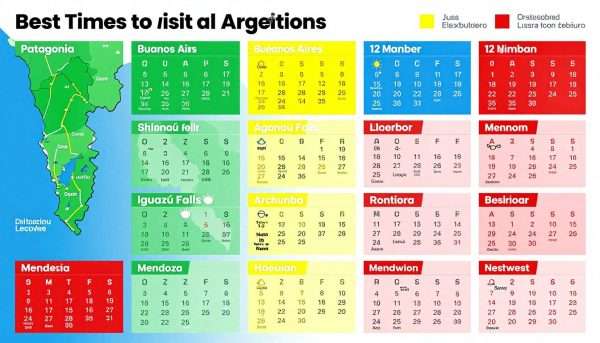
Travel Tips: Patagonia
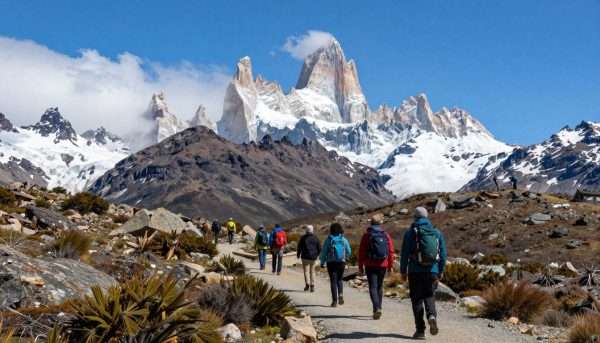
Hiking trails in El Chalten are less crowded during shoulder seasons while still offering spectacular views
Patagonia represents the wild heart of Argentina, with its dramatic peaks, massive glaciers, and windswept plains. Here’s how to make the most of your visit:
Weather Considerations
Patagonia’s weather is notoriously unpredictable, with conditions that can change rapidly throughout the day. Even during summer, temperatures typically range from 40-70°F (4-21°C), and the infamous Patagonian wind can make it feel much colder. As locals say, you can experience four seasons in a single day.
The shoulder seasons of October-November and March-April offer more stable weather than you might expect, with the added bonus of spectacular lighting conditions for photography. Wind tends to be less severe during these periods compared to the peak summer months.
Avoiding the Crowds
During December-February, popular trails in El Chalten and Torres del Paine can become quite congested, and accommodations in El Calafate and Ushuaia often book out months in advance. For a more serene experience:
- Visit in October-November before the peak season begins
- Explore less-known areas like El Chaltén’s secondary trails
- Book accommodations at least 6 months in advance if traveling during high season
- Start popular hikes very early in the morning (before 8 AM)
- Consider mid-week visits to major attractions like Perito Moreno Glacier
Must-Visit Locations
While Los Glaciares National Park (including Perito Moreno Glacier and Mount Fitz Roy) is justifiably famous, consider adding these less-crowded gems to your itinerary:
- Tierra del Fuego National Park near Ushuaia
- The Valdes Peninsula for wildlife viewing (whales, penguins, sea lions)
- Lago Argentino boat excursions to remote glaciers
- Estancias (ranches) offering authentic Patagonian experiences
- Los Alerces National Park with its ancient forests
Ready to explore Patagonia’s wilderness?
Our Argentina travel specialists can help you plan the perfect Patagonia adventure during the ideal shoulder seasons for perfect weather and fewer crowds.
Travel Tips: Buenos Aires
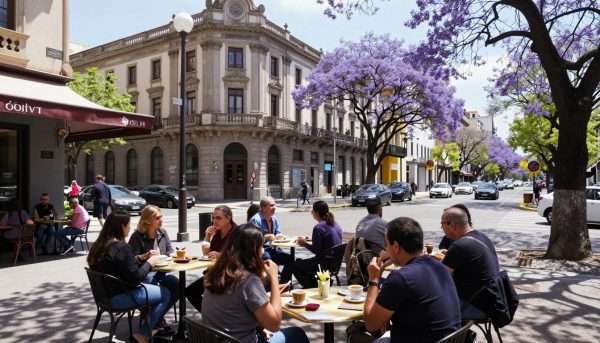
Buenos Aires cafe culture thrives during the pleasant spring and fall months
Argentina’s sophisticated capital offers a blend of European elegance and Latin passion. Here’s how to experience Buenos Aires at its best:
Weather Considerations
Buenos Aires experiences hot, humid summers (December-February) with temperatures regularly exceeding 85°F (30°C) and occasional heat waves pushing above 95°F (35°C). Winters (June-August) are mild but can be damp and chilly, with temperatures ranging from 45-60°F (7-15°C).
The sweet spots are undoubtedly the fall (March-May) and spring (September-November), when temperatures hover comfortably between 60-75°F (15-24°C), humidity drops, and the city is bathed in golden light or vibrant blooms.
Avoiding the Crowds
Buenos Aires sees its highest tourist numbers during the summer months, particularly around Christmas, New Year, and Carnival. For a more authentic experience:
- Visit in April-May or September-October for ideal weather and fewer tourists
- Explore neighborhoods beyond the typical tourist circuit (Palermo, Recoleta, San Telmo)
- Book popular tango shows and restaurants midweek rather than weekends
- Visit major attractions like Recoleta Cemetery early in the morning
- Check for local holidays and festivals that might draw domestic tourists
Seasonal Highlights
Each season offers unique experiences in Buenos Aires:
- Spring (September-November): Jacaranda trees bloom throughout the city, creating purple canopies over many streets and parks
- Fall (March-May): Perfect temperatures and golden light enhance the city’s European-style architecture
- Winter (June-August): Buenos Aires Tango Festival and World Championship in August
- Summer (December-February): Outdoor concerts, open-air milongas (tango venues), and vibrant nightlife
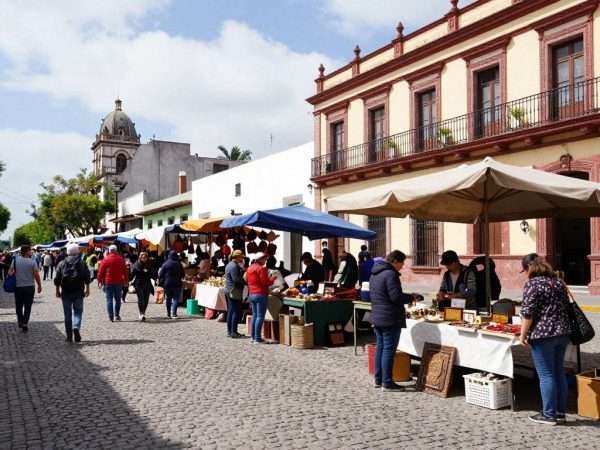
San Telmo’s Sunday market offers a more authentic experience during shoulder seasons
Travel Tips: Iguazú Falls and the Northeast
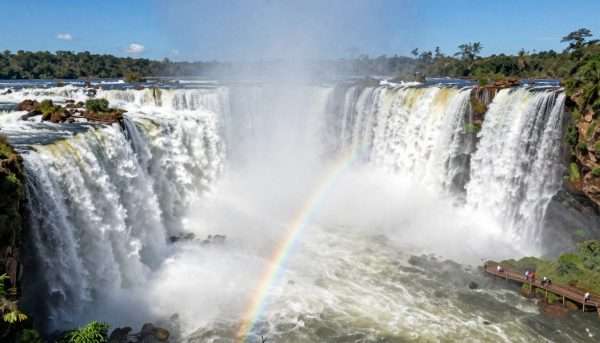
Devil’s Throat at Iguazú Falls is most accessible during the drier months with moderate water flow
The spectacular Iguazú Falls and the subtropical northeast offer a completely different experience from southern Argentina. Here’s how to plan your visit:
Weather Considerations
This region experiences a subtropical climate with hot, humid summers and mild winters. Summer (December-March) sees temperatures regularly exceeding 90°F (32°C) with high humidity and frequent thunderstorms. Winter (June-August) offers more comfortable temperatures around 60-75°F (15-24°C) with lower humidity.
Water levels at the falls vary seasonally, with the highest volume typically occurring after summer rains. While impressive, extremely high water can sometimes limit access to certain walkways. The April-May period often provides an ideal balance of substantial water flow and accessibility.
Avoiding the Crowds
Iguazú Falls is one of Argentina’s most visited attractions, particularly crowded during summer and holiday periods. For a more peaceful experience:
- Visit during weekdays in May or September for the best combination of weather and lower crowds
- Arrive at park opening (8 AM) to experience the falls before day-trippers arrive
- Start with the Lower Circuit when most visitors begin with the Upper Circuit
- Stay overnight near the falls to access the park early and late
- Check Brazilian and Argentine holiday calendars to avoid peak domestic tourism
Beyond the Falls
While Iguazú Falls is the star attraction, the northeast offers other worthwhile experiences:
- Explore the Jesuit Missions of the Guaranis (UNESCO World Heritage Site)
- Visit Iberá Wetlands for incredible wildlife viewing
- Experience the yerba mate culture in Misiones Province
- Discover the Atlantic Forest’s unique ecosystem on guided walks
Experience the mighty Iguazú Falls
Let our experts help you plan your visit during optimal conditions with insider tips to avoid the crowds and experience this natural wonder at its best.
Travel Tips: Mendoza and Wine Country
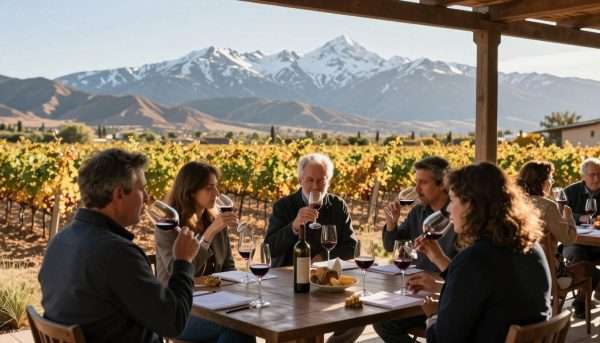
Wine tasting in Mendoza offers spectacular mountain views during the fall harvest season
Argentina’s premier wine region offers world-class Malbecs against the dramatic backdrop of the Andes. Here’s how to make the most of your visit:
Weather Considerations
Mendoza enjoys a semi-arid climate with over 300 sunny days per year. Summer (December-February) brings hot days with temperatures often exceeding 90°F (32°C), while winter (June-August) sees cool days around 60°F (15°C) and cold nights that can drop below freezing.
The sweet spots are fall (March-May) and spring (September-November), when temperatures are pleasantly warm during the day and cool at night—ideal conditions for both wine tasting and outdoor activities.
Harvest Season vs. Quieter Times
March marks the harvest season (vendimia), celebrated with festivals and activities throughout the region. While this is an exciting time to visit, it’s also one of the busiest. For a more relaxed experience:
- Visit in April for post-harvest activities with fewer crowds
- Consider October-November for spring blossoms in the vineyards
- Book winery tours and tastings in advance, especially at renowned wineries
- Explore smaller, family-run bodegas for more intimate experiences
- Visit mid-week when tour groups are less common
Beyond Wine
Mendoza offers much more than just wine tasting:
- Outdoor adventures in the Andes (hiking, rafting, horseback riding)
- Thermal springs in Cacheuta
- Aconcagua Provincial Park, home to the highest peak in the Americas
- Olive oil production tours and tastings
- Cooking classes featuring regional cuisine
Travel Tips: Salta and the Northwest
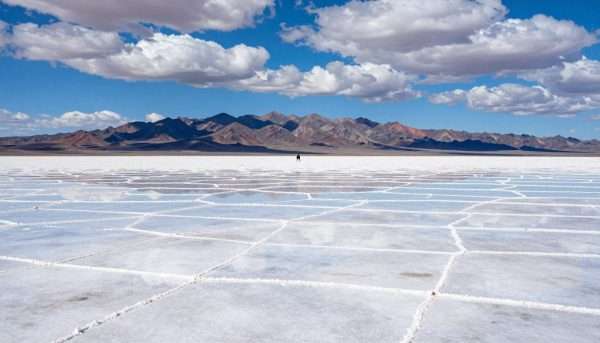
Salinas Grandes salt flats are best visited during the dry season for optimal visibility
Argentina’s northwest offers some of the country’s most spectacular landscapes and richest indigenous heritage. Here’s how to experience this region at its best:
Weather Considerations
The northwest experiences a distinct wet and dry season. The summer months (December-March) bring regular rainfall that can cause flooding and mudslides, potentially limiting access to some attractions. The extended dry season from April through November offers clear skies and excellent visibility.
Temperatures vary significantly with altitude. In Salta city (1,152m), summer days can exceed 85°F (30°C), while winter brings pleasant days around 65-70°F (18-21°C) and cool nights. In higher altitude areas like Purmamarca (2,324m), temperatures are cooler year-round, with significant day-night temperature variations.
Avoiding the Crowds
The northwest receives fewer international tourists than Patagonia or Buenos Aires, but certain areas like Quebrada de Humahuaca can get busy during Argentine holiday periods. For a more peaceful experience:
- Visit during May or September-October for ideal weather and fewer tourists
- Explore beyond the main tourist route of Quebrada de Humahuaca
- Stay overnight in smaller towns like Tilcara or Purmamarca rather than just day-tripping
- Venture into less-visited areas like the Calchaquí Valleys or the Puna
- Check Argentine holiday calendars to avoid peak domestic tourism periods
Cultural Experiences
The northwest offers Argentina’s richest indigenous heritage:
- Archaeological sites like Pucará de Tilcara
- Traditional markets selling Andean crafts
- Regional cuisine featuring empanadas, locro, and humitas
- Folk music traditions including the charango and bombo legüero
- Religious festivals blending Catholic and indigenous traditions
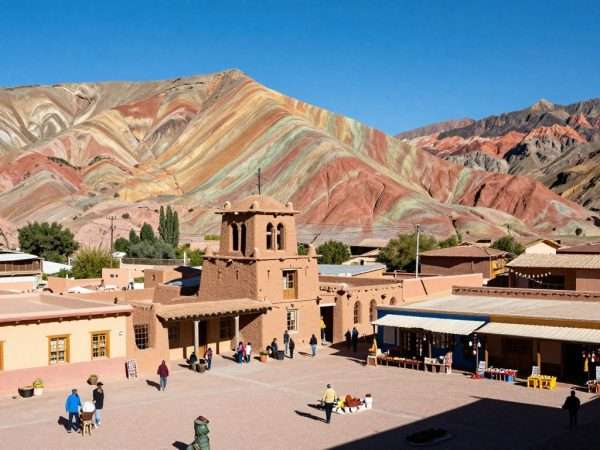
Purmamarca village with the Seven-Colored Hill backdrop is best visited during the dry season
Packing Tips for Argentina’s Varied Climate
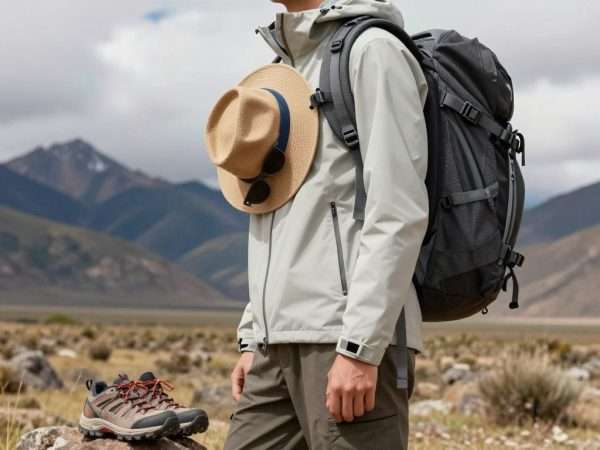
Layered clothing is essential for adapting to Argentina’s variable weather conditions
As Argentinians say, “vestite como una cebolla” (dress like an onion) – layering is key to adapting to the country’s variable weather conditions. Here’s what to pack for different regions:
Patagonia
- Windproof and waterproof outer layer
- Insulating mid-layers (fleece, down jacket)
- Moisture-wicking base layers
- Hiking pants (convertible recommended)
- Sturdy hiking boots with ankle support
- Sun protection (hat, sunglasses, high SPF sunscreen)
- Gloves and warm hat, even in summer
- Daypack with rain cover
Buenos Aires & Central Regions
- Light, breathable clothing for summer
- Light jacket or sweater for evening temperature drops
- Smart-casual attire for restaurants and tango shows
- Comfortable walking shoes for city exploration
- Umbrella or light rain jacket
- Adaptable layers for spring and fall
- Warmer coat for winter months
Northwest & Iguazú
- Lightweight, breathable clothing
- Long sleeves and pants for sun/insect protection
- Insect repellent with DEET
- Quick-dry clothing for humid conditions
- Sun protection (hat, sunglasses, high SPF sunscreen)
- Comfortable walking shoes with good grip
- Light sweater for evening temperature drops
- Waterproof sandals for Iguazú Falls
Year-Round Essentials
- Adapter plugs (Argentina uses Type I outlets)
- Medications and first aid supplies
- Reusable water bottle
- Camera with extra batteries
- Binoculars for wildlife viewing
- Spanish phrasebook or translation app
- Copies of important documents
- Comfortable daypack for excursions
Final Verdict: The Absolute Best Times to Visit Argentina
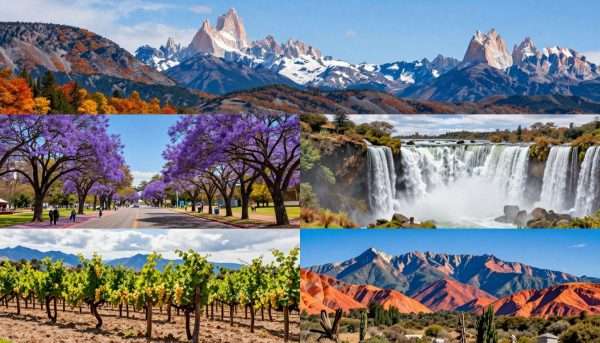
Argentina offers perfect conditions for different regions throughout the year
After analyzing weather patterns, crowd levels, and regional variations, here are our definitive recommendations for the absolute best times to visit Argentina for specific experiences:
Patagonia Trekking
Best time: Late October to early December or March to April
These shoulder periods offer the perfect balance of stable weather, moderate temperatures, and significantly fewer crowds than the peak summer months. In spring, you’ll enjoy wildflowers and renewed energy after winter, while fall brings spectacular foliage as the lenga trees turn brilliant shades of red and orange.
Buenos Aires Exploration
Best time: October-November or April-May
Spring brings the magical purple jacaranda blooms throughout the city, while fall offers golden light that enhances the European-inspired architecture. Both seasons provide pleasant temperatures (60-75°F/15-24°C), avoiding both the summer heat and humidity and the winter chill.
Iguazú Falls
Best time: April-May or September
These months offer the ideal combination of comfortable temperatures, moderate water flow (impressive but not overwhelming), and fewer crowds. The surrounding Atlantic Forest is also lush and vibrant during these periods, enhancing wildlife viewing opportunities.
Wine Country
Best time: April or October
April offers a wonderful post-harvest experience with fewer crowds, autumn colors in the vineyards, and pleasant temperatures. October brings warming spring temperatures and blossoming vineyards against the backdrop of snow-capped Andes, creating another excellent window for wine tasting and outdoor activities.
Northwest Exploration
Best time: May or September-October
These months fall within the dry season, offering clear skies and excellent visibility for appreciating the region’s spectacular landscapes. Temperatures are pleasant, and tourist numbers are significantly lower than during Argentine holiday periods.
Wildlife Viewing
Best time: September-November (Peninsula Valdes)
Spring offers the best wildlife viewing opportunities in Patagonia’s coastal regions, particularly for whale watching (southern right whales), penguin colonies, and sea lions. The Iberá Wetlands are also excellent during this period for bird watching and spotting capybaras, caimans, and other wildlife.
Overall Best Time to Visit Argentina
If you’re planning a multi-region trip and need to choose one optimal time, October-November (spring) offers the best overall experience across most of Argentina. During these months, you can comfortably visit Buenos Aires, Patagonia, Iguazú Falls, and the wine regions with generally favorable weather and moderate crowd levels.
The second-best option is March-April (fall), which also provides excellent conditions throughout most of the country, with the added bonus of harvest season in the wine regions and fall foliage in Patagonia.
Ready to experience Argentina at its best?
Our travel specialists can help you plan the perfect itinerary to experience Argentina with ideal weather conditions and fewer crowds. Contact us today to start planning your dream trip!
Conclusion
Argentina’s vast size and diverse geography create a country of remarkable contrasts, where the ideal travel time varies dramatically by region. By strategically planning your visit during shoulder seasons—typically October-November (spring) and March-May (fall)—you can experience this magnificent country with the perfect balance of pleasant weather and manageable crowds.
Whether you’re drawn to the dramatic landscapes of Patagonia, the sophisticated charm of Buenos Aires, the thundering power of Iguazú Falls, or the vineyard-covered valleys of Mendoza, timing your visit right will significantly enhance your experience. Remember the local saying “vestite como una cebolla” (dress like an onion), and come prepared for Argentina’s variable weather conditions with adaptable layers.
With careful planning and the insights shared in this guide, you can discover the authentic Argentina at its absolute best—when perfect weather and fewer crowds combine to create truly unforgettable travel experiences.


Leave A Comment