

Massive waves reaching 85 feet high await visitors – this is just one of the amazing Lisbon day trips you can experience.
Lisbon fascinates its visitors, and the nearby regions provide equally compelling adventures. The fairytale palaces of Sintra stand just 40 minutes away by train. UNESCO-listed monuments in Évora, located 1.5 hours from the city, showcase Portugal’s rich heritage.
Medieval villages like Óbidos welcome visitors throughout the year. Travelers can spot dolphins in Setúbal’s waters and sample Moscatel wines in Azeitão. The capital serves as a perfect base to explore these destinations. These 15 carefully picked day trips showcase Portugal’s hidden treasures. Ancient monasteries and pristine beaches provide a unique glimpse into the country’s exceptional culture and history.
Sintra: A Fairytale Escape Beyond the Crowds
Sintra sits just 30km northwest of Lisbon, a mystical UNESCO World Heritage gem that feels like a fairytale realm. This charming town became the summer getaway for Portuguese royalty and now serves as a perfect escape from Lisbon’s busy streets.
Sintra’s Hidden Palaces and Gardens
The famous Pena Palace stands out with its ornate exterior and grand staterooms, but Sintra holds many hidden treasures. Visitors find themselves fascinated by Quinta da Regaleira’s mystical gardens with cave systems and secret pathways filled with Knights Templar symbolism. Villa Sassetti gardens opened their doors again with a unique collection of medieval plants, giving visitors a peaceful retreat after 50 years of being closed. The underground garden tunnels at Monserrate Palace create a maze of passages beneath the formal gardens, perfect for those who want some quiet time.
Best Time to Visit Sintra to Avoid Tourist Crowds
The sweet spot for visiting comes during spring (March-May) and autumn (September-October), when weather and crowd levels hit the right balance. Spring temperatures range from 13°C to 20°C (55°F to 68°F), while autumn sees 15°C to 22°C (59°F to 72°F) – perfect for exploring. You’ll find shorter lines if you arrive right at opening (9-10 AM) or later in the day (4-6 PM). The town draws over 3 million visitors annually, so weekdays tend to be much quieter than weekends.
Sintra Local Food Specialties
The town’s culinary scene offers some amazing local treats:
- Queijadas de Sintra: Traditional tartlets with fresh cheese, sugar, flour and aromatic cinnamon
- Travesseiros: Delicate puff pastries filled with sweet almond-and-egg-yolk cream
- Bacalhau à Brás: A savory codfish dish with potatoes and eggs
The local restaurants also serve fresh seafood from the Atlantic coast and traditional stews that families have passed down through generations.
Transportation Options to Sintra
Trains provide the best way to reach Sintra from Lisbon’s Rossio Station (40-minute trip) or Oriente Station (47-minute ride). You’ll find trains running every 20 minutes throughout the day, starting at 5:41 AM until about 1:00 AM. A one-way ticket costs between €2-5. Driving might seem tempting, but the narrow roads and very limited parking create constant traffic jams. The 434 tourist bus makes getting around easy once you’re in Sintra, connecting the train station to all major sites.
Cascais: The Portuguese Riviera Experience
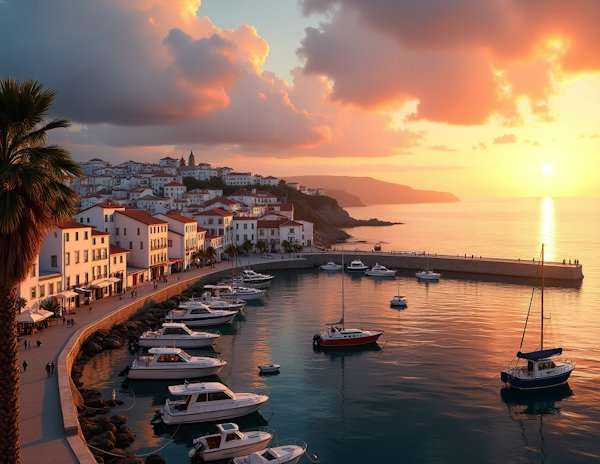
Cascais evolved from a quiet fishing village into an elegant resort town after King Luís I selected it as his summer residence in 1870. This charming coastal gem sits just 21 miles west of Lisbon, making it one of the most relaxing day trips from the Portuguese capital.
Cascais’ Most Beautiful Beaches
The coastline of Cascais features two distinct personalities. Golden sand beaches and calm waters grace the sheltered Portuguese Riviera eastward, while dramatic scenery and powerful Atlantic waves dominate the western shore. Several beautiful beaches within walking distance of town stand out:
- Praia da Rainha: Queen Amélia’s private beach sanctuary during the 1880s
- Praia da Conceição and Praia da Duquesa: Crystal-clear waters and excellent facilities make these beaches perfect family destinations
- Praia do Guincho: The Serra de Sintra nature park houses this wild, rugged beach, renowned among surfers and windsurfers
Historic Attractions in Cascais
Cascais’ rich heritage comes alive in its pedestrianized old town. Art galleries and studios now occupy the magnificent Cidadela de Cascais fortress. The elegant Museu Condes de Castro Guimarães reveals the lifestyle of 19th-century nobility. Visitors can marvel at the Santa Marta lighthouse’s distinctive blue and white colors and watch powerful waves crash into the Boca do Inferno’s collapsed sea cave formation.
Cycling the Scenic Coastal Path
A spectacular 10km round-trip bike ride connects Cascais to Guincho Beach along a purpose-built cycle path. Free “Bicas” bikes await at the stand opposite Cascais train station. The route showcases the Casa da Guia palace, Farol da Guia lighthouse, and the 17th-century Forte de São Jorge de Oitavos.
Where to Eat Fresh Seafood in Cascais
Seafood excellence defines Cascais’ dining scene. The Atlantic-facing Furnas do Guincho (9.4/10) leads the pack, while Marea (9.3/10) delights with fresh local catches. Monte Mar pairs its menu with stunning sea views. Marisco na Praça offers an authentic experience where guests select their seafood by weight.
Évora: Journey Through Portugal’s Golden Age
Évora, one of Portugal’s oldest cities, lies 130km east of Lisbon. Its rich history spans more than twenty centuries, dating back to Celtic times. This historic gem provides a genuine glimpse into Portugal’s golden age and makes a perfect day trip from Lisbon.
Évora’s UNESCO Heritage Sites
UNESCO recognized Évora’s historic center as a World Heritage site in 1986. The organization praised it as “the finest example of a city of the golden age of Portugal after the destruction of Lisbon by the 1755 earthquake”. Medieval walls built in the 17th century by French engineer Nicolas de Langres encircle a rich source of monuments. The Roman Temple, which many wrongly associate with Diana, ranks among the best-preserved Roman ruins in the Iberian Peninsula. Portugal’s largest medieval cathedral, the Cathedral of Évora, rewards visitors with spectacular rooftop views.
The Chapel of Bones: History and Significance
The Capela dos Ossos (Chapel of Bones) stands out as Évora’s most unique attraction. Franciscan monks built this macabre chapel in the 16th century using the remains of about 5,000 skeletons from overcrowded city cemeteries. The bones create decorative patterns along the walls and eight pillars. A thought-provoking inscription above the entrance reads: “Nós ossos que aqui estamos, pelos vossos esperamos” (“We bones that are here, waiting for yours”). The chapel’s white brick ceiling features painted death motifs, creating an atmosphere both haunting and meaningful.
Wine Tasting in Évora Region
The surrounding Alentejo region produces some of Portugal’s finest wines. The Évora sub-region became one of Portugal’s most important wine areas by the late 19th century. Wine enthusiasts can visit the Rota dos Vinhos do Alentejo (Alentejo Wine Route) in central Évora to sample local wines. Local vineyards welcome visitors with tours, tastings and unique experiences like cork forest visits that highlight the connection between cork production and winemaking.
Day Trip Itinerary for Évora
A perfect day trip from Lisbon looks like this:
- 8:00 AM: Depart Lisbon (about 1.5 hours by car)
- 10:00 AM: Start at the Roman Temple and Cathedral
- 12:00 PM: Try regional specialties like porco preto (black pork)
- 2:00 PM: Explore the Chapel of Bones and São Francisco Church
- 3:30 PM: Discover the historic center’s whitewashed houses with Dutch tiles and wrought-iron balconies
- 5:00 PM: Sample wines at Rota dos Vinhos do Alentejo
- 7:00 PM: Head back to Lisbon
This trip to Évora provides a deep dive into Portuguese history, architecture and culinary traditions. It ranks without doubt among the most culturally enriching day trips from Lisbon.
Take a trip to Beja Portugal.
Óbidos: Step Back in Time in a Medieval Village
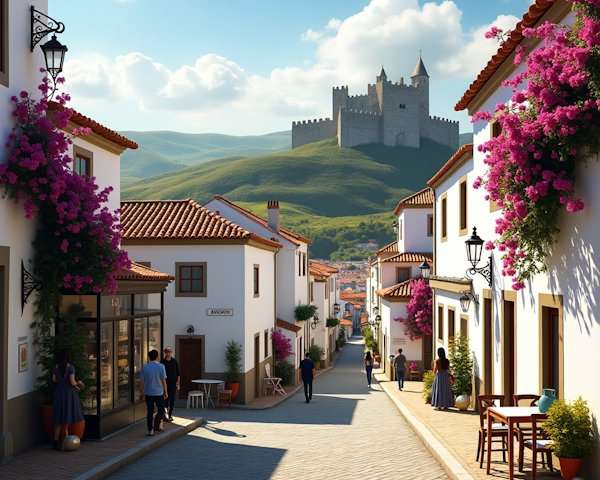
Ancient limestone walls encircle Óbidos, making it one of the most authentic medieval towns you can visit on a day trip from Lisbon. Located 80km north of the capital, this small fortified town takes visitors back to Portugal’s rich past with its well-preserved streets and traditions.
Walking the Ancient Walls of Óbidos
The magnificent 1.5km-long walls of Óbidos stretch back to the Moorish era (8th-11th centuries) and tower up to 13 meters high in some places. These fortifications give amazing panoramic views of whitewashed houses, tiny alleys and the countryside below. The adventure isn’t suited for everyone though. The uneven stone path lacks guardrails and needs careful navigation through narrow sections with sharp 90-degree turns. You can access the walls through several staircases near the castle, which now serves as a Pousada hotel.
Ginjinha: Sampling the Famous Cherry Liqueur
A trip to Óbidos wouldn’t be complete without tasting “ginja de Óbidos,” a traditional cherry liqueur that 17th-century monks created by mixing Morello cherries with brandy. Vendors along Rua Direita serve this sweet, dark-red drink (18-24% ABV) in edible chocolate cups. The cherries soak in the liquor for several months to create a distinctive flavor that sugar and cinnamon boost.
Óbidos Literary Town and Bookshops
Óbidos became a paradise for book lovers after receiving UNESCO’s “City of Literature” designation in 2015. The town now features over 14 unique bookshops including:
- Grande Livraria de Santiago: A 13th-century church where bestsellers now rest on marble altars
- The Literary Man Hotel: A space housing about 40,000 books for sale
- Livraria do Mercado: A bookshop in the old vegetable market
Medieval Festivals and Events
The medieval atmosphere peaks during the annual Medieval Fair, set for July 17-27 in 2025. This festival brings the Middle Ages back to life with knights, fortune tellers, theater shows and medieval music concerts. Guests can dress up in period costumes, taste traditional foods and watch historical reenactments throughout the castle grounds.
Arrábida Natural Park: Portugal’s Hidden Paradise
Arrábida Natural Park stands as a coastal paradise just 40km from Lisbon on Portugal’s southern coast. This protected area combines limestone cliffs with Mediterranean flora to create one of the most unspoiled day trips from Lisbon.
Secret Beaches of Arrábida
Arrábida’s secluded beaches with crystal-clear waters lie hidden between towering cliffs. Ribeiro do Cavalo Beach demands a challenging trek but rewards you with pristine sands. Mijona Beach sits peacefully between dramatic rock formations and stays free from crowds. The stunning Inferno Beach features sea caves that boats can reach. These hidden coves show off waters as blue as any Mediterranean spot, yet most tourists haven’t discovered them.
Hiking Trails with Panoramic Views
The park features well-laid-out trails that suit different skill levels. Serra do Risco Trail takes you to one of the park’s highest points with stunning Atlantic coastline views. Praia dos Coelhos Trail gives you scenic coastal views without too much effort. Rota dos Moinhos path takes you past old windmills with sweeping views of Lisbon and nearby mountains. The best time to hike is during spring (April-June) and autumn (September-October).
Wildlife Spotting in Arrábida
Arrábida’s rich ecosystem supports 213 vertebrate species. Portugal’s coast has just one nesting site for the rare Bonelli’s Eagle – right here in the park. Visitors might catch glimpses of foxes, wildcats and genets roaming freely. The limestone caves provide shelter to several bat species, including the Teddy Bat and Mediterranean Horseshoe Bat. The park’s skies fill with peregrine falcons, eagle owls, and nightingales.
Kayaking Adventures Along the Coast
Kayaking reveals Arrábida’s magnificent coastline up close. Tour guides direct you through the crystal-clear waters of Marine Park Prof. Luiz Saldanha, beneath some of Europe’s most beautiful sea cliffs. You’ll stop at sea caves and hidden beaches that land routes can’t reach. Many tours let you snorkel around the iconic Anicha Rock to see colorful fish schools. Thrill-seekers can try cliff jumping during kayaking breaks.
Nazaré: Home to the World’s Biggest Waves
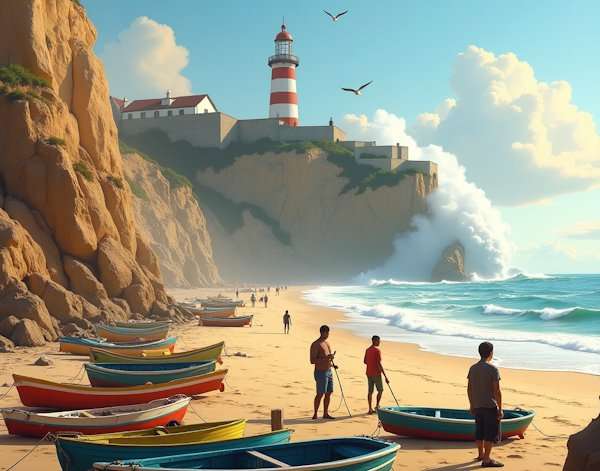
The Atlantic Ocean shows its raw power along Portugal’s western coast at Nazaré, 125km from Lisbon. This once-quiet fishing village has reshaped the scene into a world-famous destination with colossal waves reaching heights of 30 meters (100 feet).
Best Viewpoints to Watch Giant Waves
Giant waves pound the coast from October to March, with big swells sometimes appearing in September and April.
- Forte de São Miguel Arcanjo: This lighthouse/fortress lets you get closest to surfers who brave these massive waves. The roof serves up amazing views, and the museum inside proudly displays surfboards from prominent surfers.
- Sítio da Nazaré: Next to the lighthouse, the elevated cliff area gives you a safe spot to watch the thundering waves crash below.
- Praia do Norte: The beach provides a ground-level viewpoint where you can truly feel the waves’ magnitude. Stay alert though – unexpected swells have swept away several tourists.
Nazaré’s Fishing Traditions and Culture
Nazaré’s authentic Portuguese fishing traditions live on strongly. The town’s older women proudly wear their iconic outfit. Their distinctive look includes colorfully clashing skirts made thick with several petticoats, embroidered aprons, house slippers and eye-catching gold earrings. These women would wait on the beach for returning fishermen and used their layered petticoats to stay warm against the cold sea winds.
Surfing in Nazaré: What to Know
Rodrigo Koxa rode into history here by surfing a monster 24.4m (80ft) wave in 2018 – a world record. The Nazaré Canyon makes this possible. This 5km-deep underwater trench amplifies incoming swells. Pro surfers call it possibly the world’s toughest big wave spot since it has no safe zones.
Local Seafood Specialties
Rosa dos Ventos and A Tasquinha rank among Nazaré’s best restaurants where you can enjoy fresh seafood. Local dishes shine with grilled sardines and percebes (barnacles) – pricey delicacies that locals harvest from wave-battered rocks. The cockles cooked with garlic and white wine are also a must-try.
Fátima: Portugal’s Sacred Pilgrimage Site
Visitors seeking a spiritual journey will find their calling at Fátima, a sacred site 125km north of Lisbon where faith meets history. This sacred destination welcomes over six million visitors annually, making it one of Portugal’s most important religious sites.
The Sanctuary of Fátima: What to See
The stunning Sanctuary complex stretches across 72,000m² with several remarkable buildings. The Chapel of Apparitions, dating back to 1919, stands at the exact location where the Virgin Mary appeared to three children. The neo-Baroque Basilica of Our Lady of the Rosary houses the shepherd children’s tombs. The modern Basilica of the Holy Trinity opened its doors in 2007 and welcomes 8,000 pilgrims. Most visitors spend about an hour here and light candles as symbols of their prayers and hopes.
The Story of the Three Shepherd Children
The remarkable story began in 1917 with three young shepherds—Lúcia dos Santos (10), Francisco Marto (9) and Jacinta Marto (7). These children reported seeing the Virgin Mary’s apparitions on the 13th of each month from May to October. Mary’s messages to them spoke of world peace and included three apocalyptic prophecies known as the “Secrets of Fátima”. The 1918-19 influenza pandemic claimed Francisco and Jacinta’s lives, while Lúcia became a nun and lived until 2005. Pope Francis declared Francisco and Jacinta saints in 2017.
Attending a Candlelight Procession
The Candlelight Procession creates magic at Fátima every evening at 9:30 PM. The most special ceremonies happen on the 12th and 13th of each month from May through October. Thousands of pilgrims carry lit candles as Our Lady of Fátima’s statue moves through the crowd. The Ave Maria’s singing concludes this touching ceremony.
Combining Fátima with Other Nearby Attractions
Your day trip from Lisbon becomes complete when you pair Fátima with nearby gems. The beautiful Batalha Monastery, dedicated to the Blessed Virgin Mary, sits just a short drive away. The Monastery of Alcobaça showcases amazing Gothic architecture. The coastal town of Nazaré, known for its giant waves, rounds out a perfect journey through central Portugal.
Setúbal and Troia Peninsula: Dolphin Watching Paradise
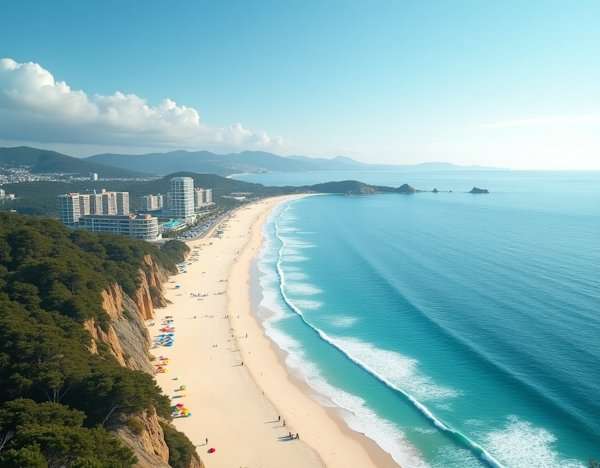
The meeting of the Sado River and Atlantic Ocean creates a perfect setting for one of the most rewarding water excursions from Lisbon. Setúbal and the Troia Peninsula sit just 50km south of the capital. This coastal haven stands out among European destinations with its remarkable residents—a community of bottlenose dolphins.
Dolphin Watching Tours: What to Expect
Setúbal Bay’s waters are home to about 35 bottlenose dolphins, making it one of just three estuarine dolphin colonies in Europe. Marine biologists lead tours that spot these magnificent creatures 95% of the time. Your 2-3 hour adventure includes welcome drinks and fascinating insights about dolphin behavior. Some boats come equipped with underwater viewing rooms so you can watch marine life below the surface. Adult tickets cost €35-40, children aged 4-12 pay €17-20, and little ones under 4 ride free.
Beaches of the Troia Peninsula
A trip across the Sado Estuary reveals Troia’s spectacular coastline with its pristine white sand and crystal-clear blue waters. Summer brings visitors, yet these beaches never feel crowded. Families love the shallow, calm waters. Hidden spots between main beaches let sunbathers relax quietly among the dunes. Troia has managed to keep its natural charm with minimal development. Pine forests stretch to the east and south, while the Arrábida Natural Park creates a stunning backdrop to the north.
Setúbal’s Historic Center and Fish Market
Mercado do Livramento stands as the city’s pride—a fish market that ranks among the world’s best. This 147-year-old market, rebuilt in 1930, showcases over 5,000 decorative tiles that tell stories of fishing and farming. The market reflects Setúbal’s deep maritime roots. The city earned its nickname “Terra de Peixe” (Land of Fish) and housed hundreds of fish preserving factories throughout the 20th century.
Local Cuisine: Beyond the Famous Fried Cuttlefish
“Choco frito” might be Setúbal’s star dish, but the region’s food scene offers much more. The Sado Estuary produces some of Portugal’s finest oysters, which local farms develop into prized delicacies. Fresh red mullet (salmonete) appears as a seasonal treat on menus. Food lovers should pair their meals with Moscatel de Setúbal, a prominent fortified wine, and Azeitão cheese—a creamy sheep’s milk specialty from the Arrábida Mountains’ foothills.
Mafra: The Magnificent National Palace
Portugal’s finest example of Baroque architecture, the magnificent Mafra National Palace, stands as an impressive complex with a royal palace, basilica, convent, garden and game reserve. King João V started its construction in 1717. This UNESCO World Heritage site makes a fascinating day trip from Lisbon that shows off the splendor of 18th-century Portuguese royalty.
Learning About Mafra’s Baroque Library
A stunning library sits at this palatial complex’s core. This Rococo masterpiece stretches 88 meters long with a 13-meter-high ceiling and houses over 36,000 leather-bound volumes from the 14th to 19th centuries. Beautiful rose, gray, and white marble tiles cover the floor beneath wooden bookshelves arranged in two rows. The library’s preservation system is unique—colonies of bats protect the precious books from insects each night. This remarkable space caught Hollywood’s attention and appeared in “Gulliver’s Travels” (1996) as the Emperor of Lilliput’s Great Chamber of War.
The Basilica and Royal Apartments
Built in the shape of a Latin cross, the central basilica extends 63 meters. Local rose-colored marble blends artistically with white patterns throughout its interior. Rome’s finest sculptors created 58 marble statues, and six historic organs can play together—something unique worldwide. Royal life had its quirks on the second floor’s spacious apartments. The king’s and queen’s quarters were 200 meters apart, so trumpet announcements signaled the king’s departure to visit his queen.
Tapada Nacional de Mafra Wildlife Park
King João V created the Tapada Nacional de Mafra, an 800-hectare wildlife park. This natural habitat supports deer species of all types, wild boar, foxes and birds of prey. Visitors can enjoy walking trails, mountain biking, horseback riding, or archery. Weekend explorers can book guided tours by tourist train.
Practical Tips to Visit Mafra
Palace entry costs €6.00, and children under 12 visit free. Opening hours run from 9:00-18:00, Wednesday through Monday. Unlike other Portuguese sites, Mafra takes its weekly break on Tuesdays. The palace sits 28km from Lisbon, roughly a 30-minute drive away. Busses run from Lisboa-Campo Grande terminal. Most visitors spend 90 minutes walking through this architectural marvel, one of Portugal’s most impressive achievements.
Berlengas Archipelago: Portugal’s Hidden Island Gem
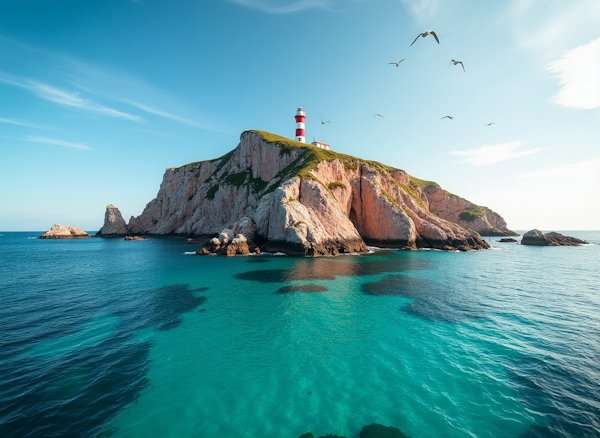
The Berlengas archipelago stands as a pristine island sanctuary 10km west of mainland Portugal’s Peniche coast. This granite island cluster earned its UNESCO Biosphere Reserve status in 2011 and provides one of the most extraordinary day trips from Lisbon that nature lovers and adventure seekers can experience.
How to Get to Berlengas Islands
Boats from Peniche harbor provide the sole access to this natural paradise. A typical trip takes 25-30 minutes when seas remain calm, but rougher waters can stretch the duration to 45 minutes. Daily departures run from May through September, with increased frequency during summer. Round-trip tickets cost €18. Visitors should book tickets ahead since the island limits daily visitors to 550 people to protect its unique ecosystem.
Snorkeling and Diving Opportunities
The archipelago’s waters showcase a remarkable underwater world clearly. Notable diving locations include:
- Parede de Rabo de Asno: Red gorgonian-covered walls and bright blue waters create a tropical sea atmosphere
- Gruta do Medo: Streaked gurnards and forkbeards find shelter in small caverns along shallow sandy bottoms
- Rinchão: Reef diving features walls adorned with red gorgonia reaching depths of 35 meters
Divers might spot conger eels, sea bream and occasional sunfish in these protected waters.
Hiking the Island’s Trails
The island features two main hiking paths that newcomers should explore. The eastern Ilha Velha trail covers 1.5km and reveals stunning views of fishing spots and the sister islands Estelas and Farilhões. The 3km Berlenga trail guides hikers to the lighthouse and fort, where thousands of black-winged gulls nest during spring and early summer.
The Historic Fort of São João Baptista
King João IV commissioned this irregular octagonal fortress’s construction in 1651 on a small islet that connects to Berlenga Grande by a stone bridge. The fort’s history includes a remarkable defense in 1666, when just 28 men successfully resisted a Spanish fleet of 15 ships. The structure’s military service ended years ago, and now it serves as a summer hostel welcoming overnight guests.
Tomar: Uncover the Knights Templar Legacy
The medieval city of Tomar sits 140km northeast of Lisbon. Visitors can step back in time and explore Portugal’s mysterious Templar history here. You can reach this historical gem from Lisbon with a 90-minute drive.
The Convent of Christ: A UNESCO Treasure
The Convent of Christ, now a UNESCO World Heritage site since 1983, started as a Templar stronghold in the 12th century. This big monumental complex stands as a symbol of Portugal’s Reconquest and the Age of Exploration. The stunning 12th-century rotunda, built to mirror Jerusalem’s Holy Sepulcher, forms its core. Visitors will see architectural styles from seven centuries of Portuguese history – Romanesque, Gothic, Manueline, Renaissance, Mannerist and Baroque.
Tomar’s Jewish Heritage
Portugal’s only complete 15th-century Jewish temple stands in Tomar. The Tomar Synagogue was built between 1430-1460 when the Jewish community lived close to Henry the Navigator. This Renaissance building shows four symbolic columns that represent Israel’s Matriarchs and twelve arches for Israel’s tribes. Researchers found a mikveh (ritual bath) room next to it during excavations. The building now houses the Abraão Zacuto Luso-Hebraic Museum.
The Matchbox Museum: A Quirky Attraction
The Museu dos Fósforos holds Europe’s biggest collection of matchboxes. This unique museum sits in Convento de São Francisco’s beautiful courtyard. Local collector Aquiles da Mota Lima gathered over 43,000 matchboxes from 127 countries. The designs show everything from bullfighters to bathing beauties.
Festa dos Tabuleiros: Portugal’s Most Colorful Festival
Tomar lights up every four years with the vibrant Festa dos Tabuleiros (Festival of Trays). The next one comes in 2027. Local women walk in parades carrying tabuleiros—30 stacked pieces of bread with flower decorations and a crown on top. The festival ends with people sharing bread and meat in a ceremony called Pêza.
Batalha and Alcobaça: Gothic Monastery Marvels
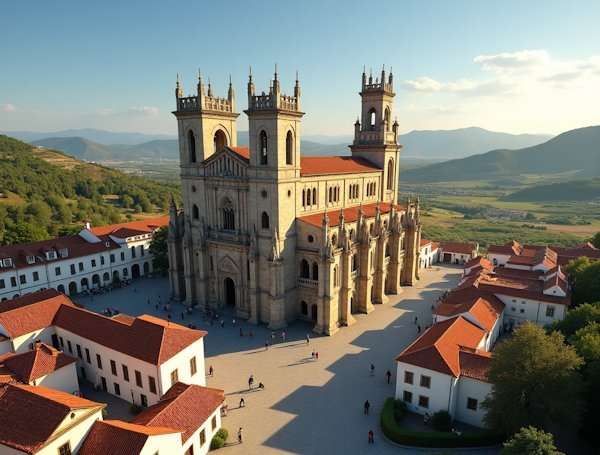
Central Portugal is home to two stunning Gothic monasteries that make perfect day trips from Lisbon. The UNESCO World Heritage Sites of Batalha and Alcobaça showcase the country’s architectural excellence and rich history just a short drive from the capital.
Batalha Monastery’s Architectural Highlights
The Dominican Monastery of Batalha stands as a Gothic masterpiece with Manueline influences, built to celebrate Portugal’s victory at Aljubarrota in 1385. In fact, the church’s impressive nave stretches 22m wide and soars 32.4m high, with ribbed vaults sealed by decorated keystones. The Royal Cloister shows off Huguet’s beautiful Gothic tracery work alongside stunning Manueline elements that Mateus Fernandes added later. The Unfinished Chapels (Capelas Imperfeitas) are breathtaking with their central octagonal space and seven hexagonal chapels adorned with detailed stone carvings.
Alcobaça and the Tragic Love Story
Portugal’s first fully Gothic building, Alcobaça Monastery, was built in 1153. The monastery tells the touching story of King Pedro I and Inês de Castro. Pedro had her body exhumed after she was killed on royal orders. He crowned her after death and ordered magnificent tombs to face each other. Their limestone sarcophagi, carved between 1358-1367, are adorned with angels, religious scenes and wheels that tell their life story. Pedro’s tomb features the “Wheel of Life” – a twelve-petaled design showing scenes from their relationship.
Photography Tips for the Monasteries
The best photos of Batalha come during early morning as sunlight streams through the stained glass windows and creates dramatic beams inside. Alcobaça’s tombs look stunning from various angles that show off the detailed carvings of Pedro and Inês’s eternal love. The Founder’s Chapel in Batalha offers perfect shots of the octagonal roof and royal tombs from a central position. The Unfinished Chapels create unique photo opportunities as birds fly through the open-air structure.
Combined Day Trip Itinerary
Start your day early from Lisbon to reach Batalha by mid-morning – about 90 minutes by car. You’ll need two hours to explore its Gothic beauty. Alcobaça sits just 25 minutes away, making it a perfect next stop. Plan two hours to see its magnificent church and the famous royal tombs. Many travelers add stops at Nazaré or Óbidos to create a full day of exploring central Portugal.
Sesimbra: Coastal Charm Off the Tourist Trail
Sesimbra, a charming fishing town, sits between the Atlantic Ocean and Serra da Arrábida mountains, just 40km south of Lisbon. This coastal gem keeps its unique character alive while giving visitors a perfect mix of history, beaches and amazing food.
Sesimbra’s Castle with a View
The Moorish Castle of Sesimbra stands proudly 230m above the town and shows off breathtaking views of the coastline and countryside. Built during the 8th-11th centuries, this national monument lets visitors freely roam its well-preserved medieval walls. The castle complex houses Igreja de Santa María, a Baroque church decorated with stunning azulejos tiles. Visitors can explore the castle daily from 7:00 until 20:00 in summer or 19:00 in winter without paying an entrance fee. The climb might be challenging, but many people choose to take the footpath from the junction of Rua Eduardo da Cunha and Rua do Valparaíso instead of driving.
Best Beaches Around Sesimbra
Some of Portugal’s most beautiful beaches lie within walking distance of town. The main bay splits into two beaches—Praia da Califórnia to the east and Praia do Ouro near the fishing harbor. Families and sunbathers love these sheltered beaches with their calm waters. Adventure seekers who take on the challenging trail to Ribeira do Cavalo Beach find themselves rewarded with untouched sands and crystal-clear waters. The idyllic beaches of Serra da Arrábida stretch further east, where turquoise waters meet the stunning backdrop of forested hills.
Fresh Seafood Dining Experiences
Sesimbra’s active fishing fleet makes it a true seafood haven. Local chefs serve “Arroz de Marisco,” a delicious fish stew, in clay pots meant for sharing. The town’s backstreets hide family-run “Marisqueira” restaurants where locals love to eat. Casa Mateus stands out with dishes like their octopus—guests often say it’s “the softest ever experienced”. Fresh catches shine at the town’s seafood spots and their grilled swordfish gets rave reviews.
Water Activities and Adventures
Sesimbra’s sheltered waters create perfect conditions for water lovers. Kayakers can paddle to hidden beaches like Ribeiro do Cavalo and see the coast from a different angle. Dolphin watching trips almost always spot these playful creatures in their natural home. The Arrábida Marine Reserve gives snorkelers and divers clear waters with visibility up to 12 meters. Thrill-seekers can try coasteering and combine swimming with cliff jumping along the dramatic shoreline.
Palmela: Hilltop Castle and Wine Country
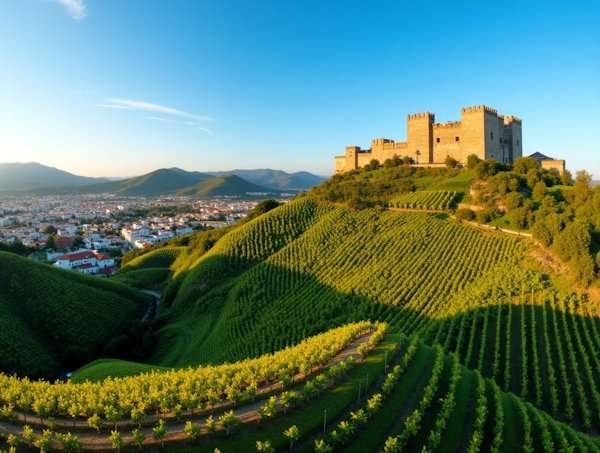
Palmela sits majestically on a strategic hill between the Tejo and Sado Rivers. This hidden gem combines history, wine culture and stunning views that make it perfect for authentic day trips from Lisbon. Most tourist routes skip this treasure that delights all senses.
Learning About Palmela Castle
Portugal’s first king built this mighty 12th-century fortress that now dominates the Setúbal Peninsula’s landscape. The castle’s story begins in Roman times around 310 BC, followed by additions from Moors and Portuguese rulers through centuries. Visitors can walk through the 15th-century Church of Santiago, an old convent cloister, and a museum that tells the fortress’s archeological story. Knights practice their sword skills on the hillside, bringing history to life at this magnificent site.
Wine Tasting in Palmela’s Vineyards
Mediterranean climate nurtures the flourishing vineyards in this countryside. Local vintners cultivate about 1,000 hectares of vines that yield more than 8 million liters each year. Traditional wineries such as Quinta do Piloto still use authentic methods to craft quality wines from local grapes including:
- Castelão (Periquita)
- Fernão Pires
- Moscatel
Panoramic Views of the Setúbal Peninsula
The castle’s well-preserved battlements reward visitors with breathtaking views of Palmela town, twin river estuaries and Serra da Arrábida’s graceful hills. Lisbon and Setúbal sparkle in the distance from dawn to dusk. Hikers can take trails next to the castle that lead to even more stunning viewpoints.
Local Cheese and Wine Pairings
Azeitão ewe’s milk cheese stands out as the region’s culinary star. This creamy delicacy gets its unique flavor from local pastures and a special thistle that separates curds from whey. Sweet Moscatel paired with salty Azeitão cheese creates magic – the wine’s honey notes dance with the cheese’s savory character. Local tastings feature regional breads, sausages and the irresistible Torta de Azeitão cake.
Ericeira: Europe’s Only World Surfing Reserve
Ericeira proudly stands as Europe’s only World Surfing Reserve since 2011, just 50km from Portugal’s capital. This coastal paradise makes a perfect day trip that adventure seekers and beach lovers will truly enjoy.
Best Surfing Spots for All Levels
The coastline delivers consistent surf conditions for every skill level, with pristine waters and stunning surroundings that earned it World Surf Reserve status. Beginners should check out Praia do Matadouro with its mellow left-handers and fun rights. Foz do Lizandro stands out as the top spot for newcomers thanks to its nice sandbars. Praia do Sul’s versatile beach and reef break challenges intermediate surfers, while pros flock to Ribeira D’Ilhas, a regular host of ASP World Tour Surf Championships.
Ericeira’s Traditional Fishing Village Charm
This charming Portuguese fishing village traces its roots back to the 12th century. The historic center showcases houses painted in striking blue and white colors that celebrate its fishing heritage. Whitewashed houses, trendy boutiques, and welcoming cafés line the cobblestone streets. The bustling port sits at the heart of town, highlighting Ericeira’s deep connection to its maritime past.
Where to Eat in Ericeira
Mar das Latas delights guests with fresh fish specialties and Portuguese wines paired with sunset views. Balagan brings Middle Eastern flavors and vegan options to a beach house setting with sweeping ocean vistas. The town’s fishing heritage comes alive at Petiscaria Âncora through both its decor and creative dishes like grilled scallops in coconut milk reduction.
Sunset Spots Along the Coast
A 40-minute walk takes you to Praia da Foz do Lizandro’s spectacular sunset views. Mar das Latas claims the perfect spot where the sun dips right in front of diners. The rocky coastline offers breathtaking sunset vistas even from beaches with less sand.
Comparison Table
| Destination | Distance from Lisbon | Main Attractions | Best Time to Visit | Transportation Options | Notable Activities | Local Specialties |
|---|---|---|---|---|---|---|
| Sintra | 30km | Pena Palace, Quinta da Regaleira, Villa Sassetti | Spring (Mar-May) & Autumn (Sep-Oct) | Train (40min from Rossio Station) | Palace tours, Garden exploration | Queijadas, Travesseiros |
| Cascais | 21 miles | Cidadela fortress, Santa Marta lighthouse, Boca do Inferno | Not mentioned | – | Cycling, Beach activities | Fresh seafood at Furnas do Guincho |
| Évora | 130km | Roman Temple, Cathedral, Chapel of Bones | – | Car (1.5 hours) | Wine tasting, Historic tours | Porco preto, Local wines |
| Óbidos | 80km | Medieval walls, Castle, Literary venues | July (Medieval Fair) | – | Book browsing, Medieval festivals | Ginja in chocolate cups |
| Arrábida | 40km | Hidden beaches, Hiking trails, Marine Park | Spring (Apr-Jun) & Autumn (Sep-Oct) | – | Hiking, Kayaking, Wildlife watching | – |
| Nazaré | 125km | Lighthouse fort, Giant waves | Oct-Mar (wave season) | – | Wave watching, Surfing | Fresh seafood, Percebes |
| Fátima | 125km | Sanctuary complex, Chapel of Apparitions | 12th-13th monthly (May-Oct) | – | Candlelight processions, Religious tours | – |
| Setúbal/Troia | 50km | Dolphin habitat, Beaches, Fish market | – | – | Dolphin watching, Beach activities | Fresh oysters, Moscatel wine |
| Mafra | 28km | National Palace, Baroque library, Wildlife park | – | Bus from Lisboa-Campo Grande | Palace tours, Wildlife watching | – |
| Berlengas | – | Fort of São João Baptista, Marine reserve | May-September | Boat from Peniche (€18 round-trip) | Snorkeling, Diving, Hiking | – |
| Tomar | 140km | Convent of Christ, Jewish Synagogue | – | Car (90 minutes) | Historical tours, Museum visits | – |
| Batalha/Alcobaça | – | Gothic monasteries, Royal tombs | Early morning (for photography) | Car (90 minutes to Batalha) | Photography, Historical tours | – |
| Sesimbra | 40km | Moorish Castle, Beaches | – | – | Kayaking, Dolphin watching, Diving | Fresh seafood, Arroz de Marisco |
| Palmela | – | 12th-century castle, Vineyards | – | – | Wine tasting, Castle tours | Azeitão cheese, Moscatel wine |
| Ericeira | 50km | World Surfing Reserve beaches | – | – | Surfing, Beach activities | Fresh fish specialties |
Enjoy Lisbon Day Trips
The regions around Lisbon offer remarkable diversity to travelers who want authentic Portuguese experiences. Fifteen carefully picked destinations showcase everything from UNESCO World Heritage sites to pristine beaches. You’ll find medieval villages and world-class surfing spots scattered throughout the area.
Each place has its own story to tell. Sintra’s fairy-tale palaces take you back to royal times. Nazaré’s giant waves show nature’s raw power. History buffs will love the Knights Templar mysteries in Tomar. Wine enthusiasts can enjoy Moscatel in Palmela’s sun-drenched vineyards.
These spots are easy to reach from Lisbon. Visitors can experience Portugal’s heritage without changing their base. Watch dolphins in Setúbal or visit Europe’s most beautiful library in Mafra. Take a stroll through Óbidos’ literary venues. Each trip shows you a different side of Portuguese culture.
These day trips show that Portugal’s beauty extends way beyond its capital city. A short trip from Lisbon puts you right in Portugal’s authentic heart. Ancient monasteries, fishing villages, hidden beaches and historic castles await your visit.
FAQs
Q1. What are some unique day trips from Lisbon?
Some unique day trips from Lisbon include visiting the fairytale palaces of Sintra, exploring the medieval village of Óbidos, watching giant waves in Nazaré, and discovering the Knights Templar legacy in Tomar. Each destination offers a distinct experience showcasing Portugal’s rich history and natural beauty.
Q2. Which beaches near Lisbon are worth visiting?
The Arrábida Natural Park boasts some of the most beautiful beaches near Lisbon. Cascais offers golden sand beaches with calm waters, while Ericeira, Europe’s only World Surfing Reserve, provides excellent surfing opportunities. Sesimbra also has pristine beaches, including the hidden Ribeira do Cavalo Beach.
Q3. Where can I experience authentic Portuguese culture outside Lisbon?
For an authentic Portuguese experience, visit Évora to explore its UNESCO World Heritage sites and taste local wines. Sesimbra offers a genuine coastal fishing village atmosphere, while Palmela combines a historic hilltop castle with traditional wine country. These destinations provide insights into Portugal’s rich cultural heritage.
Q4. What are some lesser-known attractions near Lisbon?
Some lesser-known attractions include the Berlengas Archipelago, a pristine island sanctuary, the Matchbox Museum in Tomar and the wildlife park at Tapada Nacional de Mafra. The Baroque library in Mafra’s National Palace and the hidden palaces of Sintra beyond Pena Palace are also worth exploring.
Q5. Are there any unique food and wine experiences near Lisbon?
Yes, there are several unique food and wine experiences near Lisbon. In Palmela, you can pair local Moscatel wines with Azeitão cheese. Sesimbra is known for its fresh seafood, especially the Arroz de Marisco. In Óbidos, try the famous cherry liqueur Ginjinha served in chocolate cups. Évora offers wine tasting in the renowned Alentejo region.




I recommend tourists to not visit my city, it’s so stressful here. Definitely stay outside the city at one of these places and visit here on a day trip.
I’ve been browsing online more than 2 hours today, yet I never found any interesting
article like yours. It is pretty worth enough for me.
Personally, if all web owners and bloggers
made good content as you did, the internet will be much more useful than ever
before.
Wow, you need to use your time more efficiently!