

Beja Portugal spans an impressive 11% of the country’s territory. This historic destination stands as Portugal’s largest district and remains one of its most fascinating yet undiscovered gems. The Romans called it “Pax Julia,” and today this historic city engages visitors with its remarkable 13th-century castle. Portugal’s highest keep towers 40 meters above the landscape.
The region earned its nickname as Portugal’s “breadbasket” through its agricultural legacy. Beja’s architectural treasures include the Gothic-style Cathedral and the Convent of Our Lady of Conception. Travelers can experience authentic Portuguese life here on a modest budget of $1,600 monthly for couples – far less than popular tourist spots. The city’s historic center houses hidden museums and the peaceful Jardim Gago Coutinho e Sacadura Cabral adds to Beja’s charm. These authentic experiences make it an ideal destination for visitors who want to experience Portugal’s genuine character.
How to Get to Beja: Transportation Options for Travelers
Getting to Beja Portugal is easy with several transportation options. You can explore this historic Alentejo gem by rail, car or bus. The choice depends on your starting point and travel preferences.
Arriving by Train from Lisbon and Other Cities
The Portuguese railway system connects Beja with regular train services. Trains leave from four main Lisbon stations—Entrecampos, Oriente, Santa Apolonia and Sete Rios—four times daily, mostly during morning and evening hours. You’ll need to switch trains at Casa Branca station since there’s no direct connection from Lisbon to Beja.
The trip takes 2-3 hours based on your departure time and train type. Trains run 11 times daily between these cities. The first train heads out at 07:02, and the last one departs at 19:10. You can grab tickets from USD 10 (€9), with prices changing based on booking time.
You can save money by:
- Booking tickets online ahead of time
- Taking weekday trips instead of weekend travel
- Looking out for promotional fares on long-distance routes
Beja’s train station (Largo da Estacao) sits just 0.4 kilometers from downtown, making it simple to reach your hotel after arrival.
Rental Car Routes and Driving Tips
A car gives you the freedom to set your own schedule and takes you to Beja fastest. The drive from Lisbon spans 111 miles (178 km) and takes about 2 hours without breaks. You’ll take the A2 highway before switching to IP8 for the final leg.
The trip starts with a spectacular crossing of the Tagus river on the Ponte 25 de Abril suspension bridge. The scenery changes from Algarve’s rolling hills to the big plains of Baixo (Lower) Alentejo as you head south.
Toll charges apply on most Portuguese highways along this route. You can take toll-free roads, but they add substantial time to your trip. Many apps help track traffic updates and estimate toll costs in real time.
Beja sits on a 277-meter (909 ft) hill overlooking flat surroundings. This high spot helps make Beja Portugal’s warmest city, where summer temperatures often hit the 40s Celsius.
Bus Connections to Beja
Busses offer a budget-friendly and comfortable way to reach Beja. FlixBus and Rede Expressos run services to over 26 Portuguese cities.
Busses leave throughout the day from Lisbon’s Sete Rios station. The trip ranges from 2 hours 15 minutes to 3 hours 15 minutes. FlixBus runs twice daily to Terminal Rodoviário de Beja, charging USD 19-27 for tickets.
You can also catch busses from Evora (1h 15m), Castro Verde (40m) and Serpa (35m). Coastal cities like Faro, Albufeira and Portimão have regular connections too. Fares start at USD 8, making busses great for budget travel.
Nearest Airports and Transfer Options
Beja has a local airbase 10 km from downtown, but it doesn’t serve commercial flights. Several international airports are within driving distance:
Faro Airport (FAO) is nearest at 110-156 km from Beja. It handles both international and domestic flights. A bus ride from Faro takes about 2 hours 15 minutes.
Lisbon Airport (LIS) is 139-175 km away and makes the best choice despite being further than Faro. Busses connect Lisbon Airport to Beja in roughly 2 hours 45 minutes.
Badajoz Airport in Spain (132-198 km) and Seville Airport (184-227 km) provide more international flight options.
Private transfers from Lisbon Airport to Beja hotels let you skip taxi lines and travel comfortably. These cost more than public transport but add convenience after your flight.
Top Things to Do in Beja Portugal for First-Time Visitors

First-time visitors to Beja Portugal will find a wealth of historical treasures in this peaceful Alentejo city. The city has magnificent medieval fortifications and peaceful gardens that let you experience authentic Portuguese life away from tourist crowds.
The Iconic Castelo de Beja
Beja Portugal’s crown jewel is without doubt its magnificent castle, which King Dom Dinis built in the early 14th century. The castle’s standout feature is the Torre de Menagem (keep), a 40-meter tall structure made entirely of marble. This remarkable tower is one of the tallest keeps you’ll see on the Iberian Peninsula.
Brave souls who climb the 100 stairs to reach the top get amazing panoramic views of the city and the big Alentejo plains that stretch to the horizon. The castle’s strategic value becomes clear from this height, which explains why it changed hands so many times during the Moorish period.
The castle grounds include the free Museu Jorge Vieira – Casa das Artes, which showcases works by the modernist Portuguese sculptor who learned from Henry Moore. Ancient architecture enthusiasts can still see parts of the old Évora Gates in the surrounding gardens.
The Regional Museum (Museu Rainha D. Leonor)
The Museu Rainha D. Leonor opened in 1927 in what was once the Convento da Conceição, a 15th-century Franciscan convent that King Manuel I’s parents commissioned. Portugal’s oldest museum (1791) houses amazing collections that span several centuries.
The museum’s treasures include:
- Roman artifacts from Julius Caesar’s time
- A vast collection of 15th to 18th-century Spanish and Portuguese tiles
- Religious art with goldsmiths’ work and baroque decoration
- The unique Escudela de Pero de Faria, a 1541 Chinese porcelain piece
The museum became world-famous through Mariana Alcoforado’s story, a nun who reportedly wrote the scandalous “Cartas Portuguesas” – passionate love letters to a French officer published in the 17th century.
The Historic Center
Beja Portugal’s historic heart shows itself through narrow streets with whitewashed buildings and surprising architectural treasures. The Regional Museum is a great starting point to walk through Republic Square, where you’ll see the Igreja da Misericorda.
Rua do Touro leads to beautiful churches including the Cathedral of St James from 1590. The Teatro Municipal Pax Julia is worth seeing – this cultural venue opened in 1928, closed in 1990 and came back to life after beautiful renovations in 2005.
The José Saramago Library pays tribute to Portugal’s Nobel Prize-winning author, while the Casa da Cultura hosts exhibitions and occasional antiques markets. These sites show both Beja’s rich history and its modern cultural life.
Jardim Público (Public Garden)
The Jardim Público (officially Jardim Gago Coutinho e Sacadura Cabral) is a perfect spot to unwind after seeing Beja’s historical sites. This green oasis, created in 1880, has 32 different tree species and acts as the city’s breathing space.
The garden’s story is interesting – it started as the Convent of São Francisco’s kitchen garden, became a military training ground and finally turned into a public park in the 19th century. Today, you can take peaceful walks among lakes, fountains and a charming cast iron pavilion.
Kids love the garden’s small zoo with birds, hamsters, and fowl. The bandstand draws adults for occasional shows or casual card games. The garden becomes a cool retreat on hot Alentejo days, with its shady trees and peaceful ponds where swans float quietly.
Read about the best beaches in Algarve.
Hidden Treasures: Lesser-Known Attractions in Beja
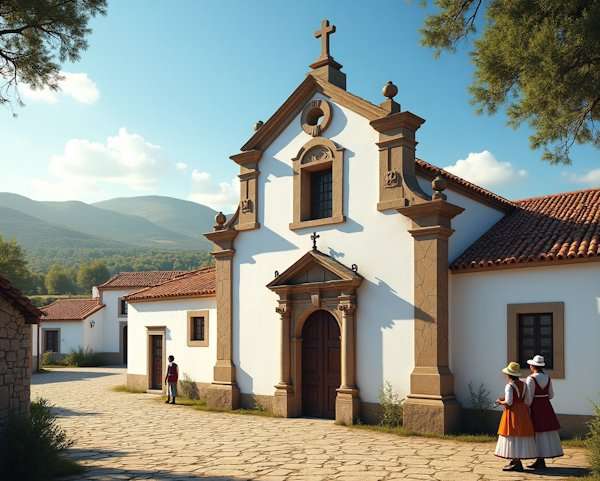
Beja Portugal has amazing hidden gems that reward travelers who venture beyond the usual tourist spots. These off-the-beaten-path attractions show the real essence of the region’s cultural heritage and natural beauty.
Church of Santo Amaro and its Visigothic collection
The Church of Santo Amaro ranks among Portugal’s best examples of Paleo-Christian architecture. Its original structure dates back to the late 5th century when Visigoths settled in the region. This simple church sits outside the city walls near the castle and holds remarkable architectural treasures.
The Queen Leonor Museum’s Visigoth Nucleus has housed one of Portugal’s most valuable Visigothic collections since 1981. The museum displays architectural pieces from Beja municipality, with a focus on decorative elements from religious buildings.
The collection shows the progress from late-Roman influences of the 4th and 5th centuries to the unique Visigothic period (6th-7th centuries). A warrior’s sword found in Beja during the early 1900s stands out, showing the excellent goldsmithing skills of that time.
Núcleo Museológico and Roman ruins
The Núcleo Museológico da Rua do Sembrano gives visitors a unique view of Beja’s ancient past—right under their feet. This modern museum’s glass floor lets you walk above excavated archeological remains.
Construction work in the 1980s led to Iron Age discoveries at this site. Visitors can now look through the clear floor at 2,200-year-old remains. Romans built their structures above these remains, showing how this spot stayed important through thousands of years.
Roman foundations believed to be both a home and a spa catch everyone’s eye. Visitors get plastic slippers to protect the glass viewing surface as they explore this window into Beja’s layered history.
The Charming Mouraria Neighborhood
Mouraria stands as one of Beja’s most genuine cultural quarters. This newly restored area keeps its original charm with very narrow streets that you can best explore by walking. Traditional Alentejo architecture shines through the whitewashed houses with their gray or yellow bands.
The district ends at the Arco das Portas de Moura, an old gate in the medieval wall that once wrapped around the city. Historically rich stone portals decorate houses of all sizes throughout the neighborhood.
Two connected squares—Largo do Salvador and Largo 9 de Abril—welcome visitors at Mouraria’s entrance. The 13th-century Salvador Church, part of an old Franciscan convent, stands here proudly.
Praia Fluvial Dos 5 Reis: Beja’s Surprising Beach Escape
A blue-flag river beach sits just 7 kilometers from downtown Beja, offering a cool break from the Alentejo heat. Praia Fluvial Dos 5 Reis has a large sandy shore washed by Alqueva Dam’s clear waters.
This spotless lakeside beach comes with great amenities. You’ll find plenty of free parking, shallow warm waters perfect for families and a restaurant serving tasty local dishes. The beach area supports water activities like canoeing, sailing and stand-up paddleboarding.
A large wooded area surrounds the beach with walking and cycling trails. Nature lovers can use a hidden bird observatory. Many say the sunsets here rank among Portugal’s best, making evening visits special.
Where to Stay: Best Hotels in Beja Portugal for Every Budget
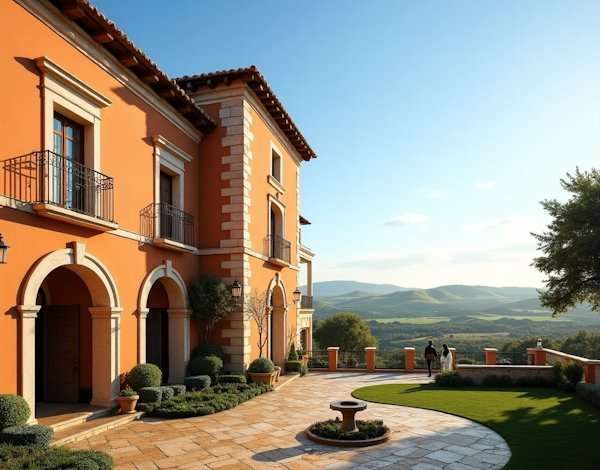
Travelers to Beja Portugal can choose from many places to stay. The options range from historic luxury properties to budget-friendly hostels that show different sides of this charming Alentejo city.
Luxury Accommodations and Historic Properties
The Pousada Convento de Beja stands as the crown jewel of upscale lodging in Beja Portugal. This former 13th-century Franciscan convent boasts almost 800 years of history. The property features 20 rooms that were once monks’ cells and now look out over gardens and a refreshing outdoor pool. Guests enjoy modern comforts like free Wi-Fi while the hotel keeps its historic charm. The on-site restaurant serves traditional Alentejo dishes and there’s a welcoming bar. In fact, the Pousada’s 17th-century Gothic chapel makes a spectacular venue for special events. Rooms start at USD 97 per night.
The Herdade da Malhadinha Nova – Relais & Châteaux represents luxury at its finest in the region. Guests rate it 9.0 “Wonderful”. This exclusive countryside haven combines elegant rooms with vineyards and spa facilities. The premium experience comes at USD 483 per night.
Mid-range Hotel Options in the City Center
Beja’s center hosts several quality mid-range hotels at reasonable prices. The BejaParque Hotel shines with its fantastic breakfast buffet. The hotel sits less than 1.2 miles from major attractions. Guests consistently give it “Very Good” ratings (8.4/10), with rooms priced between USD 64-102 per night.
The Hotel Melius attracts guests with its elegant rooms and balconies just 1640 feet from the city center. Active travelers appreciate its two padel courts, fitness center and games room. Rooms cost USD 65-82 per night.
The Holiday Inn Beja sits a 5-minute walk from Castelo de Beja. Its 9.0 “Wonderful” rating and rooms from USD 60-75 per night make it great value.
Budget-friendly Guesthouses and Hostels
Budget travelers have good options in Beja. The Hotel Bejense in the historic center provides clean, comfortable rooms from USD 64-84 nightly. Hotel Francis faces the exhibition fairground near the bus station. Each room comes with a private balcony and cable TV at similar rates.
The HI Beja – Pousada de Juventude serves as the most affordable option. Beds start at just USD 48 per night, making it perfect to explore the city on a budget.
Unique Stays in the Beja District Countryside
The countryside around Beja holds some special places to stay. Aljana Guest House delights visitors with seven well-designed bedrooms, a swimming pool and organic breakfasts made from local ingredients. Guests can see Beja’s Cathedral bell tower from the property, which offers a quiet alternative to city stays.
The Beja District countryside features several farmstay properties that let visitors experience authentic rural life. These range from cozy cottages to elegant converted farms. Many properties have swimming pools and sit amid the rolling landscapes that make Alentejo famous.
Authentic Flavors: Eating Like a Local in Beja
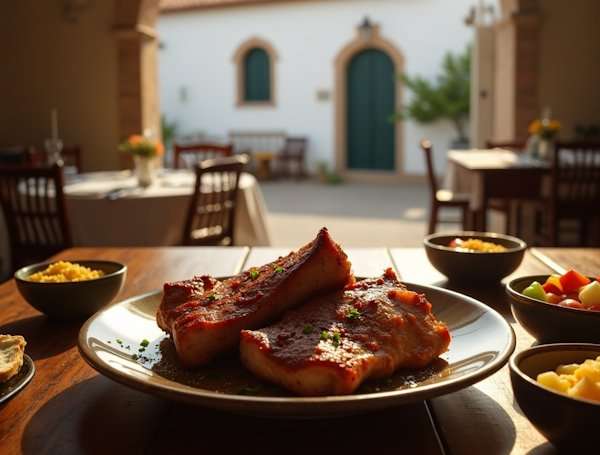
Beja Portugal proudly showcases Alentejo’s rich culinary heritage. The local food scene celebrates centuries of cultural influences and traditional cooking methods that make this agricultural region special.
Must-try Alentejo Dishes and Regional Specialties
Simple ingredients prepared with care form the heart of Alentejo cuisine. Paio de Beja stands out as a regional treasure. This smoked sausage contains 70-90% lean meat from Alentejo breed pigs and gets its flavor from garlic, paprika and salt before smoking over oak wood. Cheese lovers will appreciate Queijo Serpa, a semi-soft sheep’s milk cheese that uses thistle extract instead of animal rennet.
The region’s signature dishes include Açorda à Alentejana (bread soup with garlic, olive oil, and cilantro), Sopa de cação (dogfish soup) and Carne de Porco à Alentejana (pork with clams). Sweet-toothed visitors should try Porcinho Doce (Sweet Pig), a dessert that celebrates the famous black pigs with chocolate frosting and sweet egg custard filling.
Top Restaurants for Traditional Cuisine
You’ll find authentic Alentejo flavors at Adega Tipica, a charming restaurant tucked away in the backstreets. Restaurante Dom Dinis specializes in black pork and serves excellent mixed grills. Pulo Do Lobo brings outstanding regional specialties to the table with generous platters of local delicacies.
Vegetarians can head to Dona Tengarrinha for reasonably priced vegan options, while Sabores do Campo offers a pay-by-weight vegetarian buffet.
Local Wines and Vineyards to Visit
Alentejo is Portugal’s second-largest wine region. The area produces deep red wines that typically blend Aragonez (Tempranillo), Trincadeira, Alicante Bouschet and Castelão grapes. The local white wines feature Antão Vaz, Arinto and Roupeiro varieties.
Wine lovers should visit Herdade dos Grous, a winery and 5-star hotel just 25 minutes from Beja. Herdade da Mingorra, one of the region’s oldest vineyards, welcomes visitors to taste both international and Portuguese varieties. Honrado Vineyards offers something unique at their Cella Vinaria Antiqua Winery-Museum, where you can learn about ancient Roman clay pot wine techniques.
Food Markets and Culinary Experiences
The Saturday morning market near the Church of Santo Amaro comes alive with local farmers selling produce straight from their trucks. This market lets you experience authentic Beja life and pick up regional specialties.
You can also explore local flavors through food tours. Popular options include the Premium Black Pig Barbecue in nearby Mértola and Gastronomic Wine tasting sessions that showcase Alentejo’s culinary heritage.
Day Trips from Beja: Exploring the Wider Beja District Portugal
The city of Beja Portugal has plenty to see, but the surrounding district holds amazing experiences that range from ancient villages to some of Europe’s best stargazing spots.
Historic Towns of Mértola and Serpa
Mértola sits 54km southeast of Beja and fascinates visitors with its dramatic position above where the Guadiana and Oeiras rivers meet. This walled border town was once a vital Mediterranean river port. A striking castle watches over its whitewashed buildings. The town celebrates its Moorish heritage with an Islamic Festival every two years, with the next one planned for May 2025.
Serpa lies thirty kilometers southwest of Moura. This lovely market town sits behind ancient walls where narrow, white streets show off beautiful houses draped in bougainvillea. Cheese lovers flock here each February for the Feira do Queijo do Alentejo (Alentejo cheese festival). The town’s 13th-century castle, 17th-century aqueduct and picture-perfect center create a genuine Alentejo atmosphere.
Natural Wonders of the Alentejo Countryside
The Vale do Guadiana Nature Park has amazing hiking trails where you might spot various wildlife, including the rare black stork. Nature lovers will find scenic paths that showcase the peaceful Guadiana River as it flows through untouched landscapes.
Alqueva Lake Activities and Stargazing
The Alqueva Reservoir, Europe’s largest artificial lake, sits just a short drive from Beja. This area stands out as the world’s first “Starlight Tourism Destination”.
This Dark Sky® Reserve spans roughly 10,000 square kilometers. Alqueva’s clear skies let you see countless stars with the naked eye. Local companies along the Dark Sky® Route provide equipment and expert guidance. Night kayaking tours blend paddling under star-filled skies with local tapas and wine for an enchanting experience.
Wine Routes Through Beja District Portugal
The Alentejo Wine Route gives wine lovers several excellent estates near Beja:
- Herdade dos Grous: This peaceful 1700-acre country estate welcomes visitors with guided tours, wine tastings and fine dining
- Herdade da Malhadinha Nova: This luxury retreat in Beja features seasonal Alentejo dishes created by a Michelin-starred chef
- Herdade da Mingorra: One of the area’s oldest vineyards grows both international and Portuguese grape varieties
The “Guadiana Route” of the Alentejo Wine Route takes you through Mourão, Moura, Vidigueira, Alvito and Viana do Alentejo for a complete wine experience.
Enjoy Beja Portugal
Beja Portugal is a remarkable destination that blends its rich history with modern experiences. This lesser-known jewel of Alentejo rewards you with medieval architecture, museums filled with ancient treasures and peaceful gardens. The best part? You won’t face the crowds common in popular tourist cities.
The city’s traditional Alentejo cuisine, stellar stargazing spots, and quick access to natural wonders like Alqueva Lake make it a perfect hub to explore Portugal’s largest district. The city’s excellent value especially appeals to budget travelers. Local restaurants serve hearty regional dishes at reasonable prices and accommodations won’t break the bank.
The countryside around Beja fascinates visitors with its famous wineries, historic towns and clear dark skies. The city’s 13th-century castle, engaging museums and authentic neighborhoods add to its charm. Getting around is easy too – Beja’s location and transport options let you enjoy both city attractions and rural beauty.
Adventure seekers who want Portugal’s true character will find Beja has everything they want from a Portuguese destination – without tourist crowds or high prices. The city’s welcoming locals and preserved traditions give you a real taste of Portuguese life that becomes more charming each day.
FAQs
Q1. What are the top attractions in Beja, Portugal?
Beja’s main attractions include the 13th-century Castelo de Beja with its 40-meter high keep, the Regional Museum (Museu Rainha D. Leonor) housed in a former convent, the historic city center with its whitewashed buildings and the peaceful Jardim Público (Public Garden).
Q2. How can I get to Beja?
You can reach Beja by train from Lisbon (2-3 hours), by car via the A2 highway (about 2 hours from Lisbon) or by bus with services like FlixBus and Rede Expressos. The nearest major airports are in Faro and Lisbon, both about 2-3 hours away by road.
Q3. What unique experiences does Beja offer?
Beja offers unique experiences such as exploring the Visigothic collection at the Church of Santo Amaro, walking above 2,200-year-old ruins at the Núcleo Museológico, and stargazing at the nearby Alqueva Dark Sky Reserve, the world’s first certified Starlight Tourism Destination.
Q4. What is the local cuisine like in Beja?
Beja’s cuisine features hearty Alentejo specialties like Paio de Beja (smoked sausage), Queijo Serpa (sheep’s milk cheese), Açorda à Alentejana (bread soup), and Carne de Porco à Alentejana (pork with clams). The region is also known for its excellent red wines.
Q5. Is Beja suitable for budget travelers?
Yes, Beja is an excellent destination for budget travelers. The city offers affordable accommodation options, reasonably priced local restaurants, and many free or low-cost attractions. Its lower cost of living compared to more touristy areas in Portugal makes it an attractive option for those seeking authentic experiences without breaking the bank.




Leave A Comment