

Percebes might not look appetizing at first glance. These strange crustaceans cling to Portugal’s wave-battered rocks and sell for €100 to €200 per kilo. These barnacles thrive deep undersea where waves crash violently, making them one of Europe’s most dangerous delicacies to harvest.
The southwestern Portuguese coast of Alentejo yields the finest percebes, but getting them requires incredible effort. Local fishermen risk their lives as they climb down jagged rocks with ropes. They chisel these crusty creatures from their homes between powerful waves. The government issues only about 90 harvesting licenses, which explains why percebes’ price in Portugal swings dramatically from 20 to 125 euros per kilo. Portuguese chefs prepare this seafood simply. They cook it briefly in salt water with a bay leaf and serve it without any garnish.
The sort of thing I love about authentic percebes is finding the perfect spot to enjoy them. Many tourists visit prominent dining spots, but the best percebes eating experiences often hide along Portugal’s rugged coastline. These seven hidden spots give visitors a chance to taste this prized delicacy in its most authentic settings.
Sagres Coast, Algarve

Image Source: Catavino.net
The Atlantic waves crash against Portugal’s Sagres coastline, making it a perfect home for prized percebes. These crustaceans thrive in this southwestern tip of the Algarve, which produces some of the country’s best percebes thanks to its unique ocean geography.
Sagres Coast Percebes Specialties
Local food experts consider Sagres one of Portugal’s best spots for percebes. The experienced harvesters say these barnacles taste exceptional because “there are really big waves because there are more plankton there. The plankton give them a really good taste”. The powerful ocean waves create perfect conditions that give percebes their signature salty flavor and soft texture.
Local restaurants take pride in serving these sea treasures. Places like Restaurante Museu do Perceve (Barnacle Museum Restaurant) and Restaurante Bar Meridiano serve some of the best catches you’ll find. Traditional seafood spots cook percebes the old way – they boil them in salt water for “no longer than it takes to say the Lord’s Prayer” – just under a minute.
You need a special technique to eat percebes. Grab the barnacle’s colorful claw and pull out the meat from its rubbery neck. Portuguese families have enjoyed these “fingers of the sea” this exact way for hundreds of years.
Sagres Coast Percebes Pricing
Sagres percebes cost more because they taste better and are dangerous to harvest. Portuguese markets sell them from €20 to €125 per kilogram. The price changes based on their size, quality, and how hard they were to collect.
People here know the difference between regular percebes and “pinhas” (pine cones) – the bigger ones that show up during major tides when the sea pulls back enough to reach hidden rocks. These special barnacles cost the most.
The prices stay high because of strict rules. Portuguese law lets licensed divers collect no more than 15kg per day. The Sagres fish market is the only place where local percebeiros can legally sell their catch to restaurants and suppliers.
Sagres Coast Local Seafood Culture
Sagres waters have provided fishermen with amazing seafood for centuries. Beyond percebes, you’ll find tamboril (monkfish), carapaus (horse mackerel), sardinhas (sardines) and Peixe Galo (John Dory). The shellfish selection includes camarão e gambas Algarvias (Algarvian shrimp and prawns) – rare fresh catches in Portugal – plus ameijoas (clams), mexilhões (mussels), and ostras (oysters).
Percebes harvesting here is almost like a secret society. Only about 90 people get licenses each year, but competition runs high. Harvesters keep their best spots hidden. One experienced collector told us, “People are careful to not let anyone know their little spots they always go to”.
Sagres’s percebeiros are known as “skilled, tanned, tough as nails, and slightly suicidal”. They climb dangerous cliffs while waves crash around them. This risky job has become part of Sagres’s identity, with some families passing down the tradition through generations.
The local restaurants celebrate their connection to the sea with simple cooking methods that let natural flavors shine. Many places show guests large platters of fresh catch before cooking, letting them pick their fish or shellfish. This open approach from ocean to table makes Sagres a hidden gem for percebes lovers.
Peniche Cliffs, Central Portugal
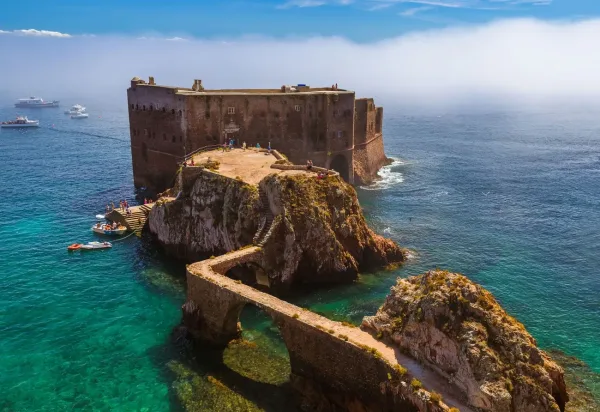
Image Source: Excelente
Peniche, a charming town on Portugal’s central coast, ranks among the country’s best spots to find percebes. This fishing town’s dramatic cliffs and the nearby Berlengas Islands create perfect conditions to harvest Portugal’s most sought-after goose barnacles. The Atlantic’s powerful waves crash against rocky formations and enhance the percebes’ quality in this region.
Peniche Percebes Specialties
The town’s reputation comes from its exceptional percebes, especially those from the Berlengas Islands. These barnacles offer unique flavors because of the area’s special marine environment. Local harvesters explain, “In the Peniche area, there are really big waves because there are more plankton there. The plankton give them a really good taste”.
Marisqueira Mirandum has been the go-to spot for percebes lovers since 1981. This family restaurant’s specialty features goose barnacles that local mariscadores collect seasonally from the Berlengas Islands. These brave souls “risk it all on the rocks to bring back this prized delicacy”.
The preparation of percebes in Peniche remains simple:
- Bring heavily salted water (approximately 35g salt per liter) to a rolling boil
- Briefly blanch the percebes for 30 seconds to one minute
- Serve immediately while still warm
You eat these delicacies by holding the claw-like tip between your fingers. A gentle squeeze at the base reveals bright orange-pink meat inside. Then you bite off the tender morsel.
Peniche Percebes Pricing
The prices of percebes in Peniche’s markets and restaurants change based on season, size, and harvesting conditions. Portuguese markets sell these barnacles from 20 euros to 125 euros per kilogram. These price differences reflect the extreme danger of harvesting and limited availability.
Larger specimens and those harvested in peak seasons cost more. The national authority issues only 90 harvesting permits, which leads to premium pricing at places like Marisqueira Mirandum.
Market prices decrease after calm sea periods. Local harvesters note: “When they are small and the sea has been calm for too long—maybe a week or more—the market gets flooded because they are easier to harvest when the water is calm”. Winter percebes from shallow waters and summer specimens from deeper areas fetch higher prices because they taste better.
Peniche Local Seafood Culture
Peniche offers more than just percebes. The town’s heritage runs deep with fishing traditions that span generations. Sardine catches and various mollusks make this town a magnet for seafood lovers visiting Portugal.
The local cuisine shows the creativity of Peniche’s working-class roots. Traditional dishes showcase caldeirada de Peniche (fisherman’s stew), raia de molhinho (skate fish with garlic sauce) and alfaquique com açorda de ovas (local fish with fish-roe bread porridge). Quelme seco (salted and dried fish) and sequinho de robalo (a rustic sea bass recipe) offer glimpses into this fishing community’s authentic food heritage.
Percebes hold special importance in this seafood culture. Local harvesters keep their productive spots secret. A veteran percebeiro explains, “People are careful to not let anyone know their little spots they always go to”. This secretive approach comes from economic needs and fierce competition, especially with limited licenses available.
Visitors looking for real percebes experiences should head to places like Marisqueira Mirandum. Here, the connection between sea and table remains clear and direct. Many restaurants let diners pick their seafood before cooking – a practice that shows Peniche’s straightforward approach to seafood.
Costa Vicentina, Alentejo

Image Source: Taste of Lisboa Food Tours
Portugal’s southwestern Alentejo region features the untamed Costa Vicentina coastline. Dramatic cliffs and powerful Atlantic waves create the perfect environment for some of the country’s best percebes. This natural park stands out as one of Portugal’s top percebes harvesting spots, where brave “percebeiros” keep their maritime traditions alive.
Costa Vicentina Percebes Specialties
The percebes from Costa Vicentina are famous for their exceptional quality and unique ocean taste. Local restaurants stick to traditional preparation methods. They cook these delicacies quickly in salt water with a bay leaf and serve them fresh without extras. Locals time the cooking process by saying the Lord’s Prayer – “never more than a minute”.
“O Pescador” (The Fisherman) stands among Porto Covo and Vila do Bispo’s family businesses that have served outstanding percebes for over three decades. These barnacles come to the table with clams, shrimp, oysters and various crab types. The experts here teach a specific way to eat them: grab the barnacle’s colorful claw and pull out the meat from its rubbery neck.
People love pairing their percebes with a cold “imperial” (small Portuguese beer) as they take in the beautiful coastal views. The staff at O Pescador suggests trying their percebes with house favorites like crab and toasted bread, which costs €25 per plate.
Costa Vicentina Percebes Pricing
Costa Vicentina’s percebes come with high price tags because harvesting them is extremely dangerous. Local markets sell them for between €30 and €60 per kilogram, based on their size and quality. Restaurants charge even more – a plate can cost up to €100 at high-end places.
Prices change with the seasons. These barnacles usually vanish from menus after October’s Percebes Festival until spring due to strict rules. Summer months and holidays see the highest prices as tourists flock to the region.
Porto Covo restaurants often include percebes in seafood dishes priced between €14-28, making them part of a broader seafood experience. “O Pescador” serves various options including octopus salad (€15), seafood crispy shrimp (€14), and “Feijoada de Buzios” (€16).
Costa Vicentina Local Seafood Culture
Sea and land come together beautifully in Costa Vicentina’s seafood culture. The region shows off its maritime heritage through everyday cooking and special events like Vila do Bispo’s annual Festival do Perceve. This three-day celebration includes:
- Delicious seafood stalls showcasing regional specialties
- Live music performances
- Tributes to the brave men and women who harvest Percebes
The festival honors the dangerous work of Percebes harvesting. This job ranks among Portugal’s most hazardous professions, as harvesters climb steep cliffs against powerful Atlantic waves. Costa Vicentina’s percebeiros work under strict licenses that limit them to harvesting 15kg per diver daily.
The region’s food scene goes beyond Percebes. Local kitchens serve up seafood açordas, fresh fish cataplanas and countless dishes that showcase the ocean’s bounty. Restaurants pair these meals with local wines, fresh-baked bread, artisan cheeses and traditional sausages.
Porto Covo and Vila do Bispo restaurants let visitors taste authentic Percebes and other local favorites. These places keep Portuguese coastal cooking traditions alive, serving up the Atlantic’s most prized – and dangerous to harvest – delicacy.
Cabo Sardão, Southwest Coast
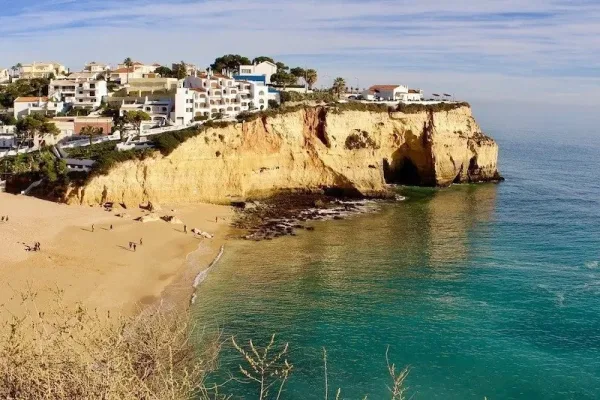
Image Source: Lisbon Guru
The dramatic cliffs of Cabo Sardão, crowned by its iconic lighthouse, are home to Portugal’s most secluded percebes hunting spots. This remote headland between Zambujeira do Mar and Cavaleiro holds amazing marine treasures. Local fishermen swear these waters yield percebes that taste better than any found along the Southwest Coast.
Cabo Sardão Percebes Specialties
You’ll know Cabo Sardão percebes by their sweet, briny taste that locals say tastes “like a cross between crab and lobster”. These goose barnacles—nicknamed “dinosaur feet” for their prehistoric look—thrive here. The powerful waves create perfect growing conditions rich in oxygen and plankton.
The traditional cooking method here stays simple, unlike other coastal spots:
- Boil briefly (typically 1-2 minutes) in heavily salted water with a single bay leaf
- Serve immediately without garnishes to preserve natural flavors
- Pair with a cold “imperial” (small Portuguese beer) for the true local experience
To eat these treats properly, grip the colorful claw-like part and pull to get the tender meat from the rubbery neck. New eaters often say the texture is “a little bit chewy” with a “super juicy squid-like” feel.
Cabo Sardão Percebes Pricing
These prized barnacles sell for €100-€200 per kilogram, with prices changing based on size, quality and season. A typical portion (15-20 barnacles) costs €25-30 at local spots.
The region’s unique factors affect these prices:
The extreme danger of harvesting drives up the cost. Local percebeiros must guide themselves down treacherous cliff faces where Atlantic waves crash endlessly. Buyers pay for both the delicacy and the risks taken to collect it.
Winter brings larger specimens and higher prices. These premium “pinhas” (pine cones) can fetch up to €500 per kilogram at high-end restaurants serving international guests. Local spots mainly serve Portuguese visitors, which keeps prices steady year-round.
Cabo Sardão Local Seafood Culture
The seafood scene at Cabo Sardão keeps its genuine character, which many Portuguese fishing villages have lost. The small hamlet of Cavaleiro still uses traditional fishing methods and percebes harvesting skills pass from parent to child.
The area sits within the “Parque Natural do Sudoeste Alentejano e Costa Vicentina” (PNSACV). It’s one of three regions in Portugal with special percebes fishing rules. Conservation rules set a 4cm minimum size to protect young barnacles.
Local restaurants might look simple but serve exceptional seafood. At places like Restaurante O Sacas, owners pick their daily catch at local fish auctions. This direct connection from ocean to plate shows the area’s dedication to authentic seafood.
The waters here offer more than just percebes. Sargo (white seabream) swimming in Cavaleiro’s waters shares menu space with tamboril (monkfish) and various local shellfish.
Cabo Sardão’s percebes fishermen are a close group known as “skilled, tanned, tough as nails, and slightly suicidal”. These brave souls work during morning low tides. They climb down rocky ledges with special tools while partners hold safety lines above—a dangerous job that claims lives each year in the Atlantic’s fierce waters.
Cabo Sardão, Southwest Coast
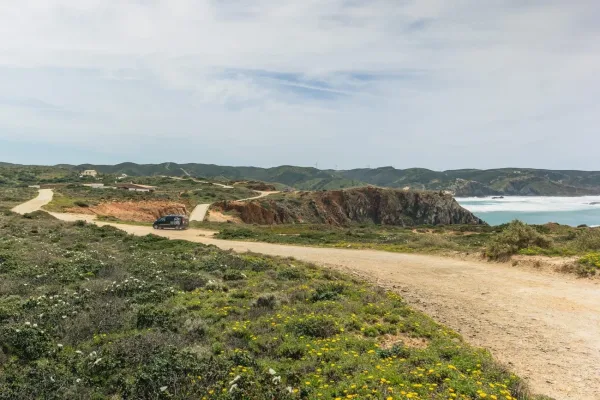
Image Source: Walking Tours Portugal
Arrifana, a charming fishing village on Portugal’s southwestern Atlantic coast, has become the go-to spot for percebes lovers. This beautiful coastal settlement sits along the Vicentine Route and lets visitors taste Portugal’s most dangerous-to-harvest delicacy while taking in breathtaking natural views.
Arrifana Percebes Specialties
The village takes pride in its simple way of preparing percebes. Local restaurants stick to tradition. They cook these barnacles quickly in salt water with a bay leaf and serve them fresh without any extras. This simple preparation brings out their natural taste, which many people say combines the best of lobster and oyster.
Here’s the best way to eat percebes in Arrifana:
- Hold the tough outer shell
- Pull until you see the tender meat
- Enjoy the salty taste that brings the Atlantic right to your plate
The locals will tell you nothing beats eating percebes with a cold “imperial” (that’s what Portuguese call a small draft beer) while looking out at the Costa Vicentina. Tasca d’Arrifana has become a favorite spot among newcomers. Seafood lovers rave about their “juicy clams” and “perfectly seasoned shrimp” along with their excellent percebes.
Arrifana Percebes Pricing
These barnacles don’t come cheap. The high prices come from the extreme risks taken to harvest them. Percebes grow deep underwater where waves crash hard, making them tough to reach. The brave fishermen, known as “percebeiros,” risk everything. They climb down sharp cliffs and fight powerful Atlantic waves just to get these barnacles off the rocks.
You’ll find percebes selling between €100 and €200 per kilogram. The price changes based on:
- How big and good the percebes are
- What time of year it is (best from April through August)
- Weather and tide conditions during harvest
These prices show both the danger and strict rules around catching percebes. Portugal protects these barnacles by limiting fishing permits to keep them around for years to come.
Arrifana Local Seafood Culture
Percebes are the life-blood of Arrifana’s food scene. The locals know barnacle harvesting ranks among the most dangerous jobs in the world. Yet this risky work remains central to their seafood heritage.
Arrifana’s seafood culture includes much more than just percebes. The traditional menu features:
- Octopus in olive oil served with sweet potatoes – a local favorite
- Fresh fish stew made daily
- Fried moray eels cooked using old family recipes
The village takes pride in its local ingredients. Most food comes “grown or fished around the corner”. Smart visitors head to the daily market in nearby Aljezur. They find percebes and other seafood at much better prices than tourist spots.
The best way to enjoy percebes? Join the locals at sunset. You can eat at restaurants or join beach barbecues that show off the special bond between the ocean and dinner table. This down-to-earth approach to seafood shows how Arrifana keeps Portugal’s seafood traditions alive.
Zambujeira do Mar
Zambujeira do Mar sits on the beautiful Alentejo coast. This foodie’s paradise brims with fresh seafood and serves as a hidden gem for percebes lovers. The charming fishing village gives visitors an authentic taste of Portugal’s most prized barnacles away from crowded tourist spots.
Zambujeira Percebes Specialties
Local restaurants serve percebes with elegant simplicity that explains their natural flavors. Chefs prepare these goose barnacles briefly in salt water with a bay leaf and serve them straight from the catch without extras. This simple approach lets you taste the crustaceans’ unique flavor—a mix of sweet crab meat and Atlantic saltiness.
The best way to enjoy percebes is with a cold imperial (small Portuguese beer) while gazing at the stunning Costa Vicentina coastline. You’ll need to hold the tough outer shell and pull to find the tender meat inside. Friendly locals often show newcomers the right way to crack and eat these unusual treats.
Seafood enthusiasts come to Zambujeira searching for its famous “giant percebes”. These bigger barnacles come from the most treacherous rock formations and taste better with superior texture.
Zambujeira Percebes Pricing
A kilogram of percebes costs between USD 170 and USD 250. The price changes based on how easy they are to find, their size and harvest conditions. You’ll pay about USD 100 for a pound, which gives you 15 to 20 pieces.
The best percebes can cost up to USD 500 per pound. These premium prices show how dangerous they are to harvest and how rare these wild-caught delicacies are. You’ll find them mostly in late spring and early summer.
Zambujeira Local Seafood Culture
The fishing villages along this Atlantic shore keep their ancient bond with the sea alive. Local fishing methods pass from parent to child, bringing the freshest catch to your table while preserving cultural traditions.
Zambujeira’s menu goes beyond percebes and has:
- Fresh daily grilled fish (sargos, robalos, linguados)
- Classic seafood stews and açordas
- Feijoadas made with cuttlefish and whelks
Marisqueira Costa Alentejana stands out among local restaurants with its famous “Shellfish Boats”. They serve ocean-to-table feasts with lobster, spider crab and other shellfish from the rocky coast.
Azenha do Mar gives you the real Zambujeira seafood experience. This modest restaurant proves that “the real luxury is on the plate and in the view”. Fresh grilled fish arrives at your table while you look out at the endless Atlantic horizon—the perfect spot to enjoy Portugal’s most dangerous-to-harvest delicacy.
Ericeira Fishing Village
Ericeira, Portugal’s celebrated seafood capital, sits just 45 minutes from Lisbon. This charming fishing village lets you experience authentic percebes food in places that have mastered their craft over generations.
Ericeira Percebes Specialties
César Marisqueira and Tasca da Boa Viagem lead the pack as Ericeira’s best percebes spots. These places have made waves in the food world, not just for their Portuguese seafood but for their exceptional gooseneck barnacles.
The cooking stays simple. Chefs boil percebes in salted water for a minute and serve them hot. Local chefs stick to this basic method to keep the natural ocean taste that many say combines the flavors of lobster and clam.
Eating percebes needs a special touch. You grab the barnacle, give it a squeeze, and eat the inner tube that pops out. This hands-on way of eating connects you right back to Portugal’s seafaring roots.
Ericeira Percebes Pricing
These rare delicacies don’t come cheap in Ericeira. A small plate costs around €70, making them some of the priciest seafood you’ll find in Portugal.
The prices jump up and down based on what’s available, usually between $170 to $250 per kilogram. You’ll pay about $100 for a pound, which gets you 15 to 20 barnacles. The best ones can cost up to $500 per pound.
Ericeira Local Seafood Culture
The bond between Ericeira’s people and the sea shows up on every plate. Fish and seafood are must-haves in most local meals. Seafood restaurants pop up all over the village.
Beyond percebes, local waters give us:
- Sea urchins (ouriço) – a local treasure best enjoyed from December through March
- Premium fish varieties – grouper, sea bream, sea bass, sole and bream, all grilled over charcoal
- Special ray dishes – dried and cooked in traditional ways like Raia Seca à Lagareiro
Local fishermen bring fresh catches to shore daily, creating a food scene that draws wealthy visitors looking for the best seafood around. The village’s way of handling seafood shows how they take nature’s gifts and turn them into something special.
Comparison Table
| Location | Key Characteristics | Price Range (per kg) | Notable Establishments | Preparation Method | Local Seafood Specialties |
|---|---|---|---|---|---|
| Sagres Coast | This southwestern tip of Algarve offers perfect wave conditions | €20-125 | Restaurante Museu do Perceve, Restaurante Bar Meridiano | Salt water boiling takes less than a minute | Tamboril, carapaus, sardinhas, Peixe Galo |
| Peniche Cliffs | These dramatic cliffs stand near Berlengas Islands | €20-125 | Marisqueira Mirandum | Salt water blanching between 30-60 seconds | Caldeirada, raia de molhinho, alfaquique |
| Costa Vicentina | This protected natural park welcomes visitors | €30-60 (up to €100 in restaurants) | O Pescador | Quick salt water bath with bay leaf | Seafood açordas, fish cataplanas |
| Cabo Sardão | This remote headland features an iconic lighthouse | €100-200 (up to €500 for premium) | Restaurante O Sacas | Salt water and bay leaf cooking takes 1-2 minutes | Sargo, tamboril, local shellfish |
| Arrifana Beach | This picturesque village thrives on fishing | €100-200 | Tasca d’Arrifana | Salt water and bay leaf create perfect flavors | Octopus in olive oil, fish stew, fried moray eels |
| Zambujeira do Mar | This traditional village celebrates fishing culture | €170-250 | Marisqueira Costa Alentejana, Azenha do Mar | Salt water and bay leaf enhance the taste | Grilled fish, seafood stews, feijoadas |
| Ericeira | This seafood capital sits near Lisbon | €170-250 | César Marisqueira, Tasca da Boa Viagem | One-minute salt water boiling | Sea urchins, grouper, sea bream, dried ray |
Enjoy Percebes Food
Percebes are among Portugal’s most extraordinary culinary treasures that connect food enthusiasts with centuries of maritime tradition. Brave fishermen harvest these peculiar crustaceans at great personal risk, creating a taste experience worth discovering along Portugal’s rugged coastline.
The seven hidden spots we discovered each bring something special to percebes lovers. Sagres Coast yields premium specimens, while Peniche Cliffs showcase extraordinary barnacles from the Berlengas Islands. Costa Vicentina celebrates percebes through local festivals, and Cabo Sardão’s specimens have that distinctive sweet, briny flavor.
These barnacles reveal their magic through simple preparation – a quick plunge in salted water keeps their natural ocean essence. Eating percebes properly has become a ritual that connects diners to Portuguese coastal heritage and makes the experience more meaningful.
Mass tourism hasn’t discovered these seven locations yet, which lets visitors experience authentic percebes culture with locals. Prices vary dramatically from €20 to €500 per kilogram, reflecting both the extreme harvesting dangers and exceptional quality from specific regions.
Food lovers who explore beyond typical Portuguese seafood will find these hidden percebes spots reward their curiosity. Breathtaking coastal scenery combines with centuries-old harvesting traditions and the incomparable taste of fresh percebes to create an experience that surpasses ordinary dining.
Portuguese percebes mean more than just food – they embody coastal communities’ spirit whose identity remains tied to the dangerous Atlantic waters that shape their lives. These seven hidden spots give visitors a chance to experience both a gastronomic adventure and Portugal’s authentic maritime soul.
FAQs
Q1. Where can you find the best percebes in Portugal?
The best percebes in Portugal can be found along the rocky coastlines of regions like Sagres, Peniche, Costa Vicentina and Cabo Sardão. These areas are known for their high-quality barnacles due to the strong Atlantic waves and rich plankton content in the water.
Q2. What do percebes taste like?
Percebes have a unique flavor often described as a cross between lobster and clam. They have a sweet, briny taste that captures the essence of the ocean, with a tender texture that’s slightly chewy.
Q3. How are percebes typically prepared in Portugal?
In Portugal, percebes are usually prepared very simply. They are briefly boiled in salted water, often with a bay leaf, for about 1-2 minutes. They are then served immediately, without any garnishes, to preserve their natural ocean flavor.
Q4. Why are percebes so expensive?
Percebes are expensive due to the extreme danger involved in harvesting them. Fishermen risk their lives climbing down steep cliffs and battling strong waves to collect these barnacles from rocks. The limited supply and high demand also contribute to their premium pricing.
Q5. What’s the proper way to eat percebes?
To eat percebes, grasp the tough outer shell or “claw” end, then gently squeeze the base to reveal the bright orange-pink meat inside. Bite off the tender morsel and discard the outer shell. It’s often enjoyed with a cold beer for an authentic Portuguese experience.









Leave A Comment