

Why Americans Are Moving to Costa Rica
Many American expats are drawn to Costa Rica’s natural beauty and relaxed lifestyle
Costa Rica continues to attract American expats for numerous compelling reasons. The country’s political stability stands in stark contrast to many of its Central American neighbors, with a democratic tradition dating back to 1949 and no standing army. This peaceful approach to governance creates a secure environment that many Americans find appealing.
The affordability factor is significant for many expatriates. While not the cheapest country in Central America, Costa Rica offers a high quality of life at a fraction of U.S. costs. Retirees can stretch their pensions further, while remote workers find their dollars go much further than in major American cities.
The country’s commitment to environmental protection has resulted in stunning natural beauty, with approximately 25% of land designated as protected areas. From misty cloud forests to pristine beaches, the diverse ecosystems provide endless opportunities for outdoor activities and exploration.
Who Typically Moves to Costa Rica
Retirees
Many Americans choose Costa Rica for retirement, taking advantage of the Pensionado visa program, which requires only $1,000 in monthly income. The combination of affordable healthcare, pleasant climate, and relaxed pace makes it ideal for this life stage.
Remote Workers
With the rise of remote work, Costa Rica has seen an influx of digital nomads and location-independent professionals. The country’s reliable internet infrastructure, growing coworking scene, and new Digital Nomad visa make it attractive for those who can work from anywhere.
Entrepreneurs
Business-minded expats often find opportunities in tourism, real estate, and services catering to both locals and the expat community. Costa Rica’s stable economy and growing expat population create niches for innovative businesses.
Families
Increasingly, American families are relocating to Costa Rica, drawn by the country’s excellent international schools, safe environment, and the opportunity to raise children with a global perspective and bilingual skills.
Residency Options for American Expats
Understanding your residency options is crucial when planning a move to Costa Rica. Americans have several pathways to legal residency, each with different requirements and benefits. Here’s what you need to know about the most common visa categories:
Tourist Visa
Americans can enter Costa Rica as tourists for up to 90 days with just a valid passport. While this isn’t a long-term solution, it allows you to explore the country before committing to a more permanent status. Many expats make “border runs” to Nicaragua or Panama every 90 days to renew their tourist status, though immigration officials may eventually require you to establish formal residency.
Pensionado (Retiree) Program
This popular option requires proof of a lifetime pension or retirement income of at least $1,000 per month. As a pensionado, you’ll enjoy various benefits, including import tax exemptions on household goods and a personal vehicle.
Rentista (Income-Based)
If you’re not retired but have a stable income, the Rentista program might be suitable. You’ll need to demonstrate a guaranteed monthly income of at least $2,500 for two years or make a deposit of $60,000 in a Costa Rican bank.
Inversionista (Investor)
For those with capital to invest, this category requires a minimum investment of $150,000 in a Costa Rican business, real estate, or government-approved projects. The investment must benefit the country economically.
Digital Nomad Visa
Costa Rica recently introduced a specific visa for remote workers and digital entrepreneurs. This visa allows you to live in Costa Rica for up to two years while working for employers or clients outside the country. You’ll need to prove a stable monthly income of at least $3,000 (or $4,000 for families).
| Residency Type | Income Requirement | Duration | Renewal | Work Restrictions |
| Pensionado | $1,000/month pension | 2 years | Renewable | Cannot work as employee |
| Rentista | $2,500/month or $60,000 deposit | 2 years | Renewable | Cannot work as employee |
| Inversionista | $150,000 investment | 2 years | Renewable | Can work in own business |
| Digital Nomad | $3,000/month ($4,000 for families) | 1 year | +1 year extension | Remote work only |
Permanent Residency
After maintaining temporary residency for three years, you can apply for permanent residency. This status offers more stability and fewer renewal requirements. Permanent residents can legally work in Costa Rica without additional permits.
Application Process
The residency application process can be complex and time-consuming. Most expats hire a local attorney to navigate the bureaucracy. You’ll need to provide various documents, including:
- Valid passport
- Birth certificate
- Police/criminal background check from the FBI
- Marriage certificate (if applicable)
- Proof of income or pension
- Application forms and photos
All documents must be apostilled (authenticated) by the U.S. Department of State and translated into Spanish by an official translator in Costa Rica.
Important: The residency process can take anywhere from 3-12 months, depending on your application type and current processing times. Budget approximately $1,500-4,000 for the entire process, including application fees, document authentication, translations, and attorney fees.
Get Your Free Costa Rica Residency Guide
Navigate the residency process with confidence. Our comprehensive guide includes step-by-step instructions, document checklists, and expert tips to avoid common pitfalls.
Cost of Living in Costa Rica
Understanding the financial aspects of your move to Costa Rica is essential for proper planning and budgeting. While the cost of living is generally lower than in the United States, it’s higher than in many other Central American countries. Here’s a breakdown of what you can expect:

Local markets (ferias) offer fresh, affordable produce for expats living in Costa Rica
Monthly Expenses Comparison
| Expense Category | Costa Rica (USD) | United States (USD) | Savings |
| One-bedroom apartment (city) | $400-800 | $1,200-2,500 | 60-70% |
| Utilities (electricity, water) | $75-150 | $150-250 | 40-50% |
| Internet | $40-70 | $60-100 | 30-40% |
| Groceries (couple) | $300-500 | $500-800 | 35-40% |
| Dining out (meal for two) | $25-50 | $50-100 | 50% |
| Healthcare (private insurance) | $75-150 | $400-800 | 80% |
| Transportation (local) | $30-50 | $75-150 | 60-70% |
Factors Affecting Your Budget
Several elements will influence your personal cost of living when moving to Costa Rica:
Location
Urban areas like San José are generally more expensive than rural regions. Coastal towns, especially those popular with tourists, often have higher prices than inland communities.
Lifestyle Choices
Importing American products versus embracing local options can significantly impact your budget. Expats who adapt to local foods and entertainment options typically spend much less.
Housing Preferences
Luxury accommodations versus modest dwellings make a huge difference. A simple Tico-style home might cost $500/month, while a modern condo with amenities could be $1,500+.
Transportation
Owning a car is expensive due to import taxes (up to 50-80% of the vehicle’s value). Using public transport or living in walkable areas can save thousands annually.
Sample Monthly Budgets
Budget Living
$1,500-2,000/month
- Small apartment in non-tourist area
- Public transportation
- Local markets for groceries
- Public healthcare (Caja)
- Occasional dining out at sodas (local eateries)
Comfortable Living
$2,500-3,500/month
- 2-bedroom home in expat-friendly area
- Mix of public transport and occasional car rental
- Mix of local and imported groceries
- Hybrid healthcare (Caja + private)
- Regular dining out, some entertainment
Luxury Living
$4,000+/month
- Upscale home/condo with amenities
- Car ownership
- Premium groceries and imports
- Private healthcare only
- Frequent dining out, travel, entertainment
Most expats report living comfortably on $2,000-3,000 per month for a couple, including housing, food, transportation, healthcare, and entertainment. However, it’s possible to live on less in rural areas or spend significantly more with a luxury lifestyle.
Healthcare System in Costa Rica
Costa Rica boasts one of Latin America’s best healthcare systems, offering both public and private options that provide quality care at a fraction of U.S. costs. Understanding how the system works is essential for expats planning to relocate.

Costa Rica’s private healthcare facilities offer high-quality care at affordable prices
Public vs. Private Healthcare
Public Healthcare (Caja)
The Caja Costarricense de Seguro Social (CCSS), commonly called “Caja,” is Costa Rica’s universal healthcare system. As a legal resident, you’re required to contribute to this system based on your income (typically 7-11% of declared income).
Benefits:
- Comprehensive coverage including preventive care, surgeries, and medications
- No pre-existing condition exclusions
- Nationwide network of clinics and hospitals
- Very low out-of-pocket costs after monthly contribution
Limitations:
- Wait times for non-emergency procedures
- Possible language barriers
- Limited choice of physicians
Private Healthcare
Many expats combine Caja with private healthcare for the best of both worlds. Private care costs remain significantly lower than in the U.S.
Benefits:
- Shorter wait times
- English-speaking providers
- Greater doctor choice
- Modern facilities and technology
Costs:
- Doctor’s visit: $50-80
- Specialist consultation: $80-150
- Major surgeries: 50-70% less than U.S. prices
- Private insurance: $75-200/month depending on age
How to Enroll in the National Healthcare System (Caja)
Enrolling in Costa Rica’s Caja healthcare system requires completed residency status with a DIMEX card. The process involves:
- Gathering documentation (residency card, passport, proof of address, marriage certificate if applicable)
- Visiting your local EBAIS clinic
- Completing application forms and declaring your income
- Paying your initial premium
- Receiving your Caja healthcare card (usually within 1-2 weeks)
Health Insurance Options for Expats
While enrolled in Caja, many U.S. citizens living in Costa Rica also maintain:
- International health insurance plans: Companies like Cigna Global, GeoBlue, and IMG offer plans specifically designed for expats
- Travel medical insurance: Short-term coverage for new arrivals
- Private Costa Rican insurance (INS): The national insurance provider offers affordable plans
- Medicare: Note that Medicare generally doesn’t cover care outside the U.S., so supplemental coverage is necessary
Pro Tip: Bring detailed medical records and a supply of any prescription medications to cover the transition period while establishing care in Costa Rica.
Speak with a Healthcare Relocation Specialist
Get personalized advice on healthcare options in Costa Rica. Our specialists can help you understand insurance choices, estimate costs, and plan for your specific health needs.
Best Places to Live in Costa Rica for American Expats
Costa Rica offers diverse living environments, from bustling urban centers to tranquil mountain villages and sun-drenched beach towns. Each area has its own unique character, amenities, and lifestyle, making it essential to consider your personal preferences and priorities before making a decision.
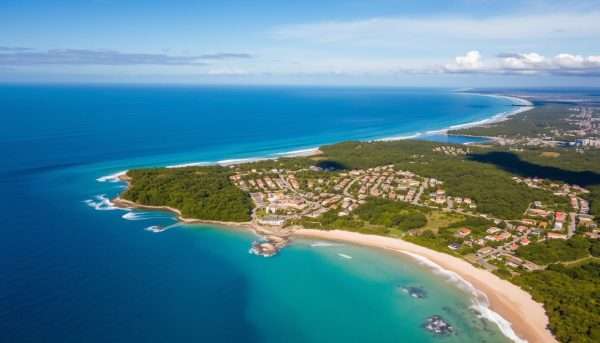
Tamarindo is one of the most popular coastal towns for American expats in Costa Rica
Central Valley: San José, Escazú, and Santa Ana
The Central Valley region, including the capital city of San José and its surrounding suburbs, is the most popular area for expats seeking modern amenities and a cosmopolitan lifestyle. The higher elevation (3,000-5,000 feet) means milder temperatures year-round, typically 65-80°F (18-27°C).
Escazú
Known as the “Beverly Hills of Costa Rica,” Escazú offers upscale living with modern shopping malls, international restaurants, and luxury housing options. It’s home to the country’s best private hospitals and international schools, making it popular with families and retirees who want convenient access to healthcare.
Santa Ana
Just west of Escazú, Santa Ana offers a more suburban feel with slightly lower costs. The area has seen significant development in recent years, with many gated communities, office parks, and commercial centers. It’s particularly popular with working professionals and digital nomads.
Pacific Coast: Guanacaste and Puntarenas
Costa Rica’s Pacific coast attracts expats seeking beach living and outdoor activities. The climate is warmer and drier than the Central Valley, with temperatures typically ranging from 75-95°F (24-35°C).
Tamarindo
This lively beach town in Guanacaste province has a significant expat population, vibrant nightlife, and excellent surfing. It offers a good balance of amenities and beach lifestyle, with plenty of restaurants, shops, and services catering to foreigners.
Nosara
Known for its yoga retreats and wellness focus, Nosara attracts health-conscious expats. The area is more spread out and integrated with nature, with strict development regulations that preserve its charm. It’s particularly popular with surfers and those seeking a mindful lifestyle.
Manuel Antonio
Located in Puntarenas province, this area is renowned for its breathtaking natural beauty, wildlife, and proximity to the famous national park. It offers a good mix of tourist amenities and authentic Costa Rican culture.
Southern Zone: Dominical, Uvita, and Ojochal
The Southern Zone offers a more off-the-beaten-path experience with lush jungle, stunning beaches, and a slower pace of life. This region receives more rainfall than Guanacaste but rewards residents with incredible biodiversity and verdant landscapes.
These communities are known for their strong expat networks, eco-conscious living, and relative affordability compared to more developed areas. The Southern Zone is ideal for nature lovers and those seeking a quieter lifestyle away from tourist crowds.
Caribbean Coast: Puerto Viejo and Cahuita
Costa Rica’s Caribbean coast offers a distinct cultural experience influenced by Afro-Caribbean traditions. The vibe is relaxed and bohemian, with a focus on simple living and natural beauty. This region tends to be more affordable than the Pacific coast but has fewer amenities and infrastructure.
Choosing the Right Location: Factors to Consider
Climate Preferences
Costa Rica has multiple microclimates. The Central Valley offers eternal spring, while coastal areas are hot and humid. Mountain towns like Monteverde are cooler and misty.
Lifestyle Needs
Consider what matters most: beach access, cultural activities, shopping, or natural surroundings. Each region offers a different balance of these elements.
Infrastructure Requirements
If reliable internet, modern healthcare, and good roads are priorities, stick to the Central Valley or developed beach towns. Remote areas offer more natural beauty but fewer conveniences.
Community
Some areas have large, established expat communities with plenty of English speakers, while others offer more immersion in local culture. Consider which environment would make you feel most comfortable.
Banking and Financial Matters
Managing your finances effectively is a crucial aspect of relocating to Costa Rica. Understanding the banking system, currency exchange, and tax implications will help you maintain financial stability during and after your move.

Many expats manage accounts in both countries through online banking
Opening a Bank Account
As a U.S. citizen, you can open a Costa Rican bank account, but the process is more complex than in the United States. Here’s what you need to know:
Documentation Requirements
- Passport
- Proof of legal residency (or evidence of residency application in process)
- Proof of address (utility bill)
- Reference letters (usually required)
- Initial deposit (varies by bank)
The most recommended banks for expats are Banco Nacional, BAC San José, and Scotiabank. Expect the account opening process to take several hours and potentially multiple visits. Having a Spanish-speaking friend accompany you can be incredibly helpful.
Many expats maintain accounts in both countries, using U.S. accounts for receiving income and Costa Rican accounts for local expenses. Online banking and international transfer services like Wise (formerly TransferWise) make managing cross-border finances much easier.
Managing Currency Exchange
Costa Rica’s currency is the colón (CRC), but U.S. dollars are widely accepted in tourist areas and many businesses. To manage currency effectively:
- Maintain accounts in both currencies
- Use bank or currency exchange services rather than hotels or tourist areas for better rates
- Monitor exchange rates with apps like XE Currency to time larger exchanges when rates are favorable
- Be aware that many prices for housing and large purchases are quoted in U.S. dollars
U.S. Tax Obligations
As a U.S. citizen, you must continue filing U.S. tax returns regardless of where you live. The United States taxes its citizens on worldwide income, meaning you must report all income, including that earned in Costa Rica.
However, several provisions help prevent double taxation:
- Foreign Earned Income Exclusion (FEIE): You may exclude up to $120,000 (2023 amount, adjusted annually) of foreign earnings
- Foreign Tax Credit (FTC): Receive credits for taxes paid to Costa Rica
- Foreign Housing Exclusion: Deduct qualified housing expenses
U.S. citizens must also file an FBAR (Foreign Bank Account Report) if their foreign accounts exceed $10,000 at any point during the year. Failure to comply can result in significant penalties.
Costa Rican Tax System
Costa Rica employs a territorial tax system, meaning:
- You’re only taxed on income sourced within Costa Rica
- Foreign-source income (U.S. pensions, investments, or remote work for U.S. companies) is generally not taxed
- Income tax rates range from 0% to 25% depending on income
- Property taxes are relatively low (approximately 0.25% of registered value)
Working with tax professionals experienced in expatriate taxation is highly recommended to ensure compliance with both U.S. and Costa Rican tax laws.
Transportation and Getting Around
Understanding your transportation options in Costa Rica is essential for daily life as an expat. While the country is relatively small (about the size of West Virginia), travel times can be longer than expected due to mountainous terrain, road conditions, and traffic in urban areas.

Many expats choose to own vehicles for exploring Costa Rica’s diverse regions
Driving in Costa Rica
Americans can drive in Costa Rica with a valid U.S. driver’s license for the duration of their tourist visa (typically 90 days). After establishing residency, you’ll need to obtain a Costa Rican driver’s license.
Important Driving Information
- Driving is on the right side of the road
- Road conditions vary widely, with excellent highways between major cities but challenging rural roads
- GPS navigation can be unreliable in remote areas
- Gas prices are higher than in the U.S. (approximately $5-6 per gallon)
- Car insurance is mandatory and can be expensive
- Importing a vehicle incurs high taxes (50-80% of the vehicle’s value)
Driving at night is not recommended in rural areas due to poor lighting, unmarked hazards, and occasional livestock on roads. Heavy rains during the wet season (May-November) can cause flooding and landslides.
Public Transportation Options
Buses
Costa Rica has an extensive and affordable bus network connecting virtually all towns and cities. Buses are the primary mode of transportation for many locals and budget-conscious expats. Intercity buses are generally comfortable and reliable, with fares ranging from $1-10 depending on distance.
Taxis and Ride-Sharing
Official taxis are red with a yellow triangle on the door and should use meters (called “marias”). Uber operates in the Greater San José area and some tourist destinations, often at lower rates than traditional taxis. Other ride-sharing apps like DiDi are also available in urban areas.
Domestic Flights
For longer distances, domestic airlines like Sansa and Skyway connect major destinations. Flights are relatively affordable ($50-100 one-way) and can save significant travel time, especially to remote areas like the Osa Peninsula or Tortuguero.
Shuttle Services
Private and shared shuttle services are popular among tourists and expats for intercity travel. They’re more expensive than buses but offer door-to-door service and greater comfort. Companies like Interbus and Gray Line operate throughout the country.
Transportation Considerations by Region
| Region | Car Necessity | Public Transport | Road Conditions |
| Central Valley | Optional | Excellent | Good |
| Guanacaste | Recommended | Good | Mixed |
| Southern Zone | Highly Recommended | Limited | Challenging |
| Caribbean Coast | Optional | Good | Variable |
Cultural Adaptation and Daily Life
Adapting to Costa Rican culture is one of the most rewarding aspects of relocating, but it can also present challenges. Understanding local customs, communication styles, and daily rhythms will help you integrate more smoothly into your new home.

Participating in local traditions helps expats integrate into Costa Rican communities
Understanding “Pura Vida”
The phrase “Pura Vida” (Pure Life) is more than just a greeting in Costa Rica—it’s a philosophy that embodies the country’s approach to life. This concept emphasizes appreciation for simplicity, taking time to enjoy life’s pleasures, and maintaining a positive attitude.
For Americans accustomed to a fast-paced, efficiency-driven culture, adjusting to the more relaxed Costa Rican tempo can take time. Processes may move slower than expected, appointments might start late, and projects could take longer to complete. Embracing this difference rather than fighting against it is key to a happy life in Costa Rica.
Language Considerations
While Spanish is the official language, the level of English proficiency you’ll encounter varies by region and context:
- Tourist areas and upscale neighborhoods in the Central Valley have many English speakers
- Professional services (doctors, lawyers, real estate agents) in expat-heavy areas often speak English
- Rural areas and everyday situations (grocery shopping, banking, government offices) typically require Spanish
Learning Tip: Even basic Spanish skills will significantly improve your experience. Consider taking classes before arrival or once you’re settled. Many language schools offer immersion programs specifically for expats.
Social Customs and Etiquette
Greetings
Costa Ricans (Ticos) typically greet with a handshake, though women often exchange cheek kisses. Personal space is smaller than in the U.S., and physical contact during conversation is common.
Time Perception
“Tico time” is more relaxed than American punctuality. Social gatherings may start 30+ minutes after the stated time. However, business meetings and medical appointments generally adhere closer to schedule.
Communication Style
Direct confrontation is generally avoided. Costa Ricans may say what they think you want to hear rather than deliver disappointing news. Learning to read between the lines is an important skill.
Dress Code
Despite the tropical climate, Costa Ricans dress more formally than many Americans expect. In professional settings, neat, conservative attire is appropriate. Even in casual settings, Ticos often dress neatly.
Building Community
Finding your place in the community is essential for long-term happiness as an expat. Consider these approaches:
- Join expat groups and social media communities for your area
- Participate in local events, festivals, and farmers’ markets
- Volunteer with community organizations or environmental projects
- Take classes (cooking, dance, language) to meet both expats and locals
- Frequent the same local businesses to build relationships
Connect with Our Expat Community
Join our network of American expats living in Costa Rica. Get insider tips, attend meetups, and make friends who understand the relocation journey.
Share comments below.
Pros and Cons of Living in Costa Rica
Like any relocation decision, moving to Costa Rica comes with both advantages and challenges. Understanding these realistically will help you determine if this tropical paradise is truly the right fit for your lifestyle and expectations.

The natural beauty of Costa Rica is a major draw for many American expats
Advantages of Living in Costa Rica
- Natural Beauty: Access to stunning beaches, rainforests, volcanoes, and biodiversity
- Pleasant Climate: Year-round warm weather with regional variations to suit preferences
- Quality Healthcare: Excellent medical care at more affordable prices
- Lower Cost of Living: Overall expenses generally below U.S. averages
- Stable Democracy: Long democratic history without a standing army
- Friendly Population: Warm, welcoming locals and established expat communities
- Healthier Lifestyle: Fresh food, active living, and less stress
- Environmental Focus: Progressive policies on sustainability and conservation
- Proximity to U.S.: Direct flights to major U.S. cities (3-5 hours)
Challenges of Living in Costa Rica
- Bureaucracy: Government processes can be slow and paperwork-intensive
- Infrastructure Issues: Roads, power outages, and internet reliability can be frustrating
- Cultural Adjustment: Different pace and perspectives require patience
- Limited Consumer Options: Fewer product varieties than in the U.S.
- Import Costs: Imported goods carry significant taxes and markups
- Language Barrier: Communication challenges for non-Spanish speakers
- Security Considerations: Petty theft and property crime require vigilance
- Distance from Family: Being far from loved ones in the U.S.
- Rainy Season: Heavy rainfall for months can affect mood and activities
Is Costa Rica Right for You?
Costa Rica tends to be a good fit for people who:
- Value experiences over material possessions
- Appreciate nature and outdoor activities
- Are patient and adaptable to different cultural norms
- Have a sense of adventure and openness to new experiences
- Can live without certain U.S. conveniences and products
- Are willing to learn at least basic Spanish
- Have a stable income source or sufficient savings
- Enjoy a slower pace of life
“Costa Rica isn’t perfect, but its imperfections are part of its charm. If you can embrace the differences rather than fight them, you’ll find a quality of life that’s hard to match anywhere else.”
Safety and Security for Expats
Safety concerns are top of mind for many Americans considering a move abroad. Costa Rica is generally considered one of the safest countries in Latin America, but like anywhere, it’s important to understand the realities and take appropriate precautions.

Many expats choose gated communities or condos with security features
Crime Overview
Costa Rica has a lower violent crime rate than many U.S. cities, but property crime and opportunistic theft are relatively common, especially in tourist areas and larger cities. The most frequent security issues expats face include:
- Petty theft (pickpocketing, bag snatching)
- Vehicle break-ins
- Home burglaries (particularly in unoccupied vacation properties)
- Occasional scams targeting foreigners
Regional Safety Considerations
| Region | Safety Level | Main Concerns | Precautions |
| Central Valley | Generally Safe | Petty theft in urban areas | Standard urban awareness |
| Pacific Coast | Mostly Safe | Tourist-targeted theft, beach safety | Secure valuables, swim cautiously |
| Southern Zone | Very Safe | Home security in remote areas | Home security systems |
| Caribbean Coast | Mostly Safe | Property crime, drug activity | Community awareness |
Safety Tips for Expats
Home Security
- Choose properties in secure areas or gated communities
- Install good lighting, secure doors, and window protection
- Consider alarm systems or hiring security for larger properties
- Build relationships with neighbors for community vigilance
Personal Safety
- Avoid displaying wealth or expensive electronics
- Use ATMs in secure locations during daylight hours
- Be cautious when using public transportation at night
- Keep a low profile, especially when newly arrived
The U.S. Embassy in San José provides services to American citizens, including emergency assistance. Register with the Smart Traveler Enrollment Program (STEP) to receive security updates and facilitate contact in emergencies.
Emergency Resources
- Emergency Number: 911 (operators often speak English)
- Tourist Police: 2586-4620
- U.S. Embassy: 2519-2000
- Red Cross (Cruz Roja): 2528-0000
Practical Tips for a Smooth Transition
Moving to Costa Rica requires careful planning and preparation. These practical tips will help you navigate the transition process and avoid common pitfalls experienced by new expats.

Proper planning makes the transition to life in Costa Rica much smoother
Before You Move
Documentation
- Obtain multiple certified copies of important documents (birth certificates, marriage certificates, etc.)
- Get an apostille for key documents from the U.S. Department of State
- Ensure your passport is valid for at least six months beyond your planned arrival
- Organize digital copies of all important documents
Financial Preparation
- Establish online banking and bill payment systems
- Notify your bank and credit card companies of your relocation
- Research the best methods for transferring money internationally
- Build a financial cushion for unexpected expenses (experts recommend 6-12 months of living expenses)
Moving Your Belongings
Shipping household goods to Costa Rica can be expensive and complicated. Many expats choose to:
- Bring only essential items and purchase furniture locally
- If shipping, use an experienced international moving company familiar with Costa Rican customs
- Be aware that imported goods may face high duties (up to 50% of value for some items)
- Consider storing valuable items in the U.S. until you’re certain about your long-term plans
Electronics, appliances, and vehicles are significantly more expensive in Costa Rica due to import taxes. However, the cost of shipping and potential customs duties may outweigh the savings of bringing these items from the U.S.
First Steps After Arrival
- Secure temporary accommodation while you explore different areas
- Open a local bank account as soon as possible
- Purchase a local SIM card or set up phone service
- Begin the residency application process if planning to stay long-term
- Connect with expat groups and local community resources
Common Mistakes to Avoid
Rushing Major Decisions
Take time to explore different regions before buying property or signing a long-term lease. Many expats recommend renting for at least a year before purchasing real estate.
Underestimating Bureaucracy
Government processes move slower than in the U.S. Build extra time into your plans for residency applications, utility connections, and other official procedures.
Isolating Yourself
Some expats create an “American bubble” and never integrate with local culture. This limits your experience and can lead to frustration and loneliness.
Failing to Learn Spanish
While you can get by with English in some areas, learning Spanish significantly improves your quality of life and ability to navigate daily situations.
“The best advice I can give new expats is to come with an open mind and patience. Costa Rica will change you if you let it, and that’s usually for the better.”
Essential Resources for American Expats
Having access to reliable information and support networks is crucial for a successful relocation. Here are key resources to help you navigate your move to Costa Rica and settle in smoothly.

Expat networking events provide valuable connections and information
Official Government Resources
- U.S. Embassy in Costa Rica: https://cr.usembassy.gov/ – Provides services to American citizens, including passport renewals, notarial services, and emergency assistance
- Costa Rican Immigration (DGME): https://www.migracion.go.cr/ – Official source for visa and residency requirements
- Costa Rican Tourism Board (ICT): https://www.visitcostarica.com/ – Helpful for initial research and exploration
- CCSS (Caja): https://www.ccss.sa.cr/ – Information on the public healthcare system
Expat Community Resources
Online Communities
- Expat.com Costa Rica Forum: Active discussion board for expats
- Facebook Groups: “Expats in Costa Rica,” “Americans in Costa Rica,” and region-specific groups
- InterNations Costa Rica: Networking platform with regular in-person events
- ARCR (Association of Residents of Costa Rica): Membership organization providing support services
English-Language Publications
- The Tico Times: https://ticotimes.net/ – Oldest English-language newspaper in Costa Rica
- Q Costa Rica: https://qcostarica.com/ – News and information for expats
- Howler Magazine: https://howlermag.com/ – Lifestyle publication focused on the Guanacaste region
Professional Services
These services can be invaluable during your relocation process:
- Immigration Attorneys: Specialized lawyers who can navigate the residency process
- Relocation Consultants: Professionals who assist with all aspects of moving and settling in
- Real Estate Agents: Look for those who specialize in working with expats
- Tax Advisors: Experts in both U.S. and Costa Rican tax laws for expats
- Language Schools: Formal Spanish instruction to accelerate your integration
Healthcare Resources
- CIMA Hospital: https://www.hospitalcima.com/ – Private hospital with English-speaking staff
- Hospital Clínica Bíblica: https://www.clinicabiblica.com/ – Private hospital in San José
- Hospital La Católica: https://hospitallacatolica.com/ – Private hospital with international patient services
- Cruz Roja (Red Cross): https://www.cruzroja.or.cr/ – Emergency medical services
Ready to Make the Move to Costa Rica?
Our comprehensive relocation guide covers everything you need to know in even more detail, with checklists, timelines, and expert advice from successful expats.
Conclusion: Is Costa Rica Right for You?
Costa Rica offers a unique blend of natural beauty, political stability, and quality of life that continues to attract American expats. The “pura vida” lifestyle provides a refreshing alternative to the fast-paced, high-stress environment many Americans are accustomed to. However, relocating to another country is a significant decision that requires careful consideration of both the benefits and challenges.

Many American expats find a more balanced, fulfilling lifestyle in Costa Rica
For those seeking a lower cost of living, access to quality healthcare, stunning natural environments, and a more relaxed pace, Costa Rica can be an excellent choice. The country’s commitment to environmental protection, peace, and democracy creates a stable foundation for expats looking to build a new life abroad.
However, success as an expat in Costa Rica requires flexibility, patience, and a willingness to adapt to cultural differences. Those who approach the experience with realistic expectations and an open mind tend to thrive, while those who expect everything to function exactly as it does in the United States may struggle.
Before making your decision, we recommend:
- Visiting Costa Rica multiple times, in different seasons and regions
- Connecting with current expats to hear their firsthand experiences
- Carefully evaluating your financial situation and income sources
- Considering how well your personality and preferences align with the Costa Rican lifestyle
- Starting with a trial period before making permanent commitments
Whether you’re seeking retirement in paradise, a base for remote work, or a complete lifestyle change, Costa Rica offers diverse opportunities for American expats. With proper planning, realistic expectations, and an adventurous spirit, you may find that the pura vida lifestyle is exactly what you’ve been searching for.
Frequently Asked Questions
Do I need to renounce my U.S. citizenship to live in Costa Rica?
No. You can maintain your U.S. citizenship while living in Costa Rica permanently. Many expats maintain dual status, keeping their U.S. citizenship while obtaining Costa Rican residency.
Can I drive in Costa Rica with my U.S. license?
Yes, but only temporarily. U.S. tourists can drive with their valid U.S. driver’s license for up to 90 days. After establishing residency, you’ll need to obtain a Costa Rican driver’s license.
What about bringing pets when moving to Costa Rica?
Pets can be imported with proper documentation, including international health certificates, vaccination records, and sometimes an import permit. The process is straightforward but requires planning.
How reliable is internet access for remote workers?
Urban and tourist areas generally have reliable high-speed internet. However, rural areas may have connectivity challenges. Research internet options for your specific location before committing to a property, especially if you’ll be working remotely.
Do I need to pay U.S. taxes while living in Costa Rica?
Yes. U.S. citizens must file tax returns regardless of where they live. However, provisions like the Foreign Earned Income Exclusion and Foreign Tax Credit help prevent double taxation. Consult with a tax professional familiar with expat taxes.


Leave A Comment