

The Historical Significance of Winter Solstice Rituals
Ancient monuments like Stonehenge were precisely aligned to mark the winter solstice sunrise, demonstrating its importance to early civilizations.
The winter solstice has been observed and celebrated since prehistoric times. Archaeological evidence suggests that Neolithic people built monuments specifically aligned with the winter solstice sunrise or sunset. Stonehenge in England, Newgrange in Ireland, and Maeshowe in Scotland all feature architectural elements that capture the solstice light in specific ways, highlighting the importance our ancestors placed on this celestial event.
The Latin word “solstice” comes from “sol” (sun) and “sistere” (to stand still), as the sun appears to pause in its journey across the sky before beginning its return. This astronomical phenomenon occurs between December 20-23 in the Northern Hemisphere when the North Pole reaches its maximum tilt away from the sun.
For agricultural societies dependent on seasonal cycles, the winter solstice represented a critical turning point – a promise that the life-giving sun would return, and with it, the growing season. This natural pivot point became embedded in cultural and religious traditions worldwide, many of which continue in various forms today.
Winter Solstice Rituals Across Different Cultures
Throughout history, diverse cultures have developed unique winter solstice rituals that reflect their relationship with nature, spirituality, and community. While these traditions vary widely, they often share common themes of light, renewal, and celebration during the darkest days.
Norse Yule Traditions

The ancient Norse celebrated Yuletide, a 12-day festival honoring the winter solstice. Central to these celebrations was the Yule log, a specially selected tree that was ceremonially brought into the home and burned continuously for the duration of the festival. This practice symbolized the returning strength of the sun and provided warmth and light during the darkest days.
Norse families would feast on special foods, including ham (dedicated to the god Freyr) and drink mead while telling stories around the fire. They also practiced the tradition of wassailing – singing to the health of trees in orchards to ensure a good harvest in the coming year.
Many modern Christmas traditions, including decorating evergreen trees, hanging wreaths, and gift-giving, have roots in these ancient Norse winter solstice rituals that were later incorporated into Christian celebrations.
Traditional African religions.
Roman Saturnalia Celebrations

The Romans celebrated Saturnalia, a festival honoring Saturn, the god of agriculture and time. This week-long celebration began around December 17th and involved feasting, gift-giving, and a temporary reversal of social roles where masters would serve their slaves. Public spaces were decorated with greenery, and candles were lit to symbolize the search for knowledge and truth.
During Saturnalia, normal social restrictions were relaxed, and a carnival atmosphere prevailed. People would wear colorful clothes instead of the usual white togas, and a “Lord of Misrule” was appointed to oversee the festivities. The phrase “Io Saturnalia” was the customary greeting during this time of merriment.
The Roman tradition of gift-giving during this time influenced modern Christmas customs, as did their practice of decorating with evergreens and lighting candles during the darkest days of winter.
Celtic Winter Solstice Traditions
Celtic peoples marked the winter solstice as a time when the Holly King (representing the waning year) was defeated by the Oak King (representing the waxing year). Druids would gather to cut sacred mistletoe from oak trees using golden sickles, catching it in white cloths before it touched the ground.
Homes were decorated with evergreen plants like holly, ivy, and pine, which represented eternal life and protection against evil spirits. Great bonfires were lit on hilltops to encourage the return of the sun’s warmth and light. Communities would gather around these fires for warmth, storytelling, and to burn symbols of things they wished to leave behind in the old year.
The Celtic tradition of bringing light into the darkness continues today in many winter celebrations, including the modern revival of ancient practices by contemporary Druids who gather at sacred sites to witness the solstice sunrise.
Native American Winter Solstice Ceremonies

Many Native American tribes have distinct winter solstice ceremonies that vary widely across different nations. The Hopi celebrate Soyal, a ceremony that marks the beginning of their ceremonial year. During this time, prayer sticks (pahos) are made and ritual dances are performed to help bring the sun back from its winter journey.
The Zuni people observe Shalako, a ceremony featuring masked figures representing spiritual messengers who bring blessings for the coming year. The Santo Domingo Pueblo performs the Turtle Dance on December 26th, which though now associated with the Christian calendar, has roots in solstice celebrations.
These ceremonies often involve purification rituals, prayers for harmony with nature, and community gatherings that strengthen social bonds during the challenging winter months. Many include sacred fires that symbolize the sun’s light and warmth being reborn.
East Asian Winter Solstice Observances
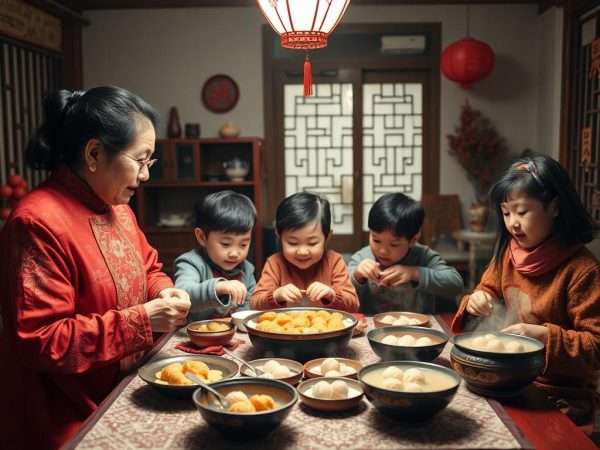
In China, the Dongzhi Festival marks the winter solstice. Families gather to eat tangyuan (sweet rice balls in soup) that symbolize reunion and harmony. The perfectly round shape of these dumplings represents completeness and the coming together of family members. In northern China, dumplings are traditionally eaten as they are said to have been invented by a physician to help people survive winter ailments.
In Japan, the winter solstice is known as Tōji. Traditional practices include taking yuzu baths, where the citrus fruit is floated in hot water to ward off winter illness and bring good fortune. Some areas of Japan also maintain the tradition of eating kabocha squash on the solstice to protect against colds in the coming winter.
Korean people celebrate Dongji with a special red bean porridge called patjuk. The red color is believed to ward off evil spirits, and small rice balls in the porridge represent positive energy. Traditionally, some of this porridge would be placed around the house as an offering to protective spirits.
Modern Pagan and Wiccan Winter Solstice Practices

Contemporary pagan and Wiccan communities celebrate the winter solstice as Yule, one of the eight sabbats or seasonal festivals in their wheel of the year. These modern practices often draw inspiration from ancient traditions while adapting them to contemporary spiritual needs.
Common Yule rituals include lighting candles to symbolize the returning sun, creating evergreen wreaths representing the wheel of the year, and maintaining a Yule log that burns throughout the solstice night. Many groups hold vigils from sunset to sunrise, witnessing the longest night and greeting the dawn with songs and celebrations.
Some traditions include meditation on the darkness as a time of gestation and renewal, setting intentions for the coming light half of the year, and sharing feasts with symbolic foods like nuts, berries, and spiced drinks. The solstice is seen as a powerful time for releasing what no longer serves and welcoming new beginnings.
Common Elements in Winter Solstice Rituals
Despite their diverse origins, winter solstice rituals across cultures share several common elements that reflect universal human experiences of the darkest time of year.
Download Your Free Winter Solstice Ritual Guide
Get our beautifully illustrated guide with step-by-step instructions for 5 authentic winter solstice rituals from different traditions. Includes printable ritual cards, chants, and a planning worksheet.
Light and Fire Ceremonies

The most universal element in winter solstice rituals is the use of fire and light to symbolize the sun’s return. From the Yule log to bonfires, candle ceremonies to lantern festivals, cultures worldwide use flame to represent hope during the darkest days. These light rituals serve both practical purposes—providing warmth and illumination—and symbolic ones, representing the spark of life that persists even in darkness.
Many traditions involve keeping a flame burning throughout the solstice night, symbolizing the protection of the sun’s light during its weakest point. Others feature the gradual building of light, with each person adding their candle to create a growing brightness that represents community strength and shared hope.
In modern adaptations, these fire rituals might take the form of candle meditations, lantern walks, or simply gathering around a fireplace with loved ones to share stories and mark the turning of the year.
Feasting and Food Traditions

Sharing food is central to winter solstice celebrations across cultures. These feasts often feature foods that symbolize abundance, preservation, and hope for the returning fertility of the earth. Root vegetables, preserved fruits, nuts, and grains—foods that can be stored through winter—frequently appear on solstice tables.
Specific foods carry symbolic meaning: round foods like oranges and cookies represent the sun; nuts and seeds contain the promise of new life; dark foods like chocolate or blackberries honor the darkness; while golden foods like corn bread celebrate the returning light.
Spiced drinks are common in many traditions, with ingredients like cinnamon, cloves, and ginger providing warmth from within. These warming spices were historically valuable for their preservative properties and ability to boost circulation during cold months.
Gift-Giving Traditions
The exchange of gifts during the winter solstice period appears in numerous cultural traditions, from the Roman Saturnalia to modern Christmas practices. These gifts originally tended to be simple and symbolic—often handmade items, food, or tokens that represented good wishes for the coming year.
In many traditions, gifts were exchanged to strengthen community bonds during the challenging winter months when mutual support was essential for survival. Some cultures practiced specific forms of generosity, such as the Scandinavian tradition of leaving food for house spirits or the Celtic custom of giving offerings to sacred trees.
Today, many people seeking meaningful winter solstice rituals choose to exchange gifts that represent personal growth, natural materials, or experiences rather than commercial products, reconnecting with the original spirit of solstice gift-giving.
Nature-Based Ceremonies

Connection with the natural world forms the foundation of most winter solstice rituals. Many traditions involve gathering evergreen plants like pine, holly, ivy, and mistletoe, which remain green through winter and symbolize enduring life. Creating wreaths, garlands, and decorations from these plants brings their resilient energy indoors.
Observing the solstice sunrise or sunset at special locations is another widespread practice. Some communities make pilgrimages to places where the solstice light creates specific effects, such as illuminating particular stones or entering specific chambers in ancient monuments.
Other nature-based rituals include walking meditative spirals made of evergreen boughs, creating nature mandalas with seasonal materials, or simply spending time in quiet observation of the winter landscape, acknowledging its dormant beauty and the subtle signs of life that persist even in the coldest months.
Spiritual landmarks in the bible.
Reflection and Spiritual Practices

The winter solstice naturally invites introspection and inner work. Many traditions include rituals of reflection, releasing the old year, and setting intentions for the new cycle. The darkness becomes a metaphor for the unconscious mind, dreams, and the gestation of new ideas.
Practices might include writing down what one wishes to release and burning these notes in a solstice fire; creating vision boards for the coming year; or engaging in divination practices that were traditionally believed to be especially powerful during this liminal time when the veil between worlds was thought to be thin.
Meditation, prayer, and chanting are common across different spiritual traditions during the solstice. These practices often focus on themes of finding inner light during dark times, honoring both the necessary rest of winter and the promise of returning activity.
Incorporating Winter Solstice Rituals into Modern Life
You don’t need to follow a specific spiritual tradition to find meaning in winter solstice rituals. Here are practical ways to incorporate these ancient practices into contemporary life, whether you’re celebrating alone, with family, or in community.
Creating a Personal Solstice Ritual

Creating your own winter solstice ritual can be simple yet meaningful. Start by setting aside time on or near the solstice (December 21st in the Northern Hemisphere) for intentional practice. This might be just before dawn to greet the sunrise, at sunset to acknowledge the longest night, or any time that works with your schedule.
Consider creating a small altar or focal point with items that represent the season: candles for returning light, evergreens for enduring life, seeds or nuts for potential, and objects that symbolize what you wish to release or welcome. Natural materials like pinecones, stones, dried fruits, or branches make meaningful decorations.
Your ritual might include lighting candles while speaking intentions, writing reflections in a journal, sitting in meditation, or simply taking a moment to acknowledge the turning of the seasonal wheel. The key is creating space for mindful connection with natural cycles.
Family and Community Celebrations

Sharing winter solstice rituals with others can strengthen bonds and create meaningful traditions. For families with children, craft activities like making orange pomanders studded with cloves, creating bird feeders, or dipping beeswax candles can be both fun and meaningful ways to mark the season.
A solstice feast is another accessible way to celebrate. Invite each person to bring a dish that represents light, warmth, or hope. Share stories about the significance of each food, or research traditional solstice foods from your cultural heritage to incorporate into the meal.
Community celebrations might include caroling, storytelling circles, or collaborative art projects. Some groups create solstice spiral walks where each person carries an unlit candle through a spiral of evergreen boughs, lights it from a central candle, and places it along the path, gradually illuminating the spiral as a symbol of returning light.
Join Our Seasonal Celebration Community
Connect with others who are exploring meaningful ways to mark the turning of the seasons. Share ideas, ask questions, and find local events in our supportive online community.
Solstice Practices for Wellbeing

The winter solstice offers a natural opportunity to focus on wellbeing during what can be a challenging season for many. Consider incorporating practices that nourish body and spirit during this time of natural introspection.
Rest is a vital winter solstice theme often overlooked in our busy culture. Creating space for extra sleep, quiet time, or gentle movement honors the natural rhythm of the season. Some traditions include taking a ritual bath with herbs, salts, or essential oils to cleanse away the old year and prepare for the new.
Spending time in nature, even briefly, helps maintain connection with seasonal cycles. A solstice walk to observe the winter landscape, breathing fresh air, and noticing the quality of light can be a simple yet powerful ritual. If possible, visit a natural area at sunrise or sunset to witness these significant moments.
Embracing the Wisdom of Winter Solstice Rituals
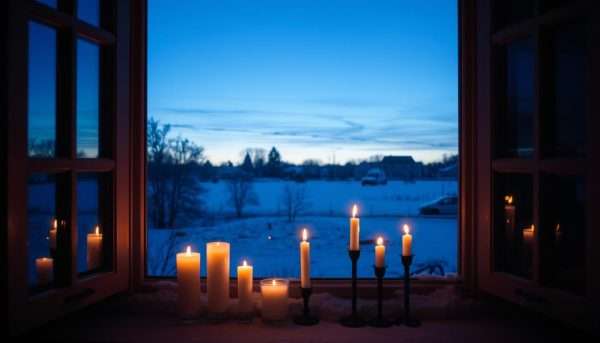
Winter solstice rituals, whether ancient or newly created, offer wisdom for navigating life’s cycles. They remind us that darkness is not permanent but part of a natural rhythm that inevitably turns toward light again. In acknowledging the solstice, we connect with countless generations who have marked this astronomical moment with reverence and hope.
These practices invite us to slow down when the natural world is at its quietest, to reflect on what truly matters, and to kindle light in both literal and metaphorical ways. They encourage community connection when isolation might otherwise prevail, and they help us find meaning in seasonal changes that affect our bodies, minds, and spirits.
As you explore winter solstice rituals that resonate with you, remember that the most meaningful practices are those that connect you authentically with the rhythms of nature, your inner wisdom, and the communities that sustain you. Whether elaborate or simple, ancient or newly created, these rituals offer a touchstone to what remains constant through changing times: the turning of the Earth, the return of the light, and the human capacity to find meaning in natural cycles.
However you choose to mark this pivotal moment in the year’s journey, may your winter solstice be filled with warmth, reflection, and the quiet joy of knowing that even after the longest night, the light always returns.
Share Your Winter Solstice Experience
How do you celebrate the winter solstice? Share your traditions, photos, and reflections using #WinterSolsticeRituals to connect with others honoring this special time.
Share your celebration in the comments below.













Leave A Comment