
The Foundations of Hong Kong Wordplay
Hong Kong’s bilingual environment creates unique opportunities for creative wordplay
Before diving into specific examples, let’s understand what makes Hong Kong puns so special. These linguistic gems don’t just happen by accident—they’re the product of several unique cultural and linguistic factors.
Cantonese Homophones: A Tonal Treasure Trove
Cantonese features six to nine tones depending on the dialect, making it an absolute goldmine for wordplay. Words that sound identical but have different meanings (homophones) are abundant, creating endless opportunities for clever puns.
For example, the word “sau” can mean “hand,” “thin,” or “to fix” depending on its tone. This tonal richness allows Cantonese speakers to create layers of meaning that simply aren’t possible in non-tonal languages.
English-Cantonese Hybrids: “Kongish” Creativity
“Kongish”—the playful mixing of English and Cantonese—has become a linguistic phenomenon in Hong Kong. This code-switching creates unique opportunities for puns that bridge cultural divides and reflect the city’s international character.
When someone says they’re going to “Chok-olate” themselves, they’re blending the English word “chocolate” with the Cantonese slang “chok” (meaning to pose or show off). The result? A delicious pun that only makes sense in Hong Kong’s bilingual context.
Cultural References: Local Flavor
Many Hong Kong puns draw from local landmarks, food, celebrities, and historical events. These cultural touchpoints give the wordplay a distinctly Hong Kong flavor that resonates with locals and offers visitors a glimpse into the city’s collective consciousness.
Food Puns: Dim Sum Wordplay

Food is central to Hong Kong culture, so it’s no surprise that many of the city’s best puns revolve around culinary delights. Dim sum, in particular, offers a feast of wordplay opportunities.
Dim Sum Delights
- “You dim sum, you lose some” – A play on “you win some, you lose some,” this pun has become so popular it appears on t-shirts and souvenirs throughout the city.
- “Hong Kong has me wonton more” – Combining “wonton” (a type of dumpling) with “wanting,” this pun expresses a desire to experience more of Hong Kong.
- “Dim sum-body special” – A romantic twist on “somebody special,” perfect for food-loving couples.
Tea-riffic Wordplay
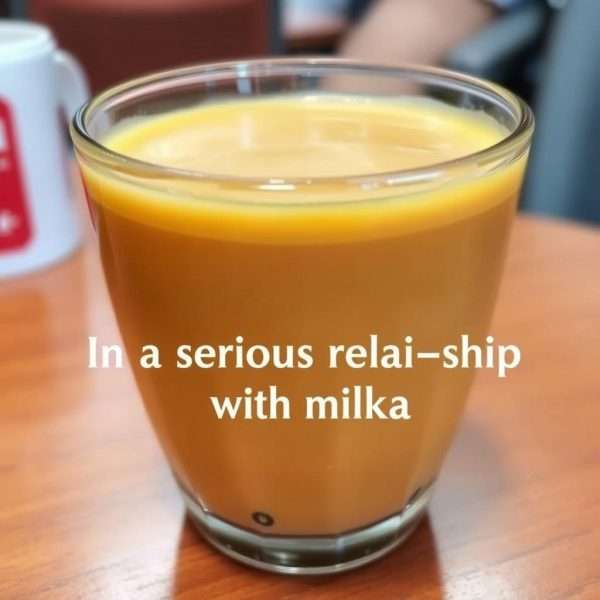
- “In a serious relai-ship with milk tea” – Hong Kong’s beloved milk tea gets a romantic pun treatment, playing on “relationship.”
- “Tea-riffic views” – Often used to describe enjoying Hong Kong’s skyline while sipping tea.
- “You’re my cup of tea” – A classic English expression that takes on special meaning in tea-obsessed Hong Kong.
These food puns aren’t just for laughs—they reflect Hong Kong’s deep relationship with its cuisine and the way food brings people together in this densely populated city.
Landmark Puns: Location-Based Laughs

Hong Kong’s iconic geography and distinctive neighborhoods provide rich material for location-based puns. From Victoria Peak to the bustling streets of Mong Kok, every corner of the city has inspired its own wordplay.
Victoria Peak & Harbor Views
- “Victoria Peak – it peaks for itself” – A play on “it speaks for itself,” highlighting the mountain’s stunning views.
- “I’m just here for the peak performance” – Referring both to the quality of the view and the physical location.
- “Star Ferry crossing: still more romantic than your situationship” – A modern take on the iconic harbor crossing.
- “Ferry-tale endings do exist” – Combining “fairy tale” with the Star Ferry experience.
Neighborhood Wordplay
- “Soho glad I came” – A play on “so” and the trendy SoHo district.
- “Wan Chai? Wan love.” – Playing on the district name and “one” (wan) in Cantonese.
- “Mong Kok and roll” – Combining the busy shopping district with “rock and roll.”
- “Kowloon me softly” – A musical reference blended with the Kowloon peninsula name.
- “Causeway Bay: causeway baylong together” – Transforming “belong” into a district-specific pun.
These location-based puns do more than just make people smile—they reflect how deeply Hong Kong’s geography is woven into its cultural identity. Even as the city changes, these landmarks remain constant touchpoints for both humor and heritage.
Festival & Greeting Puns: Seasonal Wordplay
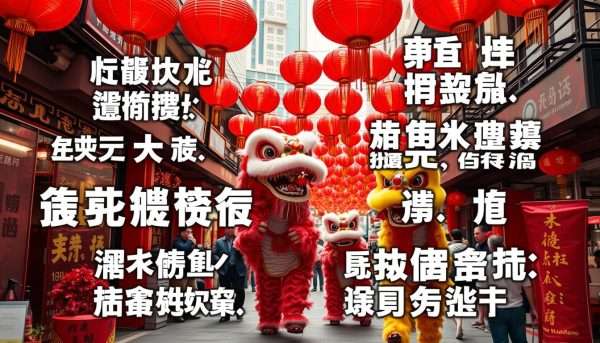
Festivals provide some of the richest opportunities for Cantonese wordplay, especially during Chinese New Year when prosperity puns abound. The Cantonese word for “prosperity” (發 ‘faat’) sounds similar to many other words, creating a wealth of auspicious wordplay.
Chinese New Year Prosperity Puns
- “Faat choi” (發財) – Literally means “become wealthy” but sounds like “hair vegetable,” leading to the tradition of eating black moss (fat choy) during New Year.
- “Gung hei faat choi” – The traditional greeting wishing prosperity, but sometimes playfully altered to “gung hei fat choy” when giving chocolates as gifts.
- “Lai see faat dai” – A play on red packet giving and “getting big/growing prosperous.”
Year-Round Greeting Puns
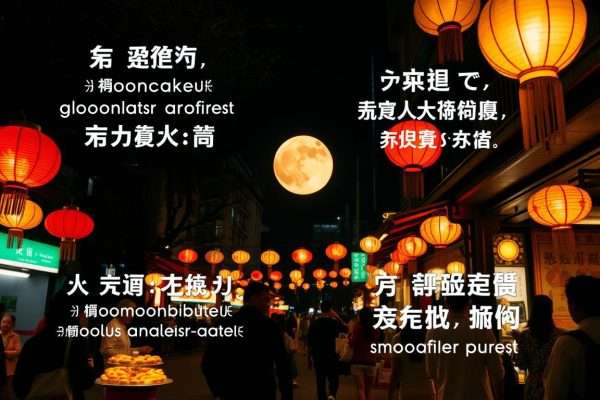
- “Mooncake you happy” – A Mid-Autumn Festival pun on “make you happy.”
- “Lantern the right way” – Playing on “learn” during lantern festivals.
- “Dragon boat forget about me” – A Dragon Boat Festival play on “don’t you forget about me.”
These festival puns aren’t just playful—they’re an important part of how Hong Kong preserves its cultural traditions while keeping them fresh and relevant for new generations.
Modern & Internet Puns: Digital Wordplay
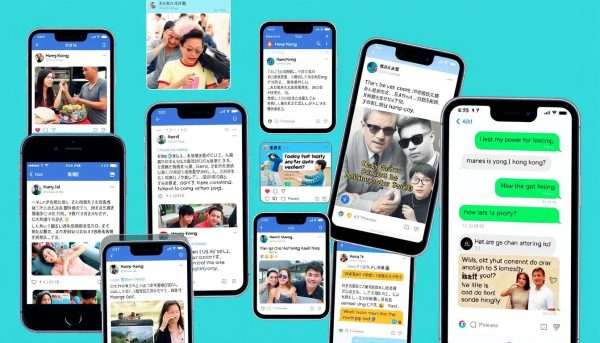
As Hong Kong embraces digital culture, a new generation of puns has emerged online. These modern wordplays blend traditional Cantonese humor with global internet culture, creating uniquely Hong Kong memes and expressions.
Social Media Slang
- “Like唔Like” (Like-m-Like) – Mixing English “like” with Cantonese grammar to ask if someone likes something, while also referencing social media “likes.”
- “Send你個Link” (Send-nei-go-Link) – Combining English tech terms with Cantonese sentence structure.
- “Chok-olate” – Blending “chocolate” with “chok” (to pose/show off).
Current Affairs Wordplay
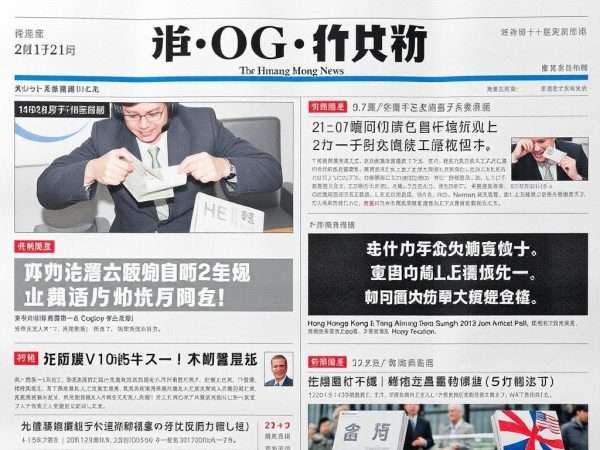
Hong Kong’s fast-paced media environment loves a good pun, especially when covering current events. Headlines often feature clever wordplay that captures both the news and the public mood.
These modern puns show how Hong Kong’s wordplay tradition continues to evolve while maintaining its distinctive cultural character. As language changes, so do the puns—but the creativity and humor remain constant.
Why Puns Matter in Hong Kong
Hong Kong puns are more than just casual jokes—they serve important social and cultural functions. From advertising to political commentary, wordplay is woven into the fabric of daily life.
Commercial Creativity
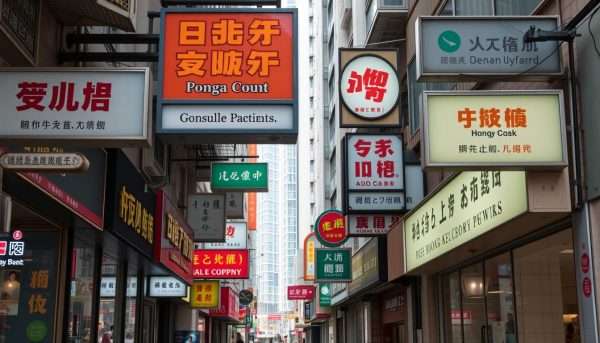
Walk down any street in Hong Kong and you’ll spot businesses with punny names designed to attract customers and bring good fortune. From “Bread Pitt” bakeries to “Wok Star” restaurants, these names showcase the commercial value of a good pun.
Social Commentary
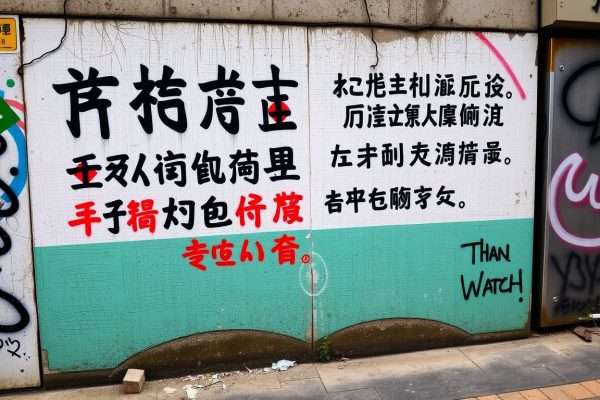
In times of social tension, puns become a subtle form of commentary. Wordplay allows Hong Kongers to express opinions while maintaining a sense of humor—a linguistic safety valve in challenging times.
Cultural Identity
Perhaps most importantly, Hong Kong puns represent a unique cultural identity. In a city that has experienced colonial rule, handover, and ongoing change, this distinctive form of humor helps preserve a sense of what makes Hong Kong special.
Mastering the Art of Hong Kong Puns
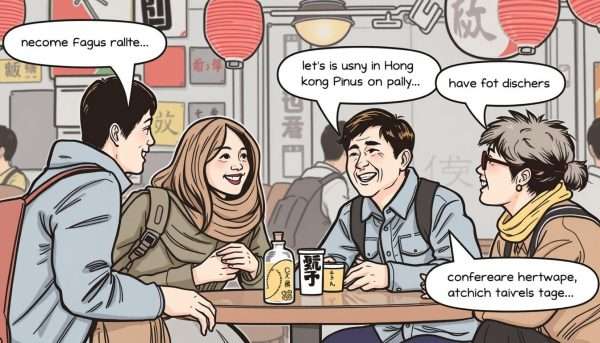
Understanding Hong Kong puns offers more than just a few laughs—it provides insight into a unique cultural identity shaped by language, history, and creativity. These wordplays serve as windows into how Hong Kongers see their city, their traditions, and themselves.
Next time you visit Hong Kong, listen for these clever turns of phrase in conversations, advertisements, and social media. Better yet, try crafting a few puns of your own—locals appreciate the effort, even if your tones aren’t perfect!
From dim sum jokes to neighborhood wordplay, Hong Kong puns demonstrate how language can be both playful and profound. They remind us that sometimes, the most serious cultural insights come wrapped in the most lighthearted packages.
Want to become a Hong Kong Pun Master?
Download our free guide with 50+ exclusive Hong Kong puns, complete with pronunciation tips and cultural context. Perfect for your next trip or just for impressing your friends!


Leave A Comment