
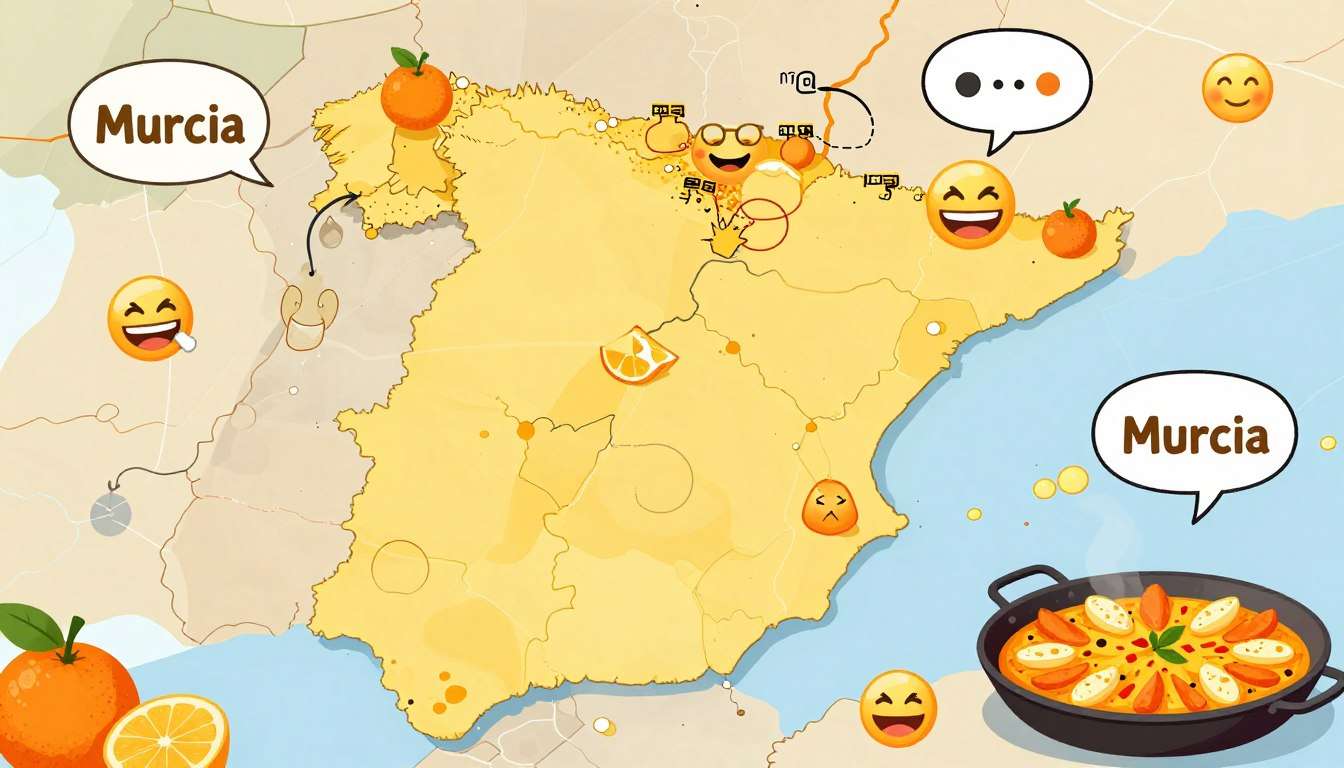
Spanish humor thrives on regional stereotypes. Every región in Spain has its own identity in the imaginario of national comedy. From Andaluces portrayed as perpetually cheerful to Catalans depicted as frugal, these chistes form a unique part of Spanish cultural fabric.
Murcia occupies a special place in this comedy ecosystem. The región murcia has become a recurring subject in Spanish jokes over the past two decades. Understanding why requires diving into cultural dynamics that extend beyond simple humor.
This exploration reveals how bromas murcia reflect broader patterns in Spanish society. The jokes tell us as much about Spanish identity as they do about the murciano people themselves.
The Origins and Evolution of Humor About Murcia
Historical Context of Regional Jokes in Spain
Regional humor in Spain dates back centuries. Each área developed distinct stereotypes based on historical events, economic conditions, and cultural differences. These chistes served as social commentary wrapped in comedy.
The tradition of hacer chistes about different regions became particularly prominent during Spain’s democratic transition. Television and media expansion in the 1980s and 1990s spread regional humor nationwide.
Murcia entered this comedy landscape later than other regions. While Andalusian and Catalan stereotypes dominated for años, Murcia-specific humor emerged primarily after 2000.

Why Murcia Became a Comedy Target
Several factors contributed to Murcia’s prominence in Spanish humor. Geographic location placed the región between more culturally dominant areas. Economic development patterns differed from coastal neighbors. Media representation amplified certain characteristics.
The rise of internet culture and satirical news outlets like El Mundo Today accelerated Murcia’s presence in national jokes. These platforms created viral content that shaped public perception.
Murcianos themselves often display good-humored acceptance of these bromas. This response differs from more defensive reactions in other regions. The capital city and surrounding areas have embraced their unique position in Spanish comedy culture.

Common Themes and Types of Murcia Jokes
Geographic and Climate-Based Humor
Many chistes murcia focus on the region’s hot, dry climate. The semi-arid conditions become fodder for exaggerated comedy. Jokes portray Murcia as perpetually experiencing extreme heat that shapes local behavior and customs.
Water scarcity features prominently in this humor category. The Segura River and irrigation systems inspire jokes about resource management. These chistes often play on contrasts between Murcia’s agricultural productivity and limited water resources.
- Jokes about temperatures reaching impossible heights
- Humor involving creative water-saving methods
- Comedy comparing Murcia’s climate to desert conditions
- Exaggerated stories about local weather adaptations
Cultural and Linguistic Stereotypes
The murciano dialect provides rich material for linguistic humor. The distinctive accent and vocabulary differences become subjects of gentle mockery. Pronunciation patterns and unique expressions distinguish Murcia speech from standard Spanish.
Food culture generates another category of bromas. Murcia’s agricultural output, particularly vegetables and fruits, inspires jokes about local cuisine. The zarangollo and other regional dishes become comedy references.
Urban Development and Modernization Jokes
Jokes about Murcia’s development trajectory form a newer category. These chistes contrast traditional rural identity with modern urbanization. The transformation of Murcia city and surrounding municipalities becomes comedy material.
Infrastructure projects inspire particular humor. Transportation developments, building projects, and urban planning decisions generate jokes about ambition versus execution. This humor reflects broader Spanish conversations about regional development.
The resto of Spain often portrays Murcia as simultaneously rural and aspirationally modern. This perceived contradiction fuels comedy that explores identity tensions common across changing Spanish regions.
Popular Murcia Joke Examples and Their Cultural Context
Heat and Weather Jokes
A classic example involves exaggerated temperature claims. One popular joke suggests that Murcia thermometers don’t show temperatures, they just display “sí” for hot. This plays on the región’s reputation for extreme summer heat.
Another common format involves comparisons. “What’s the difference between Murcia and the Sahara? The Sahara has camels.” These jokes use absurdist humor to highlight climate perceptions.
The verdad behind these chistes lies in genuine climate conditions. Murcia does experience high temperatures and limited rainfall. The humor exaggerates reality rather than inventing fiction.
Dialect and Communication Humor
Linguistic jokes often play on pronunciation differences. The murciano tendency to drop consonants and modify vowel sounds creates misunderstanding scenarios in comedy sketches.
Television programs have featured recurring bits about Murcia dialect. These segments usually present someone speaking murciano Spanish while others struggle to understand. The humor remains generally affectionate rather than mean-spirited.
“The beauty of Murcia humor is that it celebrates linguistic diversity while acknowledging communication challenges. These jokes remind us that Spain’s regional identities enrich national culture.”
Agricultural and Economic Stereotypes
Jokes frequently reference Murcia’s agricultural economy. One format suggests Murcianos measure distance in fields of lettuce rather than kilometers. This humor acknowledges the región’s significant vegetable production.
Economic development jokes compare Murcia to wealthier coastal regions. These chistes often involve scenarios where Murcianos display resourcefulness despite perceived economic limitations. The humor contains elements of underdog pride.
Many años of these jokes have created a recognizable pattern. The setup involves Murcia’s agricultural identity, the punchline plays on contrasts with urban Spanish culture. This formula appears across countless variations.
How Murcia Jokes Compare to Jokes About Other Spanish Regions
The Hierarchy of Spanish Regional Humor
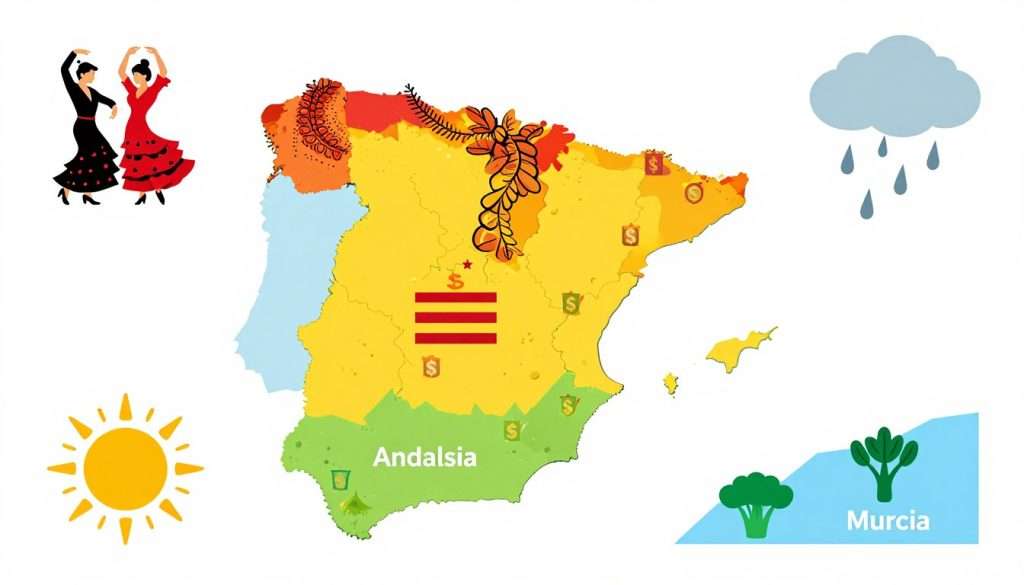
Spanish regional jokes follow unofficial patterns. Some regions receive more attention than others. Andaluces historically dominated comedy due to distinctive cultural markers and large population representation.
Catalonia generates politically-charged humor focused on independence sentiments and perceived frugality. Galician jokes often involve rain, superstition, and linguistic ambiguity. Basque humor centers on strength and culinary traditions.
Murcia occupies a middle position in this hierarchy. The región generates significant joke volume but lacks the political intensity of Catalan humor or the long-standing tradition of Andalusian comedy.
Andalusian Humor
Focuses on cheerfulness, flamenco culture, and linguistic distinctiveness. Generally affectionate tone with long historical tradition.
Catalan Humor
Centers on independence politics, perceived frugality, and linguistic pride. Often carries sharper edge and political undertones.
Murcia Humor
Emphasizes heat, agriculture, dialect quirks, and development contrasts. Newer tradition with generally gentle, self-aware tone.
Similarities Across Regional Joke Patterns
Common threads connect jokes across regions. Exaggeration serves as a universal technique. Whether portraying Galician rain or Murcia heat, the humor amplifies real characteristics to absurd levels.
Dialect humor appears consistently. Each región with distinctive speech patterns becomes subject to pronunciation jokes. The murciano accent joins Andalusian, Galician, and Catalan as comedy fodder.
Economic stereotypes transcend specific regions. Jokes position different areas along wealth spectrums, often unfairly. Murcia shares this experience with other historically agricultural regions transitioning toward modern economies.
What Makes Murcia Humor Unique
Several elements distinguish chistes murcia from other regional humor. The relative newness of Murcia’s prominent position in national comedy creates different dynamics. Murcianos haven’t developed decades of defensive responses like some regions.
The geographic position between Andalusia, Valencia, and Castilla-La Mancha creates unique comparison opportunities. Jokes often position Murcia as influenced by but distinct from neighboring regions.
Internet culture shaped Murcia humor more than traditional media. Platforms like El Mundo Today launched Murcia jokes into viral prominence. This digital-first trajectory differs from television-developed stereotypes about other regions.

The gracia of Murcia humor often comes from self-awareness. Many popular chistes originate from Murcianos themselves. This insider participation creates collaborative comedy rather than purely external mockery.
The Role of Murcia Dialect and Expressions in Regional Humor
Linguistic Characteristics of Murciano Spanish
The murciano dialect exhibits distinctive phonetic patterns. Consonant reduction occurs frequently, particularly with final consonants. Speakers often drop “d” sounds in past participles, saying “comío” instead of “comido.”
Vowel modifications distinguish Murcia speech from standard Spanish. The dialect tends toward more open vowel sounds. This creates pronunciation patterns that sound markedly different to speakers from other regions.
Unique vocabulary enriches the murciano linguistic landscape. Words like “acho” (expression of surprise), “zagal” (young person), and “amoto” (motorcycle) appear rarely outside the región. These terms become reference points in hacer chistes murcia.
Common Murciano Expressions
- “Acho” – versatile exclamation expressing surprise, emphasis, or familiarity
- “Aprucir” – to appear or show up
- “Esborrachar” – to spill or waste
- “Alante” – forward or ahead
- “Zagal/Zagala” – boy/girl or young person
How Dialect Features Become Comedy Material
Pronunciation differences generate misunderstanding scenarios in jokes. A common format involves Murcianos speaking their dialect while non-Murcia Spaniards struggle to comprehend. The humor derives from genuine communication challenges.
Television comedy shows have featured recurring sketches highlighting dialect confusion. These segments typically show someone from the capital or another región attempting to decode murciano speech. The cómico effect comes from exaggerated bewilderment.
Vocabulary jokes play on untranslatable expressions. When Murcianos use región-specific terms in national contexts, the resulting confusion becomes comedy gold. These chistes celebrate linguistic diversity while acknowledging practical communication barriers.
The Double-Edged Nature of Dialect Humor
Linguistic jokes walk a fine line between celebration and mockery. At their best, these bromas highlight Spain’s rich dialectical diversity. They remind audiences that standard Spanish represents just one variation among many.
However, dialect humor can reinforce negative stereotypes. When jokes consistently portray murciano speech as incomprehensible or inferior, they perpetuate linguistic hierarchies. The imaginario of “correct” Spanish marginalizes regional variations.
Contemporary Murcia comedians often reclaim dialect humor. By making jokes from insider perspectives, they transform potential mockery into cultural pride. This shift reflects broader patterns in how regions respond to stereotyping.
Cultural Note: Linguists recognize murciano as a legitimate dialect with consistent grammatical patterns and rich vocabulary. The speech variations represent historical evolution, not linguistic deficiency. Humor should celebrate this diversity rather than diminish it.
The día-to-día reality involves code-switching. Many Murcianos modify their speech based on context, using broader Spanish in professional settings and full dialect at home. This linguistic flexibility rarely appears in jokes, which prefer exaggerated scenarios.
The Cultural Impact and Social Function of Murcia Jokes

How Jokes Shape Regional Identity
Regional humor influences self-perception. When the resto of Spain consistently jokes about Murcia’s heat, Murcianos develop particular relationships with climate identity. The jokes become part of how the región understands itself.
This process works both internally and externally. Murcianos might embrace heat-related humor as badge of authenticity. Meanwhile, outsiders form impressions of Murcia shaped partly by comedy rather than direct experience.
The imaginario created by años of jokes carries real consequences. Tourism, business relationships, and cultural exchanges all occur within frameworks partly constructed by humor. These chistes aren’t merely entertainment; they shape material realities.
The Social Bonding Function of Regional Jokes
Shared humor creates community. When Spaniards from different regions exchange jokes, they participate in national identity formation. These interactions acknowledge differences while affirming belonging to larger Spanish culture.
For Murcianos, responding to jokes demonstrates cultural competence. Understanding the stereotypes and engaging with them strategically signals insider knowledge. This dynamic appears across minority and regional cultures globally.
The gracia lies in balancing acceptance with assertion. Murcianos who laugh at heat jokes while proudly defending their región’s contributions demonstrate sophisticated cultural navigation. This balance maintains social harmony while preserving dignity.
Positive Aspects
Regional jokes can foster understanding and connection:
- Create shared cultural references across Spain
- Acknowledge regional diversity with humor
- Provide framework for discussing differences
- Generate regional pride through stereotype reclamation
Negative Aspects
However, humor can also reinforce problematic patterns:
- Perpetuate inaccurate stereotypes
- Marginalize regional identities
- Create barriers to serious regional discussions
- Reduce complex cultures to simple caricatures
Evolution of Acceptability and Sensitivity
Standards for regional humor have shifted over tiempo. Jokes considered acceptable in 2000 might face criticism today. Increased awareness of stereotyping’s impacts influences comedy boundaries.
Younger generations approach regional jokes differently than their parents. While maintaining appreciation for humor, they often demand more nuanced portrayals. The imaginario of acceptable comedy evolves with social consciousness.
Media platforms now navigate these sensitivities carefully. What works on television might generate controversy on social media. The speed and reach of digital platforms amplify both positive and negative reactions to regional humor.
Experience the Real Murcia Beyond the Stereotypes
Discover authentic Murcia culture, cuisine, and landscapes. From Mediterranean beaches to mountain villages, the región offers experiences that defy simple stereotypes. Plan your visit to see what makes Murcia truly special.
Murcia in Spanish Media and Comedy Culture
Television and Murcia Humor
Spanish televisión has played significant roles in shaping Murcia’s comedic image. National comedy programs feature sketches highlighting regional stereotypes. These representations reach millions of viewers across Spain.
Shows like “El Intermedio” and “La Resistencia” have included recurring Murcia jokes. The format typically involves news parody or cultural commentary. These programs influence how audiences outside Murcia perceive the región.
Local Murcia television produces counter-narratives. Regional channels create content celebrating murciano culture while acknowledging stereotypes. This media dialogue reflects tension between external perception and internal reality.

El Mundo Today and Satirical News
El Mundo Today deserves special attention in Murcia humor history. This satirical news outlet created viral Murcia content that shaped national perceptions. Their absurdist headlines about the región generated massive social media engagement.
Examples include fabricated noticias like “Murcia to be relocated to cooler climate” or “Murciano dialect declared separate language by mistake.” These pieces use Murcia as vehicle for broader Spanish satire.
The mundo today effect demonstrates internet culture’s power in stereotype formation. What began as niche satire became mainstream reference points. Younger Spaniards often encounter Murcia first through these satirical lenses.
“Satirical media doesn’t just reflect stereotypes; it actively constructs them. El Mundo Today’s Murcia content created new imaginario that mixed with existing perceptions to form contemporary Murcia humor.”
Social Media and User-Generated Humor
Platforms like Twitter and Instagram democratized regional joke creation. Anyone can now contribute to the Murcia humor canon. This shift moved comedy from professional comedians to collective participation.
Hashtags like #Murcia and #ChistesMurcia aggregate user-generated content. The día-to-día flow of jokes creates living, evolving humor traditions. Murcianos themselves actively participate, often with self-deprecating contributions.
Meme culture particularly influences contemporary Murcia jokes. Visual humor combining images with text creates shareable content that spreads rapidly. These memes often reach audiences who never encounter traditional media references.

Comedy Stand-Up and Live Performance
Spanish stand-up comedians incorporate regional humor into routines. Murcianos performing nationally often address stereotypes directly. This approach transforms potential vulnerability into comedic strength.
The cómico style varies by performer. Some embrace stereotypes enthusiastically, using exaggeration for laughs. Others subvert expectations, highlighting contradictions between jokes and reality. Both approaches acknowledge the imaginario while asserting agency.
Live comedy creates different dynamics than broadcast media. Audience interaction allows nuanced navigation of sensitive topics. Comedians can gauge reactions and adjust accordingly, something impossible in television or online content.
Understanding the Psychology Behind Regional Stereotypes
Why Humans Create Regional Stereotypes
Psychological research explains stereotype formation as cognitive efficiency. Brains create categories to process complex social information quickly. Regional stereotypes serve this function within national cultures.
In Spain, regional diversity encourages categorization. With seventeen autonomous communities showing distinct characteristics, stereotypes help people navigate cultural complexity. The chistes encode these mental shortcuts in entertaining formats.
However, this efficiency comes with costs. Stereotypes oversimplify reality and resist contradictory evidence. When jokes repeatedly portray Murcia one way, audiences may dismiss information that doesn’t fit the pattern.
The Kernel of Truth Phenomenon
Most stereotypes contain elements of verdad. Murcia genuinely experiences high temperatures. The murciano dialect really differs from standard Spanish. Agricultural production actually dominates regional economy.
The problem lies in exaggeration and generalization. Not all Murcianos speak thick dialect. The región contains diverse microclimates. Economy includes technology, tourism, and services beyond agriculture.
Effective humor acknowledges real characteristics while avoiding harmful oversimplification. The best chistes murcia celebrate genuine regional traits without reducing complex culture to single dimensions.
Research Insight: Studies show regional stereotypes strengthen during economic or political tensions. When resources feel scarce or identities threatened, groups emphasize differences. Spain’s regional humor intensifies during periods of autonomy debates and economic disparity discussions.
In-Group vs. Out-Group Humor Dynamics
Who tells the joke matters psychologically. When Murcianos make self-deprecating humor, it signals confidence and belonging. When outsiders make identical jokes, the dynamics shift toward potential disrespect.
This distinction appears across cultural humor globally. In-group members earn latitude through shared identity. Out-group humor requires more careful navigation to avoid offense.
Contemporary Spanish comedy increasingly recognizes these dynamics. Comedians acknowledge their positioning relative to joke subjects. This reflexivity creates more thoughtful regional humor.

When to Defend and When to Embrace Regional Humor
Recognizing Harmful Stereotyping
Not all regional jokes deserve embrace. Some bromas cross lines into genuine disrespect or discrimination. Recognizing differences between playful teasing and harmful stereotyping protects dignity while maintaining humor.
Warning signs include jokes that suggest inherent inferiority, economic disparagement beyond playful exaggeration, or persistent negative framing without balance. When humor consistently punches down rather than celebrating difference, it becomes problematic.
Context matters significantly. The same joke told among friends carries different weight than repeated in media or professional settings. Frequency and platform influence whether humor bonds or marginalizes.
Important Consideration: If regional jokes make community members feel ashamed of their identity rather than proud of their heritage, the humor has crossed into harmful territory. Effective comedy celebrates diversity; harmful stereotyping weaponizes it.
Strategic Humor Reclamation
Many Murcianos practice humor reclamation – taking stereotypes and using them with pride. This strategy transforms potential insults into identity markers. The gracia comes from controlling the narrative rather than being subjected to it.
Reclamation works best when done collectively and strategically. Individual responses might fail, but community-wide embrace of humor can shift power dynamics. Murcia’s enthusiastic participation in heat jokes exemplifies successful reclamation.
This approach requires confidence in underlying regional value. When communities know their true worth, they can laugh at exaggerations without internalizing negative messages. The laughter says “we know who we really are.”
Balancing Regional Pride with National Identity
Spanish regional humor navigates tension between local and national belonging. Jokes acknowledge differences while affirming shared Spanish identity. This balance maintains unity within diversity.
For Murcianos, this means embracing regional distinctiveness without separating from broader Spanish culture. The chistes can celebrate what makes Murcia unique while recognizing participation in national community.
The resto of Spain benefits from this balance too. Regional jokes remind everyone that Spanish identity encompasses diverse expressions. Humor can either reinforce this understanding or undermine it, depending on execution.
Healthy Regional Humor
Characteristics
- Celebrates distinctive regional traits
- Balances gentle teasing with respect
- Includes self-deprecating humor from region
- Acknowledges real characteristics playfully
- Creates bonding across regional lines
- Rotates targets rather than isolating one group
Problematic Stereotyping
Warning Signs
- Suggests inherent regional inferiority
- Persistently negative without balance
- Used to dismiss regional concerns
- Makes community members feel shame
- Reinforces economic or social hierarchies
- Disproportionately targets one region
The Future of Murcia Jokes in Spanish Culture
Evolving Sensitivity and Changing Standards
Spanish society continues developing more nuanced approaches to regional humor. What worked comedically in años past may not resonate with contemporary audiences. Younger generations balance appreciation for tradition with demand for respectful representation.
This evolution doesn’t mean humor disappears. Rather, it adapts to new cultural standards. The imaginario of acceptable comedy shifts while maintaining Spain’s rich tradition of regional jokes.
Media creators increasingly involve regional communities in humor about them. This collaborative approach prevents harmful stereotyping while preserving comedy. Murcia voices participate in shaping how the región appears in national humor.
Digital Culture’s Ongoing Influence
Internet platforms will continue shaping regional humor evolution. Social media democratizes joke creation while accelerating stereotype formation and transformation. The día-to-día flow of content creates rapid cultural shifts.
Viral trends can elevate Murcia jokes to new prominence or shift focus to different regions. The mundo today effect demonstrated how single satirical sources can reshape national perceptions. Future platforms may amplify or diminish regional humor.
Young Murcianos navigate digital spaces with strategic humor deployment. They create content celebrating regional identity while engaging with stereotypes on their own terms. This active participation shapes future humor trajectories.
Regional Pride Movements and Identity Assertion
Across Spain, regions increasingly assert distinctive identities. This movement affects humor dynamics. As Murcianos take more pride in regional culture, they may embrace or resist certain joke types differently.
Economic development influences these patterns. As Murcia’s economy diversifies and grows, stereotypes about backwardness lose resonance. Jokes must adapt to new realities or risk appearing outdated.
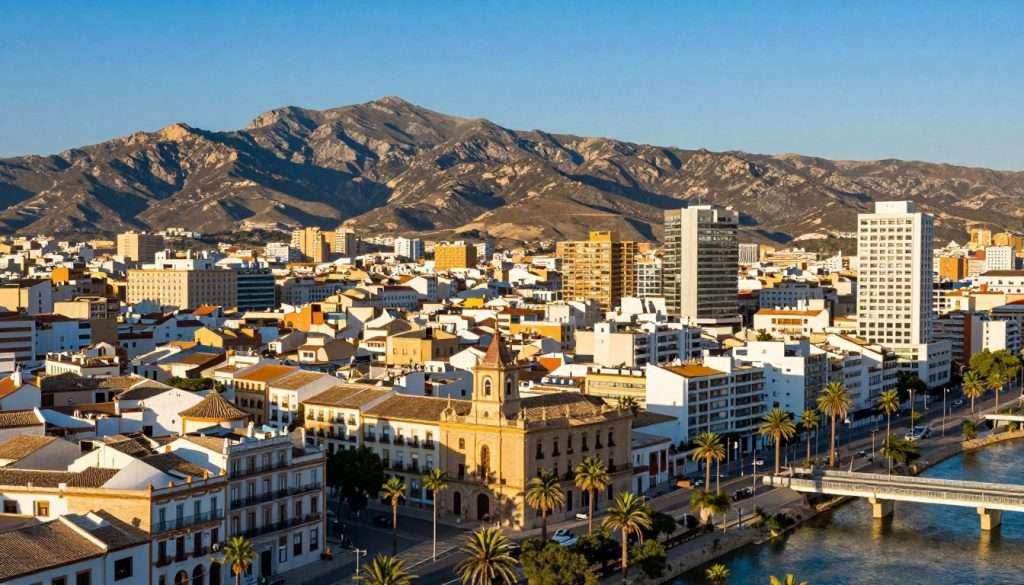
The capital and other Murcia cities showcase innovation contradicting old stereotypes. Technology sectors, cultural institutions, and infrastructure projects create new imaginario alongside traditional images. Humor incorporating these developments reflects contemporary Murcia more accurately.
Conclusion: Murcia’s Place in Spanish Joke Culture
Murcia jokes occupy a distinctive position in Spain’s regional humor landscape. The chistes reflect broader patterns of stereotype formation while showcasing unique characteristics of murciano culture. Understanding this humor requires appreciating both comedy mechanics and cultural dynamics.
The región murcia has transformed from relative obscurity in national jokes to prominent position over recent años. This shift demonstrates how media, particularly internet platforms, rapidly reshape cultural imaginario. El Mundo Today and social media accelerated processes that previously took generations.
These bromas murcia serve multiple functions simultaneously. They entertain audiences across Spain while helping people process regional diversity. The jokes create shared cultural references that bond Spaniards from different backgrounds. Yet they also risk oversimplifying complex regional identities into reductive stereotypes.

The verdad about Murcia extends far beyond heat and dialect jokes. The región offers rich history, distinctive cuisine, beautiful landscapes, and vibrant contemporary culture. Agricultural traditions coexist with technological innovation. Traditional villages complement modern urban centers.
Murcianos themselves demonstrate sophisticated relationships with regional humor. Many embrace stereotypes strategically while asserting fuller regional identity. This balance between humor acceptance and cultural assertion reflects mature community confidence.
Looking forward, Murcia jokes will likely continue evolving alongside Spanish society. Changing sensitivities, regional pride movements, and economic development all influence humor trajectories. The chistes that work in coming años may differ substantially from current forms.
What remains constant is humor’s role in Spanish culture. Regional jokes will persist as long as Spain maintains diverse regional identities. The key lies in ensuring this humor celebrates difference rather than marginalizes communities.
For those interested in Spanish culture, understanding regional jokes provides valuable insights. The humor reveals how Spaniards think about identity, belonging, and diversity. Murcia jokes specifically illuminate dynamics between peripheral and central regions in national imaginario.
Ultimately, the best approach to Murcia humor combines appreciation with critical awareness. Enjoy the gracia while recognizing real people and complex culture behind stereotypes. Laugh with Murcianos rather than at them. And remember that every joke tells multiple stories – about its subject, its teller, and the culture that finds it funny.
The ongoing dialogue between Murcia and the resto of Spain through humor reflects broader Spanish negotiation of unity and diversity. In a country where regional identities remain powerful, jokes provide one mechanism for navigating difference. When done well, this humor strengthens rather than divides the national community.


Leave A Comment