
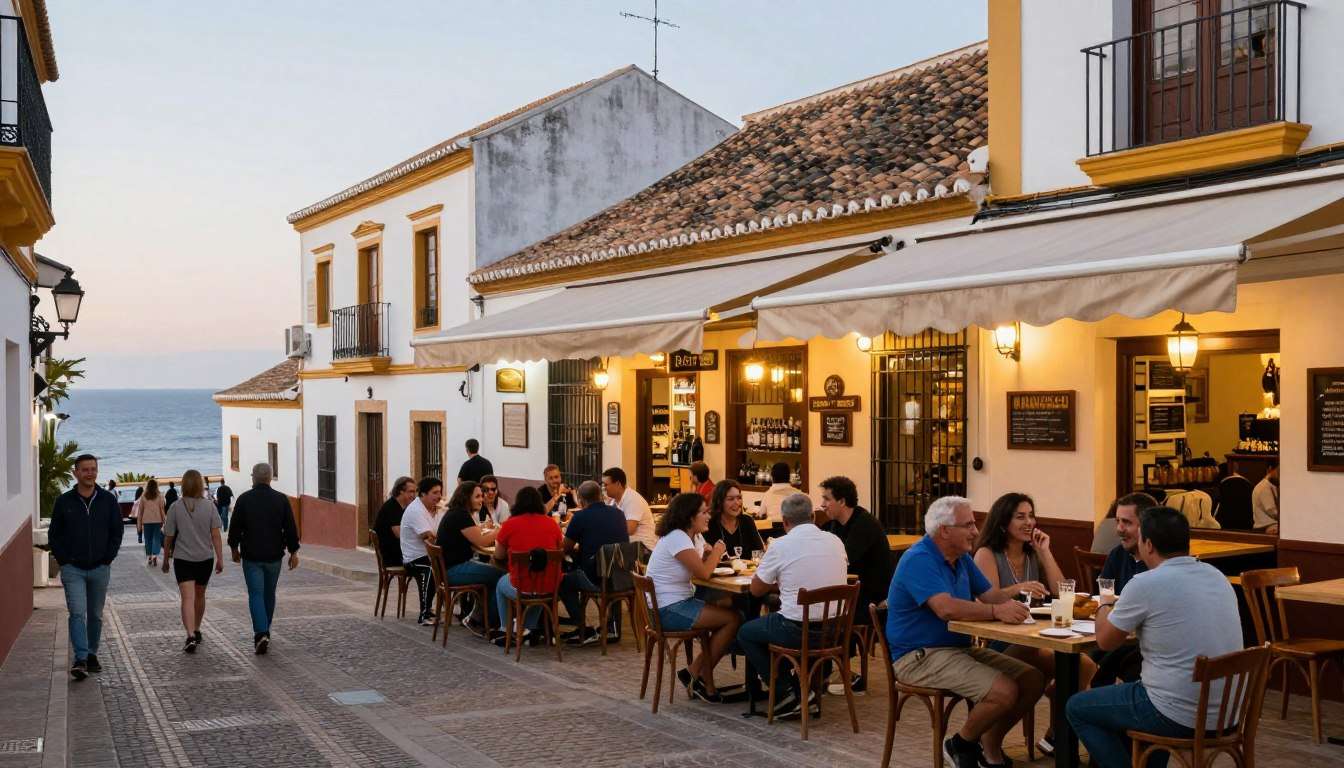
The coastal city of Málaga offers more than stunning beaches and historic sites. This Andalusian gem harbors a rich tradition of humor that reflects the warmth of its people. Málaga jokes capture the essence of Mediterranean life with wit that celebrates local culture.
Understanding Malagueño humor opens doors to authentic cultural experiences. The jokes reveal pride in regional identity and showcase the playful spirit of southern Spain. This guide explores the laughter that echoes through Málaga’s streets.
From classic puns to modern quips, these jokes connect travelers to the soul of the city. Whether planning a trip or simply curious about Spanish humor, you’ll discover what makes Málaga’s comedy special.
The Heart of Málaga’s Humor Culture
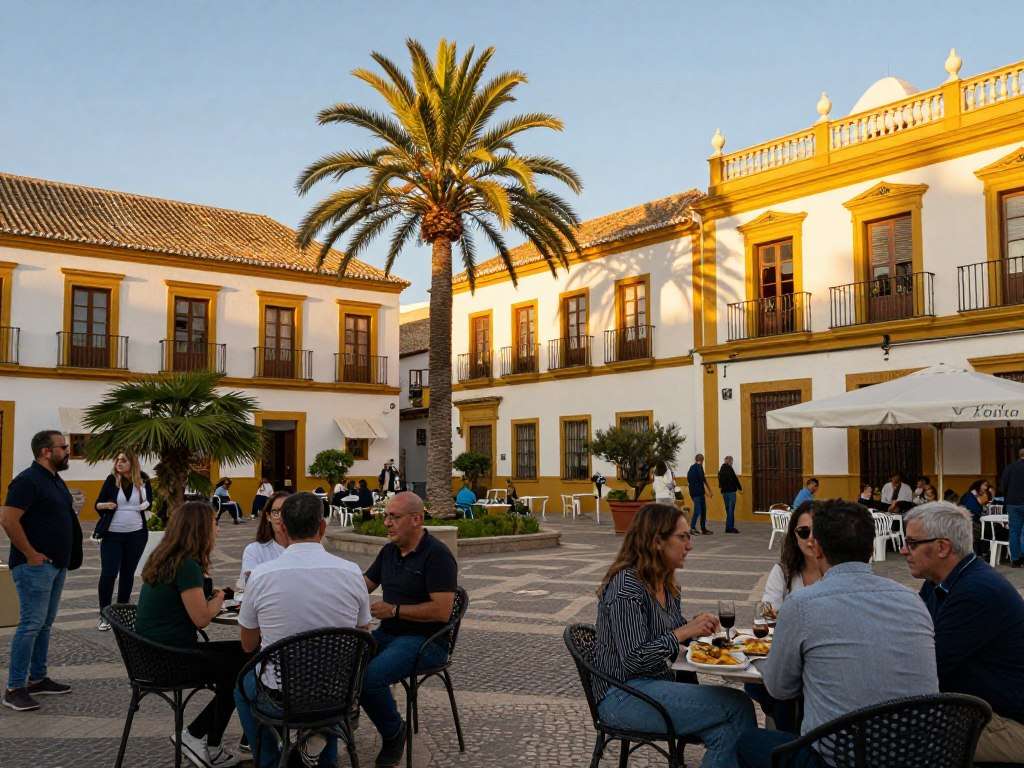
Málaga’s humor springs from centuries of cultural exchange. The city’s position as a Mediterranean port brought diverse influences that shaped local wit. Arab, Roman, and Christian traditions blended to create unique comedic sensibilities.
The Malagueño personality values directness mixed with warmth. Locals use humor to break ice and build connections quickly. This approach differs from the reserved humor found in northern Spanish regions.
Sarcasm plays a central role in daily conversations. Friends exchange playful jabs that might seem harsh to outsiders. However, this banter demonstrates affection and trust within social circles.
Málaga jokes often reference local landmarks like the Alcazaba fortress or famous residents like Pablo Picasso. Understanding these references enhances appreciation for the humor’s depth and cultural significance.
The coastal lifestyle influences comedic timing and delivery. Jokes flow naturally during long meals and evening strolls along the beach. Humor becomes part of the relaxed Mediterranean rhythm of life.
Classic Málaga Jokes That Define Local Humor
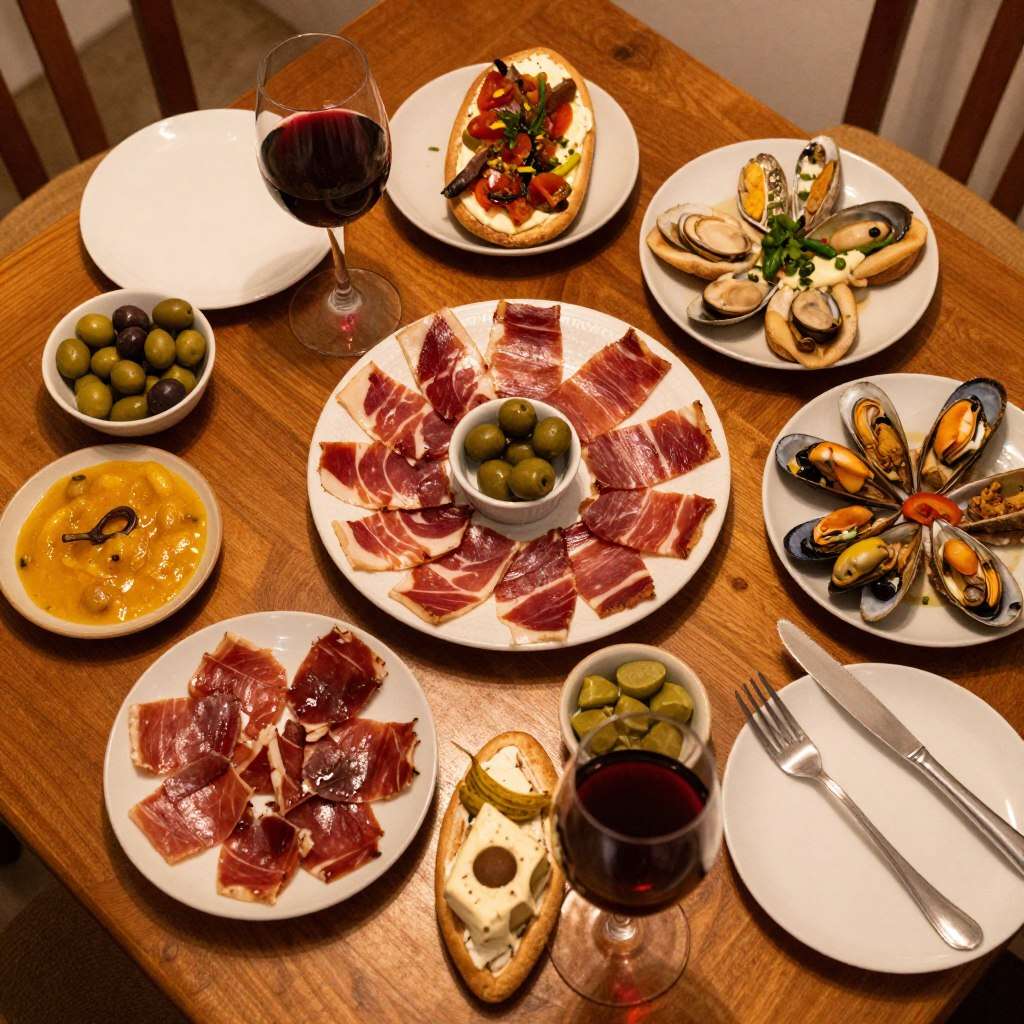
Traditional Málaga jokes celebrate the city’s love affair with food and wine. One popular joke asks: “Why do Malagueños never get lost?” The answer: “They follow the smell of fried fish to the beach.” This humor honors the famous pescaíto frito tradition.
Another classic plays on the local dialect: “How do you know someone is from Málaga? They’ll tell you within five minutes, and they’ll pronounce every ‘s’ like it’s optional.” This self-deprecating joke acknowledges the distinctive Andalusian accent.
Weather provides endless material for local comedy. “In Málaga, we have two seasons: summer and August.” This quip references the city’s famously sunny climate that attracts visitors year-round.
Food-Related Humor
Málaga’s culinary pride inspires countless jokes about tapas culture and local specialties. These jokes often compare Málaga’s cuisine favorably to other Spanish cities.
- Wine jokes referencing sweet Málaga dessert wines
- Seafood puns about the daily catch at markets
- Tapas bar scenarios involving competitive eating
- Jokes about tourists trying to keep up with local food pace
Lifestyle Comedy
The relaxed Mediterranean lifestyle becomes comedy gold. Jokes about siesta culture and beach priorities resonate with locals and visitors alike.
- Siesta timing jokes and workplace flexibility
- Beach schedule priorities over other commitments
- Late-night dinner culture and restaurant hours
- Tourist confusion about Spanish time concepts
Family dynamics feature prominently in Málaga jokes. “Why do Malagueño families always travel together? Because separating them would require UN intervention.” This humor celebrates the tight family bonds characteristic of southern Spain.
Spain Puns with Málaga Flavor
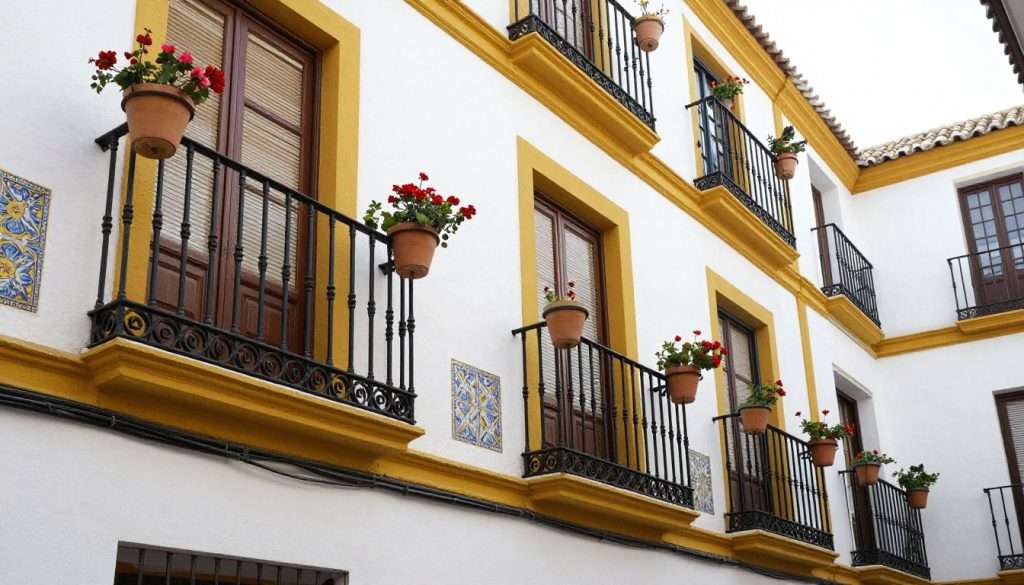
Spain puns take on special meaning when filtered through Málaga’s coastal perspective. “I’m reading a book about anti-gravity in Spain. It’s impossible to put down, just like Spanish wine.” This travel pun resonates particularly well in Málaga’s wine-producing region.
Geography-based puns celebrate Málaga’s unique position. “Why is Málaga the most honest city in Spain? Because the sea is right there to witness everything.” The Mediterranean backdrop becomes part of the comedic setup.
- “What did the Málaga beach say to the tourist? Long time no sea!”
- “Why don’t secrets last in Málaga? The walls have ears, and the tapas bars have gossiping waiters.”
- “How does a Malagueño count? One, two, three… siesta.”
- “What’s a Malagueño’s favorite type of music? Flamenco, but only after proper wine pairing.”
- “Why did the Barcelona tourist come to Málaga? To see how Spain is done properly.”
Travel puns incorporate local landmarks seamlessly. “The Alcazaba fortress isn’t just a historic site. It’s where Malagueños stored all their best jokes for centuries.” These puns work as great instagram captions for visitors.
Language-based spain puns highlight the melodic Andalusian accent. “Speaking Spanish in Málaga is like singing. You drop half the consonants and add rhythm to everything else.” Locals embrace this linguistic playfulness.
Planning Your Málaga Adventure?
Understanding local humor is just the beginning. Discover comprehensive travel guides, essential Spanish phrases, and insider tips for experiencing authentic Málaga culture.
What Makes Malagueño Humor Unique
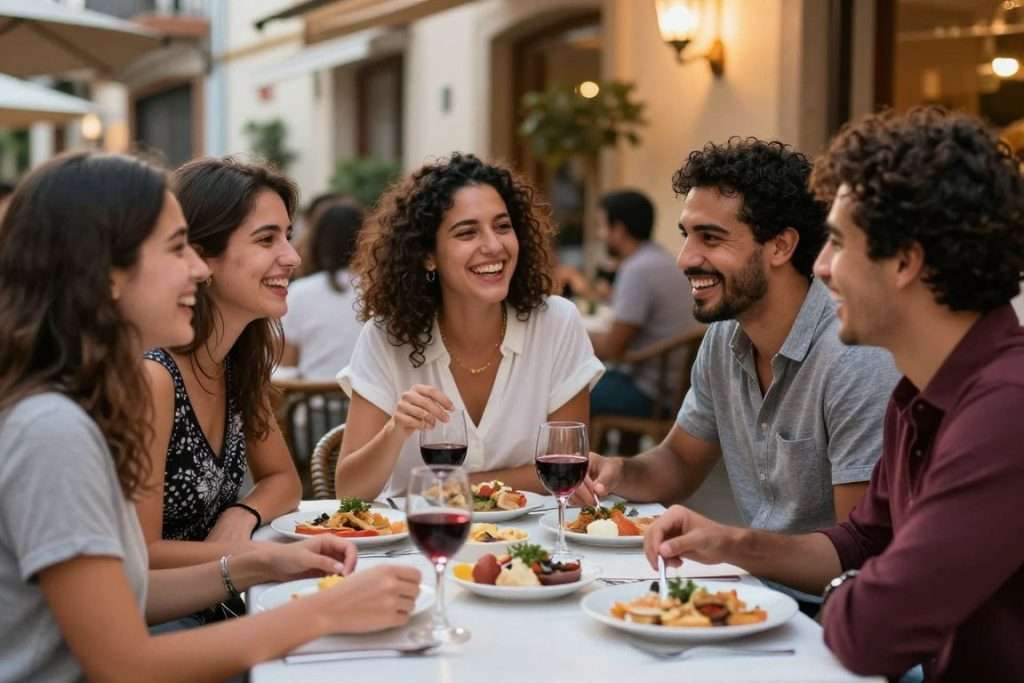
Malagueño humor distinguishes itself through exaggeration and theatrical delivery. Stories grow more elaborate with each telling. A simple trip to the market becomes an epic adventure involving three generations and a lost cat.
Self-deprecation runs deep in the comedic tradition. Locals joke about their own habits before anyone else can. This disarms potential criticism and creates inclusive laughter that welcomes outsiders into the conversation.
Timing matters enormously in Málaga comedy. The best jokes arrive during relaxed moments over food and wine. Rushing a punchline violates the unhurried Mediterranean approach to life and humor.
Málaga’s comedy often references the rivalry with other Spanish cities, particularly Barcelona and Madrid. These jokes reflect regional pride rather than genuine animosity, similar to friendly sports rivalries.
Physical comedy accompanies verbal jokes frequently. Hand gestures emphasize punchlines and facial expressions complete the delivery. The performance aspect makes Málaga jokes memorable experiences beyond mere words.
Wordplay exploits the musical quality of Andalusian Spanish. Dropping consonants creates unexpected rhymes and rhythms. This linguistic creativity produces puns that work specifically in the Málaga dialect.
How Málaga Jokes Reflect Local Identity
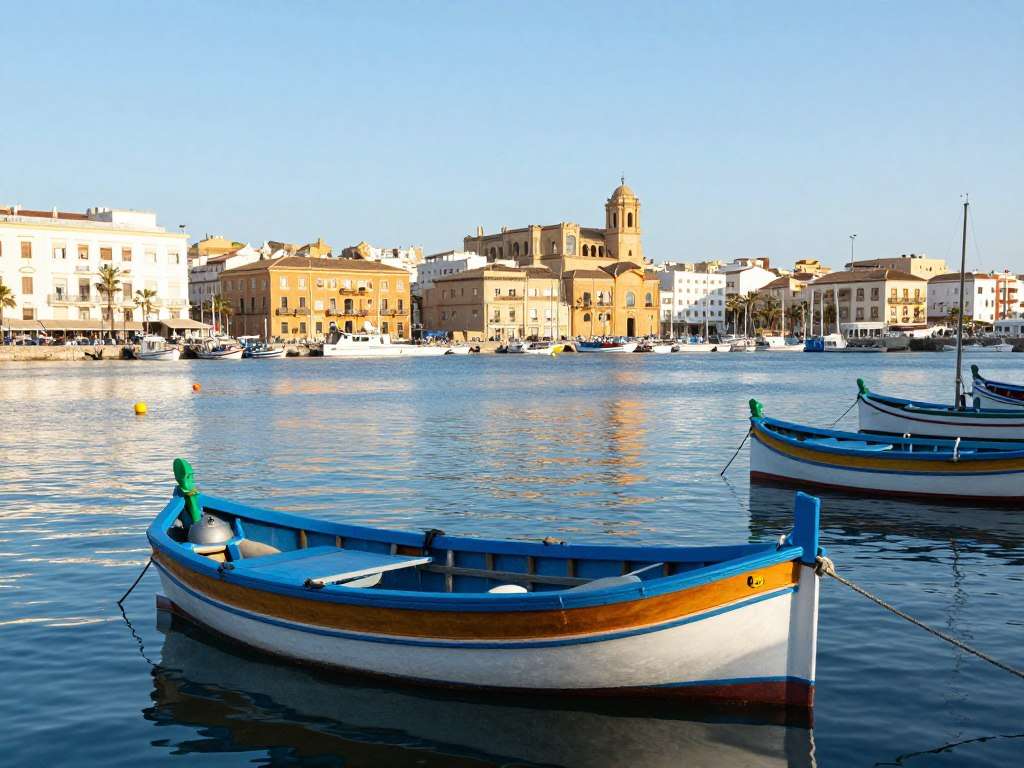
Regional identity shines through every Málaga joke. References to the port city’s fishing heritage appear constantly. “A Malagueño without access to fresh seafood is like a night without stars – technically possible but deeply wrong.”
The jokes celebrate resistance to modern rush culture. “Why do Malagueños excel at enjoying life? They mastered the art of strategic time management – everything important happens eventually.” This humor defends traditional values against contemporary pressures.
Family connections dominate many punchlines. Extended family gatherings provide endless material for observational comedy. The chaos of multi-generational Sunday meals becomes a source of affectionate mockery.
Cultural Values in Jokes
Málaga jokes reinforce community priorities through humor that celebrates shared experiences and local traditions.
- Emphasis on family bonds and loyalty
- Pride in culinary traditions and local food
- Celebration of relaxed lifestyle choices
- Defense of cultural authenticity against homogenization
- Value placed on genuine human connection
Historic pride emerges in jokes about Picasso and other famous Malagueños. “Why is Málaga so artistic? Because Picasso took all the straight lines with him, so we had to get creative.” This honors local heritage while staying playful.
The jokes also acknowledge tourist culture without resentment. “Tourists come to Málaga for the beaches and stay for the tapas. Locals come for the tapas and the beaches are just a bonus.” This inclusive humor welcomes visitors.
The Role of Wit and Sarcasm in Málaga Comedy
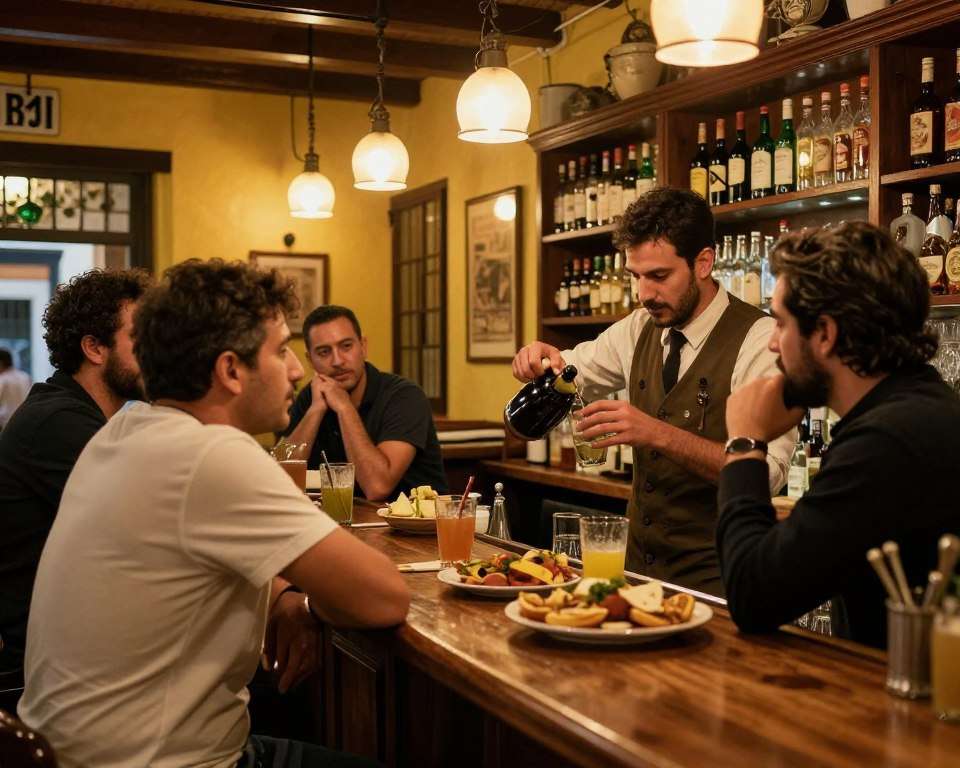
Sarcasm functions as a social bonding tool in Málaga. Friends demonstrate closeness through increasingly outrageous insults that everyone understands as affection. The sharper the wit, the deeper the friendship.
Irony provides commentary on daily absurdities. “Of course the bank closes for a three-hour lunch. Money management requires proper nutrition and siesta time.” This sarcasm critiques bureaucracy while accepting it as inevitable.
Quick comebacks mark successful social integration. Locals respect those who can match their verbal sparring. Tourists who learn to return playful jabs earn immediate acceptance into the group.
“In Málaga, we don’t just tell jokes. We live them. Every conversation is a performance, every meal is theater, and the punchline is always worth the wait.”
The sarcasm often targets pretension and formality. Anything overly serious becomes fair game for deflation. This keeps social interactions genuine and prevents hierarchy from dominating conversations.
Timing sarcastic delivery requires understanding context deeply. The same phrase might be hilarious among friends but offensive with strangers. Locals read social situations expertly to calibrate their wit appropriately.
Málaga Jokes Versus Other Spanish Regional Humor
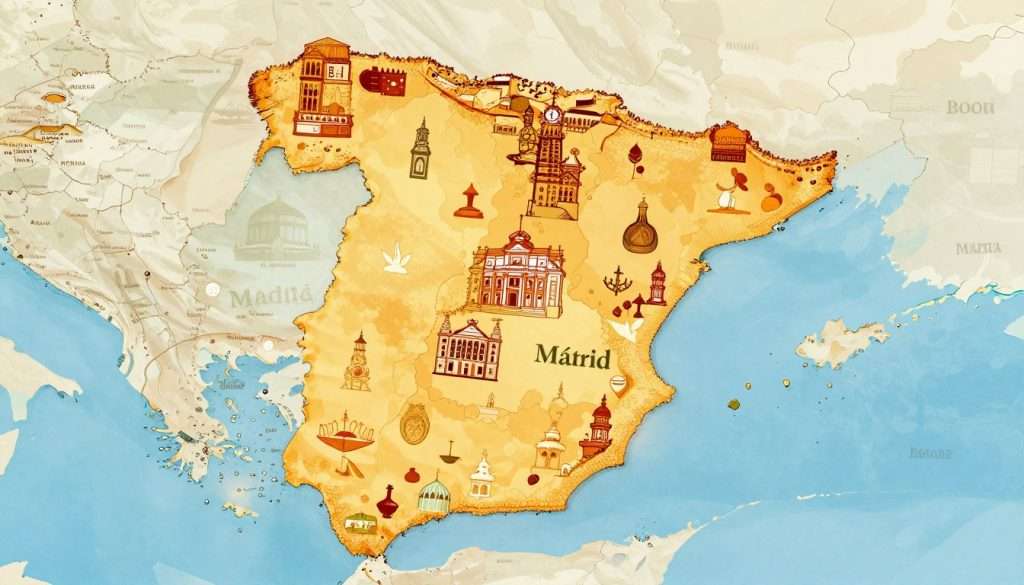
Barcelona puns emphasize cosmopolitan sophistication and Catalan pride. “What’s the difference between Barcelona and Málaga? In Barcelona, they’re too busy working to laugh. In Málaga, laughter is the work.” This comparison highlights philosophical differences.
Madrid humor tends toward political and intellectual wit. Málaga jokes favor observational comedy about daily life. “Madrid makes laws. Málaga makes paella. Guess which one people actually care about?”
Northern Spanish regions employ drier, more subtle humor. Málaga’s comedy is expressive and theatrical by comparison. The physical performance aspect distinguishes southern from northern comedic styles.
Málaga Style
- Warm and inclusive approach
- Food and lifestyle focus
- Theatrical delivery with gestures
- Self-deprecating yet proud
Barcelona Style
- Sophisticated wordplay emphasis
- Cultural and artistic references
- Catalan language puns
- Urban contemporary themes
Madrid Style
- Political and social commentary
- Fast-paced delivery
- Intellectual humor references
- Metropolitan perspectives
Basque humor incorporates regional language and traditions. Galician jokes reference the rainy climate and seafaring heritage. Each region’s comedy reflects local experiences and values uniquely.
Andalusian humor, including Málaga’s, shares characteristics across the south. However, Málaga’s coastal position creates distinct material compared to inland cities like Seville or Granada.
Best Jokes and Puns from Málaga Locals
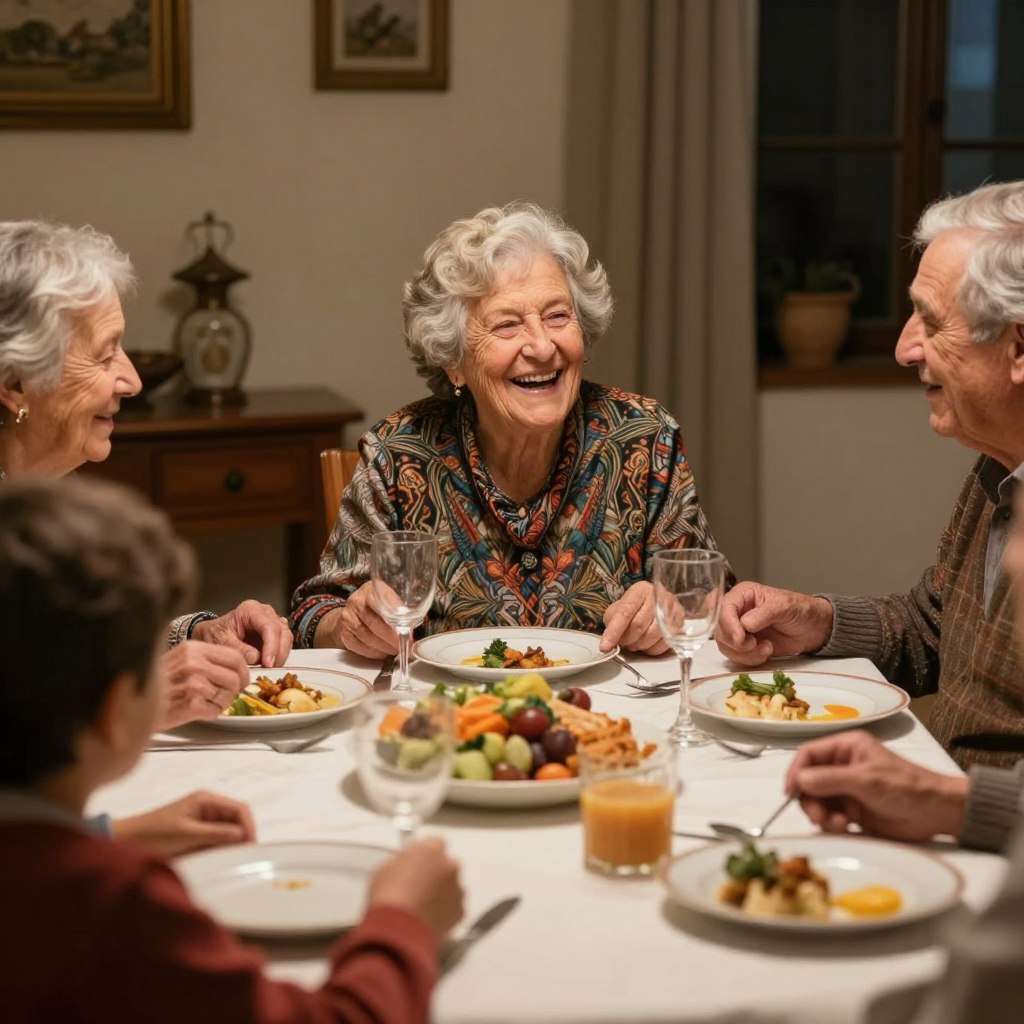
Locals share these favorites that capture Málaga’s essence perfectly. Each joke reflects specific cultural touchpoints that resonate with residents and educated visitors.
- The Tourist Test: “How do you spot a tourist in Málaga? They’re the only ones who think 10 PM is late for dinner.” This joke highlights the late dining culture that surprises many visitors.
- The Weather Wisdom: “What’s a Malagueño’s idea of bad weather? When you need long sleeves for your evening beach walk.” The consistently pleasant climate becomes comedy material.
- The Family Gathering: “Why do Málaga restaurants have large tables? Because bringing fewer than eight family members to dinner is considered dining alone.” Family size expectations exceed most cultural norms.
- The Siesta Defense: “Productivity experts hate this one simple trick Malagueños use: Call it cultural tradition and nobody can argue.” Modern work culture meets traditional lifestyle with humorous results.
- The Food Priority: “In Málaga, we don’t plan our day around meals. We plan our meals around better meals.” The commitment to culinary excellence drives daily schedules.
- The Beach Logic: “Why work on your problems when you can work on your tan? – Official Málaga Life Philosophy.” Priorities become clear in this self-aware joke.
- The Wine Truth: “Málaga produces sweet wine because life here is already bitter enough. Just kidding – life here is perfect, and so is the wine.” Double-layered humor celebrating local products.
These jokes work as excellent whatsapp status updates or social media posts when visiting. They demonstrate cultural understanding while entertaining friends and followers back home.
Love These Málaga Jokes?
Share your favorites on social media and tag fellow Spain travel enthusiasts. Follow for more authentic Spanish culture insights, travel puns, and insider tips for your next Mediterranean adventure.
Understanding Context Behind Málaga Jokes
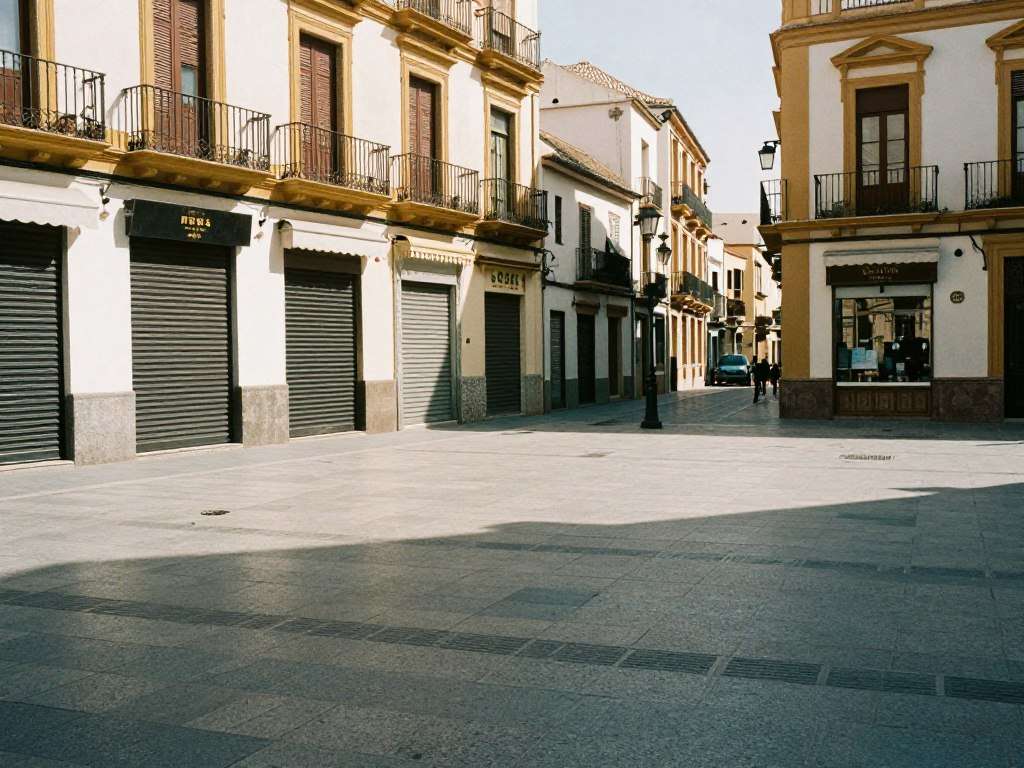
Many Málaga jokes require cultural context for full appreciation. The pescaíto frito references stem from the city’s position as a major fishing port. Fresh fried fish represents quintessential local cuisine that appears in countless jokes.
Siesta culture jokes acknowledge a real tradition that persists despite modern pressures. Businesses genuinely close during afternoon hours. Locals defend this practice fiercely while joking about it simultaneously.
References to “one Spanish” in jokes play on language variations across regions. Málaga’s dropped consonants and distinct pronunciation create communication comedy when interacting with other Spanish speakers.
Why do Málaga jokes often mention beaches and water?
The Mediterranean coastline defines Málaga’s geography and lifestyle. Beaches influence daily routines, social activities, and local identity. Water references connect jokes to the city’s maritime heritage and modern tourism economy.
What makes food such a common theme in Málaga humor?
Andalusian culture places enormous importance on culinary traditions. Málaga’s specific contributions include sweet wine, fried fish, and distinctive tapas culture. Food serves as social glue and cultural identity marker, making it perfect comedy material.
Are Barcelona puns and Málaga jokes actually competitive?
Regional jokes reflect friendly rivalry rather than genuine conflict. Catalans and Andalusians enjoy teasing each other about lifestyle differences. These jokes strengthen Spanish identity through playful regional distinctions.
Understanding Picasso’s connection to Málaga enriches many local jokes. The city’s most famous son left at age ten but remains central to local pride. Jokes about artistic heritage reference this complex relationship.
Greece puns sometimes appear in Málaga humor due to shared Mediterranean culture. Both regions embrace similar lifestyle philosophies regarding time, food, and social connection. France puns typically contrast formality against Málaga’s relaxed approach.
How to Use Málaga Jokes During Your Trip
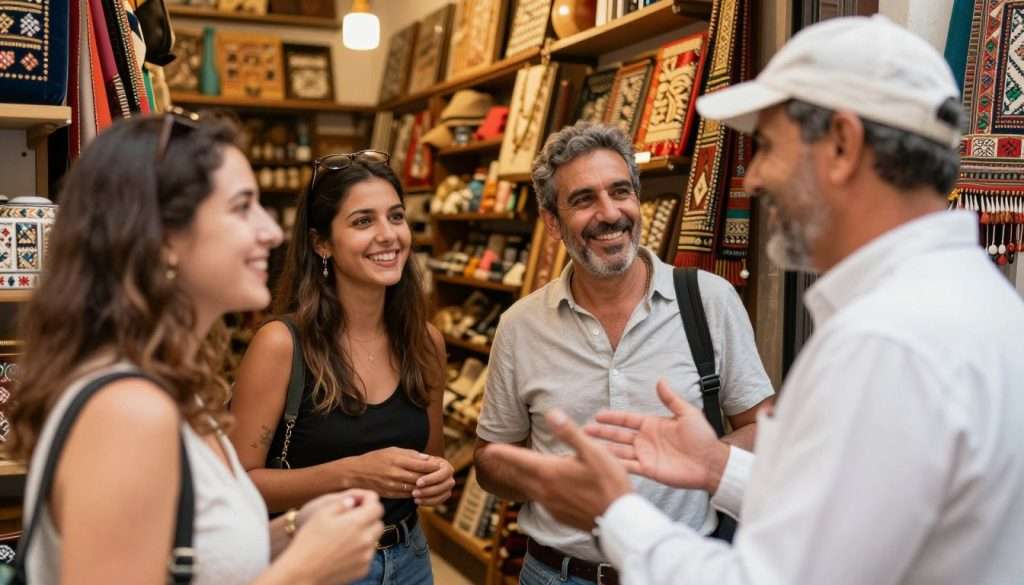
Learning a few local jokes demonstrates respect for Málaga culture. Attempt them in Spanish for maximum impact, even if your accent needs work. Locals appreciate the effort and respond warmly to cultural engagement.
Use food-related jokes in restaurants and tapas bars. “I came to Málaga to lose weight, but the tapas had other plans” works as an ice-breaker with servers and fellow diners.
Beach jokes connect you with locals during coastal encounters. Humor about tourist behavior versus local habits shows self-awareness and creates common ground with residents.
Best Situations for Jokes
- During tapas bar visits with locals
- At guided tours of historic sites
- While shopping at local markets
- During hotel check-in conversations
- At evening beach social gatherings
- When asking for restaurant recommendations
Jokes to Avoid
- Political humor without context
- Stereotypes about Spanish laziness
- Negative comparisons to other regions
- Overly formal or stiff delivery
- Jokes requiring extensive explanation
- Humor that criticizes family values
Social media posts gain authenticity when incorporating local humor. Use these jokes as instagram captions for Málaga photos. Your post will stand out from generic travel quotes with culturally specific wit.
Remember that delivery matters as much as content. Embrace theatrical expression and don’t rush punchlines. Match the relaxed Málaga pace in your comedic timing for best results.
Crafting Your Own Málaga-Style Humor
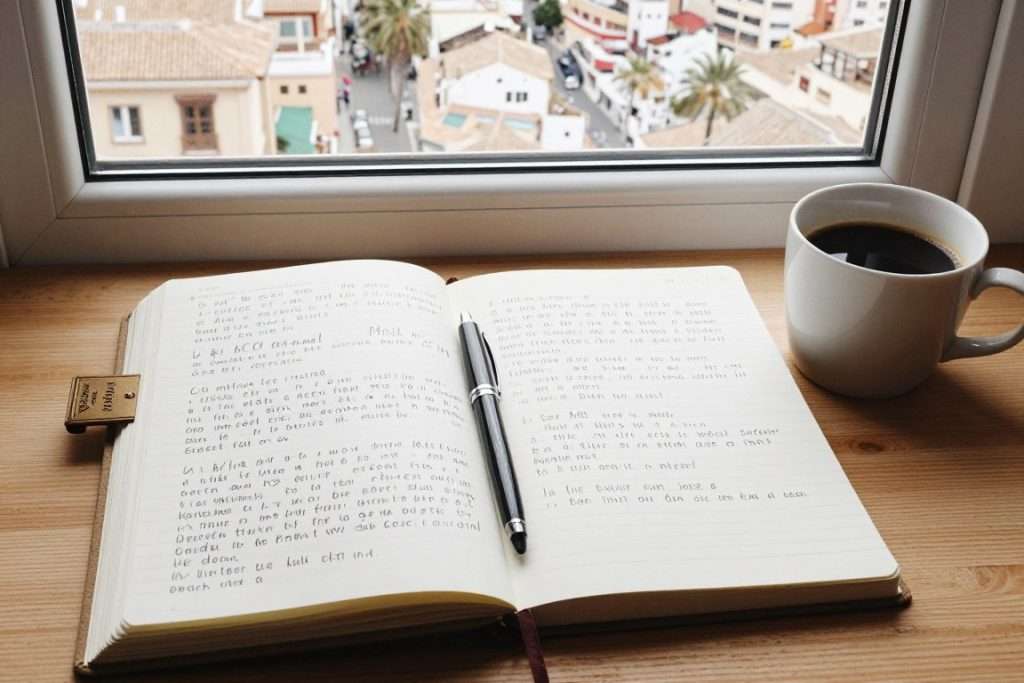
Start by observing daily Málaga life closely. The best jokes emerge from genuine cultural details. Notice how locals interact at markets, beaches, and restaurants. These observations become comedy gold.
Combine unexpected elements from Málaga culture. Pair traditional values with modern situations for humorous contrast. “Downloaded a productivity app in Málaga. It immediately suggested I delete it and go to the beach.”
Use self-deprecation when referencing your tourist status. “I’m trying to blend in as a local, but my inability to eat dinner before 11 PM gives me away.” This approach invites locals into the joke rather than positioning yourself above them.
The formula for successful Málaga jokes: Take a universal truth, add local flavor through food/beach/family references, deliver with warmth and timing. Practice with friendly locals who appreciate your cultural interest.
Reference specific neighborhoods and landmarks for authenticity. Generic Spain jokes lack the punch of Málaga-specific humor. “The climb to Gibralfaro castle is worth it, but only if you reward yourself with wine afterward.”
Test your jokes in low-pressure situations first. Market vendors and taxi drivers often appreciate tourist attempts at local humor. Their reactions guide refinement before using jokes in more formal settings.
Embracing Málaga’s Joyful Spirit Through Humor
Málaga jokes offer windows into Andalusian soul and Mediterranean philosophy. The humor celebrates life’s pleasures while acknowledging universal human experiences. Food, family, and beach culture provide endless material for laughter.
Understanding these jokes deepens travel experiences significantly. You move beyond tourist surfaces into authentic cultural connection. Locals welcome those who appreciate their comedic traditions with open arms and full wine glasses.
The wit and sarcasm of Málaga reflect centuries of cultural evolution. Arab influences mixed with Spanish traditions create unique comedic sensibilities. Each joke carries historical weight alongside contemporary relevance.
Regional comparisons highlight what makes Málaga special among Spanish cities. The relaxed coastal lifestyle produces humor that prioritizes enjoyment over productivity. This philosophical approach resonates with visitors seeking authentic Mediterranean experiences.
Whether you’re planning your first trip or returning as a seasoned visitor, these jokes enhance your Málaga adventure. Share them with friends, post them as captions, and most importantly, laugh alongside locals who created this rich tradition.
Ready to Experience Málaga in Person?
Transform joke appreciation into real cultural immersion. Access comprehensive travel resources including booking guides, insurance options, curated tours, and insider recommendations. Start planning your authentic Málaga experience today.
The best jokes come from lived experience. Visit Málaga yourself and create new stories worth sharing. The city’s humor tradition continues evolving with each visitor who embraces the local spirit and adds their own laughter to the mix.


Leave A Comment