
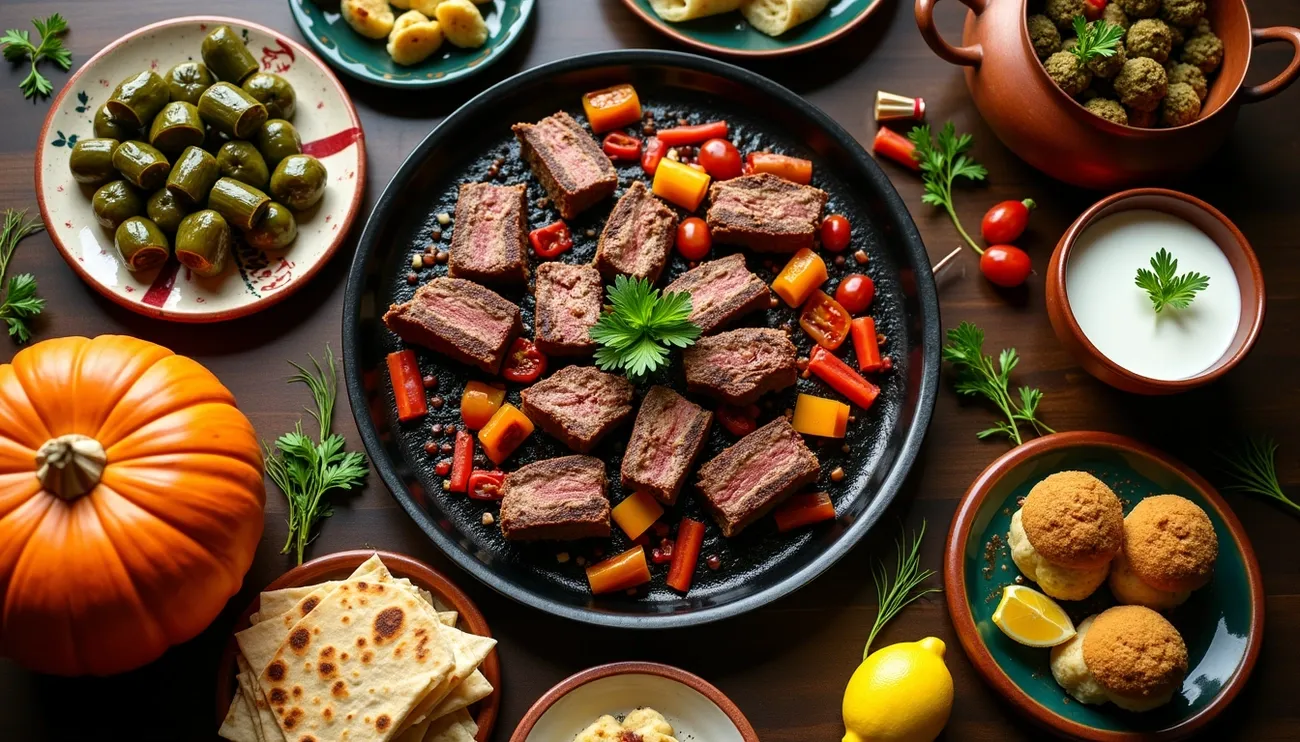
Armenian food celebrates ingredient freshness rather than relying on excessive spices. The cuisine has distinctive foods and cooking techniques perfected through generations. Lamb, eggplant, and bread (lavash) serve as the life-blood ingredients.
Khorovats stands as the country’s number one traditional meal, and locals take immense pride in this classic dish. Armenian cooks marinate meats in special spices for hours or days before grilling them over an open flame. The cuisine has many beloved dishes like Dolma (grape leaves stuffed with minced meat and rice) and Harisa (a hearty winter dish made from wheat and slow-cooked meat).
Armenian traditional food tells the story of the country’s agricultural heritage and cultural values through dishes like Spas (yogurt soup) and the festive Ghapama (pumpkin stuffed with rice, dried fruits, and nuts). Local tables showcase remarkable pastries – savory cheese-filled Boreg and sweet treats like Paklava with its diamond-shaped layers of chopped walnuts and paper-thin dough. This piece explores 23 authentic Armenian dishes that remain essential to modern dinner tables.
Khorovats (Armenian BBQ)
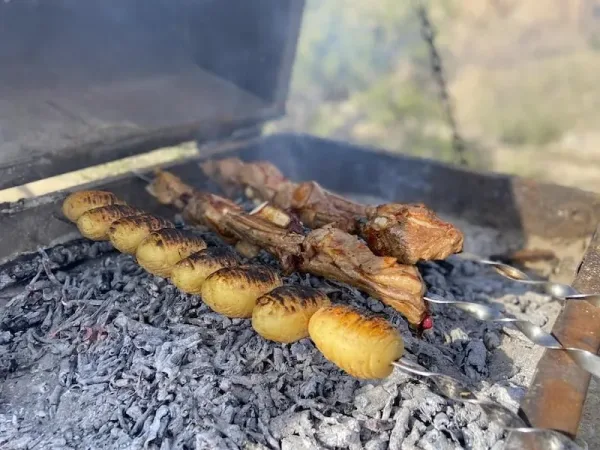
Image Source: Absolute Armenia
Khorovats (Խորոված) comes from the Armenian word “khorovvel” which means “to grill” and stands as Armenia’s beloved barbecue tradition. This iconic dish means more than just food – it captures the spirit of Armenian gatherings and celebrations.
Khorovats ingredients
Soviet times influenced Armenia’s meat preference, making pork the top choice. The locals prepare Khorovats with lamb, beef, chicken, and sometimes fish or veal. The dish’s foundation lies in its marinade, which blends olive oil, chopped or minced onions, garlic, salt, black pepper, and herbs. Some Armenian families love basil, while others prefer cilantro. The recipe often includes paprika, oregano, rosemary, thyme, and sometimes lemon juice, vinegar, or vodka to tenderize the meat. Many cooks add small pieces of lamb fat between meat chunks to create a richer flavor.
Khorovats preparation method
The meat needs to soak in marinade for at least 6 hours, though 24-48 hours gives better results. Cooks thread the meat onto metal rods called “shampoors” (շամփուր). Armenian tradition calls for preparing Khorovats over a wood-fired “mangal” (Armenian grill), preferably using grape vine wood. Heat control sets this barbecue style apart – the meat sits about 12-15 centimeters above a gentle fire. Expert cooks place larger meat pieces in the center where heat gathers. The cooking takes about 40 minutes, and the meat needs flipping every three minutes until it turns golden and crispy outside.
Why locals love Khorovats
Khorovats means more than just eating – it brings people together to celebrate. The annual Khorovats festival started in Akhtala, northern Armenia in 2009 and attracted 15,000 visitors by 2012. People love this dish because it needs simple equipment and preparation but delivers great results. After Nikol Pashinyan’s election as Prime Minister in 2018, Armenians dragged their mangals into Yerevan’s streets and turned the capital into a massive Khorovats party. Foreigners now call Proshian Street in Yerevan “Barbecue Street” because of its many Khorovats restaurants.
Dolma
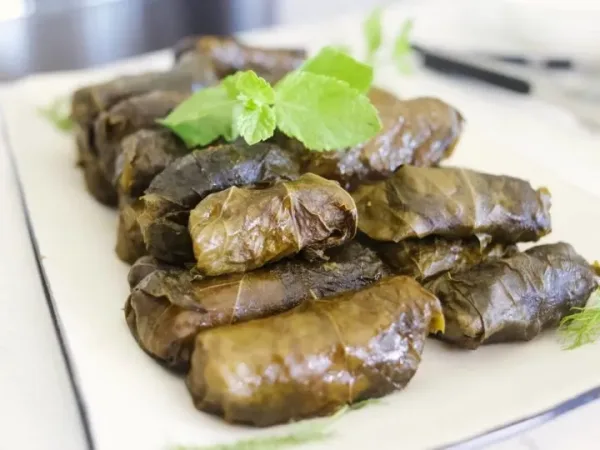
Image Source: Kalie Stephan
Dolma stands as one of Armenia’s most treasured dishes across the Caucasus region. The dish gets its name from the Turkic word “doldurma,” which means “stuffed”.
Dolma variations
Armenian cooks create many different dolma varieties, and each region adds its own unique flavors. The traditional recipe combines ground lamb or beef with rice, all wrapped in grape or cabbage leaves. Visitors at the annual Dolma Festival can taste more than 60 different types that include fillings with lentils, mushrooms, and basturma. Cooks also stuff vegetables like peppers, tomatoes, zucchini, eggplant, and onions to make dolma. During Lent, Armenian kitchens produce “Pasuts tolma,” a meatless version that brings together seven different grains—chickpeas, beans, lentils, cracked wheat, peas, rice, and maize.
Dolma preparation method
The cooking process starts when rice soaks for about 30 minutes. Cooks mix minced lamb or beef with rice, chopped herbs, onions, and spices for meat-based versions. Each grape leaf needs careful preparation and stem removal. The cook places a tablespoon of filling on the leaf’s widest part, then folds the sides inward and rolls it from base to tip. The dolma then simmers gently for about an hour, and this allows all flavors to blend together perfectly.
Dolma in Armenian celebrations
Dolma plays a vital role in Armenia’s cultural celebrations. Since 2011, the country’s annual Dolma Festival happens usually in May, and it showcases Armenia’s rich food heritage. Chefs at the festival compete to win awards for best taste, appearance, and concept. Dolma remains at the heart of family gatherings and community events, where it represents hospitality and cultural identity. Armenian families see dolma’s preparation as a precious tradition that passes from one generation to the next.
Harisa
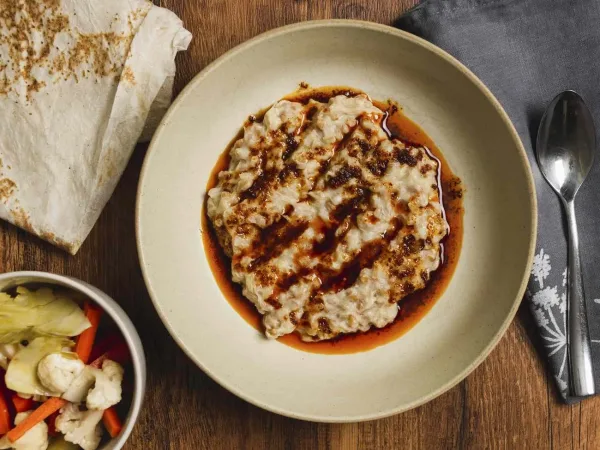
Image Source: Serious Eats
Harisa symbolizes Armenian resilience and embodies their culinary heritage and historical struggles. This hearty porridge-like dish has kept people fed through centuries of hardship and celebration.
Harisa ingredients
The dish needs just two simple ingredients: peeled wheat and meat. Most Armenian families cook it with chicken now, though lamb was the traditional choice, especially in the Musaler region. The dish’s simplicity shows its roots as survival food that needed only simple staples to keep communities going. Regional recipes might add onions, garlic, salt, and sometimes spices to boost the flavor.
Traditional Harisa cooking
Making authentic Harisa takes time and dedication. The dish needs 4-6 hours to cook and constant stirring keeps it from sticking—the name “harisa” comes from “harir sa,” which means “stir this”. The meat slowly melts into the wheat as it simmers, creating a thick, smooth consistency. Cooks serve Harisa with clarified or melted butter on top and pickled vegetables on the side.
Cultural significance of Harisa
Harisa means more than food in Armenian culture, especially when you have its connection to the Musa Ler resistance during the 1915 Armenian genocide. Armenians gather in the Armavir region every third Sunday of September to honor this resistance by cooking Harisa together. People sing patriotic songs and perform traditional dances to celebrate their ancestors’ victory during these gatherings. Musa Ler Armenians’ descendants see the dish as a symbol of their triumph over oppression. Armenian Christian tradition tells us Gregory the Illuminator created Harisa by mixing sacrificial lamb with wheat to feed the poor.
Spas (Yogurt Soup)
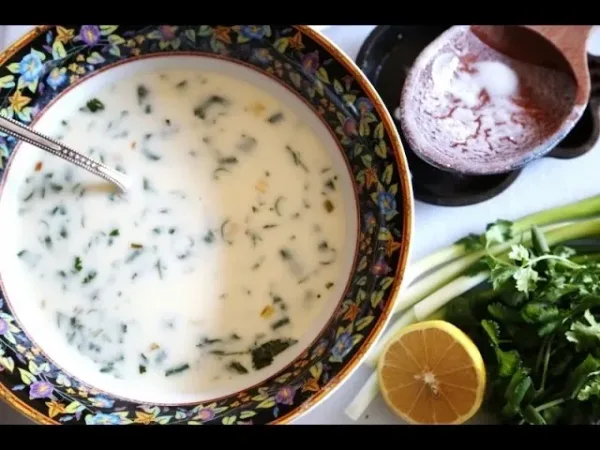
Image Source: YouTube
Spas captures the essence of Armenian cuisine with its perfect blend of tangy and creamy flavors. This yogurt-based soup stands out as a versatile dish that brings comfort and practicality to Armenian homes.
Spas ingredients
The heart of Spas lies in these key ingredients:
- Yogurt (typically Greek-style or matsun)
- Wheat kernels, pearl barley, or rice as grain base
- Egg (for the hot version only)
- Flour (prevents yogurt from curdling)
- Dried mint or fresh herbs like cilantro and parsley
- Butter for sautéing onions
How Spas is made
The cooking process starts with tender grains simmered in water or chicken broth. A smooth base emerges from whisking yogurt, water, egg, and flour together. The mixture needs constant stirring as it heats up to prevent curdling and should not exceed 205°F. The dish comes together as cooked grains and herbs blend into the thickened base, creating a symphony of textures and flavors.
When Armenians eat Spas
Armenian families embrace Spas’s adaptable nature throughout the year. The warm version serves as a comforting remedy that helps with colds and stomach ailments during winter months. Summer brings a refreshing twist as households serve it chilled. This versatility showcases Armenian cuisine’s practical wisdom and makes Spas a cherished year-round dish on Armenian tables.
Ghapama
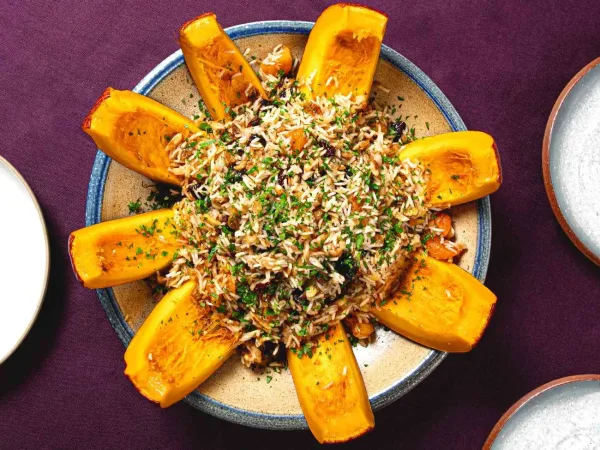
Image Source: Serious Eats
The stunning Ghapama showcases Armenian cuisine’s celebratory spirit. This stuffed pumpkin dish combines beautiful presentation with delightful sweet and savory flavors.
Ghapama ingredients
You’ll need these key ingredients to make Ghapama:
- A medium to large pumpkin (sugar or pie pumpkin works best)
- Long-grain or basmati white rice (about 1 cup)
- Dried fruits (raisins, apricots, cherries, prunes, dates)
- Nuts (walnuts, almonds, sometimes pine nuts)
- Butter (about 6 tablespoons)
- Honey (1/4 cup plus extra for coating)
- Warm spices (we used cinnamon, sometimes nutmeg)
Ghapama preparation
The pumpkin’s top comes off first, often cut in a star pattern, and we clean the inside really well. Rice gets cooked partially until al dente. A honey-butter mixture coats the pumpkin’s inner walls. The filling mixes rice with dried fruits, nuts, butter, honey, and cinnamon before going into the pumpkin. The lid goes back on, and the pumpkin bakes at 350°F for 1-2 hours until it feels tender to a fork’s touch.
Ghapama as a festive dish
Ghapama plays a special role in Armenian Christmas and New Year celebrations. The cooked pumpkin makes quite a show when cut along its natural ridges. It opens like flower petals to reveal its jeweled rice filling. This dish means so much to Armenian culture that it inspired a beloved song: “Hey jan ghapama, tasty, fragrant ghapama”. Many families make the serving extra special by singing and clapping their hands.
Lavash
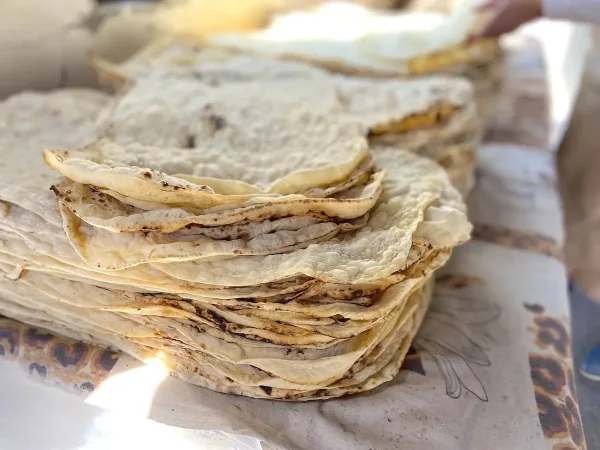
Image Source: Absolute Armenia
Lavash, recognized by UNESCO as an Intangible Cultural Heritage of Humanity, stands as the cornerstone of Armenian cuisine’s daily bread tradition. Armenian families have relied on this paper-thin flatbread’s remarkable versatility and simple ingredients for centuries.
Lavash baking process
A tonir (clay cylinder oven) built into the ground serves as the traditional heart of lavash making. The women’s teamwork creates a beautiful dance of bread making. One woman kneads and portions the dough while another flattens it with a rolling pin. A third baker uses the batat (cushion) to press the dough against the tonir’s hot walls. The bread develops its distinctive blisters and light charring in just 30-60 seconds. Visitors quickly notice homemade lavash’s deeper flavor and chewier texture that sets it apart from factory-made versions.
Lavash cultural importance
Lavash weaves deeply into Armenian history as a symbol of prosperity and fertility. Newlyweds receive this bread on their shoulders during wedding ceremonies. The shared baking experience strengthens family bonds and community ties. Each generation passes these cherished skills to the next. Young girls start as helpers and take on more responsibilities as they learn the craft.
How Lavash is eaten
Armenian cooks use lavash creatively in their cuisine. They wrap it around khorovats (barbecue) to slide meat off skewers, drape it over khash soup to keep the warmth in, or simply fill it with cheese and fresh herbs. This versatile bread stays good for months when dried and springs back to life with a quick rehydration.
Caribbean islands for foodies.
Manti
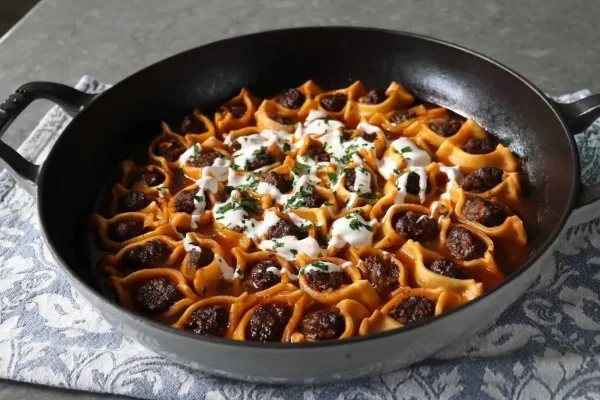
Image Source: Allrecipes
Armenian cuisine’s beloved manti stands out from other dumplings you’ll find in Central Asia, thanks to its special preparation and serving methods.
Manti fillings
The heart of Armenian manti lies in its ground beef filling, which needs to be lean to stay moist while the dough turns crispy. Some regions prefer lamb, which gives the dish its own special taste. Cooks mix in finely minced onions with fresh parsley and spices like allspice, black pepper, and paprika. A spoonful of seasoned tomato sauce adds moisture and deepens the flavor. This mix creates a rich, flavorful filling that pairs perfectly with the crispy shell.
Manti cooking method
Armenian manti, particularly “sini manti,” takes a different path from its Turkish or Central Asian cousins. Instead of steaming or boiling, these boat-shaped dumplings are baked until crispy. The dough needs to be rolled very thin—about 1/16 inch—and cut into small squares. Each square gets a spoonful of meat before being shaped into a tiny boat. The dumplings line a greased baking dish in a single layer and bake at 350°F for 20-30 minutes until they turn golden brown.
Manti serving style
Hot chicken broth poured over the baked manti creates an exciting sizzle that adds flavor while keeping the tops crispy. A rich yogurt-garlic sauce made from strained yogurt, minced garlic, and salt crowns the dish. Many families add sumac for a tangy kick and sometimes Aleppo pepper for gentle heat. This creates an amazing mix of textures—crispy edges meet tender filling and creamy sauce—that shows off traditional Armenian cooking at its best.
Basturma
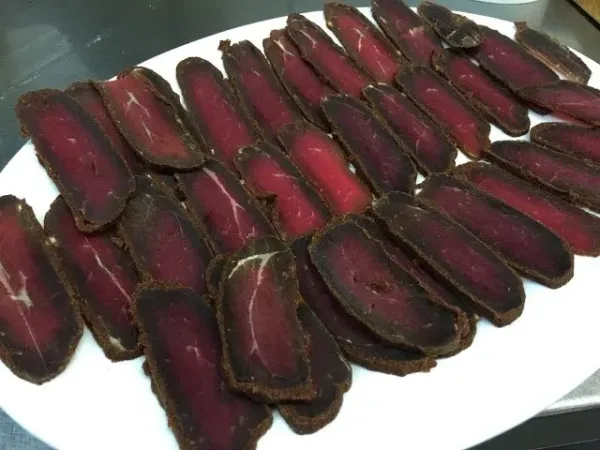
Image Source: YouTube
Basturma stands as one of Armenia’s most cherished cured meats. This air-dried beef delicacy captures centuries of Armenian culinary tradition through its unique flavor profile. People still use these ancient preservation techniques today.
Basturma seasoning
The aromatic spice coating called “chemen” or “chaman” makes basturma special. Ground fenugreek creates its signature aroma in this paste, along with sweet paprika, garlic, and cumin. Local recipes add black pepper, cayenne, allspice, and sometimes coriander. The thick spice coating adds intense flavor and serves as a natural preservative.
How Basturma is made
The process starts with the right cut of meat – usually eye of round or beef tenderloin. The meat needs salt treatment for 3-5 days under weights to remove moisture. A thorough wash and dry follows, then the meat hangs in a cool, breezy spot for two weeks. The next step coats the cured beef with its signature spice paste, about ⅛ inch thick. The final stage requires 2-3 more weeks of hanging until the meat dries completely.
Basturma as an appetizer
Armenian cuisine features basturma sliced paper-thin as a cold appetizer. People love to pair it with lavash or matnakash bread. Many Armenians can’t resist basturma with scrambled eggs for breakfast. This delicacy holds its place at Armenian tables despite the long preparation time. Its complex flavors tell the story of Armenia’s rich food heritage.
Gata
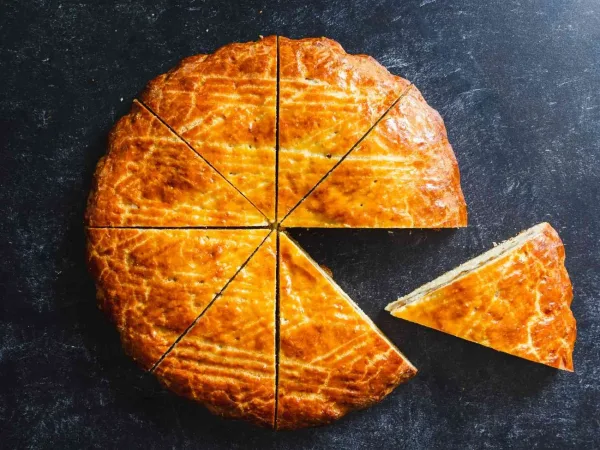
Image Source: Serious Eats
Gata is the life-blood of Armenian confectionery. Its rich buttery layers and sweet filling have satisfied generations of Armenian families. The beloved pastry comes in many different forms throughout Armenia.
Gata types
Armenian bakers create many regional variations of gata. The classic Geghard and Garni gatas come in round shapes about one foot across and feature patterns pressed into the dough before baking. Residents near Lake Sevan in Tsovinar make their own unique version – a denser, triangular gata without koritz filling. Families also prepare “Yerevanyan gata,” a rolled version they cut with a curved knife before baking, and “Karabakh gata” that stands out with its geometric patterns.
Gata baking tradition
Armenian bakers once used underground clay ovens called tonirs to create this delicious pastry. The simple dough needs just flour, butter, eggs, and sugar, while the signature filling—koritz or khoriz—blends flour, butter, and sugar. Some bakers hide a coin in the dough, and anyone who finds it can expect good fortune.
Gata in Armenian culture
Gata plays a special role during Tiarn’daraj (Candlemas), which Armenians celebrate 40 days after Christmas. This sweet treat symbolizes unity and prosperity at Armenian weddings, where people break it over the newlyweds’ heads as a blessing. Armenians serve gata with their tea or coffee, making it both an everyday comfort food and an important part of their ceremonial traditions.
Zhingyalov Hats
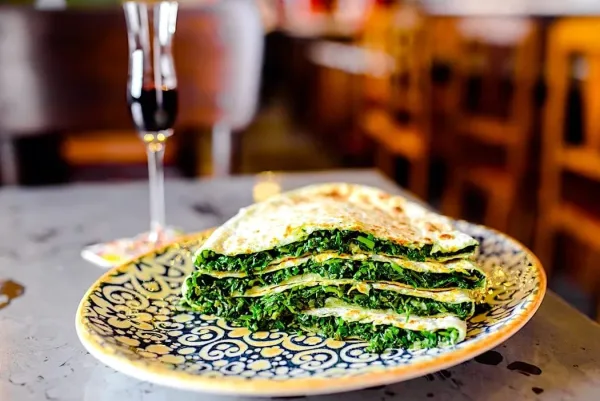
Image Source: The Food Dictator
Zhingyalov Hats, a vibrant flatbread from Armenia’s Artsakh and Syunik regions, stands out with its filling of finely chopped herbs and greens. This simple yet delicious dish shows Armenian cuisine’s resourcefulness.
Zhingyalov Hats herbs
The heart of Zhingyalov Hats beats in its green filling that blends 10-20 different herbs and vegetables. The mixture needs a careful balance of flavors. Mild greens like spinach, lettuce, and beet greens create the base. Distinctive herbs like chervil and allium add character but are used much of either. Sour ingredients such as sorrel or tangy greens blend with bitter elements like dandelion in small amounts. Armenian cooks believe each herb brings its own magic to create a harmony that simple combinations can’t match.
Zhingyalov Hats preparation
A simple unleavened dough like in lavash starts the process. The dough needs to rest at least 1-1.5 hours. Cooks roll it paper-thin into circles or ovals. They spread the herb mixture with salt, oil, and sometimes black pepper generously on the dough but leave the edges clean. The flatbread comes together as they fold opposite sides and pinch them closed. A special griddle called “saj” or a tandoor crisps up the Zhingyalov Hats until golden-brown blisters appear.
Why locals love Zhingyalov Hats
This dish means both survival and cultural identity to Armenian communities. It emerged as “struggle food” during times of lack, and families could make nutritious meals from foraged greens. The dish becomes especially important during Great Lent as Armenians follow religious dietary rules. Modern locals value its health benefits from many herbs and see it as a symbol of their community’s strength and creativity.
Ishkhan (Sevan Trout)
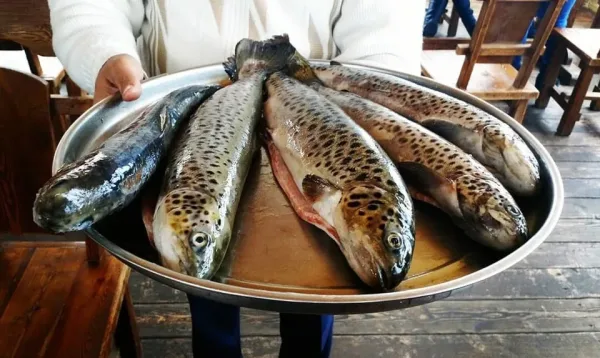
Image Source: Phoenix Tour Armenia
The name Ishkhan comes from the Armenian word for royalty, making it the “prince” of Armenian seafood. This exceptional fish stands as one of Armenia’s most treasured culinary delights.
Ishkhan origin
Lake Sevan’s native Sevan trout (Salmo ischchan) once flourished in Armenia’s largest alpine lake. The fish comes in four distinct strains. The winter bakhtak grows up to 90 cm and 15 kg, while the summer bakhtak stays smaller at under 50 cm. The gegharkuni shows migratory patterns, and the bojak remains a dwarf variety. The fish population faced threats from non-native species introduced during Soviet times and changes in water levels. The government established Sevan National Park and commercial fishing stopped in 1976.
Ishkhan cooking methods
Armenian cuisine features several traditional ways to prepare Ishkhan. The most popular dish “Ishkhan in wine” combines fried trout in white wine with cherry-plums, pomegranate, and herbs. “Ishkhan khorovats” brings a different flavor as chefs rub the trout with salt and grill it on skewers over coals, basting it with butter. The more complex “fish cutap” (kutap) features gutted trout filled with boiled rice, raisins, and crushed ginger. Armenian cooking tradition suggests placing fish on wooden sticks or pebbles to avoid direct contact with the pan.
Where to eat Ishkhan
Numerous quality restaurants in Sevan and Yerevan now serve Ishkhan. The lakeside restaurants near Sevan provide authentic dishes with stunning views. Tsovasar Restaurant has become a popular choice, though its prices run higher than typical Armenian restaurants. Thanks to successful conservation work, Ishkhan populations have stabilized, letting visitors enjoy Armenia’s princely fish heritage responsibly.
Khash
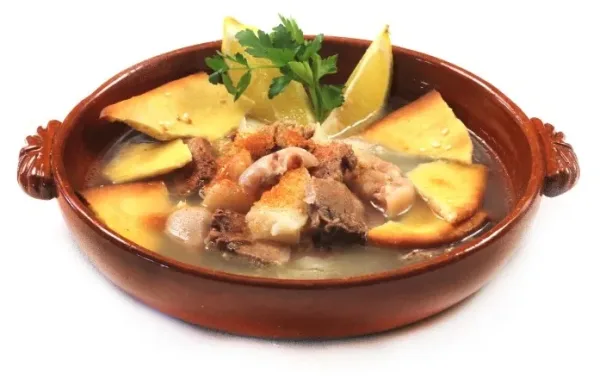
Image Source: That Cooking
Khash is much more than just soup – it’s a ceremonial experience deeply rooted in Armenian food culture. The name comes from the Armenian word “khashel” which means “to boil.” This unique dish started as simple fare but grew into a cherished social tradition across Armenia.
Khash ingredients
The dish’s foundation lies in boiled cow parts – mainly feet (trotters), and sometimes head pieces or stomach (tripe). The preparation needs extraordinary patience. The feet must be cleaned under cold running water for approximately 10 hours. After this careful cleaning, the trotters simmer overnight until the water becomes a rich, gelatinous broth. The dish’s natural flavors shine through without any added spices – diners just add salt at the table.
Khash eating rituals
People gather early in the morning, usually at sunrise, to enjoy Khash. The dish comes with two types of lavash – dry bread to crumble into the broth and fresh pieces to scoop with. Raw garlic plays a key role, and Armenians add 4-8 cloves per serving. Vodka naturally pairs with Khash, and specific toasts honor the day first, then the cooks, and finally the guests. In the past, only men could eat Khash because its strong smell and vodka pairing weren’t considered suitable for women.
Khash in winter traditions
Armenians eat Khash mainly during cold weather, from September through April. Many consider it Armenia’s best hangover cure, often eaten after celebrations. Friends still meet in mountain cabins surrounded by snow to enjoy this warming dish. Other countries have their versions too – Iran’s “kalle-pache” has sheep’s head with brain, while Greece’s “patsás” sometimes comes with egg-lemon sauce.
Lahmajoun
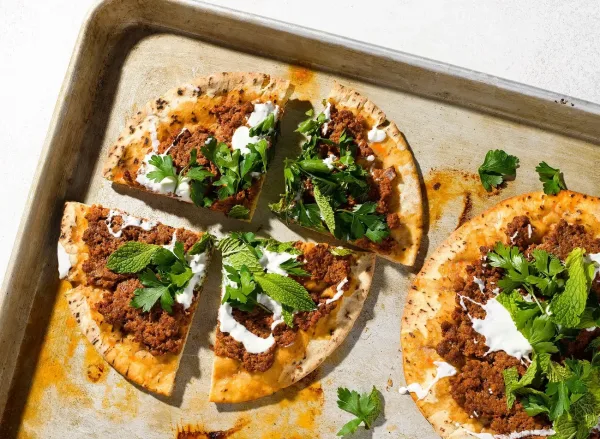
Image Source: Milk Street
Lahmajoun, often called “Armenian pizza,” features a thin, crispy flatbread with a distinctive minced meat mixture that creates a perfect balance of savory flavors and subtle heat.
Lahmajoun toppings
The signature topping combines ground beef or lamb with some fat content to create richer flavors. Armenian families mix the meat with finely processed vegetables like onions, bell peppers, parsley, and tomatoes. The authentic taste comes from tomato paste, pomegranate molasses, sumac, and spices such as paprika, cumin, allspice, and cayenne pepper. Some recipes include biber salçası (Turkish pepper paste) to add concentrated savory sweetness and depth to traditional versions.
How Lahmajoun is made
The process starts with a thin dough rolled into circular disks about 8-10 inches wide. Cooks spread a very thin layer of meat mixture across each disk and leave a small border around the edges. Getting the topping even is the tricky part – skilled cooks use their hands or plastic wrap for uniform coverage. The dish bakes in very hot ovens (around 475°F), best on a preheated stone, which creates that signature crispy yet pliable texture in 5-8 minutes.
Lahmajoun as street food
Armenian locals love to squeeze fresh lemon juice over their Lahmajoun before folding or rolling it like a taco. Fresh herbs, arugula leaves, sliced onions, or pickled vegetables make perfect accompaniments. Most people enjoy their Lahmajoun with cold “Tun” (Ayran), a yogurt drink that pairs perfectly with the flavors. This convenient hand-held meal remains a favorite throughout Armenian communities.
Kufta
Armenian cuisine takes pride in kufta, a beloved meatball dish that spread across regions with unique preparation styles and local twists.
Kufta types
Gavari Kufta represents Armenian cuisine’s crowning achievement. This specialty comes from Gavar, a city 90 km northeast of Yerevan near Lake Sevan. The dish’s signature lies in its delicate meatballs that cooks beat until they reach a smooth, uniform texture. Stuffed kufta brings another dimension to the table with its ground meat and bulghur shell wrapped around flavorful filling. Armenian families typically make four distinct styles: fried kufta stuffed with bulgur, boiled kufta in broth, grilled kufta, and kololak – the soup version.
Kufta preparation
Armenian cooks traditionally made Gavari Kufta on flat stones called Salakar. They used wooden hammers known as Tokhmakh to beat premium beef or veal cuts until they reached a sticky consistency. Modern preparation has evolved – cooks now remove veins and films from the meat before running it through grinders or food processors. They gradually add milk or water to achieve the right texture. The stuffed version needs 1½ pounds of ground lamb or beef mixed with 2 cups of fine bulghur, onion, parsley, salt, and pepper for the outer layer. The filling combines 1 pound of ground meat with large chopped onion, parsley, salt, and pepper.
Kufta in Armenian meals
Kufta plays a central role in Armenian dining, from casual family dinners to special celebrations. Many families serve it as a side dish or create a filling soup by adding pasta and vegetables to the broth. Some households pair it with yogurt, which balances the meat’s rich flavors. This cherished dish wins hearts across Armenia with its tender texture and distinctive taste. Even visitors who struggle with its pronunciation can’t resist its appeal.
Boreg
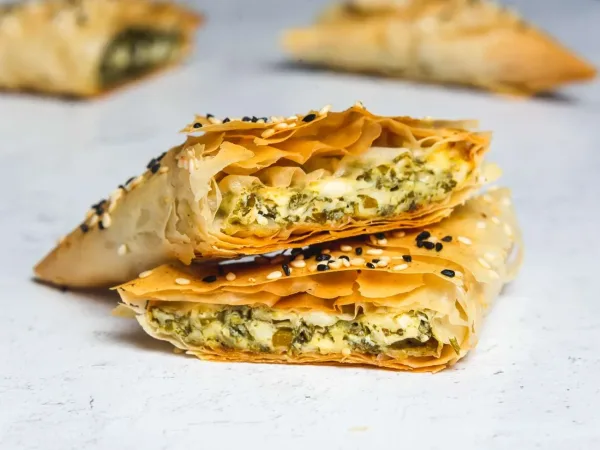
Image Source: Serious Eats
Armenian families delight in serving flaky Boreg pastries that charm everyone with their crispy exterior and flavorful fillings. These cheese-filled pastries surpass simple side dishes and have become cherished elements of traditional Armenian cuisine.
Boreg fillings
Cheese stands as the star ingredient in Armenian Boreg. Most home cooks prefer brick cheese, but mozzarella, Monterey Jack, or Muenster cheese work great as substitutes outside Chicago and Wisconsin. The best results come from cheese blocks rather than pre-shredded varieties because packaged options contain anticoagulants that prevent proper melting. Fresh parsley improves the filling’s flavor, and some recipes add finely diced onions. Some families make meat Boreg with spiced ground beef and fold it into rectangles to tell it apart from the cheese versions.
Boreg baking method
The process starts with phyllo dough layers brushed with melted butter. Bakers layer three buttered phyllo sheets and add two tablespoons of filling before shaping them into triangles or rectangles. Pan-style Boreg needs alternating layers of phyllo and cheese mixture, followed by refrigeration for at least two hours. A mixture of two eggs and 1.5 cups of milk poured over pre-sliced sections soaks through the pastry before baking. The pastries turn golden brown and crispy after baking at 350°F-375°F.
Boreg as a snack
Armenian families love serving these pastries as appetizers at gatherings. Yes, it is “heaven found in flaky, buttery triangle shells oozing with melted cheese and herbs.” These treats keep well in the fridge and taste great when reheated in ovens or toaster ovens. Boreg appears among other mezze dishes at celebrations, and home cooks often prepare it ahead and freeze until needed. This beloved pastry remains popular in the Caucasus region, with variations in Georgian and Turkish cuisines.
Pakhlava
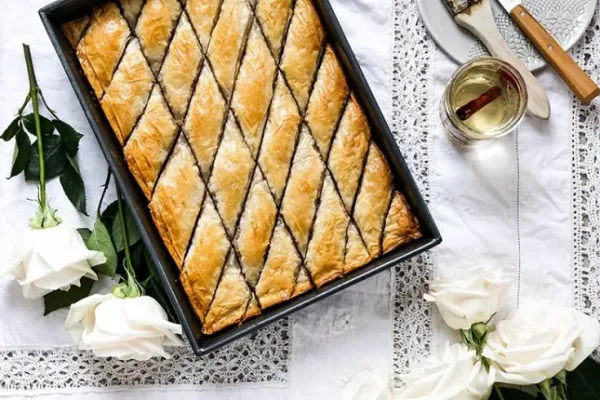
Image Source: The Floating Kitchen
Pakhlava stands as the crown jewel of traditional Armenian desserts. This diamond-shaped layered pastry delights people with its sweet nutty filling and flaky texture.
Pakhlava ingredients
Armenian pakhlava’s traditional recipe needs phyllo dough (24-25 sheets), while walnuts form the main filling. A mixture of 4 cups of finely chopped walnuts combines with sugar and spices like cinnamon, cardamom, or cloves. Clarified butter (about 2 cups) will give crisp, golden layers. Sugar, water, honey, and lemon juice create the signature syrup that sometimes includes whole cloves or lemon peel to add depth.
Pakhlava layering technique
Bakers start by brushing each paper-thin phyllo sheet with clarified butter. The assembly alternates between buttered phyllo and walnut mixture layers. Diamond-shaped cuts mark the pastry’s top before it goes into the oven. The baker pours hot syrup over the warm, golden-brown pakhlava, and it soaks through the layers to create its characteristic sweet, sticky texture.
Pakhlava in celebrations
Whatever regional variations exist, pakhlava remains central to Armenian Christmas, New Year, and Easter gatherings. Families prepare this sweet treat months before special occasions, and it symbolizes prosperity and hospitality in Armenian culture. Holiday seasons see many families giving pakhlava as edible gifts to friends and neighbors.
Dried Fruits
Armenia’s fruit heritage dates back to ancient times. Herodotus wrote about Armenian merchants trading dried fruits as far back as the 5th century BC. This age-old tradition still makes Armenian cuisine special with its naturally sweet preserved fruits.
Popular dried fruits
Armenians call their dried fruits “Chir.” These include apricots, peaches, plums, figs, tomatoes, and raisins. A special treat called “alani” stands out – sun-dried peaches with a tasty filling of ground nuts, sugar, cinnamon, and cardamom. The Gegharkunik Province, which Lake Sevan partly covers, became famous for these treats thanks to its perfect climate. You’ll find the Victoria plum variety here – a rare sight in European markets.
Drying process
Armenian farmers pick ripe fruits and lay them out in the sun across different regions. Making alani needs special care. Farmers remove peach pits by hand and string them together to hang outside. The fruits dry first, then get their nut filling, and continue drying for several more weeks. Modern solar driers now help create cleaner products that appeal to markets by keeping dust, insects, and rain away.
How Armenians use dried fruits
Dried fruits play many roles in Armenian cooking beyond just snacking. These nutrient-rich treats (about 250 kkal and 1.5-5g protein per 100g) help boost Armenian sweet pilaf’s flavor when mixed with nuts. They shine during celebrations too. People once hung them from ceilings during Navasard – the ancient Armenian New Year – as symbols of fertility. These fruits also taste great in khoshav (spiced fruit compote) and rice dishes, sometimes paired with fresh pomegranate seeds.
Tolma (Vegetable-stuffed version)
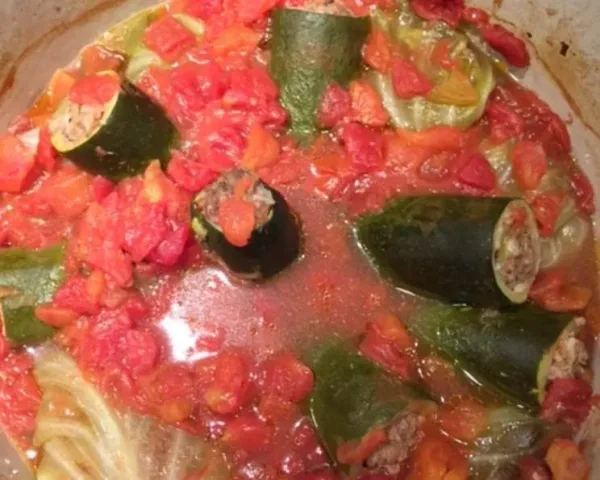
Image Source: Food.com
Armenian summer tolma brings a colorful twist to the traditional dolma by using sun-ripened vegetables instead of grape leaves. This version celebrates nature’s own vessels rather than the typical leaf wrapping.
Tolma vegetables
The summer tolma employs several hollowed vegetables like bell peppers, tomatoes, eggplants, zucchini, cabbage, and onions. Small to medium tomatoes create the best results, while Japanese long eggplants cut into 3-4 inch pieces work perfectly. Armenian cooks love mini bell peppers, though they can split larger ones when needed. A quick blanching makes cabbage leaves translucent and easy to work with.
Tolma preparation
The heart of this dish lies in its filling – seasoned ground meat with 10-15% fat, fluffy rice, and aromatic herbs. Purple Armenian basil and parsley are essential elements that give authentic tolma its signature taste. Cooks hollow out each vegetable and sprinkle salt in the cavities before adding the meat mixture. The cooking pot comes alive when scattered vegetable scraps boost the overall flavor during simmering.
Tolma in family meals
Armenian families enjoy tolma as a complete meal that combines vegetables, meat, and rice in perfect harmony. A dollop of cooling yogurt or sour cream makes a wonderful addition. The flavors blend even better overnight, which makes this dish perfect to prepare ahead. This practical feature helps explain tolma’s lasting place in Armenian family’s dining traditions.
Comparison Table
| Dish Name | Main Ingredients | Preparation Method | Cultural Significance/When Eaten | Notable Characteristics |
| Khorovats | Pork, lamb, beef, or chicken; marinade with onions, garlic, herbs | Marinated 6-48 hours, grilled on metal skewers over wood fire | Central to celebrations; annual festival in Akhtala | Armenia’s national dish; cooked on special “mangal” grills |
| Dolma | Ground lamb/beef, rice, grape leaves | Meat-rice mixture wrapped in grape leaves, simmered for 1 hour | Featured at festivals; symbol of hospitality | More than 60 varieties exist; special meatless version during Lent |
| Harisa | Peeled wheat, chicken or lamb | Cooked 4-6 hours with continuous stirring | Commemorative dish during Musa Ler celebrations | Name translates to “stir this”; served with melted butter |
| Spas | Yogurt, wheat/barley/rice, eggs | Grains cooked in broth, mixed with yogurt-egg mixture | Year-round dish, hot in winter, cold in summer | People use it as remedy for colds and stomach issues |
| Ghapama | Pumpkin, rice, dried fruits, nuts, honey | Stuffed pumpkin baked at 350°F for 1-2 hours | Christmas and New Year celebrations feature this dish | Comes with its own folk song; dramatic presentation |
| Lavash | Flour, water | Slapped against hot tonir walls, baked 30-60 seconds | UNESCO cultural heritage; essential in wedding ceremonies | Stays fresh for months when dried |
| Manti | Ground beef, dough, yogurt-garlic sauce | Open-faced dumplings baked until crispy | N/A | Comes with chicken broth and yogurt-garlic sauce |
| Basturma | Beef (eye of round/tenderloin), chemen spice paste | Air-dried 2-3 weeks after spice coating | Common breakfast pairing with eggs | Known for its fenugreek-based spice coating |
| Gata | Flour, butter, eggs, sugar; koritz filling | Baked traditionally in underground tonirs | Served during Tiarn’daraj; part of wedding traditions | Shapes and sizes vary by region; sometimes includes lucky coin |
| Zhingyalov Hats | 10-20 different herbs/greens, dough | Herbs chopped and stuffed in flatbread, cooked on saj | Popular during Great Lent | Requires specific mix of mild, distinctive, and bitter herbs |
Enjoy Armenian Food
Armenian cuisine stands as proof of centuries-old culinary tradition that celebrates fresh ingredients rather than heavy spices. Through generations, Armenians became skilled at distinctive cooking techniques that highlight their ingredients’ natural flavors – especially lamb, eggplant, and lavash bread.
Family gatherings in Armenia without doubt feature Khorovats, a cherished barbecue that means more than just food – it captures the spirit of Armenian celebrations. Traditional staples like Dolma, Harisa, and Spas help modern Armenians maintain their connection to ancestors through age-old preparation methods.
Armenian cuisine’s diversity comes from both geography and seasonal changes. Summer brings vegetable-stuffed Tolma with garden-fresh flavors, while winter welcomes hearty Khash served at sunrise with its own rituals. Artsakh’s Zhingyalov Hats, made with 10-20 different herbs, shows how Armenians turn simple ingredients into extraordinary meals.
Armenia’s desserts stand out for their complex preparation and deeper meaning. The festive stuffed pumpkin Ghapama comes with its own folk song, while nut and honey-layered diamond-shaped Pakhlava represents this ancient culinary heritage’s sweet side.
Traditional Armenian food goes beyond just nourishment – it embodies cultural identity and strength. These authentic dishes have survived centuries of challenges almost unchanged and continue bringing families together across Armenia and its worldwide diaspora communities.
Armenian food’s heart lies in hospitality, resourcefulness, and shared meals – values that remain central to Armenian identity whatever the location. These 23 dishes barely scratch the surface of Armenia’s rich culinary world, yet they capture the authentic flavors of everyday Armenian dining.
FAQs
Q1. What are some traditional everyday Armenian dishes? Common everyday Armenian dishes include lavash (flatbread), hac u panir (bread with cheese and herbs), kartolov jarit (pan-fried potatoes), and simple soups made with meat, vegetables, and grains. These dishes reflect the importance of fresh ingredients and simple preparation methods in Armenian cuisine.
Q2. What is the national dish of Armenia? Khorovats, a type of Armenian barbecue, is widely considered the national dish of Armenia. It typically consists of marinated meat (often pork, lamb, or beef) grilled on skewers over an open flame. Khorovats is central to Armenian celebrations and gatherings.
Q3. How does Armenian cuisine differ from other Middle Eastern cuisines? While Armenian cuisine shares some similarities with other Middle Eastern cuisines, it is distinguished by its emphasis on fresh ingredients, minimal use of spices, and unique preparation methods. Armenian dishes often feature lamb, eggplant, and lavash bread as key components, and incorporate influences from Persian, Turkish, and Caucasian culinary traditions.
Q4. What is a popular Armenian breakfast? A typical Armenian breakfast might include lavash with cheese and fresh herbs, tomatoes with eggs, matzoon (yogurt) with honey, gata (sweet pastry), and seasonal fruits or jam. Coffee is also an essential part of the Armenian breakfast routine.
Q5. Are there any Armenian dishes that are more popular with tourists than locals? Khash, a traditional dish made from boiled cow’s feet, is often highlighted in documentaries about Armenian cuisine. However, locals don’t eat it as frequently as tourists might expect. It’s typically reserved for special occasions or restaurant outings due to its heavy nature and time-consuming preparation process.











Leave A Comment