
Reading puns represent a delightful twist on language that combines literature with humor. These clever word plays bring joy to bookworms and casual readers alike. The world of books offers endless opportunities for creative wordplay.
Book lovers everywhere appreciate a good pun. They make reading more enjoyable and create memorable moments. Whether you need content for social media or want to brighten someone’s day, reading puns deliver smiles.
This comprehensive guide explores the art of book-related humor. You’ll discover examples ranging from classic literature references to modern reading jokes. Get ready to expand your collection of literary wit.
What Are Reading Puns?
Reading puns are clever plays on words that relate to books, reading, and literature. They use double meanings and similar-sounding words to create humor. These linguistic tricks make people laugh while celebrating the love of reading.
A good book pun often involves multiple layers of meaning. The humor comes from unexpected connections between words. Book titles, author names, and reading-related terms provide rich material for creative wordplay.
The best reading puns make you think twice before you get the joke. They reward readers who understand both meanings. This cognitive twist creates a satisfying moment of recognition and amusement.
The Psychology Behind Book Humor
Understanding why puns work reveals fascinating insights about language processing. Our brains recognize word patterns quickly. When a pun subverts expectations, it creates a pleasant surprise.
Book puns specifically appeal to people who value language and literacy. They signal shared cultural knowledge about reading. This creates connection between readers who appreciate literary references.
Research shows that pun appreciation correlates with linguistic intelligence. People who enjoy wordplay often have strong vocabulary skills. They can hold multiple word meanings in mind simultaneously.
Types of Literary Wordplay
Several categories define how reading puns function. Each type uses different mechanisms to create humor. Understanding these categories helps you craft better puns yourself.
Homophone Puns
These puns use words that sound alike but have different meanings. They create confusion that resolves into humor. The sound similarity makes the connection unexpected.
- Words sound identical when spoken aloud
- Different spellings create visual distinction
- Context determines which meaning applies
- Most common type in reading puns
Homograph Puns
These utilize words spelled the same but with different meanings. The visual similarity drives the humor. Readers must determine the intended definition from context.
- Same spelling creates initial confusion
- Multiple definitions exist for single word
- Pronunciation may differ between meanings
- Requires deeper linguistic knowledge
Visual Puns
These combine images with text for comedic effect. Libraries and bookstores frequently use visual book puns. The picture enhances the verbal joke.
- Combines written and visual elements
- Popular on social media platforms
- Easy to share and remember
- Strengthens message through dual channels
Situational Puns
These create humor through context and timing. The situation itself makes the wordplay funny. Book clubs and reading groups often generate situational puns.
- Depends on specific circumstances
- May not translate to other contexts
- Creates shared experience for group
- Spontaneous and often unrepeatable
Classic Book Puns That Never Get Old
Some book puns have achieved legendary status among readers. These classics appear repeatedly in libraries and bookstores. Their enduring popularity proves their effectiveness at generating smiles.
The best classic puns work across generations. Children and adults both appreciate the humor. This universal appeal makes them perfect for diverse audiences.
Many classic reading puns play on common reader experiences. They reference situations every book lover understands. This shared knowledge strengthens the connection between joke and audience.
Timeless Library and Bookstore Jokes

Libraries and bookstores provide natural settings for reading puns. Staff members often create displays featuring clever wordplay. These environments celebrate books and the humor they inspire.
- “I’m reading a book on anti-gravity – it’s impossible to put down”
- “A book just fell on my head – I only have my shelf to blame”
- “I’m totally booked this weekend”
- “Don’t judge a book by its cover, unless you’re a librarian”
- “Reading books is a novel idea”
- “I’ve got too many books,” said no one ever
- “Books are just words with many problems”
- “My weekend plans? Just chapter and verse”
These puns work because they reference real reader behaviors. Everyone understands the feeling of being unable to stop reading. The shared experience creates instant recognition and amusement.
Love These Classic Puns?
Follow us on social media for daily doses of book humor and literary wordplay that’ll brighten your reading time.
Author Name Wordplay
Famous author names offer endless opportunities for creative puns. The recognition factor makes these jokes instantly accessible. Literature fans particularly appreciate references to beloved writers.
Author puns demonstrate knowledge of literary history. They signal membership in the reading community. This cultural shorthand strengthens bonds between book lovers.
- “I tried to catch some fog – I mist” – inspired by mystery writers
- “Shakespeare walks into a bar – the bartender says ‘You’re bard!'”
- “Charles Dickens walks into a bar and orders a martini. The bartender asks ‘Olive or twist?'”
- “Never trust an author – they’re always making up stories”
- “Edgar Allan Poe’s favorite workout? Dead lifts”
- “Jane Austen’s favorite social media? Sense and Sensibility filters”
Genre-Specific Reading Puns
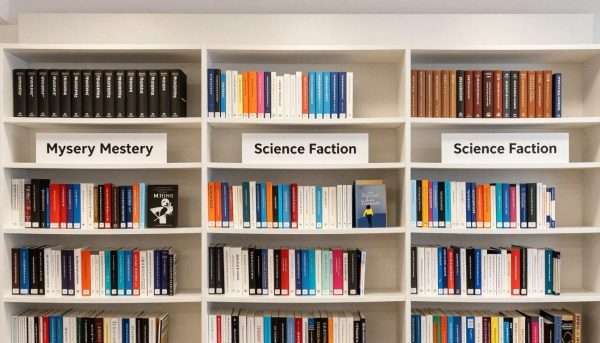
Different book genres inspire unique types of wordplay. Mystery novels generate suspenseful puns. Romance books create heartfelt humor with emotional twist.
Genre-specific puns resonate strongly with dedicated readers. They reference plot conventions and character types. This specialized knowledge creates insider humor that fans particularly enjoy.
Mystery and Thriller Book Puns
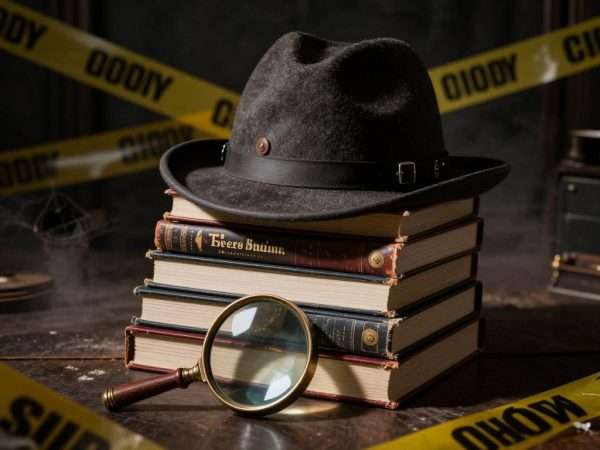
Mystery novels provide perfect material for suspenseful wordplay. The genre’s focus on plot twists naturally lends itself to puns. Readers who love solving puzzles appreciate these clever jokes.
- “Mystery novels always keep you guessing – that’s the plot twist”
- “I’m reading a mystery on the train – it has many problems”
- “Detective novels are so engaging – they really get to the bottom of things”
- “Mystery writers always have a killer instinct”
- “Sherlock Holmes walks into a library – ‘Elementary, my dear book fan'”
- “Why are mystery novels so organized? They follow a clear plot”
- “Crime novels are the perfect way to kill time”
Romance Novel Wordplay
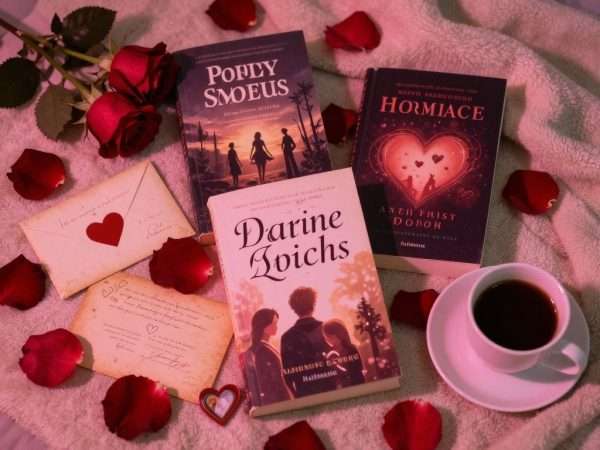
Romance books inspire puns about love and relationships. These jokes often play on emotional themes. The humor remains lighthearted and appropriate for all audiences.
- “Romance novels have so many problems – but love conquers all”
- “I’m falling for this romance book – it’s a real page-turner”
- “Romance authors write from the heart – literally”
- “Love stories always have a happy ending – that’s the binding commitment”
- “Romance novels make good book companions”
- “These love stories really chapter my heart”
Science Fiction and Fantasy Puns
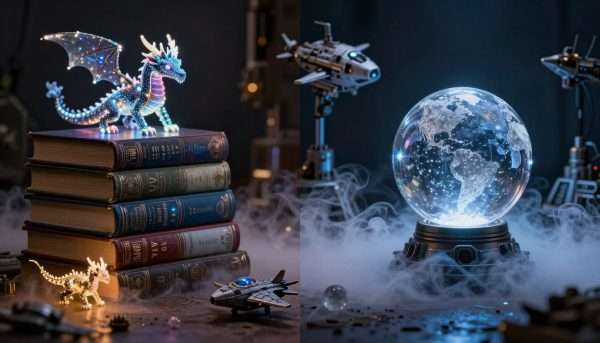
Science fiction and fantasy genres offer otherworldly pun possibilities. These books explore imaginary worlds and concepts. The creative nature of these genres inspires equally creative wordplay.
- “Science fiction books take you to another world – literally”
- “Fantasy novels are unreal – in the best way”
- “Time travel books are ahead of their time”
- “Space operas really reach for the stars”
- “Dragons in books always scale new heights”
- “Fantasy series can spell real magic for readers”
- “Sci-fi books explore what the future holds – in your hands”
- “Wizarding books cast a reading spell on you”
Reading Puns Every Bookworm Will Appreciate

Dedicated readers have their own culture and inside jokes. Bookworm puns reference common reader experiences. These jokes celebrate the reading lifestyle that enthusiasts cherish.
The term “bookworm” itself inspires numerous puns. Readers embrace this identity with pride. Humor about reading habits strengthens the community bond among book lovers.
Reading Habit Humor
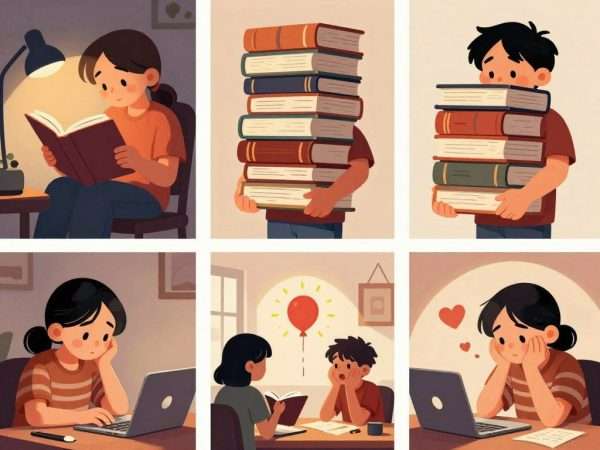
Every reader recognizes certain behaviors and preferences. These shared experiences create perfect material for puns. The humor comes from acknowledging common reading quirks.
- “I have too many books on my nightstand – but that’s just the story of my life”
- “My TBR pile has many problems”
- “I can stop buying books anytime – I just don’t want to”
- “Books are my shelf-care routine”
- “Reading in bed is how I unwind the plot of my day”
- “One more chapter – said every reader ever”
- “Books don’t ask questions – they just provide chapters of happiness”
- “My book budget is completely novel”
Library Life Puns
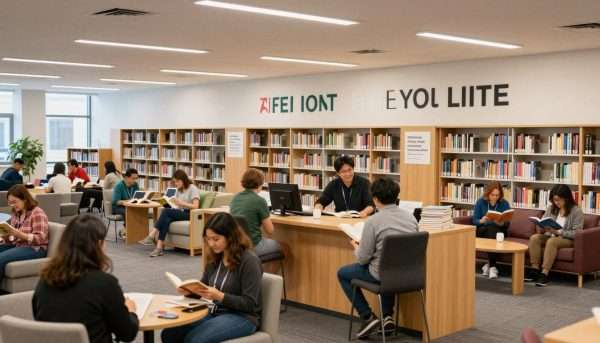
Libraries hold special places in readers’ hearts. These institutions inspire affectionate humor. Library puns celebrate both the space and the people who work there.
- “Librarians are always checking things out”
- “Libraries are where stories shelf themselves”
- “Overdue books? That’s a fine situation”
- “The librarian’s favorite exercise? Book lifts”
- “Libraries offer the best chapter services”
- “You can always count on libraries – they’re very reliable”
- “Library cards open doors to many worlds”
- “Librarians write the book on organization”
Want More Bookworm Humor?
Download our free collection of 100+ reading puns perfect for book clubs, classroom activities, and social media posts. Instantly accessible PDF format.
How to Create Your Own Reading Puns
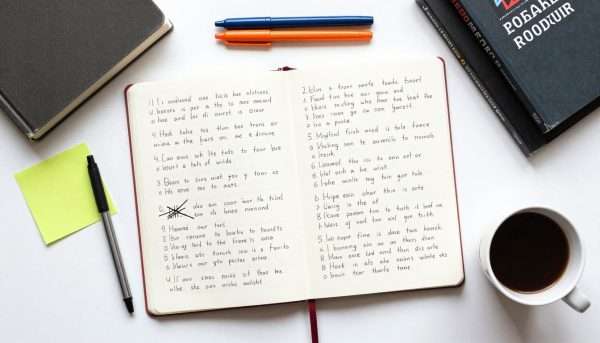
Creating original book puns requires practice and linguistic awareness. Understanding word structure helps you spot opportunities. The process becomes easier as you develop your punning instincts.
Start by listing words related to books and reading. Look for terms with multiple meanings or similar sounds. These linguistic properties provide the foundation for effective puns.
The Mechanics of Pun Construction

Good puns follow predictable patterns once you recognize them. The structure typically involves setting up expectations. Then the punchline subverts those expectations in a clever way.
- Identify a book-related concept or word as your base
- Brainstorm words that sound similar or have multiple meanings
- Create a context that makes both meanings relevant
- Test the pun on others to gauge effectiveness
- Refine the wording to maximize clarity and impact
- Consider the timing and delivery method
Common Pitfalls to Avoid
Not every attempted pun succeeds. Some mistakes make wordplay confusing rather than funny. Understanding these pitfalls helps you craft better jokes.
What Weakens Puns
- Pronunciation differences too subtle to notice
- Requiring excessive explanation to understand
- Multiple possible interpretations causing confusion
- References too obscure for target audience
- Forced connections that feel unnatural
- Overcomplicating simple concepts
What Strengthens Puns
- Clear sound similarities that register immediately
- Self-evident humor requiring no explanation
- Single clear interpretation with obvious twist
- Universal references most readers recognize
- Natural flow that feels organic
- Simple constructions with maximum impact
Practice Exercises for Aspiring Punsters
Regular practice improves your punning abilities significantly. These exercises develop the mental flexibility needed for wordplay. Dedicate time each day to linguistic experimentation.
- List ten book-related words and find five homophones for each
- Take a book title and create three pun variations
- Write a short story using as many reading puns as possible
- Challenge friends to pun competitions for collaborative learning
- Keep a pun journal to record your best creations
- Study professional comedians who specialize in wordplay
- Join online communities dedicated to pun appreciation
Best Book Puns for Social Media
Social media platforms thrive on shareable content. Book puns perform exceptionally well in these digital spaces. The combination of humor and literacy appeals to diverse audiences.
Visual posts featuring reading puns generate high engagement rates. Images with text overlays make puns more memorable. This format works particularly well on Instagram and Facebook.
Platform-Specific Strategies
Each social platform has unique characteristics affecting content performance. Understanding these differences helps optimize your pun posts. Adapt your approach based on where you’re sharing.
Instagram Book Pun Tips
- Pair puns with aesthetically pleasing book photography
- Use relevant hashtags like #bookpuns and #readinghumor
- Create carousel posts with multiple puns per image
- Engage with bookstagram community through pun comments
- Post consistently to build following of book lovers
Twitter Reading Jokes
Twitter’s character limit demands concise wordplay. Short, punchy book puns work best here. The platform rewards cleverness and brevity equally.
- Keep puns under 280 characters for easy sharing
- Thread multiple related puns for extended engagement
- Participate in #BookLoversDay and similar trending topics
- Reply to author accounts with relevant wordplay
- Time posts for when readers are most active
Viral-Worthy Book Puns
Certain characteristics make puns more likely to spread virally. Universal appeal reaches broader audiences. Relatability encourages shares among friend groups.
- “Just finished a book on clocks – it was about time”
- “My book club is literally just me, but we’re very close”
- “Books are the only thing I judge by the cover”
- “Fictional characters are my real friends”
- “Reading gives me shelf confidence”
- “Books: because reality is overrated”
- “I like big books and I cannot lie”
- “Current relationship status: in a committed relationship with my TBR pile”
Reading Puns for Teachers and Educators
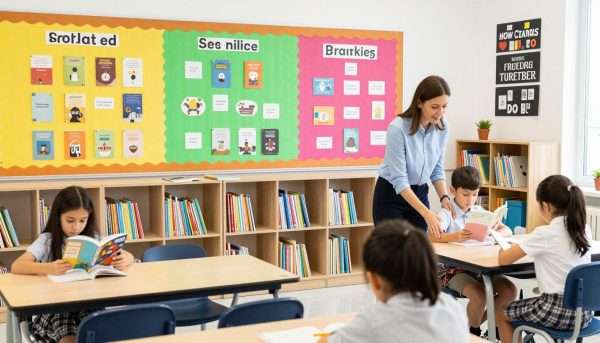
Teachers use reading puns to engage students with literacy. Humor makes learning more enjoyable and memorable. Wordplay demonstrates that language can be fun and creative.
Educational settings benefit from age-appropriate book humor. Puns introduce linguistic concepts in accessible ways. Children remember lessons better when entertainment accompanies education.
Classroom-Ready Book Jokes
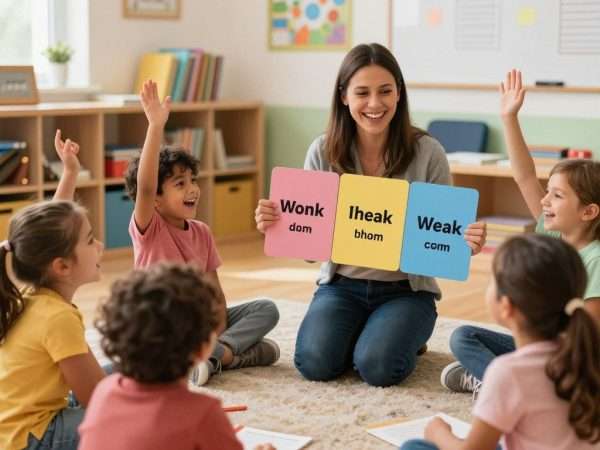
These puns work well for bulletin boards and worksheets. They’re appropriate for elementary through high school students. The humor remains clean while teaching language concepts.
- “Reading is important – it’s a page one priority”
- “Books are tree-mendous learning tools”
- “Chapter books help you turn over a new leaf”
- “The library is where knowledge shelves out”
- “Good readers always book it to success”
- “Stories help us write our own future”
- “Every book is a new chapter in learning”
- “Reading takes you places without leaving your seat”
Using Puns to Teach Language Skills
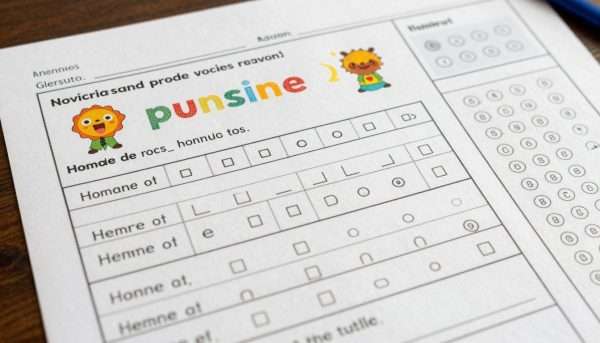
Puns serve as excellent teaching tools for multiple language concepts. They demonstrate how words function in different contexts. Students develop deeper understanding through playful exploration.
Language Concepts Taught Through Puns
Homophones
Words that sound alike but have different meanings and spellings. Puns naturally highlight these linguistic relationships. Students learn to distinguish context-dependent meanings.
- Builds spelling awareness
- Demonstrates context importance
- Develops listening skills
Multiple Meanings
Many words carry several definitions. Puns exploit this linguistic flexibility. Students recognize how context determines word interpretation.
- Expands vocabulary depth
- Encourages dictionary use
- Improves reading comprehension
Creative Expression
Wordplay encourages linguistic experimentation. Students feel empowered to play with language. This freedom enhances writing creativity.
- Reduces writing anxiety
- Encourages risk-taking
- Develops unique voice
Punny Book Titles and Reading Recommendations
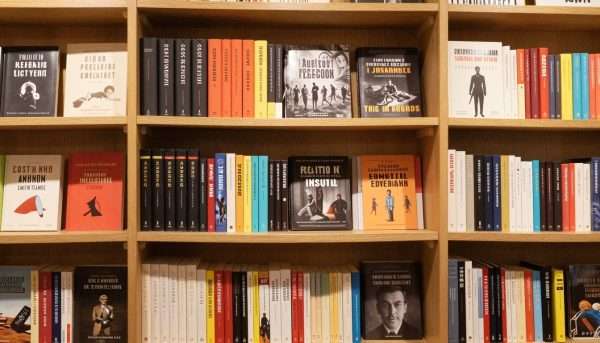
Some books embrace puns in their titles deliberately. These works signal their humorous tone immediately. The clever naming attracts readers who appreciate wordplay.
Creating fictional punny book titles makes an entertaining exercise. The practice combines creativity with literary knowledge. These imaginary titles often become jokes themselves.
Real Books with Punny Titles
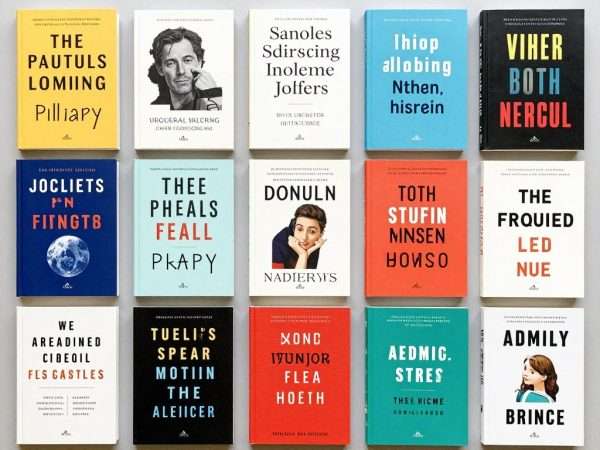
Publishers recognize that clever titles attract attention. Many successful books use wordplay in their names. These titles demonstrate how puns can be sophisticated marketing tools.
- “The Great Gatsby” – while not intentionally punny, generates “great” wordplay
- “Catch-22” – the title itself became a phrase through wordplay
- “The Fault in Our Stars” – plays on astronomical and philosophical meanings
- “Pride and Prejudice” – alliteration creates memorable rhythm
- “To Kill a Mockingbird” – metaphorical title invites interpretation
- “The Catcher in the Rye” – unusual phrasing creates intrigue
Fictional Punny Book Titles
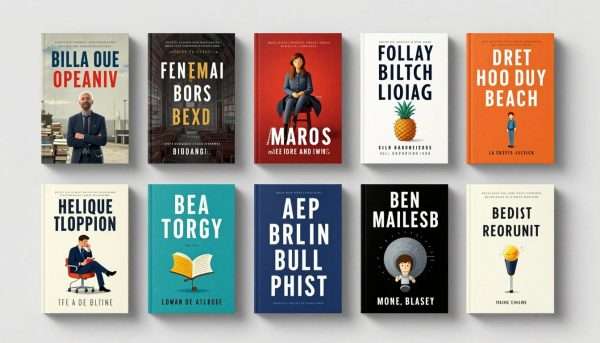
Creating imaginary book titles exercises creativity and humor. These fictional works spark laughter and imagination. The titles themselves tell mini-stories through wordplay.
Mystery Genre Pun Titles
- “Murder, She Wrote Too Much” – mystery meets writing
- “A Clue By Any Other Name” – Shakespearean detective work
- “The Plot Thickens and So Does the Plot” – meta mystery humor
- “Death Takes a Page From Life” – mortality and reading
Romance Pun Titles
- “Love at First Write” – authorial romance
- “Chapter After Chapter” – sequential love story
- “Bound Together” – bookbinding and relationships
- “The Book Bright Side of Love” – optimistic romance
Self-Help Pun Titles
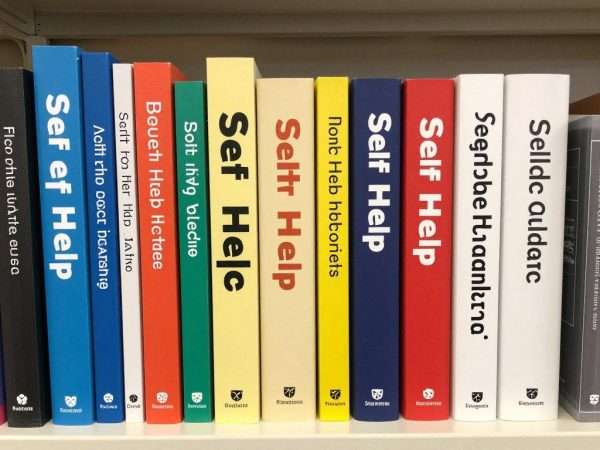
- “How to Win Friends and Influence Readers” – classic twist
- “The 7 Habits of Highly Effective Readers” – productivity pun
- “Think and Read Rich” – wealth through knowledge
- “The Power of Positive Reading” – mindset and books
Seasonal and Holiday Book Puns
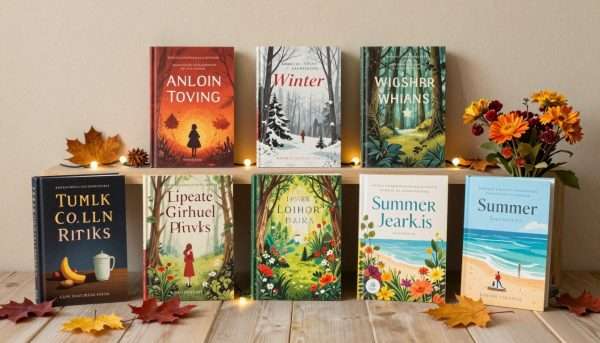
Holidays and seasons provide fresh contexts for reading puns. These time-specific jokes feel current and relevant. Libraries and bookstores update displays with seasonal wordplay.
Combining holiday themes with book humor creates double appeal. These puns work well for greeting cards and social media. The limited-time nature encourages immediate sharing.
Winter and Holiday Reading Humor

Winter holidays inspire cozy reading scenarios. The season naturally pairs with indoor activities like reading. Cold weather jokes combine well with book references.
- “Have yourself a merry little Christmas chapter”
- “‘Tis the season to be reading”
- “Winter is coming – better stock up on books”
- “New Year, new TBR pile”
- “Sleigh all day, read all night”
- “Hot cocoa and good books – the perfect winter story”
- “Reading by the fire makes good book sense”
Summer Beach Reading Puns
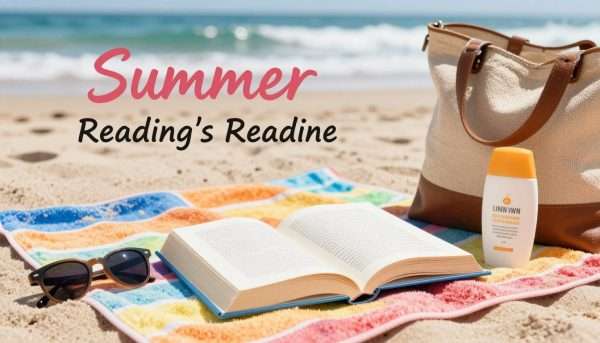
Summer reading programs use seasonal wordplay effectively. Beach themes naturally incorporate water and sun references. These puns celebrate vacation reading traditions.
- “Seas the day with a good book”
- “Beach please – I’m reading”
- “Summer reading makes waves”
- “Shell yeah, it’s reading time”
- “Sandy toes and book prose”
- “Vitamin Sea and good stories”
- “Current mood: reading on the beach”
Back-to-School Book Humor
The return to school creates opportunities for educational puns. These jokes motivate students and celebrate learning. Teachers particularly appreciate this seasonal humor.
- “Time to hit the books – literally and figuratively”
- “New school year, new chapter in life”
- “Reading is the write way to start the year”
- “Book smart is the best smart”
- “School’s in session – time for some literary lessons”
- “Fall into a good book this semester”
Puns Celebrating Librarians and Library Staff

Librarians deserve recognition for their essential work. These professionals connect people with knowledge daily. Puns celebrating librarians show appreciation through humor.
Library staff members often create and display puns themselves. This self-aware humor demonstrates their personality and dedication. The wordplay makes libraries feel more welcoming and human.
Librarian Career Jokes
The librarian profession provides unique material for wordplay. These jobs involve specific tasks and terminology. Insiders particularly appreciate the accuracy of librarian humor.
- “Librarians are well-versed in many subjects”
- “A librarian’s favorite music? Heavy reference metal”
- “Librarians have the best shelf control”
- “Working in a library is very rewarding – the benefits are overdue”
- “Librarians are novel thinkers”
- “Library science: where the Dewey Decimal System rules”
- “Librarians know how to book it when needed”
- “Being a librarian is a career worth checking out”
Library Services Wordplay
Modern libraries offer services beyond book lending. These expanded offerings create new pun opportunities. The humor highlights library evolution and relevance.
- “Digital lending: libraries download the future”
- “Interlibrary loan: sharing is shelving”
- “Library programs: binding communities together”
- “Reference services: questions welcome, judgment not included”
- “Library cards: your passport to unlimited worlds”
- “Maker spaces: where creativity is always checked in”
Reading Puns Perfect for Book Clubs

Book clubs thrive on shared literary experiences. Puns create lighthearted moments during discussions. The humor helps members bond over their love of reading.
Many book clubs adopt punny names themselves. These creative titles reflect group personality and interests. The wordplay becomes part of club identity and culture.
Book Discussion Icebreakers
Starting book club meetings with puns sets a friendly tone. The humor relaxes participants and encourages engagement. These icebreakers make discussion feel less formal.
- “What did you think of this book? Don’t shelf your opinions”
- “This plot had many problems – let’s discuss them all”
- “The character development really turned the page on expectations”
- “That ending was a real plot twist – didn’t see it coming”
- “This author really knows how to write a good book”
- “The book bright side? We all finished it this month”
Book Club Name Ideas with Puns
A clever book club name makes the group memorable. These punny titles show creativity and humor. Members feel proud to belong to wittily-named organizations.
- “The Book Bright Side Club” – positive reading community
- “Novel Ideas Book Group” – creative discussion focus
- “Chapter and Verse Readers” – thorough analysis
- “The Spine Collectors” – dedicated book lovers
- “Plot Twisters Book Club” – mystery and thriller focus
- “The Page Turners” – fast-paced reading group
- “Booked Solid Reading Circle” – commitment to regular meetings
- “Between the Lines Book Society” – deep reading emphasis
Puns About Writing Books and Authors

Writers and authors inspire specific types of wordplay. The creative process itself provides material for puns. These jokes resonate with both writers and readers.
Writing book puns often reference the challenges of authorship. The humor acknowledges the difficulties while celebrating the craft. Both aspiring and published authors appreciate these knowing jokes.
The Writer’s Life
Authors face unique challenges and experiences. These shared struggles create common ground for humor. Writer puns acknowledge both difficulties and joys of the craft.
- “Writers are always on the same page – usually the last one”
- “Author problems? That’s a novel concept”
- “Writers block? Time to build a new chapter”
- “Every writer has a story to tell – many problems included”
- “Writing book requires dedication and good plot armor”
- “Authors write their own success story”
- “Writer’s life: coffee in, words out”
- “Creating characters gives writers many problems”
Publishing Industry Humor

The publishing world has its own culture and terminology. Industry insiders appreciate specific references. These puns celebrate the business side of books.
- “Publishing is all about making good book deals”
- “Editors have the final word – literally”
- “Book advances help authors write better stories”
- “Literary agents are novel negotiators”
- “Book marketing: where stories meet their audience”
- “Publishers bind authors and readers together”
Ready to Level Up Your Book Humor?
Join our community of 50,000+ book enthusiasts! Get weekly literary puns, reading recommendations, and exclusive bookish content delivered to your inbox. Plus instant access to our complete pun library.
Kid-Friendly Reading Puns
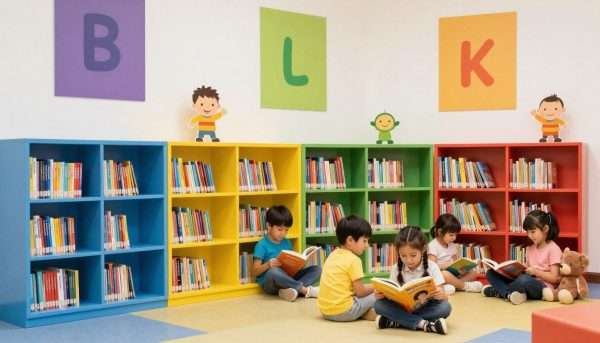
Children enjoy wordplay when it’s age-appropriate and accessible. Simple puns introduce kids to linguistic creativity. These jokes make reading feel fun rather than academic.
Parents and teachers use kid-friendly book puns to encourage literacy. The humor creates positive associations with reading. Children remember lessons better when entertainment accompanies learning.
Elementary Age Book Jokes
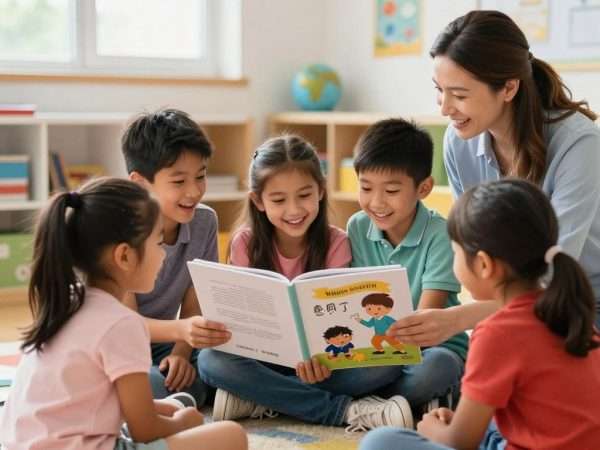
Young readers appreciate simple, clear wordplay. These puns use familiar concepts and vocabulary. The humor stays appropriate for elementary school audiences.
- “Why did the book go to the doctor? It had a bad case”
- “Books are your best friends – they’re always open to you”
- “Reading takes you on adventures without leaving home”
- “Libraries are cool places with many good books”
- “Every book is a treasure waiting to be discovered”
- “Reading helps you grow – just like vegetables”
- “Books open doors to new worlds”
- “Reading is like magic for your brain”
Picture Book Wordplay
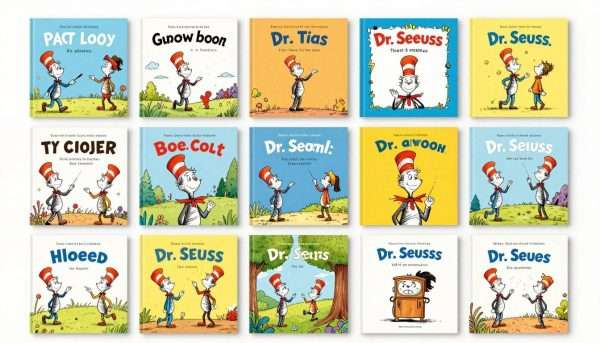
Picture books often incorporate visual puns alongside text. The combination teaches multiple literacy skills. Children learn to interpret both images and words.
- Visual jokes show rather than tell the punchline
- Characters’ names often contain clever wordplay
- Repeated phrases build anticipation for jokes
- Rhyming schemes enhance pun effectiveness
- Illustrations provide context clues for understanding
Advanced Literary Puns for Serious Readers

Some reading puns require extensive literary knowledge. These sophisticated jokes reference classic works and authors. Serious readers particularly appreciate this higher-level wordplay.
Academic communities enjoy puns that demonstrate cultural literacy. The humor signals membership in educated circles. These jokes work well in literary magazines and scholarly settings.
Classical Literature References

Classic works provide rich material for sophisticated puns. These references assume audience familiarity with literature. The jokes celebrate shared cultural knowledge.
- “Shakespeare walked into a bar – the bartender said, ‘We don’t serve your type here'”
- “Homer’s ‘Odyssey’ – the original long journey home”
- “Dante’s ‘Inferno’ – hell of a good read”
- “Moby Dick: a whale of a tale”
- “Pride and Prejudice and Good Book Judgement”
- “The Great Gatsby makes good book company”
Philosophical Book Humor
Philosophical concepts inspire abstract wordplay. These puns challenge readers intellectually. The humor rewards those who understand complex ideas.
- “I think therefore I read – Descartes at the library”
- “The unread book is not worth reading – Socratic wisdom”
- “Existence precedes reading essence – Sartre’s library card”
- “Reading Nietzsche is beyond good book and evil”
Multilingual and International Book Puns
Reading puns transcend language barriers when adapted thoughtfully. Different languages offer unique opportunities for wordplay. Multilingual readers appreciate puns that bridge cultures.
Translation challenges make some puns language-specific. However, the concept of book humor remains universal. Libraries worldwide display puns in local languages.
Universal Reading Experiences

Some reading experiences unite booklovers across cultures. These shared moments create opportunities for universal humor. The puns work regardless of language background.
- Falling asleep while reading happens to everyone
- Buying more books before finishing current ones is universal
- Emotional reactions to fictional characters cross cultures
- Library card pride exists worldwide
- The smell of old books delights readers everywhere
- Finishing a beloved series creates universal sadness
Reading Puns in Internet Meme Culture

Internet culture has embraced reading puns enthusiastically. Memes combine images with text for maximum impact. Book-related memes circulate widely across social platforms.
Certain meme formats work particularly well for book humor. The Drake meme, distracted boyfriend, and others adapt to reading contexts. These recognizable templates make puns more shareable.
Popular Book Meme Formats
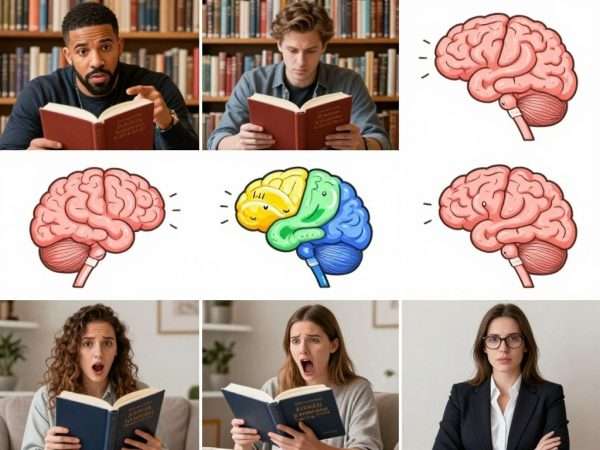
Meme templates provide structure for book jokes. The familiar format helps jokes land quickly. Readers immediately understand the reference and appreciate the adaptation.
- Drake meme: “Watching TV” vs “Reading book”
- Expanding brain: Progressive reading sophistication levels
- Is this a butterfly: “Is this a good book to read?”
- Woman yelling at cat: Reader defending book choices
- Two buttons: “Buy more books” or “Read owned books”
- Distracted boyfriend: Reader choosing new book over TBR pile
Viral Book Content Strategies
Creating shareable book content requires understanding platform dynamics. Certain characteristics increase viral potential. These strategies help puns reach wider audiences.
What Makes Book Content Viral
- Relatability to common reader experiences
- Visual appeal with quality images
- Emotional resonance with book lovers
- Timing aligned with reading trends
- Easy-to-share format and size
- Clear, readable text overlays
- Humor that doesn’t require explanation
Platform-Specific Optimization
- Instagram: Square images, aesthetic consistency
- Twitter: Text-focused, concise delivery
- Facebook: Longer context, community engagement
- TikTok: Video format, trending audio
- Pinterest: Vertical pins, searchable text
- Reddit: Community-specific references
Using Reading Puns in Business and Marketing
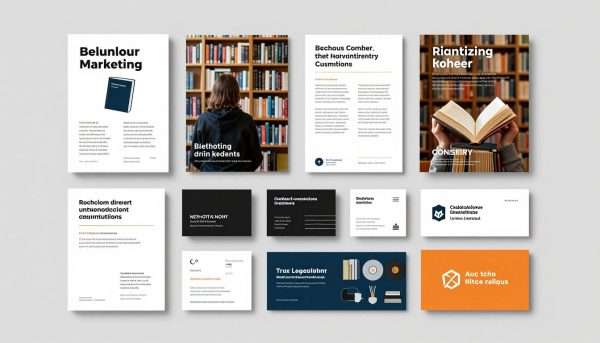
Businesses in the book industry use puns strategically. Bookstores, libraries, and publishers leverage humor for marketing. The wordplay creates memorable brand experiences.
Reading puns humanize businesses and create emotional connections. Customers remember companies that make them smile. This positive association drives loyalty and word-of-mouth marketing.
Bookstore Marketing with Puns
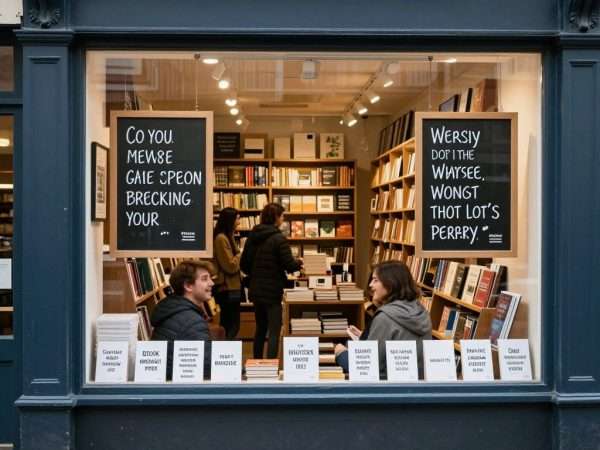
Independent bookstores distinguish themselves through personality. Clever puns reflect unique store character. This authentic voice attracts like-minded customers.
- “Our books are well-versed in making you happy”
- “We’re not just another chapter in retail”
- “Supporting local bookstores makes good book sense”
- “Every book tells a story – ours is community”
- “Reading local, thinking global”
- “Books: our story, your adventure”
Library Programming and Events
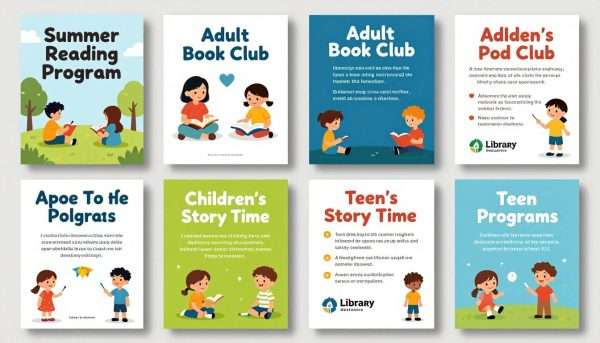
Libraries use puns to promote programs and services. Creative naming attracts participant attention. The humor makes institutional services feel accessible and fun.
- “Chapter Chat” – adult discussion series
- “Novel Ideas Workshop” – creative writing classes
- “Page Turners Youth Club” – teen reading program
- “Spine Tingling Mysteries Month” – genre celebration
- “Book Bright Side Reading Challenge” – summer program
- “Stories After Dark” – evening adult programming
Embracing the Joy of Reading Puns

Reading puns celebrate the intersection of language, literature, and humor. These clever word plays enrich our experience with books. They create connections between readers and foster community.
The best book puns demonstrate linguistic creativity and cultural knowledge. They reward readers who understand multiple meanings. This intellectual satisfaction makes wordplay particularly enjoyable for book lovers.
Whether you’re a teacher engaging students, a librarian brightening someone’s day, or simply a reader sharing jokes online, reading puns serve valuable purposes. They make literacy entertaining and accessible. The humor reminds us that language can be both serious and playful.
Keep exploring the world of book humor. Create your own reading puns and share them with others. Every clever word play you craft contributes to the rich tradition of literary wit. Your audience of fellow book lovers awaits with appreciation and laughter.
The book bright side of reading puns is their universal appeal. Age, background, and reading level don’t limit enjoyment. Everyone can appreciate a well-crafted joke about books. This accessibility makes reading puns perfect for bringing people together through shared love of literature.
Continue developing your appreciation for wordplay. Notice puns in your daily reading. Share your favorites with friends and fellow readers. The more you engage with book humor, the more you’ll recognize and appreciate linguistic creativity everywhere.


Leave A Comment