

Puns make people groan, laugh, and sometimes both at once. These clever plays on words have entertained audiences for centuries. From Shakespeare to modern comedians, writers use puns to add humor and wit to their work.
This guide teaches you everything about writing puns. You will learn what makes a pun work, discover different types, and master techniques to create your own wordplay.
Whether you write books, jokes, or business content, puns can make your words more memorable. The key is understanding the mechanics behind effective wordplay.
What Are Puns and Why Do They Work?
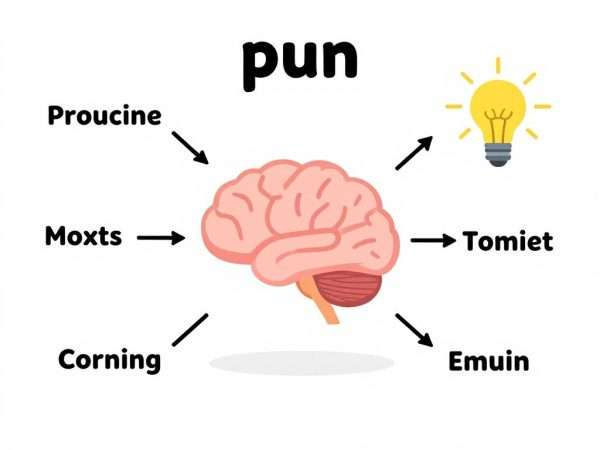
A pun is a form of wordplay that exploits multiple meanings of a word or similar-sounding words. Writers use this technique to create humor, surprise, or clever observations. The best puns make readers pause and think about language in a new way.
Puns work because our brains process language quickly. When we encounter a word with double meaning, our mind registers both interpretations. This mental surprise creates the humor we associate with good wordplay.
The effectiveness of puns depends on timing, context, and audience. A well-placed pun in a story can lighten the mood. Business writing benefits from subtle wordplay in titles and taglines. Even teachers use puns to make lessons more engaging for students.
Key Point: The best puns feel natural within their context. They enhance your message rather than distract from it. Good writing puns serve the story, joke, or point you’re making.
The Psychology Behind Pun Humor
People respond to puns because they demonstrate linguistic creativity. When a writer crafts a clever pun, it shows intelligence and playfulness. Readers appreciate the mental gymnastics required to connect different word meanings.
Research shows that humor, including puns, helps people remember information better. This makes wordplay valuable for authors writing educational content or business materials. The joke creates a memory hook that helps ideas stick in readers’ minds.
Different Types of Writing Puns

Understanding pun categories helps you write better wordplay. Each type uses different linguistic features. Learning these distinctions improves your ability to spot opportunities for puns in your writing.
Homophonic Puns
Homophonic puns use words that sound alike but have different meanings. These are the most common type of puns in writing. The words may have different spellings, but their similar sounds create the connection.
A writer might say, “Reading in the sun is a novel experience.” The word “novel” means both “new” and “book,” making it perfect for a joke about reading. This type of pun works well in dialogue and casual writing.
Common Examples
- Weather reports: “It’s raining cats and dogs, so be careful not to step in a poodle”
- Time jokes: “I used to hate punctuation, but now I’m a comma-dian”
- Food humor: “The baker quit because he couldn’t make enough dough”
- Writing jokes: “The author was so good at plot twists, people couldn’t put him down”

Homographic Puns
Homographic puns use words that are spelled the same but have different meanings. The context determines which meaning applies. These puns challenge readers to consider multiple interpretations of a single word.
For example, “The book about gravity was impossible to put down.” The phrase “put down” works both literally (setting the book aside) and figuratively (stopping reading). This double meaning creates the humor.
Compound Puns
Compound puns combine multiple wordplay elements in one sentence. These sophisticated jokes require more setup but deliver bigger laughs. Writers who master this technique create memorable moments in their work.
Consider: “The grammarian was very comma-tose after the long punctuation lecture.” This pun combines “comma” with “comatose,” layering multiple meanings for enhanced effect. Such complexity makes the joke more satisfying when readers figure it out.
Visual and Typographic Puns
Some puns work only in written form. These play with spelling, capitalization, or visual word arrangement. Poets and creative writers often exploit these opportunities.
A title like “Chapter and Verse” for a book about poetry uses familiar language in a new way. The phrase traditionally means detailed specifics, but it also literally describes the structure of poetic writing.
Download Your Free Pun-Writing Toolkit
Get instant access to 50+ practice exercises, pun templates, and a comprehensive technique cheat sheet. Master every type of wordplay with proven methods used by professional comedy writers and authors.
Step-by-Step Techniques for Creating Puns
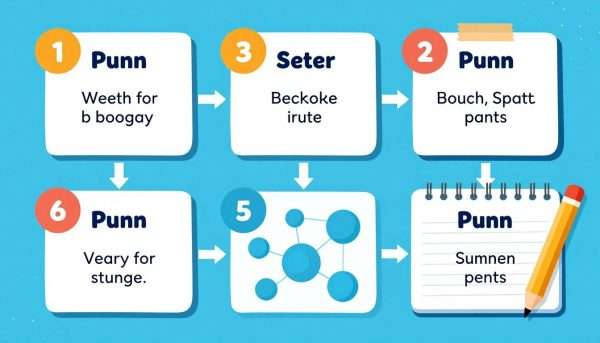
Creating effective puns requires a systematic approach. These proven techniques help writers generate wordplay consistently. Practice these methods, and pun creation becomes second nature over time.
Step 1: Identify Your Core Topic
Start with the subject of your writing. A story about a teacher needs education-related puns. Business content about time management calls for clock and schedule wordplay. The topic determines which words you’ll manipulate.
List key terms related to your subject. For a book review, you might write: read, author, chapter, plot, character, title, story, page. These words become your raw material for puns.
Step 2: Find Words with Multiple Meanings
Review your topic words and identify those with multiple definitions. “Plot” means both story structure and a piece of land. “Character” refers to a person in a story or someone’s personality traits. These double meanings create pun opportunities.
Use a thesaurus and dictionary together. Look up each topic word and read all its definitions. The more meanings a word has, the more ways you can play with it in your writing.
Technique Tips
The best puns sound natural. Forced wordplay makes readers cringe rather than laugh. Your goal is making the pun feel inevitable once they hear it.
- Start with common phrases in your topic area
- Look for homophones related to your subject
- Consider how professionals in the field talk
- Think about what makes the topic frustrating or funny
Practice Exercise
Take any noun from your writing. List five things associated with it. Then find words that sound like those associated items.
- Write your main topic at the top of a page
- Set a timer for three minutes
- List every related word you can think of
- Circle words that sound like other words
Step 3: Create Sound-Alike Connections
Find words that sound similar to your topic terms. If writing about punctuation, “comma” sounds like “coma.” The word “period” sounds like “pear-ed.” These phonetic connections form the basis of homophonic puns.
Say your keywords out loud. Listen for similar sounds in unrelated words. This auditory approach often reveals connections you’d miss when only reading. Many writers keep a voice recorder handy for capturing sound-based ideas.
Step 4: Test Context and Setup
A pun needs proper framing. The sentence before your wordplay should naturally lead to both possible meanings. This setup makes the pun land effectively with readers.
Write your pun in a complete sentence. Then write the sentence that comes before it. Does the setup make sense? Would a reader naturally think of the primary meaning first? Good setup is as important as the pun itself.
Writer’s Tip: The best way to test a pun is reading it aloud to someone. If you have to explain the joke, it needs more work. Clear puns make people laugh immediately or groan with appreciation.
Step 5: Refine for Natural Flow
Polish your pun until it feels effortless. Remove unnecessary words. Adjust word order for better rhythm. The most memorable puns have clean, simple construction that lets the wordplay shine.
Read your writing with fresh eyes after a break. Does the pun still feel clever? Does it add to your message or distract from it? Ruthlessly cut puns that don’t serve your larger purpose.
Tips for Writing Clever and Funny Puns

Crafting memorable puns takes more than understanding mechanics. These advanced tips help elevate your wordplay from groan-worthy to genuinely clever. Apply these principles to make your puns stand out.
Know Your Audience
Different people appreciate different kinds of humor. Writers creating content for business professionals use subtle, sophisticated puns. Authors writing for children employ simpler, more obvious wordplay. Match your pun complexity to your readers.
Consider your audience’s knowledge level. A pun about grammar rules works well for English teachers but might confuse general readers. Specialized puns work for niche audiences. Broader wordplay reaches more people.
Use Surprise and Misdirection
The best puns set up one expectation, then deliver something unexpected. Your reader should anticipate a normal sentence ending, then get surprised by the wordplay twist. This element of surprise amplifies the humor.
Start with a serious tone, then shift into the pun. The contrast between setup and payoff creates comedy. For example, begin discussing a writer’s serious plot problems, then end with a joke about literal plot (land) issues.
Advanced Techniques
Professional comedy writers layer multiple meanings within a single phrase. This depth makes puns more rewarding for attentive readers.
- Build puns around current events or popular culture
- Combine puns with other humor techniques like exaggeration
- Use rhythm and meter to enhance delivery
- Create callbacks by referencing earlier wordplay
- Experiment with nested puns (puns within puns)
- Consider visual presentation for written puns
Embrace the Groan
Not every pun gets a laugh. Some puns make people groan, and that’s okay. The groan is a form of acknowledgment. It means readers understood your wordplay even if they found it corny. Many pun lovers enjoy the groan-worthy jokes most.
Don’t let fear of groans stop you from writing puns. Embrace both reactions. Some of the most beloved jokes in comedy make audiences groan and laugh simultaneously. This mixed reaction shows your pun made an impact.
Practice with Everyday Situations
Train your pun-writing skills by creating wordplay from daily life. When you see a sign, think of alternative meanings. When people use idioms, consider literal interpretations. This constant practice develops your instinct for spotting pun opportunities.
Keep a pun journal. Write down every pun you encounter and every one you create. Review this collection regularly. You’ll start noticing patterns in what makes certain puns work better than others.
Examples of Good Writing Puns

Studying effective puns helps you understand what works. These examples demonstrate different techniques in action. Analyze each one to see how the writer achieved the wordplay effect.
Book and Reading Puns
Book lovers appreciate puns about reading and literature. These jokes work well in book reviews, library signage, and literary discussions. The context makes the wordplay more meaningful.
Classic Book Puns
- I’m reading a book about anti-gravity – it’s impossible to put down
- The autobiography was so good, it really wrote itself
- She had a novel idea for her next story
- The mystery writer made a killing with her latest book
- His poetry really had a certain verse to it
Author and Writer Puns
- The author got writer’s block after hitting a wall
- She was an author-ity on plot development
- The writer’s career really had a story arc
- He gave a novel response to every question
- Her writing business was a real page-turner
Grammar and Punctuation Puns
- The comma and apostrophe had a brief pause in their relationship
- After the semicolon left, the sentence lost its sense of direction
- The question mark was always so inquisitive
- The exclamation point was very emphatic about everything
- The period really knew how to end things
Writing Process Puns
Puns about the writing process resonate with authors and students. These jokes acknowledge the challenges and joys of creating written work. Writers use them to connect with others who understand the craft.
An editor might say, “I’m so good at cutting unnecessary words that I can really make a point.” This pun plays on “making a point” as both creating an argument and literally creating the punctuation mark (period).
Literary Device Puns
Teachers and English students love puns about literary techniques. These wordplays demonstrate understanding of writing concepts while adding humor to dry topics. They make learning language arts more engaging.
Example Analysis: “The metaphor walked into a bar” works because it treats an abstract concept (metaphor) as a physical thing. The absurdity of a literary device entering a location creates humor. This technique of literalizing abstract concepts generates many effective puns.
Common Mistakes to Avoid When Writing Puns
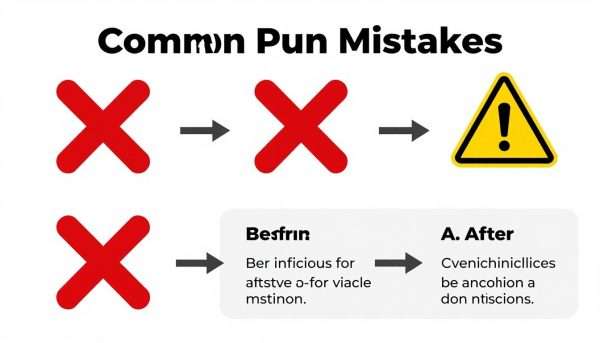
Even experienced writers make pun mistakes. Avoiding these common errors improves your wordplay significantly. Learn from these pitfalls to create better jokes from the start.
Forcing the Setup
A forced setup makes the pun obvious before the payoff arrives. Readers see the joke coming, which kills the surprise. Your setup should feel natural and conversational, not artificially constructed to enable wordplay.
Bad example: “I went to a place where they keep bound papers with stories in them, and it was a real library experience.” The awkward description telegraphs that a pun is coming. Better: “I spent three hours at the library. It was quite a story.”
Overusing Puns
Too many puns in quick succession exhausts readers. Each pun loses impact when surrounded by others. Space out your wordplay. Let each joke breathe and land before attempting another.
Writers should use puns strategically. One perfect pun in a chapter has more impact than five mediocre ones. Quality beats quantity. Save your best wordplay for key moments in your writing.
Effective Pun Writing
- Natural-sounding setup that doesn’t telegraph the joke
- Clear connection between both word meanings
- Appropriate timing and spacing between puns
- Relevance to the topic or context
- Audience-appropriate complexity level
- Enhances rather than distracts from main message
Pun Mistakes to Avoid
- Obvious setup that ruins the surprise
- Obscure references readers won’t understand
- Too many puns crowded together
- Explaining the joke after delivering it
- Using puns that don’t fit the context
- Sacrificing clarity for wordplay
Explaining Your Pun
If a pun needs explanation, it failed. Never follow your wordplay with “Get it?” or explain which words you’re playing with. Trust your readers to understand. If they don’t, improve the pun rather than adding explanation.
The exception is educational content where you’re teaching about puns. In that case, explaining serves the lesson’s purpose. For all other writing, let the wordplay speak for itself.
Choosing Obscurity Over Clarity
Some writers create puns so clever that nobody understands them. A brilliant pun that readers miss is worse than a simple one they get. Aim for the sweet spot between clever and accessible.
Test your puns with people similar to your target readers. If multiple people miss the connection, simplify your wordplay. The best puns make readers feel smart for catching them, not confused about what they missed.
Ignoring Context and Tone
Puns work differently depending on context. A playful pun in a children’s book delights young readers. That same joke in a business proposal seems unprofessional. Match your wordplay to the situation.
Consider the emotional tone of your writing. A serious chapter about a character’s loss shouldn’t include silly puns. Save wordplay for moments when humor fits naturally. Context determines appropriateness more than the quality of the pun itself.
Practice Exercises for Improving Pun-Writing Skills
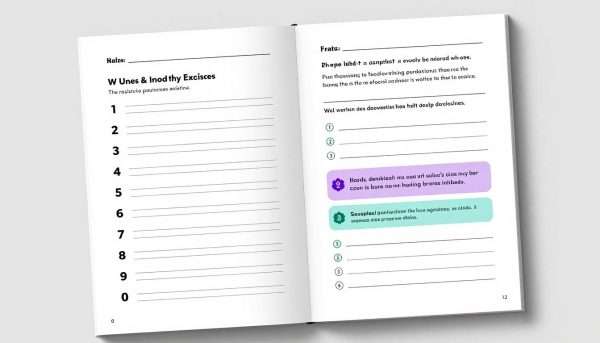
Regular practice develops your pun-writing ability. These exercises build the skills you need to create wordplay consistently. Spend time on each activity to strengthen different aspects of pun creation.
Exercise 1: Word Association Challenge
Pick a topic related to writing or language. Set a timer for five minutes. Write down every word you associate with that topic. Then circle words that sound like other words. Finally, create sentences using those sound-alike connections.
This exercise trains your brain to make quick connections between sounds and meanings. The time pressure helps bypass your inner critic. Many of your best pun ideas will come from these rapid associations.
Exercise 2: Idiom Transformation
Take common idioms and find ways to modify them with wordplay. Start with phrases like “time flies” or “break the ice.” What words in these phrases sound like other words? How can you twist the meaning while keeping the familiar structure?
For example, “time flies” could become “thyme flies” in a joke about cooking. “Break the ice” might transform into “break the I.C.E.” for a story about immigration. This exercise teaches you to recognize and exploit familiar language patterns.
Daily Pun Challenge
Create one pun every day for 30 days. Use different topics each time. Track which types come most naturally to you and which need more practice.
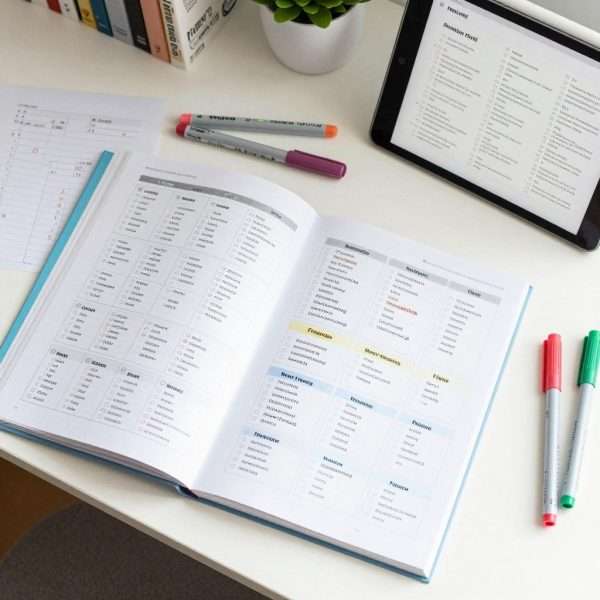
Pun Workshop Activities
Join group exercises to improve your skills. Share your puns with other writers for feedback. Learn from seeing how others approach the same prompts.
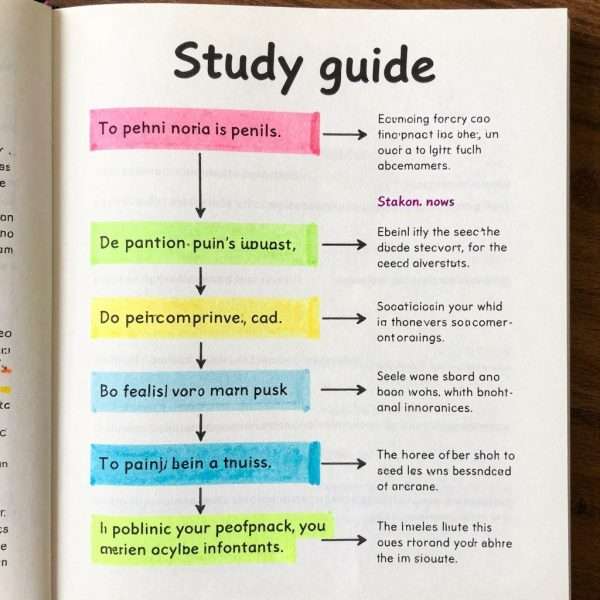
Analyze Master Puns
Study puns from professional comedians and beloved authors. Break down what makes each one effective. Apply those lessons to your own wordplay creation.
Exercise 3: Category Constraint
Choose a narrow category (punctuation, plot devices, editing tools). Create ten puns using only words from that category. This constraint forces creative thinking and helps you explore a topic deeply.
Students find this exercise particularly helpful for understanding specialized vocabulary. Teachers can use it to make learning technical language more fun. The limitation actually enhances creativity by providing clear boundaries.
Exercise 4: Rewrite Famous Titles
Take well-known book titles and create punny alternatives. “To Kill a Mockingbird” might become “To Quill a Mockingbird” for a story about writing. This exercise combines creativity with structure, since the original title provides a framework.
This activity teaches you to recognize opportunities for wordplay in existing phrases. Many professional comedy writers use this technique to generate jokes quickly. The familiar structure makes the pun easier to construct.
Master the Art of Writing Puns

Writing puns becomes easier with practice and understanding. You now know the different types of wordplay, techniques for creating them, and common mistakes to avoid. The exercises provided give you a roadmap for developing this skill over time.
Remember that the best puns serve your larger writing goals. They add humor, make content memorable, and demonstrate creativity. But they should enhance your message rather than overshadow it. Use wordplay strategically for maximum impact.
Start small. Create one pun today using the techniques you learned. Tomorrow, try another. Within weeks, you’ll notice yourself spotting pun opportunities naturally as you write. Your sense of wordplay will become an automatic part of your creative process.
The writers and authors who master puns gain a valuable tool for engaging readers. Whether you write jokes, stories, or business content, clever wordplay makes your work stand out. Your writing will be more entertaining, more memorable, and more effective at connecting with people.
Keep practicing. Share your puns with others. Learn from both successes and failures. Every pun you create strengthens your understanding of language and improves your ability to manipulate words for effect. That skill benefits all aspects of your writing life.


Leave A Comment