
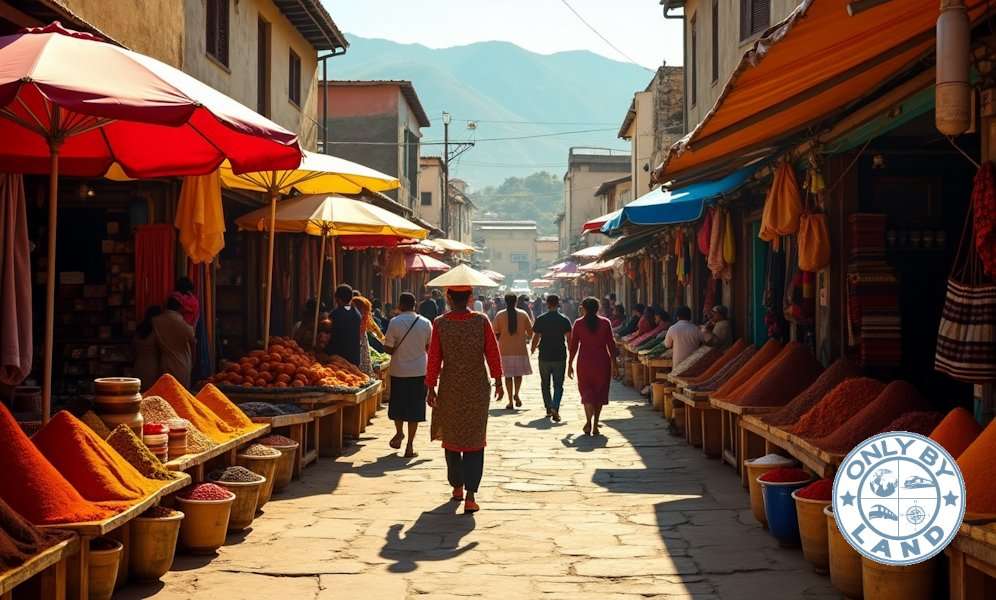
The heart of Africa’s largest open-air market buzzes with over 13,000 merchants who conduct daily business through maze-like alleys and bustling corridors. Addis Ababa Mercato stands as a sprawling commercial hub that has served as Ethiopia’s capital’s lifeline for generations.
Our team spent countless hours learning the market’s intricate pathways, from its vibrant textile sections to aromatic spice corners. The Mercato market in Addis Ababa, Ethiopia might overwhelm first-time visitors. This detailed guide will help you traverse its depths with confidence. We’ll show you how to make the most of your visit while searching for traditional Ethiopian crafts, fresh local produce, or authentic souvenirs.
Let us guide you through everything about Mercato – from crucial safety tips and ideal visiting times to specific market sections. You’ll also learn to bargain like a local during your adventure.
Essential Planning and Safety Tips
Experience has taught us that a successful trip to Addis Ababa Mercato requires careful planning and the right timing. Here’s what you need to know to make your visit safe and rewarding.
Best Times to Visit Throughout the Year
The dry season between October and May is perfect to explore Mercato. You can expect pleasant temperatures around 70°F (21°C) during daytime that drop to 49°F (9°C) at night. July and August bring heavy rains that turn the paths muddy and make it difficult to get around.
Early morning visits give you the best experience with fewer crowds. Many travelers find the shoulder season (October to January and March to May) ideal because of its mild weather and manageable visitor numbers.
What to Wear and Bring
Our market visits have shown these items are crucial:
- Comfortable closed shoes – Paths can get muddy and slippery
- Light, breathable clothing – Makes walking through crowds easier
- Small denominations of Birr – Most vendors don’t accept cards
- Bottled water – The busy market environment requires hydration
- Minimal valuables – Bring only what you need
Safety Precautions and Common Scams
Mercato’s incredible shopping experience comes with a need to stay alert. The market has earned a reputation for pickpocketing, affecting locals too. A local guide can help you traverse the complex layout and add an extra layer of security.
Watch out for these common scenarios:
- People who approach with unsolicited help or tours
- “Friendly” locals who invite you to bars or cafes (potential scams)
- Someone telling you your driver moved elsewhere
Your safety depends on walking with purpose, keeping belongings secure and avoiding displays of valuable items. A cautious approach helps you avoid becoming a target for theft.
Navigating Market Sections
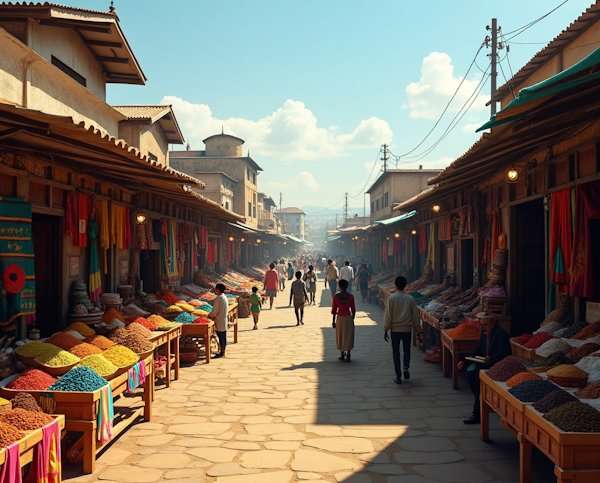
The Addis Ababa Mercato overwhelms visitors with its massive size. This Africa’s largest open-air marketplace covers several square miles and houses an impressive 7,100 businesses employing around 13,000 people.
Understanding the Market’s Layout
A maze of narrow pathways winds through countless stalls in the Mercato. The market follows a logical organization that groups similar products together. Heavy traffic typically clogs the surrounding streets, so visitors should get dropped off at the perimeter and walk in.
Must-visit Specialty Areas
Our exploration revealed several distinctive sections that highlight the market’s diversity:
- Spice Market: A sensory delight featuring traditional Ethiopian spices like berbere and shiro
- Food Section: Fresh produce and local delicacies
- Textile Area: Known as Shiro Meda, featuring handwoven fabrics
- Recycled Materials Section: Showcasing innovative repurposed items
- Coffee Merchants: Over one hundred vendors offering regional varieties
Using Digital Maps and Landmarks
Traditional maps of Mercato aren’t accessible to more people, so products serve as the best landmarks. The Grand Anwar Mosque and Saint Raguel Church stand side by side at the market’s heart and serve as major orientation points. Modern navigation apps with interactive features help mark specific locations. The best way to direct yourself comes from noting the types of products sold in each section – a traditional method that merchants and shoppers have relied on for generations.
Local Shopping Experience

Our many visits to the Mercato have taught us that shopping success depends on understanding the culture as much as finding good deals. Let’s tuck into what makes Africa’s largest open-air market stand out from the rest.
Popular Items and Their Typical Prices
The market has an incredible mix of authentic Ethiopian goods. Here are some of the most popular items you’ll find:
- Traditional Spices: Ethiopian mitmita and berbere spices are vital for local cuisine
- Coffee & Accessories: Premium Ethiopian coffee beans and traditional jebena (clay coffee pots)
- Textiles: Handwoven fabrics and traditional garments
- Fresh Produce: Local fruits like papayas, mangos and passion fruits
Discover the fruit of Dominican Republic.
Bargaining Strategies and Etiquette
Price negotiation isn’t just expected – it’s woven into the shopping culture. Most Ethiopian customers make their buying decisions based on price. Building trust and showing respect are vital elements to successful bargaining. You should start with about 50% of the original price, but keep things polite during negotiations.
Payment Methods and Currency Tips
Cash rules in the Mercato. Some modern shops take cards, but you’ll need local currency (Ethiopian Birr). Breaking large bills before entering the market works best. Smaller bills make transactions easier. Note that foreigners usually see higher original prices, so learning local price ranges before shopping is a smart move.
Transportation and Access
Getting to Addis Ababa Mercato is easier than you might think. Here are the quickest ways to reach this vibrant marketplace based on our local knowledge.
Getting To and From Mercato
Local minibuses are the most budget-friendly choice. They run every 10 minutes and take just 4 minutes from Kebele 11 to Grand Anwar Mosque. Travelers from the airport can catch the bus service from Bole Bridge to Cinema Ras. These buses run once an hour and take about 24 minutes.
Parking and Meeting Points
Mercato’s surrounding area now has several designated parking spots. The city’s new parking system requires proper documents and standard payment methods. TK International Building and Alem Cinema’s parking areas are safe spots that remain under constant surveillance.
Alternative Transportation Options
RIDE and other ride-hailing services have become accessible to more people in Addis Ababa. Taxis are easy to find and a 10-minute trip costs around 150 ETB. The walk from central locations takes about 25 minutes if you’re staying nearby. The city’s Light Rail system launched in 2015 connects major areas through two main lines and serves as a reliable option.
Enjoy Mercato Addis Ababa
Addis Ababa Mercato is proof of Ethiopia’s rich trading heritage that gives adventurous shoppers an unmatched cultural experience. Our deep exploration of this bustling marketplace shows that success depends on careful preparation, smart timing and respect for local customs.
You’ll confidently weave through the market’s vibrant sections with our safety tips, navigation strategies and bargaining insights. Each visit to Mercato tells its own unique story – from aromatic spice corners to innovative recycled materials sections.
The market’s size might seem overwhelming at first. Yet its organized chaos reveals a well-laid-out commercial hub once you understand its rhythm. The best approach combines modern conveniences like ride-sharing apps with proven practices such as early morning shopping and cash transactions.
Mercato rewards people who accept its authentic character and arrive prepared. This historic marketplace delivers a shopping adventure that captures Addis Ababa’s true spirit, whether you’re searching for premium Ethiopian coffee beans or traditional textiles.
FAQs
Q1. What are the best times to visit Addis Ababa Mercato?
The optimal time to visit is between October and May during the dry season. Early mornings are less crowded and the shoulder season (October to January and March to May) offers pleasant weather and manageable crowds.
Q2. How can I stay safe while shopping at Mercato?
Stay vigilant against pickpocketing, hire a local guide, avoid displaying valuables and be cautious of unsolicited assistance. It’s advisable to walk purposefully and keep belongings close.
Q3. What are some must-visit areas within Mercato?
Key areas include the Spice Market, Food Section, Textile Area (Shiro Meda), Recycled Materials Section and Coffee Merchants. These showcase the market’s diversity and unique offerings.
Q4. How does bargaining work in Mercato?
Bargaining is expected and integral to the shopping culture. Start by offering about 50% of the initial price, maintain a polite demeanor and focus on building trust and showing respect during negotiations.
Q5. What transportation options are available to reach Mercato?
Options include local minibuses, ride-hailing services like RIDE, taxis and the city’s Light Rail system. For those staying nearby, walking is also viable. Parking facilities are available for those driving, with areas behind Alem Cinema or TK International Building recommended.


I’ve been to Mercato Addis Ababa, it’s interesting to read about it here! One comment on this place, a complete mad house!! Be on guard, ready to be followed and of course, ready to haggle!
I agree Emry, a tough place but rewarding to visit!