

Banff’s emerald lakes and hiking trails draw summer crowds, but winter paints a different picture. The park becomes a wonderland where waterfalls freeze into crystal sculptures and steam drifts up from snow-covered hot springs.
Most visitors skip Banff’s winter season and miss its most magical moments. The northern lights put on a mesmerizing show across clear night skies. Ice caves hide in plain sight, waiting to be explored. Winter activities range from peaceful walks on frozen lakes to exciting adventures down snowy slopes.
Banff National Park’s winter charm sets it apart from any other place in North America. You’ll see hidden viewpoints and experience local traditions firsthand. The photo opportunities are endless, making winter the perfect time to explore this Canadian gem.
Why Winter Transforms Banff into a Magical Wonderland

The Canadian Rockies’ Banff National Park transforms into a winter wonderland with its unique snow patterns. The mountains of the Continental Divide excel at collecting snow and create perfect winter conditions throughout the season. The park gets an impressive annual snowfall of 4.6 meters (182 inches).
The Science Behind Banff’s Perfect Snow Conditions
Banff’s winter magic comes from its unique geography. Lake Louise town sits just 130m higher and 55km away from Banff and gets 76cm of snow in December, compared to Banff’s 44cm. The winter air stays dry, yet warmer than other mountain areas thanks to the Chinook winds.
How Winter Creates Unique Natural Phenomena
Banff’s winter brings extraordinary natural displays that engage visitors and locals alike. Alpenglow stands out as the most spectacular display – the atmosphere works like a giant strobe reflector and creates breathtaking views during sunrise and sunset. This happens because:
- Blue light has shorter wavelengths than red
- The rocky mountain atmosphere filters out blue light
- The mountain tips glow with reds and oranges as a result
Why Fewer Crowds Boost the Experience
The best reason to visit Banff in winter is the drop in crowds. Visitor traffic drops to about half of what the park sees in peak summer months. This quieter atmosphere lets you:
- Explore without time pressure
- Find solitude at popular viewpoints
- Make spontaneous stops at restaurants and attractions
Winter typically runs from December through March, though snow can show up in September and stay until May. January is the coldest month, with average lows of -15°C (5°F), sometimes dropping to -30°C (-22°F). These conditions create the perfect setting for winter activities. Banff becomes an enchanting destination where you can enjoy the park’s natural wonders without summer crowds.
Hidden Winter Experiences Most Tourists Miss
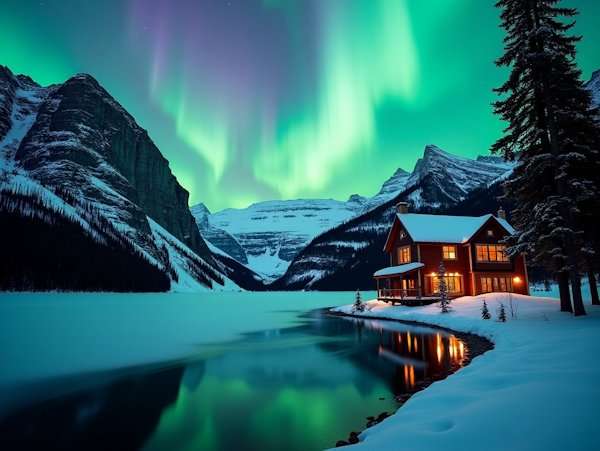
Banff’s most enchanting secrets come alive in winter, hidden from the casual tourist’s eye.
Secret Viewpoints for Northern Lights Viewing
Banff’s pristine locations away from light pollution give visitors a chance to witness the mesmerizing aurora borealis. The sky puts on its most spectacular displays between 11 pm and 2 am. Aurora experts suggest these prime spots:
- Bow Lake – Located 30 minutes from Lake Louise, offering ample shoreline space
- Lake Minnewanka – The largest body of water in Banff National Park, providing wide-open skies
- Cascade Ponds – A tucked-away forest location with clear northern views
Lesser-known Ice Formations and Frozen Waterfalls
The Icefields Parkway reveals hidden ice caves that take your breath away. The Saskatchewan Glacier ice cave stands out with its cathedral-like entrance and walls that shimmer in blue and white hues. Johnston Canyon transforms into a magical landscape where icy blue waters flow beneath cascading icicles.
Local Winter Festivals and Cultural Events
Downtown Banff comes alive each January during the annual SnowDays celebration. Visitors marvel at larger-than-life snow sculptures and stunning ice formations. The festivities run from January 17 to February 2, 2025 and feature:
- The lively Play Zone
- Bear Street Hub activities
- Special evening events at SnowNights
The Fairmont Banff Springs hotel adds to the winter magic with festive-themed cocktails and treats throughout the season. These hidden winter treasures create an intimate connection with Banff’s wonderland, away from the usual tourist crowds.
More things to do in Banff.
Extraordinary Winter Photography Opportunities
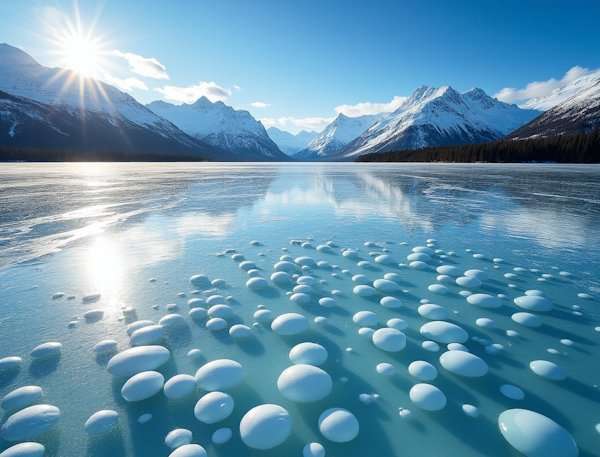
Banff National Park becomes a photographer’s paradise in winter. Its natural wonders and untouched landscapes draw professional photographers from everywhere. The park’s winter transformation gives them a chance to capture incredible once-in-a-lifetime shots.
Capturing Ice Bubbles at Abraham Lake
Abraham Lake sits two hours from Banff townsite and remains the top spot to photograph frozen methane bubbles. Photographers get their best shots from mid-December to late January. These technical settings work best:
- Use f/16 or f/22 for maximum depth of field
- Focus stack images for front-to-back sharpness
- Apply a polarizing filter to reduce ice glare
Best Locations for Snow-capped Mountain Shots
Banff’s crystal-clear winter air creates perfect conditions for mountain photography. Right after snowfall, you’ll find amazing views at these prime spots:
- Vermillion Lakes – Shows reflective waters and Mount Rundle views
- Bow Lake – Perfect for sunrise shots with morning mist
- Peyto Lake – Features dramatic ice patterns during spring thaw
The low winter sun provides ideal lighting throughout the day, so photographers should start early. Without summer’s blue haze, even distant mountains show up in stunning detail.
Wildlife Photography in Winter Conditions
Wildlife photography in Banff needs patience and good preparation. You must stay at least 30 meters from herbivores and 100 meters from carnivores. Expert photographers recommend:
- Carrying at least a 400mm lens
- Setting shutter speeds above 1/800th
- Using continuous focusing to track animal movements
Morning hours work best for wildlife shots when human activity is low. Quick access to bear spray is essential while shooting. Great wildlife images need both technical skills and a solid understanding of animal behavior and safety rules.
When is the best time to go to Banff?
Authentic Local Winter Traditions
Banff’s authentic winter traditions showcase generations of mountain culture that combines outdoor adventures with cozy indoor experiences. The snowy season brings out the best of Canadian winter living through activities cherished by local residents.
Traditional Canadian Winter Activities
The Fenlands Banff Recreation Center buzzes with excitement as locals gather for traditional curling matches. Visitors can experience genuine Canadian pastimes at several locations throughout the park:
- Ice skating on naturally frozen lakes at Lake Minnewanka
- Cross-country skiing through pristine trails
- Horse-drawn sleigh rides under starlit skies
- Snowshoeing through powder-covered forests
Local Favorite Winter Comfort Foods
Banff’s culinary scene celebrates its mountain heritage with locally-sourced ingredients that warm both body and soul. Sky Bistro, situated 7,486 feet atop Sulfur Mountain, serves a distinctly Canadian menu with regional meats and produce. The Fairmont Banff Springs celebrates its culinary traditions by growing herbs and vegetables in their rooftop greenhouse. Their in-house bakery produces fresh bread and pastries for all their restaurants.
Indigenous Winter Cultural Experiences
The Buffalo Nations Luxton Museum demonstrates the region’s rich Indigenous heritage and promotes understanding of First Nations’ cultures and traditions. Visitors can experience authentic Indigenous traditions through various cultural programs during winter.
The Warrior Women program features intimate fireside chats where traditional Cree heritage comes alive through drumming, singing and storytelling. Mahikan Trails shares ancestral knowledge of winter plant medicines that generations of Cree lineage have preserved.
Nightrise, created with the Stoney Nakoda Nation, combines multimedia displays with traditional storytelling to give visitors a fresh view of Indigenous winter traditions. This innovative presentation received the Indigenous Tourism Alberta Allyship Award in 2022.
Magical Winter Moments You Can’t Experience Elsewhere
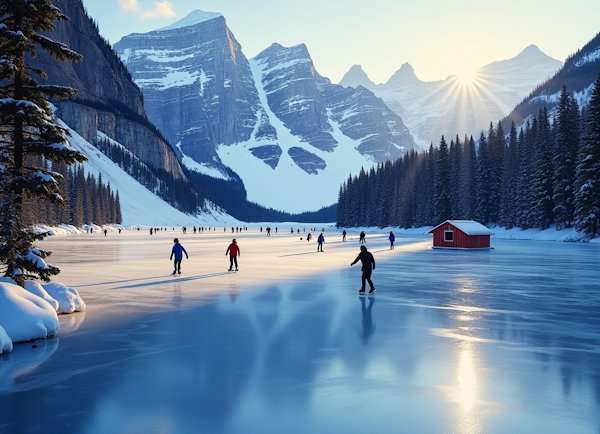
Banff National Park’s winter landscape creates unique experiences you won’t find anywhere else in North America. The untouched environment sets the stage for remarkable natural events and genuine mountain adventures.
Skating on Naturally Frozen Lakes
Winter lets you glide across naturally frozen lakes with majestic peaks towering above. Lake Louise shines as the ultimate winter skating spot, where staff manage to keep ice surfaces smooth amid breathtaking mountain scenery. Several other lakes also provide amazing skating spots:
- Two Jack Lake – Shows off Mount Rundle’s views
- Johnson Lake – Draws early season skaters
- Vermilion Lakes – Shines best during sunset skates
Safety experts suggest these rules for natural ice skating:
- Ice thickness of 15 cm if you skate alone
- 20 cm thickness works best for groups
- Look for blue ice – it’s the strongest
- Stay clear of spots with moving water
Witnessing Rare Winter Phenomena
Banff’s winter creates spectacular natural displays that amaze visitors. The “candlestick ice” forms when sunlight melts thick ice into honeycomb patterns, creating distinctive column shapes. During the coldest days at -40°C, light pillars appear as air moisture turns into ice crystals.
Mountain peaks glow in dramatic reds and oranges from the alpenglow effect. The atmosphere filters blue light wavelengths. Nature puts on this light show twice each day:
- During sunrise
- At sunset
Experiencing True Mountain Town Culture
Winter’s arrival turns Banff into a genuine mountain village. Visitor numbers drop substantially, which brings a different vibe to town. You’ll notice:
- Local ski enthusiasts pack restaurants and bars to share their stories
- Main street becomes a peaceful winter paradise
- Parking spots open up everywhere
- People gather spontaneously for winter fun
Smaller crowds let you see Banff’s real character beyond its tourist surface. Local spots welcome everyone with seasonal treats, which creates a warm atmosphere that defines mountain culture.
Winter reveals Banff’s true spirit through experiences summer visitors miss completely. Steam rises off frozen lakes at dawn while impromptu hockey games break out on natural ice. These moments capture Canadian winter culture’s essence.
Experience the Rocky Mountaineer.
Enjoy Banff in Winter
Banff National Park shines as Canada’s winter crown jewel with experiences that exceed typical winter destinations. Summer crowds flock to see emerald lakes, but winter reveals the park’s true character. Frozen waterfalls, pristine snow and spectacular natural phenomena like alpenglow and northern lights paint a magical landscape.
The cold winter weather creates perfect conditions for extraordinary adventures instead of keeping visitors away. Lakes freeze naturally into skating rinks, while methane bubbles become photographic masterpieces. Fewer crowds let visitors connect deeply with local culture and traditions.
The temperature drops by a lot, yet Banff’s winter magic makes every moment count. Visitors can see rare ice formations along Johnston Canyon and join locals for traditional curling matches. They quickly find why this season shows the Canadian Rockies at their finest. The authentic spirit of Banff comes alive in winter, making it an unmatched destination for remarkable mountain experiences.
FAQs
Q1. What makes Banff a unique winter destination?
Banff transforms into a magical wonderland in winter, offering perfect snow conditions, unique natural phenomena like alpenglow and fewer crowds. Visitors can experience extraordinary activities like skating on naturally frozen lakes and witnessing the northern lights.
Q2. When is the best time to visit Banff in winter?
The winter season in Banff typically extends from December through March, with January being the coldest month. However, snow can appear as early as September and last until May, providing ample opportunities for winter activities and experiences.
Q3. What are some hidden winter experiences in Banff?
Some hidden winter experiences include viewing the northern lights at secret locations like Bow Lake and Lake Minnewanka, exploring lesser-known ice formations along the Icefields Parkway and participating in local winter festivals like SnowDays in January.
Q4. What photography opportunities does Banff offer in winter?
Banff provides extraordinary winter photography opportunities, including capturing methane bubbles at Abraham Lake, snow-capped mountain shots at locations like Vermillion Lakes and Peyto Lake and wildlife photography in pristine winter conditions.
Q5. How can visitors experience authentic local winter traditions in Banff?
Visitors can experience authentic local winter traditions by participating in activities like curling at The Fenlands Banff Recreation Center, enjoying locally-sourced comfort foods at restaurants like Sky Bistro, and engaging in Indigenous cultural experiences such as the Warrior Women program and Nightrise at the Banff Gondola.


Leave A Comment