

Why is El Salvador Called the Land of Volcanoes
El Salvador, a small but powerful Central American country, goes by the name “Land of Volcanoes.” This country has an impressive collection of volcanic formations, each telling its own story and drawing people in. From tall peaks to peaceful crater lakes, El Salvador’s volcanic scenery attracts adventurers, nature lovers, and culture seekers. These landscapes have an impact on those who see them.
El Salvador’s volcanoes have a huge impact on the country’s past, culture and economy going beyond their massive size. These fiery mountains have shaped Salvadoran society giving birth to myths, legends and a deep respect for nature. El Salvador sits on the Central American Volcanic Arc where the Cocos and Caribbean tectonic plates meet creating a land full of calderas, craters and lava flows.
How Many Volcanoes in El Salvador?

El Salvador (land of volcanoes country) has 20 volcanoes within its borders, which makes it one of Central America’s most active volcanic countries. These volcanoes come in different sizes, shapes and activity levels giving visitors many chances to explore and experience them. Does El Salvador have volcanoes? You bet – it’s clear why people call El Salvador the land of volcanoes!
The key El Salvador volcanoes include:
- San Salvador Volcano: This well-known volcano stands 1,893 meters (6,217 feet) above sea level making it the country’s second-highest and one of the most popular.
- Santa Ana Volcano: People also call it Ilamatepec. It’s the tallest volcano in El Salvador reaching 2,381 meters (7,812 feet).
- Izalco Volcano: People gave it the nickname “Lighthouse of the Pacific.” This volcano used to be among the most active worldwide, which led to its “Lighthouse of the Pacific” title.
- Cerro Verde: This dormant stratovolcano houses the beautiful Laguna Verde, a peaceful green crater lake that attracts visitors from all over the world.
- Conchagua Volcano: This volcano sits in the eastern part of the country and provides sweeping views of the Gulf of Fonseca and the nearby countries of Honduras and Nicaragua.
The Significance of Volcanoes in El Salvador’s History and Culture
Volcanoes have a big impact on El Salvador’s history and culture. These natural marvels have earned the respect of indigenous communities for hundreds of years. Many people see them as holy places and believe powerful gods live there.
The volcanic eruptions have also had a huge influence on the country’s growth. Take the Ilopango volcano’s eruption in 260 AD. People think it shook up the ancient Mayan civilizations nearby covering the Mayan ruins of Joya de Ceren in volcanic ash. Jump to more recent times, and you’ve got the 1917 eruption of the Izalco volcano nicknamed the “Lighthouse of the Pacific.” This blast hit the country’s economy hard messing up trade and transportation routes.
Nowadays, El Salvador’s volcanoes remain dear to Salvadorans. People celebrate them through art, writing and traditional events. These volcanoes give Salvadorans a strong sense of pride and cultural identity. The rich volcanic soil also helps coffee plantations thrive producing top-quality coffee beans known worldwide.
Looking at El Salvador’s Most Well-Known Volcanoes
San Salvador Volcano
The San Salvador Volcano, which people also call the Boqueron Volcano, stands out as one of El Salvador’s most famous and popular volcanoes. This impressive stratovolcano rises 1,893 meters (6,217 feet) above sea level. It gives visitors stunning views of the area around it, including San Salvador, the busy capital city.
Hikers can walk the volcano’s trails, which take them through thick cloud forests and to amazing lookouts. The best part is getting to look into the volcano’s huge crater, which is over 500 meters (1,640 feet) wide. The bottom of the crater has fumaroles openings that release steam and gases showing the volcano is still active.
Santa Ana Volcano
As El Salvador’s tallest volcano, Santa Ana Volcano, or Ilamatepec, attracts daring travelers. This active stratovolcano stands 2,381 meters (7,812 feet) high and features a beautiful crater lake, Laguna Verde.
Climbing Santa Ana Volcano challenges hikers but pays off with wide views of the area and the glittering Laguna Verde. Visitors can also check out nearby Cerro Verde National Park, which houses many plants and animals.
Izalco Volcano
The Izalco Volcano called the “Lighthouse of the Pacific,” stands out as one of El Salvador’s most intriguing and important volcanoes. This volcano used to be among the world’s most active, with the El Salvador volcano eruption happening almost non-stop from 1770 to 1958. This constant activity led to its nickname, “the Lighthouse of the Pacific coastline.”
Now, the Izalco Volcano sleeps, but its distinct cone shape and eye-catching look still attract people from all over the globe. Climbing to the volcano’s peak gives you amazing views of the area around it, including the nearby Coatepeque Lake, a huge lake formed in a volcanic crater.
Safety Precautions When Visiting Volcanoes in El Salvador
-Hiking trails around the volcanoes in El Salvador offers an exciting and fulfilling adventure, but you need to stay safe. Check with local officials and tour companies to get the latest updates on volcano activity and possible dangers like lava or ash.
Wear the right hiking clothes – strong shoes long pants, and layers to handle changing weather. Pack enough water, snacks, and sun protection, as volcano areas can be open and tough.
Also, keep in mind the risks of eruptions, earthquakes and mudslides. Listen to your guides and local authorities and follow their safety rules.
Unique Experiences Near the Volcanoes in El Salvador
El Salvador’s volcanoes give visitors more than just stunning natural views. People can also dive into the rich cultural heritage and one-of-a-kind experiences around these geological marvels.
Hot springs near volcanic sites top the list of popular things to do. These natural pools, which the volcanoes’ geothermal energy heats up, let you unwind and recharge after you spend the day hiking and checking out the area.
Tourists can check out the local communities that live near the volcanoes learning about their customs, art and food. Many of these towns have started eco-friendly tourism projects letting visitors help the local economy while trying out unique cultural experiences. Take the town of Ahuachapan close to the Santa Ana Volcano, which is famous for its lively craft markets and traditional celebrations.
Volcano Hiking and Adventure Activities in El Salvador
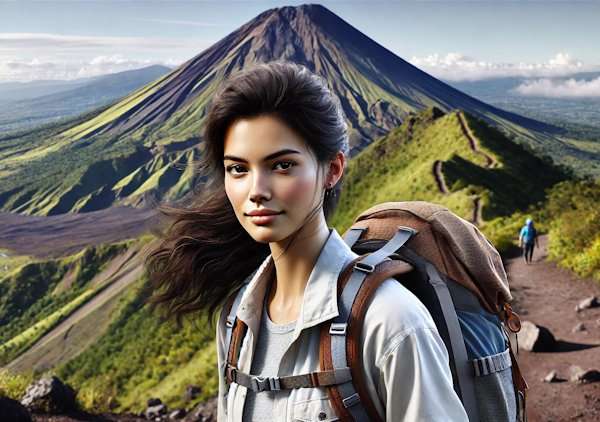
For thrill-seekers, El Salvador has lots of volcano-related activities and adventures to offer. Climbing to the tops of these tall peaks is something many people enjoy, with each volcano having its own challenges and payoffs.
Besides regular hiking, tourists can try more exciting activities, like volcano boarding. This heart-pounding sport lets you ride a special sled down an active volcano’s slopes giving you a unique experience and stunning views.
If you want to take it easy, you can join guided tours or go on scenic drives around the volcanic areas to enjoy the natural beauty and learn about the geology and culture behind these amazing formations. A trip to Los Volcanes National Park where you’ll find the San Salvador Volcano and Cerro Verde, lets you check out the various volcanic features and ecosystems in the area.
Volcano Tourism and How It Boosts the Local Economy
The volcanoes of El Salvador have become a big attraction for tourists, with people from all over the world coming to the country to see these natural marvels. This surge in tourism has an influence on the local economy creating jobs and helping to develop sustainable tourism projects.
Many nearby communities have welcomed volcano tourism offering different services and activities to meet the growing interest. This includes setting up eco-lodges, starting adventure tour businesses and opening craft workshops that show off the unique products and skills of the area.
Volcano tourism has had an influence on the larger Salvadoran economy bringing more investment to infrastructure, transportation and related industries. As El Salvador keeps showcasing its volcanic scenery, there’s a good chance for long-term growth and progress.
Sustainable Tourism Practices in Volcano Land
As volcano tourism in El Salvador becomes more popular, people are paying more attention to sustainable tourism. This means protecting nature helping local communities and reducing the impact of tourists on the environment.
Many tour companies and tourism groups in El Salvador now use sustainable methods. They use clean energy, manage waste better and hire local people as guides and workers. These steps help to protect the beautiful volcanoes and local culture for people to enjoy in the future.
People who visit El Salvador’s volcanoes should think about how they affect the area and back sustainable tourism efforts. This includes picking green lodgings joining tours run by local communities and being careful about trash and conservation when exploring the volcano sites.
If El Salvador embraces tourism that lasts, it can keep showing off the fiery beauty of its volcanoes while making sure local communities and the environment do well too.
Why El Salvador is a Must-Visit Destination for Volcano Enthusiasts
El Salvador’s volcanoes are amazing natural sights that attract visitors from all over. The country’s volcanic scenery ranges from the tall Santa Ana Volcano to the peaceful lakes in Cerro Verde’s crater. This small nation in Central America is heaven for people who love volcanoes.
The volcanoes in El Salvador are more than just pretty to look at. They have shaped the country’s past, culture, and who the people are. When you visit, you can explore these natural wonders and also get to know the rich traditions and lively communities that have grown up around these massive fire mountains.
Are you looking for excitement, a chance to unwind or to learn more about nature? El Salvador’s volcanoes can give you a trip you’ll always remember. Get your hiking shoes, don’t forget your camera, and prepare to see the fiery beauty of this “Land of Volcanoes.”
Next, read about Paricutin Volcano in Mexico.


Leave A Comment