

Over 1,100 sailors lost their lives in the December 7, 1941 attack on Pearl Harbor. This event shows Hawaii’s story is more than just sunny beaches. The rainy season from November to March adds a unique layer to the islands. It covers mountain slopes in mist and turns green valleys into lush habitats.
Mount Waialeale on Kauai is one of the rainiest spots on Earth. Rain showers refresh the landscape, and rainbows often appear. This shows a different kind of paradise where visitors can feel nature’s rhythm during the rainy season.
Visitors can explore each island’s unique microclimates. A light drizzle rarely stops an adventure. Planning around Kauai’s rainy season makes trips more flexible and reveals hidden treasures.
Key Takeaways
- The hawaii rainy season spans November to March.
- Short rain bursts often lead to vibrant rainbows across the islands.
- Lush scenery and active waterfalls bloom under passing clouds.
- Warm ocean waters allow surfing and snorkeling in gentle rain.
- Indoor cultural stops offer immersive experiences when showers pass through.
- Flexible planning makes each journey more memorable.
Understanding the Hawaii Rainy Season
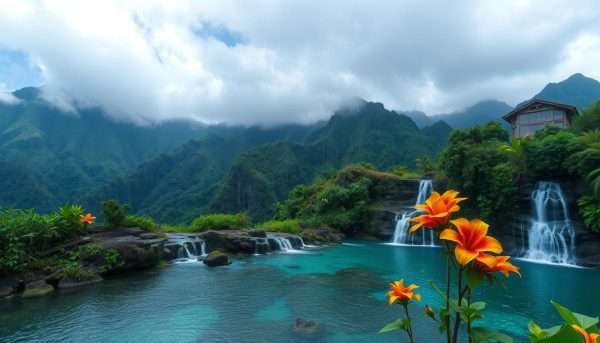
The rainy season in Hawaii lasts from November to March. It brings cooler winds and fewer crowds. Many see this as the best time to visit Hawaii because of flight deals.
Short rain showers replace long downpours. This means plans rarely get ruined by rain.
What a Typical Rainy Day Looks Like
Mornings start with clear skies. Clouds come in by midday, bringing quick showers. Rain rarely stays long, so outdoor activities are still possible.
Waterfalls swell, adding drama to hikes and drives. This makes the rainy season special.
Regional Variations Across the Islands
Hilo on the Big Island gets about 120 inches of rain yearly. Kailua-Kona gets around 30 inches. North shore spots on Kauai are very wet, feeding lush forests.
Waikiki has mild rain, balancing beach activities. Winter is a favorite for those who like cooler weather.
| Region | Average Annual Rainfall | Distinguishing Feature |
|---|---|---|
| Hilo (Big Island) | ~120 inches | Among the wettest cities in the USA |
| Kailua-Kona (Big Island) | 30–40 inches | Drier coast with more sunshine |
| North Shore (Kauai) | High rainfall | Lush forests and vibrant valleys |
| Waikiki (Oahu) | Moderate | Popular beaches and periodic showers |
Climate Patterns Shaping Hawaii’s Wet Season

Hawaii’s unique geography shapes its wet season. Trade winds, ocean currents, and mountains play a big role. Morning or evening showers keep the landscape green, while sunshine is common in the midday.
The Pacific High northeast of the islands affects rainfall. Slopes create microclimates, leading to big differences in rain. Hilo gets over 130 inches of rain a year, but Kekaha on Kauai sees about 20 inches. Mt. Waialeale on Kauai is one of the rainiest spots in the world, with over 460 inches of rain.
- Summer months are May to October, with highs near 85°F.
- “Winter” is from October to April, averaging around 78°F by day.
- Some areas get up to 15 times the average annual rainfall.
For more insight, read this climate overview. Packing light layers and planning flexible activities lets visitors enjoy each island’s lush beauty.
| Location | Annual Rainfall (inches) |
|---|---|
| Mt. Waialeale (Kauai) | 460+ |
| Hilo (Big Island) | 130+ |
| Kekaha (Kauai) | 20 |
Best Times to Visit Despite the Rain
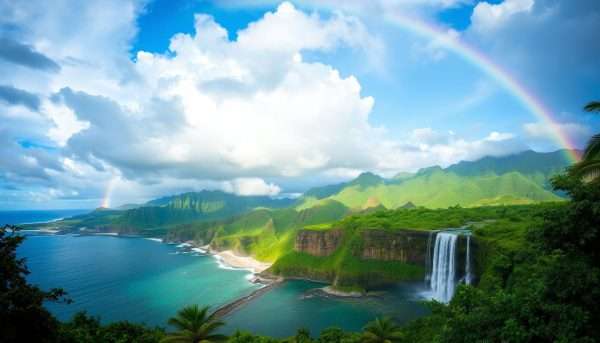
Travelers often look for times when it’s less crowded and the weather is nice. These periods can show the islands’ beauty, even when it’s raining. Shoulder seasons like April to May and September to October are great. They have less rain, nice weather, and more room for surprises.
Seasonal Considerations
Some people plan their trips for big events like the Honolulu Marathon in December. Whale-watching starts in November. Weather changes in March, offering chances to see whales off Maui.
Visiting during these times can make your trip more exciting. You’ll see amazing marine life and fun festivals.
Off-Peak Benefits
With fewer tourists, places feel more peaceful. Hotels and resorts often have deals, making trips more affordable. You can enjoy more without spending too much, thanks to the weather.
| Month Range | Highlights | Rainfall Level |
|---|---|---|
| April – May | Fewer crowds, pleasant climate | Moderate |
| November – March | Whale-watching, seasonal festivals | Higher |
| September – October | Lower visitor numbers, good deals | Moderate |
What to do on a rainy day in New York.
Activities to Enjoy in Rainy Conditions

Travelers don’t have to cancel their trips when it rains. The rainy season in Hawaii is from November to March. But, many places stay open and friendly. You can explore indoors or enjoy the outdoors with its lush greenery.
Indoor Cultural Exploration
At the Bishop Museum, you can learn about Hawaii’s history through local artifacts. The Waikiki Aquarium has marine exhibits and programs, rain or shine. Pearl Harbor’s sites tell important stories, offering a deep dive into history under cover.
Outdoor Adventures with Scenic Views
Light rain makes Hawaii’s outdoors even more beautiful. Mount Waialeale in Kauai is the wettest spot on Earth, with stunning waterfalls and valleys. Ziplining and ATV tours are thrilling, with the added excitement of wet paths.
Hiking near waterfalls is unforgettable, but always check the weather first. Staying updated with the Hawaii rainfall forecast helps plan the best outdoor adventures.
| Activity | Rainy Day Tips |
|---|---|
| Bishop Museum Visit | Plan extra time for interactive exhibits |
| Waikiki Aquarium | Enjoy indoor educational talks |
| Hiking Trails | Wear shoes with firm grip for slippery routes |
| Ziplining Tours | Dress in comfortable, quick-dry clothes |
Safety and Weather Forecast Considerations

Visitors can enjoy a calmer experience by staying alert and informed about changing conditions. Major tropical storms in Hawaii may be rare, yet it is wise to monitor local broadcasts and alerts. Checking updates from the National Weather Service helps travelers steer clear of intense rain or potential flash floods.
Staying aware of rainfall patterns keeps everyone prepared. A helpful way to stay current is to track local updates for insights on shifting rain events. Packing waterproof clothing and sturdy footwear reduces exposure to sudden downpours. Some paths near cliffs or valleys can be prone to unexpected runoff.
- Track local alerts through reliable news or weather apps.
- Avoid hiking narrow valleys during heavy rain.
- Carry extra food and water in case of transport delays.
These measures give travelers peace of mind, even when tropical storms in Hawaii make the news. Preparation keeps plans flexible and promotes a safe island adventure.
| Resource | Focus |
|---|---|
| National Weather Service | Detailed forecasts and severe weather alerts |
| Local News Stations | Community updates and emergency information |
| Hawaii Emergency Management Agency | Island-specific safety guidelines and evacuation routes |
Practical Tips for Traveling during the Rainy Season
Traveling in the rainy season can be exciting. It means fewer crowds and lower prices. You can find great deals on hotels, tours, and flights. Plus, the weather is usually warm, with temperatures in the 70s and 80s.
Places like Hawaii, Costa Rica, and Thailand are still great to visit, even when it rains. The weather can change quickly, offering different experiences in one trip.
Packing Essentials
It’s important to be ready for sudden rain. Pack a strong jacket, good shoes, and sun protection. Darker clothes are better when wet. Use stores like Costco for supplies on Oʻahu, Maui, Kauaʻi, and the Big Island.
Planning around Tropical Storms
Checking the forecast daily helps if storms change your plans. Renting a car saves time. Visiting museums on rainy days keeps you happy. Having extra time in your schedule helps avoid delays and lets you adjust easily.
| Item | Reason | Tip |
|---|---|---|
| Water-Resistant Jacket | Protect from rain | Choose breathable fabrics |
| Sturdy Boots | Prevent slips | Opt for quick-dry materials |
| Travel Umbrella | Shield from unexpected showers | Pick compact, durable models |
| Flexible Itinerary | Adapt to weather changes | Buffer extra time for delays |
Enjoy Hawaii Rainy Season
Hawaii welcomes millions of visitors every year. Over 2.7 million came in the first half of 2021. The rainy months, from November to March, bring new life to the islands.
Vibrant rainbows paint the sky, and lush valleys shine with gentle rain. The weather shifts between sunny days and cool rain, offering endless adventures. You can explore both indoor spots and beautiful outdoor areas.
Travelers who plan well for the rainy season find extra perks. Quieter beaches are perfect for leisurely walks. Museums like the US Army Museum of Hawaii offer great indoor activities without spending more.
Packing waterproof gear and being flexible can make rain a plus. Each raindrop adds to the island’s energy, showing a side of Hawaii that surprises everyone. In these moments, the trip becomes peaceful and memorable.


Leave A Comment