

South Africa is one of the world’s most culturally diverse nations. Over 60 million people create a vibrant mix of traditions, languages and customs here. The name “Rainbow Nation” captures this amazing blend of cultures that call this land home.
Ancient wisdom from South African tribes blends with today’s urban communities to shape the nation’s cultural identity. The country’s heritage reflects centuries of history and change. Indigenous people keep their rich traditions alive while they embrace modern life, which creates a unique social fabric that grows and adapts.
This detailed piece looks at South Africa’s population diversity and their historical roots. It shows how cultural practices, languages, and artistic expressions come together. You’ll find how different communities keep their unique identities while they add to the nation’s shared cultural heritage.
The Historical Tapestry of South African Peoples
The story of South African people starts with the Khoisan, who were among the earliest distinct groups of Homo sapiens in southern Africa. These people laid the region’s earliest cultural foundations until major changes came with northern Bantu groups between the third and sixth centuries.
Ancient Indigenous Communities
Khoisan peoples were hunter-gatherer communities who created sophisticated cultural practices. They became the first to stand against European colonization through the Bushman Wars. Their traditional customs included plant-based medicine and hunting. These practices became the foundations of early South African cultural life. Colonial settlers later dismissed many of these practices as primitive.
Colonial Era Influences
South African society changed dramatically after 1652 when the Dutch East India Company set up the Cape Colony. This time brought several deep changes to society:
- Slavery and forced labor systems took hold
- Dutch and British cultural practices entered daily life
- Indigenous communities lost their ancestral lands
- New mixed heritage communities emerged
Mineral findings in the 1880s reshaped the scene. This created more pressure to find cheap black labor and led to systematic land theft. Black people lost their right to own or rent land in 93% of South Africa because of the 1913 Natives Land Act.
Post-Apartheid Cultural Renaissance
South Africa’s cultural landscape changed when apartheid fell. People’s memories and memorials became vital parts of building new national identities and stories. The Truth and Reconciliation Commission in the late 1990s helped bring hidden stories to light.
New museums and heritage sites have appeared since apartheid ended, but challenges remain. Museums and memory sites don’t deal very well with creating more inclusive approaches, despite efforts to change. The Rhodes Must Fall movement in 2015 showed ongoing debates about colonial memorials. It highlighted the need to radically remake public memory.
Modern South African society shows a mixture of Western technology with indigenous knowledge, and Western traditions with African and Asian customs. The country builds on its progress to fix historical unfairness, even with ongoing economic gaps. Culture and arts thrive in the free climate after apartheid.
South Africa’s Major Cultural Groups

Modern South Africa has a cultural mix of different communities that shape the nation’s identity. The country’s population has several ethnic groups. They create a complex social fabric that keeps evolving since the end of apartheid.
Traditional African Communities
Black Africans make up the majority at 80.48% of the population. They include several major ethnic groups. The Nguni peoples have the Zulu (the largest group), Xhosa, Ndebele, and Swazi communities. The Sotho-Tswana peoples are another major cultural group that includes the Northern Sotho (BaPedi), Southern Sotho (BaSotho) and Tswana.
These communities keep their unique cultural practices while adapting to modern life. Their languages dominate South Africa’s linguistic scene. The usage breaks down as:
- IsiZulu: 24.4% of speakers
- IsiXhosa: 16.3%
- Sepedi: 10.0%
- Setswana: 8.3%
European Heritage Communities
People of European heritage make up about 8% of South Africa’s total population. This community splits mainly between:
- Afrikaners (61% of the white population), speaking Afrikaans
- English-speakers (36% of the white population)
Afrikaners trace their roots to Dutch, French and German ancestry. They have created their own unique cultural identity. English-speaking South Africans keep strong cultural connections to their British heritage.
Asian and Mixed Heritage Groups
The Colored community represents 8.79% of the population. Their ancestry connects to European, Asian and indigenous peoples. You’ll find this community mostly in the Cape region, where they’ve developed their own distinct cultural identity.
The Indian/Asian community makes up 2.48% of the population. Most of them descended from indentured laborers who came in the 19th century. South African Indians live mainly in KwaZulu-Natal, especially around Durban and Pietermaritzburg. The Chinese community has grown from about 10,000 in the early 1980s to more than 100,000 in the early 2000s.
Each community adds to South Africa’s cultural mosaic while keeping their unique traditions, languages and customs. The historical divisions are fading. Modern South African society welcomes its multicultural identity. Many urban areas now see different cultural traditions mixing and growing together.
Discover the Madagascar people.
Languages as Cultural Bridges
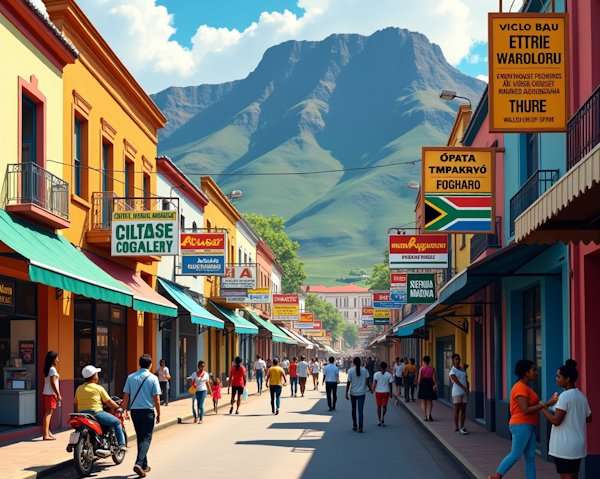
Language connects South Africa’s cultural communities and the nation’s steadfast dedication to multilingualism shows in its recognition of twelve official languages. This special mix of languages shapes how South African people interact daily and keeps their rich cultural heritage alive.
The Role of 11 Official Languages
South Africa’s constitution recognized eleven official languages at first, and South African Sign Language became the twelfth in 2023. Native speakers use these major languages:
- IsiZulu: 24% of the population
- IsiXhosa: 16.1% of speakers
- Afrikaans: 10.5% of users
- Sepedi: 9.8% of speakers
- English: 8.6% of the population
English isn’t the most common first language, but it leads government discussions and business communications. This approach to multiple languages shows South Africa’s respect for cultural and linguistic variety.
Indigenous Language Preservation
Keeping indigenous languages alive helps maintain cultural identity. The constitution requires the state to take practical steps to lift the status of indigenous languages because their use decreased historically. The Pan South African Language Board looks after official languages, indigenous languages like Khoisan, and sign languages.
New projects show stronger support for language preservation:
- The Mother Tongue-Based Bilingual Education program in Eastern Cape schools
- Indigenous language requirements at universities
- Creation of multilingual educational resources
Modern Language Development
South African society today shows amazing language flexibility. The average South African uses 2.84 languages in daily life. Black South Africans often switch between languages naturally during conversations.
South African languages continue to grow through:
- Urban cultural changes creating new ways of speaking
- Mixing traditional and modern communication styles
- Digital platforms that help preserve languages
English might dominate business and education, but work continues to keep language diversity strong. Universities now ask students to learn indigenous languages and media companies create more content in multiple languages. These efforts show growing awareness that keeping languages alive helps preserve South African people’s cultural identity.
Furthermore, Filipino culture.
Traditional Customs and Modern Life

South African society today shows amazing cultural contrasts. Traditional practices blend with modern lifestyles in cities and villages. This mix shapes South African people’s daily lives and creates unique cultural expressions that connect the past and present.
Urban Cultural Adaptations
South African society’s cultural practices have changed as cities grow. Most South Africans now live in cities, which has changed how they express their culture. Cities have become places where different cultural traditions mix and create new expressions that blend Western technology with local practices.
Johannesburg shows this cultural progress through:
- Afropolitans – a new black middle-class of cultural creatives
- Fusion food that mixes traditional and modern cooking
- New cultural districts and precincts popping up around the city
Rural Cultural Preservation
Traditional cultural practices thrive in rural areas where indigenous South African people keep their ancestral customs alive. These regions protect their culture in many ways:
- Sangomas continue traditional healing work
- Ancient ceremonies and rituals stay true to their roots
- Local crafts like beadwork, pottery, and basketry remain strong
Lesedi Cultural Village in Gauteng shows how cultural preservation works. Visitors can experience authentic tribal cultures of the Zulu, Ndebele, Xhosa, Pedi and Basotho people. These projects protect traditions and help local communities earn money.
Blending Old and New Traditions
Traditional and modern practices have mixed to create something special. You can see this blend clearly in:
Cultural Tourism Initiatives:
- Community tourism projects that show living heritage
- Heritage sites with modern comforts
- Cultural villages that offer real experiences while keeping traditions alive
Ubuntu philosophy – “I am because we are” – still shapes modern South African society. It promotes community connections even in today’s world. People adapt these cultural practices to fit modern life, from business meetings to social events.
Township life shows how traditional practices fit into modern times while keeping their meaning. To name just one example, Soweto’s traditional gatherings now include modern elements but keep important cultural rituals. Experts call this mix a “kaleidoscope of cultures” where old customs and new ways grow together.
Cultural heritage preservation helps economic growth, and cultural tourism brings in substantial local income. But communities must balance preservation and growth, especially when tourism affects traditional practices.
Explore the traditional African religions.
Cultural Expression Through Arts
South Africa’s artistic heritage goes back thousands of years. The world’s oldest art objects were found in South African caves. This rich cultural legacy continues to grow and reflects the nation’s experience through historical changes and social transformation.
Music and Dance Traditions
South African musical expression tells powerful stories through celebration and resistance. Traditional instruments are the foundations of indigenous music:
- Drums (particularly in Venda culture)
- Fayi (Shangaan-Tsonga flute)
- Xitende (bow instrument)
- Mbila (percussion)
The Venda people’s Domba (python dance) and Tshikona (royal dance) represent the deep connection between music and cultural identity. Males perform the Tshikona at ceremonies and create complex melodies through coordinated pipe playing. Zulu dance shows the warrior heritage of South African tribes with high-stepping movements and the use of shields and weapons.
Visual Arts and Crafts
South African visual arts began with ancient rock paintings. Archeological findings date back 75,000 years and include drilled snail shells used as jewelry. The art scene changed by a lot after apartheid ended. The Johannesburg Biennale’s Africus (1995) and Trade Routes (1997) exhibitions brought “new South African art” to local and global audiences.
The Zeitz Museum of Contemporary Art Africa (MOCAA) opened in 2017. This massive 9,500-square-meter facility in Cape Town marked a key moment in South Africa’s artistic growth. The institution helps promote African views in the global art community.
Contemporary Cultural Fusion
Modern South African art blends traditional and contemporary influences. The FNB Art Joburg stands as the continent’s most important exhibition of contemporary African art. It helped change people’s view of galleries as white and elitist spaces.
Recent developments in contemporary South African art include:
- Street art emerging as urban storytelling
- Traditional beadwork mixing with modern design
- Digital and multimedia artistic expressions growing
- Black South African artists gaining global recognition
The art scene’s collector base and market strength have grown substantially. Southern Guild, 2008 old, has become Africa’s most celebrated collectible design gallery. They support world-class, locally-made limited-edition designs. Artists like Zizipho Poswa create totemic ceramic sculptures that boldly declare African womanhood. Andile Dyalvane’s ceramics strike a chord with Xhosa ancestral connections.
Private sector initiatives drive South African art’s transformation. New institutions like the Rupert Museum and The New Church Museum have opened. These changes show how South African artistic expression keeps growing, connecting traditional cultural elements with contemporary global influences.
Read about Ethiopian culture.
Celebrating South African Unity

South Africa’s vibrant celebrations bring its diverse population together and create bridges between cultural divides. The nation shows its steadfast dedication to encouraging social cohesion through national holidays, festivals and cultural celebrations that showcase the spirit of ubuntu.
National Holidays and Festivals
South Africa celebrates 12 public holidays each year. These special days honor different parts of the nation’s heritage and unity. The celebrations that bring South African people together include:
- Freedom Day (April 27): Commemorating the first democratic elections
- Heritage Day (September 24): Celebrating cultural diversity
- Day of Reconciliation (December 16): Promoting unity and understanding
- Human Rights Day (March 21): Honoring the struggle for equality
- Women’s Day (August 9): Recognizing women’s contributions
Heritage Day has become “Braai Day” – a powerful symbol of national unity. People of all backgrounds gather to share in the tradition of braaing (barbecuing). These gatherings create opportunities for cultural exchange and understanding. The celebrations remind everyone that South Africa’s diversity makes it strong and helps citizens value their roots while appreciating others’ traditions.
Cross-Cultural Celebrations
South Africa’s multicultural identity shines through numerous festivals. The Cape Town International Jazz Festival stands out as one of Africa’s largest musical events, drawing over 30,000 visitors each year. These gatherings let different communities share their artistic expressions and cultural traditions.
The national flag became a powerful symbol of unity when it first flew on April 27, 1994. Its design features the motto “!ke e:/xarra //ke” from the Khoisan language, meaning “diverse people unite”. The Y-shaped symbol represents how South Africa’s diverse communities join together as one unified nation.
Building a Shared Identity
Democratic South Africa’s journey to build a shared national identity has sparked ongoing dialog and initiatives. The identity-building process includes:
- Constitutional Recognition: South Africa’s constitution acknowledges both equal citizenship and the diversity of its people
- Cultural Protection: Ensuring security for different religions, languages, and cultures
- Inclusive Democracy: Creating spaces for differing opinions and cultural expressions
- Social Cohesion Strategy: Government initiatives promoting unity while preserving diversity
Since 2012, the Department of Arts and Culture has launched programs to strengthen social cohesion. These initiatives bring communities together through heritage and cultural activities, from supporting local sports teams to celebrating shared achievements.
The philosophy of Ubuntu (humanity) helps encourage unity among South African people. Heritage Day celebrations demonstrate this through various practices. People learn greetings in different languages, showing respect and acknowledgment for South Africa’s linguistic diversity.
We have a long way to go, but we can build on this progress in creating a shared identity through what experts call a “mosaic of the best elements” from diverse pasts and presents. This approach shows that being South African doesn’t mean conforming to one way of life. Instead, it celebrates the many cultural expressions that shape the nation.
Growing participation in cultural events and celebrations shows these unity-building efforts work. Heritage sites and cultural villages throughout the country provide spaces where South African tribes and communities can share their traditions. These venues help build understanding and appreciation between different groups.
Appreciate South African People
South Africa exemplifies cultural diversity where old traditions blend naturally with modern life. Its evolution from indigenous roots through colonial times to modern democracy has created an incredible mix of cultures, languages and artistic expressions.
The South African people show how different communities can keep their distinct identities while developing a shared national character. They protect their languages, celebrate their cultures and create new art that proves unity doesn’t diminish individual heritage. The spirit of ubuntu spreads through everyday life and promotes connections between cultural groups to strengthen social bonds.
This rich cultural heritage makes South Africa more than just a country. It shows how traditional values can flourish with modern progress. South African communities remain resilient despite challenges. They preserve their heritage and accept change to create a vibrant society that values its past while working toward a common future.
FAQs
Q1. What makes South Africa’s cultural landscape unique?
South Africa is known for its exceptional cultural diversity, often referred to as the “Rainbow Nation.” It’s home to numerous ethnic groups, including Zulu, Xhosa, Afrikaner and Indian communities, each contributing to a rich tapestry of traditions, languages, and customs.
Q2. How many official languages does South Africa have?
South Africa recognizes 12 official languages, including isiZulu, isiXhosa, Afrikaans, English and South African Sign Language. This multilingual approach reflects the country’s commitment to preserving linguistic diversity and promoting cultural respect.
Q3. How do traditional customs coexist with modern life in South Africa?
In South Africa, traditional practices and modern lifestyles blend uniquely. Urban areas often see a fusion of cultures, while rural regions maintain stronger ties to ancestral customs. Many South Africans seamlessly integrate traditional values, like Ubuntu, into contemporary settings.
Q4. What role does art play in expressing South African culture?
Art is a powerful medium for cultural expression in South Africa. From ancient rock paintings to contemporary galleries, South African art reflects the nation’s diverse heritage. Music, dance, visual arts, and crafts all play crucial roles in storytelling, celebration and preserving cultural identity.
Q5. How does South Africa celebrate its cultural diversity?
South Africa celebrates its diversity through various national holidays and festivals. Heritage Day, also known as “Braai Day,” is a notable example where people come together to share in the tradition of barbecuing. These celebrations promote unity while encouraging citizens to embrace their roots and appreciate others’ traditions.


Leave A Comment