

The Caribbean’s beautiful beaches stretch over 700 islands and cover 100,000 square miles of crystal-clear ocean waters. Grace Bay Beach and Seven Mile Beach draw thousands of visitors with their soft sand and pristine waters. Many stunning spots remain hidden and waiting to be explored.
These secret paradises match their famous neighbors with powder-white sands and vibrant coral reefs full of sea life. They also give you something better: a genuine Caribbean experience away from tourist crowds.
Let me share some of the most beautiful Caribbean beaches that still fly under the radar – perfect spots for your summer 2025 vacation. You’ll find secluded coves tucked between towering mountains and peaceful shorelines that only local ferries can reach. These hidden gems promise a memorable escape if you’re ready to explore beyond typical tourist spots.
What Makes a Caribbean Beach Truly Hidden
The Caribbean Sea holds countless pristine beaches untouched by mass tourism. These secluded paradises stand in stark contrast to the region’s famous shorelines and give travelers an authentic escape into solitude.
Why Some Beaches Stay Off the Radar
These secluded Caribbean beaches keep their hidden status through natural barriers and intentional obscurity. Physical accessibility plays a significant role – many beaches remain unknown because they can only be reached by boat. Some just need adventurous access like rope climbs down coastal cliffs or challenging hikes through tropical forests. To cite an instance, Tobago’s northern bay beaches stay empty because visitors must hire a boat since no roads exist nearby.
Natural barriers guard these hidden spots. Remote islands at the edges of archipelagos, like Mayaguana in the Bahamas, proudly call themselves “the most isolated and secluded” in their chains. These distant spots feature “footprint free” beaches where you can enjoy miles of pristine white sand alone.
Limited development keeps many beaches wonderfully secluded. A travel writer points out, “For every beach blanketed with sun worshippers, there are many more out there that promise fabulous swimming without the crowds”. Miss Irene Beach captivates visitors “with its implicit simplicity, a sober section of sand with no concessions or stalls and little shade”.
Legal protection helps preserve these hidden gems. Places like Cuba’s Jardines de la Reina archipelago restrict annual visitors to just three thousand per year. These protected waters now boast “one of the world’s healthiest coral reef systems”.
How to Define a ‘secret’ Beach in 2025
Secret Caribbean beaches in 2025 have distinct characteristics. Visitor numbers tell the real story – a truly hidden spot might see “no more than four or five sun worshipers” at once, or better yet, remain “deserted”. Finding “a beach without anyone else on it is a treat, like stumbling on a nugget of treasure at the edge of open water”.
Accessibility defines secrecy. Hidden beaches require effort – you might navigate “unpaved routes and terrain not designed for mass tourism” or take “a 15-minute hike through a tropical forest”. This experience filters out casual tourists.
Local knowledge reveals the best-hidden spots. Some beaches appear and disappear with tides or seasons, so “if you’re keen to catch it, ask the locals”. Antigua’s Half Moon Bay stays undiscovered because “there’s no sign identifying the mile-long stretch of pink and white sand”.
Natural conditions mark secret beaches in 2025. These spots remain “remarkably idyllic,” with “iridescent shores” and healthy ecosystems supporting rich marine life. Many spots offer an “unspoiled Caribbean” experience that’s becoming rare in our connected world.
Summer visitors find these hidden beaches are a great way to get breathing space during high season when popular Caribbean destinations reach peak capacity.
Try these beaches in Dominican Republic.
Top Hidden Caribbean Beaches by Region
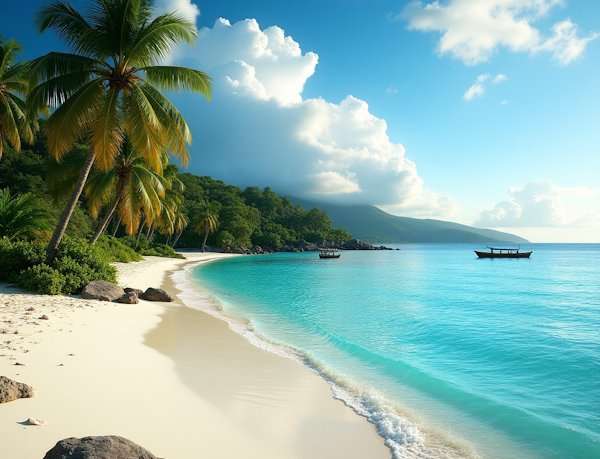
The Caribbean archipelago still holds amazing coastal spots that tourists haven’t discovered yet. These secret spots blend natural beauty with peaceful seclusion and make perfect getaways for anyone looking for real experiences in summer 2025.
1. Little Ffryes Beach, Antigua
You’ll find Little Ffryes Beach on Antigua’s western coast, a quieter alternative to its popular neighbor, Ffryes Beach. Sea grape and palm trees create natural shade along its edges, giving beachgoers a break from the Caribbean sun. The beach might be small, but it makes up for its size with stunning views and a peaceful setting.
A rocky barrier offshore keeps the waters calm, making it great for families and casual swimmers. The marine life isn’t rich, but patient snorkelers can spot starfish on the seabed and small groups of tropical fish swimming by. The beach’s edge features Sheer Rocks restaurant, which serves fine dining with amazing views. Budget-friendly places to eat are also nearby.
The beach stays quiet even on cruise ship days, so it’s a great spot if you want to avoid crowds and enjoy some peace by the sea.
2. Caracas Beach, Vieques, Puerto Rico
Caracas Beach, once called “Red Beach,” stands out as one of Puerto Rico’s hidden gems. This family spot sits inside the Vieques National Wildlife Refuge. Soft, white coral sand meets stunning turquoise waters here. The wide beach gives families plenty of room to spread out and locals often play beach volleyball on Sundays.
The beach sits in a beautiful crescent bay surrounded by green tropical plants and rocky cliffs at both ends. Kids can try boogie boarding in the gentle waves, while the eastern side is great for snorkeling. Lucky visitors might see stingrays gliding near the bottom.
The refuge entrance has simple facilities like covered picnic areas (which fill up fast) and restrooms. Since it’s part of the wildlife refuge, Caracas Beach remains free from any commercial buildings.
Try these Central America beaches.
3. Salt Whistle Bay, Mayreau
Salt Whistle Bay sits on Mayreau, the smallest inhabited Grenadine island. Most people reach this amazing beach by yacht or small sailboat. The spot where bright blue waves meet white sand creates one of the southeastern Caribbean’s most beautiful anchoring spots.
The beach’s special feature is its location – a narrow strip of land between the Caribbean Sea and Atlantic Ocean at the island’s northern tip. This creates amazing views from the sheltered anchorage. The kilometer-long beach has soft white sand next to blue waters, with only palm trees, wild plants and a few simple beach bars in sight.
Swimming and snorkeling are perfect here, as you can see colorful sea life right from the shore. The bay becomes magical at sunset when the sky lights up with orange and pink colors.
4. Playa Flamenco, Culebra
Playa Flamenco on Culebra Island keeps its quiet charm despite growing fame. This picture-perfect white sand beach with turquoise waters ranks among the world’s best but stays relatively empty during weekdays.
The calm waters make it perfect for snorkeling, swimming and relaxing. Unlike other hidden spots, Flamenco has good facilities including lifeguards, camping areas, showers, changing rooms, bathrooms and food stands serving authentic Puerto Rican food.
“The Tank,” an old US Navy leftover, adds character to the beach’s natural beauty. Now partly buried in sand and painted with colorful graffiti, this unusual sight has become a popular photo spot.
5. Anse des Pitons, St. Lucia
Anse des Pitons (also known as Sugar Beach) lies between the UNESCO World Heritage-listed Pitons, making it St. Lucia’s most spectacular hidden beach. The crescent bay sparkles with crystal-clear emerald waters. The beach used to have black volcanic sand but now features white sand, which looks stunning against the mountain background.
The protected bay drops off quickly into deeper water, creating great snorkeling spots, especially near Petit Piton. As part of a national marine reserve, the waters and coral reefs are full of sea life – from parrotfish and angelfish to sea turtles. The twin Gros and Petit Piton volcanic peaks create amazing views no matter where you look.
Visit these beaches in Algarve.
How to Reach These Secret Beaches
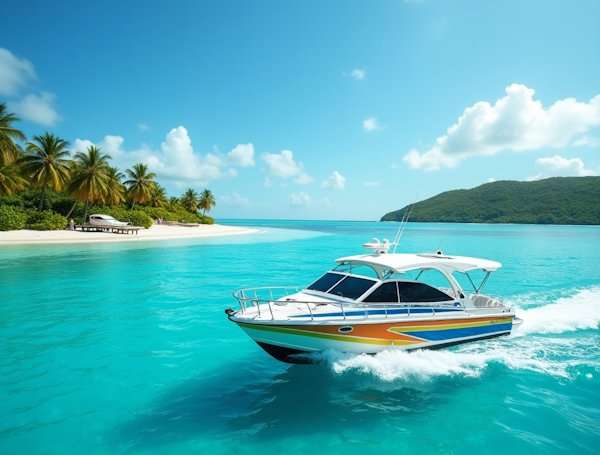
Getting to the Caribbean’s most secluded beaches takes careful planning and sometimes adventurous ways to travel. Your trip becomes an unforgettable experience that reveals breathtaking coastal views most tourists never see.
Ferries, Water Taxis, and Local Flights
Water taxis are the quickest way to reach hidden beaches in various Caribbean locations. These services take you straight to paradise without the hassle of long lines or traffic that comes with crowded ferries. To name just one example, water taxis in the Virgin Islands connect tropical wonders and give you front-row views of Caribbean marine life during your ride.
L’Express des îles connects Saint Lucia, Martinique, Dominica, and Guadeloupe with regular ferry services for island-hopping in the Eastern Caribbean. You should check ferry schedules before booking flights since they don’t run daily. Book your tickets two months ahead as prices change based on availability.
The Red Hook ferry in St. Thomas runs every hour at approximately $6 per person each way and takes just 20 minutes to reach nearby islands. A quick 15-minute boat ride from Kingston’s Port Royal will take you to the peaceful Lime Cay near Jamaica.
Some hidden spots are only reachable through multiple forms of transport. You can get to Colombier Beach on St. Barts by boat or a moderate hike through the island’s interior. Places like Mustique and St. Barth’s might require private charter flights that offer flexibility to reach spots commercial flights can’t access.
Tips for Navigating Remote Areas Safely
Proper preparation matters when you visit secluded Caribbean locations. Pack the right documents even for day trips since many Caribbean nations have different visa requirements. If you must carry your passport, keep it in a waterproof cover under your clothes.
US dollars work throughout the Caribbean, but local currency helps when you venture beyond tourist spots. Shield your PIN at ATMs and don’t leave valuables in rental cars.
Weather plays a vital part in your plans, especially during hurricane season. Your safest bet is between December and April, with less rain and humidity. Keep an eye on forecasts and know your accommodation’s evacuation plans.
Local transportation can save you money if you take proper precautions. Safari busses in St. Thomas cost just $2 per person each way and provide a safe alternative to expensive taxis when heading to beaches like Secret Harbor.
Best Times to Visit for a Seaweed-Free Experience
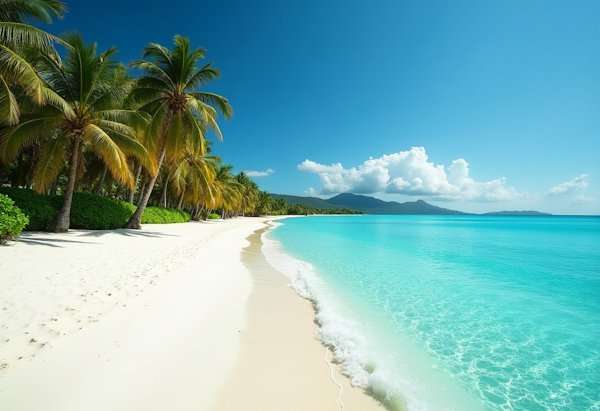
The right timing can make or break your Caribbean beach vacation, especially when you have to dodge the growing sargassum seaweed blooms that affect many beautiful shorelines across the region.
Caribbean in July vs. August
July stands out as a sweet spot to visit the Caribbean. Temperatures climb to the high 80s and low 90s. The hurricane season hasn’t peaked yet, which gives you a good balance of weather and smaller crowds. The water stays warm enough to make swimming and snorkeling perfect.
August temperatures match July’s, but humidity and hurricane risks go up. Yes, it is hurricane season’s peak time in August and September. The ABC islands (Aruba, Bonaire, and Curacao) are a safer bet during this time since they see fewer storms.
Budget travelers will find advantages in both months. Prices are nowhere near winter rates, and many resorts have great all-inclusive deals. You’ll trade some weather uncertainty to save money and enjoy less crowded beaches.
Seaweed Season and How to Avoid it
Sargassum seaweed season runs from March through October in the Caribbean. The seaweed piles up most between May and August. This timing overlaps with summer travel season and creates challenges to find clean beaches.
November through February gives you the best chance at seaweed-free beaches. Beaches across the region see little to no sargassum during these months.
2025’s forecast looks tough, with experts saying we’ll see “another major Sargassum year“. Signs of significant blooms have shown up as early as February 2025. Much of this seaweed will enter the Caribbean Sea through the Lesser Antilles.
Location is a vital factor in seaweed distribution. East, north and sometimes south-facing beaches get the worst buildup. West coast beaches usually stay cleaner. Booking your stay on a western coastline improves your chances of finding seaweed-free beaches any time of year.
Keeping track of beach conditions is a great way to get real-time updates. Local Facebook groups, TripAdvisor forums and beach webcams show current beach conditions.
More beaches in Asia.
What to Expect at These Hidden Gems
Hidden Caribbean beaches give you more than pristine sands and seclusion. These natural paradises reward adventurous travelers with extraordinary encounters both below and above the water’s surface.
Snorkeling and Marine life
The underwater world near these secluded shores is alive with vibrant marine ecosystems. Many hidden Caribbean beaches have healthy coral reefs just offshore. These reefs are home to over 500 species of fish in crystal-clear waters where visibility often reaches beyond 50 feet. The pristine Tobago Cays Marine Park hosts magnificent sea turtle nesting sites and feeding areas among extensive coral systems.
Trunk Bay in St. John is perfect for newcomers to snorkeling. The beach’s underwater trail comes with informative plaques about coral and marine creatures. You’ll find amazing underwater treasures at Escambrón Marine Park in Puerto Rico, where artificial reefs and submerged statues create a mini-habitat for diverse marine life.
Lucky swimmers might spot graceful sea turtles eating seagrass, especially at Gibbs Cay near Grand Turk. Friendly stingrays often swim up to snorkelers in these peaceful waters, creating magical moments without the usual tourist crowds.
Local Food and Culture Nearby
The area around these beaches offers authentic Caribbean flavors. Small beach shacks and food trucks serve local favorites like “piska ku pan” (grilled fish with bread) in Curaçao. Grenada’s spice-filled goat curry is a must-try dish from this “Spice Island,” which has more spices per square mile than anywhere else globally.
Beachside establishments create a relaxed, social dining atmosphere with their rustic island menus. Many hidden beaches let you visit nearby plantations where you can join tree-to-bar chocolate experiences or sample signature Blue Curaçao drinks during evening cultural events.
Facilities and What to Bring
These hidden gems usually have basic facilities. The right preparation will give a comfortable experience. Here’s what you need:
- Reusable water bottle to track hydration in tropical heat
- Sunscreen and bug spray (these are expensive at local shops)
- Snorkeling gear (rentals might be available)
- Waterproof phone case and dry bag to protect valuables
Most remote beaches don’t have restrooms or changing facilities, so plan your visit carefully. A beach mat, towel, and backpack are a great way to carry essentials during your trip. Packing a picnic helps you stay longer at these breathtaking spots if there aren’t restaurants nearby.
More Guatemala beaches.
Enjoy These Hidden Caribbean Beaches
Hidden Caribbean beaches remain the last authentic island getaways. Adventurous travelers will find pristine shores and crystal-clear waters here. These secluded paradises need extra planning to reach, but untouched sands and vibrant marine life make it worthwhile. You’ll also build genuine connections with local culture.
Visitors heading there in Summer 2025 should think over their timing. Weather conditions and seaweed patterns play a crucial role, especially when you have western-facing beaches. The best possible experience comes from monitoring local conditions and choosing optimal months. It also helps to pack essential supplies because these remote spots have limited facilities.
These hidden spots are a great way to get something rare – a chance to find Caribbean beauty in its purest form. Popular beaches get more crowded each year. Yet these secret locations keep their pristine character through natural barriers and protection. Of course, they’re more than just alternatives to famous shores. They capture the authentic Caribbean spirit that first drew explorers to these amazing islands.
FAQs
Q1. Which Caribbean islands offer the best beaches and snorkeling experiences?
For pristine beaches and excellent snorkeling, consider islands like Anguilla, known for its award-winning resorts and stunning shorelines. The Turks and Caicos Islands, particularly Grace Bay Beach, offer crystal-clear waters ideal for snorkeling. St. John in the U.S. Virgin Islands is another great option, with its protected beaches and underwater trails perfect for marine life observation.
Q2. When is the best time to visit the Caribbean to avoid seaweed?
To minimize encounters with sargassum seaweed, plan your visit between November and February. During these months, seaweed accumulation is typically at its lowest. If you must travel during summer, consider staying on western-facing beaches, which are generally less affected by seaweed buildup.
Q3. How can I access hidden beaches in the Caribbean?
Many secluded beaches are accessible by water taxis, local ferries, or short hikes. Research transportation options specific to your destination. Some hidden gems may require a combination of methods, such as a boat ride followed by a brief trek. Always check local guides or ask residents for the safest and most reliable ways to reach these off-the-beaten-path locations.
Q4. What should I pack for a day trip to a secluded Caribbean beach?
Essential items include a reusable water bottle, reef-safe sunscreen, insect repellent, snorkeling gear (if not renting), a waterproof phone case and a dry bag for valuables. Pack a beach mat or towel, and consider bringing a picnic if there are no nearby food options. Don’t forget proper documentation, as some islands may require specific identification even for day trips.
Q5. Are there family-friendly adventure activities available near hidden Caribbean beaches?
Yes, many secluded beach areas offer family-friendly adventures. Look for opportunities like guided snorkeling tours, gentle hiking trails, or boat excursions to spot marine life. Some locations offer unique experiences such as swimming with stingrays or exploring underwater snorkel trails with informative plaques. Always check age restrictions and difficulty levels to ensure activities are suitable for your family.












Leave A Comment