
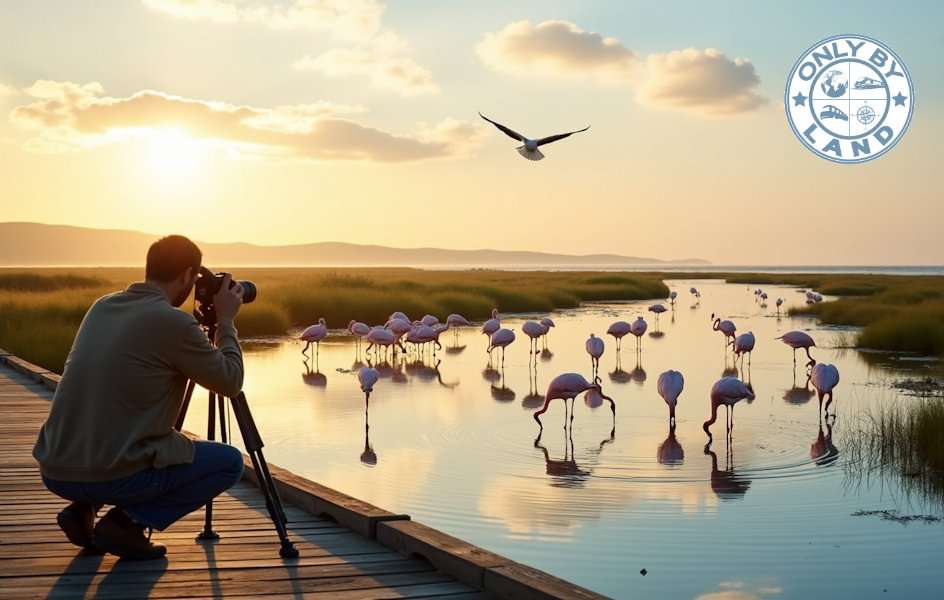
Portugal stands out as one of Europe’s best spots for wildlife watching with an amazing 632 bird species that call it home. This Mediterranean gem packs quite a punch for its size. Bird enthusiasts can spot up to 100 different species in just one day, especially when you have spots like the Tagus estuary among its 93 Important Bird Areas.
The country’s unique climate works wonders for its feathered residents. Temperatures swing from 10°C in the mountainous interior to a pleasant 19°C down south, creating perfect homes for birds of all types. A whopping 21% of Portugal’s land falls under protected status, giving shelter to 330 regular bird species. Some of these are found nowhere else but on the Iberian Peninsula. The country’s prime location makes it a favorite stopover for spring migration and mid-April brings countless birds back to their breeding grounds.
Portugal’s Hidden Coastal Birding Treasures
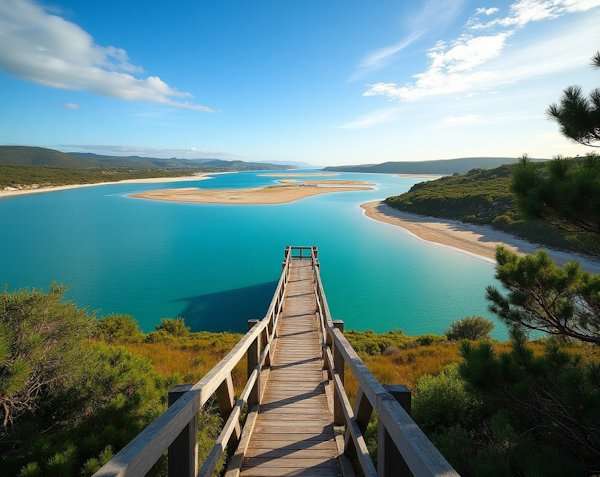
Portugal’s sunlit coastline has a wealth of birdwatching havens that casual tourists rarely discover. These coastal jewels give some of southern Europe’s most rewarding bird observation experiences, thanks to their unique habitats that support remarkable avian diversity.
Ria Formosa: Beyond the Tourist Beaches
The Ria Formosa, designated as a Natural Park since 1987, stands proudly among the 7 Wonders of Portugal. This protected lagoon stretches 60 kilometers along the eastern Algarve coast from the Ancão Peninsula to Manta Rota. The location’s magic comes from its amazing habitat variety—dunes, sandbanks, saltmarshes, saltpans, freshwater lagoons, reedbeds, woodland and farmland all exist within one ecosystem.
Over 200 bird species call Ria Formosa home, making it one of Portugal’s three most valuable wetlands. The park is a vital stopover point where more than 30,000 migratory birds rest each year. The Purple Swamphen—the Natural Park’s official symbol—stays here year-round.
Autumn months (September-October) bring the best birdwatching as migratory birds pass through the region. Ludo and Quinta do Lago’s areas let you spot Purple Swamphen, Little Bittern, Red-crested Pochard, Glossy Ibis and the exotic Black-headed Weaver. The saltpans bring you close to Flamingos, Spoonbills and elegant Black-winged Stilts.
Castro Marim’s Salt Pans: A Flamingo Paradise
Castro Marim Nature Reserve, Portugal’s first nature reserve from 1975, shows off another coastal birding wonder. This 2,000-hectare wetland sits between Castro Marim and Vila Real de Santo António in the Eastern Algarve and has marshes, saltpans, inlets and rural areas.
Cerro do Bufo—Portugal’s largest salt extraction complex—stands out as the reserve’s crown jewel. These vast saltpans attract large bird populations throughout the year, especially Greater Flamingos that gather in impressive numbers. Black-winged Stilts, Little Terns, Spoonbills, Pied Avocets, Caspian Terns and Collared Pratincoles thrive here in large numbers.
Castro Marim gives bird enthusiasts one of the Algarve’s best spots to watch both rare Slender-billed Gulls and scarce Audouin’s Gulls. Birds flock here most during autumn, winter and spring. The reserve’s landscape creates a beautiful geometric patchwork that adds to its charm beyond the birds.
Sagres Point: Where Raptors Gather Before Migration
The Sagres Peninsula becomes an extraordinary bird hotspot from August to November as thousands of Western European raptors come together. This southwestern tip of continental Europe serves as a major highway for gliding birds, including many raptor, stork and vulture species.
Birds fly low toward Cape St. Vincent thanks to the rising coastal plateau and main coastal valleys. Monte da Cabranosa gives you the best view of these low-flying birds of prey. Late September to early October marks the peak season when you’ll see Black Kites, Egyptian Vultures, Booted Eagles and Short-toed Eagles.
Griffon Vultures arrive en masse in late October and early November—a spectacular sight at the natural park. Sharp-eyed watchers might spot rare species like Cinereous Vulture, Iberian Imperial Eagle, Eleonora’s Falcon and Black-shouldered Kite during this time. A single lookout near Sagres lets birdwatchers identify more than 100 bird species.
These birds gather at Sagres but don’t fly straight to North Africa. They head southeast toward the Straits of Gibraltar instead—showing nature’s fascinating migration strategy at work.
Secret Inland Hotspots for Rare Birds of Portugal

Portugal’s magnificent coastline gets lots of attention, but the country’s interior holds amazing birdwatching spots that match the coastal areas in rare species diversity. These inland sanctuaries let you spot some of Europe’s most endangered birds against beautiful natural settings.
Alentejo Plains: Home to Bustards and Sandgrouse
The golden wheat fields of Alentejo create a steppe-like landscape that’s becoming rare in Europe. This big region includes the Castro Verde Special Protection Area, which UNESCO named a Biosphere Reserve in 2017. The area stands out as Portugal’s most vital zone to protect steppe birds.
These rolling plains support large populations of Great Bustard. Castro Verde alone has 1,093 individuals—about 80% of Portugal’s total. These magnificent birds grow taller than three feet and males put on spectacular shows during breeding season. The plains are also home to Little Bustard, with Castro Verde having 3,440 displaying males—reaching the highest recorded density of 9.8 males per 100 hectares.
You’ll also find Black-bellied Sandgrouse, Lesser Kestrel, Montagu’s Harrier, Calandra Lark and many resident and migratory raptors here. Local conservation work focuses on keeping traditional farming methods that create the perfect habitat mix these special birds need.
Guadiana Valley: Eagles and Vultures in Abundance
Guadiana Valley Natural Park ranks among Portugal’s best places to watch raptors. The river winds between rocky cliffs that make perfect nesting spots for many birds of prey. This protected area is part of the Natura 2000 Network, which protects vital habitat for threatened species.
The area’s raptor diversity is impressive and includes the endangered Spanish Imperial Eagle, Golden Eagle and Bonelli’s Eagle. A study of breeding Eagle Owls found 30 pairs within a 30×30 km area—the highest density ever recorded for this species.
Griffon and Cinereous (Black) Vultures regularly scan the valley. Recent findings show Griffon Vultures nesting in trees for the first time in Portugal. Black Storks, White-rumped Swifts, Black-winged Kites and various warblers like Dartford, Subalpine and Spectacled also call this valley home.
Montesinho Natural Park: Forest Species in Pristine Habitat
Montesinho Natural Park sits in Portugal’s northeastern corner along the Spanish border. This protected area offers something different from the country’s drier birding spots. Mountains, farmland and woodland blend together here, attracting Mediterranean birds and species usually found in northern Europe.
The park’s forests feature Pyrenean Oak, Sweet Chestnut and various conifers. Lower areas have small grazing fields with stone walls and hedges as borders. This mix of habitats supports 80% of Portugal’s mammals and 150 bird species.
Both White and Black Storks breed here, along with Egyptian Vulture, Golden Eagle, Short-toed Eagle, Great Spotted Cuckoo, Red-necked Nightjar and Eurasian Scops Owl. The park’s songbirds include Melodious Warbler, Western Bonelli’s Warbler, Western Subalpine Warbler, Dartford Warbler and Iberian Chiffchaff. Tawny Pipit, Red-backed Shrike, Common Redstart and Rock Bunting thrive in this protected wilderness. Bird enthusiasts looking for Portugal’s forest birds shouldn’t miss this spot.
Experience the birdlife of Costa Rica.
Seasonal Birdwatching Calendar: When to See What
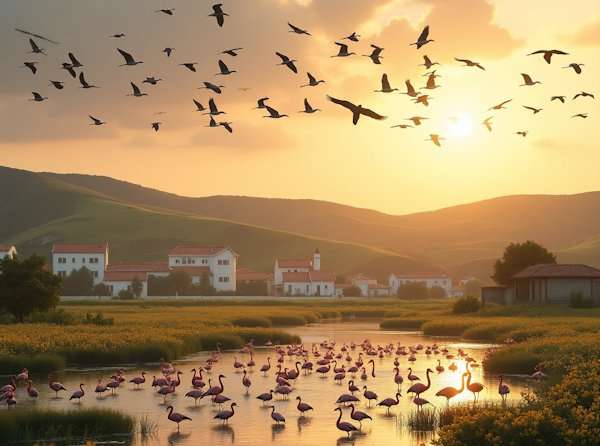
The right timing is vital for successful birdwatching in Portugal. Each season brings special bird displays across the country’s varied ecosystems. Bird watchers who understand yearly patterns have better chances to see Portugal’s most amazing winged residents and visitors.
Spring Migration Spectacles (March-May)
Europe’s spring migration extends from late March through mid-May. This time offers the best chance to see Portugal’s bird transformation. Some early birds show up by February. The real peak hits in mid-April when countless birds head back to breed.
Birds returning from Africa flood the skies during this time. White Storks, Black-winged Stilts, European Bee-eaters and Hoopoes make their way back. The protected wetlands between Tagus and Sado estuaries become home to amazing species. Greater Flamingo, Eurasian Spoonbill, Glossy Ibis, Squacco and Purple Herons, Booted Eagle, Black-winged Kite and Little Bustard fill these areas.
May brings beautiful wildflower displays that paint the scene with color and make birdwatching even better. Bird enthusiasts love the Barrocal region near Alte, where Cork Oak, Carob, Fig and Almond trees create perfect spring watching spots.
Summer Breeding Highlights (June-August)
Summer gives watchers unique chances to see breeding behaviors, though many focus on migration times. Woodchat Shrikes perch on vineyard poles, Red-rumped Swallows nest under bridges and the beautiful Golden Oriole’s fluting notes echo through fig orchards.
Black-winged Stilts guard their breeding grounds on estuaries and marshes. Their legs are the longest of any bird compared to body size, which helps them move smoothly through shallow waters. Little Egrets build nests on cliff-stacks and islands along the Algarve coast.
Barn Owls raise their young in nest boxes even in summer heat. Breeding Buzzards put on amazing aerial shows. Lucky watchers might see Goblet-marked Damselflies mate or Little Grebes carrying chicks on their backs.
Autumn Raptor Migration (September-October)
Portugal’s southwesternmost tip becomes Europe’s top spot for watching raptors in autumn. Sagres Peninsula serves as Portugal’s main path for gliding bird migration from September through October, with thousands of birds of prey passing by. Late September to early October marks the highest activity.
More than 4,000 raptors from over 20 species fly through this area. Short-toed Eagle, Sparrowhawk, Common Buzzard, Booted Eagle and Eurasian Griffon Vulture are regular visitors. Black Stork, Montagu’s Harrier and Egyptian Vulture sometimes join them.
Griffon Vultures arrive in massive numbers during late October and early November. Bird watchers might spot rare birds like Eleonora’s Falcon or Spanish Imperial Eagle among these travelers.
Winter Wetland Wonders (November-February)
Portuguese wetlands become key bird sanctuaries in winter. Ria Formosa alone welcomes more than 20,000 birds this season. Coastal wetlands fill with ducks (Northern Shoveller, Eurasian Wigeon, Eurasian Teal), waders (Common Redshank, Gray Plover, Common Ringed Plover, Dunlin) and various gulls.
Greater Flamingos reach their peak numbers in many Algarve wetlands during winter. Salgados lagoon and Ludo near Faro Airport provide excellent viewing spots. The majestic Osprey often appears hunting for fish during these months.
Castro Verde’s winter grasslands offer amazing views of Black-bellied Sandgrouse and about 100 Common Cranes. The Tagus Estuary hosts over 50,000 birds in winter, doubling that number during migration seasons. These numbers prove Portugal’s importance on Europe’s bird calendar.
Visit the Azores Portugal.
Local Expert Tips for Successful Birdwatching
Birdwatching success requires more than finding the right spots. The right techniques and perfect timing will enhance your experience with Portugal’s birds. Expert local knowledge helps you connect with birds rather than just spot them.
Best Times of Day for Different Habitats
Portugal’s countryside bursts with bird activity during early morning hours. The Ria Formosa areas seem empty near noon, yet they buzz with life before breakfast. You’ll hear Sardinian warblers chirruping in hedges and the distinctive zip-zip sounds of zitting cisticolas. Birds gather in reserve areas during high tide, making coastal wetlands and estuaries perfect spots as tidal flats submerge. Sagres offers continuous raptor sightings throughout autumn migration days, with birds soaring highest during mid-morning thermals.
Essential Equipment for Portugal’s Conditions
Quality binoculars are your must-have tool—experts suggest 8x to 10x magnification with 30-50mm objective lenses. Serious watchers find Swarovski and Zeiss optics work best under Portugal’s bright skies. The intense Portuguese sun demands a broad-brimmed hat and light, breathable clothes in earth colors.
Your feet need waterproof shoes with good grip to handle different terrains. Serious birders should pack:
- Field guides (Collins Bird Guide 2nd edition stands out)
- A field notebook to track sightings and weather
- Telephoto lenses or spotting scopes for distant birds
Approaching Birds Without Disturbing Them
Ethical birdwatching starts with keeping your distance. Birds telling you you’re too close will fly away or change their behavior. Let birds adjust to you by moving slowly and stopping when they notice you. Keep your voice down and step carefully to avoid startling them.
The hides at Quinta do Lago let you watch birds without causing any stress. Beach-nesting birds need at least 25 yards of space, so stay away from their water paths. These proven local methods will reward you with better sightings and help protect Portugal’s amazing bird populations.
Visit Setubal and Sintra and Cascais.
Conservation and Ethical Wildlife Viewing in Portugal
Portugal’s rich bird biodiversity thrives through a network of protected lands and ethical visitor practices. Green wildlife viewing practices will give future generations the chance to appreciate these winged treasures.
Protected Areas and Their Importance
Portugal has 110 sites designated as Important Bird and Biodiversity Areas that serve as the foundation of the country’s conservation work. These protected areas make up 21% of Portugal’s land, which falls below the EU average of 26.4%. Marine protected areas lag behind EU standards by a lot. We focused on forest ecosystems in these protected zones (44.2%), with agroecosystems following at 36.5%.
The country protects its wildlife through national parks, nature reserves, protected landscapes and natural monuments. The Tagus estuary stands out as it exists to protect aquatic birds during winter, passage and breeding seasons. This Reserve spans over 14,000 hectares of internationally important Ramsar wetland.
Supporting Local Conservation Initiatives
The Portuguese Society for the Study of Birds (SPEA) guides vital conservation work across the country. All but one of these bird species face extinction threats, so SPEA started a mission to create a nationwide network of bird sanctuaries. This response addresses alarming trends—barn swallows have declined 40% in just two decades.
Private organizations play their part too. Birds & Nature gives €30-60 per birdwatching tour participant to support conservation in Guadiana Valley Natural Park. This money helps provide nest boxes, wildlife cameras and feeding stations for endangered species like Spanish Imperial Eagles and Great Bustards.
Responsible Birdwatching Practices
Birdwatchers in Portugal should follow these guidelines:
- Ask authorities before visiting protected areas with groups
- Get permission before entering private property
- Stay at a distance from birds and use binoculars instead of getting close
- Respect local peace and leave plants/animals undisturbed
- Take all trash with you and report any issues to authorities
Climate change poses a threat to Portugal’s biodiversity—96% of the country faced severe drought in 2022. Visitors can help by using less water, especially in southern regions, and planning trips during off-season to reduce strain during peak times.
Try these day trips from Porto.
Enjoy Birdwatching in Portugal
Portugal is a remarkable sanctuary for bird enthusiasts that offers exceptional opportunities across its varied landscapes and seasons. The country’s size might be small, but its prime location and diverse ecosystems create ideal conditions for resident and migratory birds.
Protected coastal wetlands, big inland plains and untouched mountain habitats will give a memorable birdwatching experience all year. Each spot has its unique charm – from Castro Marim’s saltpans filled with flamingos to Alentejo’s plains where bustards roam. These locations let you watch rare and endangered species up close.
Your success in Portuguese birdwatching depends on timing and preparation. The right equipment and knowledge of seasonal patterns will help you witness nature’s spectacular shows – from spring migration to autumn’s raptor gatherings. Local expert guidance and ethical viewing practices lead to better sightings and support conservation work.
Portugal’s bird sanctuaries need continued protection and responsible wildlife tourism. These habitats become more vital for European bird populations as climate challenges grow. Their preservation matters deeply to future generations.
FAQs
Q1. What are some of the best birdwatching spots in Portugal?
Some of the top birdwatching locations in Portugal include the Ria Formosa Natural Park in the Algarve, Castro Marim’s salt pans, Sagres Point, the Alentejo plains, Guadiana Valley Natural Park and Montesinho Natural Park. These areas offer diverse habitats and opportunities to see a wide variety of bird species.
Q2. When is the best time for birdwatching in Portugal?
The best time for birdwatching in Portugal depends on what you want to see. Spring (March-May) is excellent for migration spectacles, summer (June-August) for breeding birds, autumn (September-October) for raptor migration and winter (November-February) for wetland species. Each season offers unique birding experiences.
Q3. What equipment do I need for birdwatching in Portugal?
Essential equipment for birdwatching in Portugal includes quality binoculars (8x to 10x magnification), a broad-brimmed hat for sun protection, lightweight breathable clothing in earth tones, waterproof footwear with good grip, field guides and a notebook. A telephoto lens or spotting scope can be useful for distant viewing.
Q4. How can I observe birds without disturbing them?
To observe birds without disturbing them, maintain an appropriate distance, move slowly and quietly, use binoculars instead of approaching too closely and be aware of the birds’ behavior. If birds show signs of distress or fly away when you approach, you’re too close. Using purpose-built hides where available can also help minimize disturbance.
Q5. How can visitors support bird conservation efforts in Portugal?
Visitors can support bird conservation in Portugal by following responsible birdwatching practices, respecting protected areas and minimizing their environmental impact. Some tour operators donate a portion of their fees to local conservation initiatives. Additionally, visitors can support organizations like the Portuguese Society for the Study of Birds (SPEA) that work to protect endangered bird species and their habitats.









Leave A Comment