
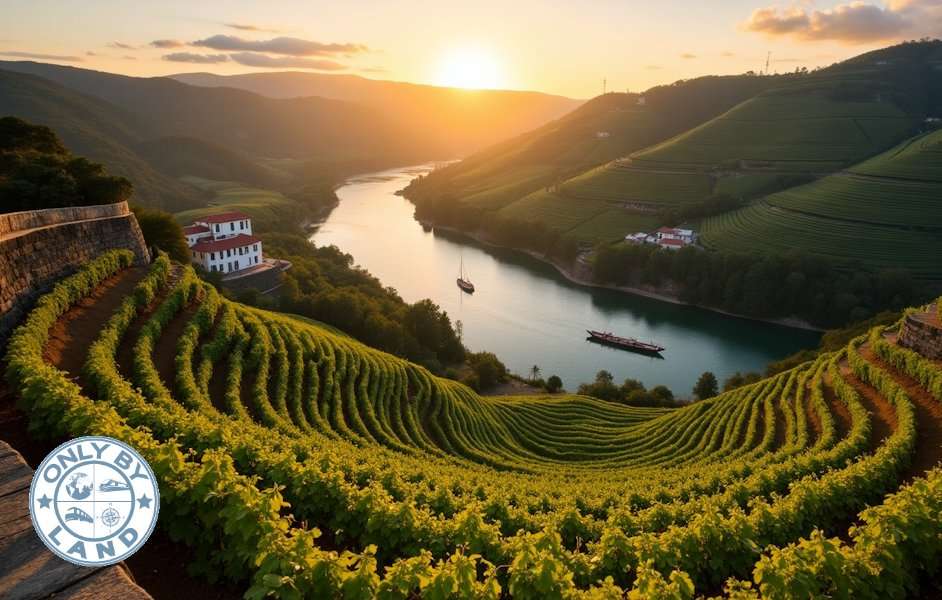
Porto serves as a gateway to three UNESCO World Heritage sites, all just a few hours away from this northern Portuguese city.
The historic Douro Valley stands as one of the world’s oldest wine regions, while Guimarães proudly claims its place as Portugal’s birthplace. Visitors can experience centuries of rich history and culture here. This region’s attractions are diverse – adventurous travelers test their courage on the 516-meter Arouca suspension bridge. Others climb the famous 537 steps at Braga’s Bom Jesus do Monte or take a peaceful boat ride through Aveiro, known as Portugal’s Venice.
Coimbra draws history buffs to its 13th-century university, and food lovers head to Matosinhos where 200 restaurants serve fresh seafood daily. These day trips near Porto offer amazing experiences for everyone. Let me share 15 of the best day tours with local tips and practical advice to help plan your visit.
Douro Valley Wine Region
The UNESCO-listed Douro Valley sits just 90 minutes from Porto and ranks as one of the world’s oldest designated wine regions. Terraced vineyards cascade down hillsides along the winding Douro River to create a unique experience for wine lovers.
Best Douro Valley Tours from Porto
Expert guides lead small wine tours and give an explanation about the region’s distinctive wine production methods. You can visit three different wineries with premium tastings, transportation, and a gourmet lunch for USD 313.65. Small-group tours let you explore family-run estates, especially when you have a chance to visit Sabrosa and taste exclusive vintages.
Wine Tasting Experiences
Both world-famous Port wine and exceptional table wines come from over 80 grape varieties in this region. Wine enthusiasts can choose from several tasting options:
- Premium tastings at prestigious wineries with property tours
- Family estate visits showcasing traditional production methods
- Expert sommelier-led sessions featuring regional varieties
River Cruise Options
Rabelo boats that once carried wine barrels now take visitors on scenic river trips. You can pick from quick 45-minute tours leaving from Pinhão or spend a full day viewing the valley’s terraced landscapes. These boat trips give you a perfect view of the quintas (wine estates) along the riverbanks.
Local Food Pairings
The valley’s food traditions match perfectly with its wines. The “Posta à Mirandesa,” a thick, juicy steak from local cattle, goes great with full-bodied reds. Seafood lovers can enjoy “Bacalhau à Braga” (codfish) with crisp white wines. “Cabrito assado” (roasted goat) stands out as a special regional dish.
Ancient winemaking customs blend with beautiful landscapes and rich food culture. The Douro Valley gives visitors an authentic Portuguese experience beyond Porto’s boundaries.
Historic Guimarães
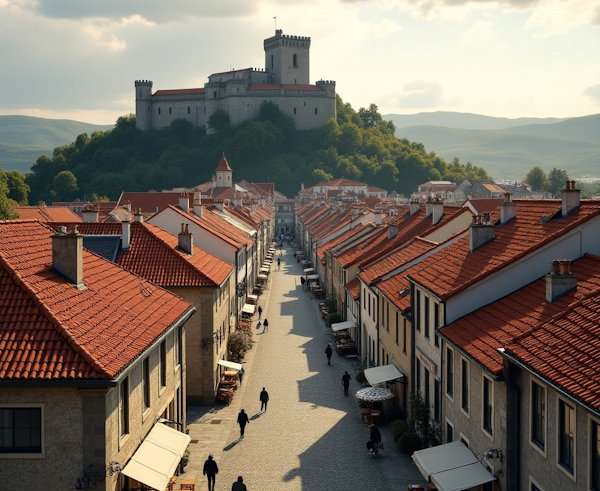
Guimarães, located in northern Portugal, is the birthplace of Portuguese nationality. The medieval town’s historic center received UNESCO World Heritage status in 2001. Its building techniques later shaped Portuguese architecture throughout colonies in Africa and Americas.
Castle of Guimarães Highlights
Countess Mumadona ordered the construction of the main medieval castle in the 10th century. This remarkable fortress serves as proof of Portugal’s origins. The structure features a unique pentagram shape with eight rectangular towers and a central keep. King Denis’s reign between the late 13th and early 14th centuries transformed the castle into its current magnificent state. Visitors can watch an animated biopic of Portugal’s first king, Afonso Henriques, on the keep’s top floor.
UNESCO World Heritage Sites
The historic center covers 16 hectares and shows architectural progress from medieval times to the 19th century. Two charming plazas – Largo da Oliveira and Praça de São Tiago – form the heart of this area. The Gothic Igreja da Colegiada church contains the Museu de Alberto Sampaio, which displays valuable religious artifacts.
Local Gastronomy Guide
Northern Portuguese flavors define the city’s food scene. Local restaurants serve these traditional dishes:
- Rojões – pork with cumin and regional spices
- Cordoniz – fried quail
- Vinho Verde Tinto – served in small porcelain bowls
The city’s signature sweets, Toucinho do Céu and Torta de Guimarães, come from centuries-old convent recipes.
Getting There from Porto
Porto connects to Guimarães through several transport options:
- Train: Direct service from Porto São Bento station takes 1 hour 12 minutes and costs €3.45 for adults
- Bus: FlixBus runs hourly services with a 45-minute journey time
- Car: The quickest option covers 33.6 miles in 36 minutes
Guimarães station sits just a 10-minute walk from the historic center along Avenida Dom João IV. This makes the UNESCO site perfect for day trips from Porto.
Braga’s Religious Heritage
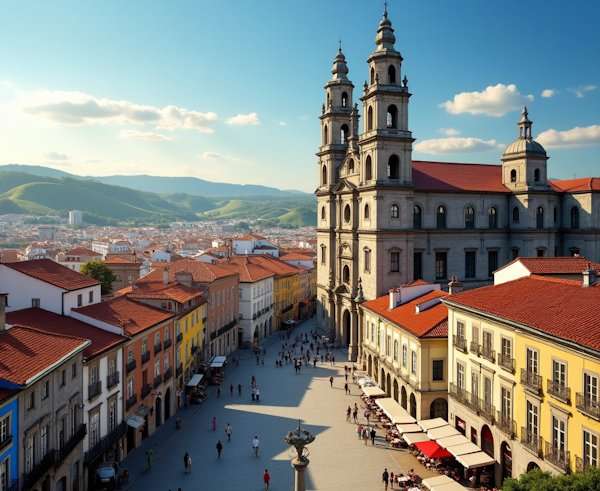
Braga stands among the world’s oldest Christian cities and engages visitors with its religious heritage that spans centuries of Portuguese history. The city’s sacred landmarks display an extraordinary mix of architectural styles ranging from Romanesque to Baroque.
Bom Jesus do Monte Sanctuary
Bom Jesus do Monte, Braga’s premier religious site, received UNESCO World Heritage status in 2019. This sacred mount features a magnificent Baroque stairway that rises 116 meters through 577 steps. More than 1.2 million people visit annually to experience its unique zigzag staircase with fountains that symbolize purification. A neoclassical church completed in 1834 houses a remarkable 18th-century organ.
Historic City Center Attractions
The historic center shares Rome’s abundance of religious monuments. Portugal’s oldest cathedral, Sé de Braga, traces its roots to the 11th century. This architectural marvel combines Romanesque, Gothic and Baroque elements and houses Portugal’s oldest church bells. The Episcopal Palace and Igreja da Misericórdia demonstrate the city’s architectural progress.
Traditional Restaurants
Local restaurants reflect Braga’s rich heritage. Dona Elvira provides elegant dining with spectacular views of the Cávado River. Tia Isabel, nestled in Minho’s heart, specializes in refined Portuguese regional cuisine. Retrokitchen serves homestyle meals in a nostalgic atmosphere decorated with vintage items from Portugal’s past.
Transportation Tips
Porto residents and visitors can reach Braga easily through several convenient options. Twenty trains run daily from Porto São Bento station. The trip takes 54 or 71 minutes depending on the service. Comboios de Portugal operates modern, clean trains that ensure a comfortable ride. Services start at 6:45 AM with final returns from Braga at 23:32. The route connects these historic cities reliably, though scenic views are limited.
Aveiro’s Venice-Like Canals
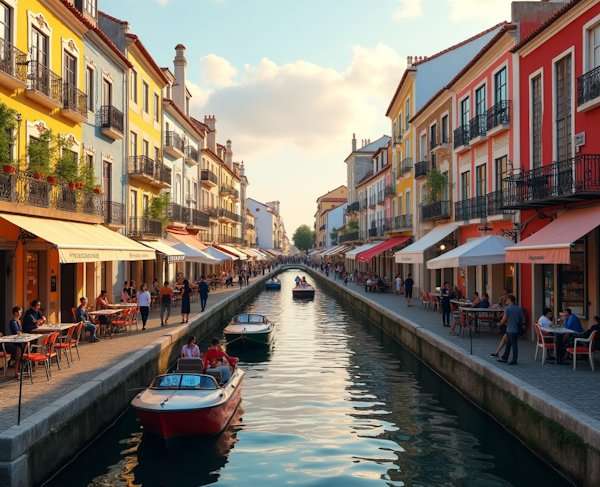
Colorful boats and winding canals define Aveiro’s landscape. Traditional Moliceiros gracefully float through the city’s four main waterways: Central Canal, Canal do Côjo, Canal das Pirâmides and Canal de São Roque.
Moliceiro Boat Tours
These flat-bottomed vessels started as seaweed harvesting boats but now take visitors on 45-minute scenic tours. Vibrant paintings and humorous decorations make these boats unique as they glide under bridges, past salt flats and through the historic fishermen’s quarter. The Ponte Laços de Amizade draws special attention as visitors tie ribbons to symbolize their connections.
Art Nouveau Architecture
Aveiro belongs to the prestigious “Réseau Art Noveau Network” with Barcelona and Brussels, featuring 28 indexed Art Nouveau buildings. This architectural style blossomed in the early 1900s after wealthy emigrants returned from Brazil. The Art Nouveau Museum’s beautifully preserved building houses permanent exhibitions that showcase this distinctive style. Local architects Licínio Pinto and Francisco Pereira created unique façades along the central canal by blending traditional Portuguese tiles with Art Nouveau elements.
Famous Ovos Moles Sweets
Aveiro’s signature sweet, Ovos Moles, made history as the first Portuguese bakery product to receive Protected Geographical Indication status from the European Union. Local convents created this centuries-old recipe that combines eggs and sugar into delicate shapes inspired by maritime elements. The 167-year-old Confeitaria Peixinho remains the oldest bakery making these iconic sweets.
Best Photo Spots
R. do Clube dos Galitos captures stunning views of the main canal against Art Nouveau buildings. Photographers love Cais dos Mercanteis for its perfect angles of colorful houses along the waterway. The central canal looks best in early morning light with uncrowded shots of iconic Moliceiro boats. The Art Nouveau Museum’s two decorated façades create another perfect photography backdrop.
Coimbra University Town
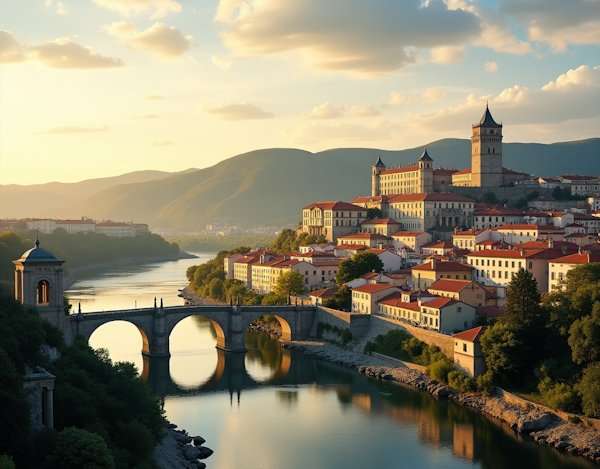
The University of Coimbra, 733 years old, is Portugal’s oldest educational institution. Students make up about 25% of the resident population. This prestigious university received UNESCO World Heritage status in 2013 and covers 81.5 hectares of historic buildings.
Historic University Buildings
The university complex has four main areas: Rua da Sofia colleges, Upper-town colleges, Marquis de Pombal reform buildings and Estado Novo period structures. Since 1537, the Royal Palace of Alcáçova has housed the university and features the iconic 17th-century Tower with its clock that regulates academic life. The Sala dos Capelos, which was once the Throne Room, now hosts ceremonial events.
Joanina Library Visit
The Baroque Library, completed in 1728, holds 60,000 volumes from the 16th to 18th centuries. The Noble Floor displays three ornate halls with gold-painted shelves against black, red and green backgrounds. Two bat colonies help with pest control, so staff cover tables with leather each evening. Visitors need to book timed entry slots, and adult tickets cost €13.50.
Student Life Experience
Centuries-old traditions spread through the academic atmosphere. Portugal’s oldest student union, the Associação Académica de Coimbra, has been around since 1887. Students participate in many cultural activities, and the university provides affordable meals at campus cafeterias for just €2.40. Students can choose between traditional Repúblicas known for their relaxed social life and university residences that start at €160-180 monthly.
Travel Planning Tips
Regular trains run from Porto to Coimbra-B station. After arrival, visitors can:
- Take a local train to Coimbra-A
- Walk 1.25 miles to the center
- Use local busses or taxis
Weekday visits outside semester breaks offer the best chance to see authentic student life. Early morning arrivals give enough time to explore both the historic buildings and the renowned Botanical Garden.
Peneda-Gerês National Park
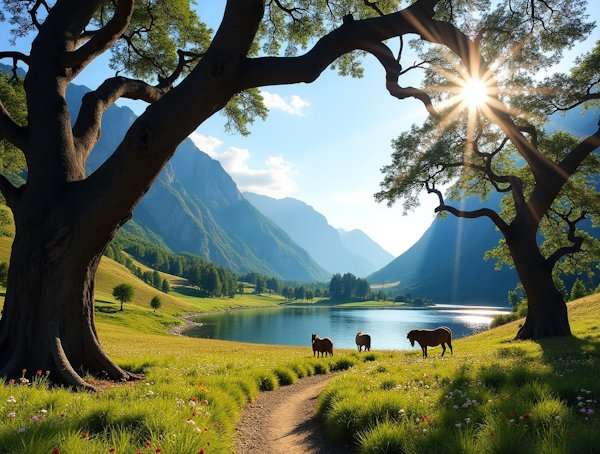
52 years old Peneda-Gerês, Portugal’s only national park, spans 70,000 hectares of pristine wilderness along the Spanish border. This protected landscape tells a story of human presence that stretches back 7,000 years, from Megalithic ruins to Roman settlements.
Hiking Trails Overview
The park features 223 marked trails that cater to hikers of all abilities. Xertelo Route – Sete Lagoas stands out as the most popular trail with an impressive 4.8-star rating from 801 reviews. Wildflowers paint the landscape beautifully during April and May, making these months perfect for hiking. Rare ancient native forests line the Homem River Valley trail, while the GR50 Grande Rota Peneda-Gerês extends an impressive 116.6 miles.
Wildlife Spotting
The park’s remarkable biodiversity includes:
- 147 bird species and 15 bat species (all but one of these bats face extinction)
- Iberian wolves, foxes, wild boars, ibex and deer roam freely
- Native Garrano ponies that trace their lineage to Celtic times
Mountain Villages
Ancient settlements nestle in the mountainous terrain. Lindoso and Soajo’s residents keep their heritage alive through traditional farming methods, often working the land by hand. Granite cottages, stone paths, and community bread ovens showcase the village’s unique architectural heritage.
Seasonal Activities
Highland temperatures range from 39°F (4°C) in winter to 57°F (14°C) in summer, while river valleys stay slightly warmer at 46°F (8°C) to 68°F (20°C). Rain falls frequently in highland areas, with precipitation recorded on 130 days each year. Visitors can enjoy:
- Crystal-clear natural pools from March through October
- Perfect conditions for wildlife photography during migration seasons
- Mountain biking adventures through Ramiscal, Albergaria, and Cabril woods
Nature enthusiasts will find endless opportunities to explore authentic Portuguese experiences away from busy urban centers throughout the year in this diverse ecosystem.
Amarante’s Charm
Amarante sits peacefully along the Tâmega River and captivates visitors with its religious heritage, culinary specialties and architectural beauty. This charming town lies in the Serra do Marão mountains’ foothills and lets travelers experience authentic Portuguese life away from tourist crowds.
São Gonçalo Bridge
The majestic Ponte de São Gonçalo, completed in 1790, took the place of an old medieval bridge that floods destroyed in 1763. This stunning granite structure showcases three arches with its largest span in the middle and features semi-circular verandas with stone benches where people rest. The bridge became a powerful symbol of local resistance when townspeople fought against French invaders in 1809. Today, you’ll find cafes and restaurants at both ends that give you amazing views of the Tâmega River.
Local Wine Tasting
The Amarante subregion of Vinho Verde DOC stands out for its deep-colored red wines. Its special climate and high elevation create perfect conditions for grapes that ripen late in the season. The local wines reveal hints of citrus and honey and winemakers craft them mainly from Loureiro and Alvarinho grapes. Six wine estates produce ten different wines using traditional, organic, and biodynamic methods.
Traditional Pastries
The town’s sweet-making tradition centers around Confeitaria da Ponte, a 93-year-old bakery. Their signature treats include:
- Brisas do Tâmega – canoe-shaped sweets filled with egg jam and almond kernels
- Foguetes – rocket-shaped treats made with eggs and almonds
- Papos de Anjo – sugar-coated dumplings with whipped egg yolk filling
River Beach Activities
The Tâmega River adds richness to local life with plenty of fun activities. You might see fishermen casting lines under the São Gonçalo bridge or catch glimpses of otters relaxing in quiet waters. A peaceful riverside path leads to a small curved iron bridge that connects to traditional working villages. The river becomes perfect for swimming and water activities during warm months.
Ponte de Lima Experience

Ponte de Lima’s medieval charm draws visitors to its banks along the gentle Rio Lima. This beautiful Portuguese town takes its name from a historic bridge that has served as a crossing point since Roman times.
Medieval Bridge History
The magnificent Medieval Bridge spans 277 meters with 16 large arches and 14 smaller ones. King Manuel I commissioned new paving and battlements in 1504, years after its initial construction in 1368. The bridge showcases two distinct parts – a medieval section from the left bank and five Roman arches that now stretch across dry ground on the opposite side.
Vinho Verde Wineries
The Lima Valley produces exceptional Vinho Verde wines. The Centro de Interpretação e Promoção do Vinho Verde gave an explanation about the region’s wine heritage. Several notable producers make their home here:
- Adega Cooperativa, 64 years old
- Aphros Wine, known for trailblazing biodynamic agriculture
- Casa do Barreiro, nestled in a mid-17th century manor
Local Market Guide
The fortnightly Monday market has been the life-blood of local life since 1125. The town comes alive with specialized markets:
- Arts and Crafts Market (every 4th Sunday)
- Antique Market (every 2nd Sunday)
These markets spread along the path next to the medieval bridge.
Roman Heritage Sites
The Lima River holds a fascinating Roman legend. General Decimus Junius Brutus crossed it first on horseback in 138 BC. He called out to his hesitant soldiers by name to show their memories stayed intact, as they had mistaken it for the mythical River Lethe. The Roman bridge, built between Braga and Astorga for military purposes, became part of Via XIX from the Antonine Itinerary.
Two remaining towers from the original wall stand testament to the town’s Roman past. Gothic, Baroque and Neoclassical architecture adorns many building façades. The Guardian Angel stone monument, an ancient chapel rebuilt multiple times after floods, watches over the riverbank.
Matosinhos Beach Day
Matosinhos lies on Portugal’s Atlantic coast and welcomes visitors with golden sands, powerful waves and a vibrant culinary scene. This coastal gem provides an authentic seaside experience just minutes from Porto’s bustling center.
Seafood Restaurants
Matosinhos shines as Portugal’s seafood paradise where the country’s finest seafood market thrives with fishermen bringing fresh catches daily. Restaurants line Rua Hérois de França where chefs grill the day’s catch outdoors, filling the fishing district with enticing aromas. O Lusitano ranks among the most traditional spots, while O Gaveto pairs exceptional dishes with an impressive wine selection.
Beach Activities
Praia de Matosinhos boasts professional volleyball courts, workout areas and a scenic boardwalk that stretches back to Porto. The Mares Swimming Pool became a national monument in 2011 and this natural saltwater pool operates from June through September. Soft sands draw sunbathers to the beach, though water temperatures stay cool – ranging from 59°F in winter to 64°F in summer.
Surf Lessons
Matosinhos ranks as one of Portugal’s premier surfing spots and provides perfect conditions for beginners. Fish Surf School, the area’s pioneering surf academy, offers 90-minute group lessons at €25, while private sessions cost €50. The port’s protective wall creates gentle waves that suit novice surfers perfectly.
Port Views
The iconic Matosinhos Lighthouse has guided vessels into the harbor since 1902. Visitors can marvel at the She Changes sculpture with its suspended red nets above a roundabout that symbolizes the town’s fishing heritage. The Castelo do Queijo, meaning “Cheese Castle,” commands striking coastal views from its strategic spot at the beach’s end.
Viana do Castelo
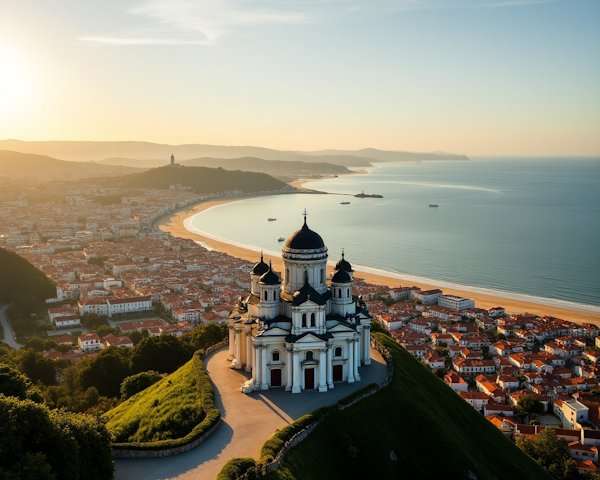
Monte de Santa Luzia reveals Viana do Castelo’s perfect mix of religious splendor and seafaring history. This northern Portuguese gem makes a perfect day trip destination.
Santa Luzia Basilica
The neo-Byzantine basilica took shape between 1904 and 1959. Its remarkable architecture stands tall above the city. You’ll find the largest rose windows in the Iberian Peninsula here. A small fee lets you climb narrow stone stairs to reach the dome. The view from up there ranks as the world’s third most beautiful according to National Geographic. Getting to the top is easy with a daily funicular service. The adventurous can tackle the 600 steps instead.
Historic Center Highlights
The city’s heart holds one of Portugal’s biggest urban heritage treasures. The Igreja da Misericórdia dates back to the 16th century. Its interior amazes visitors with hand-painted tiles, gilded altarpieces and beautiful ceiling frescoes. The Gil Eannes ship tells fascinating stories of its past. This former hospital vessel supported trawlers in Newfoundland until 1973 and now serves as an engaging maritime museum.
Traditional Crafts
The city’s embroidery tradition speaks volumes about its artistic heritage since the early 20th century. Gemeniana de Abreu e Lima saw potential in local peasant needlework and turned it into a business venture in 1917. Women from nearby villages created detailed patterns that drew inspiration from nature. Their work featured hearts, crosses and floral motifs.
Coastal Views
The 16th-century Forte de Santiago da Barra stands guard over the Lima River estuary. Its position gives visitors amazing Atlantic coastline views. Praia Norte stretches out as a beautiful sandy beach dotted with rocky outcrops. A lively promenade with cafes and restaurants adds to its charm. The waterfront combines modern buildings and parks naturally, with the Centro Cultural at its heart.
Vila do Conde Heritage
The majestic Santa Clara Monastery stands tall over Vila do Conde’s skyline and gives visitors a glimpse into Portugal’s rich architectural heritage. This 14th-century marvel sits at the highest point, with stunning views of the town, river and ocean.
Monastery Visit
The Gothic church became a national monument in 1910 and features remarkable tombs of its founders, D. Afonso Sanches and D. Teresa Martins. The monastery went through major changes from its start as a spiritual center for Poor Clare nuns to serving various roles. The historic structure became The Lince Santa Clara Historic Hotel & SPA in 2024, keeping its essence while adding modern comforts.
Fishing Port Experience
Colorful fishing boats fill the riverside dock while fishermen work with their nets. A riverside walk stretches from São João Baptista fort to the old town. Visitors can enjoy views of the monastery’s grandeur on one side and the lively fishing port on the other. The best time to visit is early morning when boats return with fresh catches.
Lace Making Tradition
Vila do Conde’s bobbin lace heritage goes back more than 400 years. The Bobbin Lace Museum, 30+ years old, protects this intricate craft. The museum’s pride is the world’s largest bobbin lace, certified by Guinness World Records in 2015. In fact, this masterpiece covers 52 square meters. The museum displays historical lace patterns and tools. It also runs an active school to keep this cultural legacy alive.
Beach Activities
Beautiful beaches line the coast north of Ave River. Praia da Senhora da Guia draws families, while Praia do Forno and Praia Azul give visitors many fun options. South of Ave River, Azurara’s beaches have fine sand and dunes. These spots are perfect for surfing and body boarding. The beaches keep their natural charm and stay uncrowded throughout the season.
Arouca Adventure
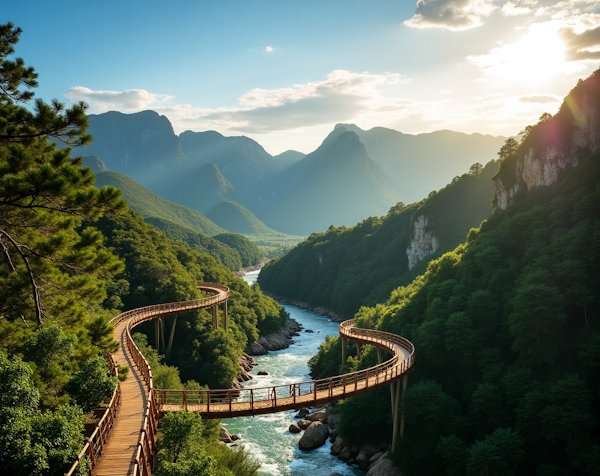
Arouca, a gem in the Aveiro district, captivates visitors with its UNESCO-recognized geological treasures. This remarkable spot blends heart-racing adventures with stunning natural scenery. You can easily escape Porto’s busy streets to find yourself in this natural paradise.
516 Suspension Bridge
The second-longest pedestrian suspension bridge in the world spans 516 meters over the Paiva River gorge. Visitors can stand 175 meters above the rushing waters on this engineering marvel. The bridge rewards brave souls with spectacular views of the Garganta do Paiva and Cascata das Aguieiras waterfalls. Most people take about 10 minutes to cross the three-foot-wide metal grid walkway. Quick walkers might zip across in just four minutes.
Paiva Walkways
Beautiful wooden boardwalks stretch 8 kilometers along the Paiva River’s left bank. The path reveals untouched landscapes and rare species as it connects Areinho to Espiunca. Visitors can cool off at three river beaches along the way. Here’s what you should know:
- Begin at Areinho to walk downstream
- Pack water and snacks
- Put on sturdy shoes
- Set aside 2.5-3 hours to complete the walk
Local Gastronomy
The heart of Arouca’s food scene lies in its arouquesa meat, which comes from cattle that roam freely in the mountain pastures. Local specialties include:
- Veal roasted in traditional wood-fired ovens
- Posta Arouquesa (their famous veal steak)
- Gralheira roasted lamb
Adventure Activities
The bridge and walkways are just the beginning of what Arouca has to offer. Thrill-seekers can enjoy:
- Canyoning through old mining complexes
- White water rafting on Portugal’s most challenging river
- Guided hikes through the geopark
- Off-road jeep rides to discover hidden valleys
Remember to book your tickets online before visiting. The site welcomes up to 2,500 visitors daily. You’ll find everything open year-round, except on December 25th, with opening hours that change with the seasons.
Fátima Pilgrimage Site
Fátima, Portugal’s sacred city, attracts 8 million pilgrims every year. The Virgin Mary’s appearance to three shepherd children in 1917 transformed this place into one of the country’s most important religious sites.
Sanctuary Complex
Two magnificent basilicas stand at Fátima’s heart. The neo-Byzantine Basilica of Our Lady of the Rosary stands next to the modern Basilica of the Holy Trinity that fits 8,700 worshippers. Pilgrims can find the Chapel of Apparitions at the exact spot of Mary’s appearance – a peaceful space that invites prayer and reflection. The Prayer Area’s Monument to the Sacred Heart of Jesus creates a deeply spiritual atmosphere.
Religious Ceremonies
The sanctuary pulses with daily celebrations. The schedule looks like this:
- Morning Rosary at 10:00 AM (weekends and religious holidays)
- Mass at 11:00 AM and 12:30 PM
- Evening Rosary at 6:30 PM and 9:30 PM
Pilgrims can join the Candlelight Procession every day now, not just on the 12th of each month, thanks to growing attendance.
Museum Visits
The Museum of the Shrine, 68 years old, displays remarkable collections. Ireland’s finest religious artwork, the Irish Monstrance, shines in the treasury. Visitors can explore the permanent exhibition “Fatima Light and Peace” that showcases historical artifacts and gifts from anonymous pilgrims and Popes.
Getting There Guide
Porto connects to Fátima through several routes:
- Busses run frequently with 2-hour trips starting at €4
- Seven trains depart daily with a 2-hour 56-minute journey
- Rede Expressos and FlixBus operate 23 direct busses daily
Visitors can walk easily from the bus station to the sanctuary complex. Day trips from Porto work well since the sanctuary stays open all year except December 25th. Best of all, every area offers free entry.
Santiago de Compostela
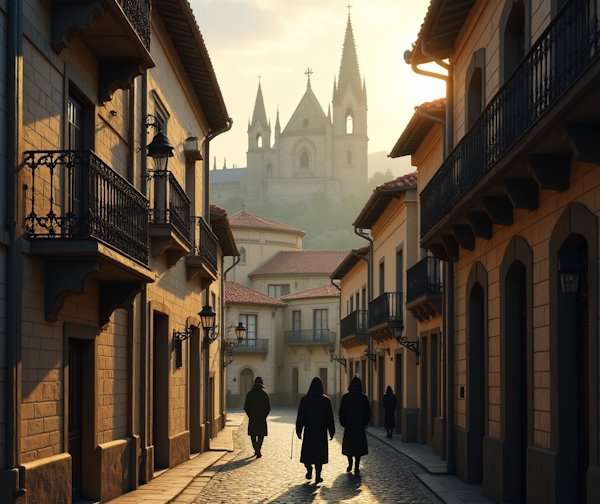
Santiago de Compostela‘s ancient streets reveal a mixture of religious heritage and culinary excellence that beckons both pilgrims and travelers. This sacred destination marks the end point of the Camino de Santiago pilgrimage routes and provides meaningful experiences beyond its spiritual significance.
Cathedral Highlights
Saint James the Apostle’s tomb lies within the majestic Cathedral, which people found in the 9th century. This architectural marvel combines Romanesque origins with Gothic and Baroque improvements. During special occasions, the Botafumeiro, a massive incense thurible, swings dramatically across the Main Altar. Some areas have limited access due to ongoing interior and exterior renovations.
Pilgrim Traditions
Traditional customs make the pilgrimage exceptional. The Pilgrim’s Office welcomes travelers who complete their path by foot, bicycle or horseback. Pilgrims typically follow these rituals:
- Embracing Saint James’s statue behind the Main Altar
- Attending daily Pilgrim Mass
- Receiving the Compostela certificate upon completion
Galician Cuisine
The region’s food showcases its rich cultural heritage. Pulpo á feira, octopus with paprika and olive oil, remains the signature dish. Popular local dishes include:
- Lacón con grelos: pork legs with turnip greens
- Tarta de Santiago: traditional almond cake
- Empanada Gallega: stuffed with various fillings
Border Crossing Tips
Portugal and Spain share straightforward border crossings since both countries participate in the Schengen agreement. Travelers need these documents:
- Valid ID or passport
- Vehicle documentation (if driving)
- Proof of insurance
Travelers can access Santiago directly through the Valenca-Tui crossing from northern Portugal. Bus services run frequently between Porto and Santiago, taking about 2 hours. Visitors can explore the compact historic center in about an hour.
Óbidos Medieval Town
Óbidos holds centuries of Portuguese history within its ancient Visigothic walls, with cobblestone streets and whitewashed buildings telling tales of the past. King Denis gifted this medieval treasure to Queen Isabel in 1282 and its timeless charm continues to enchant visitors today.
Castle Walls Walk
A 1.5-kilometer defensive wall wraps around the town, rewarding walkers with breathtaking views of terracotta rooftops and the countryside beyond. These walls reach up to 13 meters high, with uneven paths that lack modern safety railings. Visitors can best enjoy uncrowded walks during early morning hours as they move between eight rectangular towers.
Ginja Tasting
Monks created this beloved cherry liqueur in the 17th century and it remains a treasured local tradition. Local vendors serve Ginja in dark chocolate cups, with each maker guarding their secret recipe. The premium versions taste nowhere near as syrupy, while traditional servings maintain temperatures between 15°C and 17°C.
Historic Churches
The Igreja de Santa Maria stands as proof of centuries-long royal patronage. This building started as a Visigothic temple, became a mosque and finally returned to Christian worship in 1148. The church hosted the 1441 royal wedding of ten-year-old King Afonso V. Visitors will find:
- 17th-century tiles adorning the walls
- Renaissance tomb of D. João de Noronha
- Paintings by renowned artist Josefa de Óbidos
Photography Spots
The medieval town offers countless perfect photo opportunities. The Porta da Vila welcomes photographers with its stunning blue and white azulejo tiles. Rua Direita showcases authentic Gothic portals from the 13th century. The castle’s Old Arms Square provides sweeping views of farmland and chances to capture traditional whitewashed buildings against ancient stone walls.
Comparison Table
| Destination | Distance/Time from Porto | Main Attractions | Notable Activities | Local Specialties | Best Time to Visit/Tips |
|---|---|---|---|---|---|
| Douro Valley | 90 minutes | UNESCO-listed wine region, terraced vineyards | Wine tours, river cruises, winery visits | Port wine, Posta à Mirandesa (steak), Bacalhau à Braga | Several tours run daily, prices start at USD 313.65 |
| Guimarães | 1h 12m by train | Castle of Guimarães, UNESCO World Heritage center | Historic center tours, architectural sightseeing | Rojões, Toucinho do Céu, Vinho Verde Tinto | Trains depart from Porto São Bento, tickets cost €3.45 |
| Braga | 54-71 minutes by train | Bom Jesus do Monte, Sé Cathedral | Religious site visits, historic center tours | Traditional Portuguese cuisine | Visit on weekdays, first train departs at 6:45 AM |
| Aveiro | – | Art Nouveau buildings, canals | Moliceiro boat rides (45 min), photography | Ovos Moles (protected status) | Head out early to avoid crowds |
| Coimbra | – | University (est. 1290), Joanina Library | Student life experience, botanical garden visits | Student meals from €2.40 | Best during weekdays outside semester breaks |
| Peneda-Gerês | – | 223 marked trails, mountain villages | Hiking, wildlife spotting, swimming | N/A | Wildflowers bloom in April-May |
| Matosinhos | Minutes from Porto | Beach, port, lighthouse | Surfing, swimming, seafood dining | Fresh seafood, grilled fish | Surf lessons cost €25 |
| Arouca | – | 516 Suspension Bridge, Paiva Walkways | Bridge crossing, hiking, canyoning | Arouquesa meat dishes | Reserve bridge tickets online, daily limit 2,500 visitors |
| Fátima | 2h 56m by train | Sanctuary Complex, Basilicas | Religious ceremonies, museum visits | N/A | Regular masses and ceremonies throughout the day |
| Santiago de Compostela | 2 hours by bus | Cathedral, Saint James tomb | Pilgrim traditions, cathedral visits | Pulpo á feira, Tarta de Santiago | Visit early to beat the crowds |
| Óbidos | – | Medieval walls, castle, churches | Wall walks, Ginja tasting | Ginja cherry liqueur | Best photos during early morning walks |
Enjoy Your Day Trips From Porto
The regions around Porto are a great way to get amazing variety through these well-planned day trips. Each place has something special to offer. You can taste world-famous wines in the Douro Valley or visit the sacred grounds of Fátima. Several UNESCO World Heritage sites can be found here. Guimarães tells Portugal’s origin story while Coimbra’s old university keeps its centuries-old traditions alive.
Thrill-seekers will love the record-breaking suspension bridge in Arouca. Food lovers can enjoy fresh seafood along Matosinhos’s streets filled with restaurants. Braga’s Bom Jesus do Monte shows religious architecture at its finest. Nature enthusiasts will find untouched wilderness throughout Peneda-Gerês National Park.
Portugal’s efficient transport network makes these places very easy to reach. Visitors should explore beyond Porto’s boundaries to experience northern Portugal’s genuine charm. Local treats add unique flavors to each trip. You can try Aveiro’s Ovos Moles or Óbidos’s Ginja liqueur.
These day trips show Portugal’s rich mixture of experiences where old traditions blend naturally with modern adventures. Every destination captures your heart in its own way – through medieval buildings, religious importance, natural beauty or excellent food. These carefully selected trips create lasting memories beyond Porto’s familiar streets.
FAQs
Q1. What are some must-visit day trip destinations from Porto?
Some top day trips from Porto include the Douro Valley for wine tasting, historic Guimarães, religious sites in Braga, the canals of Aveiro and the beaches of Matosinhos. Each offers unique experiences within 1-2 hours from the city.
Q2. How long should I plan to stay in Porto to explore the surrounding areas?
A minimum of 2-3 days in Porto is recommended to experience the city itself and take at least one day trip. However, if you want to explore multiple surrounding destinations, consider extending your stay to 4-5 days or more.
Q3. What’s the best way to get around for day trips from Porto?
Public transportation, especially trains and busses, offers convenient and affordable options for most day trips. Trains connect Porto to cities like Guimarães, Braga and Aveiro, while busses can reach destinations like the Douro Valley and Peneda-Gerês National Park.
Q4. Are there any unique local experiences I shouldn’t miss on day trips?
Don’t miss tasting Port wine in the Douro Valley, walking the medieval walls in Guimarães, climbing the Baroque staircase at Bom Jesus do Monte in Braga, taking a moliceiro boat ride in Aveiro or trying fresh seafood in Matosinhos.
Q5. What’s the best time of year for day trips around Porto?
Spring (April-May) and early fall (September-October) offer pleasant weather for exploring, with fewer crowds than summer. However, each season has its charm – summer is great for beaches, while winter can be ideal for cozy wine tasting experiences in the Douro Valley.








Leave A Comment