
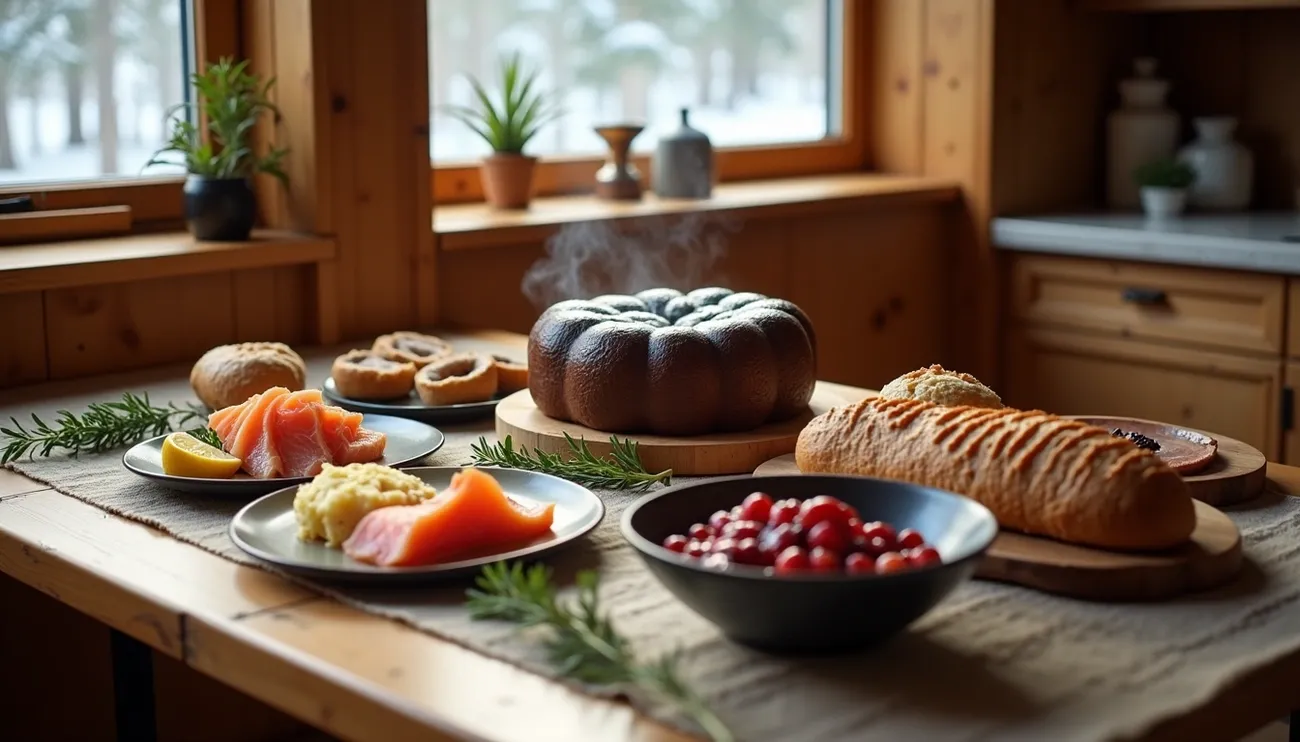
Finnish dishes reflect the country’s unique culinary identity through hearty flavors and regional specialties you won’t find anywhere else. The food scene in Finland matches its landscape’s diversity, ranging from rye-crusted fish loaves to sweet cardamom-spiced breads.
The foundation of Finnish cooking comes from wholesome ingredients like wholemeal products (rye, barley, oats) and wild berries such as bilberries, lingonberries and cloudberries. Meat holds a special place in Finnish cooking. Pork leads consumption at 33.5 kg per person yearly, with beef following at 18.6 kg and chicken at 13.3 kg. The country’s deep connection to nature shows in its dishes. Each year, hunters cull 70,000-80,000 moose, providing plenty of game meat to Finnish tables.
Popular Finnish dishes show distinct regional character. The Savo region in eastern Finland offers kalakukko, a unique rye-crusted loaf stuffed with fish and pork. Tampere’s specialty is mustamakkara, a black sausage that tastes best hot from a market stall with lingonberry jam. Some dishes tell stories of Finland’s heritage. Lemin särä from South Karelia stands out as one of the country’s oldest recipes. This traditional dish features lamb and potatoes that slow-roast for hours in a wooden trough.
This piece will take you through 15 must-try dishes that capture the essence of Finnish food culture, perfect for both travelers and Nordic cuisine enthusiasts.
Karjalanpiirakka (Karelian Pasty)
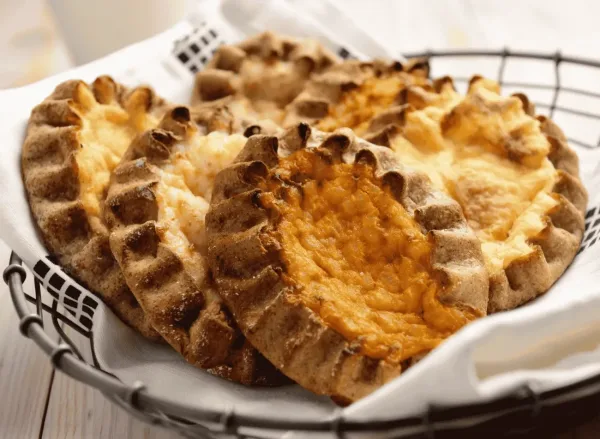
Image Source: DelishGlobe
Karjalanpiirakka ranks as one of Finland’s most cherished traditional Finnish dishes. Its rich history goes back to 1686. This unique pastry came from the Karelia region, which was split between Finland and Russia and later spread across Finland.
Karjalanpiirakka Description
The Karelian pasty is a small, open-faced pastry known for its oval shape and crimped edges. These pies measure between 7-20 cm in length. They feature a thin, almost see-through rye crust that turns crispy during baking. The crust makes up about one-third of the pie, while the filling takes up the rest. People used to bake these pies on hot stones in open fires before they had modern ovens.
Karjalanpiirakka Ingredients
The classic recipe combines a few simple but distinct ingredients. Bakers mix rye flour with water and salt for the crust and often add wheat flour to make it more stretchy. The fillings have changed through time. Bakers first used barley porridge and later switched to potato once they could get it. Today, most people prefer rice porridge filling, though you can still find versions with mashed potato, carrot or buckwheat. Bakers cook these pastries at very high temperatures (250-300°C) for 15-20 minutes. They brush the pastries with butter or a butter-water mix right after taking them out of the oven.
Karjalanpiirakka Cultural Significance
The European Union gave Karjalanpiirakka its Traditional Speciality Guaranteed (TSG) status in 2003. This status protects its name and the way people make it. Only pastries that follow the traditional recipe can be called “karjalanpiirakka” legally. These pastries became popular across Finland after World War II. Around 420,000 Karelians moved to mainland Finland and brought their food traditions with them. These pies mean more than just food to many Finns – they represent strength, heritage and ties to Karelian roots. People serve them with egg butter (munavoi), which mixes hard-boiled eggs and butter. The pies remain popular at Finnish breakfast tables and celebrations today.
Kalakukko (Fish Pie)
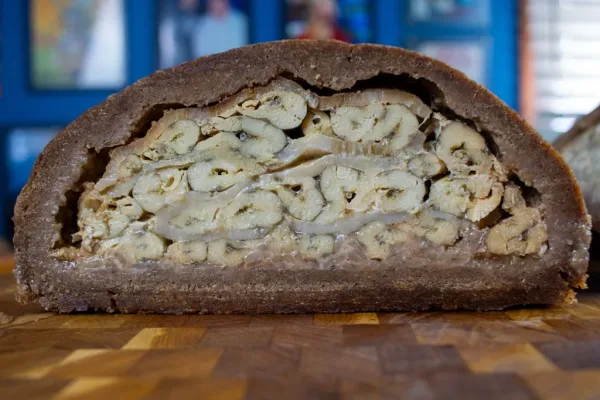
Image Source: Sandwich Tribunal
The Savonia region of eastern Finland gave birth to Kalakukko, one of the most unique traditional Finnish dishes. This hearty delicacy looks like a large loaf of rye bread at first glance. A savory surprise waits inside its crusty exterior.
Kalakukko Description
The dish works like a bread-encased fish pie where the crust serves as a natural cooking vessel. The fish and meat juices stay trapped inside during the long baking process, which creates a moist and flavorful filling. The fish bones become completely soft after several hours of baking in a traditional masonry oven. You can eat the entire filling without worry. You can reheat this dish in an oven or enjoy it cold (a 1kg kalakukko needs about one hour at 130°C). People traditionally eat kalakukko by cutting open the top with a sharp knife. They enjoy the top with butter and slice more bread while eating it with the filling.
Kalakukko Ingredients
Rye flour forms the base of this classic Finnish dish’s dough, with wheat flour added to make it more pliable. Yes, it is quite challenging to get the crust thickness right. A thick crust becomes hard to eat, while a thin one might dry out the loaf. Freshwater fish like vendace (muikku) or European perch (ahven) usually fill the inside, though salmon works too. Cooks layer these fish with pork and bacon, then season them with salt. Some versions include a tablespoon of rice to soak up extra moisture.
Kalakukko Cultural Significance
Folk memory traces kalakukko back to the Middle Ages. The dish served a practical purpose back then. Its dense crust and long cooking process created a portable, preserved meal that workers could carry without spoiling. Kuopio, Northern Savonia’s capital city, takes special pride in kalakukko. The city holds yearly kalakukko baking contests and has several specialized bakeries. Kalakukko earned Traditional Speciality Guaranteed (TSG) status in Europe in 2002, which protects its traditional preparation methods. Buttermilk or piimä, a Finnish fermented milk product, pairs perfectly with this hearty dish.
Mustamakkara (Black Sausage)
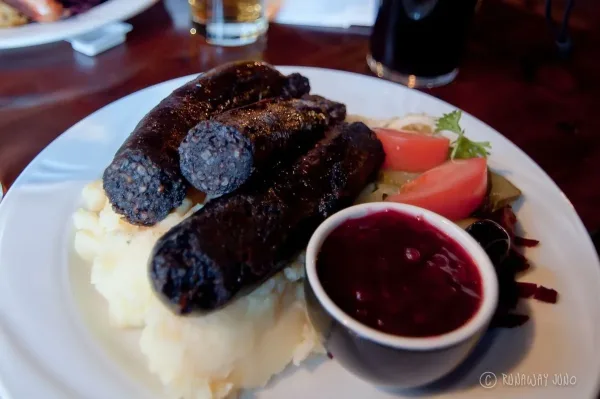
Image Source: Runaway Juno
Tampere’s iconic black sausage, Mustamakkara, stands out as a unique delicacy among traditional Finnish dishes. This distinctive blood sausage has been part of Finnish culinary tradition since at least the 17th century. The taste is different from other Nordic specialties, giving visitors an authentic experience.
Mustamakkara Description
Mustamakkara means “black sausage” in Finnish. You’ll notice its dark, almost black appearance and dense texture right away. The sausage has a juicy interior with a slightly crisp casing. The rich, savory flavor comes with subtle earthy undertones. People serve mustamakkara piping hot, usually straight from market stalls in styrofoam boxes that come directly from factories. Many Finns improve the flavor by reheating the sausage in a pan. The shape and moisture content changes quite a bit, so people can pick pieces that match their personal priorities.
Mustamakkara Ingredients
The classic Finnish dish combines ground pork, pig’s blood, crushed rye and flour, all packed into intestine casings. Some recipes add barley, pork fat, and subtle seasonings like allspice, salt and black pepper. A few variations include onions to add flavor complexity. Blood and grains work together to create the sausage’s distinctive hearty texture and earthy flavor that pairs perfectly with sweet sides.
Mustamakkara Cultural Significance
Tampere takes great pride in mustamakkara as its regional specialty. The sausage represents Finland’s rural and working-class culinary heritage. Tammelantori square in Tampere’s Tammela district serves as a traditional spot to enjoy this dish. Local customers have an interesting habit – they tell vendors how much money they want to spend instead of asking for specific weights or quantities. People usually eat the sausage with lingonberry jam, creating a delicious mix of savory and sweet-tart flavors. While all but one of these Finns might need time to develop a taste for it, mustamakkara got international attention when celebrity chef Anthony Bourdain gave it a thumbs up saying “Good stuff!” on his show.
Poronkäristys (Sautéed Reindeer)
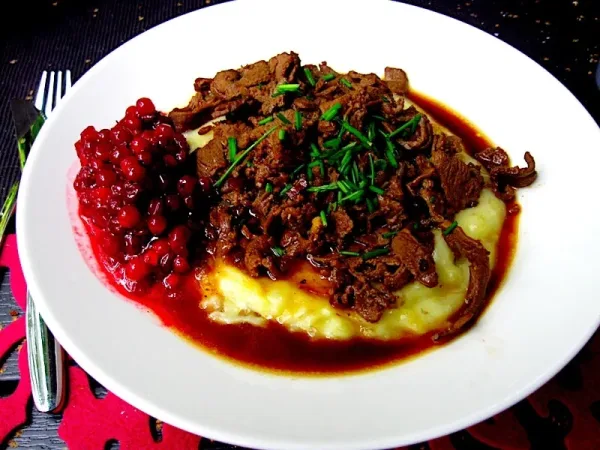
Image Source: The Food Dictator
Poronkäristys (sautéed reindeer) serves as the life-blood of Lappish cuisine and ranks among the most celebrated traditional Finnish dishes. This hearty dish captures the rugged spirit of the Arctic and has become a proud symbol of Finnish culinary heritage.
Poronkäristys Description
Thinly sliced reindeer meat creates the base of Poronkäristys. The meat becomes tender through sautéing and pairs perfectly with complementary sides. Chefs slice the meat while it’s partially frozen to make cutting easier. The reindeer rests on a bed of creamy mashed potatoes topped with lingonberries, which creates a perfect balance between rich meat, comforting starch and sweet-tart berries. Finnish households serve the dish with pickled cucumbers that add a contrasting flavor. On top of that, it often comes with pickled beetroots in restaurants and homes, which enhance both the visual appeal and taste.
Poronkäristys Ingredients
Thinly sliced reindeer meat from the animal’s steak or back serves as the star ingredient. The meat was traditionally sautéed in reindeer fat, but modern cooking relies more on butter and oil. Braising remains the traditional cooking method – the meat gets sautéed at high heat first, then simmers slowly until tender. Today’s recipes might include onions, bacon or beer to create deeper flavors. Black pepper and salt season the dish, though some cooks add juniper berries or allspice for subtle aromatic notes.
Poronkäristys Cultural Significance
Lapland’s connection to Poronkäristys runs deep, as reindeer herding has shaped this northernmost Finnish region for thousands of years. The dish means more than just food – it shows the strong bond between the indigenous Sami people and their land. People call it the “soul of Finnish Lapland cuisine”, and while you can find it throughout Finland, it remains a Lappish specialty at heart. Restaurants across Lapland’s towns like Ivalo, Rovaniemi and Saariselkä proudly serve this regional delicacy, giving visitors a true taste of northern Finnish culture.
Hernekeitto (Pea Soup)
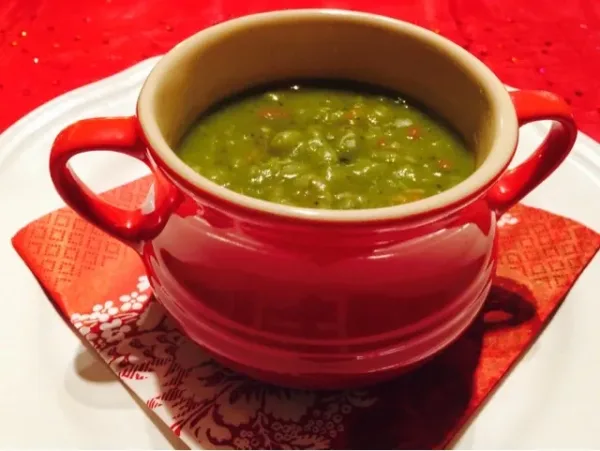
Image Source: Arctic Cloudberry
Hernekeitto (pea soup) stands out as one of Finland’s most cherished traditional Finnish dishes. This hearty, thick soup has earned its place as both an everyday staple and a cultural cornerstone in Finnish culinary tradition.
Hernekeitto Description
The soup’s thick, filling nature comes from dried peas that we cook slowly with pork. Its consistency feels substantial—almost mushy but comforting, with deep, rich flavors. The rustic appearance might not look fancy, but the taste tells a different story. Dark Finnish rye bread and butter make perfect companions and this combination helps keep people fed through Finland’s harsh winters. Many people stir in some mustard at the table, which adds a nice tangy kick to the savory profile.
Hernekeitto Ingredients
Yellow or green dried peas create the foundation of this classic recipe. The authentic versions need smoked pork (usually ham hock) around 400-500g to deliver that rich, smoky taste. Simple ingredients round out the mix—onions, salt and sometimes dried marjoram adds subtle herbal notes. Different regions across Finland put their own spin on it. Some add carrots, others include cream and a few even throw in potatoes. The soup needs about two hours to simmer, letting those peas naturally break down into a creamy texture.
Hernekeitto Cultural Significance
The sort of thing I love about this soup is its deep connection to Finnish weekly rhythms—served on Thursdays across the country. This custom dates back to medieval Catholic times. People needed a filling meal before Friday fasting. Modern Finland still holds onto this Thursday tradition strongly. You’ll find the soup in cafeterias, schools, military facilities and even parliamentary dining rooms. Finnish pancakes topped with jam usually follow as dessert. This beloved combination has brought joy to generations of Finns.
Ruisleipä (Rye Bread)
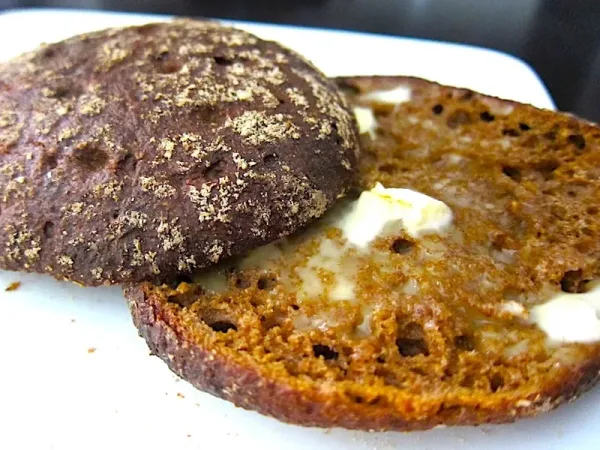
Image Source: The Food Dictator
Ruisleipä (rye bread) became Finland’s national food in 2017 and serves as the life-blood of Finnish daily nutrition. This beloved staple graces breakfast tables and accompanies meals throughout the country. Finnish cuisine’s practical nature shines through this simple yet essential bread.
Ruisleipä Description
Finnish rye bread differs from its German cousins with its less oily texture and lacks the sweetness found in Swedish versions. Several traditional forms exist, with the round, thick limppu from eastern Finland and the flat reikäleipä (hole bread) from western regions being most common. People traditionally hung this distinctive round loaf with its center hole on poles below kitchen ceilings. The bread’s texture changes from thick right after baking to thin as storage time increases.
Ruisleipä Ingredients
The recipe for traditional ruisleipä needs just a few simple components: water, sourdough starter (leaven), salt and 100% rye flour. Many Finnish families treasure their own leaven, passed down through generations. The bread’s characteristic tangy flavor develops during a 24-36 hour fermentation process. Some bakers prefer the “scalded flour” method. They mix flour with near-boiling water, which activates enzymes that transform starches into sugars as the mixture cools.
Ruisleipä Cultural Significance
Rye cultivation began in Finland around 500 BCE. The grain adapted perfectly to Finland’s short summers and harsh winters. The average Finn eats two to three slices daily and rye bread provides 35% of their daily fiber intake. February 28 marks the annual celebration of “rye bread day” in Finland. Finnish travelers often pack this beloved staple in their suitcases, showing its deep cultural value beyond just being food.
Leipäjuusto (Bread Cheese)

Image Source: Sisu Homemaker
The squeaky sensation of Leipäjuusto stands out among Finnish dishes. This fascinating cheese makes a distinctive sound when you bite into it. The experience combines both sound and taste in a delightful way.
Leipäjuusto Description
“Bread cheese” is the literal Finnish translation of Leipäjuusto, named after its bread-like appearance with brown or charred marks on top. The cheese takes shape as a flat, round disk about 2-3 centimeters thick. Baking, grilling or flambéing gives it a rustic appearance with caramelized marks while keeping its firm yet springy texture. People would dry and store the cheese for years in the past. They would soften it over fire before eating. Today’s version comes fresh and tastes great either warm or cold. The flavor stays mild, clean, and milky without any sharp or overly salty notes.
Leipäjuusto Ingredients
This classic Finnish dish needs just a few basic items: fresh milk, rennet to curdle it and a bit of salt. The most authentic recipes used cow’s colostrum (first milk after calving), though reindeer or goat milk worked well too. Modern commercial versions stick to regular cow’s milk. The preparation sees milk curdling into solids that are pressed into a round shape. The surface gets its signature caramelization through baking.
Leipäjuusto Cultural Significance
This cheese emerged in Ostrobothnia and Northern Finland at least 200 years ago. Finns love pairing it with cloudberry jam, creating a perfect mix of sweet and savory flavors. Some regions have their own special way – they put cheese pieces in coffee cups. This practice led to its Swedish name “kaffeost” (coffee cheese). The cheese shows up at breakfast tables and as a cozy evening snack across Finland. It remains a key part of the country’s food heritage.
Korvapuusti (Cinnamon Roll)

Image Source: the Sunday Baker
Korvapuusti, lovingly called “slapped ears,” captures the essence of Finnish baking and ranks among the most cherished Finnish dishes across the country. These pastries are different from American-style cinnamon rolls because of their unique shape and subtle sweetness.
Korvapuusti Description
The pastry’s signature diamond shape and pressed center give it that classic “slapped ear” look. You won’t find any glaze or icing on these Finnish cinnamon rolls – they showcase pearl sugar crystals instead. The delicate mix of cardamom-infused dough and buttery cinnamon filling creates a less sweet but more aromatic treat. Finnish bakers know that the right shape is vital to authentic taste. They cut triangular pieces from a cinnamon roll log and press down the middle to achieve this.
Korvapuusti Ingredients
The recipe starts with cardamom-spiced dough made from milk, butter, yeast, sugar, eggs and flour. Bakers spread a mixture of softened butter, cinnamon and brown sugar across the rolled dough. Fresh ground cardamom in the dough makes these rolls special and gives them their authentic flavor. The final touch comes from an egg wash and a sprinkle of pearl sugar.
Korvapuusti Cultural Significance
These pastries mean so much to Finnish culture that you’ll find the recipe printed right on flour bags throughout the country. The Finnish people celebrate “Korvapuustipäivä” (Cinnamon Bun Day) every October 4th. People enjoy them during “pullakahvit” (literally “bun coffee”) – a treasured coffee break with fresh-baked treats. Ask any professional baker and they’ll tell you the secret lies in generous amounts of sugar and butter.
Lörtsy (Savory or Sweet Pastry)
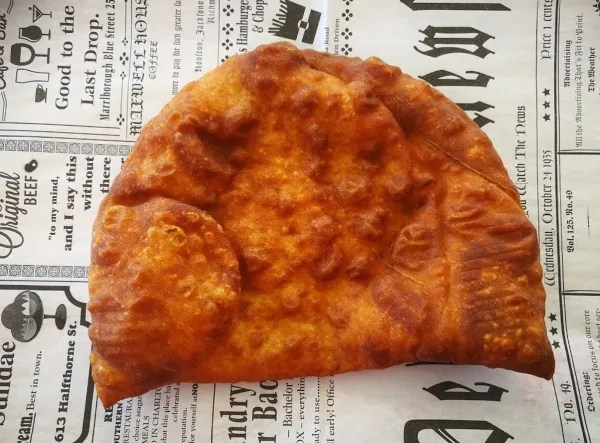
Image Source: TasteAtlas
The eastern Finnish street food scene features lörtsy, a versatile pastry that shows the adaptable nature of Finnish dishes. This thin, half-moon shaped treat originally invented in Savonlinna has become popular throughout the country.
Lörtsy Description
The distinctive thin, half-moon shape makes lörtsy unique, created by deep-frying the pastry. This street food favorite comes in both savory and sweet varieties, offering amazing versatility. People fold it around savory fillings and condiments just like a taco. Many Finns start with a savory lörtsy and follow it with a sweet version for dessert. They usually enjoy it with coffee or tea.
Lörtsy Ingredients
Most people choose savory meat with rice (like in Finnish meat pie) or sweet apple jam (similar to a jam doughnut) as fillings. The pastry has evolved with many creative filling options. Vendors now use vegetables, fish, berry jams and modern choices like kebab. They also provide condiments such as pickled cucumber, chopped onion and various dressings.
Lörtsy Cultural Significance
Eastern Finland’s Southern Savonia region maintains a strong connection with lörtsy without doubt. The pastry’s popularity has grown nationwide, making it available at street vendors and some supermarkets in Finland. Savonlinna’s Market Square offers the real lörtsy experience, where people can enjoy it while taking in Lake Saimaa’s views.
Saaristolaisleipä (Archipelago Bread)

Image Source: My Dear Kitchen in Helsinki
A rich source of Finnish culinary heritage, Saaristolaisleipä (Archipelago Bread) brings a sweet twist to traditional Finnish dishes. This dark, dense bread blends malty richness with subtle sweetness and creates a distinctive taste that sets it apart from other Nordic breads.
Saaristolaisleipä Description
This archipelago bread is a dense, sweet loaf with a rich dark brown color. Its moist interior reveals a complex flavor profile that delights the palate. Naturally vegan, the bread’s quality improves over time and it has remarkable storage capabilities. The Åland islands’ variation, known as “svartbröd” (black bread), comes in a darker shade and round shape, unlike the mainland’s rectangular version.
Saaristolaisleipä Ingredients
Crushed malted rye or beer malt forms this classic Finnish dish’s foundation. Dark syrup adds caramel notes, while rye flour, wheat bran, wheat flour and salt complete the base. Finnish bakers traditionally use buttermilk, though apple or orange juice works just as well for dairy-free versions. Bakers can add caraway seeds, aniseed, fennel or maybe even ground licorice root to create more complex flavors.
Saaristolaisleipä Cultural Significance
This bread plays a special role in coastal Finland’s winter holiday celebrations. People often serve it with fish dishes—particularly salmon soup, gravlax (cured salmon) or gubbrörä (anchovy and egg topping). The bread’s excellent storage life means families can prepare it well before gatherings or give it as a meaningful gift. A simple slice with quality salted butter provides a memorable taste experience.
Graavilohi (Cured Salmon)

Image Source: DelishGlobe
Graavilohi (cured salmon) stands out as one of the most elegant yet simple Finnish dishes in Nordic culinary traditions. Centuries of practice have perfected this cooking-free preservation method, creating a delicacy that combines practicality and sophistication.
Graavilohi Description
The dish consists of thinly sliced raw salmon cured with salt and sugar. This finished delicacy has a silky, buttery texture with a unique flavor profile that sits between salmon sashimi and smoked salmon—without the smokiness. The curing process gives the salmon a firmer texture while maintaining its melt-in-your-mouth quality. The traditional serving method requires cold temperature and thin slices cut at a 45-degree angle, leaving the skin behind.
Graavilohi Ingredients
The recipe’s simplicity shines through its minimal ingredients—we used high-quality fresh salmon, coarse sea salt, sugar and plenty of fresh dill. Finnish cooks often improve the flavor with a splash of alcohol like Akvavit, vodka, cognac or brandy. Some creative variations add white peppercorns, juniper berries or lemon juice to create more complex flavors. The salmon needs 24-48 hours to cure, depending on how firm you want it.
Graavilohi Cultural Significance
The dish’s name literally means “salmon dug into the ground,” reflecting its origins as a fisherman’s preservation technique. Finnish celebrations, Christmas festivities and Midsummer feasts wouldn’t be complete without this traditional dish. Graavilohi’s perfect companions include dark rye bread or boiled potatoes and it tastes exceptional with mustard sauce (hovimestarinkastike).
Muikku (Fried Vendace)

Image Source: The Adagio Blog
Crispy on the outside and tender within, Muikku serves as Finland’s answer to fish and chips with a distinctly Nordic twist. This small freshwater fish has earned its place among traditional Finnish dishes and shows up most often during the warm summer months.
Muikku Description
The lakes of northern Finland are home to Vendace (Coregonus albula), a small whitefish from the Salmonidae family that runs on clean waters. This little fish reaches about 25 centimeters (9.8 in) in length and comes with a unique twist – you eat it whole, including the head, bones, fins and tail. The bones become so soft after frying that they melt in your mouth, so there’s no need to debone it. You’ll find a perfect balance between its crunchy exterior and delicate flavor profile.
Muikku Ingredients
The classic recipe needs just a few simple items: cleaned vendace, rye flour, salt, pepper and a mix of butter and oil to fry. Local cooks stand firm on using butter, as one emphasized: “Always butter! Never cook them in oil. It will ruin them. And no fake butter. Real butter is the only thing!”. A fresh squeeze of lemon adds the final touch, and many people enjoy it with garlic sauce or tartar sauce.
Muikku Cultural Significance
Fried vendace has become a beloved summer tradition across Finland, especially at festivals and market stalls. The fish’s cultural impact runs so deep that Finns say “muikku!” instead of “cheese!” at photo sessions. This “Finnish-style fast food” appears at fish markets everywhere, giving visitors a genuine taste of Finland’s lake-based cuisine.
Salmiakki (Salty Licorice)

Image Source: Fazer Store EN
Salmiakki stands out as a unique challenge to adventurous food lovers with its distinctive flavor profile. This unique confection ranks among traditional Finnish dishes that people either love or hate.
Salmiakki Description
Salmiakki combines licorice with ammonium chloride salt to create an astringent, salty taste similar to tannins in red wines. The candy’s color stays black or very dark brown and comes in different shapes – from soft candies to hard pastilles that are usually diamond-shaped lozenges. Some varieties pack extra punch with additional salmiak salt or powder coatings. The flavor has found its way into ice creams, syrups, chewing gums and alcoholic drinks.
Salmiakki Ingredients
Ammonium chloride (sal ammoniac) gives salmiakki its sharp, distinctive taste. Swedish varieties typically contain 7% ammonium chloride. The candy’s base mixes licorice root extract with wheat flour to create a black-dyed paste. Some manufacturers add anise oil to boost the flavor complexity.
Salmiakki Cultural Significance
Salmiakki holds a special place in Finnish hearts. Many Finns list it as their most-missed item while traveling. Finnish stores dedicate entire sections to showcase salmiakki varieties. This treat started as a cough medicine because of ammonium chloride’s expectorant properties. Now it has grown beyond its medicinal origins to become a favorite treat in Northern Europe’s seven “salty-licorice countries”.
Mustikkapiirakka (Blueberry Pie)
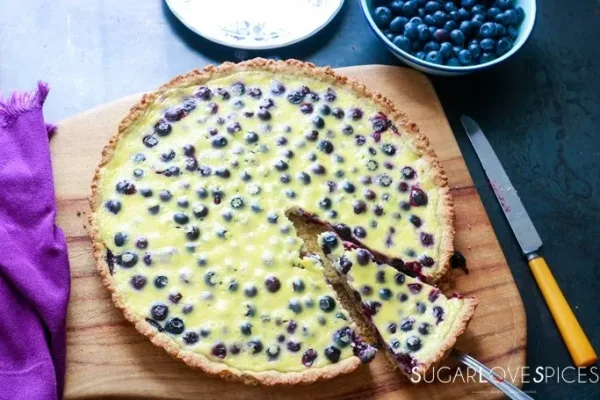
Image Source: – SugarLoveSpices
Mustikkapiirakka has become a cherished Finnish dish that people enjoy throughout the year. This sweet treat strikes a perfect balance between simple preparation and amazing flavor. Many know it as “mummon mustikkapiirakka” (grandma’s blueberry pie), and it remains a staple in Finnish homes.
Mustikkapiirakka Description
This dessert sets itself apart from American-style pies by combining elements of a pie, tart, and cheesecake. The pie’s structure features three distinct layers – a cookie-like foundation, berry-rich middle, and a creamy top that gives it a cheesecake texture. Finnish bakers prefer bilberries (wild European blueberries) that pack more tartness and come in smaller sizes than regular blueberries. People can savor this pie straight from the oven or after chilling it. A scoop of vanilla ice cream or whipped cream makes a perfect accompaniment.
Mustikkapiirakka Ingredients
The base comes together with butter, sugar, eggs and a blend of rye and all-purpose flour. Cardamom gives this traditional Finnish dish its distinctive aromatic depth. Fresh or frozen blueberries make up the filling and bakers often add cornstarch to frozen berries. The top layer combines sour cream, eggs, sugar and vanilla that creates a balanced sweetness and complements the berries perfectly.
Mustikkapiirakka Cultural Significance
This iconic dessert has found its way into nearly every Finnish café and restaurant menu. Finland’s berry-picking culture ties directly to this pie’s tradition. Families across the country head to forests to gather berries, making it a treasured activity. Summer brings abundant berry harvests and families are happy to bake this dessert using recipes that have spread through generations. Mustikkapiirakka has grown beyond just being food – it captures Finland’s deep connection with nature and family traditions.
Lemin Särä (Lamb and Potatoes)
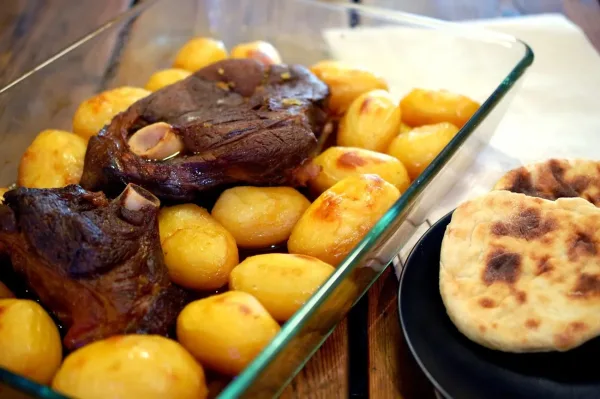
Image Source: Finnish Food prkl
Lemin Särä stands as one of the oldest Finnish dishes from South Karelia. This simple yet cherished dish earned its place as one of Finland’s Seven Wonders.
Lemin Särä Description
The dish combines lamb and potatoes that cook slowly for up to nine hours in a special wooden trough. A carved birch log creates this unique trough that gives the dish its name. The meat rests on alder sticks in the hot oven and its juices drip down to flavor the potatoes below. The cooking style uses minimal seasoning, which lets the natural flavors of quality ingredients take center stage.
Lemin Särä Ingredients
The recipe stays wonderfully simple with just three ingredients: lamb roast, potatoes and salt. The wooden trough needs careful preparation and soaks in salted water for a week. The next step coats the trough with lamb tallow before placing it in a wood-fired oven’s warm afterglow. This special cooking vessel adds a sweet and slightly smoky flavor that makes the dish unique.
Lemin Särä Cultural Significance
Särä was once a common meal in Lemi’s households where families raised sheep and grew potatoes. Restaurant Kippurasarvi in Lemi now serves this traditional delicacy to those who want to taste authentic Lemin Särä. The dish pairs perfectly with fresh ohrarieska (barley flatbread) and homebrewed beer. Lemi’s residents keep the Särä tradition alive and it remains a vital part of their cultural identity.
Comparison Table
| Dish Name | Origin/Region | Main Ingredients | Traditional Serving Method | Cultural Significance | Special Characteristics |
|---|---|---|---|---|---|
| Karjalanpiirakka | Karelia | Rye flour, rice porridge or potato filling | Served with egg butter (munavoi) | EU Protected status (TSG) since 2003 | Oval shape, crimped edges, thin rye crust |
| Kalakukko | Savonia | Rye flour, fish (vendace/perch), pork | Served hot or cold, opened from top | TSG status since 2002, popular in Kuopio | Several hours of baking makes fish bones soft |
| Mustamakkara | Tampere | Pork, pig’s blood, crushed rye | Served hot with lingonberry jam | Tampere’s regional specialty | Vendors sell by amount rather than weight |
| Poronkäristys | Lapland | Thinly sliced reindeer meat | Served with mashed potatoes, lingonberries | Represents Sami culture and heritage | Meat gets sliced while partially frozen |
| Hernekeitto | Nationwide | Dried peas, smoked pork | Served with rye bread and mustard | People eat this dish on Thursdays | Pancakes usually follow as dessert |
| Ruisleipä | Nationwide | Rye flour, sourdough starter | Daily bread staple | Finland’s national food since 2017 | Storage happens on poles through center hole |
| Leipäjuusto | Ostrobothnia | Fresh milk, rennet | Served with cloudberry jam or in coffee | Rich history spanning 200+ years | Creates squeaking sound during eating |
| Korvapuusti | Nationwide | Cardamom-spiced dough, cinnamon | Perfect during coffee breaks | National Cinnamon Bun Day (Oct 4) | Shape resembles a “slapped ear” |
| Lörtsy | Savonlinna | Pastry dough, various fillings | Popular street food | Market square favorite | Deep-fried with half-moon shape |
| Saaristolaisleipä | Southwestern coast | Malted rye, dark syrup | Best with fish dishes | Winter celebration staple | Taste enhances with age |
| Graavilohi | Coastal regions | Fresh salmon, salt, sugar, dill | Cold and thinly sliced servings | Essential at festive occasions | Curing takes 24-48 hours |
| Muikku | Lake regions | Small vendace fish, rye flour | Served with lemon and sauce | Summer festival favorite | Bones remain part of the dish |
| Salmiakki | Nationwide | Ammonium chloride, licorice | Enjoyed as candy | Finnish cultural icon | Started as medicine |
| Mustikkapiirakka | Nationwide | Bilberries, cardamom, sour cream | Tastes great warm or chilled | Tied to berry-picking customs | Features three distinct layers |
| Lemin Särä | South Karelia | Lamb, potatoes | Pairs with barley flatbread | Ranks among Finland’s Seven Wonders | Requires special wooden cooking trough |
Enjoy Finnish Dishes
Finnish cuisine shows evidence of the country’s rich cultural heritage and deep connection to nature. These 15 must-try Finnish dishes highlight the remarkable diversity and character of Finland’s food landscape. Finnish food serves both as practical sustenance and cultural expression, from hearty meat dishes like Poronkäristys to comforting pastries such as Karjalanpiirakka.
Simple, high-quality ingredients make Finnish dishes special. The country’s unique flavor profiles come from berries foraged from forests, fish caught in pristine lakes and grains grown in northern fields. On top of that, traditional preparation methods that date back centuries preserve techniques modern cooking rarely uses.
Seasonal changes shape Finnish eating habits naturally. Summer markets feature fresh vendace (Muikku) fried crisp at stalls, while warming bowls of Hernekeitto appear every Thursday during winter. The food gets even more interesting with regional specialties – Mustamakkara belongs to Tampere and Kalakukko proudly represents the Savonia region.
These dishes mean much more than just food to Finnish people. Ruisleipä (rye bread), Finland’s national food since 2017, shows up at almost every meal. Special occasions and holidays bring treats like Korvapuusti or Graavilohi to the table. Families pass down these recipes through generations, keeping their heritage alive through food.
Visitors should definitely try these authentic Finnish dishes. Each meal reveals Finnish values – practical simplicity, respect for ingredients, and tradition’s importance. Some flavors might surprise new tastes (especially Salmiakki’s salty-licorice kick), but adventurous eaters will find truly unique experiences.
Finnish cuisine embodies cultural identity, seasonal changes and regional pride. These 15 dishes only begin to reveal Finland’s rich food heritage, but they give curious travelers a perfect introduction to authentic Finnish flavors. People can enjoy these traditional foods in Helsinki’s market halls, lakeside cottages, or Lapland restaurants to understand Finnish culture better.
FAQs
Q1. What are some must-try traditional Finnish dishes for visitors?
Some essential Finnish dishes to try include Karjalanpiirakka (Karelian pasties), Poronkäristys (sautéed reindeer), Ruisleipä (rye bread), Graavilohi (cured salmon) and Mustikkapiirakka (blueberry pie). These showcase authentic Finnish flavors and ingredients.
Q2. Are there any unique Finnish foods that might surprise tourists?
Yes, some unique Finnish foods that may surprise visitors include Salmiakki (salty licorice candy), Mustamakkara (blood sausage) and Leipäjuusto (squeaky cheese). These distinctive flavors offer an adventurous culinary experience.
Q3. What is Finland’s national dish?
While there’s no official national dish, Karjalanpiirakka (Karelian pasties) and Ruisleipä (rye bread) are considered quintessential Finnish foods. Rye bread was even voted Finland’s national food in 2017.
Q4. Are there regional specialties visitors should try in different parts of Finland?
Yes, regional specialties include Kalakukko (fish pie) from Savonia, Mustamakkara (blood sausage) from Tampere and Poronkäristys (sautéed reindeer) from Lapland. Trying these dishes in their respective regions offers an authentic taste of local cuisine.
Q5. What are some popular Finnish desserts or sweet treats?
Popular Finnish desserts include Korvapuusti (cinnamon rolls), Mustikkapiirakka (blueberry pie) and Lörtsyt (sweet pastries). For a unique treat, try Salmiakki ice cream or Runebergintorttu, a pastry associated with the poet J.L. Runeberg.


Leave A Comment