

Endless fields of purple flowers dance beneath the midnight sun in Iceland. This magical scene isn’t from a fairy tale – it’s Iceland’s reality every July. The country becomes a mesmerizing purple paradise.
Our explorations of Iceland through different seasons revealed something extraordinary about summer months. Most travelers know Iceland’s glaciers and northern lights well. July temperatures turn mild and create perfect conditions for nature’s spectacular display – millions of lupine flowers in full bloom. Iceland’s July weather surprises visitors with its mildness, which makes outdoor adventures perfect among these purple-painted landscapes.
Let us show you how to experience this unique summer phenomenon in this piece. You’ll discover the best viewing spots, photography tips and essential details about Iceland’s purple season.
Understanding Iceland’s Purple Paradise
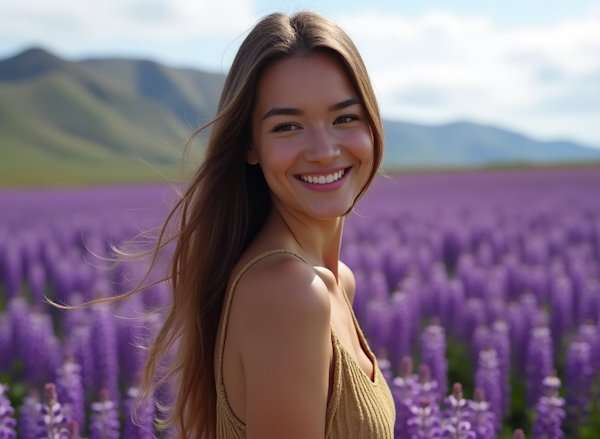
A single suitcase in 1945 sparked an extraordinary change in Iceland’s landscape. The Alaskan lupine, which Hákon Bjarnason of the Icelandic Forest Service brought to Iceland, would reshape the country’s appearance forever.
The Story Behind Iceland’s Purple Transformation
Iceland’s history reveals why this purple invasion took root. The country faced severe erosion problems before the lupine arrived, with only 25% of its original green cover left. These resilient purple flowers became the solution. They acted as natural fertilizer factories and enriched the soil through their nitrogen-fixing properties.
Why July is the Perfect Time to Visit
July showcases the most spectacular display of these purple fields. The lupines start their bloom cycle in late June and reach their peak early in July. This timing lines up perfectly with Iceland’s summer weather patterns as temperatures rise after the long winter months.
Effect on Iceland’s Ecosystem
These purple flowers have reshaped Iceland’s environment in both remarkable and controversial ways. They now cover 0.4% of Iceland’s land surface, but their influence reaches way beyond these numbers. Here’s what the environmental effects show:
- They’ve stopped sandstorms in many regions
- They’ve created rich soil conditions for other plants to grow
- They’ve spread to areas that needed no intervention
Scientists and locals continue to debate about these purple flowers. While they’ve helped curb erosion and enrich soil, research shows they now threaten Iceland’s native flora. Scientists predict these lupines could spread into the highland interior within the next 30 years under current climate change conditions. This spread would reshape even more of Iceland’s iconic lunar-like landscape.
Discover flower fields in California.
Planning Your Lupine Adventure
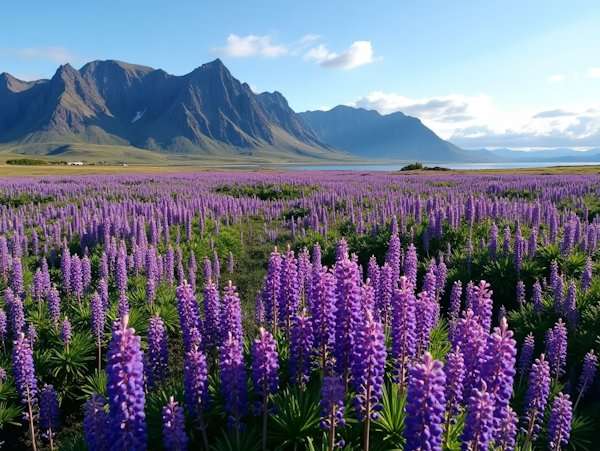
Let’s take a closer look at how to plan your lupine adventure in Iceland. Our years of guiding visitors through these purple wonderlands have helped us gather all the information you’ll need.
Best Regions for Lupine Viewing
The South Coast offers some of the most spectacular lupine displays in Iceland. Here are our favorite spots to view these beautiful flowers:
- Skagafjörður in North Iceland, with its mountain-framed lupine fields
- Þórsmörk nature reserve, where purple blooms contrast with rugged terrain
- Mývatn region, combining geothermal wonders with flower fields
- Vík í Mýrdal, where lupines meet black sand beaches
Optimal Times of Day for Visits
July brings the midnight sun phenomenon, giving you almost 24 hours of daylight to view lupines. These flowers look magical during the golden hours when low-angle sunlight creates stunning purple-golden landscapes.
Weather Considerations and What to Pack
July temperatures are mild, typically ranging between 9°C and 15°C (48-59°F). Rain is less common in July, but Iceland’s weather can be wonderfully unpredictable. The locals say it best: “Don’t like the weather? Just wait 5 minutes!”
Our experience shows you’ll need:
- Essential Layers:
- Windproof and waterproof jacket
- Breathable t-shirts for base layers
- Comfortable hiking pants
- Warm sweaters for layering
Waterproof boots are vital, especially when you have to explore lupine fields near waterfalls or coastal areas. The temperature might seem mild, but Iceland’s wind needs special attention – it’s no surprise that the language has 156 different words for wind!
Summer in Iceland isn’t your typical summer experience. The temperatures feel pleasant in the sun, but conditions can change faster than you might expect. Pack smart, dress in layers and you’ll be ready for your purple paradise adventure.
Explore the best Spring cities throughout the world.
Beyond the Purple Fields

Our trip to Iceland’s purple paradise showed us that July has nowhere near just lupines. The landscape comes alive with countless other wildflowers. These create an array of colors that leaves us speechless every time we visit.
Other July Wildflowers to Find
Our walks have led us to amazing native flowers:
- The delicate glacier poppy (jöklasóley) – Iceland’s national flower, with its pale-pink petals
- Sea mayweed (baldursbr) – Daisy-like flowers that dot the coastal areas
- Alpine bartsia (smjörgras) – Purple stalks spread across the landscape
- Moss campion (lambagras) – Tiny pink star flowers that grow in tight bunches
Wildlife Encounters Among the Flowers
The flowering meadows are home to Iceland’s only native land mammal, the Arctic fox. Summer blooms draw birds of all types, which makes these spots perfect for wildlife photography. We learned that about 72 species of birds breed here, and you can spot magnificent creatures like the gyrfalcon and white-tailed eagle.
Hidden Waterfalls in Flowering Valleys
The hidden waterfalls among flowering valleys are magical spots. Gljúfrabúi waterfall hides in its gorge near Seljalandsfoss and creates an enchanting scene with summer vegetation. Háifoss, Iceland’s third-highest waterfall, is a favorite spot especially when the surrounding landscape blooms in summer.
Landmannalaugar’s wetlands show off stunning displays of cotton grass. White fluff sways against dramatic mountain backdrops. These spots are perfect for photography, especially during July’s long daylight hours.
Each location becomes more special as flora changes through summer. Different species peak at their own pace – some flowers start to bloom while others reach full glory. This natural cycle gives each visit a fresh viewpoint of Iceland’s summer beauty.
Discover Iceland in November.
Local Perspectives and Cultural Impact
Let’s take a closer look at Iceland’s cultural landscape. Summer flowers hold a special place in local hearts. These blooms connect centuries of folklore with modern environmental debates.
Icelandic Folklore About Summer Flowers
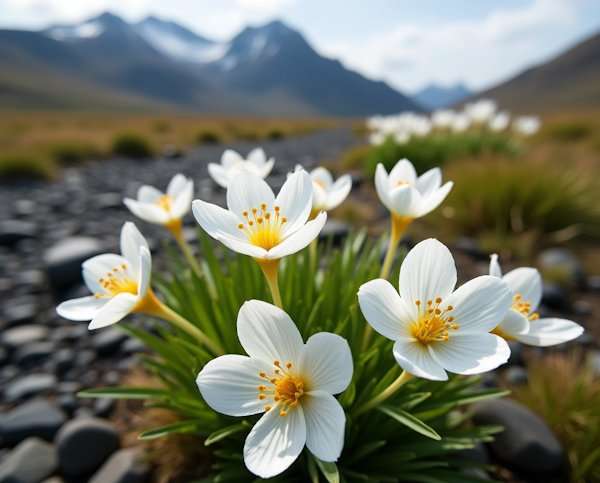
Icelandic flower folklore is rich with mystical tales. The Mountain Avens (Holtasóley), Iceland’s national flower chosen by public vote in 2004, comes with fascinating legends. Local stories say this flower can attract wealth, though the method might raise some eyebrows! Tales tell of people rolling naked in summer dew to stay healthy. Young women would put flowers under their pillows to dream about their future spouses.
Modern Debates and Conservation Efforts
The lupine debate stirs passionate environmental discussions in Iceland. Most Icelanders value lupine’s positive effects on the environment, but many still call it invasive. The story changed over time:
- People first celebrated it as a “miracle plant” to conserve soil
- The Ministry for Environment later labeled it an “alien invasive species”
- This created a split between “green” and “dark” protectionists about preserving the landscape
Research shows public opinion stays divided. Only 18% think lupines don’t improve Iceland’s visual landscape. Some locals compare anti-lupine feelings to xenophobia. Others worry about these plants hurting native ecosystems.
Celebrating the Summer Bloom
Beyond the debates, summer flowers bring communities together in celebration. Traditional herbs like Arctic Thyme (Blóðberg) still play key roles in local culture. People use them to make tea and traditional medicine. Summer blooms are now part of modern culture too. Almost every couple getting married during lupine season wants these purple flowers in their wedding photos.
The sort of thing i love is how these flowers shape Iceland’s changing identity. Some Icelanders treasure the barren landscapes as symbols of strength and determination. Others welcome the more colorful summer scenery. This split perfectly shows how Iceland balances preservation and progress in its natural heritage.
Responsible Flower Tourism

A summer trip to Iceland’s wonderland needs a perfect balance between enjoying its beauty and keeping it pristine for others to enjoy. We know green tourism goes beyond just following rules – it’s about understanding how we affect this delicate paradise.
Protecting Fragile Ecosystems
Our July trips showed us how Iceland’s environment reacts to human presence. The country’s plants grow incredibly slowly because summers are short. They need extra protection. A single footprint can leave its mark for years or decades in some spots.
The law strictly bans off-road driving. Tire tracks scar the vegetation and these marks stay visible for decades. Photography enthusiasts must stick to marked paths while capturing lupines. This rule helps us respect and protect the land that welcomes us.
Photography Ethics and Guidelines
These basic rules guide photographers in Iceland’s purple paradise:
- Nature comes before the perfect shot
- Keep to marked paths to save sensitive plants
- Stay away from wildlife at safe distances
- Think twice before sharing location details online
- Respect local rules and posted signs
Supporting Local Communities
Local economies benefit from mindful tourism that goes beyond saving nature. We help communities maintain these beautiful landscapes through direct support. Here’s what makes a real difference:
- Pick local guesthouses instead of chain hotels
- Buy genuine Icelandic crafts and products
- Join community tourism activities
- Eat at local restaurants and shop at farmers’ markets
Local businesses shine in their green approach. Many companies now follow eco-certification standards from Vakinn or ISO 14001. They show their dedication to keeping Iceland beautiful while sharing it with guests.
Our travels teach us that sustainable tourism in Iceland creates harmony between visitors and local communities. These simple guidelines help protect the environment, culture, and economy. Future generations deserve to experience the same purple magic that fascinates us today.
Visit London Flower market.
Enjoy Iceland in July
Iceland’s purple summer display is more than a photo opportunity – it reveals nature’s resilience and human impact. These magical landscapes show how lupines have reshaped the scene, ignited cultural discussions and created lasting memories for visitors from around the globe.
The summer season combines endless daylight with mild temperatures. Blooming flowers paint entire valleys in purple hues. This natural phenomenon gives both casual travelers and photography enthusiasts a chance to capture surreal moments.
Tourism plays a vital role in protecting these delicate ecosystems. Visitors who stick to marked paths, follow local guidelines and back community projects help these purple fields thrive for future generations.
Iceland’s July landscape delivers an experience you won’t find anywhere else. You might come to capture the perfect lupine photo or seek a unique summer adventure. Each visit to these purple fields adds to an ongoing tale of environmental change, cultural heritage, and natural beauty that makes Iceland one of a kind.
FAQs
When is the best time to see lupines in Iceland?
The best time to see lupines in bloom in Iceland is during the summer months of June and July. This is when the purple flowers are at their peak and can be seen in abundance throughout the country, particularly alongside roads, around lakes and near the coast. By late May, some lupines may start blooming, but for the full spectacle, visiting in early to mid-July is ideal.
Where are the best places to find purple lupine fields in Iceland?
Some of the best regions for viewing lupine fields include:
- Skagafjörður in North Iceland
- Þórsmörk nature reserve
- Mývatn region
- Vík í Mýrdal on the South Coast
Lupines are often found surrounding rivers, in open prairies that are flood zones and in areas with ample sunlight.
What other summer flowers can be seen in Iceland besides lupines?
While lupines are the most iconic, Iceland offers a variety of summer flowers, including:
- Glacier poppy (jöklasóley), Iceland’s national flower
- Sea mayweed (baldursbr)
- Alpine bartsia (smjörgras)
- Moss campion (lambagras)
- Mountain Avens (Holtasóley)
- Arctic Thyme (Blóðberg)
Why are there so many lupines in Iceland?
Lupines were introduced to Iceland in 1945 to combat soil erosion. The harsh volcanic landscape, combined with deforestation and overgrazing, left large areas of land susceptible to erosion. The Alaskan Lupine was chosen for its hardiness and ability to thrive in poor soils, effectively helping to prevent sandstorms and create rich soil conditions for other plants to grow.
Is it okay to walk through lupine fields for photos?
No, it’s not recommended to walk through lupine fields. To protect these fragile ecosystems, visitors should stick to designated paths. Even a single footprint can take years to heal in certain areas. It’s important to prioritize nature’s well-being over getting the perfect shot and follow local regulations and posted signs.
How has the introduction of lupines affected Iceland’s ecosystem?
The introduction of lupines has had both positive and negative impacts:
- Positively, they’ve helped combat erosion, enrich soil and prevent sandstorms.
- Negatively, they’re now considered an invasive species that threatens native flora.
- Currently, lupines cover about 0.4% of Iceland’s land surface.
- There’s an ongoing debate about their overall impact on the ecosystem.
What should I pack for a lupine-viewing trip to Iceland in July?
For a July trip to view lupines in Iceland, pack:
- Windproof and waterproof jacket
- Breathable t-shirts for base layers
- Comfortable hiking pants
- Warm sweaters for layering
- Waterproof boots
Remember that while temperatures are milder (typically 9°C to 15°C), weather can change quickly, so dressing in layers is essential.
Are there any cultural or folklore associations with summer flowers in Iceland?
Yes, Icelandic folklore is rich with stories about summer flowers:
- The Mountain Avens is believed to attract wealth.
- There are tales of rolling naked in summer dew for good health.
- Young women sometimes place flowers under their pillows to dream of future spouses.
- Many couples include lupines in their summer wedding photos.
How can I practice responsible tourism when viewing lupines in Iceland?
To practice responsible tourism:
- Stay on marked paths to protect vegetation
- Do not drive off-road, as it’s illegal and damaging to the environment
- Maintain distance from wildlife
- Support local businesses and eco-certified companies
- Follow local guidelines and respect posted signs
- Be mindful when sharing specific locations online to prevent over-tourism
What wildlife might I encounter among the lupine fields?
While exploring lupine fields, you might encounter:
- Arctic foxes, Iceland’s only native land mammal
- Various bird species, as about 72 species breed in Iceland
- Look out for gyrfalcons and white-tailed eagles
- In nearby wetlands, you might see displays of cotton grass


Leave A Comment