

No Nordic gathering feels complete without the “kakebord” or cake table – a spectacular sight that steals the spotlight at every celebration! The sweet traditions embody centuries of cultural heritage that people outside the region are yet to find.
Easter remains a major food celebration in Scandinavian countries, especially when you have desserts and sweets. The beloved kvæfjordkake, named Norway’s favorite cake again and the classic krumkake dominate annual Nordic festivals. These traditional Scandinavian pastries blend simple ingredients with distinctive flavors. Nordic dessert baking brings joy through both its creative process and stunning results.
These 23 traditional Scandinavian dessert recipes will help you learn about treasures your grandmother might have kept secret. You can explore your Scandinavian heritage or add new skills to your baking repertoire. Each treat, from layered cakes to delicate cookies, carries its own unique history and special place in Nordic culture.
Silvia Cake
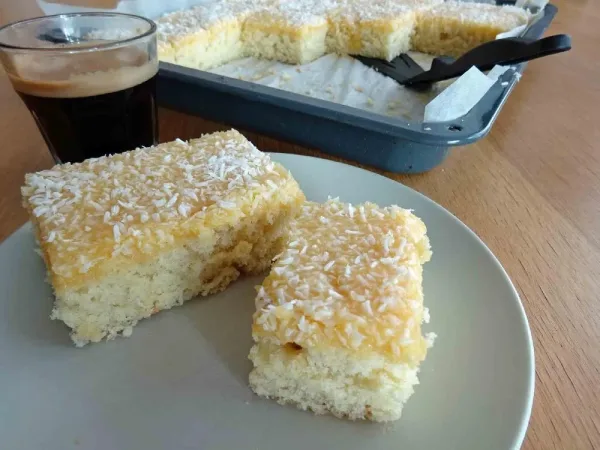
Image Source: MyCookingPlace
The elegant Silvia Cake ranks among Sweden’s most treasured traditional Scandinavian desserts. Its simple yet refined flavors have delighted generations of dessert lovers.
Origin of Silvia Cake
Named after Queen Silvia of Sweden, this delectable treat’s royal connections go beyond its regal name. The cake evolved from an older version of a traditional sponge cake called “sockerkaka”. The base earned the name “fattigmanskaka” or “poor man’s cake” because bakers added water to stretch the batter further. The addition of a luxurious topping later transformed this humble creation into a dessert fit for royalty.
Key Ingredients in Silvia Cake
The magic of Silvia Cake comes from its perfectly balanced ingredients. The base needs:
- Eggs (typically 3 plus an extra yolk)
- Sugar (both white and brown)
- Flour
- Baking powder
- Water (a vital element you cannot skip)
This Nordic dessert’s signature comes from its irresistible topping – a luscious blend of:
- Butter
- Sugar
- Vanilla
- Egg yolks
- A few drops of lemon juice
- Generous sprinkles of desiccated coconut
Why Silvia Cake is Special
This Swedish treat has earned its status among famous Scandinavian desserts with good reason. The simple addition of water creates a uniquely moist texture that many describe as “juicy”. The warm yellow topping, which mirrors the Swedish flag’s colors, caramelizes slightly under the grill. This creates a delightful contrast with the light sponge beneath.
Silvia Cake plays a significant cultural role in Swedish society. People serve it during “fika” – the cherished Swedish coffee break tradition. Bakers cut the cake into small squares, which makes it perfect to share during social gatherings. The cake’s simple pantry ingredients have helped maintain its popularity through generations. This traditional Scandinavian dessert remains a beloved staple in Nordic homes.
Success Cake
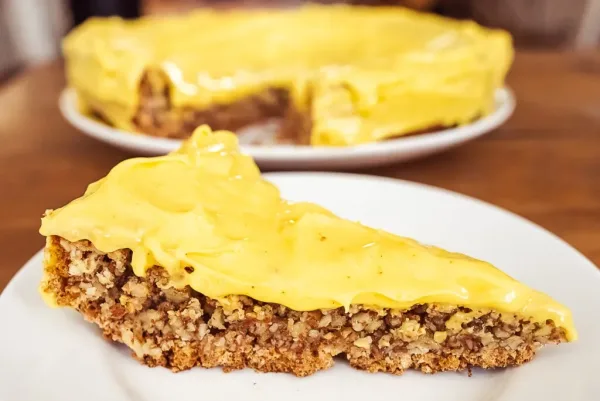
Image Source: Scandinavian Cookbook
The Norwegian Success Cake (Suksessterte) stands out as one of the most beloved Nordic desserts. Its perfect mix of nutty texture and creamy richness makes it a soaring win among traditional treats.
Origin of Success Cake
You can trace the Success Cake’s roots to eastern Finnmark in northern Norway, specifically the towns of Vardø and Vadsø. Sailors traveling coastal trade routes likely brought this recipe, or it might have come from French and Austrian bakers. The cake’s true origins spark some historical debate. Some sources hint at Swedish connections and mention its first appearance in a Norwegian translation of a Swedish cookbook as “King Oscar II’s cake”. All the same, its Norwegian identity shines through today.
Key Ingredients in Success Cake
This gluten-free Scandinavian dessert brings together two distinct elements:
- A moist almond base that combines egg whites, powdered sugar and ground almonds
- A silky yellow cream that blends egg yolks, sugar, heavy cream, vanilla and softened butter
The egg yolks give the cake its striking yellow color, which led to its nickname “gulkake” (yellow cake). Some bakers add a dark chocolate drizzle on top, though purists say the cake stands perfectly on its own.
Why Success Cake is Special
Success Cake has earned its unique spot among traditional Scandinavian desserts. People enjoy it throughout the year, but it holds a special place in Easter celebrations where its golden color represents spring’s renewal. The cake shows up at Norwegian confirmations, birthdays and office parties too.
The magic happens in the contrast between its chewy almond base and smooth, rich cream topping. Success Cake proves both elegant and practical – it’s easy to make and freezes really well. These qualities have helped it become a cherished part of Norwegian culture.
Dream Cake
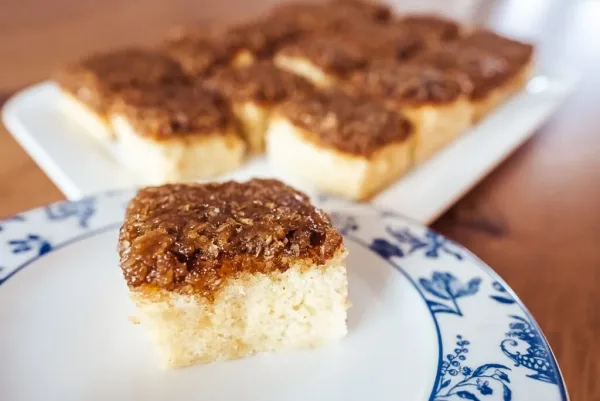
Image Source: Scandinavian Cookbook
Denmark’s beloved Dream Cake (Drømmekage) fascinates taste buds with its simple charm and caramelized coconut crown. This cake stands apart from fancy royal desserts and elegantly named confections.
Origin of Dream Cake
The delightful treat comes from Brovst, a small village in Jutland, Denmark, with a precisely documented history. Young Jytte Andersen used her grandmother’s special recipe to enter a baking competition in the 1960s. Her creation won first place, and the recipe made its way into the town’s cookbook. Dream Cake quickly became a national favorite. Some records point to Hjallerup, a small town in North Jutland, as the cake’s birthplace. The story of its modest beginnings and quick rise to popularity stays the same across sources.
Key Ingredients in Dream Cake
This classic Scandinavian dessert brings together two main components:
- Vanilla sponge base: A straightforward mix of flour, sugar, butter, eggs, milk, baking powder and vanilla
- Coconut caramel topping: The showstopper of the dessert combines butter, brown sugar, milk and plenty of shredded coconut
The magic of this nordic treat lies in its coconut-rich butterscotch topping. Bakers add it during the final minutes, letting it caramelize perfectly in the oven.
Why Dream Cake is Special
Danish people say this cake “tastes like a dream”. The cake’s transformation happens as it cools – sweet buttery syrup from the topping seeps into the sponge while the top layer turns crispy. You get an amazing texture that feels like a mix of flapjack, syrup sponge and soft cake.
Rich caramel coating lingers on your tongue, just like beautiful dreams. The cake stays fresh for several days, though its coconut topping gets softer and milder with time.
Sunshine Buns

Image Source: Scandinavian Cookbook
Solskinnsboller, the beloved Sunshine Buns, brighten Nordic tables and lift spirits after the dark Scandinavian winters.
Origin of Sunshine Buns
These sweet treats hold a special place in northern Norway where people welcome the sun’s return after the long polar nights. The Norwegian Solskinnsboller stands distinct from “solboller” found in Northern Norway that look more like doughnuts. Southern Norway’s sunshine buns blend the best parts of Nordic desserts. They combine the delicious elements of cinnamon rolls and school bread without coconut.
Key Ingredients in Sunshine Buns
These delightful Scandinavian pastries showcase:
- Sweet cardamom dough rolled with cinnamon and sugar
- Vanilla custard filling placed in the center
- Drizzled icing glaze on top
The custard filling needs careful attention. Bakers heat milk with sugar and add vanilla seeds from fresh pods. Modern recipes sometimes add raspberry sugar to enhance the flavor.
Why Sunshine Buns are Special
These traditional Scandinavian desserts mean more than just sweet treats. Their sunny centers symbolize the actual sun, which makes them perfect celebration food. The cardamom dough’s aroma mixed with smooth vanilla custard creates such an amazing texture that bakers often say “it’s impossible to stop at having just one!”. The kitchen fills with heavenly smells while baking these buns, making the process just as wonderful as eating them.
School Bread
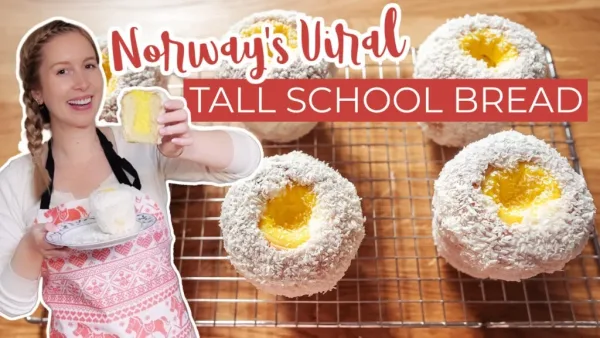
Image Source: Scandinavian Cookbook
Norwegian School Bread (Skolebrød) stands among traditional Scandinavian desserts. Its custard-filled center and coconut-topped exterior make it a sweet treat that brings back childhood memories across the Nordic region.
Origin of School Bread
School Bread first appeared in Norway during the 1950s. These delightful buns became a special treat in children’s school lunches, which gave them their name. Records show Gerda Nielsen in Oslo first baked them in 1939 for her son Jens, who started selling them to schools in the 1940s. The pastry’s name varies by region – “skolebrød” in northern and eastern Norway, “skolebolle” in western regions, and “porke” or “tolvøres” in southern areas. Arctic Norway features a similar roll called “solbolle” without icing and coconut that celebrates the sun’s return after polar night.
Key Ingredients in School Bread
This beloved Scandinavian pastry features:
- A sweet yeasted dough infused with cardamom
- Creamy vanilla custard filling in the center
- Simple sugar icing
- Generous sprinkling of dried coconut
The dough combines milk, butter, eggs and ground cardamom to create a fragrant base for the custard filling. The buns bake to a light golden brown and cool before receiving their signature icing and coconut coating.
Why School Bread is Special
The nordic dessert’s name sparked debate in the 1970s during discussions about children’s sugar consumption. Some people questioned calling a high-calorie bun “bread”. The treat’s popularity continued strong, leading to an official “School Bread Day” on the last Friday before summer vacation. A 2021 survey revealed interesting eating habits – 50% of Norwegians eat it crosswise while 47% prefer eating around the edges and saving the custard-filled center for last.
World’s Best Cake
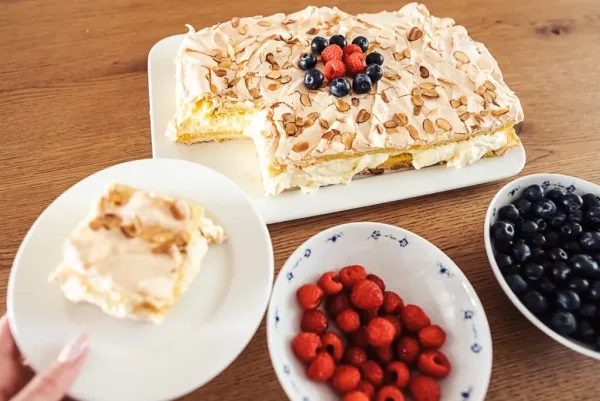
Image Source: Scandinavian Cookbook
The Norwegian national treasure Kvæfjordkake (World’s Best Cake) lives up to its bold name. This masterpiece combines delicate meringue, vanilla custard and light sponge cake in perfect harmony.
Origin of World’s Best Cake
Baker Hulda Ottestad created Kvæfjordkake in the small northern Norwegian community of Kvæfjord during the 1930s. She drew inspiration from a magazine recipe. Local cafes started serving this cake, which was first named “Verden’s Beste” (World’s Best) and its popularity soared. We recognized it as Norway’s unofficial national cake until 2002. That year, Norwegians voted it their favorite dessert in a national survey. Some regions call it “Verdens Beste,” and this beloved dessert stands as a crowning achievement in Scandinavian pastry tradition.
Key Ingredients in World’s Best Cake
This remarkable Scandinavian dessert consists of:
- Light vanilla sponge cake base
- Sweet meringue topping with almonds
- Rich vanilla custard filling
- Whipped cream layer
The cake’s signature look comes from baking meringue on top. This creates a striking contrast between the golden-brown crispy meringue and pale yellow custard.
Why World’s Best Cake is Special
The cake’s textural contrast makes it extraordinary. Without doubt, the crisp meringue pairs beautifully with soft sponge and silky custard. Its perfect balance of sweetness and lightness creates an experience that matches its grand name. The cake graces both celebrations and casual coffee gatherings, showing its versatility among Scandinavian desserts. This nordic treat’s simple appearance masks its magnificent flavor, unlike many complex layered cakes.
Danish Layer Cake

Image Source: Scandinavian Cookbook
Dansk Lagkage (Danish Layer Cake) stands as the life-blood of Denmark’s celebration culture. This layered masterpiece appears at truly special occasions.
Origin of Danish Layer Cake
Danish Layer Cake emerged in the late 1800s in Europe. The cake symbolized wealth and status since only rich families could afford its rare ingredients. The rise of the Industrial Revolution brought cast iron stoves that made cake baking available to regular households. Bakers created separate layers from individual batters through traditional methods. Modern approaches now use a single batter that gets divided or sliced. These cakes adorned extravagant banquets before they became everyday delights.
Key Ingredients in Danish Layer Cake
A genuine Dansk Lagkage contains:
- Multiple layers of vanilla sponge cake
- Generous portions of vanilla pastry cream (kagecreme)
- Seedless raspberry jam between layers
- Whipped cream for decoration
- Optional fresh berries or sprinkles on top
The sponge cake’s distinctive tender, light texture comes from potato starch. The cake reveals its best flavors a day after preparation. This waiting period lets the sponge absorb the cream and jam’s delicious essence.
Why Danish Layer Cake is Special
Danish Layer Cake captures more than just delicious flavors. The cake embodies the Danish concept of “hygge” (coziness and joy) and represents a vital part of their cultural identity. People serve it at birthdays, holiday gatherings and casual celebrations. The cake’s cultural impact runs deep. It inspired the Danish expression “ikke lutter lagkage,” which means “not just layer cake.” This phrase reminds Danes that life offers more challenges than the sweetness of layer cake.
Sarah Bernhardt Cookies
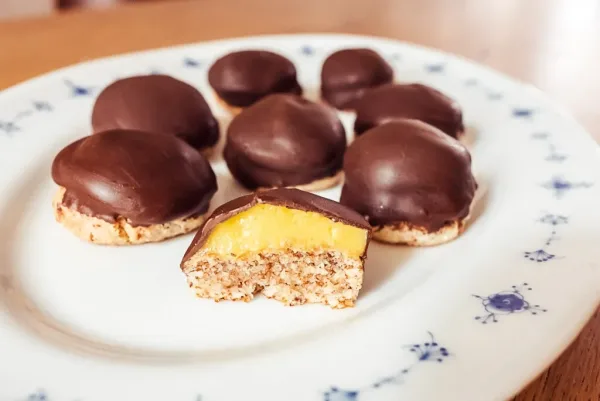
Image Source: Scandinavian Cookbook
Sarah Bernhardt Cookies represent the luxurious side of Scandinavian desserts. These triple-layered delicacies carry the name of a legendary French actress.
Origin of Sarah Bernhardt Cookies
Danish pastry chef Johannes Steen created these exquisite cookies in 1911 to honor Sarah Bernhardt, the famous French actress who visited Copenhagen in 1883. The actress’s enthusiastic praise for Danish chocolates during her visit inspired this creation. The cookies quickly spread across Scandinavia after their original development in Denmark. They became Christmas favorites in Norway and turned into beloved holiday treats in Iceland, where locals call them sörur.
Key Ingredients in Sarah Bernhardt Cookies
These Nordic treats consist of:
- An almond cookie base (some recipes use meringue-style macaroons)
- Rich chocolate cream filling
- Melted chocolate outer coating
Norwegian bakers often choose a denser kransekake dough for the base. Some bakers add yellow egg cream instead of chocolate cream, while others enhance the elegance with candied violets. The cookies’ excellent freezing quality makes them perfect for holiday preparations.
Why Sarah Bernhardt Cookies are Special
These cookies embrace their imperfections – even professional bakers create versions that look slightly lopsided. They blur the line between cookie and candy and people often serve them like petits fours at weddings and special occasions. Bakers suggest a brief freeze to create a snappier chocolate shell and maintain freshness. These Scandinavian pastries remain relatively unknown outside Nordic countries.
Aebleskiver Pancake Balls
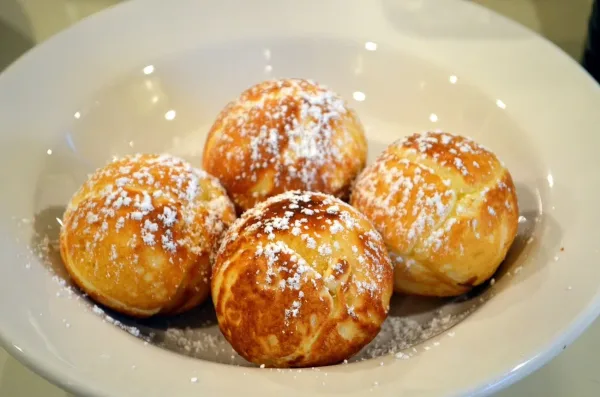
Image Source: Mennonite Girls Can Cook
Golden spherical Aebleskiver (Danish pancake balls) engage food lovers with their unique shape. These traditional Scandinavian desserts surpass regular pancakes in both form and taste.
Origin of Aebleskiver
Mystery surrounds their exact origin, though these treats likely emerged during the Middle Ages. Their name means “apple slices” because bakers originally placed apple pieces in the center. A popular legend suggests Vikings made them using battle-damaged shields. Historians dismiss this tale since Vikings used wooden shields, not metal ones. Aebleskiver became accessible to more people in the 17th century after cast iron pans with hemispherical indentations hit the market.
Key Ingredients in Aebleskiver
These Nordic desserts need basic ingredients: flour, buttermilk, eggs, sugar and salt. Traditional recipes call for separated egg whites beaten until stiff. Bakers add cardamom and lemon zest to create authentic flavors. The unique cooking technique requires turning partially-cooked batter with a knitting needle or fork until achieving a perfect sphere.
Why Aebleskiver are Special
These Scandinavian pastries get their sweetness from jam dips and powdered sugar dustings rather than the batter itself. Danish tradition serves them in groups of three. Christmas markets throughout Denmark feature these treats, but they rarely appear on restaurant menus. Their adaptability makes them perfect for casual get-togethers, kids’ parties and holiday celebrations.
Norwegian Apple Cake with Brown Cheese Frosting

Image Source: Scandinavian Cookbook
Norwegian Apple Cake with Brown Cheese Frosting blends sweet and savory flavors beautifully. This dessert stands out as the most distinctive among traditional Scandinavian treats, maybe even the most unique.
Origin of Norwegian Apple Cake
Apple cake serves as the life-blood of Norwegian food culture. Families traditionally bake it during autumn when local apples become plentiful. Norwegian hosts must serve something sweet to their guests – anything else would be impolite! Most Norwegian families treasure their apple cake recipes. These recipes pass from one generation to the next and appear regularly at afternoon coffee gatherings.
Key Ingredients in Apple Cake
This Nordic treat features a buttery sponge base that comes alive with cinnamon and fresh apple pieces. Granny Smith apples work best because their tart, firm texture holds up well during baking. The cake’s foundation uses basic ingredients: flour, sugar, eggs and butter. A mixture of brown sugar and cinnamon creates delicious caramelized notes throughout the cake.
Why Brown Cheese Frosting is Unique
Brunost (brown cheese) frosting makes this cake extraordinary. Brunost isn’t actually cheese – it’s caramelized whey. Makers boil down leftover whey until its natural milk sugars caramelize. The frosting comes together as butter melts with small pieces of brown cheese, stirred until smooth. This creates a distinctive caramel-like frosting with subtle tanginess that pairs perfectly with the spiced apple cake.
Raspberry Squares
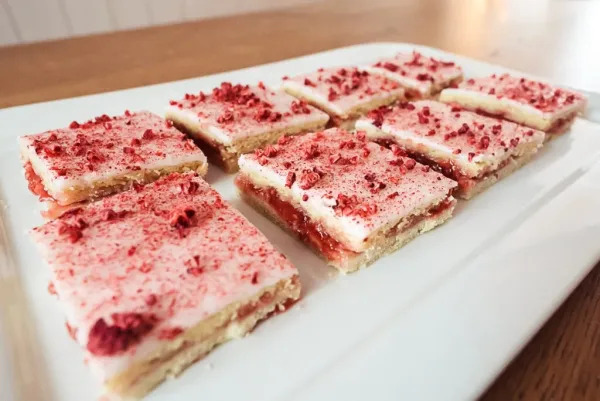
Image Source: Scandinavian Cookbook
Hindbærsnitter, known as Raspberry Squares, represents a beloved Scandinavian treat with deep Danish roots. These pastries captivate people with their simple appearance and delightful mix of sweet and tart flavors.
Origin of Raspberry Squares
Danish bakeries consider these traditional Scandinavian desserts a staple offering. The pastry shares its origins with the Latvian Alexandertorte, which bakers created to honor Tsar Alexander III during his Riga visit. The name “Hindbærsnitter” translates to “raspberry slices” or “raspberry chops” – a reference to their preparation method. Stories tell us that Hans Christian Andersen, Denmark’s celebrated fairytale author, favored these treats above all Danish pastries.
Key Ingredients in Raspberry Squares
The nordic dessert consists of:
- Two layers of sweet, flaky shortcrust pastry
- Tart raspberry jam sandwiched between the pastry layers
- Powdered sugar glaze
- Colorful rainbow sprinkles or crushed freeze-dried raspberries on top
Bakers emphasize that tart jam creates the perfect taste balance. Some recipes add ground almonds to enrich the dough.
Why Raspberry Squares are Special
People often compare these Scandinavian pastries to “gourmet pop-tarts”. The barely sweet cookie layers contrast beautifully with the sweet icing. Their understated nature makes them stand out. These treats become stars of Christmas celebrations across Scandinavia and bring “dazzle, sparkle, luster and fun” during winter’s darkest days.
Tiger Cake
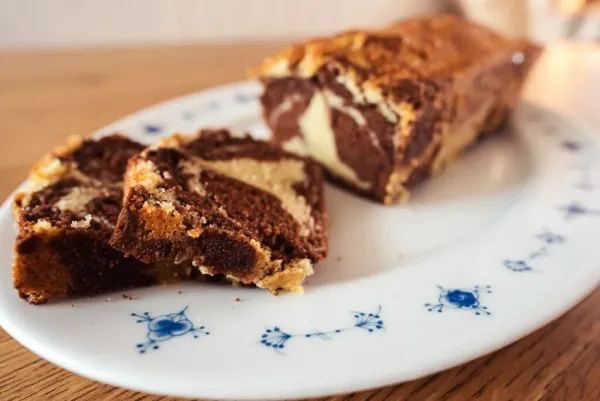
Image Source: Scandinavian Cookbook
The beloved Tiger Cake (tiikerikkakku in Finnish or tigerkaka in Swedish) stands out among traditional Scandinavian desserts with its stunning marbled interior that resembles tiger stripes.
Origin of Tiger Cake
Swedish publications first featured Tiger Cake around 1926 as a menu suggestion. The cake’s popularity grew throughout Nordic countries in the 20th century when baking powder became more available. This made sponge cakes easier to prepare. The cake’s name comes from its distinctive swirled pattern that looks like tiger markings. Mazetti brand championed this dessert and published “Mazetti’s Tiger Cake” recipe in Svenska Dagbladet newspaper in 1935.
Key Ingredients in Tiger Cake
This Nordic dessert combines:
- Simple butter cake ingredients (butter/margarine, sugar, eggs, flour, baking powder)
- Dark cocoa powder for the chocolate portion
- Vanilla extract for the light portion
- Some versions include orange zest and juice
Modern bakers add espresso powder to boost the chocolate flavor without adding coffee taste. Recent recipes often use oil instead of butter, which creates an exceptionally moist texture.
Why Tiger Cake is Special
Tiger Cake’s beauty and cultural importance make it a staple at Finnish events, from family gatherings to formal occasions. The marbling creates magic without needing a skewer through the batter – the gorgeous interior forms naturally. This Scandinavian dessert links modern bakers to their heritage through a recipe that remains largely unchanged for generations.
Kringle
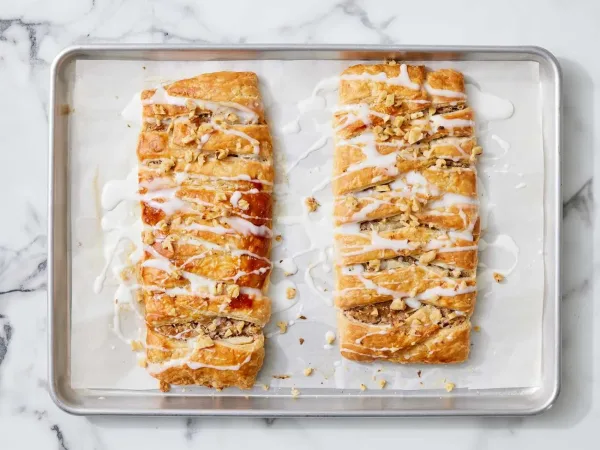
Image Source: Allrecipes
The pretzel-shaped Kringle stands out as one of Scandinavia’s most recognizable traditional desserts. Roman Catholic monks brought these delectable pastries to Denmark in the 13th century.
Origin of Kringle
Danish bakers created Kringle under Austrian influence, and its shape evolved from the original pretzel design throughout Nordic countries. The pastry’s name comes from the Old Norse word “kringla,” which means ring or circle. Danish immigrants brought this beloved pastry to America in the 19th century and settled in Racine, Wisconsin. The city now proudly calls itself the “Kringle Capital of the World”. Wisconsin’s legislature made it the state’s official pastry in 2013.
Key Ingredients in Kringle
Traditional Danish Kringles feature:
- A base made of puff pastry or yeasted dough
- Fillings that range from remonce (butter and sugar) to marzipan and raisins
- Toppings of nut flakes, coarse sugar, or icing
American versions use laminated dough (wienerbrød) that needs overnight rest. These Kringles take an oval shape instead of the pretzel form and come with generous portions of fruit, nut or cream cheese fillings.
Why Kringle is Special
Kringle represents more than just a delicious treat – it embodies cultural heritage passed down through generations. Norwegians and Danes love to pair it with their afternoon coffee. Modern Danish Kringles have evolved to feature just one crossing, unlike their original two-crossing pretzel shape. This pastry’s adaptability shines through its sweet and savory variations, securing its place as a timeless favorite among Scandinavian baked goods.
Swedish women seeking romance.
Kransekake
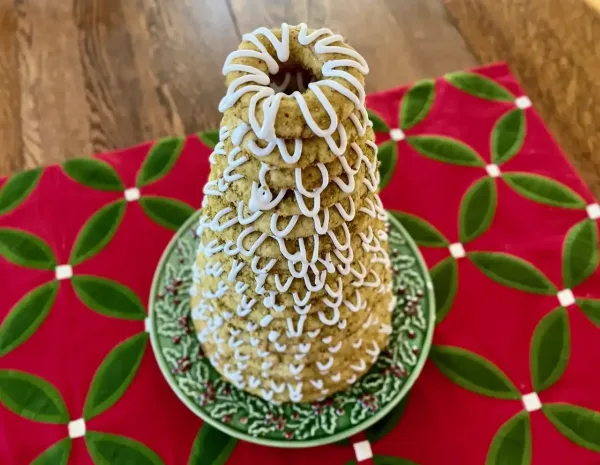
Image Source: Make Better Food
The Kransekake (wreath cake) stands tall like a festive pyramid among traditional Scandinavian desserts. Its unique stacked ring structure makes it a true masterpiece of celebratory confections.
Origin of Kransekake
A baker in Copenhagen created the Kransekake during the 18th century. The cake became a symbol of wealth because almonds were very expensive at that time. Rich families used it to show off their prosperity. The dessert transformed from an exclusive treat to become a cherished centerpiece at celebrations throughout Norway, Denmark and Iceland.
Key Ingredients in Kransekake
This Nordic masterpiece needs just three basic ingredients:
- Ground almonds
- Powdered sugar
- Egg whites
The combination creates a chewy, marzipan-like texture with a nutty flavor. The cake’s texture is unique – hard on the outside yet soft and chewy inside. Bakers stack at least 18 concentric rings of dough in decreasing sizes to build this impressive tower.
Why Kransekake is Special
You’ll find Kransekake at almost every major Scandinavian celebration. We see it at weddings, Christmas, Norwegian Independence Day and baptisms. Norwegians love it so much at weddings that people call it the “Norwegian Wedding Cake”. A fun tradition lets the newlyweds lift the top layer—the number of rings that stick predicts their future children. The record for the tallest Kransekake belongs to Oslo. Their 2006 creation reached 13.17 meters and used more than 700 kilograms of dough.
Chocolate Oat Balls

Image Source: The Travel Bite
Chocolate Oat Balls, known as chokladbollar in Swedish and havregrynskugler in Danish, are small, round treats cherished throughout Scandinavia. These delightful sweets prove that the most memorable traditional Scandinavian desserts come from simple recipes.
Origin of Chocolate Oat Balls
The story of these no-bake treats began during World War II rationing, with the first recipes appearing in 1943. Danish families received a creative cooking guide called “Ingenuity in a time of crisis” that contained the original recipe. The Swedish newspaper “Svenska Dagbladet” published a similar version that same year. Wheat flour shortages pushed creative bakers to find new alternatives and these treats were born.
Key Ingredients in Chocolate Oat Balls
The magic of these Nordic desserts comes from just five basic ingredients:
- Rolled oats that replace traditional flour
- Cocoa powder gives them rich chocolate flavor
- Butter holds everything together
- Sugar (though some now use honey instead)
- Coffee brings out the chocolate taste
Bakers typically roll these treats in coconut flakes or pearl sugar. Modern recipes sometimes use healthier options like date syrup or virgin coconut oil.
Why Chocolate Oat Balls are Special
Children love these treats because they can make them without any baking. The recipe’s flexibility allows creative twists – orange essence, chili or gingerbread spice add exciting new flavors. These sweet morsels create lasting family bonds as Scandinavian grandparents pass down their recipes to eager young bakers.
Fyrstekake
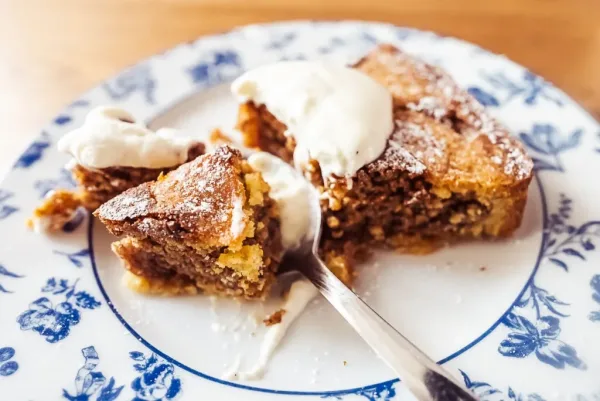
Image Source: Scandinavian Cookbook
Fyrstekake (Prince’s Cake) captures the essence of Norwegian tradition with its royal heritage and delightful almond flavor. This masterpiece stands as proof of Scandinavia’s rich baking heritage.
Origin of Fyrstekake
Erichsen’s Bakery in Trondheim, Norway created this classic “Prince’s Cake” in 1856 and it quickly became part of Norwegian culture. The recipe came with such mystery that bakers would weigh ingredients after dark to protect its secrets. The recipe’s value showed in a unique tradition – departing pastry chefs received their copy on yellowed paper hidden behind a loose brick near the ovens. Fyrstekake has managed to keep its charm through generations, gracing both casual coffee tables and festive celebrations.
Key Ingredients in Fyrstekake
This Nordic treasure combines:
- A buttery shortbread crust (mørdeig)
- Rich almond paste filling (makronfyll)
- Slivered almonds that add perfect crunch
- Optional splashes of cognac, brandy or rum
Bakers prefer freshly ground almonds over almond flour because they create better flavor. The dough challenges most bakers, but its exceptional taste makes the effort worthwhile.
Why Fyrstekake is Special
Norwegians might call it old-fashioned now, but Fyrstekake remains a cornerstone of Christmas and family gatherings. The magic happens in the contrast between its crisp, golden-brown crust and soft, gooey almond filling. This Scandinavian treasure stays fresh up to one week in the fridge and three months in the freezer.
Lefse Kling
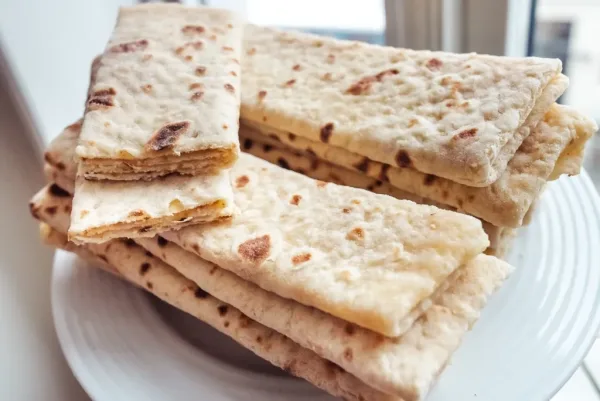
Image Source: Scandinavian Cookbook
Nestled in Norway’s valleys, Lefse Kling stands as a treasured regional specialty. Numedal’s locals proudly call their beloved treat “kling,” though others might know it simply as lefse.
Origin of Lefse Kling
Numedal and Telemark’s traditional Scandinavian dessert, Lefse Kling, has deep historical roots. Potatoes didn’t become part of lefse recipes until the 1800s. Numedal’s residents still make all but one of these klings with flour. The locals thought over this choice to keep kling special. They continued using premium ingredients like eggs, cream, butter, and white flour, even after potatoes became a cheaper option in the 1800s.
Key Ingredients in Lefse Kling
This elegant Nordic dessert needs just a few simple ingredients:
- Whole milk heated with butter
- Flour to create a smooth dough
- Sugar and butter for the filling
A traditional recipe combines margarine, lard, milk and flour for the base. Telemark’s version offers a richer filling that blends butter, powdered sugar, sour cream, vanilla sugar and cinnamon.
Why Lefse Kling is Special
Each region’s unique Lefse Kling recipe connects families through grandmother’s treasured recipes. These traditional Scandinavian desserts serve many purposes today. Sweet versions complement coffee or tea perfectly, while plain kling tastes great with soups, fish and trout mousse. Making lefse has become a cherished cultural ritual. Families can freeze it before or after adding butter and sugar, which makes it both practical and special.
Swedish Flop

Image Source: Home Sweet Sweden
Swedish Flop cake brings together Scandinavian roots and Midwest American charm. This layered treat with its creamy filling remains a hidden gem beyond its regional strongholds.
Origin of Swedish Flop
The Chicagoland area embraced this layered dessert, and locals still remember the long bakery lines to get their hands on it. The cake found its home in Swedish-American communities, like Chicago’s Andersonville district. Bakeries could barely keep up with demand when it first appeared decades ago.
Key Ingredients in Swedish Flop
This Nordic dessert comes together with these essential components:
- A light, fluffy yeasted cake base
- Rich cream filling, sometimes mixed with fruit preserves
- Crisp streusel topping
- A final dusting of powdered sugar
Some bakers add vanilla pudding and whipped cream to the filling. Others prefer to balance flavors with tart rhubarb or raspberry jam.
Why Swedish Flop is Special
This cake stands as a regional treasure that brings back childhood memories for many. The mix of tender cake, silky filling and crumbly topping creates an experience that outshines other Scandinavian desserts. You can enjoy this coffee cake any time of day.
Comparison Table
| Dessert Name | Country of Origin | Main Ingredients | Special Characteristics | Traditional Occasions/Uses |
|---|---|---|---|---|
| Silvia Cake | Sweden | Eggs, sugar, flour, water, coconut topping | Queen Silvia’s namesake cake with unique water-based sponge | Fika (coffee breaks) |
| Success Cake | Norway | Almond base, egg yolks, cream, vanilla | Gluten-free cake known as “gulkake” (yellow cake) | Easter, confirmations, birthdays |
| Dream Cake | Denmark | Vanilla sponge, coconut-caramel topping | Brovst’s creation that won a 1960s competition | General celebrations |
| Sunshine Buns | Norway | Cardamom dough, vanilla custard, icing | Sun-shaped center design | Celebrates sun’s return after polar night |
| School Bread | Norway | Cardamom dough, custard, coconut | A 1950s creation for school lunches | Daily treats, school lunches |
| World’s Best Cake | Norway | Sponge cake, meringue, vanilla custard, almonds | Norway’s national cake since 2002 | Celebrations, coffee gatherings |
| Danish Layer Cake | Denmark | Vanilla sponge, pastry cream, raspberry jam | Layered cake with potato starch sponge | Birthdays, holiday gatherings |
| Sarah Bernhardt Cookies | Denmark | Almond base, chocolate cream, chocolate coating | A 1911 tribute to the French actress | Christmas, special occasions |
| Aebleskiver | Denmark | Flour, buttermilk, eggs, cardamom | Ball-shaped treats made in special pans | Christmas markets, casual gatherings |
| Tiger Cake | Sweden | Butter cake base, cocoa powder | Marbled pattern design | Family gatherings, coffee occasions |
| Kringle | Denmark | Puff pastry/yeasted dough, various fillings | Pretzel or oval shaped pastry | Afternoon coffee |
| Kransekake | Denmark | Ground almonds, powdered sugar, egg whites | Graduated ring tower | Weddings, Christmas, baptisms |
| Chocolate Oat Balls | Sweden/Denmark | Oats, cocoa, butter, sugar, coffee | WWII-era no-bake treat | Children’s treats, casual snacks |
| Fyrstekake | Norway | Shortbread crust, almond paste filling | Erichsen’s Bakery’s 1856 creation | Christmas, family celebrations |
| Swedish Flop | Swedish-American | Yeasted cake, cream filling, streusel topping | Chicago’s Swedish community favorite | Daily coffee cake |
Enjoy Scandinavian Desserts
Scandinavian desserts give us a wonderful peek into Nordic culture. Sweet traditions showcase centuries of heritage through simple yet distinctive flavors. These delectable treats show how bakers in Norway, Sweden and Denmark turned simple ingredients like almonds, cardamom and fresh berries into extraordinary creations perfect for celebration tables and everyday coffee breaks.
Desserts like Silvia Cake and the aptly named World’s Best Cake have royal connections that add prestige to Scandinavian baking traditions. Many of these recipes came from humble beginnings during tough times. Chocolate Oat Balls, for example, were created during World War II rationing.
These traditional recipes work as cultural touchstones and connect generations through shared experiences. School Bread brings back childhood memories for countless Norwegians, while the majestic Kransekake still marks life’s biggest celebrations. Norwegian Apple Cake’s use of brunost (brown cheese) shows how Scandinavian bakers create unique flavor combinations.
Home bakers will find most of these desserts surprisingly easy to make. Dream Cake got its name from taste rather than complexity and Tiger Cake creates its striking look with minimal work. These recipes mostly use pantry staples and time-tested techniques instead of fancy ingredients.
Without doubt, these 23 traditional Scandinavian desserts are just a taste of the Nordic region’s sweet treasures. Each recipe tells stories of breakthroughs, celebration and cultural pride that live on through generations. Next time you have friends and family at your table, think about adding some Scandinavian sweetness – your guests might find new favorites that your grandmother never got to share.
FAQs
Q1. What are some popular traditional Scandinavian desserts?
Some beloved Scandinavian desserts include Silvia Cake from Sweden, Success Cake from Norway, Dream Cake from Denmark, Kransekake (wreath cake), and Aebleskiver (Danish pancake balls). These treats showcase the region’s love for ingredients like almonds, cardamom and berries.
Q2. Are there any unique ingredients used in Scandinavian desserts?
Yes, Scandinavian desserts often feature distinctive ingredients. For example, the Norwegian Apple Cake incorporates brown cheese (brunost) in its frosting. Cardamom is also widely used, appearing in treats like Sunshine Buns and School Bread.
Q3. What’s special about the Kransekake?
Kransekake, or wreath cake, is a towering confection made of concentric almond cookie rings. It’s a centerpiece at major Scandinavian celebrations like weddings and Christmas. Interestingly, at weddings, the number of rings that stick when the top is lifted is said to predict how many children the couple will have.
Q4. Are Scandinavian desserts difficult to make at home?
Many Scandinavian desserts are surprisingly approachable for home bakers. While some, like the Kransekake, require special equipment, others like Dream Cake or Tiger Cake are relatively simple to prepare. Most recipes use common pantry ingredients and traditional techniques rather than complex processes.
Q5. How do Scandinavian desserts reflect the region’s culture?
Scandinavian desserts often embody cultural values and traditions. For instance, many treats are associated with “fika,” the cherished Swedish coffee break tradition. Others, like School Bread, reflect historical periods, having been created for children’s lunches in the 1950s. The use of local ingredients and the emphasis on sharing these desserts during gatherings also highlight the importance of community in Scandinavian culture.


Leave A Comment