
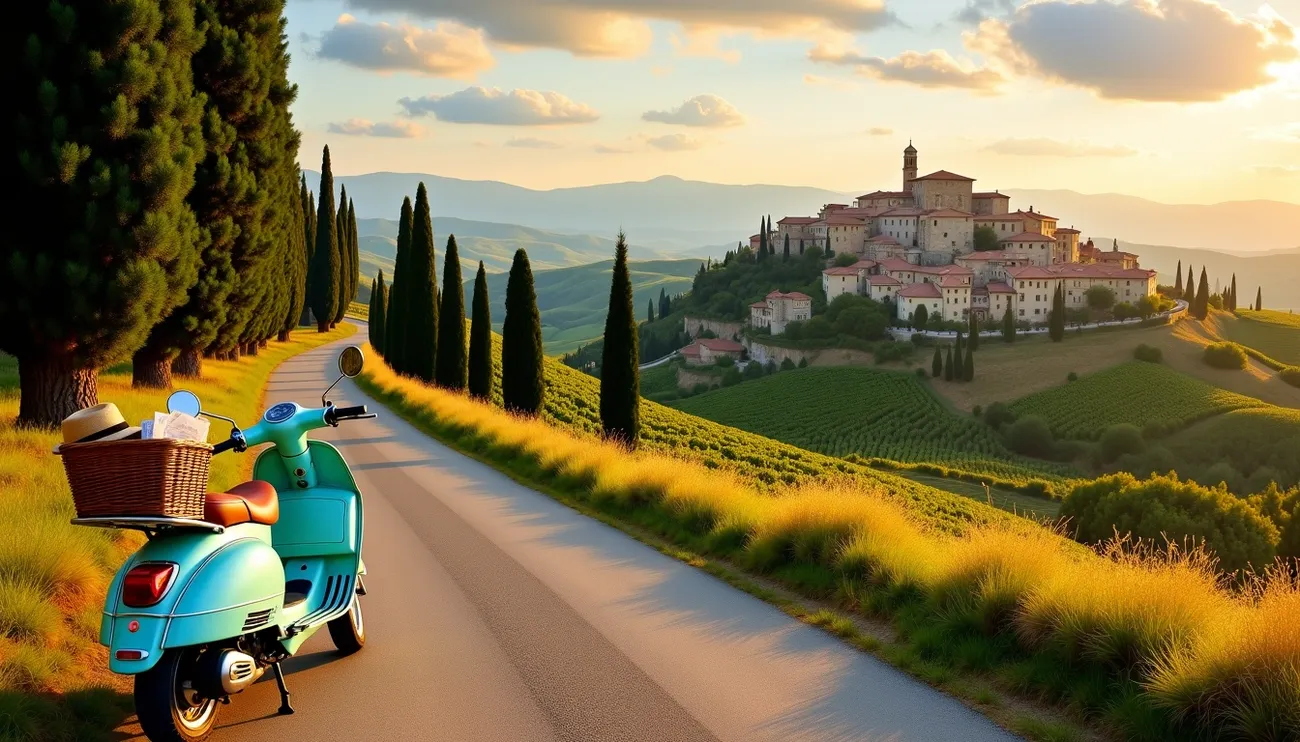
Rome’s weekend travelers can escape the eternal city without long-distance travel hassles. The city’s ancient ruins and bustling piazzas are amazing, but hidden gems await just beyond its borders.
Many remarkable destinations lie within a three-hour radius of Italy’s capital. Civita di Bagnoregio, a UNESCO World Heritage Site nominee, connects to the outside world through a single pedestrian bridge. The majestic Rocca Calascio fortress stands 1,500 meters high in the Apennine mountain range. Nature lovers will find Gran Sasso National Park just two hours from Rome, while Orvieto’s verdant rolling hills offer a peaceful retreat.
Getting to these weekend destinations is easier than you might think. High-speed trains reach Florence in just 1.5 hours, and Naples provides one of the most budget-friendly breaks from the capital. Train travel opens up many possibilities – you can reach Castelli Romani, the Pope’s summer residence, in only 25 minutes. This curated list of 15 hidden gems showcases Italy’s rich cultural heritage in a variety of landscapes, perfect for overnight stays in medieval villages or quick trips to coastal retreats.
Orvieto
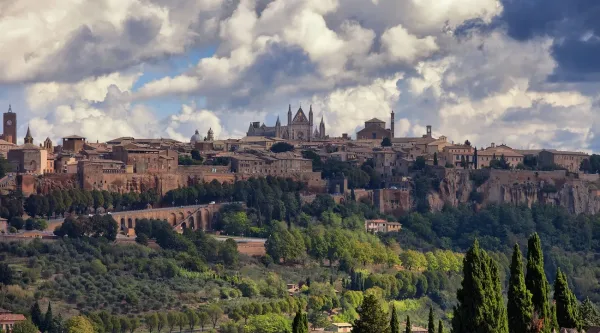
Image Source: Umbria Tourism
Orvieto sits majestically on a dramatic tufa cliff in Umbria. This charming hilltop town combines rich Etruscan history with medieval charm and makes a perfect weekend escape from Rome.
What makes Orvieto special
The town’s charm comes from its nearly 3,000-year history and its position 325 meters above sea level. A mesmerizing cathedral dominates the town’s skyline and features one of Italy’s most beautiful façades with stunning mosaics and carvings. The town hides a fascinating underground world of 1,200+ caves and tunnels that date back to Etruscan times.
How to get to Orvieto from Rome
Getting to Orvieto from Rome is simple. Trains run 18 times daily between the cities. The trip usually takes 1 hour 26 minutes. Quick services cover the 97 km route in just 1 hour. You can get train tickets from €9.80 by booking early. A funicular takes visitors from Orvieto station up to the historic center for €1.30 each way.
Top things to do in Orvieto
The Duomo di Orvieto catches every visitor’s eye with its striking Gothic architecture. The St. Patrick’s Well (Pozzo di San Patrizio) shows off Renaissance engineering at its best, reaching 54 meters deep. The Torre del Moro rewards climbers with breathtaking 360-degree views after 230 steps. Guided tours through Orvieto Underground reveal the town’s hidden history beneath the streets.
Where to eat in Orvieto
Trattoria La Palomba ranks high among visitors who love authentic Umbrian food. Trattoria Del Moro Aronne serves exceptional local dishes, but you should book ahead as locals pack it regularly. Local restaurants proudly serve regional specialties with wild boar, truffles, and the town’s signature dish – pigeon.
Where to stay in Orvieto
The upper town has few places to stay, so book your accommodation early. Hotel Duomo puts you right next to the cathedral. B&B Orvieto Sant’Angelo 42 welcomes guests into a charming stone-floored house that feels like home. Hotel La Badia, a transformed 12th-century abbey just outside town, gives guests a unique place to rest.
Tivoli
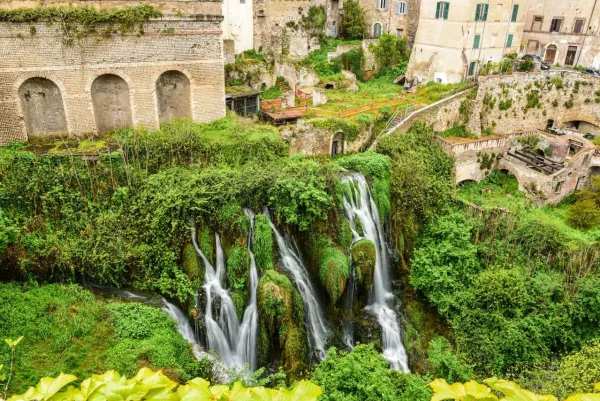
Image Source: Discovery Guided Tours
Tivoli sits just 30 kilometers east of Rome. People have used this charming town as their favorite getaway spot since ancient times. It ranks among the best weekend destinations from Rome, blending imperial grandeur with Renaissance beauty right next to the capital.
What makes Tivoli special
Tivoli (ancient Tibur) is older than Rome itself. Records show it was founded in 1215 BC. The town became a prized settlement because of its location on central Italian roads linking Rome to Abruzzo. Emperors and cardinals loved its perfect climate and made it their escape from Rome’s bustle. The town earned a rare honor in 1999 when UNESCO named both Villa Adriana and Villa d’Este as World Heritage sites.
How to get to Tivoli from Rome
Getting to Tivoli from Rome is easy. You can catch a bus from Roma Tiburtina station that takes 34 minutes and costs €2-3. Trains run every hour from Roma Tiburtina, with a one-hour ride costing €4-6. Driving gets you there fastest in 33 minutes, and rideshares cost about €3. From central Rome, take the subway to Ponte Mammolo station and catch a bus to Tivoli.
Top things to do in Tivoli
The must-see attractions include:
- Villa d’Este: This Renaissance masterpiece shows off spectacular gardens with over 50 fountains that work purely on gravity
- Villa Adriana: Emperor Hadrian built this massive 120-hectare complex between 118-138 AD. It features architectural elements from Egypt, Greece, and Rome
- Villa Gregoriana: Pope Gregory XVI created this park that features woods, ancient ruins, natural caves, and a stunning waterfall
Where to eat in Tivoli
Ristorante Sibilla stands out as Tivoli’s historic food landmark since 1720. Even Princess Margaret has dined here. Il Ciocco serves excellent traditional Italian food with local specialties. Seafood lovers should try Taverna Quintilia, which also serves Roman favorites like amatriciana and cacio e pepe.
Where to stay in Tivoli
Tivoli has about 95 hotels with rooms from USD 78 to USD 132 depending on when you visit. Bed & Breakfast Villa Adriana and Hotel Le Rose sit close to Villa d’Este. Families love Villa Adriana Hotel, Hotel Aurora, and Idria Hotel. Victoria Terme Hotel might interest you if you want to try Le Terme di Roma Acque Albule spa.
Sperlonga
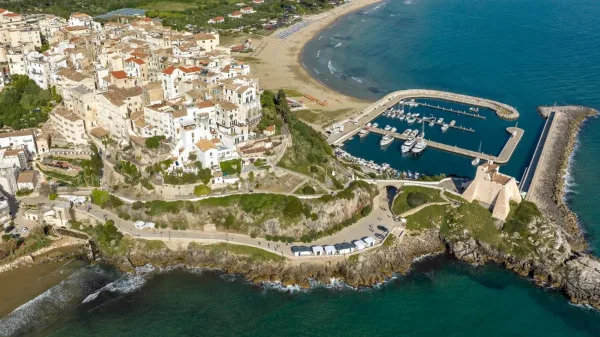
Image Source: Ita.travel
Sperlonga sits between Rome and Naples along the Tyrrhenian Sea. This striking whitewashed village with golden sand beaches makes one of the most picturesque weekend trips from Rome. The coastal haven blends ancient history with Mediterranean charm and serves as an ideal seaside escape from the capital.
What makes Sperlonga special
The Latin word “spelunca” (cave) gave Sperlonga its name, which points to the sea grotto that became Emperor Tiberius’ luxurious villa. The town creates a striking sight as tiny white-washed shuttered houses stack up on a limestone promontory. Sperlonga’s glamorous past includes visits from famous personalities like Marlene Dietrich, Brigitte Bardot, Arthur Miller, Andy Warhol, and Albert Camus.
How to get to Sperlonga from Rome
Getting to Sperlonga from Rome couldn’t be easier. A train ride to Fondi-Sperlonga station takes about 1 hour 15 minutes and costs from €7. Local busses or taxis cover the remaining 10-kilometer stretch to Sperlonga in 20-25 minutes. Drivers can reach there in about 2 hours using the A1 Rome-Naples highway.
Top things to do in Sperlonga
The Villa of Tiberius and its archeological museum stands out among the town’s attractions, showcasing remarkable sculptures from Homer’s Odyssey. The medieval old town welcomes visitors with its narrow alleys and vaulted archways. All the same, Sperlonga’s stunning Blue Flag beaches remain the biggest draw, and their shallow waters make them perfect for families.
Where to eat in Sperlonga
Gli Archi serves exceptional seafood in a romantic courtyard setting. Ristorante Pizzeria Tropical welcomes diners with unpretentious food and outdoor seating. Il Porticciolo pairs high-quality food with beautiful harbor views. Local favorites include linguine allo scoglio (ribbon pasta with crustaceans) and spaghetti con frutti di mare.
Where to stay in Sperlonga
You’ll find everything from beachfront hotels to hillside properties here. Hotel Aurora captures old-world charm with its sea views and garden terrace. Families love Vento Verde Apartments for its beach proximity and swimming pool. Virgilio Grand Hotel mixes modern rooms with Mediterranean style and runs a beach club shuttle service.
Tarquinia
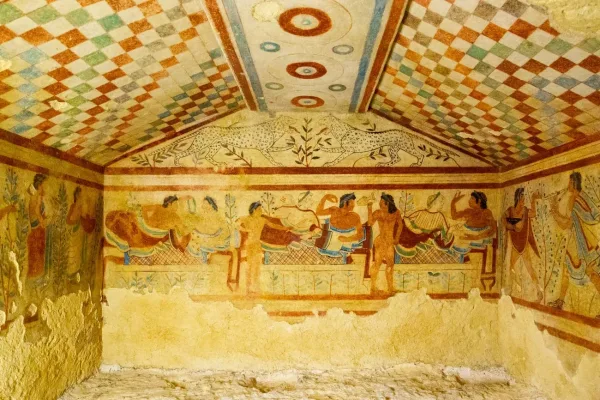
Image Source: Tarquinia Turismo
Tarquinia offers history lovers one of the most fascinating weekend trips from Rome. This ancient Etruscan capital contains exceptional archeological treasures that earned UNESCO World Heritage status. The site reveals rare glimpses into Italy’s sophisticated pre-Roman culture.
What makes Tarquinia special
The Mediterranean’s largest Etruscan necropolis lies in Tarquinia, with approximately 6,000 tombs dating to the 7th century BC. The site features 200 painted tombs with vibrant frescoes that give us the most detailed visual record of Etruscan life and beliefs. D.H. Lawrence captured its beauty perfectly when he wrote: “This is one of the most beautiful landscapes I’ve ever seen”.
How to get to Tarquinia from Rome
Tarquinia sits 90 kilometers northwest of Rome and you can reach it by public transportation. Direct trains run from Roma Termini station with the trip taking 1 hour 15 to 1 hour 30 minutes. Tickets cost about €7. Drivers can take the A12 highway and arrive in roughly 1 hour 30 minutes.
Top things to do in Tarquinia
The Monterozzi Necropolis stands out as the main attraction with its remarkable painted tombs showing magical and religious scenes. Renaissance-era Palazzo Vitelleschi houses the National Archeological Museum which displays amazing Etruscan artifacts, including the unique “Cavalli Alati” (Winged Horses) terracotta relief. The medieval old town rewards visitors with its towers, churches, and scenic views.
Where to eat in Tarquinia
The local restaurants showcase traditional Tuscia region’s dishes. Ristorante Il Mandorlo serves authentic Etruscan-inspired cuisine, while La Capanna del Buttero offers hearty meat dishes in a rustic setting.
Where to stay in Tarquinia
You’ll find accommodations from the historic center to the seaside. Camere Del Re puts you in the heart of a historic building, just steps from major attractions at $64 per night. Hotel Villa Tirreno provides a more upscale option with boutique styling outside the city center, with rooms from $129-152 nightly.
How to avoid tourists in Rome.
Lake Bracciano
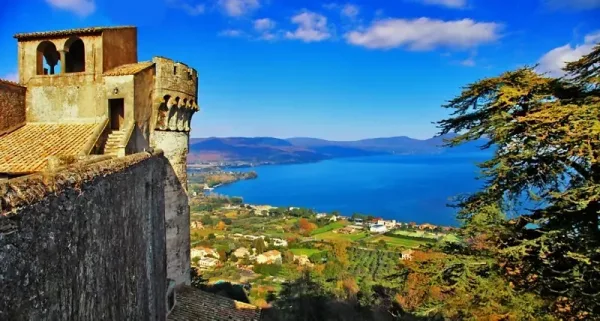
Image Source: Discover Italy: Official Tourism Website
Lake Bracciano sits less than an hour from Rome’s bustling streets. This serene volcanic lake retreat ranks among the best weekend escapes from Rome. The crystal-clear waters and medieval towns create a stark contrast to the capital’s urban setting.
What makes Lake Bracciano special
The lake’s super clear waters and shaded beaches draw visitors to its pretty towns. Local cafes, bars, and restaurants line the shoreline. The lake serves as Rome’s emergency water source, and motorboats aren’t allowed here. This restriction helps maintain its peaceful atmosphere. The lake’s shores are home to three medieval towns: Bracciano, Anguillara Sabazia, and Trevignano Romano. Each town has its own distinct charm.
How to get to Lake Bracciano from Rome
Getting to Lake Bracciano is easy. The train ride from Rome takes about 1 hour and 4 minutes. Quick services can get you there in 53 minutes. Trains depart 27 times throughout the day. Advance tickets cost as little as $4.46. A drive from Rome takes just 44 minutes.
Top things to do in Lake Bracciano
The Orsini-Odescalchi Castle stands as the main attraction in Bracciano town. Visitors can explore its furnished rooms, museum, and take in panoramic views. The lake beckons outdoor lovers with swimming, windsurfing, and kayaking options. Nature enthusiasts will love the Bracciano-Martignano Natural Park. The park features great hiking trails, cycling routes, and diverse local wildlife.
Where to eat in Lake Bracciano
The towns around the lake offer unique dining spots. Trattoria del Castello serves excellent dishes near Bracciano’s castle. Ristorante Il Gabbiano lets you enjoy fresh fish with stunning lake views. La Pergola blends traditional Italian cuisine with modern flair.
Where to stay in Lake Bracciano
The lake’s shores feature everything from cozy guesthouses to luxury hotels. Hotel Villa Clementina lies 30 km north of Rome. This magnificent country house boasts a swimming pool and artistic ambiance. Staying in Bracciano town puts you close to both the castle and lake activities.
Ponza
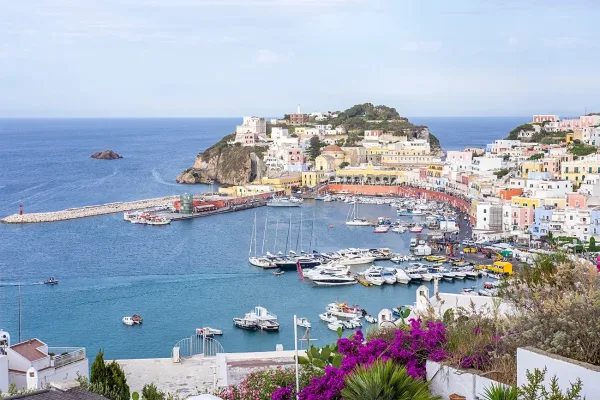
Image Source: visitponza
Ponza stands out as a perfect weekend getaway from Rome, nestled off Italy’s western coast. This largest island in the Pontine archipelago charms visitors with its authentic character, making it a beloved escape for Romans seeking coastal retreats.
What makes Ponza special
The island’s vibrant port welcomes visitors with pastel-colored houses that dot the hillsides. Just 80 nautical miles from the Amalfi Coast, Ponza remains untouched by mass tourism. The island’s raw beauty and simplicity attract travelers who love hidden rocky coves instead of packed beaches. Each cove reveals “50 shades of blue” waters with unique seabeds.
How to get to Ponza from Rome
The journey to Ponza combines land and sea travel. Direct ferries run twice daily from Rome and take about 1 hour 15 minutes, with tickets starting at USD 35. Another option lets travelers take a train from Roma Termini to Formia or Anzio. From there, they can catch a Laziomar hydrofoil (1.5 hours) or ferry (2.5 hours).
Top things to do in Ponza
A boat trip around Ponza’s coastline is the best way to discover magnificent swimming spots. Cala Feola beckons with natural pools, while Chiaia di Luna shows off dramatic white cliffs. The crystal-clear waters of Cala Lucia Rosa, Cala dell’Acqua, and Frontone Beach are worth a visit – though you’ll need a ferry from port to reach them. Adventure seekers should not miss a boat trip to Palmarola, an uninhabited island with pristine waters and wild landscapes.
Where to eat in Ponza
La Marina in Cala Feola serves authentic island dishes, including their famous parmigiana made with fresh cactus paddles. Ristorante Eea pairs fine cuisine with stunning views, and Da Enzo al Frontone delights guests with fresh seafood by the beach. Near the port, Oresteria serves creative dishes at bright blue tables.
Where to stay in Ponza
The island’s accommodations focus on charm rather than luxury. Hotel Chiaia di Luna sits atop a hill with amazing sunset views over its crescent bay. Gennarino A Mare feels like a cozy guesthouse with its own waterfront restaurant. Budget travelers will find comfortable rooms at Hotel Mari Ponza right in the port. Villa Laetitia, renovated by Anna Fendi Venturini, adds a touch of elegance with its beautifully designed rooms.
Castelli Romani
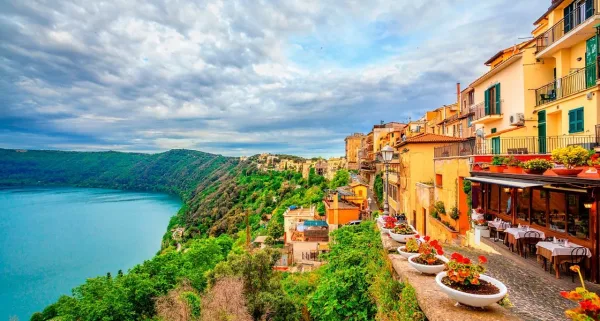
Image Source: Discover Italy: Official Tourism Website
The charming villages of Castelli Romani lie scattered across the Alban Hills southeast of Rome. These ancient towns have given Romans a break from city life since ancient times and still keep traditions alive after thousands of years.
What makes Castelli Romani special
The region’s impressive wine heritage features two DOCGs (Frascati Superiore and Cannellino) and seven DOCs, which shows its centuries-old winemaking traditions. The area’s volcanic soil, cooler climate, and location near lakes Albano and Nemi create ideal conditions for unique wines. The area has been named “Italian Wine City 2025,” bringing eleven municipalities together to celebrate their shared cultural heritage.
How to get to Castelli Romani from Rome
You can catch the Castelli Romani Line train from Roma Termini and reach Frascati in just 30 minutes. Trains run every hour to Marino Laziale and take about 34 minutes, with tickets costing €3-5. Another option connects busses from Termini to Anagnina with regional services, taking about 1 hour 54 minutes total. Driving might be your best bet if you want flexibility – it takes around 29 minutes.
Top things to do in Castelli Romani
Wine tasting at local vineyards tops the list of activities. Villa Aldobrandini, an impressive 1500s villa, stands proud over Frascati and deserves a visit. Traditional fraschette (rustic taverns) are a great way to get authentic wine-tasting experiences that date back to medieval times. The area’s historic villas, volcanic lakes, and scenic viewpoints add to its charm.
Where to eat in Castelli Romani
The original fraschette serve local wines with porchetta (roast pig seasoned with herbs), regional pastas, and classic Roman dishes. Many places offer farm-to-table meals that include traditional favorites like abbacchio alla scottadito (grilled lamb chops).
Where to stay in Castelli Romani
You’ll find great places to stay like Tenuta di Pietra Porzia, a vineyard resort with 12 rooms set in a historic estate with gardens and swimming pools. Merumalia Wine Resort lets you experience authentic agriturismo life among vineyards and olive groves. Looking for lake views? Try the hotels near Castel Gandolfo.
Civita di Bagnoregio
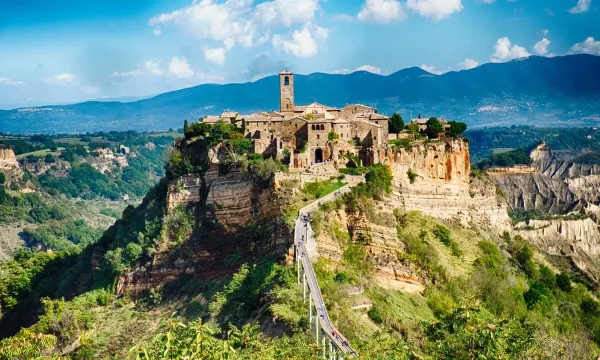
Image Source: The Guardian
A fragile tufa ridge suspends this ancient settlement above a massive canyon. Civita di Bagnoregio offers one of the most hauntingly beautiful weekend trips from Rome. People call it “the dying city,” yet this remarkable place continues to defy gravity and time itself.
What makes Civita di Bagnoregio special
Etruscans built this town over 2,500 years ago, and its dramatic isolation makes it unique. Visitors can reach the town only by crossing a 300-meter pedestrian bridge that spans the valley. The medieval village, home to just 11 permanent residents, looks much the same as it did centuries ago. Its remarkable preservation and ongoing geological changes have made it a candidate for UNESCO World Heritage status.
How to get to Civita di Bagnoregio from Rome
Travelers can take a train to Orvieto which takes about 1 hour 15 minutes, then catch a bus to Bagnoregio. Driving takes roughly 1 hour 52 minutes from Rome. Cars must stay outside Civita – everyone walks the final 10 minutes across the famous footbridge.
Top things to do in Civita di Bagnoregio
Ancient architecture fills the cobbled streets. An Etruscan passageway with a 12th-century Romanesque arch welcomes visitors at the town entrance. The Piazza San Donato serves as the town’s heart, while Etruscan engineering shines through the ancient cellars and cisterns below.
Where to eat in Civita di Bagnoregio
Alma Civita leads the dining scene with its elegant atmosphere and truffle-infused pasta. Hostaria La Cantina serves local wines paired with fresh bruschette. At Trattoria Antico Forno, the owner personally prepares authentic dishes to order.
Where to stay in Civita di Bagnoregio
Civita has few places to stay, but nearby Orvieto provides excellent options like Hotel Duomo and Altarocca Wine Resort. Many visitors choose Libera Mente Civita in Bagnoregio for its proximity to Civita.
Assisi
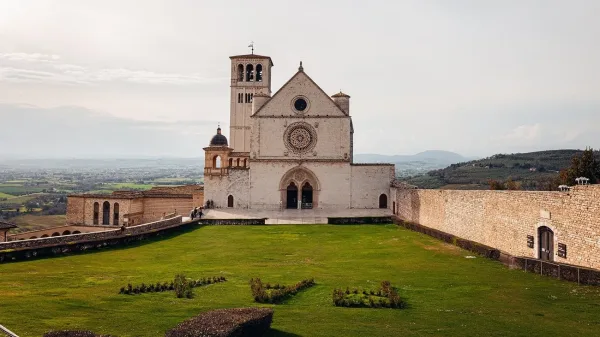
Image Source: Visit-assisi.it
Assisi, Italy’s spiritual heart, draws pilgrims and travelers who want reflective weekend escapes from Rome. The medieval city sits gracefully on Mount Subasio’s slopes, and its ancient streets exude a peaceful atmosphere.
What makes Assisi special
Assisi received UNESCO World Heritage status in 2000 due to its remarkable historical continuity and cultural importance. Saint Francis’s birthplace (1182-1226) and Saint Chiara’s (Clare) home has shaped the world with its message of peace and tolerance for centuries. Visitors can enjoy spectacular views of the Umbrian countryside from this beautiful hillside setting.
How to get to Assisi from Rome
Roma Termini operates 15-19 daily trains. Travel times vary from 1 hour 56 minutes on express services to 3 hours 4 minutes on regular trains. Advance booking tickets cost from €9.90. Local busses take visitors from Assisi’s station in Santa Maria degli Angeli to the historic center within 10 minutes.
Top things to do in Assisi
The grand Basilica of San Francesco consists of two churches (Upper and Lower) with the Saint’s tomb in its crypt. Visitors can admire masterpieces by Giotto and Cimabue here. The Basilica of Santa Chiara houses both saints’ relics, while the Rocca Maggiore castle provides sweeping countryside views. The well-preserved Roman Temple of Minerva showcases the city’s ancient heritage.
Where to eat in Assisi
Trattoria Pallotta near Piazza del Comune serves authentic Umbrian dishes. La Stalla, located just outside town, offers a memorable dining experience in rustic surroundings. Local favorites include umbricelli pasta and pigeon alla ghiotta.
Where to stay in Assisi
Visitors can choose from family-friendly guesthouses or monastery accommodations. Istituto Beata Angelina offers stunning views across from the Basilica. Religious houses throughout town provide authentic stays with warm hospitality and convenient locations.
Viterbo
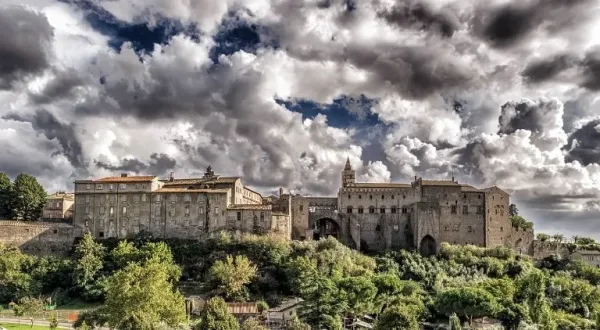
Image Source: KiiiU
Viterbo, known as the “City of Popes,” draws history lovers with its authentic medieval charm. This perfect weekend getaway from Rome showcases ancient walls, papal palaces, and soothing thermal waters.
What makes Viterbo special
Viterbo became a crucial papal residence in the 13th century. Seven popes lived here, and the city hosted five papal elections. The city boasts one of Europe’s largest medieval quarters. Time seems frozen among its gray stone buildings, intimate squares, and sculpted fountains. The remarkable “Palazzo dei Papi” stands as Italy’s finest medieval papal palace outside Rome. Only Avignon’s 14th-century complex in France surpasses it.
How to get to Viterbo from Rome
Rome and Viterbo connect through 16 daily trains. A typical ride takes 1 hour and 48 minutes. The quickest services cover the 65 km route in 1 hour 39 minutes. Tickets cost from USD 6.93 with advance booking. Regular direct trains make this an easy day trip option.
Top things to do in Viterbo
Palazzo dei Papi dominates Piazza San Lorenzo, showcasing Viterbo’s historical might. Next door, the Cathedral of San Lorenzo combines a simple Romanesque exterior with Baroque splendor inside. The Terme dei Papi provides therapeutic thermal waters that even Dante mentioned in his Divine Comedy.
Where to eat in Viterbo
Local flavors shine at Agriturismo Braciami Trattoria with its excellent roasts and handmade pastas. Osteria del Vecchio Orologio excels in traditional Tuscia cuisine and serves delicious lake fish dishes.
Where to stay in Viterbo
Visitors can choose between central spots like B&B Centro Storico Viterbo, just steps from major attractions, or wellness-focused options such as Hotel Salus Terme with its natural hot springs and spa facilities.
Fiuggi
People have flocked to Fiuggi for centuries to experience its legendary thermal waters. This charming town makes a perfect therapeutic weekend trip from Rome for anyone looking to recharge.
What makes Fiuggi special
The town’s healing mineral waters became famous after curing Pope Boniface VIII’s kidney stones in the 14th century. Fiuggi sits 700 meters above sea level and benefits from clean mountain air and lush green surroundings. The great Michelangelo sought treatment here, and it later became Italian King Vittorio Emanuele II’s favorite retreat.
How to get to Fiuggi from Rome
You can reach Fiuggi in just an hour by car from Rome. Direct busses run from Rome Termini and take about 1h 18m (€4–6). Another option combines train travel from Roma Termini to Anagni-Fiuggi with a bus connection, taking roughly 2h 15m (€6–11). Budget travelers can find rideshares starting at €3.
Top things to do in Fiuggi
Palazzo Fiuggi spans 6,000 square meters of world-class spa facilities. The complex offers therapeutic treatments using the town’s mineral-rich waters. The Roman Therme recreates ancient bath experiences across 700 square meters with Kneipp circuits, salt rooms, and steam rooms.
Where to eat in Fiuggi
Three-star Michelin chef Heinz Beck leads the culinary program at Palazzo Fiuggi. His creations focus on longevity and wellness, bringing to life the concept of “food as medicine”.
Where to stay in Fiuggi
The luxurious Palazzo Fiuggi features 102 rooms and suites. Hotel Silva Splendid comes equipped with a Finnish sauna and Turkish bath. Ambasciatori Place Hotel puts you in the heart of town with excellent wellness amenities.
Ostia Antica
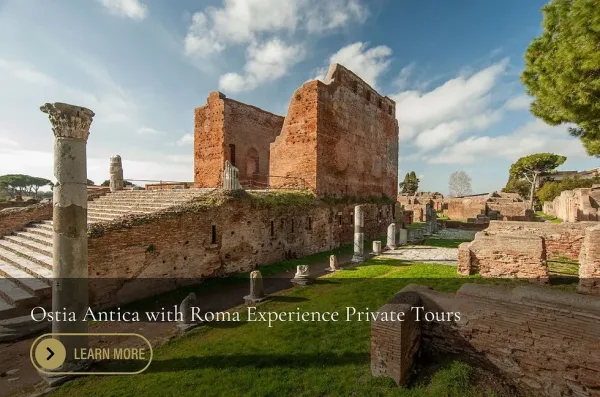
Image Source: Roma Experience
Ostia Antica, the ancient port of Rome, lets you step back in time just a short distance from the capital. This remarkable site ranks among the most educational weekend trips from Rome. You’ll discover what daily life was like in an ancient Roman commercial center.
What makes Ostia Antica special
Legend tells us Ostia Antica began in the 7th century BC and grew into Rome’s primary seaport and trading hub. The site stands out because sand dunes preserved its streets, buildings, and mosaics better than anything you’ll find in Rome itself. The city reached its peak in the 2nd-3rd century with about 100,000 residents. Nature helped preserve the ruins when sand dunes slowly covered them after the city’s decline.
How to get to Ostia Antica from Rome
The site sits just 25 km southwest of Rome and you can reach it easily by public transport. Take the Roma-Lido commuter train from Piramide Metro station to Ostia Antica station. A quick 10-minute walk brings you to the archeological site. The train ticket costs about €1.50 each way, making it one of the most budget-friendly trips from Rome.
Top things to do in Ostia Antica
The archeological park spans 100 hectares with some amazing preserved structures. Marcus Agrippa’s grand theater could seat 3,000 spectators. The site features the Capitolium temple, public baths, countless taverns, and Europe’s oldest known synagogue – the Ostia Synagogue. Beautiful frescoes and stunning mosaics show you glimpses of Roman daily life.
Where to eat in Ostia Antica
After your exploration, great Italian food awaits at places like Ristorante Monumento Dal 1884 and Arianna al Borghetto. Sora Margherita al Borghetto serves delicious traditional dishes. The archeological park has a small cafe-restaurant for quick bites.
Where to stay in Ostia Antica
Domus Gratiae tops the list for best value accommodations. Ostia Antica Suite B&B offers peaceful, clean rooms in a great spot. Ostia Antica Park Hotel & Spa comes with extra perks like a swimming pool. Budget travelers should check out Mike&Jo Cozy apartments which offer convenient street parking.
Albano Laziale
Lake Albano’s shadow falls over Albano Laziale, a town steeped in ancient history. Archeological evidence shows human presence here from the Paleolithic Age (300,000-10,000 years ago). The town makes a perfect weekend trip from Rome for anyone interested in history.
What makes Albano Laziale special
The town went through its biggest changes around 202 AD. Emperor Septimius Severus built the Castra Albana, a military camp that housed 6,000 soldiers. The camp was abandoned in the 3rd century and slowly grew into Civitas Albana. Charlemagne gave the town to the papacy in 774. Later, it became Savelli family’s property in 946. Today’s Albano shows off its 16th and 17th-century design, particularly in the San Paolo district with its perfect Baroque style.
How to get to Albano Laziale from Rome
Getting to Albano is easy. The quickest way is taking a direct train from Roma Termini that takes about 54 minutes, with trains running every hour. Tickets cost €3-6. You can also take busses from Termini to Anagnina and connect to Albano busses. This takes about 1h 37m and costs €2-9. Driving might suit you better – it’s just 24.4 km and takes around 29 minutes.
Top things to do in Albano Laziale
The Porta Praetoria (Pretorian Gate) was found after the 1944 bombings and stands as the most important evidence of the Parthian Legion’s camp. The Roman Amphitheater deserves your attention as it’s the only one in Castelli Romani. The Catacombs of San Senatore lie beneath the Convent of S. Maria della Stella. These catacombs feature amazing frescoes, including Cristo tra gli Sponsores ed i Martiri from the late 5th-early 6th centuries.
Where to eat in Albano Laziale
Villa Altieri and Fraschetta Dar Burino serve authentic regional dishes. Amor di Gusto offers more relaxed dining options.
Where to stay in Albano Laziale
You’ll find most hotels around Lake Albano. These spots give you easy access to both the historic center and natural surroundings.
Frascati
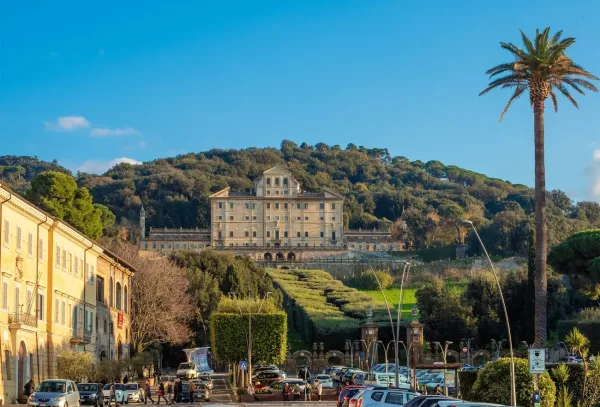
Image Source: Winalist
Famous for its white wines, Frascati offers one of the best weekend getaways from Rome. Located just 19 km southeast of the capital, this charming hilltown perfectly combines wine culture with historical beauty.
What makes Frascati special
The town’s character comes from its beautiful vineyards and Renaissance architecture. Frascati’s signature white wine has been produced here since ancient Roman times, gaining worldwide fame. The town features stunning 16th-century villas built by noble families who wanted to escape Rome’s busy lifestyle.
How to get to Frascati from Rome
Getting to Frascati is easy. Trains run frequently from Roma Termini with about 16 departures each day. The trip takes only 30 minutes, and you can get tickets for as little as €2.10 if you book ahead. These convenient train connections make Frascati a perfect choice for weekend trips from Rome.
Top things to do in Frascati
Villa Aldobrandini stands out as the main attraction with its amazing gardens and grand 2,500-square-meter nymphaeum featuring multi-level terraces. The Cathedral of San Pietro Apostolo draws visitors with its beautiful frescoes. Local wineries welcome guests for tastings and tours.
Where to eat in Frascati
The traditional fraschette (wine taverns) give you an authentic taste of medieval history. Cacciani has served classic Roman dishes since 1922, while Cantina Bonasera specializes in natural wines.
Where to stay in Frascati
Merumalia Wine Resort lets you experience life among the vineyards, while Hotel Colonna provides comfortable accommodation in the heart of town.
Gaeta
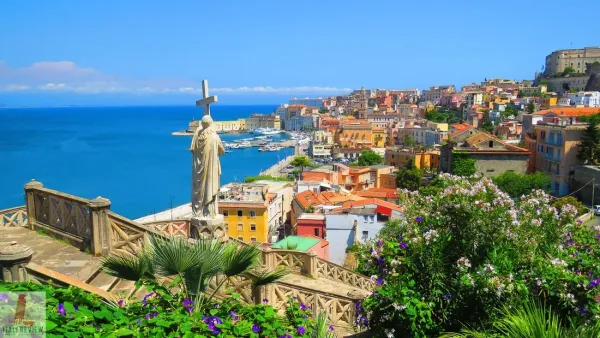
Image Source: Italy Review
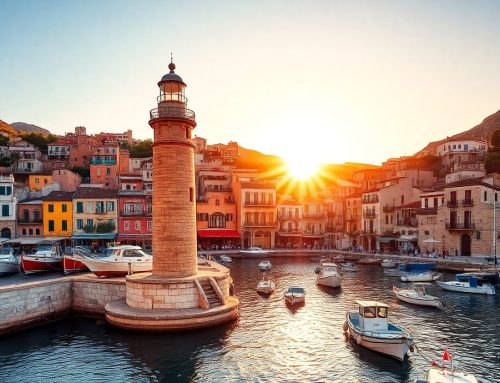
The azure Tyrrhenian coast is home to dramatic Gaeta, a place that engages visitors with its blend of historical significance and natural beauty. This coastal gem sits about 73 miles from Rome and gives travelers an authentic Italian escape where cliffs meet turquoise waters.
What makes Gaeta special
Gaeta’s roots trace back to ancient Roman times. The city evolved through centuries as a strategic port and fortress. Its charm comes from the natural mix of life and art – medieval streets weave through the old town and colorful houses dot the steep hills. Gaeta shows you real Italy without the international crowds and keeps its genuine coastal charm intact.
How to get to Gaeta from Rome
You can reach Gaeta from Rome by train in about 1h 12m with 39 departures each day. Tickets cost as little as $10. Another option is to take a train to Formia and catch a Cotral bus that runs every thirty minutes.
Top things to do in Gaeta
Montagna Spaccata (Split Mountain) is Gaeta’s iconic landmark – a massive rock fissure that tradition says opened when Christ died. The Castello Angioino-Aragonese towers over the city and dates back possibly to the 6th century. You should wander through Gaeta Medievale, a maze of ancient streets and piazzas. Serapo Beach welcomes you with golden sand and crystal-clear waters.
Where to eat in Gaeta
Local restaurants like Magie dei Sapori and Antico Vico Gaeta serve fresh seafood dishes. You must try the local specialty Tiella di Gaeta – a savory pie filled with vegetables, cheese, or seafood.
Where to stay in Gaeta
You’ll find accommodations from beachfront spots like Hotel Serapo to charming properties in the medieval quarter. Villa Irlanda Grand Hotel provides elegant rooms and features a swimming pool.
Comparison Table
| Location | Travel Time from Rome | Main Transportation Options | Key Attractions | Notable Features | Typical Accommodation Price Range |
| Orvieto | 1h 26m | Train (18 daily, €9.80) | Duomo di Orvieto, St. Patrick’s Well, Torre del Moro | 1,200+ underground caves, 3,000-year history | Limited options in upper town, prices N/A |
| Tivoli | 33-34m | Bus (€2-3), Train (€4-6) | Villa d’Este, Villa Adriana, Villa Gregoriana | Two UNESCO World Heritage sites | $78-132 per night |
| Sperlonga | 1h 15m | Train + Bus (€7) | Villa of Tiberius, Archeological Museum, Blue Flag beaches | Ancient sea grotto, whitewashed architecture | N/A |
| Tarquinia | 1h 30m | Train (€7) | Monterozzi Necropolis, National Archeological Museum | 6,000 Etruscan tombs, 200 painted tombs | $64-152 per night |
| Lake Bracciano | 53m-1h 4m | Train ($4.46) | Orsini-Odescalchi Castle, Natural Park | Protected natural area, no motorboats allowed | N/A |
| Ponza | 1h 15m | Ferry (USD 35) | Cala Feola, Chiaia di Luna, Frontone Beach | Colorful port, pristine coves | N/A |
| Castelli Romani | 30m | Train (€3-5) | Villa Aldobrandini, Traditional fraschette | Wine region, 2 DOCGs and 7 DOCs | N/A |
| Civita di Bagnoregio | 1h 52m | Train to Orvieto + Bus | Piazza San Donato, Etruscan passageway | Only 11 permanent residents, available by footbridge | N/A |
| Assisi | 1h 56m – 3h 4m | Train (€9.90) | Basilica of San Francesco, Basilica of Santa Chiara | UNESCO World Heritage site, spiritual center | N/A |
| Viterbo | 1h 48m | Train ($6.93) | Palazzo dei Papi, Cathedral of San Lorenzo, Terme dei Papi | Europe’s largest medieval quarter | N/A |
| Fiuggi | 1h 18m | Bus (€4-6) | Palazzo Fiuggi, Roman Therme | Historic healing mineral waters | N/A |
| Ostia Antica | 25m | Train (€1.50) | Theater, Capitolium temple, Ostia Synagogue | 100-hectare archeological park | N/A |
| Albano Laziale | 54m | Train (€3-6) | Porta Praetoria, Roman Amphitheater, Catacombs | Ancient military camp site | N/A |
| Frascati | 30m | Train (€2.10) | Villa Aldobrandini, Cathedral of San Pietro | Historic wine production, Renaissance villas | N/A |
| Gaeta | 1h 12m | Train ($10) | Montagna Spaccata, Castello Angioino-Aragonese | Ancient port town, medieval streets | N/A |
Enjoy Weekend Trips From Rome
These 15 hidden gems reveal the amazing diversity that lies just beyond Rome’s ancient walls. Each spot has its own unique character – from Orvieto’s underground tunnels to Sperlonga’s stunning coastline, Tarquinia’s ancient Etruscan treasures to Lake Bracciano’s peaceful waters.
Getting to these spots is easy. Fast trains take you to Frascati in just 30 minutes, and even the farthest spots are less than three hours away. Budget travelers will love affordable options like Ostia Antica, which costs only €1.50 to reach. Those looking for luxury can treat themselves at thermal retreats like Palazzo Fiuggi.
The core team members will find their perfect weekend getaway among these choices. The volcanic landscapes of Castelli Romani create a beautiful contrast with Civita di Bagnoregio’s dramatic cliff-top setting. The peaceful atmosphere of Assisi offers something completely different from the lively coastal vibe of Ponza or Gaeta.
These destinations show authentic parts of Italy that many visitors miss when they stick to major cities. Traditional fraschette in Frascati, painted Etruscan tombs in Tarquinia, and medieval streets in Gaeta give you a glimpse into Italian heritage that adds depth to your Rome experience.
The weather plays a big role in planning these trips. Spring and fall offer ideal conditions in all these places. Summer is perfect to visit coastal spots like Sperlonga, Ponza, and Gaeta. Winter brings a magical atmosphere to hilltop towns like Orvieto and Assisi, especially during the holidays.
You should plan at least one of these enriching side trips if you’re staying in Rome for more than a few days. Rome serves as an unmatched gateway to these diverse experiences, each just a short trip away. Some of Italy’s most memorable moments come from these hidden treasures that are hiding in plain sight.
FAQs
Q1. What are some recommended weekend getaways from Rome? Popular weekend trips from Rome include visiting the hilltop town of Orvieto, exploring the ancient ruins of Ostia Antica, relaxing at the coastal town of Sperlonga, discovering the Etruscan treasures in Tarquinia, and enjoying the thermal waters of Fiuggi.
Q2. How can I reach these destinations from Rome? Most of these destinations are easily accessible by train or bus from Rome. For example, Orvieto is just 1 hour 26 minutes by train, Ostia Antica is a 25-minute train ride, and Fiuggi can be reached in about 1 hour 18 minutes by bus. Many locations offer frequent daily departures from Rome’s main stations.
Q3. What unique experiences do these weekend trips offer? These trips offer diverse experiences, from exploring underground caves in Orvieto to sunbathing on Blue Flag beaches in Sperlonga. You can visit UNESCO World Heritage sites in Tivoli, taste renowned wines in Frascati, or step back in time in the medieval streets of Viterbo.
Q4. Are these destinations suitable for budget travelers? Yes, many of these destinations are budget-friendly. Train tickets to places like Frascati start from as low as €2.10, while entry to archeological sites like Ostia Antica is relatively inexpensive. Additionally, smaller towns often offer more affordable dining and accommodation options compared to Rome.
Q5. When is the best time to visit these locations? Spring and fall generally offer ideal weather conditions for most destinations. Summer is perfect for coastal towns like Sperlonga, Ponza, and Gaeta. Winter can be magical in hilltop towns like Orvieto and Assisi, especially during holiday seasons. However, each destination has its unique charm year-round, so the best time depends on your preferences and the specific experiences you’re seeking.







Leave A Comment