
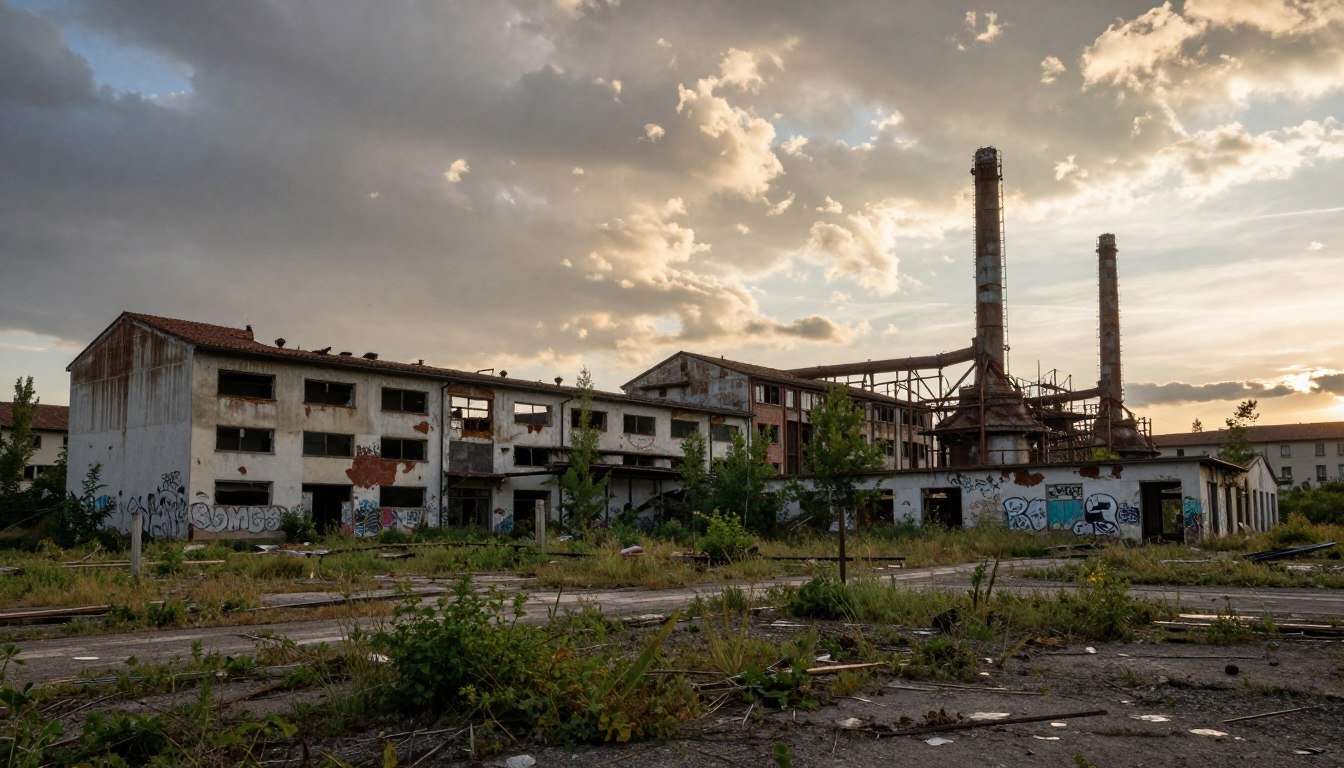
Turin holds secrets within its streets that most visitors never discover. Beyond the elegant baroque architecture and bustling piazzas, this northern Italian city conceals a hidden world of abandoned buildings, forgotten factories, and derelict spaces. These locations tell stories of industrial decline, urban transformation, and creative rebirth.
The abandoned places in Turin offer a glimpse into the city’s industrial past and evolving present. Former steel works stand silent along the river. Empty villas decay slowly in residential areas. Artists have transformed forgotten spaces into outdoor galleries of street art that rival any museum.
This guide explores Turin’s most fascinating abandoned locations. Each site carries historical significance and architectural interest. Some places remain frozen in time. Others have found new life through art and community projects.
The Industrial Heart: Abandoned Factories and Steel Works
Parco Dora: From Steel to Street Art
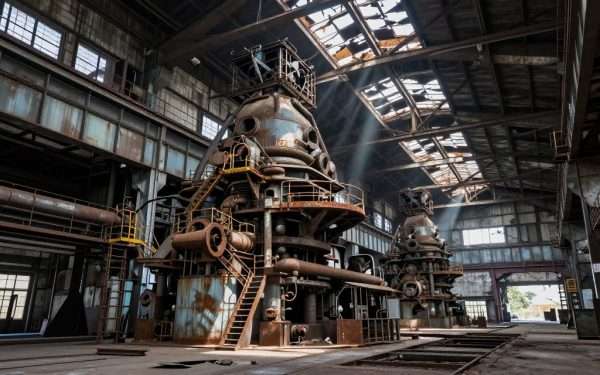
Parco Dora represents Turin’s most successful transformation of abandoned industrial space. This park stretches across former factory grounds where steel production once dominated the landscape. The area housed major industrial operations throughout the twentieth century.
Five massive steel plants operated here for decades. Workers shaped metal that built modern Italy. The factories employed thousands of people from the city and surrounding areas. Production continued until economic changes forced closures in the late twentieth century.
Today, the site blends industrial ruins with modern park design. Original factory buildings remain standing as architectural monuments. Rusted machinery sits preserved among green spaces and walking track systems.
The Steel Plant Ruins Along the River
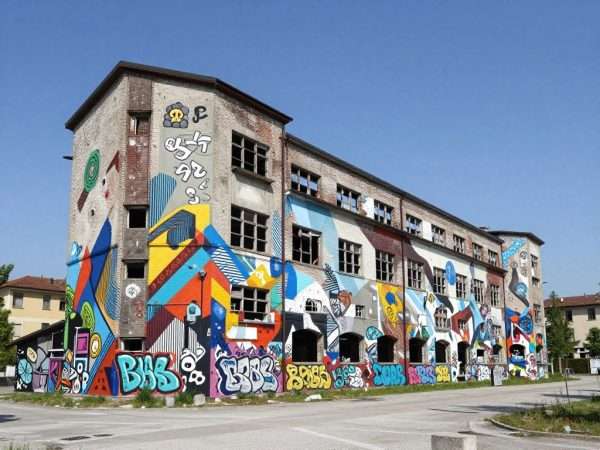
Additional factory complexes line the river beyond Parco Dora boundaries. These buildings remain largely untouched by renovation projects. Crumbling brick walls stand testament to industrial decline. Nature slowly reclaims concrete and metal structures.
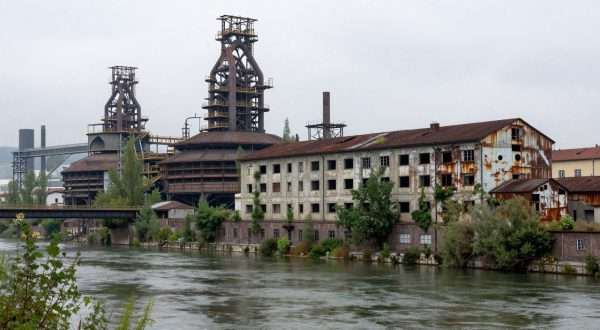
Street art covers many exterior walls in these areas. Writers and artists have claimed abandoned factories as outdoor canvases. The combination of industrial architecture and contemporary graffiti creates striking visual contrasts.
Important Note: Many abandoned factory sites remain on private property. Accessing these buildings without permission violates trespassing laws. Always respect property boundaries and local regulations when exploring urban areas.
The Forgotten Zoo: Nature Reclaims Captivity
History of Turin’s Abandoned Zoo
Turin once operated a zoo that served as a popular family destination for decades. The facility opened in an earlier century and housed various animals throughout its operational years. Families visited on weekends to observe creatures from distant lands.
Changing attitudes toward animal captivity led to closure plans. The zoo shut its doors permanently in recent decades. Animals were relocated to modern facilities with better living conditions. The site was left empty and gradually abandoned.

What Remains at the Site
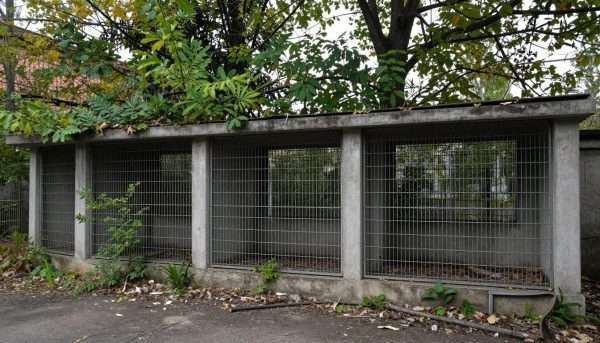
Empty enclosures still stand throughout the property. Concrete structures designed to house animals now sit vacant. Metal bars rust in place where they once confined wildlife.
Nature has begun reclaiming the space. Trees grow through cracked concrete. Vines climb cage walls. The transformation illustrates how quickly abandoned places return to natural states.
Visitors report an eerie atmosphere when exploring the grounds. The silence contrasts sharply with imagined sounds of past animal inhabitants. Empty pools and feeding areas create haunting reminders of the zoo’s operational days.
The Site Today and Future Plans
Local authorities have discussed various proposals for the abandoned zoo property. Some plans suggest complete demolition and redevelopment. Other proposals advocate preserving portions as historical monuments to changing social values.
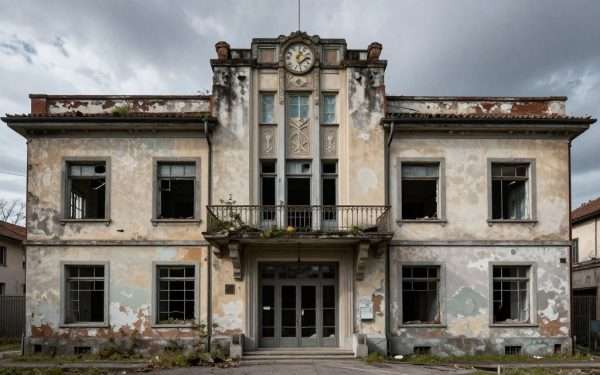
Community groups have shown interest in transforming the space into a park. The area offers green space potential in an otherwise urban environment. However, funding and planning challenges have delayed concrete action.
Urban Canvas: Abandoned Buildings as Street Art Galleries
The Rise of Street Art Culture in Turin
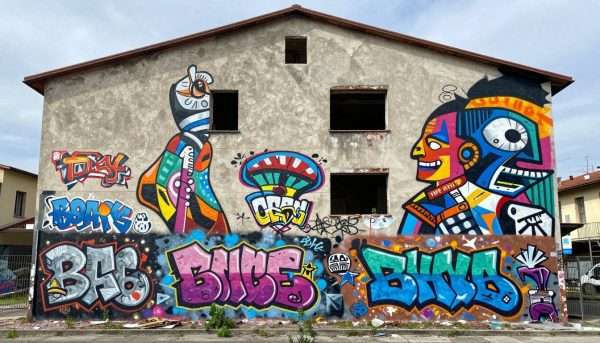
Turin has developed a thriving street art scene over recent years. The city embraces graffiti culture more openly than many Italian cities. Abandoned buildings provide perfect canvases for writers and artists seeking spaces to create.
Local artists have gained international recognition for their work. Their pieces transform derelict buildings into outdoor art exhibitions. The style ranges from traditional graffiti to elaborate murals covering entire building facades.

Traditional Graffiti Writers
Writers focus on letter styles and tags. Their work appears on abandoned structures throughout the city. The pieces demonstrate technical skill and artistic vision within graffiti traditions.

Mural Artists
Mural creators produce large-scale figurative works. These pieces often carry social messages or celebrate local culture. The art brings color and life to forgotten buildings.
Abstract Creators
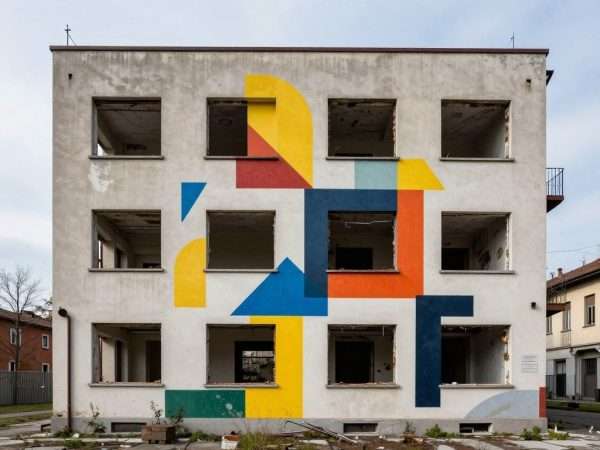
Some artists work in abstract styles that transform entire surfaces. Their pieces interact with existing architecture. The results blur lines between building and art.
Notable Street Art Locations
Several abandoned areas have become recognized street art destinations. These sites attract both local artists and international visitors interested in urban art culture.
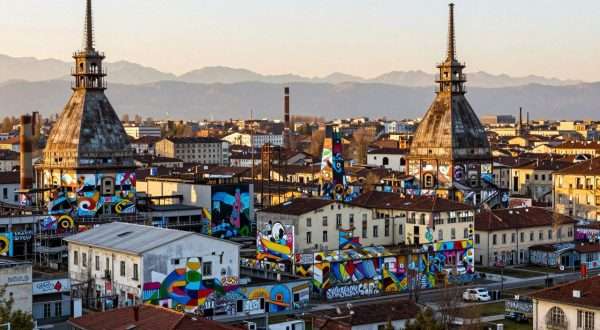
Former factory areas near Parco Dora feature concentrated collections of graffiti and murals. The combination of industrial decay and vibrant art creates powerful visual impact. Photographers frequently visit these locations to capture the aesthetic contrast.
Abandoned railway stations and associated buildings also host significant street art. These structures offer large wall surfaces ideal for ambitious artistic projects. The art evolves constantly as new pieces cover or complement existing works.
Forgotten Homes: Abandoned Villas and Residential Buildings
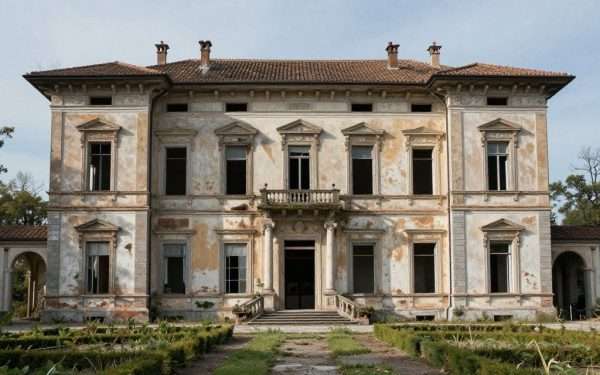
Historic Villas Left Behind
Turin’s residential areas contain numerous abandoned villas and estates. These buildings once housed wealthy families during the city’s prosperous industrial era. Changing economic conditions and inheritance complications led many properties into abandonment.
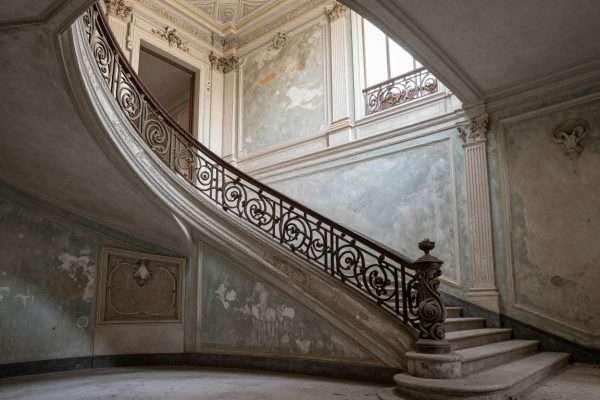
The architectural styles reflect various historical periods. Some villas display baroque influences characteristic of Turin’s golden age. Others showcase art nouveau details popular in the early twentieth century.
Inside Abandoned Residential Spaces
Interior conditions vary dramatically across abandoned homes. Some retain original furnishings and personal belongings left behind by former residents. Others stand completely empty after being stripped of valuable materials.
Decay progresses differently depending on building construction and exposure to elements. Water damage represents the most common deterioration form. Roofs fail first, allowing rain to damage everything below.
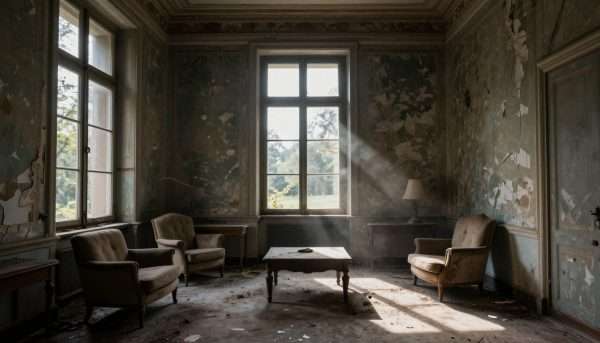
Graffiti appears less frequently in residential buildings compared to industrial sites. However, some abandoned villas have attracted street artists seeking unique locations. The combination of elegant architecture and contemporary art creates interesting juxtapositions.
The Squatting Phenomenon
Some abandoned residential buildings in Turin have been occupied by squatters seeking housing. This practice reflects broader issues around affordable housing availability in Italian cities.
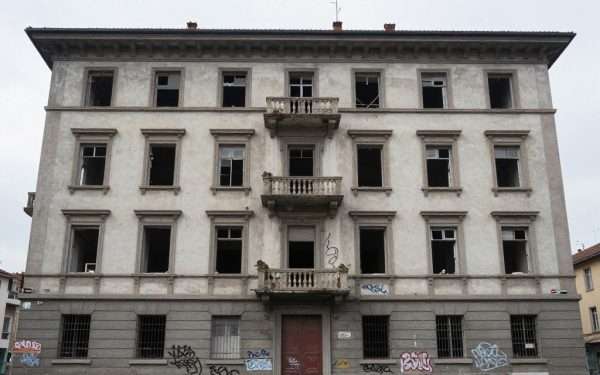
Occupied abandoned buildings exist in legal grey areas. Some squatter communities organize collectively and negotiate with authorities. Others face eviction and demolition threats.
Legal Consideration: Entering abandoned residential properties without authorization constitutes criminal trespass in Italy. Property rights remain in effect even when buildings appear deserted. Always obtain proper permission before exploring private properties.
Railway Relics: Abandoned Stations and Track Infrastructure
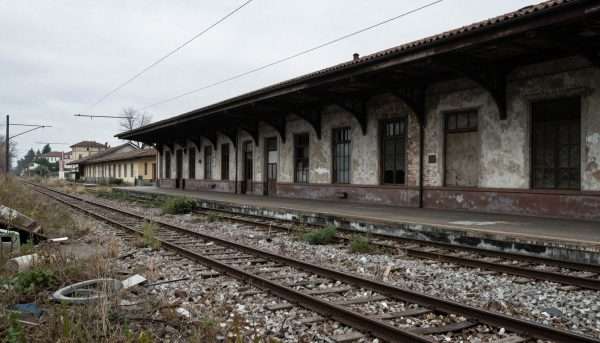
Old Railway Infrastructure
Turin’s railway system evolved significantly over past decades. Modernization efforts left older stations and track sections obsolete. These abandoned railway facilities represent important industrial heritage from earlier transportation eras.
Former station buildings exhibit architectural styles from different construction periods. Early structures feature neoclassical elements typical of nineteenth-century railway architecture. Later additions show modernist influences from mid-twentieth century expansion projects.
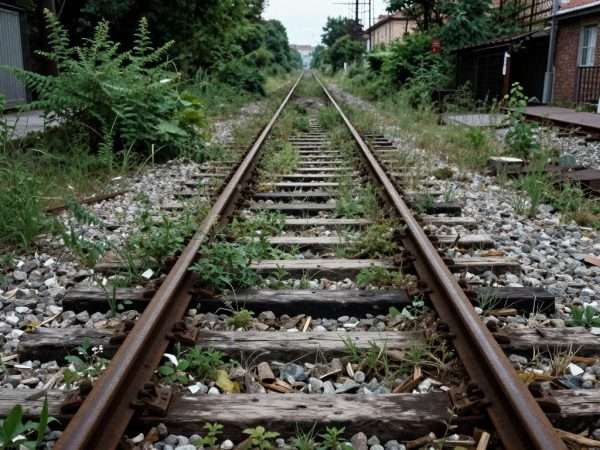
Track Sections and Yards
Abandoned track sections cut through various city areas. Vegetation grows between rails and across platforms. These linear spaces create unusual green corridors within urban environments.
Former railway yards occupy large land parcels near the city center. The expansive spaces contain networks of unused tracks, switching equipment, and maintenance buildings. Urban planners debate future uses for these valuable properties.
Street Art on Railway Structures
Railway infrastructure attracts street artists seeking visible locations for their work. Abandoned station buildings and railway bridges feature extensive graffiti coverage. The art adds color to industrial grey structures.
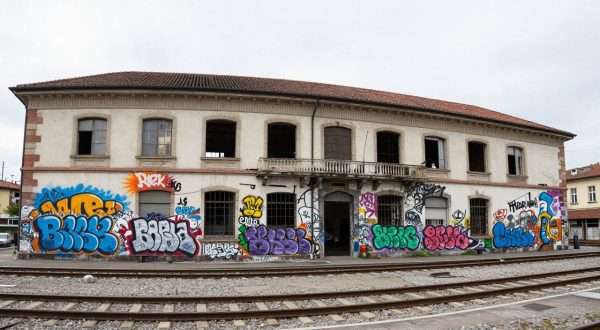
Some railway graffiti has achieved landmark status within Turin’s street art community. Specific walls and buildings host works by renowned local and international writers. Art enthusiasts visit these locations specifically to view the pieces.
The Preservation Question: Future of Abandoned Places
Conservation vs Development
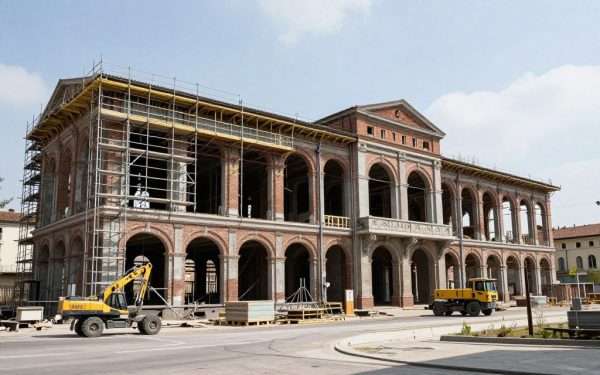
Turin faces ongoing debates about how to handle abandoned buildings. Preservation advocates argue for protecting industrial heritage and historical architecture. Developers push for demolition and redevelopment to serve contemporary needs.
The city has implemented various approaches depending on specific site circumstances. Parco Dora demonstrates successful adaptive reuse of industrial space. Other projects have removed abandoned structures entirely to create new construction opportunities.
Preservation Benefits
- Maintains historical character and cultural memory
- Preserves unique architectural elements
- Provides spaces for creative reuse
- Supports tourism and cultural identity
- Often more environmentally sustainable
Development Arguments
- Creates modern housing and commercial space
- Addresses current city needs
- Removes safety hazards from decay
- Generates economic activity and jobs
- Reduces maintenance costs
Community Initiatives
Local communities have launched projects aimed at saving abandoned buildings. These initiatives often focus on transforming forgotten spaces into cultural venues, community centers, or social housing.
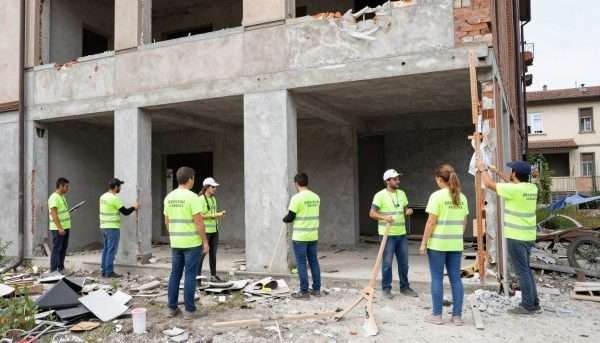
Success depends on securing funding and navigating regulatory requirements. Some community projects have successfully prevented demolitions and created new public spaces. Others struggle with limited resources and bureaucratic challenges.
Exploring Responsibly: Safety and Legal Considerations
Safety Hazards in Abandoned Spaces
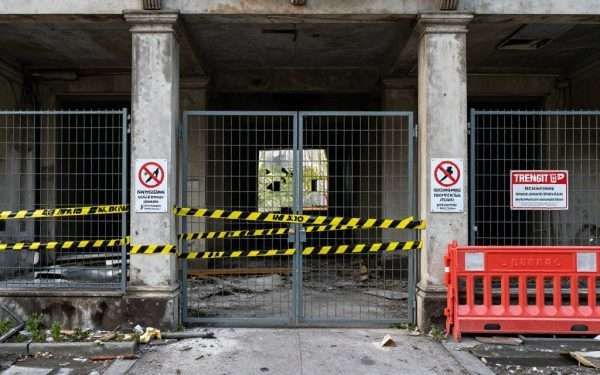
Abandoned buildings present numerous physical dangers. Structural instability represents the primary risk. Floors may collapse without warning. Ceilings can fall unexpectedly. Walls might give way under minimal pressure.
Critical Safety Warning: Never enter abandoned buildings alone. Always inform someone of your location and expected return time. Wear protective equipment including sturdy boots, gloves, and dust masks. Bring multiple light sources and a charged mobile phone.
Additional hazards include exposed nails, broken glass, and unstable staircases. Chemical contamination affects some industrial sites. Asbestos remains present in many older buildings throughout Turin.
Legal and Ethical Responsibilities
Italian law treats unauthorized entry to private property seriously. Trespassing charges can result in fines and legal records. Property owners retain rights regardless of abandonment status.
How to Explore Legally
- Research property ownership before visiting
- Seek permission from owners when possible
- Respect “no trespassing” signs and barriers
- Join organized urbex tours with proper access
- Focus on publicly accessible abandoned spaces
Ethical Guidelines
- Take only photographs, leave only footprints
- Never remove items or vandalize structures
- Respect squatter communities if encountered
- Avoid sharing specific locations publicly
- Document responsibly without glorifying danger

Capturing Abandonment: Photography Guide

Essential Equipment and Techniques
Photographing abandoned places requires specific equipment considerations. Low light conditions demand cameras capable of handling high ISO settings. Wide-angle lenses capture expansive interior spaces effectively.
Recommended Gear
- Full-frame or APS-C camera with good low-light performance
- Wide-angle lens (14-24mm range) for interior spaces
- Standard zoom lens (24-70mm) for versatility
- Sturdy tripod for long exposures
- Multiple light sources including LED panels
- Extra batteries and memory cards
Composition and Style Approaches
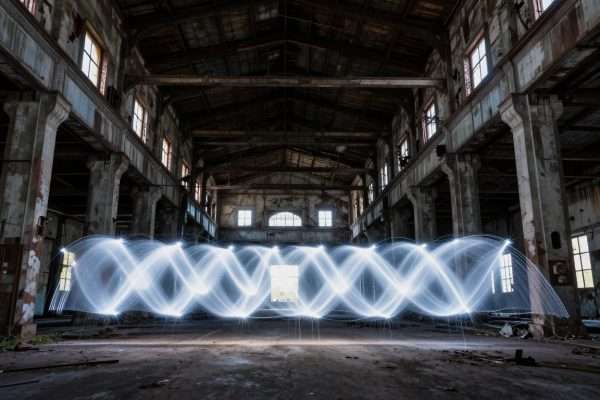
Successful abandonment photography balances documentation with artistic vision. Straight architectural shots record spaces objectively. Creative compositions emphasize atmosphere and decay aesthetics.
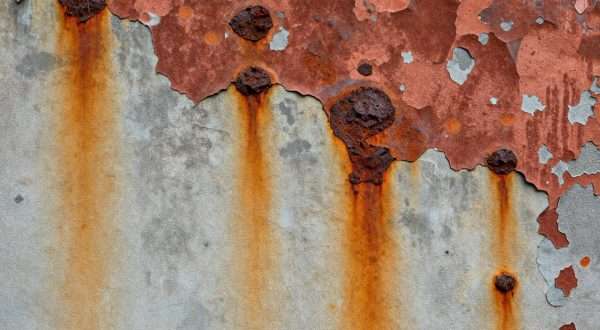
Light plays crucial roles in abandoned space photography. Natural light filtering through broken windows creates dramatic effects. Golden hour timing produces warm tones that enhance atmospheric qualities. Blue hour shooting adds mysterious moods to exterior shots.
The Enduring Fascination of Turin’s Abandoned Spaces
Abandoned places in Turin offer unique windows into the city’s layered history. These forgotten spaces preserve memories of industrial might, residential elegance, and urban transformation. Each location tells specific stories about economic change, social evolution, and architectural heritage.
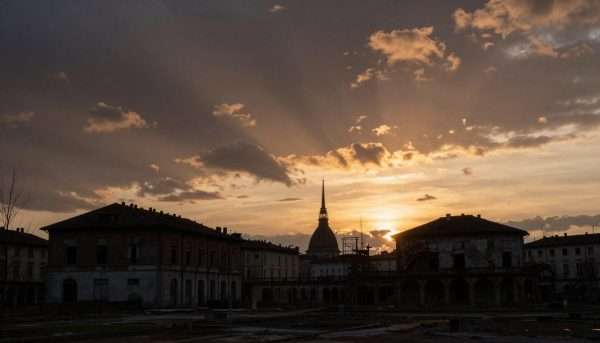
The street art covering many abandoned buildings demonstrates ongoing creative engagement with these spaces. Artists transform decay into beauty. Their works ensure forgotten places continue contributing to city culture even as original purposes fade into the past.
Whether approached from historical, architectural, or artistic perspectives, abandoned places in Turin reward careful exploration. They challenge viewers to consider relationships between past and present, utility and beauty, remembering and forgetting. These spaces remain important elements of Turin’s complex urban identity.
Join the Urban Exploration Community
Connect with fellow explorers passionate about discovering Turin’s hidden spaces. Get access to detailed location research, safety guidelines, and exclusive updates about abandoned places throughout the city. Share your experiences and learn from an engaged community of urbex enthusiasts.
Exploring abandoned places requires balancing curiosity with responsibility. Respect property rights, prioritize personal safety, and document these spaces thoughtfully. Through conscious engagement, we can appreciate Turin’s forgotten places while preserving them for future generations to discover and interpret in their own ways.









Leave A Comment