
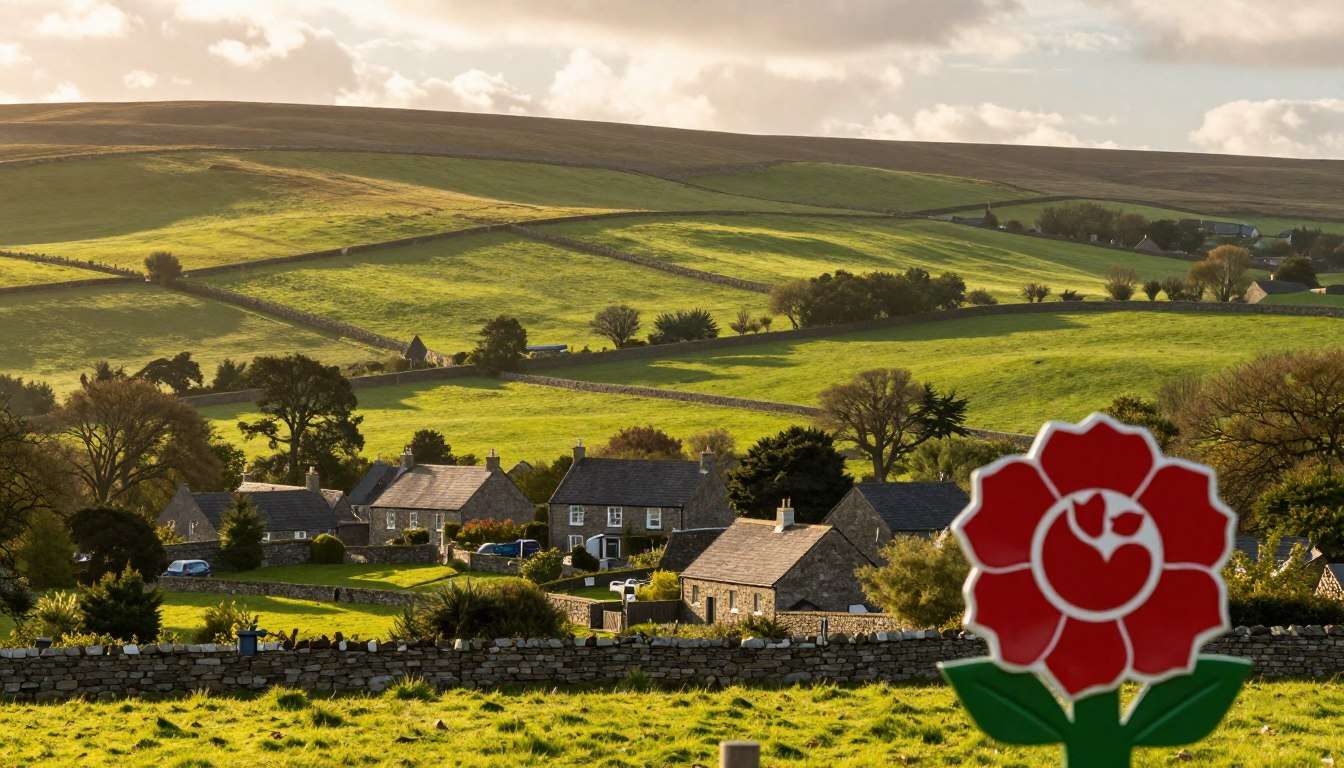
Lancashire jokes represent one of the most distinctive forms of regional humor in Britain. This comedic tradition has shaped entertainment across generations. The humor reflects working-class resilience and cultural pride that defines the county.
Understanding Lancashire jokes requires more than just hearing the punchline. The dialect, timing, and cultural context all play crucial roles. These elements combine to create something uniquely Northern and unmistakably Lancashire.
From the cotton mills of Oldham to the seaside of Blackpool, Lancashire humor has thrived. The jokes tell stories of ordinary people facing life with wit and determination. This tradition continues to influence British comedy today.
The Historical Roots and Cultural Significance of Lancashire Humor
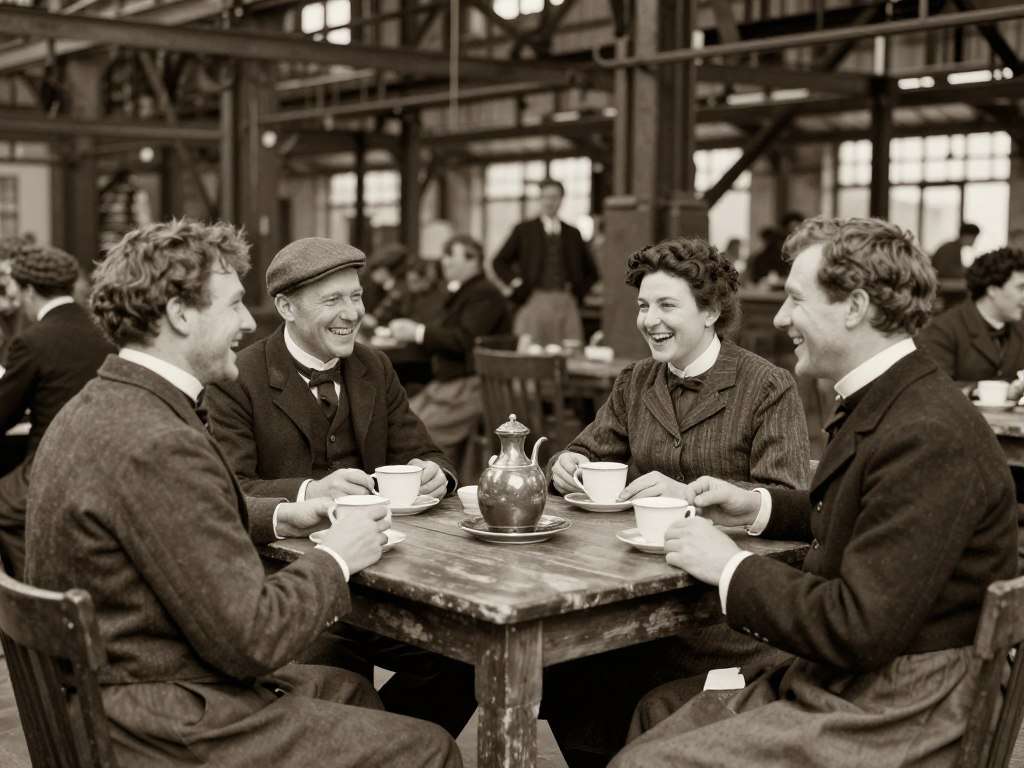
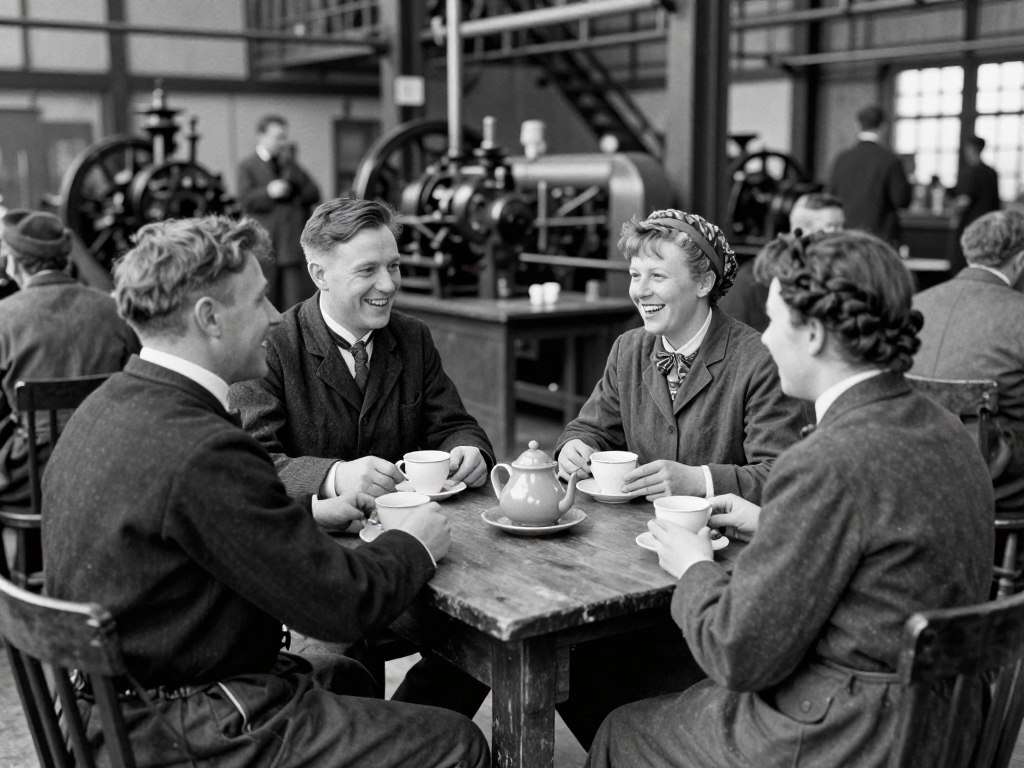
Lancashire jokes emerged from the industrial heartland of Northern England during the 19th century. The cotton industry brought people together in mills and factories. Workers shared stories and jokes to cope with long hours and difficult conditions. This environment created a unique comedic voice that celebrated resilience and community.
The cultural significance of Lancashire jokes extends beyond simple entertainment. These jokes served as social commentary on class divisions and economic hardship. Working people used humor to challenge authority while maintaining dignity. The jokes often featured clever characters outsmarting their betters through wit rather than force.
Industrial Revolution and Comedy Development
The Industrial Revolution transformed Lancashire into a manufacturing powerhouse. Thousands of workers migrated to towns seeking employment in mills and mines. This mixing of people from different areas created a melting pot of dialects and storytelling traditions. The shared experience of industrial life became fertile ground for humor.
Mill workers developed a particular style of humor during tea breaks and shift changes. Quick wit and timing became essential skills for gaining respect among colleagues. The jokes often involved clever wordplay using the Lancashire dialect. This tradition passed from one generation to the next through oral storytelling.
Music Hall Tradition and Popular Entertainment
Lancashire music halls played a vital role in spreading regional humor to wider audiences. Performers like George Formby Senior brought Lancashire characters to the stage. These venues provided a place where working people could enjoy entertainment reflecting their lives. The music hall tradition established patterns still visible in modern comedy.
Key Cultural Elements
- Working-class pride and solidarity expressed through humor
- Clever wordplay using regional dialect and expressions
- Self-deprecating style that masks sharp social observations
- Community-focused jokes celebrating local identity
- Quick wit valued as essential social currency
Social Functions of Lancashire Humor
Lancashire jokes served multiple social functions within communities across the county. Humor helped people bond during difficult times and celebrate during good ones. The jokes created a sense of belonging and shared identity. This communal aspect remains central to Lancashire humor today.
The humor also provided a way to discuss sensitive topics without direct confrontation. People could address issues like poverty, class conflict, and workplace conditions through comedy. This indirect approach made difficult conversations more accessible. The tradition established humor as a tool for social navigation.
Common Themes and Types of Lancashire Jokes
Thrift and Frugality Jokes
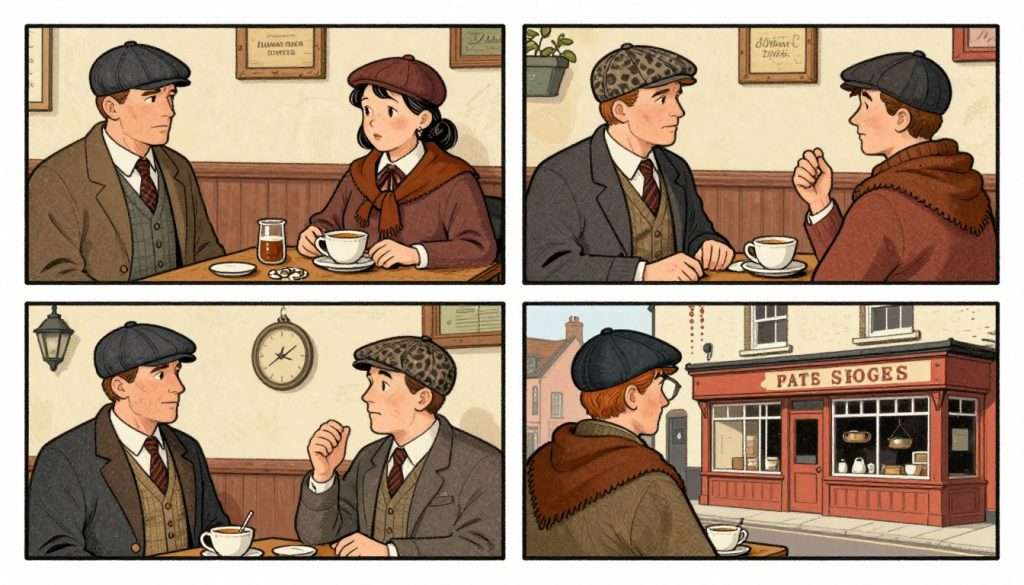
Money-conscious humor represents a major category of Lancashire jokes. These jokes celebrate the ability to stretch resources and find value. A man walks into a pub and orders half a pint. The barman asks why not a full pint. The man replies he only has enough money for half but wants to drink at twice the places.
This theme reflects historical economic realities faced by working families. Making ends meet required creativity and careful planning. The jokes honor this necessity while finding humor in extreme examples. The tradition acknowledges financial struggles without self-pity.
Clever Wordplay and Double Meanings
Lancashire dialect provides rich material for wordplay and linguistic humor. Many jokes rely on double meanings unique to the region. A woman tells her friend she saw a chap in town with a wooden leg named Smith. Her friend asks what the other leg was called.
The dialect creates opportunities for misunderstandings that drive comedy. Words pronounced differently or having multiple meanings generate confusion with humorous results. This style requires familiarity with Lancashire speech patterns to fully appreciate the humor.
Character-Based Jokes
Stories featuring memorable Lancashire personalities and their adventures. These jokes often involve recurring character types like the shrewd businessman or the no-nonsense woman.
- The canny trader who always gets a bargain
- The plain-speaking woman who tells it like it is
- The clever kid who outsmarts adults
- The working man with unexpected wisdom
Situational Humor
Jokes based on everyday situations familiar to Lancashire people. These scenarios reflect common experiences in homes, pubs, shops, and workplaces across the county.
- Shopping at the market or corner shop
- Conversations in the pub or club
- Domestic life and family dynamics
- Workplace interactions and mishaps
Observational Comedy
Humor arising from observations about Lancashire life and culture. These jokes highlight quirks and contradictions in everyday behavior and local customs.
- Weather-related observations and complaints
- Local rivalries between towns
- Social class observations
- Commentary on changing times
Self-Deprecating Humor
Lancashire people excel at making jokes about themselves and their region. This style deflects criticism by getting there first with self-aware humor. A Lancashire man says he went on holiday to Blackpool but came back home early. It was too posh for him.
Self-deprecation demonstrates confidence rather than weakness in Lancashire culture. The humor acknowledges flaws and limitations with good grace. This approach creates bonds by showing vulnerability while maintaining pride. The balance between self-mockery and self-respect defines Lancashire comedic style.
Gender Dynamics and Relationship Humor
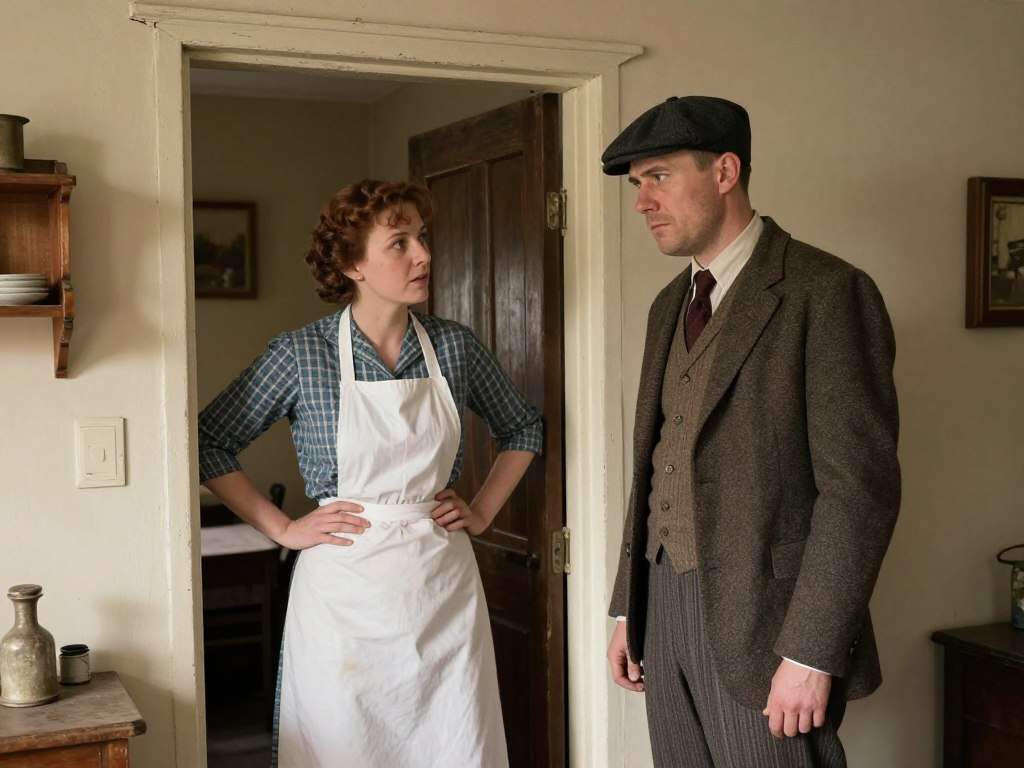
Many Lancashire jokes explore relationships between men and women. These jokes often feature strong female characters who control domestic situations. The man comes home late and his wife asks where he has been. He says he was at the pub with the lads. She tells him that excuse is older than he is.
The humor reflects real power dynamics within Lancashire households historically. Women managed household budgets and made many practical decisions. The jokes acknowledge this reality while finding comedy in marital tensions. Modern versions of these jokes have evolved to reflect changing gender roles.
The Lancashire Dialect and Its Influence on Humor Delivery
The Lancashire dialect forms the foundation of regional humor and joke delivery. This distinctive way of speaking shapes how jokes are structured and understood. Pronunciation, vocabulary, and grammar all differ from standard English in ways that create comedic opportunities. Understanding the dialect is essential to appreciating Lancashire jokes fully.
Distinctive Pronunciation Patterns
Lancashire pronunciation creates unique sounds that become part of joke structures. The flat vowel sounds and dropped consonants mark speakers as distinctly Northern. Words like “bath” become “bath” with a short ‘a’ sound rather than the long ‘ah’ sound of southern England. This pronunciation affects rhythm and timing in joke telling.
The dialect also features distinctive consonant sounds that add character to delivery. The glottal stop replaces ‘t’ sounds in many words throughout speech. “Butter” becomes “bu’er” and “better” becomes “be’er” in natural Lancashire conversation. These phonetic patterns contribute to the authentic sound of regional humor.
Regional Vocabulary and Expressions
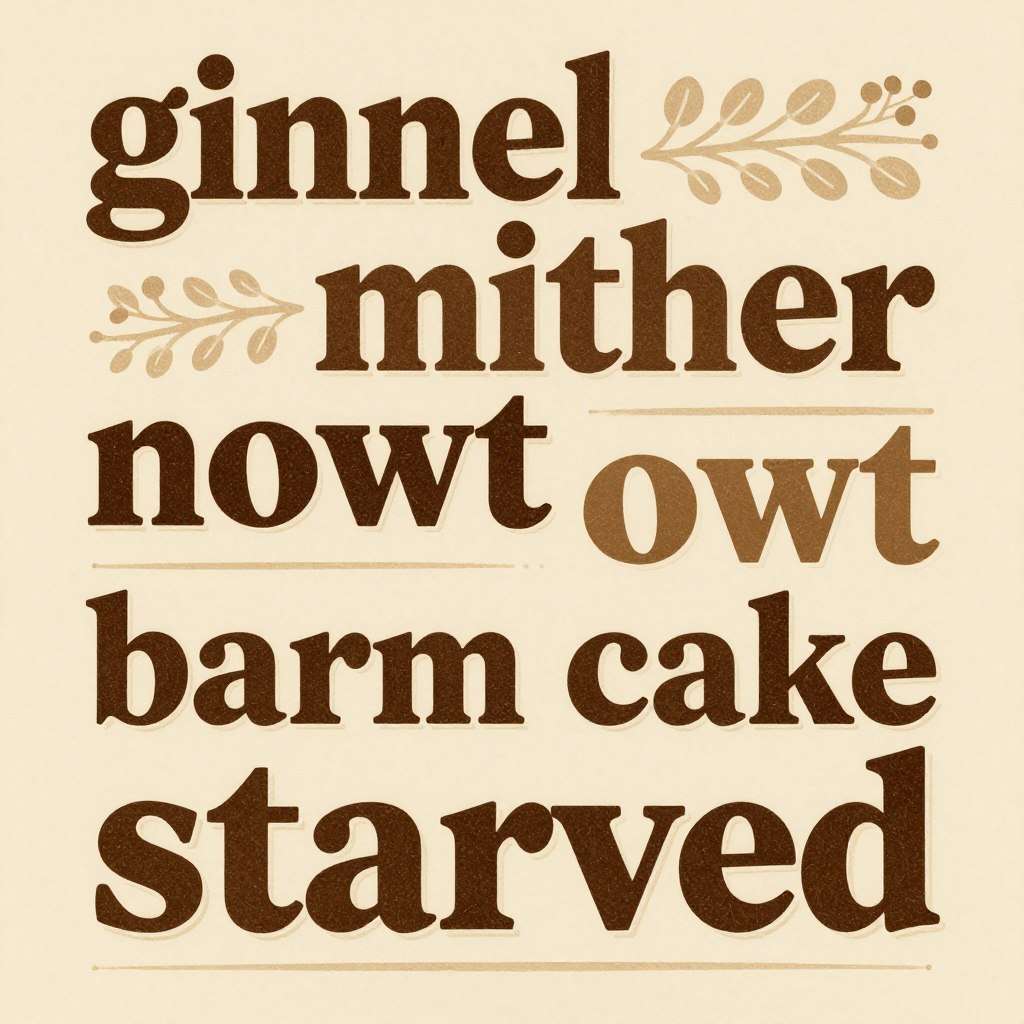
Lancashire dialect includes hundreds of words and phrases not found in standard English. These terms describe everyday objects, actions, and situations with economy and precision. A “ginnel” is an alleyway between houses. “Mithered” means bothered or worried. “Nowt” means nothing while “owt” means anything.
Essential Lancashire Terms
- Barm cake – soft bread roll used for sandwiches
- Chuddy – chewing gum
- Starved – feeling very cold rather than hungry
- Nesh – sensitive to cold weather
- Mard – soft or wimpy behavior
- Scriking – crying or complaining
- Laiking – playing outside
- Kecks – trousers or pants
Grammar and Sentence Structure
Lancashire dialect employs grammatical structures that differ from standard English. These variations create distinctive speech patterns that enhance comedic delivery. Double negatives appear frequently without being considered incorrect. “I haven’t got nowt” means having nothing at all.
The dialect also features unique ways of forming questions and statements. “Are you coming with?” drops the object but remains perfectly clear to Lancashire speakers. “I were” and “you was” replace standard conjugations in past tense. These grammatical choices contribute to the authentic voice of Lancashire humor.
Timing and Delivery Style
The Lancashire accent influences comedic timing through its rhythm and pace. The flat intonation pattern creates a deadpan delivery style that suits certain joke types. Pauses land differently when delivered with Lancashire pronunciation and cadence. The accent itself often adds humor to punchlines.
Regional delivery typically favors understatement over exaggeration in dramatic effect. A serious tone while describing absurd situations creates comedy through contrast. The accent lends authority and authenticity that makes jokes more believable. This delivery style has influenced comedy across Britain and beyond.
The Role of Context in Dialect Humor
Many Lancashire jokes lose impact when translated to standard English or other dialects. The humor depends on specific words, pronunciations, and cultural references. A joke about “going for tea” carries different meaning in Lancashire than elsewhere. Tea refers to the evening meal rather than just a beverage. Understanding these contextual layers enhances appreciation of the humor.
Evolution of the Dialect
The Lancashire dialect continues evolving while maintaining core characteristics. Younger generations blend traditional dialect with modern influences and media exposure. Some traditional words disappear while new terms emerge reflecting contemporary life. The dialect remains strong in certain areas while weakening in others.
Changes in dialect affect how jokes are told and received across age groups. Older jokes using archaic terms may puzzle younger listeners without explanation. Modern Lancashire comedians adapt traditional humor while preserving essential dialect features. This evolution ensures the tradition remains relevant while honoring its roots.
Share Your Favorite Lancashire Joke
Lancashire humor belongs to everyone who loves the tradition. Join our community and share jokes you have heard from family, friends, or your local pub. Keep the tradition alive for future generations.
Classic Lancashire Jokes: Examples and Analysis
Classic Lancashire jokes demonstrate the wit and wisdom that characterize regional humor. These examples showcase different styles and themes within the tradition. Each joke reveals something about Lancashire culture and values. Understanding these classics provides insight into what makes Lancashire humor distinctive.
The Practical Lancashire Character
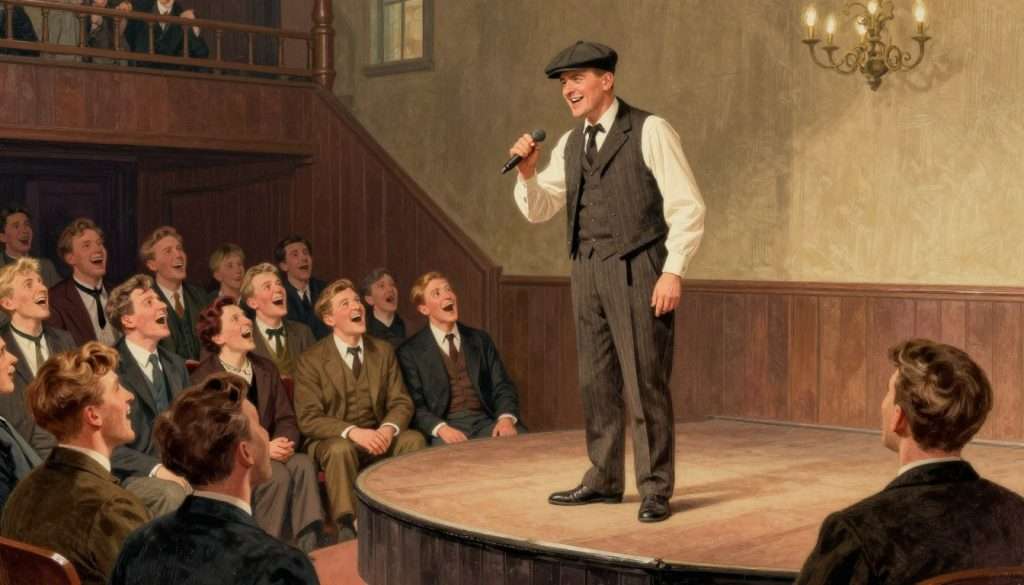
A man from Lancashire went to see his doctor complaining about hearing problems. The doctor examined him and found a piece of bacon stuck in one ear and a sausage in the other. The doctor removed them and the man said he could hear perfectly now. The doctor told him to be more careful about what he ate for breakfast. The man replied that he had been eating what his wife cooked him for years.
This joke demonstrates several Lancashire humor characteristics. The setup involves a common situation visiting the doctor. The absurd elements appear matter-of-fact in delivery. The punchline reveals domestic dynamics and wifely authority. The man accepts his situation without complaint showing typical Lancashire stoicism.
Word Play and Double Meaning
Two ladies were talking at the corner of the street in Bolton. One says to the other that she heard a chap playing a saxophone in the park yesterday. Her friend asks if he was any good. The first lady replies that he wasn’t bad but he had terrible trouble with his breathing. Her friend asks why. She says because someone had shoved a sock in the end of it.
The humor relies on setting up expectations then subverting them with unexpected information. The listener assumes the musician had personal breathing difficulties. The punchline reveals an external cause with amusing implications. This style of joke requires good timing and deadpan delivery to maximize impact.
The Thrifty Lancashire Stereotype
A Lancashire man died and his will was read to the family. He left his eldest son his collection of flat caps. To his daughter he left his pigeons and pigeon loft. His youngest son received his whippet dog. To his wife he left all his money and property. At the end the solicitor said there was one final bequest. To the man who saved his life when he fell in the canal years ago, he left his waterlogged pocket watch and sixpence for a new battery.
This extended joke plays on multiple Lancashire stereotypes simultaneously. The specific bequests reflect traditional working-class interests and possessions. The final twist about the rescuer reveals extreme thriftiness taken to absurd lengths. The joke affectionately mocks the stereotype while celebrating Lancashire identity. The humor comes from recognition of familiar character traits exaggerated for effect.
Social Observation and Class
A posh lady from London moved to a village in Lancashire. She went to the local pub for the first time and ordered a gin and tonic. The barman asked if she wanted ice and a slice. She said yes please. He charged her an extra fifty pence. She asked why the supplement. The barman said the gin and tonic was two pounds but the ice and slice was his specialty and cost extra. The lady said that seemed rather steep. The barman replied that everything costs more these days and he had to make ends meet somehow.
This joke addresses class differences and rural-urban divides with gentle humor. The Lancashire character gets the better of the outsider through practical business sense. The joke acknowledges economic pressures on small businesses. The humor lacks malice but clearly establishes local knowledge and authority. This type of joke celebrates Lancashire shrewdness without meanness.
Relationship and Marriage Humor
A Lancashire couple had been married for fifty years. On their anniversary the wife asked her husband if he remembered their wedding day. He said of course he did. She asked what he remembered most about it. He thought for a minute then said he remembered thinking he had made the biggest mistake of his life. His wife looked upset. He quickly added that he had been wrong about that. It turned out to be one of his smaller mistakes.
Marriage jokes form a significant part of Lancashire humor tradition. This example shows the self-deprecating style that characterizes the genre. The husband appears to compliment his wife before the twist ending. The joke acknowledges marital tensions while celebrating longevity. The humor requires delivery that suggests affection beneath the surface criticism.
Work and Industry Jokes
A man worked at a cotton mill for forty years without missing a single day. On his last day before retirement the manager called him into the office. The manager praised his perfect attendance record and dedication. He asked what the secret was to never taking a sick day. The man said he could never afford to be ill. The manager asked what he meant. The man replied that being at work was the only rest he got from his wife’s list of jobs to do at home.
Industrial work features prominently in Lancashire jokes reflecting regional history. These jokes honor working people while finding humor in their situations. The dynamic between work life and home life provides rich material. The jokes celebrate endurance and making the best of circumstances. This tradition keeps Lancashire industrial heritage alive through humor.
Regional Rivalry Jokes
A man from Lancashire and a man from Yorkshire met on a train. They got talking and the Yorkshire man started bragging about his county. He said Yorkshire had better cricket, better tea, better scenery, and better people. The Lancashire man listened patiently. Finally the Yorkshire man asked what Lancashire had that Yorkshire didn’t. The Lancashire man thought carefully then said they had better neighbors.
Rivalry between Lancashire and Yorkshire generates endless jokes on both sides. These jokes express regional pride through gentle mockery of competitors. The humor relies on familiarity with stereotypes about both counties. The jokes maintain tradition while building camaraderie through shared understanding. This type of humor strengthens rather than weakens regional identity.
Famous Lancashire Comedians and Their Contributions
Lancashire has produced some of Britain’s most beloved comedians across multiple generations. These performers took regional humor to national and international audiences. Their success demonstrated universal appeal of Lancashire wit and sensibility. Each comedian added unique elements while honoring traditional roots. Their contributions shaped British comedy and established Lancashire as a comedy powerhouse.
George Formby Senior and Junior
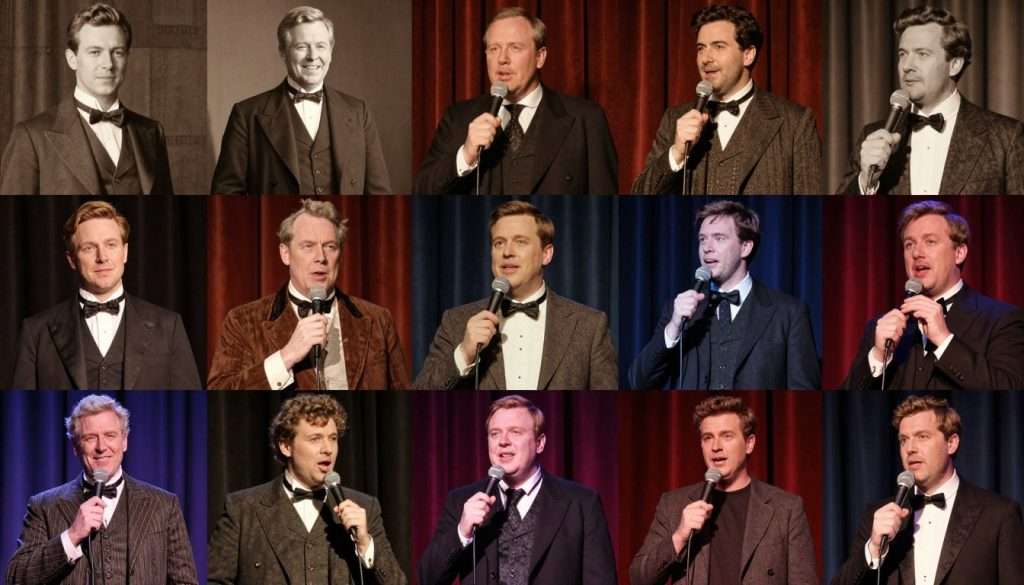
George Formby Senior pioneered Lancashire comedy on the music hall stage. His character represented the working-class Lancashire man with authenticity and charm. He performed songs and monologues in broad Lancashire dialect. His success proved regional humor could appeal to audiences beyond the county. His untimely death at the height of his fame left a lasting legacy.
George Formby Junior continued and expanded his father’s legacy. He became one of Britain’s biggest stars during the 1930s and 1940s. His ukulele-playing cheeky chappy character delighted millions. Films featuring his Lancashire persona reached international audiences. Songs like “When I’m Cleaning Windows” showcased working-class Lancashire humor. His contribution cemented Lancashire comedy in popular culture.
Ken Dodd and Doddy’s Legacy
Ken Dodd from Liverpool represented Lancashire humor on television and stage for decades. His legendary marathon comedy shows became part of entertainment history. Dodd combined traditional music hall techniques with modern comedy. His tickling stick and Diddymen became iconic symbols of his act. The fast-paced wordplay and surreal humor pushed Lancashire comedy in new directions.
Dodd maintained strong connections to Lancashire throughout his career. His comedy reflected regional values even when performing for national audiences. He championed variety entertainment and traditional comedy craftsmanship. His influence on British comedy extended far beyond his Lancashire roots. His dedication to live performance inspired generations of comedians.
Les Dawson
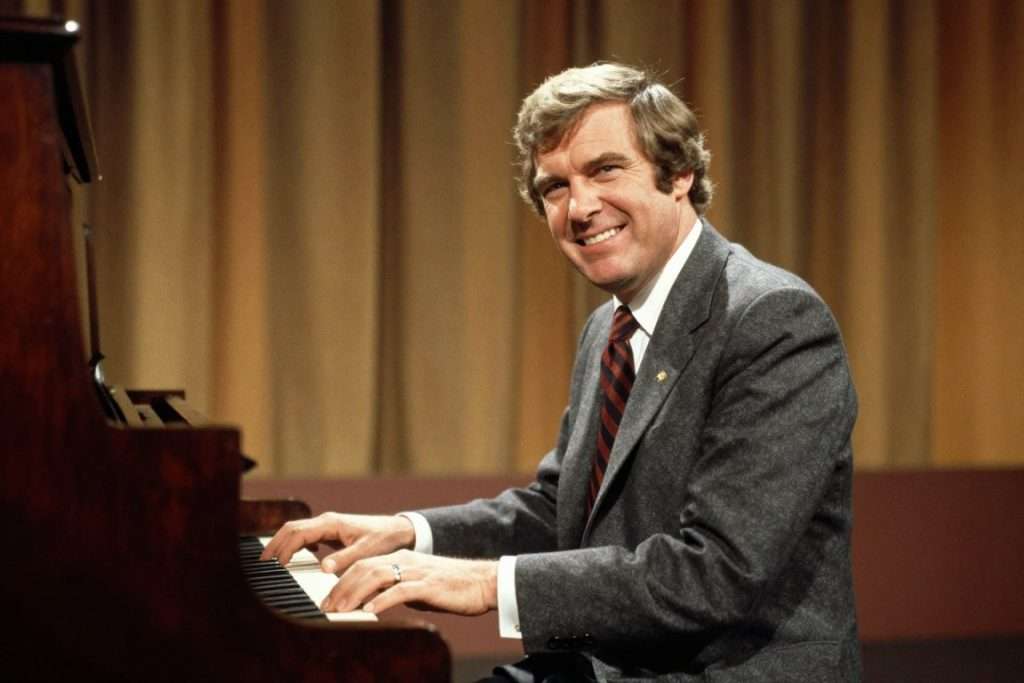
Les Dawson brought Lancashire humor to mainstream television with tremendous success. His working-men’s club background informed his down-to-earth comedy style. Dawson excelled at physical comedy including his famous piano-playing routine. His drag character Cissy created memorable moments in British comedy. The self-deprecating humor and timing reflected pure Lancashire tradition.
Dawson wrote extensively about Lancashire life in novels and memoirs. His mother-in-law jokes became legendary while remaining good-natured. The combination of verbal wit and physical comedy showcased versatility. His death left a significant gap in British entertainment. His influence continues through comedians who cite him as inspiration.
Victoria Wood
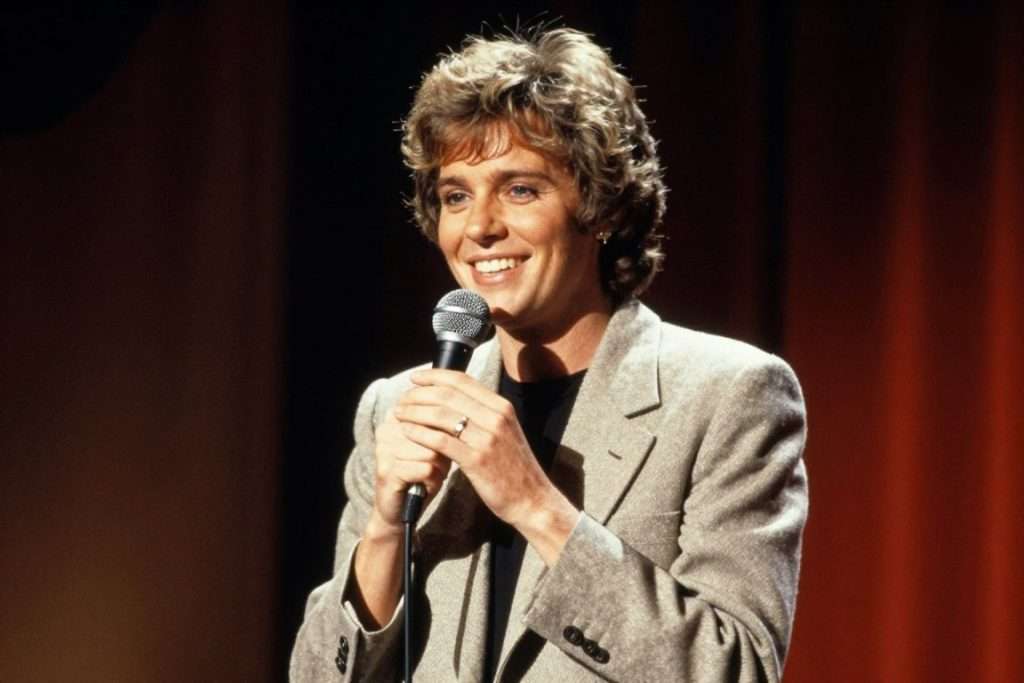
Victoria Wood combined Lancashire sensibility with sophisticated observational comedy. Her sketches and songs captured ordinary life with precision and affection. Wood’s characters like Mrs Overall and Bren from Dinnerladies became classics. Her writing demonstrated how Lancashire humor could be both regional and universal. The attention to detail in character and dialogue set new standards.
Wood’s musical comedy drew on music hall traditions while feeling contemporary. Her ability to find humor in mundane situations reflected Lancashire heritage. Television shows and live tours brought her comedy to massive audiences. Her premature death robbed comedy of one of its finest practitioners. Her legacy includes inspiring women in comedy and celebrating Northern voices.
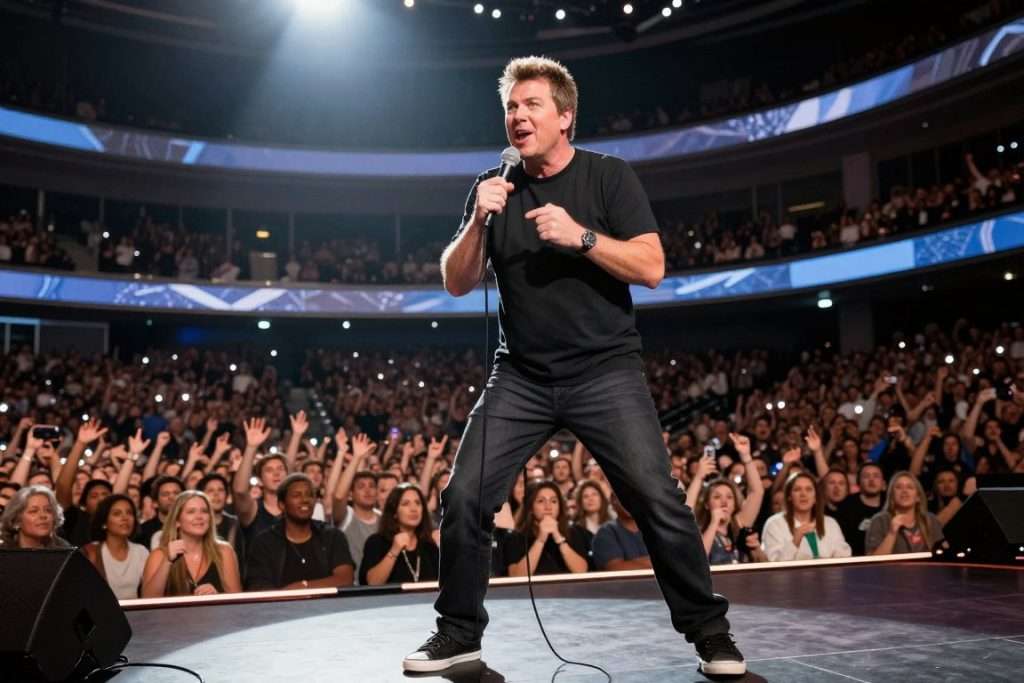
Peter Kay
Peter Kay represents modern Lancashire comedy while honoring traditional roots. His observational humor about everyday life resonates across generations. Kay’s Phoenix Nights and Car Share showcased Lancashire characters and settings. His stand-up tours broke records and brought regional humor to massive audiences. The accessibility of his comedy demonstrates universal appeal of Lancashire perspective.
Kay’s comedy celebrates ordinary people without condescension or caricature. His references to Lancashire places and culture strengthen regional identity. The affectionate portrayal of working-class life continues comedy tradition. His success proves Lancashire humor remains relevant in contemporary entertainment. Kay inspires new generations to embrace regional identity in comedy.
Contemporary Lancashire Comedians
Modern Lancashire comedians continue developing the regional tradition in fresh ways. Performers like Jason Manford blend traditional Lancashire humor with contemporary topics. They maintain connection to cultural roots while addressing modern life. Social media and streaming platforms give Lancashire comics unprecedented reach. The tradition evolves while retaining essential characteristics that define the style.
Young comedians draw inspiration from Lancashire heritage while creating original material. They address current issues through the lens of regional perspective. The humor remains grounded in community values and working-class experience. Lancashire comedy clubs and open mic nights nurture emerging talent. This grassroots development ensures the tradition remains vibrant and authentic.
Impact on British Comedy
Lancashire comedians have profoundly influenced the development of British comedy. Their emphasis on character, storytelling, and observational humor shaped comedy nationwide. The music hall tradition they mastered evolved into variety television and stand-up. Their success opened doors for other regional voices in entertainment. The working-class perspective they championed became central to British comedy identity.
Television comedy owes significant debt to Lancashire performers and writers. Their techniques and styles influenced sitcom development and sketch shows. The regional accent and dialect became acceptable and celebrated in mainstream media. Lancashire comedians demonstrated that authentic regional voices could achieve national success. This legacy continues as new generations build on established foundations.
Learn from the Masters of Lancashire Comedy
Explore our comprehensive collection of Lancashire comedy performances, interviews, and historical archives. Discover how the greats developed their craft and brought Lancashire humor to the world stage.
Lancashire Humor Compared to Other Regional British Comedy Styles
Regional humor across Britain reflects diverse cultural identities and historical experiences. Each area developed distinctive comedic voices shaped by local factors. Comparing these traditions reveals both unique characteristics and common threads. Understanding differences enhances appreciation of regional comedy richness. Lancashire humor occupies a special place within this tapestry of British comedy.
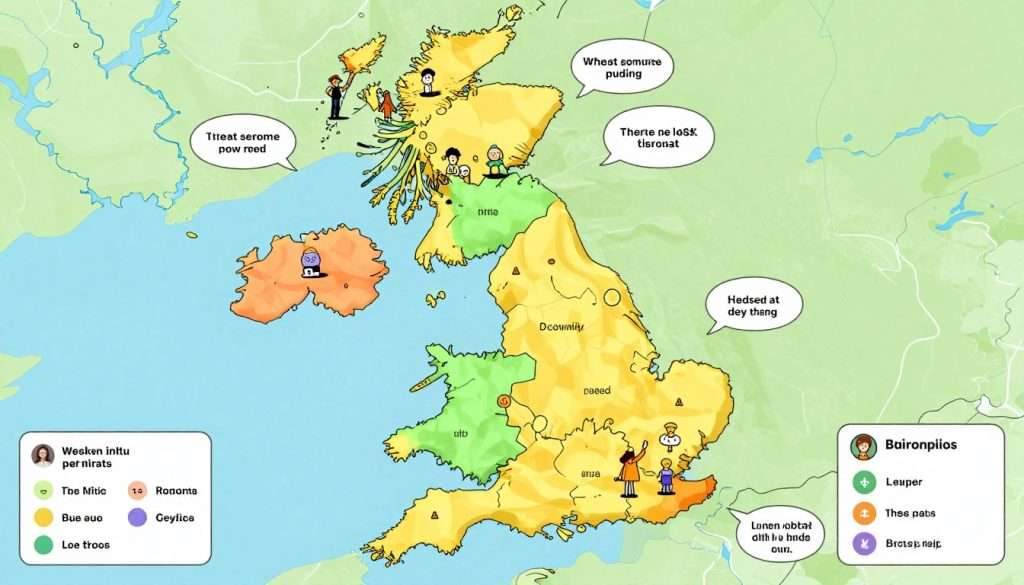
Lancashire vs Yorkshire Humor
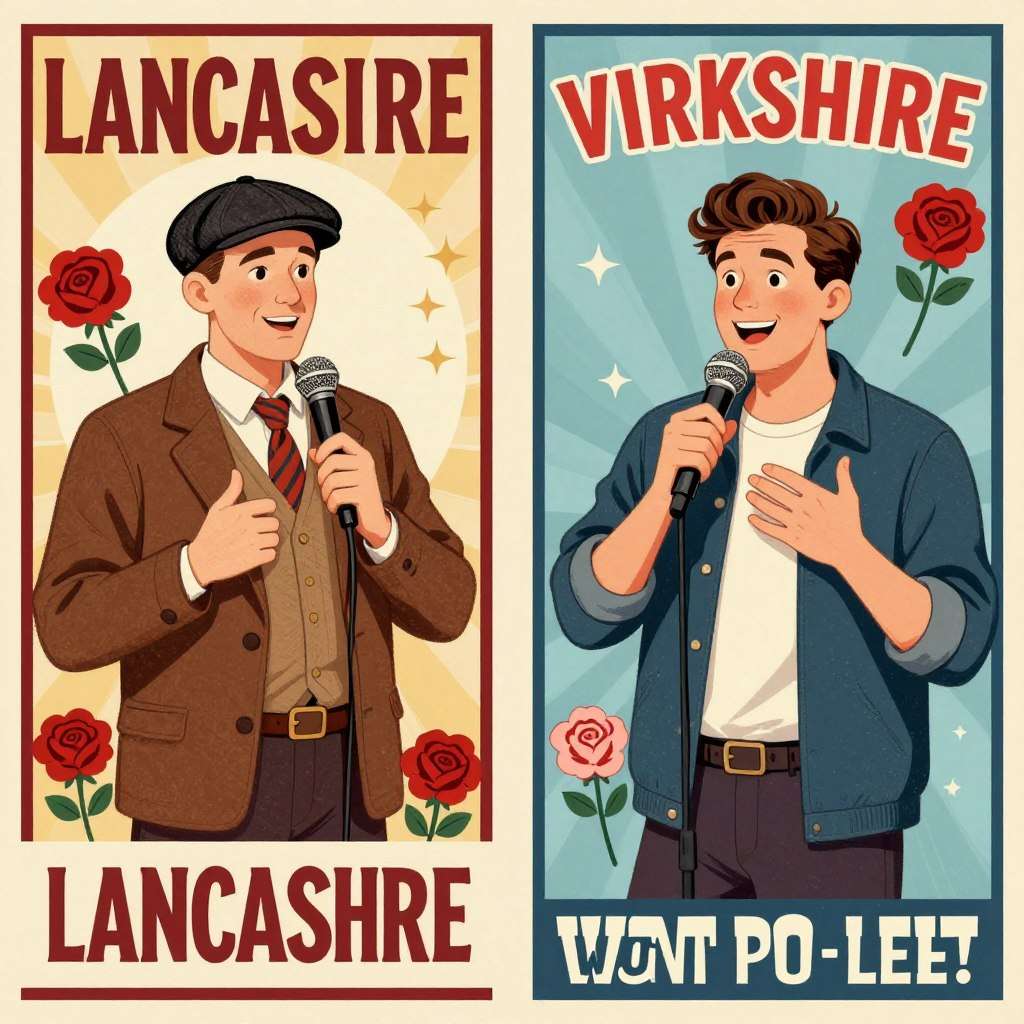
The rivalry between Lancashire and Yorkshire extends to competing comedy traditions. Both regions share working-class roots and industrial heritage. Yorkshire humor tends toward drier delivery and more pointed observations. Lancashire humor generally features warmer tone and more character-based jokes. Both traditions value plain speaking and deflating pretension.
Yorkshire comedy often focuses on shrewdness and getting value for money. Lancashire humor emphasizes community bonds and shared experiences. The stereotype suggests Yorkshire folk are tighter with money than Lancashire people. This difference appears in jokes from both sides about thriftiness. Reality shows both regions share similar values expressed through different comedic lenses.
Key Differences in Style
Lancashire humor favors storytelling and extended character development. Yorkshire comedy leans toward punchier one-liners and sharp observations. Lancashire comedians often create elaborate scenarios building to payoffs. Yorkshire performers deliver quick wit and rapid-fire jokes. Both approaches have produced legendary comedians and memorable material.
The dialect differences between regions affect comedy delivery significantly. Lancashire flat vowels create different rhythm than Yorkshire pronunciations. Each accent carries cultural associations that color audience perceptions. Comedians from both regions use their accent as comedic tool. The friendly rivalry between the counties generates endless joke material.
Despite differences, Lancashire and Yorkshire comedy share fundamental characteristics. Both traditions celebrate working-class resilience and practical wisdom. Self-deprecating humor appears prominently in comedy from both regions. The industrial heritage creates common ground in subject matter. Audiences across Britain appreciate comedy from both Lancashire and Yorkshire.
Lancashire vs Cockney Humor
London’s Cockney humor contrasts sharply with Lancashire comedy traditions. Cockney rhyming slang creates linguistic games different from Lancashire wordplay. The urban London environment produces comedy reflecting city life and diversity. Lancashire humor draws more from industrial and rural traditions. Both styles celebrate working-class culture from different geographical perspectives.
Cockney comedy tends toward faster pace and more aggressive edge. Lancashire humor favors slower build and gentler mockery. The Cockney tradition emphasizes street smarts and urban survival. Lancashire comedy focuses on community cohesion and shared identity. Both approaches reflect the environments that produced them. The differences highlight how place shapes comedic sensibility.
Lancashire vs Scottish Humor
Scottish comedy shares some characteristics with Lancashire while maintaining distinct identity. Both traditions feature strong regional pride and distinctive dialects. Scottish humor often contains darker elements and more absurdist tendencies. Lancashire comedy generally maintains lighter tone and more grounded scenarios. Scottish comedians excel at aggressive, confrontational humor when desired.
The self-deprecating streak runs through both Lancashire and Scottish comedy. Both regions use humor to address difficult historical and social realities. Scottish comedy benefits from strong stand-up tradition in Edinburgh and Glasgow. Lancashire comedy draws strength from music hall heritage and working clubs. Both traditions have produced comedy giants who influenced British entertainment.
Lancashire Comedy Traits
- Warm, community-focused humor
- Character-driven storytelling
- Music hall and variety tradition
- Self-deprecating with underlying pride
- Gentle mockery over harsh criticism
- Working-class solidarity themes
Yorkshire Comedy Traits
- Dry, understated delivery
- Quick wit and one-liners
- Sharp observational humor
- Emphasis on thrift and value
- Direct, plain-speaking style
- Pride in practicality
Cockney Comedy Traits
- Fast-paced urban humor
- Rhyming slang wordplay
- Street-smart observations
- Cheeky, irreverent tone
- Market trader patter influence
- London-centric references
Common Threads Across Regional Comedy
Despite differences, British regional comedy shares fundamental elements. All traditions celebrate working-class experience and perspective. The humor addresses universal human situations through regional lenses. Self-deprecation and deflating pomposity appear across regions. These common threads create shared British comedy identity while celebrating diversity.
Regional comedy traditions influence each other through performers and media. Comedians borrow techniques while maintaining regional authenticity. Television and touring spread regional humor to national audiences. The exchange enriches all traditions while preserving distinctive characteristics. British comedy benefits from this regional diversity and creative cross-pollination.
Evolution and Modern Synthesis
Contemporary comedy increasingly blends regional traditions into hybrid styles. Younger comedians draw from multiple influences including their regional heritage. Media exposure creates familiarity with different regional humor styles. Modern Lancashire comedians incorporate elements from other traditions while staying grounded. This evolution keeps regional comedy fresh and relevant for new audiences.
The internet and social media allow regional comedy to reach global audiences. Lancashire jokes circulate online finding fans far from the county. This exposure raises interest in regional British humor internationally. The distinctiveness that makes Lancashire comedy special translates across cultural boundaries. Universal themes expressed through regional specificity create powerful comedy.
Preserving and Celebrating Lancashire Humor Today
Preserving Lancashire humor traditions requires active effort from communities and individuals. The decline of traditional industries and social changes threaten some aspects. Migration and media homogenization pressure regional distinctiveness. Yet Lancashire humor remains resilient through adaptation and committed preservation. The tradition continues evolving while maintaining connection to roots.
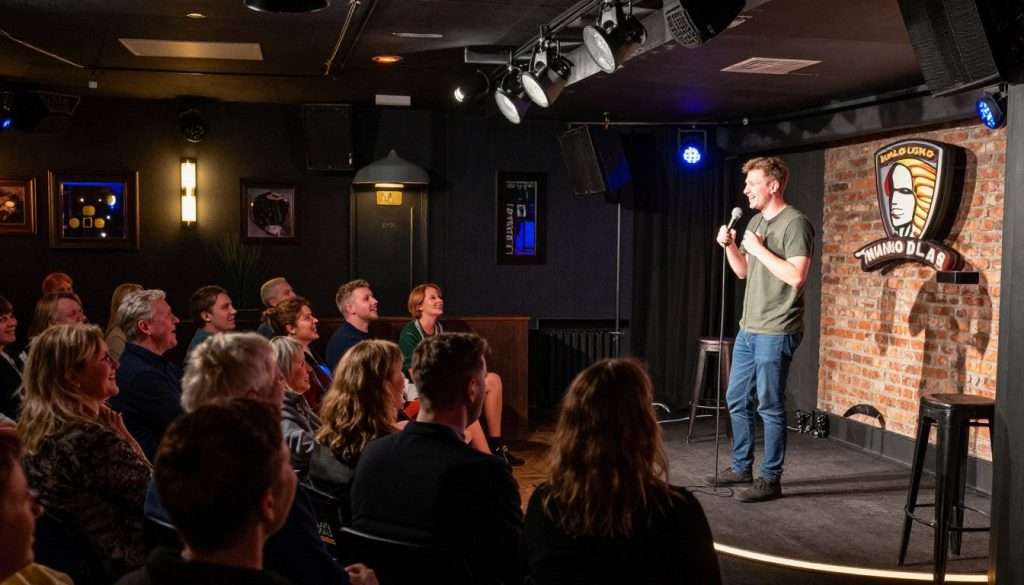
Comedy Clubs and Live Performance
Lancashire comedy clubs provide vital venues for developing and sharing humor. These spaces offer performers opportunities to hone craft and test material. Audiences experience live comedy in intimate settings that foster connection. The clubs maintain traditions while embracing contemporary comedy styles. Supporting local comedy venues helps ensure tradition continues thriving.
Open mic nights allow aspiring comedians to develop skills and find voices. These grassroots events keep comedy accessible and democratic. New talent emerges from communities across Lancashire through these opportunities. The clubs create social spaces where people gather to laugh together. This community function remains as important as entertainment provision.
Digital Archives and Resources
Online archives preserve Lancashire jokes, performances, and historical comedy materials. Websites and social media accounts share traditional jokes with new audiences. Video recordings of legendary performers ensure their work survives. Digital resources make Lancashire humor accessible to researchers and enthusiasts. Technology serves preservation while enabling wider distribution.
Podcasts and YouTube channels dedicated to Lancashire comedy reach global audiences. These platforms allow exploration of tradition at individual pace and interest. Commentary and analysis help audiences understand context and history. The digital resources complement rather than replace live performance tradition. They create new entry points for people discovering Lancashire humor.
Educational Initiatives
Schools and community organizations teach Lancashire dialect and humor history. These programs help young people connect with regional heritage. Workshops with professional comedians inspire next generation of performers. Educational resources explain context necessary for full appreciation. The initiatives build pride in regional identity among youth.
Libraries and museums collect Lancashire humor materials for public access. Exhibitions celebrate famous comedians and comedy history. Academic research examines Lancashire humor’s cultural significance. These efforts establish comedy as serious topic worthy of preservation. The educational approach ensures tradition continues through informed appreciation.
Community Storytelling
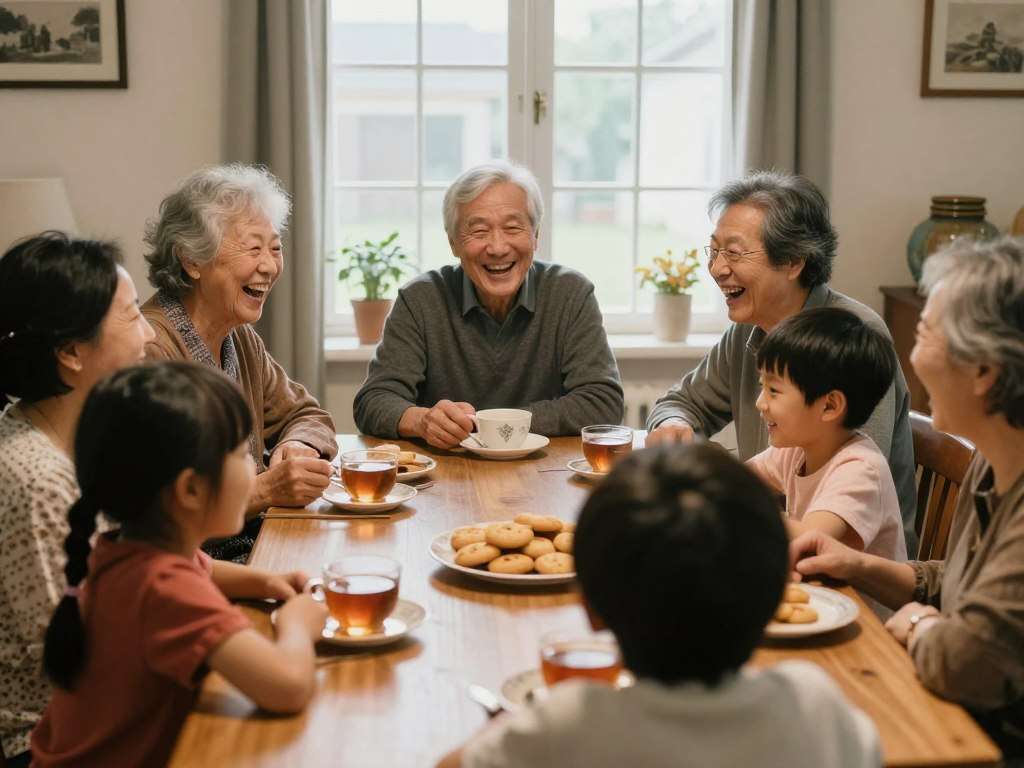
Family gatherings and social events remain crucial for passing jokes between generations. Older relatives share traditional jokes with younger family members. Community festivals celebrate Lancashire humor through performances and competitions. The pub remains important social space for joke-telling and banter. These informal settings preserve authentic tradition most effectively.
Recording family members telling jokes creates personal archives of tradition. These recordings capture authentic voices and delivery styles. Sharing stories online builds collective memory and pride. The grass-roots preservation efforts complement institutional initiatives. Together they ensure Lancashire humor continues as living tradition.
Media Representation
Television and radio programming showcasing Lancashire humor introduces tradition to broad audiences. Documentaries about Lancashire comedians educate while entertaining viewers. Drama series set in Lancashire feature regional humor authentically. Media representation validates and celebrates regional identity. Positive portrayal encourages younger generations to embrace heritage.
Streaming services make classic Lancashire comedy performances accessible globally. New productions featuring Lancashire characters and settings keep tradition visible. The media attention brings economic benefits to region through cultural tourism. Visitors seek authentic Lancashire experiences including comedy shows and cultural sites. This economic dimension supports preservation through commercial interest.
Adapting Tradition for Modern Audiences
Successful preservation requires balancing tradition with contemporary relevance. Lancashire humor must address modern life while honoring roots. Comedians incorporate current technology, social issues, and cultural references. The core values and style remain recognizable despite updated content. This adaptation ensures tradition speaks to each new generation.
Younger Lancashire comedians face challenge of respecting tradition while finding original voices. They must demonstrate knowledge of heritage while offering fresh perspectives. The best succeed in honoring the past while pushing comedy forward. Their success proves Lancashire humor tradition remains vital and creative. The future looks bright as new talent emerges regularly.
The Enduring Legacy of Lancashire Jokes
Lancashire jokes represent more than simple entertainment. They embody cultural identity, historical memory, and community values. The humor connects people across generations through shared laughter and recognition. Understanding Lancashire jokes requires appreciating the culture that produced them. The tradition continues adapting while maintaining essential characteristics.
The future of Lancashire humor depends on continued engagement from communities and individuals. Supporting local comedy, sharing jokes, and teaching younger generations all contribute. The tradition survives through use rather than preservation alone. Every person who tells a Lancashire joke keeps the tradition alive. The humor belongs to everyone who values the heritage.
Lancashire jokes will continue evolving as society changes and new comedians emerge. The core spirit of resilience, wit, and community will endure. These jokes celebrate ordinary people facing life with humor and dignity. That message resonates across time and place. Lancashire humor remains gift from the past with relevance for the future.


Leave A Comment