
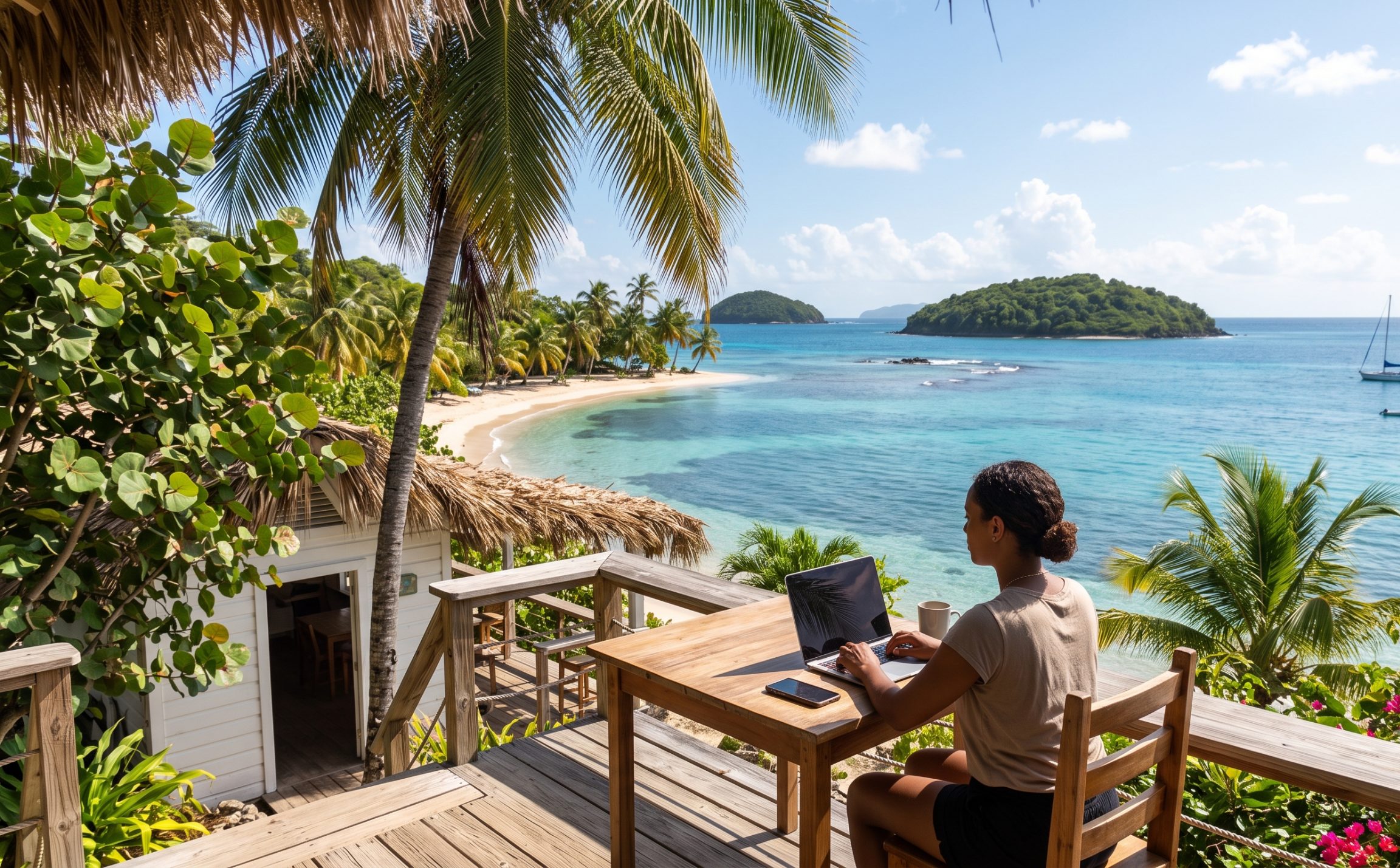
Remote Caribbean islands are emerging as prime destinations for digital nomads seeking tropical work environments. Companies are hiring remote workers at rates never seen before as statistics reveal these professionals are happier and more productive. The Caribbean offers clear advantages: affordable living costs with medium-sized city apartments available at around $500 monthly and specialized digital nomad visas with reliable internet infrastructure. This piece explores 11 remote Caribbean islands to visit, from the most adventurous Caribbean islands like Dominica with its extensive hiking trails to the most remote Caribbean island getaways perfect for focused work and remote Caribbean island vacations.
Barbados: The Digital Nomad Pioneer
Image Source: Barbados Digital
Barbados launched one of the world’s first digital nomad visa programs in June 2020. This established the island as a pioneer destination for remote workers seeking this remote Caribbean island lifestyle.
Barbados Welcome Stamp Visa Program
The Barbados Welcome Stamp allows remote workers to live on the island for 12 months. They can extend for an additional year. Individual applications cost USD 2,000, while families pay USD 3,000. Applicants must earn at least USD 50,000 annually and maintain valid health insurance. The approval process takes 7 business days. Payment is due within 28 days of approval. The program had processed 1,079 applications as of August 2020. The USA, UK, and Canada accounted for 73% of submissions. Remote workers remain exempt from Barbados income tax but pay the standard 17.5% VAT on purchases.
Best Areas for Remote Workers
The south and west coasts offer proximity to cafes, restaurants, and amenities. You get easy access to Bridgetown. Popular south coast neighborhoods include Oistins, Worthing, and Hastings. Frequent public busses service the area. Warrens has emerged as a fast-growing commercial hub. The east coast provides quieter surroundings to those seeking tranquility. The west coast attracts those preferring luxury accommodations and calm Caribbean waters, particularly around Holetown and Paynes Bay.
Coworking Spaces and Internet Reliability
Barbados delivers fiber internet with download speeds up to 1,000 Mbps. Upload speeds reach 500 Mbps. Flow and Digicel serve as the island’s two main telecommunications providers. Regus operates coworking spaces in Bridgetown, Warrens, and Speightstown. TEN Habitat in Bridgetown and Desktop.bb in St. George provide additional workspace options. Remote workers also frequent cafes like Copacabana Beach Club and Fig Tree Farms Cafe. Public libraries offer free internet access.
Cost of Living and Budgeting
One-bedroom apartments in the city center range from USD 900 to USD 1,400 monthly. Three-bedroom units outside the center cost USD 1,500 to USD 2,500. Most remote workers budget between USD 2,500 and USD 3,500 monthly. Complete estimates suggest around USD 4,700 for balanced living. A meal for two at a mid-range restaurant costs USD 100 approximately. Cappuccino runs USD 4.50, and fast food meals average USD 10. Monthly public transit passes cost USD 66.
Activities and Beach Life
Friday nights draw crowds to Oistins Fish Fry for fresh catches. Beach clubs like Copacabana offer meeting spaces and remote work setups. Water activities include snorkeling trips (BD 45 entry at Boatyard Beach Club) and surfing lessons (BD 120). Diving costs BD 80 per dive. Yoga classes by the sea cost BD 25.
Transportation Options
Public busses charge a standard BD 3.50 fare for any trip across the island. Government-operated blue busses with yellow stripes and privately-owned yellow minibusses service most routes. Many routes feature electric busses equipped with WiFi and air conditioning. Car rentals start around £24 daily for those preferring independence.
Dominica: The Nature Isle for Adventurous Nomads

Image Source: Work in Nature
Dominica positions itself as the Nature Island of the Caribbean and attracts remote workers who prioritize outdoor adventures alongside their professional commitments.
Digital Nomad Visa Requirements
The Work In Nature (WIN) Extended Stay Visa permits remote workers to relocate for up to 18 months. Applications cost USD 100 as a non-refundable deposit, with final fees of USD 800 if you have no dependents or USD 1,200 for a family. Applicants must demonstrate annual income of at least USD 50,000 or sufficient savings to support themselves. Required documents include valid passports, police records from jurisdictions lived in during the past five years, bank reference letters, and employer confirmation letters. Health insurance coverage is also mandatory. The approval process takes seven days. Applicants have 90 days to enter Dominica after approval.
Accommodation Options for Remote Workers
Housing ranges from luxury resorts and boutique hotels to eco-cottages and villas. Monthly rent for one-bedroom apartments averages USD 280 in city centers and USD 230 outside urban areas. Three-bedroom units cost USD 950 in central locations or USD 620 in outlying areas.
Internet Infrastructure and Coworking
Underground fiber connectivity provides remote workers with reliable internet access. Starlink satellite internet launched across the island and offers high-speed, low-latency connections even in mountainous regions. Coworking spaces operate at dive centers, restaurants, and hotel lobbies in unconventional fashion. The island’s average internet speed sits around 43 Mbps.
Cost of Living Breakdown
Dominica ranks among the cheapest Caribbean destinations for digital nomads. Monthly expenses for single professionals average USD 1,000. Restaurant meals cost USD 7 at inexpensive establishments or USD 55 for three-course dinners for two at mid-range venues. Local products like fresh bread (USD 2.41) and rice (USD 1.36 per kg) remain affordable. Imported items carry higher prices though. Monthly fitness passes cost USD 43, while mobile data plans with 10GB run USD 42.
Hiking Trails and Natural Attractions
Morne Trois Pitons National Park, a UNESCO World Heritage site, features extensive hiking networks. The 115-mile Waitukubuli National Trail spans the island’s length across 14 segments. Trafalgar Falls and Emerald Pool provide natural attractions that are easy to reach.
Getting Around the Island
Public minibusses charge between USD 0.93 and USD 4 depending on distance. Taxi fares average USD 3.70 per kilometer. Car rentals require purchasing a local driving permit for USD 12, valid for one month. Roads are narrow and winding and demand confident driving skills.
Antigua and Barbuda: 365 Beaches Await
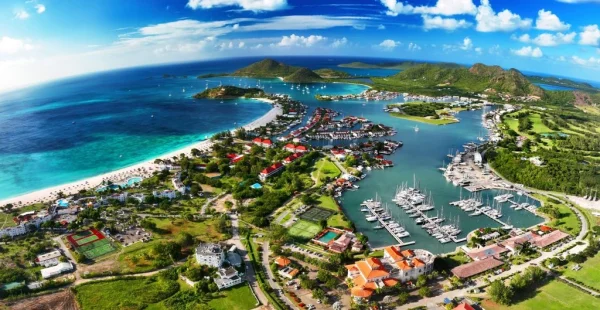
Image Source: Antigua and Barbuda High Commission
The twin-island nation markets itself with a distinctive promise: 365 beaches, one for every day of the year. This tagline represents more than tourism marketing to remote workers thinking about these remote Caribbean islands to visit.
Nomad Residency Program Details
The Nomad Digital Residence visa grants remote workers special-resident authorization valid for two years. Applications process through the official portal at antiguanomadresidence.com. Fees vary by household size: single applicants pay USD 1,500, couples USD 2,000, and families of three or more USD 3,000. Each additional dependent beyond the first three costs USD 650. Applicants must certify expected annual income of at least USD 50,000 for each year of the two-year stay. Required documentation has passport photos (2 x 2 inches), biographical passport data, medical insurance coverage certificates, police clearance for applicants over 16, proof of employment (self-employment included), and relationship documentation for dependents. Fees are paid by credit card, with receipts required to submit.
Where to Base Yourself
English Harbor and Falmouth attract the sailing community with restaurants, events and international networks, though prices rise during sailing season. Jolly Harbor suits marina users and expats preferring gated-community living with boat access. Dickenson Bay, Runaway Bay and Hodges Bay cater to beach-focused residents and carry tourism and luxury-market pricing. St. John’s provides practical access to work, shops and government offices rather than resort amenities. Better value and more space come with inland villages but require car dependency.
Wadadli Space and Internet Speeds
Wadadli Spaces operates on Herbert Road with central access. The 1,200-square-foot facility features well-designed work areas, a lounge and a kitchenette with full-sized fridge and coffee station. Members receive secure fiber WiFi, unlimited coffee and tea, free parking on-site, large desks and comfortable chairs. Median fixed internet connection speed reached 27.14 Mbps as of 2023, representing a 95.5 percent increase over the previous year.
Living Expenses and Budget
Single professionals on a modest budget need USD 1,850 to USD 2,780 monthly (rent included). Comfortable couples plan for USD 3,890 to USD 6,300, whereas families of four require USD 5,930 to USD 10,370 once rent, groceries, utilities, transport, schooling and healthcare factor in. One-bedroom apartments in city centers cost USD 560 to USD 1,300 monthly, while furnished coastal units range from USD 930 to USD 1,850. Local restaurant meals run USD 9.25 to USD 16.65 per person, though beachfront venues price to visitors.
Beach Hopping and Sailing Culture
English Harbor hosts major sailing events that include Antigua Sailing Week and the Antigua Classic Yacht Regatta. Nelson’s Dockyard, a restored marina and UNESCO World Heritage Site, anchors the harbor alongside Shirley Heights military lookout. Sailing routes connect Nonsuch Bay, Green Island, Great Bird Island, Dickenson Bay and Jolly Harbor. The surrounding waters feature protected anchorages, hundred-year-old shipwrecks for snorkeling and one-mile coral reefs.
Local Transportation Network
Public busses operate 5:30 AM to 6:00 PM daily between St. John’s and villages, though they skip the airport and northern tourist areas. Vehicles display yellow license plates marked ‘BUS’ for busses or ‘TX’ for taxis. Bus fares range from USD 0.83 to USD 1.85 based on distance. Route 22 serves southwest coast beaches that include Jolly Harbor, Darkwood and Turners every 15 to 20 minutes and costs around USD 1.11. Taxis operate on fixed government-regulated fares rather than meters. Car rentals require valid licenses plus a USD 18.50 temporary driving permit. Driving occurs on the left-hand side with a 40 mph speed limit. Ferries connect Antigua to Barbuda in 90 minutes.
St. Lucia: Paradise with Volcanic Views
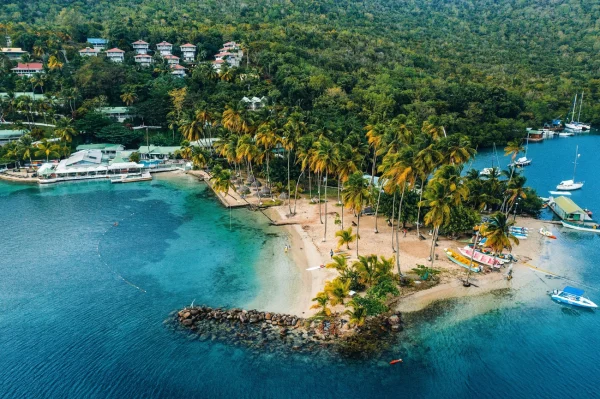
Image Source: wfa.team
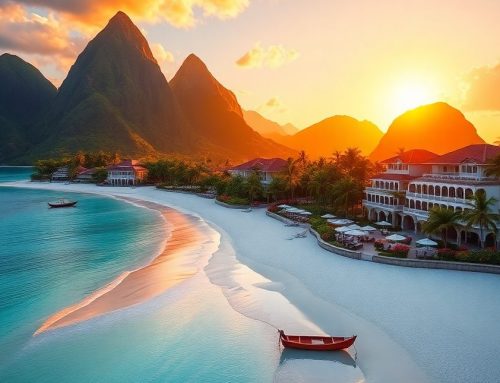
St. Lucia’s twin volcanic peaks, the Pitons, dominate the southern coastline while remote workers settle into a program launched in March 2021.
Live It Program for Digital Nomads
The “Don’t Just Visit, Live It” program permits remote workers and students to reside for up to one year. Single-entry visas cost XCD 125 (around USD 47), while multiple-entry options run XCD 190 (around USD 70). Applicants pay fees at the airport upon arrival. No minimum income threshold exists, though sufficient funds must be showed. Processing takes five business days or so, with online applications requiring passport copies, proof of remote work or enrollment, accommodation confirmation and financial documentation. Foreign earnings remain tax-exempt.
Accommodation in Gros Islet and Soufriere
Gros Islet and Rodney Bay attract expats with lively atmospheres and marina activities, with monthly rents ranging from USD 800 to USD 1,500. Soufriere offers breathtaking Pitons views and slower-paced living between the peaks and Caribbean Sea. Accommodation here drops to USD 600 to USD 900 monthly in smaller towns like Soufriere and Vieux Fort. City center one-bedroom apartments average USD 508, while units outside centers cost USD 373.
Working Remotely and Connectivity
Internet speeds average 49.64 Mbps, with some sources reporting up to 101 Mbps. Monthly packages offering 75 Mbps cost USD 60. Coworking spaces remain scarce, so many remote workers operate from home or cafes with free WiFi. Mobile 4G packages with 10GB data run USD 35 monthly.
Monthly Budget Expectations
Single professionals live comfortably on USD 1,500 to USD 2,500 monthly, while families of four need USD 2,500 to USD 4,000. Standard apartment utilities cost USD 115.63.
Pitons, Friday Fish Fry, and Activities
The Friday Fish Fry transforms Anse La Raye into an evening carnival every Friday with grilled lobster and live music. Plates with rice and vegetables average USD 15. The Gros Islet Street Party runs every Friday night for over five decades.
Public Transport and Taxi Options
Minibusses operate as the main public transport with green M-prefix plates. They charge USD 2.50 to USD 8 depending on route. Services run until around 10 PM, extending on Friday nights. Taxis display blue TX-prefix plates with fixed, non-metered fares. Public bus fares start at USD 1.50, while car rentals cost USD 40 to USD 60 daily.
Saba: The Unspoiled Queen of the Caribbean
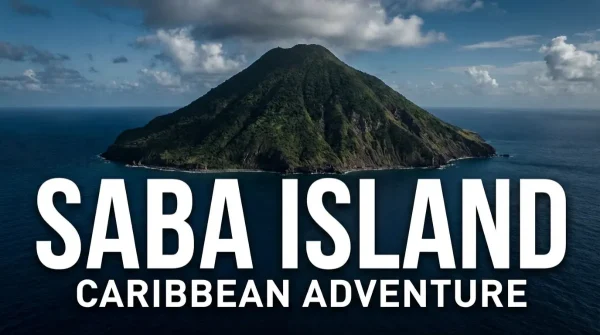
Image Source: Funseaker
Saba spans just 13 square kilometers and has earned recognition as the “Unspoiled Queen of the Caribbean.” It ranks among the most remote Caribbean islands to visit. This special municipality of the Kingdom of the Netherlands sits southeast of the Virgin Islands.
Visa Policies for Remote Workers
Saba falls under Caribbean Netherlands immigration rules. Remote workers can enter on tourist provisions. More than 25 countries had launched digital nomad visas by mid-2022, though Saba relies on standard Dutch Caribbean entry requirements rather than a dedicated program.
Eco-Lodges and Guesthouses
Rainforest Ecolodge operates at 1,826 feet elevation in Windwardside and offers off-grid cabins with solar lighting and composting toilets. Ecolodge Rendez-Vous features 12 cottages scattered across recovered rainforest terraces. Scout’s Place caters to divers with renovated rooms that blend Caribbean and international styles. Willard’s sits at 2,000 feet and provides seven guest rooms. The Gate House offers five double rooms plus a cottage. El Momo Cottages has WiFi access.
Internet Access and Remote Work Setup
Accommodations provide WiFi connectivity to meet remote work needs. The island’s small footprint and limited infrastructure mean remote workers operate from guesthouses or cafes rather than dedicated coworking spaces.
Cost Considerations
Saba’s cost of living runs high because of its remote location and dependence on imported goods. The government commissioned research to understand factors that drive elevated prices in the supply chain.
Mount Scenery Hiking and Diving
Mount Scenery reaches 887 meters and stands as the highest point in the Kingdom of the Netherlands. The trail features 1,015 stone steps through rainforest and takes approximately 2.5 hours roundtrip. Saba Marine Park has 30 dive sites.
Getting Around This Tiny Island
The Road connects all villages without bus service. Taxi fares range from USD 15 to USD 25 for airport transfers to Windwardside. Car rentals cost USD 45 to USD 65 daily. Ferries Dawn II and The Edge connect to St. Maarten.
Montserrat: The Emerald Isle’s Remote Charm
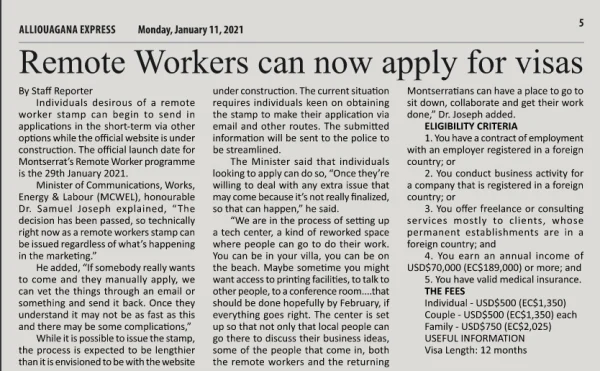
Image Source: Reddit
Montserrat earns its “Emerald Isle” designation from lush landscapes and Irish heritage. This attracts remote workers to one of the most remote Caribbean islands with volcanic history shaping modern life.
Entry Requirements and Work Permits
The Montserrat Remote Worker Stamp permits remote workers to reside for 12 months with renewal options. Applicants must earn at least USD 70,000 annually and hold valid health insurance covering Montserrat. They need clean criminal records and passports with six months remaining validity. Single applications cost USD 500, while families pay USD 750. Processing takes seven business days through an online system. The stamp exempts holders from Montserrat income tax on foreign earnings.
Housing Options for Nomads
Salem, Old Towne and Olveston draw expat families with villa rentals ranging from €700 to €1,800 per month. Brades and local residential areas offer modest options from €450 to €900. One-bedroom apartments in city centers cost USD 400 per month and drop to USD 300 outside centers. Properties like Jasmine Suites in Runaway Pointe Circle, Manjack Hill-View Retreat starting at USD 100, and Chez Mango Villas in Woodlands provide furnished accommodations with WiFi.
Connectivity and Work Infrastructure
Fiber broadband reaches main northern areas with speeds averaging 20 Mbps. Broadband costs USD 48 per month. The Montserrat Subsea Fiber Optic Project connected the island to Antigua and Guadeloupe after 20 years without international fiber connectivity. Starlink satellite internet launched on the island not long ago. Montserrat lacks coworking spaces, so remote workers operate from home.
Living Costs on the Island
Utility bills range from USD 100 to USD 200 per month. Weekly groceries for one person cost USD 50 to USD 70. Restaurant meals average USD 10 to USD 20 per person. Car rentals run USD 400 to USD 600 per month.
Volcanic Exclusion Zone Exploration
The southern half remains an exclusion zone following Soufrière Hills Volcano eruptions that began in 1995. Plymouth, the former capital, sits buried under volcanic material. Guided tours access Zone V with radio communication to the Montserrat Volcano Observatory.
Transportation on Montserrat
One main road connects all villages. Budget-friendly bus service charges USD 1.25 as starting rates. Taxis and car rental services operate island-wide.
Best beaches in Turks and Caicos.
Trinidad and Tobago: Dual Island Experience

Image Source: LinkedIn
This twin-island republic delivers contrasting experiences within a single destination. Trinidad pulses with cultural energy and rhythmic vitality, whereas Tobago offers serene coastlines and romance. A 25-minute domestic flight connects both islands, and ferry services provide scenic alternatives.
Visa Conditions for Extended Stays
Trinidad and Tobago launched a pilot digital nomad visa that offers 12-month stays to professionals earning between USD 30,000 and USD 50,000 annually. The Ministry of National Security processes work permit applications, and each permit gets issued for specific periods and tied to particular organizations. Foreign nationals who want extended stays must apply through the Immigration Division.
Tobago vs Trinidad for Digital Nomads
Trinidad serves as the commercial and cultural hub. Major companies like BP Trinidad and Tobago and Shell Trinidad and Tobago call it home. Port of Spain provides coworking spaces and networking opportunities. It sits close to key transport hubs, including Piarco International Airport. Tobago attracts remote workers who prefer tranquil environments with world-class beaches. Car rentals become a must since attractions spread across the island.
Coworking Spaces and Internet Quality
Regus operates coworking locations in Port of Spain, San Fernando, and Chaguanas. These spaces offer high-speed WiFi, ergonomic furniture, and meeting facilities. Spaces provides premium workspaces with sophisticated design near Piarco International Airport and Point Lisas shipping port. The Worx features 12 dedicated desks, 18 hot desks, and private offices. You’ll also find phone booths and rooftop access with microwave, secure parking, and high-speed internet.
Budget Breakdown and Affordability
Single professionals need around USD 2,125 monthly for living expenses. One-bedroom apartments in city centers cost USD 578 but drop to USD 408 outside centers. Three-bedroom units average USD 1,188 in the center or USD 776 in suburban areas. Restaurant meals range from USD 10 at inexpensive venues to USD 81 for three-course dinners for two at mid-range establishments. Utilities run USD 92 monthly, and internet adds USD 56. Public transport costs USD 0.88 per trip. Monthly passes reach USD 128.
Beaches, Culture, and Carnival
Trinidad’s Carnival earns recognition as the “Greatest Show on Earth.” J’ouvert kicks off at 4:00 AM on Carnival Monday. Participants cover themselves in paint and mud while dancing to soca and steelpan music. The Panorama steelpan competition showcases 75 to 200 musicians per band. Maracas Beach draws crowds for Richard’s Bake and Shark, the island’s famous fish sandwich topped with mango chutney and tamarind sauce.
Busses, Taxis, and TTRideShare
TTRideShare emerged as the main rideshare platform after Uber left. It offers competitive rates with no hidden fees and 24/7 SOS alert support. Taxis display “H” license plates and operate without meters on negotiated fares. Public busses serve major cities but lack set timetables. Inter-island ferries cost USD 8 for express service that takes three hours, or USD 6 for conventional ferries that require six hours.
Bequia: Grenadines Hidden Gem
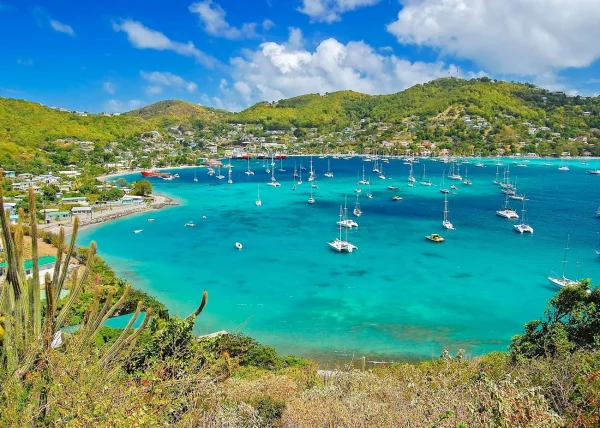
Image Source: Audley Travel
Bequia forms part of St. Vincent and the Grenadines and spans approximately seven square miles as the second-largest island in the Grenadines chain. Port Elizabeth serves as the capital, positioned on Admiralty Bay where sailing culture runs on year-round.
Visa and Long-Term Stay Options
St. Vincent and the Grenadines permits visitors to stay up to six weeks per visit. Property owners can get extended immigration stamps for up to three months at a time. Work permits require employer sponsorship at a cost of EC$7,500. Each case receives consideration based on income and skill demonstration.
Best Locations to Settle
Lower Bay Beach and Princess Margaret Beach position remote workers within walking distance of amenities. Friendship Bay offers quieter surroundings. Port Elizabeth provides access to restaurants and the ferry terminal, along with diving operators.
Remote Work Facilities
Accommodations provide WiFi connectivity for remote work. The island has no dedicated coworking spaces.
Cost of Living Analysis
Property purchases for foreigners start at USD 250,000. Food costs mirror North America and Europe pricing.
Sailing, Diving, and Island Culture
Over 30 snorkeling and dive sites sit within a single bay. Dive Bequia operates from Port Elizabeth. The Friendship Rose schooner offers excursions to Tobago Cays and Mustique.
Ferry and Local Transport
Ferries from St. Vincent’s Kingstown to Port Elizabeth run multiple times daily and take one hour at EC$25 one-way. Open-sided pickup truck taxis provide island transport.
Curaçao: Dutch Caribbean Tech Hub
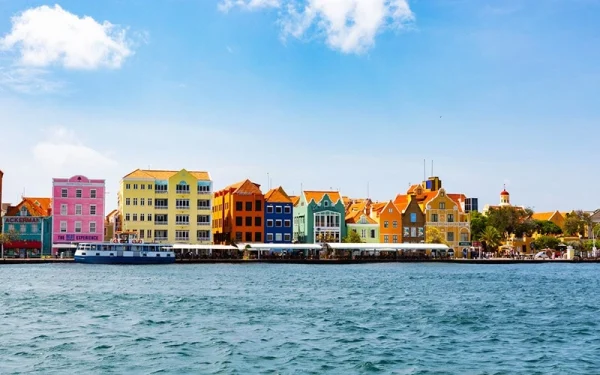
Image Source: HOME in Curaçao
Curaçao blends Dutch colonial heritage with Caribbean culture and positions itself as a tech-forward destination among remote Caribbean islands.
Digital Nomad Visa @Home in Curaçao
The @Home in Curaçao program permits remote workers to reside for six months with renewal options for another six months. Applications cost USD 264 to USD 300, with no minimum income requirement noted, though some sources cite USD 2,500 monthly. Applicants must show they can work remotely and hold valid health insurance. They need clean criminal records, secured accommodation, and return flight tickets. The online application processes within two weeks. Foreign-earned income is exempt from taxes.
Neighborhoods for Remote Workers
Pietermaai features colorful houses and waterfront dining with restaurants. Jan Thiel offers villas and beaches. West Point delivers clear waters and beaches including Playa Lagun and Little Cut.
Coworking and High-Speed Internet
Curaçao Coworking in Pietermaai provides 24/7 access and high-speed internet with meeting rooms and complimentary coffee. Other spaces include coWorld in Otrobanda and Workspot in Scharloo, along with CITI Coworking. Fiber internet reaches 100 Mbps for USD 60 monthly.
Living Expenses and Pricing
Single professionals need USD 1,400 to USD 2,000 monthly. City center apartments with one bedroom cost USD 838 to USD 950. Restaurant meals average NAf31.89 at inexpensive venues. Monthly utilities run NAf466.
Colorful Willemstad and Beach Adventures
Willemstad’s rainbow buildings form a UNESCO World Heritage Site. Queen Emma Bridge connects Punda and Otrobanda. Mambo Beach combines dining and white sand.
Transportation and Car Rentals
Car rentals start at USD 29 daily. Enterprise and many local agencies operate island-wide. Public busses charge NAf3.50 one-way but run infrequently. Taxis operate unmetered.
Nevis: Quiet Retreat for Focused Work
Nevis has roughly 12,000 residents and provides one of the quietest remote Caribbean islands for professionals seeking distraction-free environments among natural wellness opportunities.
Immigration and Work Visa Details
The Remote Work Stay program allows professionals to reside for 12 months while working remotely. Applicants must demonstrate annual income of at least USD 50,000 and maintain health insurance coverage. Police records must be clean. Passports require six months validity beyond the intended stay period.
Accommodation for Long-Term Stays
Monthly rentals range from USD 1,600 at Tangerine cottage to USD 4,550 at Tres Jolie during off-season. Airbnb offers furnished monthly stays with WiFi for digital nomads. Four Seasons provides extended-stay villa rentals with ambassador service and daily housekeeping.
Internet Reliability and Work Spots
Accommodations provide WiFi connectivity. There are no coworking spaces. Remote workers operate from rental properties or resort facilities.
Monthly Cost Breakdown
Monthly rent for furnished studios in expensive areas costs USD 2,406, whereas normal areas run USD 1,657. Utilities average USD 350 monthly. Internet costs USD 116.
Hiking, Hot Springs, and Relaxation
Nevis Peak reaches 3,232 feet and offers challenging summit hikes. The Bath Hot Springs provide mineral-rich therapeutic waters for muscle recovery. Guided wellness experiences cost USD 85 for heritage tours or USD 175 for mindfulness rainforest hikes.
Getting Around Nevis
Taxis charge minimum USD 20 fares. Island tours cost USD 100 for 2-3 hours. Car rentals require USD 25 temporary permits, with daily rates between USD 45 and USD 70. Minibusses operate peak hours but diminish after dusk.
Bonaire: Diver’s Paradise for Remote Work
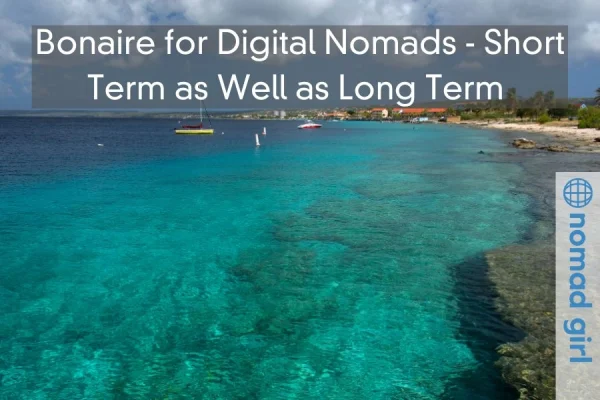
Image Source: Nomad Girl
Bonaire’s automobile license plates proclaim “A Diver’s Paradise,” reflecting the island’s status among the most adventurous Caribbean islands for underwater exploration. This special municipality of the Kingdom of the Netherlands sits 24 miles long and three to seven miles wide outside the hurricane belt.
Visa Requirements for Extended Stay
Visitors stay up to 90 days without a visa. Extended stays require residence permits that allow remote workers to establish temporary residency.
Where to Live as a Digital Nomad
Happy Holiday Homes and Terramar Apartments provide budget-friendly accommodation options that cater to digital nomads and promote supportive remote work communities. Monthly rent ranges from USD 850 to USD 1,100. Kralendijk, the capital meaning “coral reef,” features well-preserved Caribbean architecture. The Belnem area offers seawall access to water.
Connectivity and Remote Work Setup
Mobile 4G coverage is strongest around Kralendijk, the western coast and main tourist roads. Monthly broadband costs USD 119.
Cost of Living on Bonaire
Living costs run lower than the United States. Daily food expenses average USD 15 to USD 20. Monthly utilities reach USD 566.67.
World-Class Diving and Eco-Tourism
Over 86 dive sites surround the island with water visibility that exceeds 100 feet. Bonaire designated all surrounding waters as Marine Park in 1979 and earned recognition as the world’s first Blue Destination with 100% protected marine territory.
Transportation and Island Mobility
No public transportation operates on Bonaire. Small cars rent for approximately USD 50 daily, while pickup trucks cost USD 70. Airport taxis charge USD 15 to USD 20 to Kralendijk.
Comparison Table
| Island | Visa Program | Duration | Visa Cost (Individual) | Min. Income Requirement | Internet Speed | Monthly Cost of Living | 1-BR Rent (City Center) | Key Attraction | Coworking Spaces |
| Barbados | Barbados Welcome Stamp | 12 months (extendable) | USD 2,000 | USD 50,000/year | Up to 1,000 Mbps | USD 2,500-3,500 | USD 900-1,400 | Digital nomad pioneer, 365 beaches | Regus (multiple locations), TEN Habitat, Desktop.bb |
| Dominica | Work In Nature (WIN) Extended Stay Visa | 18 months | USD 800 | USD 50,000/year | ~43 Mbps (Starlink available) | USD 1,000 | USD 280 | UNESCO World Heritage hiking, 115-mile Waitukubuli Trail | Unconventional spaces (dive centers, restaurants, hotel lobbies) |
| Antigua and Barbuda | Nomad Digital Residence | 24 months | USD 1,500 | USD 50,000/year | 27.14 Mbps | USD 1,850-2,780 | USD 560-1,300 | 365 beaches, sailing culture | Wadadli Spaces |
| St. Lucia | Don’t Just Visit, Live It | 12 months | XCD 125 (~USD 47) | No minimum (sufficient funds required) | 49.64-101 Mbps | USD 1,500-2,500 | USD 508 | Twin Pitons, Friday Fish Fry | Scarce (work from home/cafes) |
| Saba | Dutch Caribbean entry (no dedicated program) | Tourist provisions | N/A | N/A | WiFi at accommodations | High (imported goods) | – | Mount Scenery (highest point in Netherlands), 30 dive sites | None (work from guesthouses) |
| Montserrat | Remote Worker Stamp | 12 months (renewable) | USD 500 | USD 70,000/year | ~20 Mbps (fiber in main areas) | – | USD 400 | Volcanic exclusion zone, Irish heritage | None (work from home) |
| Trinidad and Tobago | Pilot Digital Nomad Visa | 12 months | – | USD 30,000-50,000/year | – | USD 2,125 | USD 578 | Carnival, dual island experience | Regus, Spaces, The Worx |
| Bequia | St. Vincent & Grenadines entry | Up to 6 weeks (3 months for property owners) | – | Case-by-case basis | WiFi at accommodations | Like North America/Europe | – | 30+ dive sites in one bay, sailing culture | None |
| Curaçao | @Home in Curaçao | 6 months (renewable for 6 more) | USD 264-300 | USD 2,500/month | 100 Mbps | USD 1,400-2,000 | USD 838-950 | UNESCO Willemstad, colorful architecture | Curaçao Coworking, coWorld, Workspot, CITI |
| Nevis | Remote Work Stay | 12 months | – | USD 50,000/year | WiFi at accommodations | – | USD 2,406 (furnished, expensive areas) | Nevis Peak hiking, Bath Hot Springs | None |
| Bonaire | Residence permit (no dedicated program) | 90 days without visa; residence permit for longer | – | N/A | 4G coverage (strongest in Kralendijk) | Lower than USA | USD 850-1,100 | 86+ dive sites, first Blue Destination | Happy Holiday Homes, Terramar Apartments (community-focused) |
Enjoy Remote Caribbean Islands
Each island presents distinct advantages to remote professionals. Barbados and Antigua cater to those seeking reliable infrastructure and vibrant communities, while Dominica and Saba attract adventure enthusiasts. Budget-conscious nomads gravitate toward Dominica and St. Lucia. Diving enthusiasts prioritize Bonaire. Internet reliability varies substantially, from Barbados’ fiber speeds up to 1,000 Mbps to more modest connections on smaller islands. Visa costs range from USD 47 in St. Lucia to USD 2,000 in Barbados, with income requirements spanning USD 30,000 to USD 70,000 per year. The decision ends up depending on balancing work requirements, lifestyle priorities and budget constraints in a variety of Caribbean destinations.
FAQs
Q1. Which Caribbean islands offer digital nomad visa programs? Several Caribbean islands have established digital nomad visa programs, including Barbados (Welcome Stamp), Dominica (Work In Nature), Antigua and Barbuda (Nomad Digital Residence), St. Lucia (Live It Program), Curaçao (@Home in Curaçao), and Montserrat (Remote Worker Stamp). Each program has different requirements, costs, and durations ranging from 6 months to 24 months.
Q2. What is the most affordable Caribbean island for digital nomads? Dominica stands out as one of the most budget-friendly options, with monthly expenses averaging around USD 1,000 for single professionals. One-bedroom apartments cost approximately USD 280 in city centers, and the Work In Nature visa costs USD 800 for individuals, making it significantly cheaper than many other Caribbean destinations.
Q3. Do I need to pay taxes on my income as a digital nomad in the Caribbean? Most Caribbean digital nomad programs exempt foreign-earned income from local taxation. For example, Barbados, St. Lucia, and Curaçao all allow remote workers to maintain tax exemption on income earned from employers or clients outside the country, though standard VAT applies to local purchases.
Q4. How reliable is internet connectivity on remote Caribbean islands? Internet reliability varies significantly across islands. Barbados offers the fastest speeds with fiber internet up to 1,000 Mbps, while Curaçao provides 100 Mbps fiber connections. Smaller islands like Dominica average around 43 Mbps but have recently added Starlink satellite internet. Most islands provide sufficient connectivity for remote work, though speeds may be lower on the smallest islands.
Q5. What are the best Caribbean islands for diving and water sports? Bonaire is renowned as a diver’s paradise with over 86 dive sites and 100% protected marine territory. Bequia offers 30+ snorkeling and dive sites within a single bay, while Saba features 30 dive sites within its Marine Park. St. Vincent and the Grenadines, particularly Bequia, also provides excellent sailing culture alongside diving opportunities.




Leave A Comment