
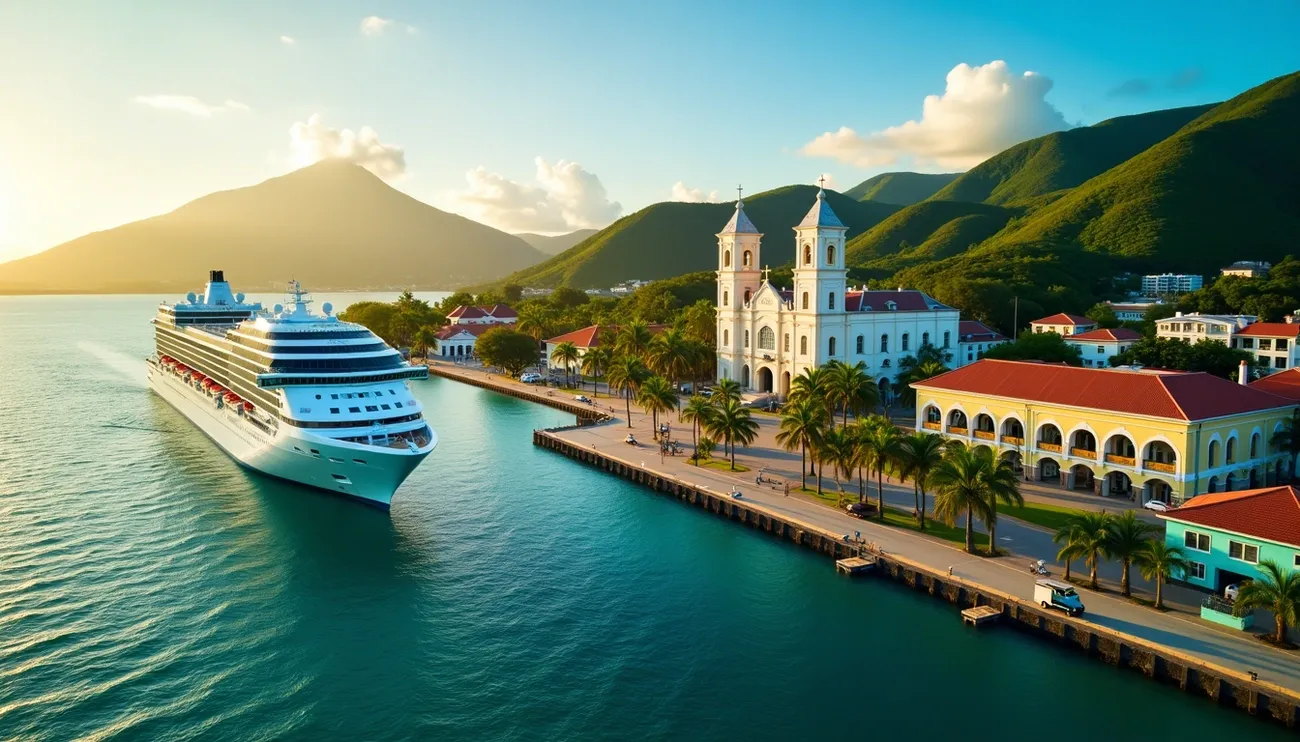
Fort-de-France, Martinique cruise port draws 240 cruise ships each year, bringing 421,000 tourists to this Caribbean paradise. Most visitors stay close to the busy Pointe Simon pier, missing out on this French overseas territory’s true gems.
The capital city of Martinique, Fort-de-France covers 44 km² with about 85,000 residents. Visitors can start their journey here to find hidden spots that reflect the island’s rich mix of French, African, and Caribbean cultures. The city offers everything from historic buildings that withstood Mount Pelee’s devastating 1902 eruption to quiet beaches just a short walk from the cruise terminal. Each spot gives tourists a chance to see Martinique’s authentic side.
The French Caribbean port gives cruise passengers more choices than you might expect. The yearly Carnival stands out as one of the Caribbean’s most amazing festivals, yet many visitors overlook the special places that locals love. This piece reveals 13 hidden spots near the Martinique cruise port that will make your short island visit memorable.
Schoelcher Library

Image Source: Tripadvisor
The Schoelcher Library stands as an amazing architectural marvel that many cruise visitors miss, even though it’s just a quick walk from the Martinique cruise port. Cruise passengers looking for real-life experiences beyond the usual tourist spots will find a perfect mix of history, culture, and beautiful design here.
Schoelcher Library architecture
The library’s eye-catching design grabs attention right away with its beautiful façade of yellow and red mosaics. This remarkable building blends Roman-Byzantine elements with Art Nouveau touches, Egyptian artistic influences, and Neoclassical design. Architect Pierre-Henri Picq directed its construction in 1887, creating an impressive metal framework that supports a unique glass dome.
The interior matches the exterior’s grandeur. Beautiful ceiling designs catch your eye as you walk in, while the original cement floor tiles and historic woodwork tell stories of the library’s past. Sunlight streams through detailed stained-glass windows, creating a space that connects Paris and Fort-de-France.
Schoelcher Library historical significance
Victor Schoelcher, a powerful 19th-century French abolitionist who fought to end slavery in the Caribbean, gave this library more than just his name. He donated 10,000 books to Martinique in 1883, which started the library’s collection. Sadly, a fire in 1890 destroyed most of these books.
The sort of thing I love about this landmark is its unique story. Workers built it first in Paris for the 1889 World Exposition. They then took it apart, shipped it across the Atlantic, and rebuilt it piece by piece in Fort-de-France six years later. Now it holds about 130,000 books, including many rare ones, making it the island’s most visited building.
Schoelcher Library visitor tips
Cruise passengers with limited time will find the library easy to reach. You’ll find it opposite La Savane central park on Rue Victor Sévère, just a ten-minute walk from the cruise terminal and five minutes from Saint-Louis Cathedral.
The library opens Tuesday through Thursday (8:30am-5:30pm), Friday (8:30am-5:00pm), Saturday mornings (8:30am-12:00pm), and Monday afternoons (1:00pm-5:30pm). You can’t bring food or drinks inside, but plenty of restaurants sit nearby.
Anyone can browse the collections and exhibitions at no cost. Borrowing materials needs registration with ID and proof of address. On top of that, the library hosts regular cultural events that showcase Martinique’s rich heritage.
Plage la Française
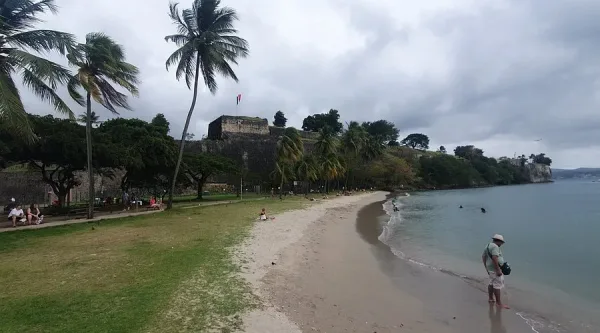
Image Source: Tripadvisor
A charming urban beach called Plage la Française welcomes cruise passengers just steps from the Martinique cruise port. This hidden coastal gem lets visitors experience authentic island life without straying far from their ship.
Plage la Française location
This small beach sits right at the base of the historic Fort Saint-Louis in downtown Fort-de-France. You’ll find it right across from La Savane, the city’s central park. Cruise visitors love its location – a quick walk from the cruise pier makes it perfect when time ashore is limited.
The beach stretches 110-130 meters along the coast. Its intimate setting feels worlds away from city life, though it sits in Fort-de-France’s heart. As the city’s only beach, Plage la Française draws both tourists and locals alike.
Plage la Française swimming conditions
Swimmers will find ideal conditions at Plage la Française. The sea stays remarkably calm, and waves rarely exceed 0.1 to 0.3 meters – perfect conditions for a relaxed swim or wade. The water temperature stays around 27°C (80.6°F) year-round, making every dip comfortable.
Beautiful turquoise waters get deeper gradually from shore, which suits swimmers of all abilities. Note that the beach doesn’t have lifeguard supervision, so families with children should take extra care.
Plage la Française nearby attractions
The beach’s surroundings burst with interesting sights. Fort Saint-Louis towers above, standing guard since 1638. The fort still serves as an active military base, and visitors might hear soldiers training inside.
A Malecon (waterfront promenade) connects to the beach and features children’s playgrounds. La Savane Park sits just across the street, offering more recreational space. A pontoon stretches into the water, adding to the beach’s appeal.
Life at Plage la Française pulses with energy all day long. Early birds exercise, families gather on weekends, and young people meet up to socialize. The beach also plays a special role in local culture as the start and finish line for Martinique’s famous Tour des Yoles boat race.
Practical amenities make visits comfortable with showers, bars, restaurants and snack spots nearby. Video surveillance and regular municipal police patrols keep the area safe, though evening visitors should stay alert.
St. Louis Cathedral
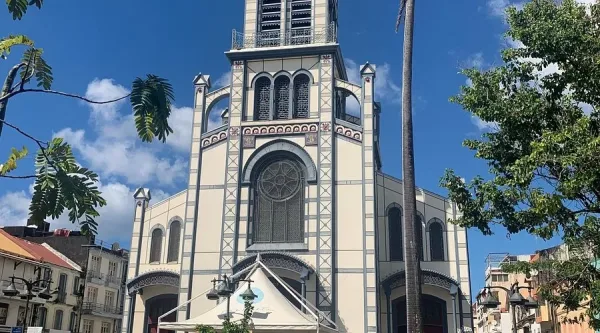
Image Source: Tripadvisor
St. Louis Cathedral dominates Fort-de-France’s skyline with its distinctive 187-foot iron spire. This magnificent structure stands as proof of architectural innovation and historical perseverance. Cruise passengers who venture beyond the Martinique cruise port will see this essential landmark that blends religious heritage with engineering brilliance.
St. Louis Cathedral design
The current cathedral showcases a striking Gothic Revival architectural style with Neo-Romanesque rounded window arches. Pierre-Henri Picq, who worked with Gustave Eiffel, designed this masterpiece that opened in 1895 [link_1]. The cathedral’s revolutionary all-metal framework earned it the nickname “The Iron Cathedral.” Its interior reminds visitors of a classic railway station.
Beautiful stained glass windows greet visitors as they step inside. These windows tell Fort-de-France’s history and Saint Louis’s life story. The cathedral features intricate religious art, expertly crafted wooden elements, and a grand organ that fills the space with spiritual energy. You can spot this unique building from anywhere in the city thanks to its light-peach exterior and reddish-brown accents.
St. Louis Cathedral resilience through disasters
The cathedral’s remarkable story shows its importance to the city. This building is actually the seventh church built here since 1657. Earlier versions fell to fires, earthquakes, hurricanes, and nature’s fury. A devastating fire in 1890 destroyed the previous cathedral and three-quarters of Fort-de-France. This disaster led engineers to use industrial revolution materials for a stronger rebuild.
Engineers designed the metal framework to handle fires, earthquakes, and cyclones. Their smart planning worked well. The cathedral needed only minor bell tower repairs since its construction. This building stands as a symbol of Martinique’s strength and cultural heritage.
St. Louis Cathedral visitor experience
The cathedral sits just a block northwest of La Savane Park. Cruise passengers can reach it after a 30-minute walk from the terminal. Weekday mornings offer the best time to visit. The quiet atmosphere lets travelers appreciate the cathedral’s peaceful interior and architectural details.
Visitors can see a crypt beneath the choir loft that holds tombs of former Martinique governors. Local residents still pack the cathedral for weekly masses, especially on Saturday nights and Sundays.
The cathedral looks stunning in photos at different times of day. Evening lights create magical exterior views, while morning sun streams through stained-glass windows to paint the interior with vibrant colors.
Fort St. Louis
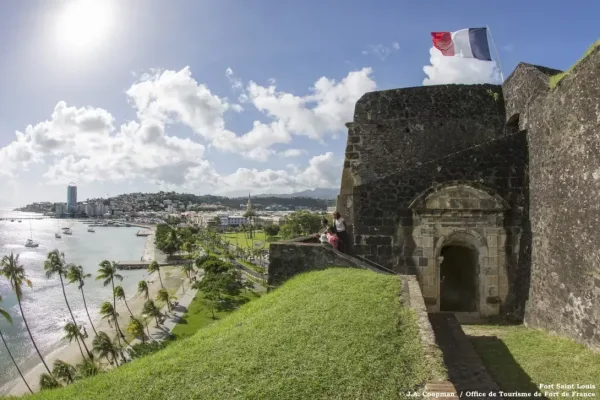
Image Source: www.martinique.org
Fort St. Louis stands on a rocky islet with views of the Bay of Fort-de-France. This 17th-century fortress ranks among the best-preserved in the Caribbean and sits just minutes from the Martinique cruise port.
Fort St. Louis history
Military needs during the war against Holland led to the fort’s construction in 1638. A student of the famous military engineer Vauban designed the final plans, and builders completed the fort in 1680. King Louis XIV’s name graces this fortress that saw many battles between European powers. British forces captured the fort multiple times and called it “Fort Edward” during their control. The French later took it back and named it “Fort de la République”.
Military architects improved the fortress for almost two centuries. The fort withstood the Seven Years’ War and fought off a British attack in 1759. British forces finally captured it in 1762. The name Fort St. Louis became permanent in 1793.
The fort’s history took an unusual turn late in the 19th century. The French government left it empty, and it became a zoo for a short time. The facility returned to military service after World War II. Today, it serves as an active French naval base that helps fight drug trafficking in the Caribbean.
Fort St. Louis guided tours
Cruise ship passengers can explore this military landmark through guided tours that last about 1 hour and 15 minutes. Tours run Tuesday through Friday at 9am, 10am, 11am, 12pm, 2pm, and 3pm. Saturday tours operate from 9am until noon.
Groups max out at 20 people, and spots fill up fast when cruise ships arrive. Visitors can see the outer fortifications and level 3 ramparts. These spots provide amazing views of Fort-de-France and the bay. The fort’s status as an active military base means visitors can’t photograph military personnel, and some areas remain off-limits.
Visitors love these tours and praise the guides who share the fortress’s secrets and stories. People with limited mobility should note that the fortress has many stairs and uneven surfaces.
Fort St. Louis iguana sightings
Green iguanas (Iguana iguana) add an unexpected element to the fort’s attractions. Father Pinchon brought them from the Saintes Islands in the 1970s. These reptiles now delight tourists who watch them sunbathe between the moat and ramparts or munch on mangoes around the grounds.
These entertaining green iguanas create an environmental challenge. Scientists list them as an invasive species in Martinique. They threaten the endangered Lesser Antillean Iguana (Iguana delicatissima) by breeding with them and competing for resources. The fort’s iguana population has spread throughout Martinique.
La Savane Park
La Savane Park is the green heart of Fort-de-France and a perfect stop for cruise visitors stepping off their ships. This beautiful 12.5-acre park stretches between Fort Saint-Louis and downtown, giving visitors a peaceful retreat just minutes from the cruise terminal.
La Savane Park layout
The park’s story goes back to the 17th century when it was just marshland. Now it’s a favorite spot where locals and tourists come together. You won’t find any fences around the park, which adds to its welcoming feel. Royal palms, traveler’s trees, and bright bougainvillea create a stunning landscape. Comfortable seating areas and wide paths make it perfect for relaxing walks.
The park sits next to the beautiful Schoelcher Library on its west side and offers amazing views of Fort Saint-Louis to the east. Cruise passengers can easily visit these attractions in one trip. Since the park’s renovation in 2011, visitors might spot iguanas sunbathing among the trees.
La Savane Park Empress Josephine statue
The park’s most important feature was once the marble statue of Empress Joséphine, Napoleon’s first wife who was born in Martinique. The statue went up in 1859 but became controversial as people learned about Joséphine’s role in bringing back slavery to French colonies.
Protesters made their mark in 1991 by cutting off the statue’s head and covering it with red paint. City officials left it that way. The headless statue stood as a reminder of Martinique’s difficult colonial history until July 2020, when anti-racism protesters took it down completely.
La Savane Park cultural relevance
The park is more than just a historical site. It’s a lively community space where cultural events happen year-round. Weekly markets, dance shows, and music concerts bring Martinique’s heritage to life.
Local couples have long seen the park as their special meeting place. A small colorful market inside sells unique items, souvenirs, and local treats that cruise visitors love. The park’s location makes it a great starting point to learn about Fort-de-France’s nearby attractions.
Street Art in Fort-de-France
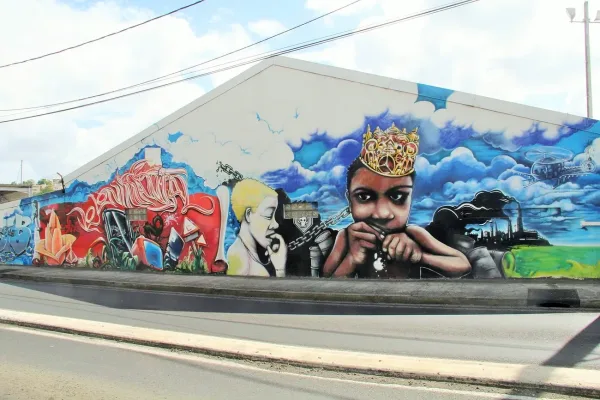
Image Source: Vagabundler
The streets of Fort-de-France hold more than just historical landmarks near the cruise port. A fresh artistic movement has brought life and color to this city. You’ll find 18 street art masterpieces that have turned regular city spaces into an amazing open-air gallery.
Street Art locations
Fort-de-France’s street art scene thrives in the Terres Sainville district. This neighborhood showcases 14 murals from the first mural art festival in 2019, and artists added new works in November 2020. The art scene has grown beyond Fort-de-France and now reaches into nearby Schœlcher. Art lovers can find hidden gems behind the Covered Market and on walls of old buildings throughout the capital.
Street Art styles and themes
The art scene features everything from huge hyperrealistic murals to spiritual and political messages. Local artists use many techniques that blend acrylic, spray paint, and black chalk to create eye-catching effects. They work with freehand painting, drawing, stenciling, and collage. Female artists make up about one-third of the creators here – a much higher number than other Caribbean islands.
The murals tell stories about people’s connection to the Caribbean Sea, and some tackle environmental issues like the Anthropocene era. A unique “Stick Man” character shows up in different spots around the city. Some pieces face Martinique’s colonial past head-on, like Mash’s powerful mural on Rue de la République that reflects on the island’s slavery history.
Street Art walking tips
Cruise passengers can take their pick between wandering alone or joining guided tours. Milmurs offers three great options: a quick 1.5-hour “Discovery” tour with themed highlights, a detailed 2.5-hour “Classic” tour covering all 18 murals, or a “Street budding artists” experience that mixes viewing with hands-on creativity.
The best photos come from early morning or late afternoon visits – this helps you avoid harsh midday sun. You’ll need good walking shoes since this outdoor gallery requires quite a bit of walking. The area stays safe during daylight hours, and it’s even better to go with groups or guides.
Chez Carole at Marché aux Épices
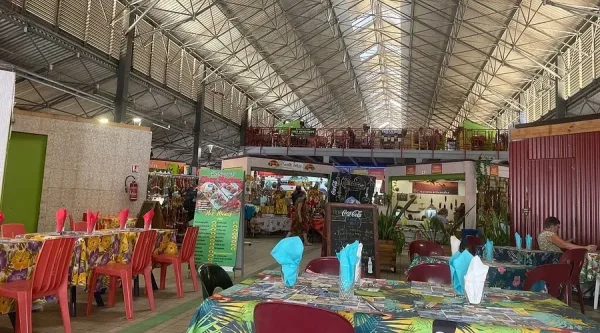
Image Source: Tripadvisor
A culinary gem awaits cruise passengers just minutes from Martinique’s cruise port. You’ll find Chez Carole at the back of Fort-de-France’s Grand Marché Couvert (Covered Market). This hidden spot serves authentic Martinique cuisine that creates an unforgettable dining experience.
Chez Carole menu highlights
Chez Carole’s fixed-price menu gives you great value at just 24€. The price includes an aperitif, starter, main course, and dessert. Your Creole dining adventure starts with a generous rum cocktail (planteur) and delicious accras—the island’s traditional cod fritters. Carole often leaves the rum bottle right on your table if you want something stronger.
The chalkboard menu changes daily, but loyal customers can count on their favorite signature dishes. Many reviews claim the coconut chicken with lentils and rice will change your life. New guests should try the lambi (stewed conch), fresh red snapper, or the chicken “colombo”—Martinique’s unique curry creation.
Chez Carole local flavors
This small restaurant stands out because of its authentic Creole cooking. One guest said Carole “cooks for her clients just as she does at home”. She buys fresh ingredients from neighboring market vendors to create dishes that truly represent Martinique’s culinary heritage.
Guests often return just to taste the famous homemade coconut flan. The small, open kitchen lets you watch as your meal comes together with care and attention.
Chez Carole market ambiance
The historic covered market, 122 years old, provides a vibrant setting. Spices, flowers, fruits, and local crafts fill the bustling space. Beyond these displays, you’ll find Chez Carole’s cozy dining area with cloth-covered tables and plastic chairs.
Carole brings the real magic to these simple surroundings. People describe her as “solar” with “overflowing energy”. She cooks, serves, and creates joy all at once—sometimes singing while she works. Her warmth has made this spot a cherished Fort-de-France institution among locals and tourists.
The restaurant offers wheelchair access and both indoor and outdoor seating. You can visit Monday through Saturday from 11:30am to 3pm. Saturday visitors should come early since seats fill up fast, especially when cruise ships dock.
Bernard’s Coffee Kiosk

Image Source: Bernards Back Porch Cafe
Coffee enthusiasts will love Bernard’s Coffee Kiosk, a hidden sanctuary near the cruise terminal in Fort-de-France. This small spot gives visitors an authentic taste of Martinique’s coffee culture.
Bernard’s Coffee specialties
The kiosk serves coffee beans from local Martinique sources and prepares them using time-tested methods. Their signature drink combines a strong espresso with local spices – perfect when you need an energy boost. The house specialty “Café Vanillé” offers a smoother option that blends coffee with local vanilla notes. Drinks cost between €2-5, making them budget-friendly.
Bernard’s Coffee location
You’ll find this hidden gem at the corner of Rue Ernest Deproge and Rue de la Liberté, just a 10-minute walk from the Martinique cruise port. The kiosk’s bright blue exterior stands out, yet many people walk by without noticing this local treasure.
Bernard’s Coffee local reputation
Local government workers and shop owners frequent this spot that tourists rarely know about. Bernard’s kiosk stands as one of Fort-de-France’s best-kept secrets where you can experience genuine island culture. Bernard, who opened the kiosk after retiring from his shipping job, shares fascinating stories about Martinique’s history. His coffee suggestions and warm conversations help visitors understand island life better than most tourist spots.
Hotel de Ville Architecture
The historic Hôtel de Ville stands near the Martinique cruise port. This striking neoclassical landmark showcases Fort-de-France’s architectural heritage through its elegant façade and rich history.
Hotel de Ville design
The magnificent gray and white structure displays a symmetrical frontage with 13 bays along Rue Victor Sévère. Three round-headed openings with French doors form the centerpiece on the ground floor, while a balcony sits above them. Ionic order pilasters flank the windows elegantly and support a decorative frieze along the façade. The building’s most distinctive feature is its pediment that contains Martinique’s coat of arms with the motto “Semper Francia” (“Always France”). A clock tower and small belfry crown this impressive structure.
Hotel de Ville historical context
Sieur Krous created the original design for this architectural gem, which was built between 1884 and 1901 in ashlar stone. Sieur De Laguarigue later completed the project. Mayor Victor Sévère officially opened the building on September 21, 1901. The structure served as Fort-de-France’s town hall until 1970, when it became a cultural venue. The building expanded in 1912 with an Italian-style auditorium that seats 800 people. The French government recognized its significance by designating it as a monument historique in 1979.
Hotel de Ville photo opportunities
Cruise visitors can find great photo spots in this building, which now houses a theater named after local poet Aimé Césaire. The foyer features a compelling statue by sculptor Albert-Ernest Carrier-Belleuse that shows a slave with broken chains. Visitors can glimpse Fort-de-France’s administrative history in the principal rooms—Salle de Conseil and Salle des Mariages. This neoclassical masterpiece gives cruise visitors a great chance to capture Fort-de-France’s architectural beauty during their stop in Martinique.
Ferry to Pointe du Bout
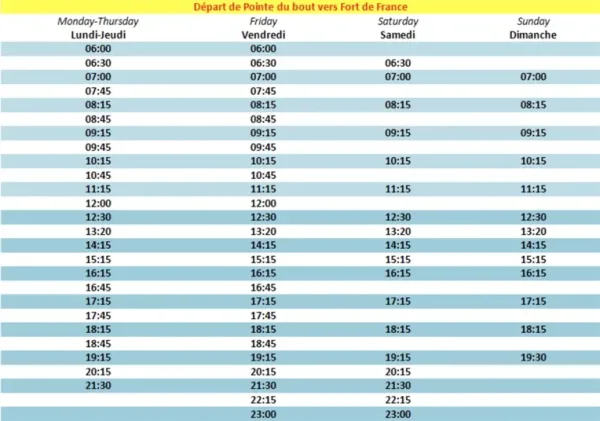
Image Source: Martinique Tour
Cruise passengers can escape to a beautiful maritime destination just minutes from Martinique’s cruise port. The ferry ride to Pointe du Bout lets visitors explore beyond Fort-de-France’s busy center.
Pointe du Bout ferry schedule
Blue Lines runs ferries between Fort-de-France and Pointe du Bout every hour, seven days a week from dawn until 10:30 p.m. Passengers can reach the ferry pier with a 5-minute walk from the cruise ship dock. The bay crossing takes just 15 minutes, and round-trip tickets cost about $6-7 per person. New visitors should take a photo of the dock’s posted schedule to check times throughout their day.
Pointe du Bout beach options
Visitors can choose between two beaches at Pointe du Bout. The first beach sits right across from the ferry dock – it’s easy to reach but smaller and tends to get crowded. Anse Mitan beach, a 10-15 minute walk south, rewards visitors with more space and crystal-clear waters on its golden sand[422]. Both beaches have restrooms, restaurants, and places to rent equipment. The shorelines slope down quickly into deeper water.
Pointe du Bout shopping and dining
The area has many restaurants that serve local dishes near souvenir shops. Beachfront spots serve everything from light snacks to full meals, and some offer European breakfast buffets. This simple ferry ride turns a regular port visit into an unforgettable beach day.
Jardin de Balata
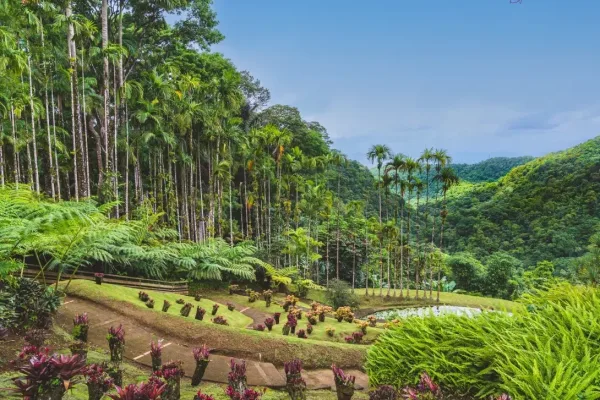
Image Source: www.martinique.org
Jardin de Balata stands majestically in the verdant hills north of Fort-de-France, giving cruise visitors a magical botanical retreat. Passionate horticulturist Jean-Philippe Thoze transformed his grandparents’ Creole home into this paradise in 1982, and it has grown into one of Martinique’s most beloved attractions.
Jardin de Balata plant species
The garden boasts a remarkable collection of over 3,000 tropical plant species from across the globe. This thriving botanical haven has orchids, bromeliads, hibiscus, bamboos, tree ferns, and numerous tropical treasures. Visitors can explore thoughtfully designed paths that showcase anthurium, heliconia, porcelain roses, and nearly 300 palm tree varieties. The garden’s educational value shines through informative labels on many plants, which help nature enthusiasts learn as they explore.
Jardin de Balata canopy walk
The garden’s star attraction lets visitors walk among century-old mahogany trees on suspended pathways 15 meters above ground. This safe adventure spot provides stunning views of Fort-de-France Bay and the Pitons du Carbet. Each step makes the suspension bridge gently sway, creating perfect photo opportunities that remind visitors of adventure movies.
Jardin de Balata entrance fees
The garden opens daily from 9am to 6pm, with last entry at 4:30pm. Adult tickets cost €16, while children aged 3-12 pay €11, and those under three enter free. Nature lovers should think about combined tickets with the zoo as they offer better value.
Anse Mitan Beach
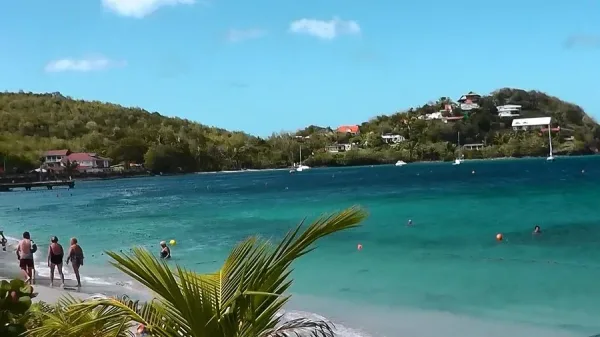
Image Source: Tripadvisor
The vibrant beach of Anse Mitan lies opposite to the Martinique cruise port. This golden arc of sand welcomes visitors at the Pointe du Bout peninsula in Trois-Îlets, and showcases stunning views of Fort-de-France with the Pitons du Carbet in the background.
The beach’s calm, turquoise waters make it perfect for swimming and relaxation. The atmosphere comes alive with zouk and dancehall music playing through the day, which adds to its festive Caribbean spirit. Water sports enthusiasts can try jet skiing, snorkeling, kiteboarding, windsurfing, and kayaking.
Restaurants, bars, hotels, and boutiques line the beachfront where visitors can enjoy local dishes while watching boats bob gently in the bay. The area gets livelier on weekends as families from Fort-de-France take the shuttle to enjoy the beach.
Recent cyclones have uprooted many trees, leaving Anse Mitan with little natural shade. However, visitors can find shelter under restaurant terraces. The Blue Lines ferry runs between Fort-de-France and Anse Mitan every four hours. A one-way ticket costs €5, and the trip takes about 30 minutes.
This lively beach gives cruise passengers an easy way to experience swimming, dining, and authentic Martinican culture just a short distance from their ship.
Comparison Table
| Location | Distance from Port | Main Features | Operating Hours | Entry Fee | Historical Significance |
| Schoelcher Library | 10-minute walk | 130,000 books, glass dome, stained-glass windows | Tue-Thu: 8:30am-5:30pm, Fri: 8:30am-5pm, Sat: 8:30am-12pm, Mon: 1pm-5:30pm | Free | Built in 1887, shipped from Paris for 1889 World Exposition |
| Plage la Française | Short walk | Peaceful 110-130m shoreline, gentle waters, shower facilities | – | Free | Home to Tour des Yoles boat race |
| St. Louis Cathedral | 30-minute walk | 187-foot iron spire, stained glass windows, grand organ | Best during weekday mornings | Free | Current structure dates to 1895, sixth rebuild since 1657 |
| Fort St. Louis | Minutes from port | Naval base, city views, local iguanas | Tue-Fri: 9am-3pm, Sat: 9am-12pm | – | Built in 1638, weathered many battles |
| La Savane Park | Minutes from port | 12.5-acre gardens, royal palms, marketplace | – | Free | Transformed marshland, former site of Empress Josephine statue |
| Street Art | Walking distance | 18 vibrant murals, diverse styles | Best seen early morning or late afternoon | Free | Began with 2019 mural festival |
| Chez Carole | Minutes from port | Traditional Creole dishes, fresh local fare | Mon-Sat: 11:30am-3pm | 24€ fixed menu | Historic market building from 1886 |
| Bernard’s Coffee Kiosk | 10-minute walk | Local brews, specialty drinks | – | €2-5 per drink | – |
| Hotel de Ville | Walking distance | Neoclassical design, theater space, historic chambers | – | – | Built 1884-1901, earned historic monument status 1979 |
| Ferry to Pointe du Bout | 5-minute walk to pier | Quick 15-minute bay crossing | Dawn to 10:30pm daily | $6-7 round trip | – |
| Jardin de Balata | – | 3,000 plant varieties, treetop walkway | 9am-6pm daily | €16 adults, €11 children | Established 1982 |
| Anse Mitan Beach | 30-minute ferry ride | Sandy shores, water activities, dining spots | – | €5 ferry fee | – |
FAQs
Q1. Is it possible to explore Fort-de-France on foot from the cruise port? Yes, it’s quite feasible to walk from the cruise port to the city center. Les Tourelles, a traditional cruise port, is about a 15-minute walk from the heart of Fort-de-France. For those who prefer not to walk, taxis are readily available to take you into the city center from either of the two ports.
Q2. What are the closest beaches to the Martinique cruise port? The nearest beach to the port is Plage la Française, which is within walking distance of Fort-de-France. For those willing to travel a bit further, Batelière beach is about 10 minutes away by car, while Anse Mitan beach can be reached in 20 minutes via water taxi.
Q3. Which attractions in Martinique can be visited for free? Martinique offers several free attractions for visitors. These include the Anse Cafard Slave Memorial, Schoelcher Library, Les Salines beach, Diamond Beach, La Savane Park, and St. Louis Cathedral. These sites offer a mix of historical, cultural, and natural experiences without any entry fee.
Q4. What unique experiences does Fort Saint Louis offer to visitors? Fort Saint Louis, just minutes from the cruise port, offers guided tours that showcase its rich history dating back to 1638. Visitors can enjoy panoramic views of Fort-de-France Bay, learn about the fort’s role in various conflicts, and even spot resident green iguanas. As an active naval base, it provides a unique blend of historical and contemporary military significance.
Q5. How can cruise passengers experience local Martinican cuisine near the port? For an authentic taste of Martinican cuisine, cruise passengers can visit Chez Carole at the Grand Marché Couvert, just minutes from the port. This local favorite offers a fixed-price menu of traditional Creole dishes made with fresh, local ingredients. The market setting adds to the cultural experience, allowing visitors to sample local flavors in a vibrant atmosphere.





Leave A Comment