
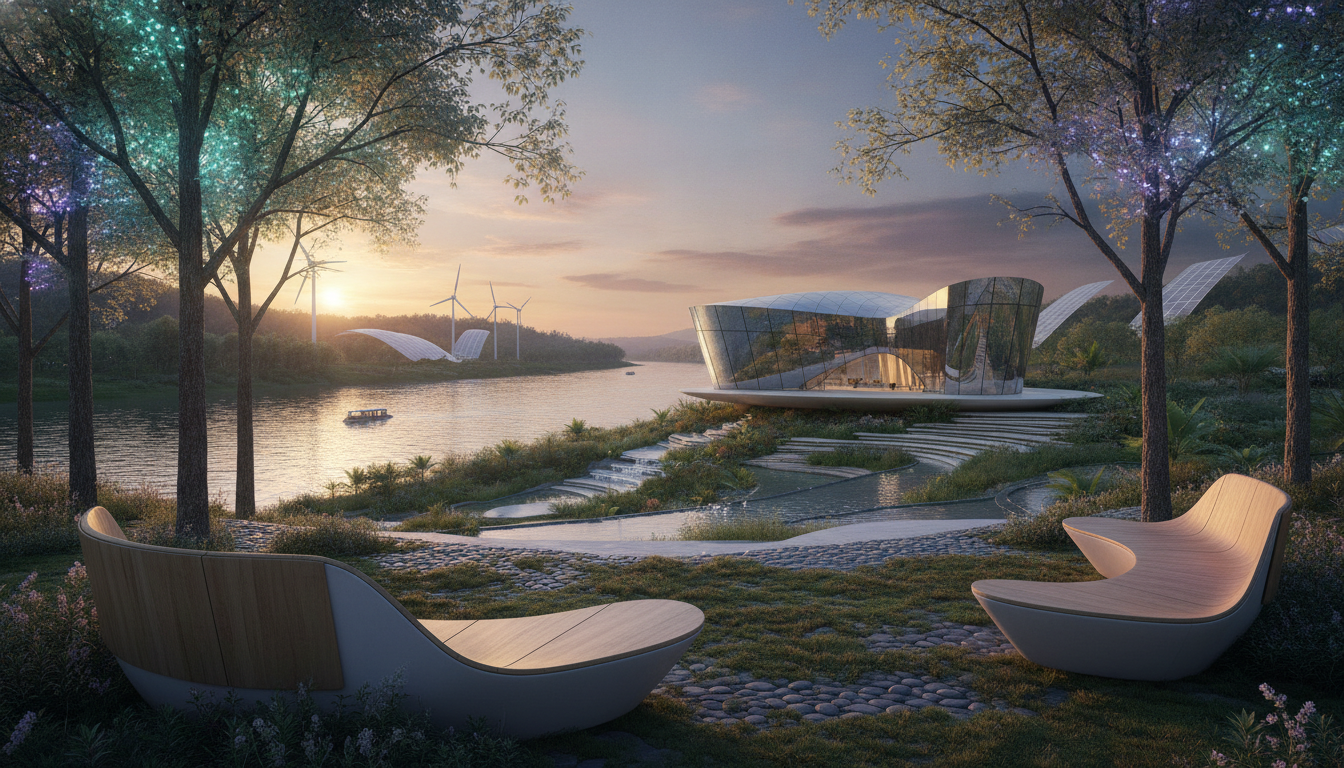
I still remember my first walk across the Bridge on the River Kwai. Heat rose from the old steel beams while longtail boats churned below.
Years later, I crossed that bridge again in a Thailand racing toward a bold climate goal. At COP30 in November 2025, Thailand pledged a new Net Zero target for 2050. This moved the deadline fifteen years earlier than its 2065 promise.
That announcement changed how I saw this river valley. Thailand’s Climate Risk Index ranking jumped from 72nd in 2022 to 17th in 2026. The sharp change shows this region faces growing flood risk.
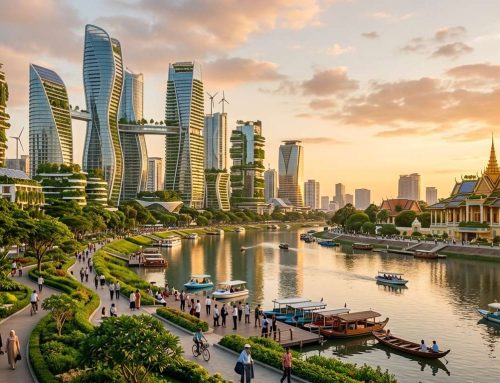
Kanchanaburi carries wartime scars that deserve protection, not erosion. This imagined journey explores the Kanchanaburi future 2050 vision, where rusted history and cutting-edge engineering share one riverbank.
I want to show you a fully realized, carbon-neutral version of this town. It blends memory with resilience for generations of travelers.
Key Takeaways
- Thailand moved its national Net Zero target forward by fifteen years, a pledge announced at COP30 in November 2025.
- This river valley’s Climate Risk Index ranking jumped from 72nd in 2022 to 17th in 2026, signaling rising flood risk.
- The historic Bridge on the River Kwai anchors this vision of wartime heritage protection.
- Nano-mineral glazes and hydrologic retention vaults form the engineering backbone of this resilience blueprint.
- Kinetic footstep grids along the memorial riverfront blend renewable energy generation with historical reflection.
- This imagined walkthrough combines personal storytelling with real climate policy shifts shaping the region.
1. Kanchanaburi Future 2050: A New Blueprint for Wartime Memorial Resilience
After my third overnight train and second bowl of khao soi, I wondered why Kanchanaburi, on the Southeast Asia backpacker trail, was chosen for this experiment.
I have hitchhiked through a dozen countries, chasing stories that history books skip. Few places hit as hard as this river valley, where the bridge, railway, and cemeteries carry deep emotional weight. Flooding or heat damage could hurt travelers seeking the truth behind the postcard.
That’s why Kanchanaburi future 2050 planning matters now. Thailand’s NDC 3.0 targets a 47% cut in net greenhouse gas emissions by 2035, against 2019 levels. Krungsri Research says full net-zero is locked in for 2050.
That goal covers more than the energy sector. Thailand’s Long-Term Low Emission Development Strategy covers energy, industry, farming, forestry, and waste management, according to Climate Action Tracker. For a province built around a river, bridge, and railway steeped in memory, that is a tall order.
Here’s how the national targets compare with what Kanchanaburi must deliver on the ground:
| Commitment | National Target (Thailand) | Kanchanaburi’s Role |
|---|---|---|
| Emissions Reduction by 2035 | -47% net GHG vs. 2019 | Carbon-neutral cooling and transit pilot zone |
| Net-Zero Deadline | 2050 | Full net-zero river valley sanctuary |
| Sector Coverage | Energy, industry, agriculture, forestry, waste | Heritage preservation, flood defense, clean power |
By 2050, Kanchanaburi future 2050 plans aim to make this valley more than a memorial. It is set to become a working model where wartime history and modern climate engineering share the same ground. I will walk you through that story, one bridge cable and cooling system at a time.
2. The River Kwai’s Historic Burden: Balancing Memory and Modern Necessity
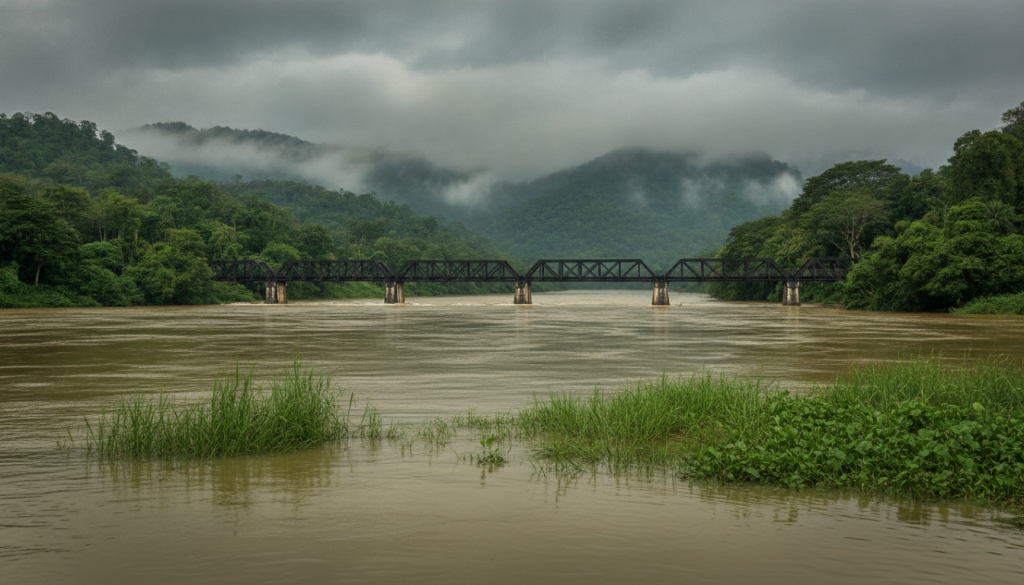
Something changes in you when you read hundreds of names on white markers at the Kanchanaburi War Cemetery. Each name marked a prisoner of war who built the railway by hand, in brutal heat, using almost no tools. I stood there longer than planned, and the nearby bridge suddenly felt like more than a photo stop.
That’s the tension every heritage site here must face. This bridge isn’t just a structure; it’s a memorial. Yet memorials must survive real weather, and Thailand’s weather is growing harsher.
Thailand ranked 17th globally in the 2026 Climate Risk Index, reflecting greater exposure to heat waves, heavy rainfall, and flooding. According to Krungsri Research, Southern Thailand’s major floods in 2025 made that risk clear.
Rivers swell faster now. Storms hit harder. The Khwae Yai river below the bridge no longer behaves as it did decades ago.
You can’t just wrap the steel spans in concrete and call them protected. You also can’t shut the bridge down to visitors. Closing it would erase the very memory it’s meant to preserve.
So preservation teams face a narrow path. They must slow corrosion, reduce scour damage, and keep the bridge open at once. Here’s how the region’s climate risk compares with the practical demands facing the bridge.
| Factor | 2025–2026 Reality | Impact on the Bridge |
|---|---|---|
| Climate Risk Ranking | Thailand, 17th globally | Higher exposure to flood and heat stress |
| Regional Flooding | Major floods across Southern Thailand, 2025 | Increased scour risk on river piers |
| Monsoon Intensity | Heavier, less predictable rainfall patterns | Faster oxidation on steel spans |
| Tourism Demand | Continued year-round visitor access | Requires non-invasive preservation methods |
That last row matters most. Any fix must protect the bridge without hiding it, blocking it, or changing how it feels to walk across. The names at that cemetery deserve a bridge that still stands, stays open, and remains honest about what it survived.
3. Nano-Mineral Armor: How Bridge on the River Kwai Preservation Defies Corrosion
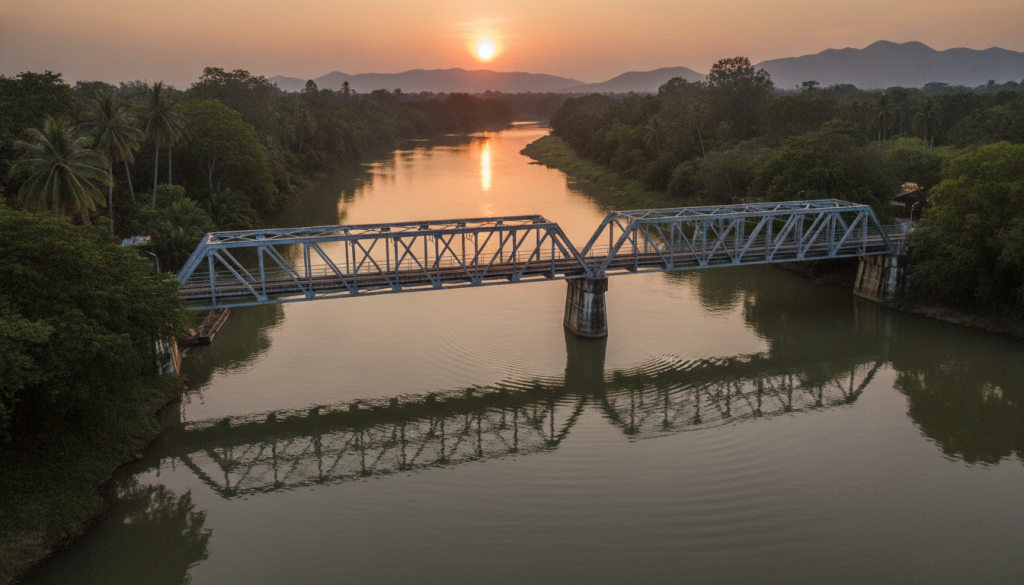
Nobody warned me that this bridge’s most fascinating feature in 2050 would be its invisible science preserving history.
I stood under the central span, camera raised, waiting for the light to hit the steel just right. It looked exactly like the black-and-white photos I had studied before the trip. It was dark, weathered, and scarred by decades of monsoons. Yet the damage was no longer spreading.
That is the quiet magic behind modern bridge on the river kwai preservation. Engineers did not strip the steel or repaint it shiny and new. They found a way to stop corrosion without erasing any mark left by the river or years.
Breathable Coatings and Non-Invasive Mineral Masonry Glazes
The steel spans receive a nano-mineral coating that acts like a second skin. It lets moisture escape during Thailand’s brutal humid season instead of trapping it against the metal. Trapped moisture usually causes rust and pitting.
The concrete river piers receive a related treatment: non invasive mineral masonry glazes. These seal out water and salt without changing the stone’s original texture or color. I ran my hand along one pier and felt no coating. It was cool, solid concrete, fortified from the inside out.
Preserving Patina While Halting Oxidation
Here’s what got me thinking as a photographer: a freshly restored, shiny bridge would have felt wrong. Visitors come here because of what the bridge represents, not because it looks brand new.
The goal was never to make the steel pristine again. It was to freeze the patina exactly where it stood, dark, textured, and honest, while quietly halting oxidation underneath.
“Preservation isn’t about making something look new again. It’s about making sure it can keep telling the truth.”
Under camera light, the surface still looks like untouched history. That illusion, if you can even call it that, is exactly the point.
| Preservation Method | Applied To | Main Function | Visual Impact |
|---|---|---|---|
| Nano-mineral coating | Steel spans | Releases trapped moisture, halts oxidation | No color or texture change |
| Mineral masonry glaze | Concrete piers | Blocks water and salt intrusion | Preserves original stone finish |
| Traditional paint (pre-2050) | Steel spans | Surface barrier only, traps moisture | Alters original patina over time |
4. Subsurface Hydrologic Heritage Engineering at the River Confluence
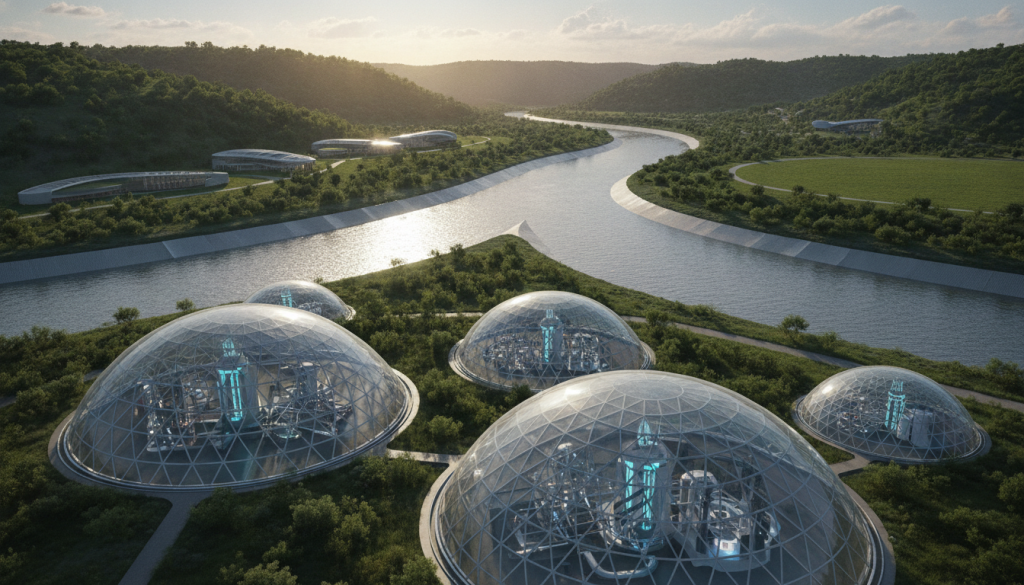
I almost walked past the confluence without knowing I stood above an engineering marvel.
The Khwae Yai meets the Khwae Noi in a calm spot most afternoons. Locals said this calm is no accident. A hidden network beneath the riverbanks keeps the area peaceful during monsoons.
Before we reached the water’s edge, a young engineer explained the system’s basics. She called it subsurface hydrologic heritage engineering, a complex term she explained for any curious traveler. The name sounded complex, but she explained it in simple terms for any curious traveler.
Retention Vaults Beneath the Khwae Yai and Khwae Noi
Massive underground chambers lie beneath the confluence and protect the memorial grounds above. The vaults absorb flash floods before water reaches this historic ground.
The design targets 100 percent of seasonal flood volume, which stopped me in my tracks. Each rainy season once threatened these riverbanks. Now, the system captures that threat before it becomes a crisis.
Knowing that capacity waited silently underground changed how I viewed the landscape. History was not merely remembered here; it was actively defended, meter by meter.
Closed Loop Reservoir Stormwater Harvesting in Action
Here is the part that made me grin, as if I had found a secret. Captured floodwater does not simply wait in storage before being pumped away and forgotten.
Through closed loop reservoir stormwater harvesting, engineers filter that water and cycle it back into use. They route it to district cooling systems that keep the town comfortable along its riverside promenades.
A system built to protect history from water damage also provides a resource for everyday life. That quiet brilliance draws me whenever I travel: protection and practicality working together.
5. From Floodwater to Comfort: Zero-Emission District Cooling Across Kanchanaburi
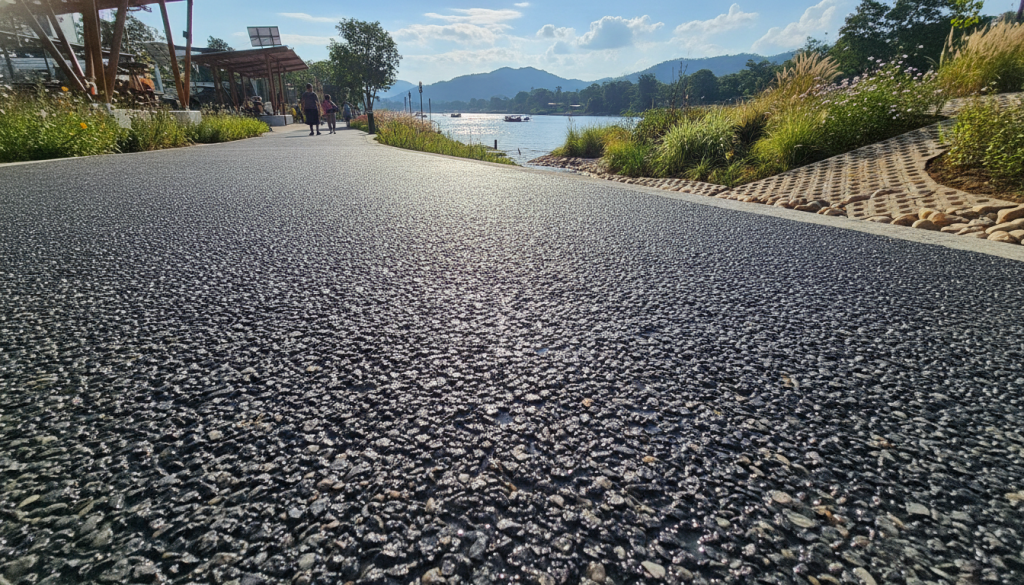
Along the river promenade, one spot feels several degrees cooler, so I wanted to learn why.
I walked twenty minutes beneath a brutal midday sun before reaching this cool patch near a restored building.
There were no fans or visible air conditioners. The air felt cooler, like shade without any actual shade.
Kanchanaburi 2050 uses a zero-emission district cooling system powered by floodwater harvested upstream. Filtered river water moves through underground pipes, removing heat near key buildings and public spaces instead of using thousands of air conditioners.
Filtered River Water as a Cooling Resource
Think about how the air feels near a lake on a hot day. This system uses that same idea at a larger, engineered scale.
Water from the Khwae Yai and Khwae Noi is filtered and circulated beneath the promenade. It absorbs heat and carries it away without using fossil fuel electricity. It’s quietly one of the most impressive things I’ve seen built into a heritage town.
This district cooling system gives visitors relief without the noise or energy use of traditional systems. For budget travelers walking miles with camera bags, that difference matters.
Stadium Porous Asphalt Stormwater Drainage Along Promenades
The second part of this system sits beneath your feet. Kanchanaburi’s promenade paths use stadium porous asphalt stormwater drainage technology, like paving used in modern sports stadiums.
This paving handles heavy rainfall. During downpours, water passes through the asphalt into a drainage layer below.
There are no standing puddles or slippery detours. Walkways stay open during monsoon season.
| Feature | Traditional Asphalt | Stadium Porous Asphalt |
|---|---|---|
| Rainwater Handling | Pools on surface | Drains through instantly |
| Walkway Availability During Storms | Often closed or flooded | Stays open and walkable |
| Maintenance Frequency | High, due to erosion | Lower, reduced surface wear |
| Heat Retention | High, contributes to urban heat | Lower, aids cooling efforts |
For anyone exploring Kanchanaburi on foot, cool air and dry pavement make a real difference. You may ignore this infrastructure until you need it, then appreciate its careful design.
6. Power Beneath Every Footstep: Piezoelectric Energy on the Death Railway
I noticed the change almost by accident while walking near the Death Railway memorial walkway. My boots found decking that felt different and dipped slightly more than nearby boards. A guide later explained that pressure plates quietly captured energy from each step.
Thousands of visitors cross this walkway each day. Every footstep moves visitors forward and sends a small current into a hidden system within the heritage site.
Death Railway Solar Transit and Microgrid Integration
Footstep power does not work alone. A larger microgrid also draws power from rooftop solar panels across station platforms and maintenance sheds. Together, they support the death railway solar transit network, whose restored heritage trains glide along original track sections without burning diesel.
I rode one of these trains during my visit. The engine hummed instead of roared, and no exhaust trailed behind us. It felt almost disrespectful how quiet it was, given the noise and smoke during the railway’s brutal construction.
Turning Visitor Foot Traffic into Clean Power
Piezoelectric materials make a small electric charge when pressure bends or squeezes them. Think of a spring-loaded toy that stores energy when pushed down. Here, that stored energy becomes electricity instead of motion.
Multiply that reaction by thousands of daily footsteps, and the numbers rise quickly. Below is a rough breakdown of how the system could balance its energy sources during one day at the memorial.
| Energy Source | Daily Visitor Contribution | Estimated Output | Primary Use |
|---|---|---|---|
| Piezoelectric walkway plates | 5,000+ footsteps | Low-voltage trickle charge | Walkway lighting, sensors |
| Rooftop solar panels | N/A | Primary daytime load | Heritage train propulsion |
| Battery microgrid storage | N/A | Peak-shift reserve | Nighttime station power |
I kept thinking about the strange feeling of walking quietly through a memorial. Somehow, each step helps power the trains and lights that keep the site running. It is a small gesture, but it makes a respectful visit useful, one careful step at a time.
7. The Mae Klong Flood Diversion Shield: Guarding the Valley Basin-Wide
The Mae Klong River ignores property lines, and so does the mae klong flood diversion shield built to control it. Kanchanaburi’s planners looked beyond single monuments and built a larger defense. It protects the whole valley, not only its most photographed landmarks.
I’ve watched flash floods shut down roads across Southeast Asia more than once. Rarely does only one building suffer. Entire towns lose power, and bridges wash out overnight.
Engineering a Basin-Scale Defense
Rather than walling off one riverbank, engineers mapped the entire Mae Klong watershed. They tracked water moving from upstream tributaries through Kanchanaburi.
The mae klong flood diversion shield spans dozens of miles and works together in real time.
- Upstream gates that slow surge before it reaches populated areas
- Diversion channels that reroute excess flow away from the historic district
- Pressure-relief basins that absorb overflow during extreme storms
This coordinated approach means one failure cannot flood the whole valley. The mae klong flood diversion shield adjusts automatically when one gate needs maintenance.
Lessons for Global Heritage Sites Facing Climate Risk
Thailand’s flood risk is no longer theoretical. Major floods hit the country hard in 2025.
Extreme weather now sits at the top of global risk rankings for the next ten years.
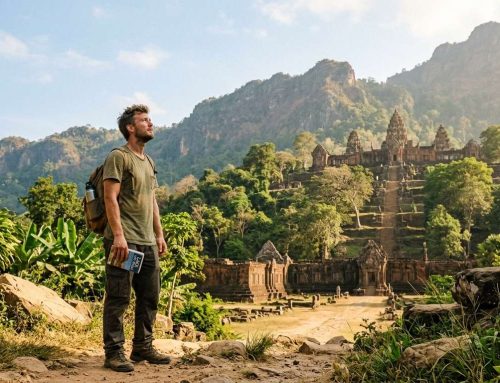
That pressure is not unique to Thailand. Angkor Wat faces extremes between drought and flood, while European river towns battle monsoon-style downpours against centuries-old walls.
By protecting an entire watershed instead of isolated monuments, Kanchanaburi redefines riverine memorial longevity for a wetter, wilder future.
8. Standing on the Bridge, Looking Both Ways
I still remember my first walk across the bridge, with wood creaking beneath my boots. The slow, brown river moved beneath me. That memory led me to imagine Kanchanaburi future 2050.
The technology I described includes nano-coatings, hidden vaults, and piezoelectric planks. None of it exists to replace what makes this place special. It exists to protect it.
Kanchanaburi’s story shows one simple truth about Kanchanaburi future 2050. Saving history does not mean trapping it under glass. It means building smarter, so the past can survive whatever comes next.
If you’re an overland traveler or a photographer chasing real places with real weight, visit Kanchanaburi now. Walk the bridge, watch the river, and talk to people living along its banks.
Decisions made today in Kanchanaburi and river towns everywhere will shape future travelers’ world. They will decide what kind of world those travelers can explore. I hope Kanchanaburi future 2050 offers a world still worth crossing bridges for.





Leave A Comment