
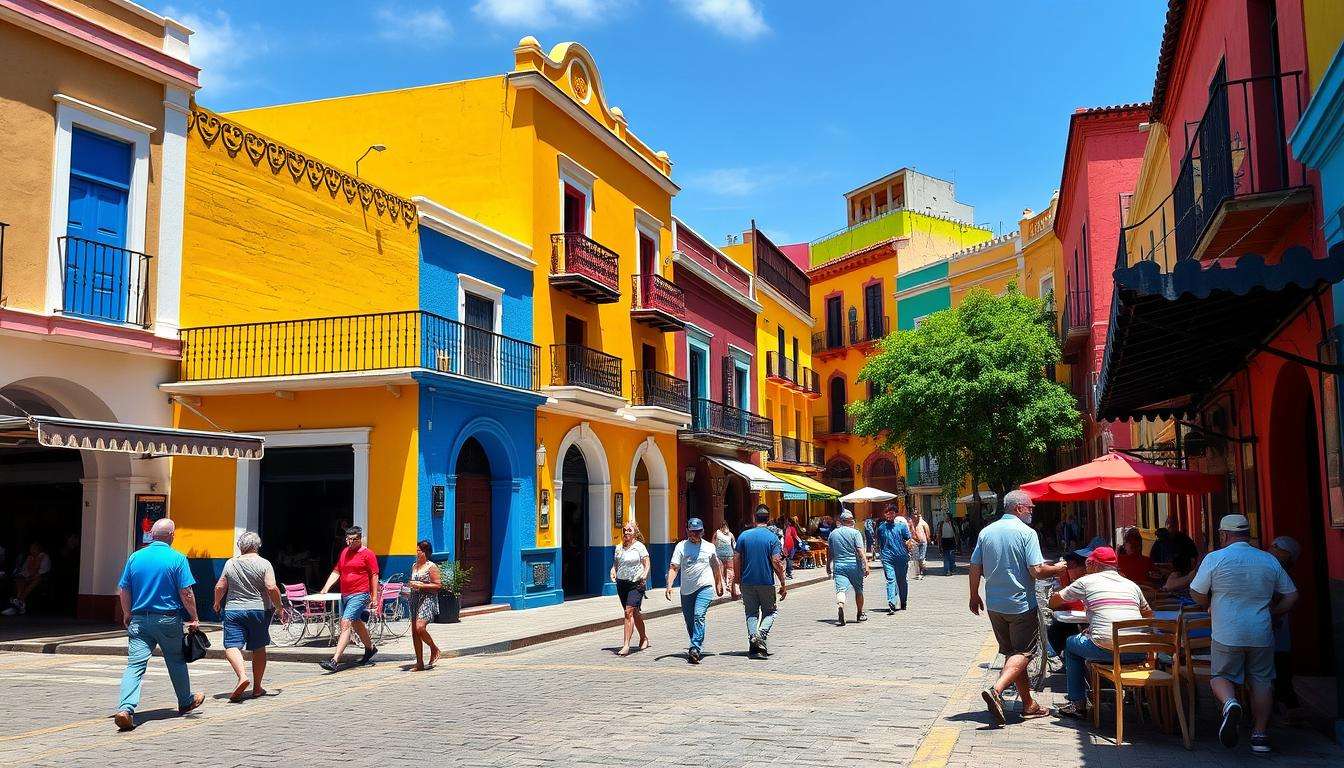
The colorful streets of Mexico offer an affordable lifestyle with rich cultural experiences
Get Your Free 2026 Mexico Budget Cheat Sheet
Start planning your move with our quick reference guide to essential costs in popular Mexican destinations.
Housing Costs in Mexico for 2026
Housing will likely be your largest expense when living in Mexico. Prices vary significantly depending on location, property type, and amenities. Based on current trends and inflation projections, here’s what you can expect to pay for housing in major Mexican cities in 2026.

Rental Prices in Popular Expat Destinations
| City | 1-Bedroom Apartment (City Center) | 2-Bedroom Apartment (City Center) | 3-Bedroom House (Suburbs) |
| Mexico City | $700-950 USD | $1,100-1,500 USD | $1,300-1,800 USD |
| Cancun | $600-800 USD | $900-1,200 USD | $1,100-1,500 USD |
| Guadalajara | $450-650 USD | $700-950 USD | $800-1,200 USD |
| Puerto Vallarta | $700-900 USD | $1,000-1,400 USD | $1,200-1,700 USD |
| San Miguel de Allende | $800-1,000 USD | $1,200-1,600 USD | $1,500-2,000 USD |
| Merida | $400-600 USD | $600-850 USD | $700-1,000 USD |
Property Purchase Prices (2026 Projections)
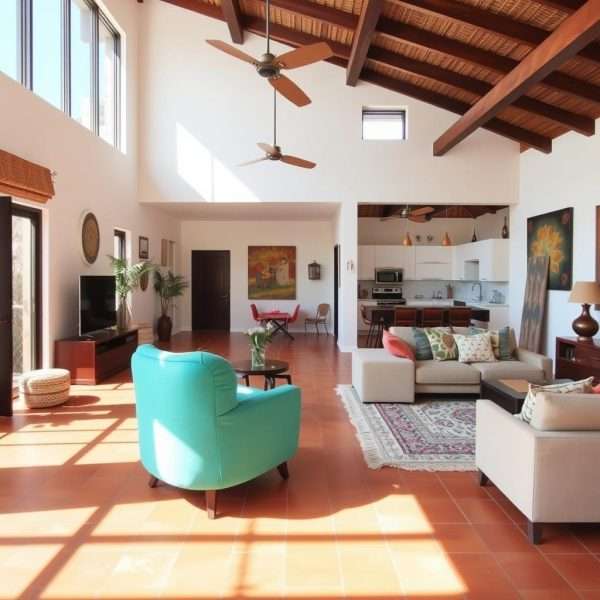
If you’re considering buying property in Mexico, prices are expected to continue their upward trend through 2026, though still remaining significantly lower than comparable properties in the US or Canada. Here’s what you might expect to pay per square meter in different areas:
- Mexico City (upscale areas): $2,500-3,500 USD per m²
- Mexico City (middle-class areas): $1,500-2,200 USD per m²
- Playa del Carmen: $2,000-3,000 USD per m²
- Puerto Vallarta: $1,800-2,800 USD per m²
- San Miguel de Allende: $1,600-2,500 USD per m²
- Merida: $1,000-1,800 USD per m²
- Oaxaca: $1,200-1,800 USD per m²
Utility Costs in Mexico for 2026
Utility costs in Mexico can vary significantly based on your location, the size of your home, and your usage habits. Coastal areas with high temperatures typically have higher electricity bills due to air conditioning use.
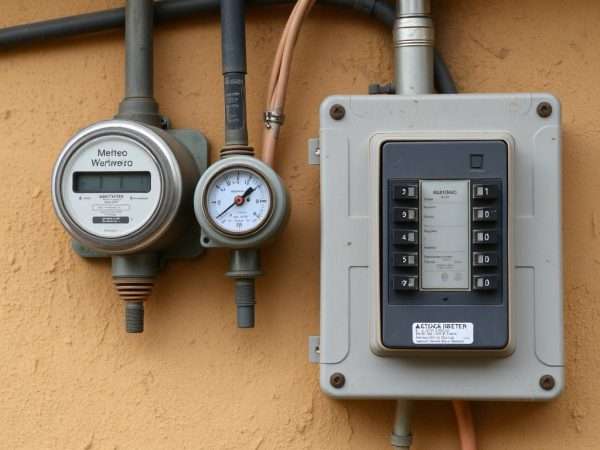
Monthly Utility Expenses (2026 Projections)
| Utility | Average Monthly Cost (USD) | Notes |
| Electricity | $30-150 | Higher in coastal areas with AC use; subsidized in some regions |
| Water | $15-30 | Often included in rent for apartments |
| Gas (propane) | $25-40 | Delivered to homes in tanks; used for cooking and water heating |
| Internet (100 Mbps) | $25-45 | Fiber optic available in most urban areas |
| Mobile Phone Plan | $10-25 | Includes data, calls, and texts |
| Cable/Streaming Services | $20-50 | Includes options for English-language programming |
Electricity Saving Tip: Mexico uses a tiered electricity billing system. If your usage exceeds certain thresholds, the rate increases dramatically. Using energy-efficient appliances and being mindful of air conditioning usage can keep you in lower-cost tiers.
Get Your 2026 Mexico Cost of Living Calculator
Plan your budget with precision using our interactive calculator. Input your lifestyle preferences and receive a customized monthly budget for living in Mexico.
Join over 10,000 expats who’ve successfully planned their move to Mexico with our resources.
Food and Grocery Expenses in Mexico (2026)
Food costs in Mexico can be surprisingly affordable, especially if you embrace local markets and Mexican products. Imported goods will always cost more, but the quality of local produce, meat, and dairy is excellent.

Grocery Prices Comparison (2026 Projections)
| Item | Local Market Price (USD) | Supermarket Price (USD) |
| Fruits & Vegetables (1kg) | $0.80-2.00 | $1.50-3.00 |
| Chicken (1kg) | $3.50-5.00 | $5.00-7.00 |
| Beef (1kg) | $7.00-10.00 | $9.00-12.00 |
| Fish (1kg) | $5.00-8.00 | $8.00-12.00 |
| Eggs (12) | $1.50-2.00 | $2.00-3.00 |
| Cheese (local, 1kg) | $5.00-7.00 | $7.00-10.00 |
| Bread (loaf) | $1.00-1.50 | $1.50-3.00 |
Dining Out Costs (2026 Projections)
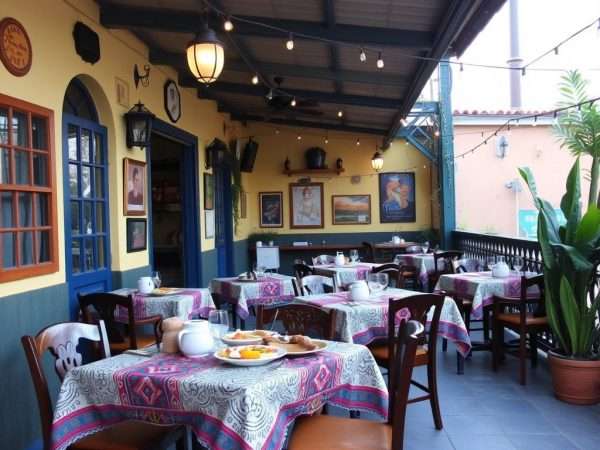
- Street food meal (tacos, quesadillas): $2-5 USD
- Lunch at local comida corrida: $5-8 USD
- Dinner at mid-range restaurant: $10-20 USD per person
- Meal at upscale restaurant: $25-50 USD per person
- Domestic beer (restaurant): $2-3 USD
- Imported beer (restaurant): $3-5 USD
- Coffee at café: $1.50-3.50 USD
Money-Saving Tip: Shopping at local mercados instead of supermarkets can save you 30-50% on fresh produce, meat, and dairy products. Many towns have weekly tianguis (traveling markets) with even better prices.
Transportation Costs in Mexico (2026)
Transportation in Mexico is generally affordable and varied. From efficient public transit systems in major cities to inexpensive taxis and ride-sharing services, getting around is both convenient and economical.
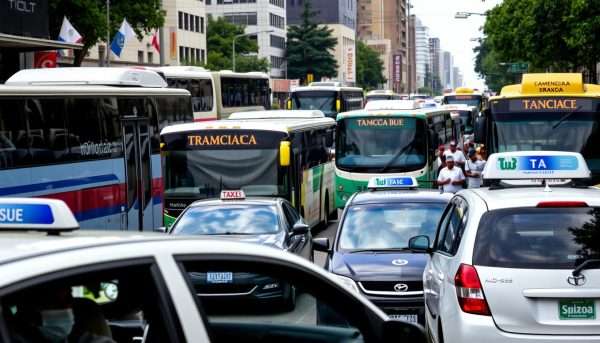
Public Transportation (2026 Projections)
| Type | Cost (USD) | Notes |
| City Bus | $0.40-0.80 per ride | Varies by city; Mexico City has extensive network |
| Metro (Mexico City) | $0.30-0.50 per ride | Extensive system covering most of the city |
| Taxi (city ride) | $3-7 per trip | Use official taxis or ride-hailing apps |
| Uber/Didi (city ride) | $2-6 per trip | Available in most major cities |
| Intercity Bus (premium) | $25-50 | Comfortable, with amenities like WiFi |
| Domestic Flight | $60-150 one-way | Multiple budget airlines available |
Car Ownership Costs (2026 Projections)
- Gasoline: $4.00-4.50 per gallon
- Car insurance: $400-800 per year
- Vehicle registration: $100-200 per year
- Maintenance: $300-600 per year
- New economy car purchase: $15,000-20,000
- Used car (5 years old): $8,000-12,000
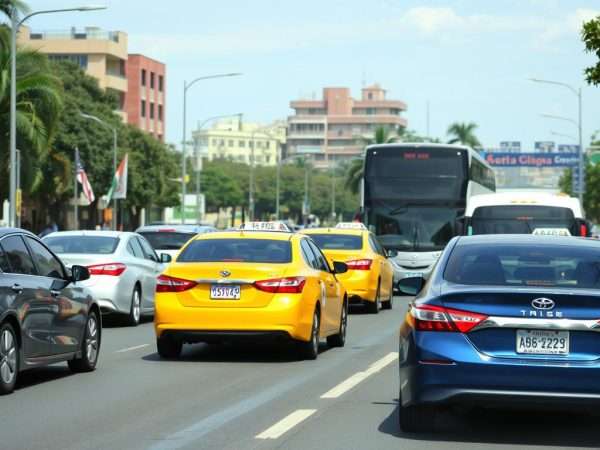
Transportation Tip: Many expats find they don’t need a car in Mexico, especially in walkable cities with good public transportation. Consider renting a car occasionally for trips rather than dealing with the costs and paperwork of ownership.
Healthcare Costs in Mexico (2026)
Healthcare in Mexico offers an excellent balance of quality and affordability. Many expats find that they can access world-class medical care at a fraction of the cost they would pay in the United States or Canada.

Medical Service Costs Without Insurance (2026 Projections)
| Service | Cost (USD) |
| General Practitioner Visit | $30-50 |
| Specialist Consultation | $40-80 |
| Dental Cleaning | $25-50 |
| Dental Crown | $250-500 |
| Basic Blood Test | $30-60 |
| X-Ray | $30-70 |
| MRI | $250-500 |
| Hospital Stay (per day) | $300-800 |
Health Insurance Options (2026 Projections)

- IMSS (Public): $350-850 per year depending on age
- INSABI (Public): Free for legal residents
- Private Mexican Insurance: $1,000-2,500 per year
- International Insurance: $2,000-4,000 per year
- Hospital Membership Plans: $500-1,200 per year
Healthcare Tip: Many expats use a combination of out-of-pocket payments for routine care and private insurance for major medical events. With doctor visits costing $30-50, it’s often more economical to pay directly for basic healthcare needs.
Entertainment and Lifestyle Expenses (2026)
One of the greatest advantages of living in Mexico is the affordable access to entertainment, cultural activities, and leisure options. Your lifestyle expenses can be tailored to fit almost any budget.

Entertainment Costs (2026 Projections)
| Activity | Cost (USD) |
| Movie Ticket | $4-7 |
| Gym Membership (monthly) | $25-60 |
| Yoga Class | $5-10 per class |
| Museum Entrance | $3-10 |
| Live Music/Concert | $10-50 |
| Beach Club Day Pass | $15-50 |
| Spanish Language Class | $7-15 per hour |
Household Help (2026 Projections)
- Housekeeper: $4-7 per hour
- Full-time housekeeper: $300-500 per month
- Gardener: $15-25 per visit
- Cook: $10-20 per meal preparation
- Pool maintenance: $60-100 per month

Lifestyle Tip: Many expats in Mexico enjoy luxuries they couldn’t afford in their home countries, such as regular household help, frequent dining out, and cultural activities. These “luxury” expenses often fit comfortably within a moderate budget in Mexico.
Education Costs for Expat Families (2026)
Families relocating to Mexico have several education options for their children, from public schools to private bilingual and international institutions. Costs vary widely based on the type of school and location.
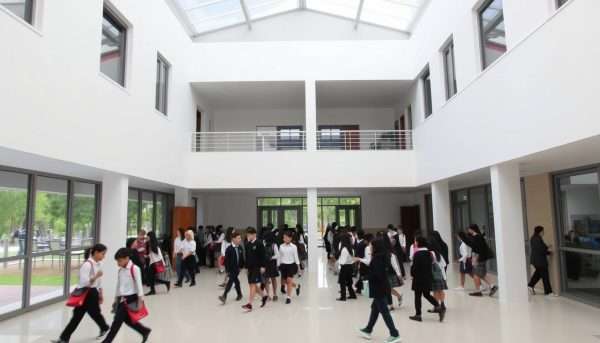
School Tuition Costs (Annual, 2026 Projections)
| School Type | Annual Tuition (USD) | Additional Fees (USD) |
| Public Schools | Free | $100-300 for uniforms, supplies |
| Private Mexican Schools | $1,500-4,000 | $500-1,000 for enrollment, materials |
| Bilingual Schools | $3,000-7,000 | $800-1,500 for enrollment, materials |
| International Schools | $6,000-15,000 | $1,000-2,500 for enrollment, materials |
Education Tip: Many expat families find that bilingual Mexican private schools offer an excellent balance of quality education, cultural immersion, and affordability compared to international schools that follow American or British curricula.
Regional Cost Variations Across Mexico (2026)
The cost of living in Mexico varies significantly by region. Tourist destinations and major cities tend to be more expensive, while smaller towns and less touristy areas offer more affordable options.

Cost of Living Index by Region (2026 Projections)
Using Mexico City as a baseline (100), here’s how other regions compare:
| Region/City | Cost Index | Notable Expenses |
| Mexico City | 100 | Higher housing, excellent public transportation |
| Cancun/Riviera Maya | 95-105 | Tourist pricing, higher utilities (AC) |
| Puerto Vallarta | 90-100 | Expat pricing, higher utilities |
| San Miguel de Allende | 85-95 | Higher housing, lower utilities |
| Guadalajara | 80-90 | Good balance of amenities and cost |
| Merida | 75-85 | Affordable housing, higher utilities (AC) |
| Oaxaca | 70-80 | Affordable food, housing, and entertainment |
| Smaller Towns | 60-75 | Very affordable housing, fewer amenities |
Regional Tip: Consider the “total cost of living” beyond just prices. Coastal areas may have higher electricity costs due to air conditioning needs, while highland cities may require heating in winter months. Transportation costs increase if you live far from amenities.
Money-Saving Tips for Living in Mexico (2026)
Living affordably in Mexico is entirely possible with some local knowledge and strategic choices. Here are practical tips to help you maximize your budget while enjoying all that Mexico has to offer.

Housing & Utilities Savings
- Rent long-term for better rates (6-12 month leases)
- Look for housing through local connections, not just online
- Live like locals in residential neighborhoods, not tourist zones
- Use ceiling fans instead of air conditioning when possible
- Install solar water heating to reduce gas consumption
- Use energy-efficient appliances to stay in lower electricity tiers
Food & Shopping Savings
- Shop at local mercados instead of supermarkets
- Buy seasonal produce for the best prices
- Eat at fondas and cocinas económicas for affordable meals
- Learn basic Spanish to negotiate better prices
- Buy Mexican brands instead of imported products
- Take advantage of “senior discounts” if eligible (INAPAM card)
Transportation Savings
- Use public transportation in major cities
- Consider ride-sharing apps instead of taxis
- Live in walkable neighborhoods to reduce transportation needs
- Use intercity buses instead of domestic flights when possible
- If buying a car, consider a used Mexican model for easier maintenance
Healthcare & Insurance Savings
- Join IMSS or INSABI for basic coverage if eligible
- Pay cash for routine medical care
- Ask for discounts at private hospitals (often available)
- Use pharmacy clinic doctors for minor issues ($2-5 consultations)
- Consider a high-deductible international policy for major events
Money-Saving Tip: Learning Spanish is perhaps the best investment you can make to reduce your cost of living in Mexico. It helps you negotiate better prices, avoid the “gringo tax,” find local deals, and integrate into the community where costs are naturally lower.
Cost Comparison: Mexico vs. US/Canada/Europe (2026)
To put Mexico’s cost of living in perspective, here’s how it compares to other countries. These comparisons help illustrate why Mexico continues to attract expats seeking a better quality of life at a lower cost.
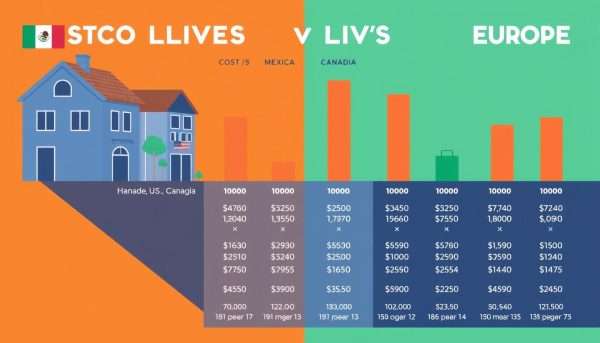
Percentage Savings in Mexico Compared to Other Countries
| Expense Category | vs. USA | vs. Canada | vs. UK |
| Housing (Rent) | 60-75% less | 55-70% less | 50-65% less |
| Groceries | 40-60% less | 35-55% less | 30-50% less |
| Dining Out | 50-70% less | 45-65% less | 40-60% less |
| Healthcare | 70-80% less | 50-65% less | 40-60% less |
| Transportation | 60-75% less | 55-70% less | 50-65% less |
| Entertainment | 50-70% less | 45-65% less | 40-60% less |
| Household Help | 75-85% less | 70-80% less | 65-75% less |
Sample Monthly Budgets (2026 Projections)
Budget Living
$1,200-1,500 USD/month
- Small apartment in non-tourist area
- Public transportation
- Local markets for groceries
- Occasional dining out at local spots
- Basic healthcare (IMSS)
- Limited entertainment budget
Comfortable Living
$2,000-2,800 USD/month
- 2-bedroom apartment in good area
- Mix of public/private transportation
- Regular dining out
- Part-time household help
- Private healthcare
- Active social and entertainment life
Luxury Living
$3,500+ USD/month
- Large home in premium location
- Car ownership
- Regular fine dining
- Full-time household staff
- Premium healthcare coverage
- Extensive travel and entertainment
Perspective: A couple receiving $3,000 USD monthly from Social Security could live very comfortably in most parts of Mexico in 2026, enjoying luxuries they might not afford in the United States or Canada, such as household help, regular dining out, and quality healthcare.
Conclusion: Is Mexico Right for Your Budget in 2026?
Mexico continues to offer one of the best combinations of affordability and quality of life for expats, retirees, and digital nomads. While costs have increased over the years and will likely continue to rise through 2026, the value proposition remains strong compared to the United States, Canada, and Europe.
The key to making the most of your budget in Mexico is flexibility and adaptation. Embracing local markets, learning some Spanish, living in residential rather than tourist areas, and adopting some local habits can significantly reduce your cost of living while enhancing your experience of Mexican culture.
Whether you’re looking to stretch a fixed retirement income, save money while working remotely, or simply enjoy a higher quality of life for less, Mexico offers options for nearly every budget and lifestyle preference. With thoughtful planning and the information provided in this guide, you can create a realistic budget for your new life in Mexico in 2026.
Get Your Complete Mexico Relocation Guide
Ready to make the move? Our comprehensive guide includes everything you need to know about relocating to Mexico – from visas and healthcare to finding your perfect location and setting up your new home.
Join over 15,000 expats who’ve successfully relocated to Mexico using our resources. We respect your privacy and will never share your information.


Leave A Comment