
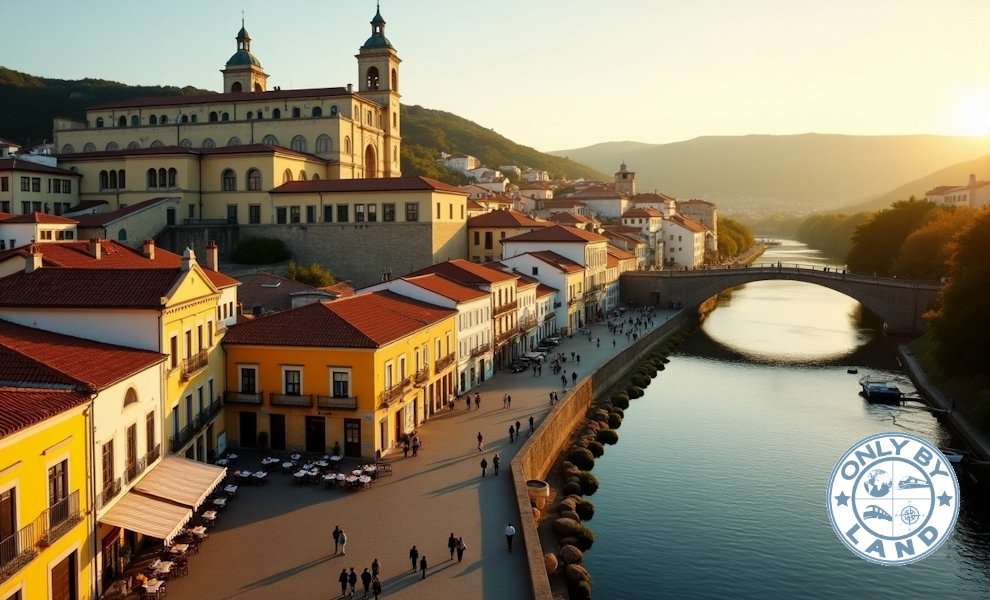
Coimbra, Portugal’s oldest university city, weaves countless experiences through its medieval streets and historic quarters. The University of Coimbra, 733 years old, stands as the oldest academic institution in the Portuguese-speaking world and earned its UNESCO World Heritage status in 2013.
The city sits strategically between Lisbon and Porto, a former Portuguese capital that blends scholarly life with deep-rooted traditions. Its 28,000 university students bring energy to the historic streets. The Biblioteca Joanina’s collection of 40,000 books makes it one of Europe’s finest Baroque libraries. The city’s Fado music and bustling market scenes create authentic cultural moments. Região de Coimbra spreads across 4,336 square kilometers and welcomes visitors with medieval architecture and serene paths through the 80-hectare Choupal National Forest.
This piece takes you through Coimbra’s hidden corners and authentic spots that make it special. From morning coffee spots to evening Fado shows, you’ll find both famous landmarks and secret places that only locals know about.
Morning Adventures: Start Your Day Like a Local
The magnificent Café Santa Cruz, a historic establishment in a former chapel from 1530, makes a perfect start to your Coimbra morning. This century-old café, with its original vaulted Manueline ceiling and beautiful stained-glass windows, has become a favorite spot where artists, journalists and writers gather.
Breakfast at Historic Cafés with Students
The café’s terrace gives you splendid views of Praça 8 de Maio while you enjoy their signature tosta mista with fresh orange juice. The freshly baked cruzio pastries bring an authentic Portuguese breakfast experience with their distinct almond flavor. The bacalhau (cod cakes) and Rissóis de Camarão (shrimp-filled pastries) add a savory touch to start your day.
Early Morning Walks Along the Mondego River
The Mondego River, Portugal’s longest waterway flowing within its borders, beckons next. You’ll find plenty of green spaces for morning walks and the beautiful Parque Manuel Braga stands out among them. The river’s clear waters create mirror-like reflections that make great photos, especially early in the day before tourists fill the paths.
Beating the Crowds at Biblioteca Joanina
The remarkable Biblioteca Joanina, one of Europe’s most beautiful libraries, deserves a spot in your morning plans. King John V founded this baroque masterpiece in 1717 and it now houses 60,000 books. The library has an interesting way to protect its books – a colony of bats that eat harmful insects at night.
Here’s what you need to know before visiting:
- Get your timed entry ticket ahead – the library runs on a strict schedule
- Each tour runs 30 minutes and you can’t take photos inside
- The nearby Machado de Castro National Museum makes a great stop if your library slot is in the afternoon
The library’s clever design includes two-meter-thick outer walls that keep moisture and temperature steady. The Noble Floor catches everyone’s eye with its gold-decorated shelves set against black, red and green backgrounds.
The library’s three connected rooms each tell their own story – gold meets green in the first, red dominates the second and black sets off golden details in the third. Artists Simões Ribeiro and Vicente Nunes painted the ceilings with figures that celebrate arts and science.
Afternoon Explorations: Beyond the University Walls
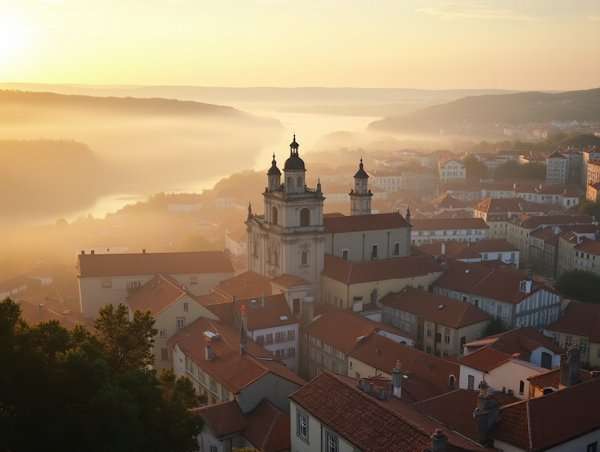
Coimbra’s real charm lies beyond its university areas, tucked away in quiet corners and local spots. These hidden gems give visitors a real feel of everyday life in this historic city.
Hidden Viewpoints Only Locals Know
Penedo da Saudade remains one of Coimbra’s best-kept secrets. You’ll find amazing views of the Mondego River here. This special lookout means more than just the view – it’s a tribute to nostalgia with poetic inscriptions that mark historic visits.
Loggia’s ultra-modern terrace in the old Bishop’s Palace gives you some of the best sunset views in town. You might also like Passaporte, housed in a historic manor that pairs panoramic views with elegant surroundings.
Secret Gardens and Green Spaces
The Botanical Garden of the University of Coimbra covers 13 stunning hectares. You’ll find plant species from all over the world here. This peaceful space features:
- Formal flower beds and medicinal gardens
- Wild, wooded areas with hidden paths
- Quiet ponds perfect for reflection
- Hidden spots to escape the city buzz
Just 20 minutes from the old town, Quinta do Jardim Secreto welcomes visitors to its peaceful grounds. This half-hectare paradise features old trees and thriving wildlife, plus a beautiful vegetable garden.
Authentic Lunch Spots Away From Tourist Menus
Locals love Dux Taberna Urbana’s petiscos (Portuguese tapas) and its popular lunch menu. Fangas Veg has transformed from an old grocery store into a charming spot serving quality meat-free Portuguese dishes.
No Tacho, a small restaurant near Praça 8 de Maio, packs in local diners. The place is famous for its amazing olive oil and fresh bread – you’ll need to book ahead. Across the Mondego River, Restaurante Piscinas do Mondego serves a fantastic cataplana – traditional fish and seafood in a copper dome.
Want great food with a view? Try Arcadas Comes e Bebes in an 18th-century building with beautiful terracotta bricks. The menu features Coimbra classics like Pica Pau (sautéed sirloin with pickled vegetables) and Tiborna de bacalhau (cornbread with salt cod).
Casa de Cha brings something special to Coimbra’s food scene. This park-side café runs as a social enterprise that helps workers with disabilities. The food tastes great and your meal supports the local community.
Evening in Coimbra: Experience the City’s Soul

The medieval streets of Coimbra come alive at dusk with one of Portugal’s most distinctive musical traditions. Coimbra’s Fado remains exclusively performed by male university students who wear traditional black capes.
Where to Find Authentic Fado de Coimbra
À Capella, set in a 14th-century chapel, is one of the best spots to experience authentic Fado. The venue opens at 7 PM for drinks and tapas. Shows start at 9:30 PM or 10 PM based on the season. You can also catch daily shows at Fado ao Centro on Rua do Quebra Costas at 6 PM, with practice sessions running from 4 PM to 5:30 PM.
Café Santa Cruz regularly hosts free Fado nights at 6 PM or 10 PM. Performers often explain the context in English before each show. This helps visitors understand this rich tradition that dates back to the 16th century.
Student Bars vs. Local Taverns
Student nightlife centers around Praça da República, with its lively bars and cafés. Quebra o Galho, a charming tasca at the bottom of Quebra Costas, pairs quality Portuguese petiscos with local wines. You might catch impromptu Fado performances here.
Beer lovers will enjoy Praxis Brewpub’s all-natural brewing process. Casa das Caldeiras offers drinks in a unique setting – the university hospital’s old boiler room. Two massive 1939 British boilers create an industrial-chic vibe.
Dinner With a View: Riverside Restaurants
The Mondego riverbank hosts restaurants that pair amazing views with excellent food. Maria Rio and O Açude get top marks for their waterfront dining. Restaurante Piscinas do Mondego makes cataplana special – they serve this traditional fish and seafood dish in individual copper domes instead of the usual sharing portions.
Passaporte sits in a historic manor where evening drinks naturally lead into dinner. Docas Rio stands out with quick service, creative cocktails, and regular live music. The place really comes alive around midnight on weekends.
Coimbra’s nightlife blends old traditions with young energy. Each spot adds something special to the city’s evening scene, from riverside meals to haunting Fado melodies and historic taverns filled with locals.
Seasonal Secrets: Best Things to Do in Coimbra Year-Round
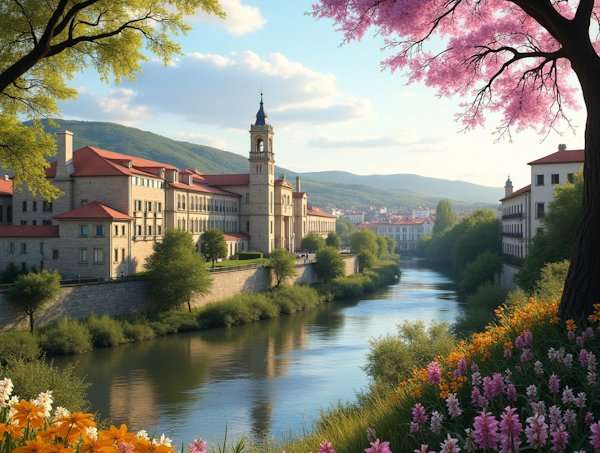
Coimbra shows off its unique personality through different colors and experiences as seasons change. The city’s charm evolves naturally from spring flowers to winter markets, giving visitors unforgettable memories throughout the year.
Spring: Botanical Garden and Flower Festivals
Coimbra comes alive in spring with colorful celebrations. The yearly Flower Festival turns the old town into something magical. Women dressed in traditional clothes carry fruit baskets while beautiful flower petal designs cover the streets. Local vendors fill the plazas with fresh-baked treats. The Botanical Garden runs seasonal events that celebrate nature’s beauty with workshops and guided tours.
The 250-year old garden covers 13 hectares and has sections dedicated to:
- A medicinal plant collection
- Tropical plant exhibitions
- An arboretum with rare species
- Environmental education zones
Summer: River Beaches and Outdoor Concerts
Summer breathes life into Coimbra’s river beaches. You’ll find Palheiros & Zorro River Beach just 15km from downtown. This detailed facility offers visitors:
- White sand shores
- Kayaking and canoeing options
- Beach volleyball courts
- Picnic areas with barbecues
Rebolim beach is a “small paradise” with shallow waters that families love. The beach earned its prestigious Blue Flag recognition in 2021 because of high environmental quality and safety standards.
Music fills the air with outdoor shows everywhere. RFM Somnii and Vagos Metal Fest lead the many festivals in town. Salão Brazil and Campo de Santa Cruz put on more than 66 concerts during summer. Convento São Francisco has become the top venue, hosting big names like Guns N’ Roses and Roy Rosenfeld.
Fall: Student Traditions and Academic Ceremonies
Fall brings back age-old academic traditions. The Queima das Fitas started in 1899 and has grown into one of Europe’s biggest student celebrations. This eight-day festival honors each University of Coimbra faculty through:
- Traditional parades
- Cultural performances
- Academic ceremonies
- Live music events
The festival concludes with the Cortejo, where graduates burn their grelo (ribbons) as a symbolic gesture. Visitors from Portugal and Spain pack the city streets, creating an exciting atmosphere.
Winter: Cozy Literary Cafés and Indoor Markets
Winter draws people into Coimbra’s historic cafés where literary traditions stay strong. Café Santa Cruz sits in the central square Praça 8 de Maio and keeps its rich cultural heritage alive with book launches and storytelling sessions. Café Brasileira remains an intellectual hub that once welcomed freedom-loving writers like Miguel Torga and Manuel Alegre.
D. Pedro V Market gives shoppers a warm escape from winter chills with fresh produce and local specialties. The Bencanta Fair happens on the 7th and 23rd of each month, showing off:
- Agricultural products
- Traditional tools
- Local crafts
- Artisanal goods
Mercado Municipal D. Pedro V connects multiple levels with elevators and escalators, making shopping comfortable even in bad weather. The Feira de Velharias attracts collectors looking for vintage treasures, from vinyl records to antique furniture.
Day Trips from Coimbra: Local Escapes Worth Your Time
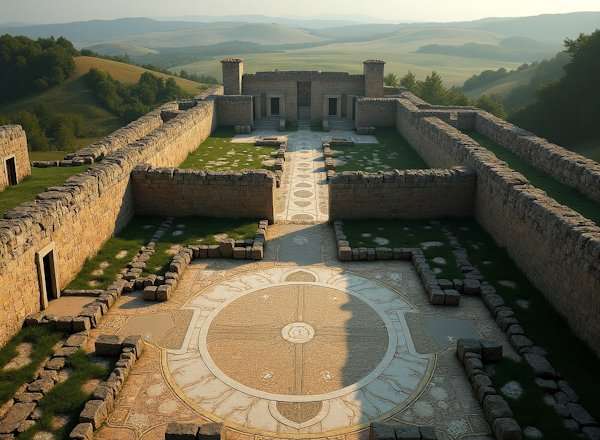
A short drive from the city center leads to enchanting destinations. These hidden gems show Portugal’s rich history, traditional architecture and natural wonders.
Roman Ruins of Conimbriga
You’ll find Conimbriga 16 kilometers from Coimbra, which stands as one of Europe’s best Roman archeological sites. Romans took over this Celtic settlement in the 1st century A.D., and it thrived until Germanic invasions destroyed it in 468 A.D.
The House of Cantaber ranks among the largest homes found in the western Roman empire. It shows the luxury of Roman life with its:
- Private bathing complex
- Sophisticated heating systems
- Ornamental pools
- Columnated gardens
The site has well-preserved mosaics that show detailed designs of beasts, hunting scenes and mythological themes. One striking piece shows Perseus offering Medusa’s head to a sea monster. The Monographic Museum holds important artifacts, including a massive head of Augustus Caesar from the town’s Augustan temple.
Schist Villages in Serra da Lousã
Serra da Lousã mountain range is home to 12 remarkable schist villages: Aigra Nova, Aigra Velha, Candal, Casal de São Simão, Casal Novo, Cerdeira, Chiqueiro, Comareira, Ferraria de São João, Gondramaz, Pena and Talasnal. These settlements, built mainly from local schist stone, blend naturally with the landscape.
Talasnal, the largest schist village, combines natural beauty with active sports. The village has traditional olive oil presses that run on water power, along with welcoming spots like “O Curral” bar. Candal shows visitors its preserved rural elements, such as:
- Ancient threshing floors
- Historic chapel
- Traditional fountain
- Public washing tank
Bussaco Forest: the Hidden National Treasure
Bussaco National Forest sits in Serra de Bussaco’s northwest region. It has a unique microclimate with mild temperatures and morning fog. This protected area shows exceptional biodiversity through various walking trails.
The forest has different zones for visitors to explore:
- Palace Hotel’s unique gardens
- Paço de Caifaz
- Fonte Fria
- Vale dos Fetos
Expert naturalists lead small groups through selected routes in the forest. These three-hour walks help you learn about the forest’s rich ecosystem while keeping groups under eight people.
These day trips let travelers experience Portugal’s ancient Roman legacy, traditional mountain communities and untouched natural landscapes. Each spot offers chances to immerse yourself in culture, from exploring archeological treasures to walking through timeless villages and pristine forests.
Enjoy the Things to do in Coimbra
Coimbra’s unique blend of academic heritage and authentic cultural experiences sets it apart from other Portuguese cities. Students still roam the medieval streets in traditional black capes, walking the same paths where kings once ruled. The haunting Fado melodies fill historic venues every evening.
The city holds more than just its famous landmarks like Biblioteca Joanina. You’ll find hidden gems throughout its streets. Local viewpoints reveal breathtaking views and family-owned tascas serve traditional recipes that have been passed down for generations. The city comes alive with celebrations year-round, from colorful spring flower festivals to the iconic Queima das Fitas in autumn.
There’s another reason to visit Coimbra – its surrounding areas. Ancient Roman ruins, traditional schist villages and the mysterious Bussaco Forest are a great way to get unforgettable day trip experiences. These spots showcase Portugal’s rich history and remain authentic, untouched by mass tourism.
This former capital of Portugal rewards those who explore its depths patiently. Visitors can admire centuries-old architecture, enjoy local cuisine and explore secret corners that only locals know. Coimbra is a chance to create meaningful travel memories throughout the year.
FAQs
Q1. What are the must-see attractions in Coimbra?
Coimbra’s top attractions include the stunning Biblioteca Joanina, the historic University of Coimbra, the Portugal dos Pequenitos miniature park and the Machado de Castro National Museum. Don’t miss the opportunity to experience authentic Fado performances and explore the city’s beautiful botanical gardens.
Q2. How long should I plan to stay in Coimbra?
While you can see the main attractions in one day, it’s recommended to spend at least two days in Coimbra. This allows time to explore the city thoroughly, including the university and its surroundings and even take a day trip to nearby sites like the Roman ruins of Conimbriga.
Q3. What makes Coimbra unique compared to other Portuguese cities?
Coimbra stands out for its rich academic heritage as home to Portugal’s oldest university. The city uniquely blends medieval architecture with a vibrant student culture, offering visitors a chance to experience centuries-old traditions alongside modern Portuguese life.
Q4. Are there any hidden gems in Coimbra that tourists often miss?
Yes, Coimbra has several lesser-known attractions. These include secret viewpoints like Penedo da Saudade, hidden gardens and local taverns away from tourist areas. The city also offers unique experiences like early morning walks along the Mondego River and visits to authentic local markets.
Q5. What are some interesting day trips from Coimbra?
Popular day trips from Coimbra include visiting the Roman ruins of Conimbriga, exploring the traditional schist villages in Serra da Lousã and discovering the biodiversity of Bussaco National Forest. These trips offer insights into Portugal’s history, traditional architecture and natural beauty.









Leave A Comment