

What Makes a UNESCO World Heritage Site?
UNESCO World Heritage Sites are places of outstanding universal value that transcend national boundaries. These locations are officially recognized for their exceptional natural features, historical significance, or cultural importance. To be included on this prestigious list, a site must meet at least one of ten selection criteria, ranging from representing a masterpiece of human creative genius to containing superlative natural phenomena.
The designation isn’t just an honor – it comes with responsibilities. Countries with UNESCO sites commit to protecting and preserving these treasures for future generations. This international recognition helps raise awareness about conservation efforts and often provides additional resources for preservation.
Of the more than 1,100 UNESCO World Heritage Sites worldwide, the United States currently has 25 designated locations. These sites fall into three categories: cultural sites, natural sites, and mixed sites that have both cultural and natural significance.
“A World Heritage Site is a landmark or area with legal protection by an international convention administered by UNESCO. These sites are designated as having cultural, historical, scientific or other form of significance, and are considered of outstanding value to humanity.”
Natural UNESCO Sites in USA
The United States boasts some of the world’s most spectacular natural landscapes, 13 of which have been recognized by UNESCO for their exceptional environmental features. These sites showcase America’s diverse ecosystems, from volcanic wonders to ancient forests.
Yellowstone National Park (Wyoming, Montana, Idaho)
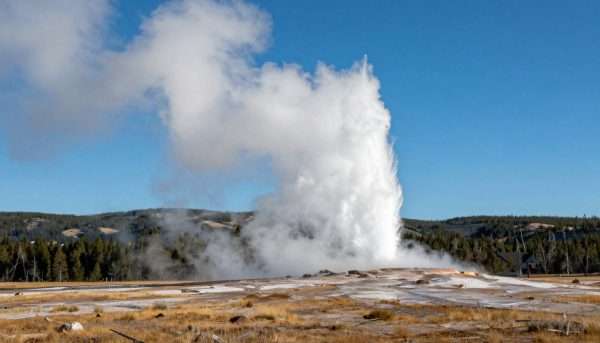
As the world’s first national park (established in 1872) and the first UNESCO site in USA (designated in 1978), Yellowstone holds a special place in conservation history. This vast wilderness contains over half of the world’s geothermal features, including the famous Old Faithful geyser. The park’s 2.2 million acres are home to diverse ecosystems and abundant wildlife, including grizzly bears, wolves, and the largest public bison herd in the United States.
What makes Yellowstone truly exceptional is its unique combination of geothermal wonders, pristine forests, dramatic canyons, alpine rivers, and spectacular lakes – all preserved in their natural state. The colorful hot springs, like Grand Prismatic Spring, showcase extraordinary bacterial mats that create rainbow-like rings of color.
Grand Canyon National Park (Arizona)
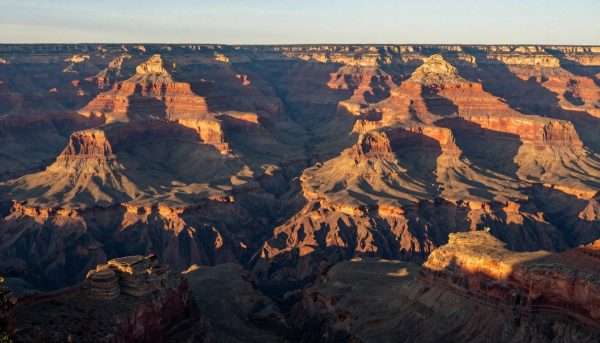
The Grand Canyon, a UNESCO World Heritage Site since 1979, is a testament to 2 billion years of geological history. Carved by the Colorado River, this massive gorge stretches 277 miles long, up to 18 miles wide, and reaches depths of over a mile. Its colorful landscape reveals layer upon layer of rock that provides an unparalleled record of Earth’s history.
Beyond its geological significance, the Grand Canyon supports diverse ecosystems across its different elevation zones. From desert landscapes at the canyon floor to pine forests along the rim, this natural wonder hosts over 1,500 plant species, 355 bird species, and 89 mammal species.
Everglades National Park (Florida)
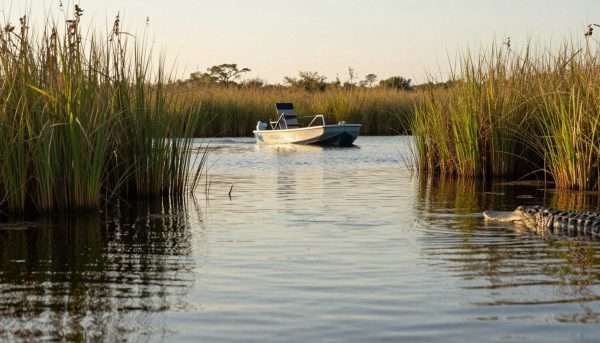
The Everglades represents the largest subtropical wilderness in the United States. This unique “River of Grass” is a slow-moving sheet of water that creates diverse habitats including sawgrass marshes, mangrove forests, and pine rocklands. Designated as a UNESCO site in 1979, the Everglades is home to rare and endangered species such as the Florida panther, American crocodile, and manatee.
Unfortunately, the Everglades is also on UNESCO’s List of World Heritage in Danger due to urban development, agricultural pollution, and altered water flows. Conservation efforts are ongoing to restore this critical ecosystem that serves as both a wildlife haven and a natural water filtration system for South Florida.
Olympic National Park (Washington)
This diverse park encompasses nearly a million acres of protected wilderness, including glacier-capped mountains, old-growth temperate rainforests, and over 70 miles of wild coastline. The park’s isolation has allowed the development of endemic species and preserved ancient forests with trees over 1,000 years old.
Redwood National and State Parks (California)
Home to the tallest trees on Earth, these parks protect 45% of remaining old-growth redwood forests. Some coast redwoods here exceed 370 feet in height and have lived for more than 2,000 years, creating an ecosystem that feels prehistoric.
Mammoth Cave National Park (Kentucky)
With over 400 miles of surveyed passageways, Mammoth Cave is the world’s longest known cave system. This underground labyrinth features remarkable limestone formations and houses unique ecosystems adapted to life in perpetual darkness.
Hawaii Volcanoes National Park (Hawaii)
This dynamic landscape showcases two of the world’s most active volcanoes: Mauna Loa and Kilauea. Visitors can witness the ongoing creation of the Hawaiian Islands through volcanic processes that have continued for millions of years.
Yosemite National Park (California)
Famous for its towering waterfalls, ancient giant sequoias, and spectacular granite cliffs like El Capitan and Half Dome, Yosemite exemplifies the power of glacial erosion in creating dramatic landscapes.
Great Smoky Mountains National Park (Tennessee/North Carolina)
America’s most visited national park features remarkable biodiversity with over 19,000 documented species. Its ancient mountains, once as tall as the Rockies, have weathered over time to create a landscape of rolling ridges shrouded in their characteristic blue “smoke.”
Other Natural UNESCO Sites in USA
- Carlsbad Caverns National Park (New Mexico) – Features over 119 limestone caves with extraordinary stalactites and stalagmites.
- Waterton-Glacier International Peace Park (Montana/Alberta, Canada) – A transboundary site celebrating peace and cooperation between nations while protecting spectacular mountain landscapes.
- Papahānaumokuākea (Hawaii) – One of the world’s largest marine conservation areas, protecting coral reefs and deep-sea habitats across the Northwestern Hawaiian Islands.
- Kluane/Wrangell-St. Elias/Glacier Bay/Tatshenshini-Alsek (Alaska/Canada) – A vast international protected area containing the world’s largest non-polar icefield and some of the longest glaciers.
Cultural UNESCO Sites in USA
The United States’ cultural heritage is represented by 12 UNESCO World Heritage Sites that showcase the nation’s historical development, architectural achievements, and indigenous cultures. These sites tell the story of America from ancient civilizations to modern innovation.
Mesa Verde National Park (Colorado)
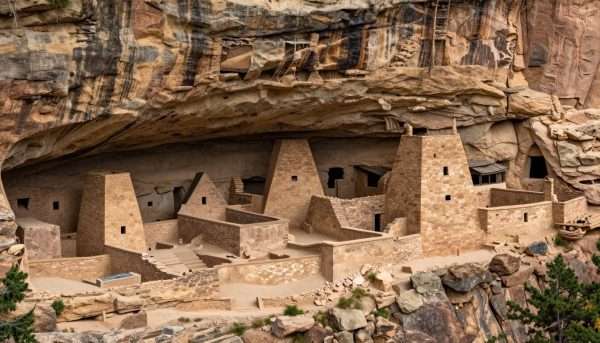
Mesa Verde, designated as a UNESCO site in 1978, preserves the spectacular cliff dwellings of the Ancestral Puebloan people who lived here from the 6th to 13th centuries. The most famous structure, Cliff Palace, contains 150 rooms and 23 kivas (ceremonial chambers) built into a natural alcove in the sandstone cliff face.
What makes Mesa Verde remarkable is not just the structures themselves, but what they reveal about the adaptation and ingenuity of these ancient people. The dwellings showcase sophisticated architectural techniques, including multi-story buildings, intricate masonry, and systems for water collection and conservation in an arid environment.
Independence Hall (Pennsylvania)
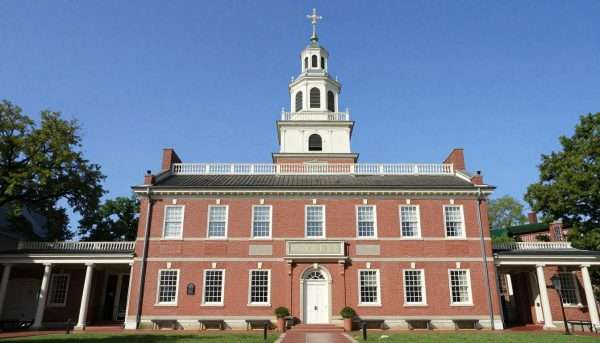
In this modest brick building in Philadelphia, the foundation of American democracy was established. Independence Hall is where both the Declaration of Independence (1776) and the United States Constitution (1787) were debated and adopted. UNESCO recognized this site in 1979 for its profound influence on democratic principles worldwide.
The building itself, designed in the Georgian style and completed in 1753, has been meticulously preserved to appear as it did during the Constitutional Convention. The Assembly Room, where these historic documents were signed, contains original furniture including the “Rising Sun” chair used by George Washington during the convention.
Statue of Liberty (New York)
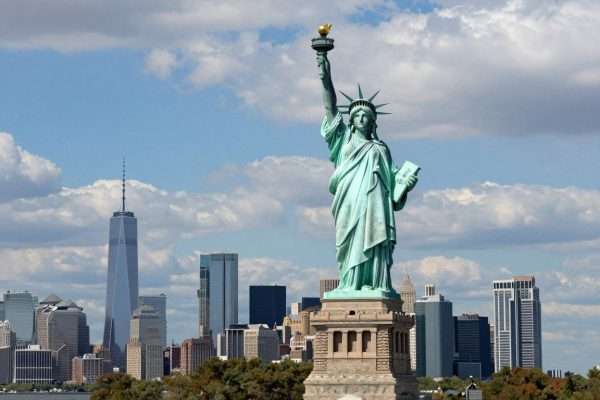
Standing at the entrance to New York Harbor, the Statue of Liberty has welcomed millions of immigrants to America since its dedication in 1886. This colossal neoclassical sculpture, designed by Frédéric Auguste Bartholdi with an internal framework by Gustave Eiffel, was a gift from France commemorating the centennial of American independence.
Beyond its artistic and engineering significance, the Statue of Liberty has become a universal symbol of freedom and democracy. Its inscription includes the famous lines from Emma Lazarus’s poem “The New Colossus”: “Give me your tired, your poor, your huddled masses yearning to breathe free.” UNESCO recognized this powerful symbol as a World Heritage Site in 1984.
San Antonio Missions (Texas)
This serial property includes five frontier mission complexes built by Spanish Franciscan missionaries in the 18th century. The missions represent the Spanish Crown’s efforts to colonize, evangelize, and defend the northern frontier of New Spain, showcasing the cultural interchange between indigenous peoples and European colonizers.
Monticello and the University of Virginia (Virginia)
These masterpieces of Neoclassical design by Thomas Jefferson reflect his ideals of liberty, knowledge, and self-governance. Monticello, Jefferson’s plantation home, and the “Academical Village” of the University of Virginia demonstrate his architectural vision inspired by ancient Rome and Renaissance Italy.
Cahokia Mounds State Historic Site (Illinois)
The largest pre-Columbian settlement north of Mexico, Cahokia was once a thriving city of 10,000-20,000 people around 1050-1150 CE. Its 120 earthen mounds, including the massive Monks Mound, demonstrate the complex social, religious, and economic organization of the Mississippian culture.
Taos Pueblo (New Mexico)
Continuously inhabited for over 1,000 years, this Native American community consists of multi-story adobe buildings that have maintained their traditional architecture and cultural practices despite centuries of external pressures. The pueblo represents the enduring culture of the Pueblo Indians of Arizona and New Mexico.
Other Cultural UNESCO Sites in USA
- Chaco Culture (New Mexico) – Ancient ruins showcasing the sophisticated urban planning and astronomical knowledge of the Ancestral Puebloan civilization between 850-1250 CE.
- La Fortaleza and San Juan National Historic Site (Puerto Rico) – Spanish colonial fortifications that protected the strategic harbor of San Juan from the 16th to 20th centuries.
- Monumental Earthworks of Poverty Point (Louisiana) – Complex of massive earthen constructions built by hunter-gatherers 3,500 years ago, demonstrating sophisticated engineering without agriculture.
- The 20th-Century Architecture of Frank Lloyd Wright – Eight buildings across the United States that showcase Wright’s “organic architecture,” including Fallingwater in Pennsylvania and the Guggenheim Museum in New York.
- Hopewell Ceremonial Earthworks (Ohio) – The newest addition (2023) to UNESCO sites in USA, featuring eight monumental earthen enclosures built 2,000 years ago with remarkable geometric precision and astronomical alignments.
Planning Your Visit to UNESCO Sites in USA
Best Time to Visit
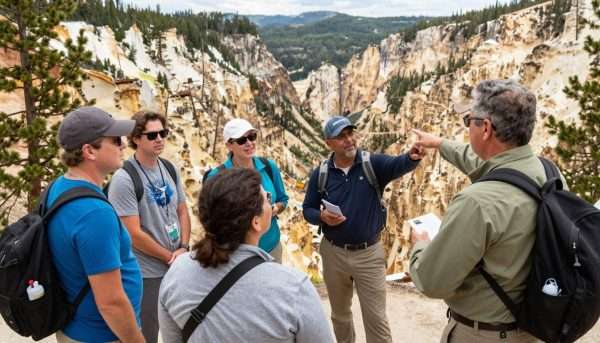
Most natural UNESCO sites in USA are best visited during spring (April-June) and fall (September-October) when weather is mild and crowds are smaller. Cultural sites can generally be visited year-round, though summer brings larger crowds. Winter visits to northern sites like Yellowstone offer unique experiences but require special preparation.
Transportation
Many UNESCO sites are located in remote areas and require a car to access. Major sites like the Statue of Liberty and Independence Hall are accessible by public transportation. Consider regional airports for sites far from major cities, and allow plenty of time for exploring these vast areas – many natural sites deserve at least 2-3 days.
Accommodation
Book accommodations well in advance, especially for popular national parks during summer months. Options range from historic lodges within parks to nearby towns with hotels and vacation rentals. Some sites like Yellowstone and Grand Canyon offer camping opportunities that provide an immersive experience.
Visitor Tips for UNESCO Sites in USA
For Natural Sites:
- Check park websites for current conditions and any closures before visiting
- Purchase an America the Beautiful Pass ($80) for access to multiple national parks
- Book ranger-led programs for deeper understanding of site significance
- Follow Leave No Trace principles to help preserve these natural wonders
- Bring appropriate gear for changing weather conditions
- Stay on designated trails to protect sensitive ecosystems
For Cultural Sites:
- Research the historical context before visiting to enhance your experience
- Consider guided tours to gain deeper insights into cultural significance
- Check for timed entry requirements at popular sites like the Statue of Liberty
- Be respectful when visiting sacred indigenous sites like Taos Pueblo
- Bring binoculars for better viewing of architectural details
- Support preservation efforts through official gift shops and donations
Accessibility Information
Many UNESCO sites in USA have made significant efforts to improve accessibility. National Park Service sites provide detailed accessibility information on their websites, including wheelchair-accessible trails, tactile exhibits, and audio descriptions. Cultural sites like Independence Hall and the Statue of Liberty offer accommodations for visitors with mobility, vision, and hearing impairments. Always check the official site website for specific accessibility information before planning your visit.
Conservation Challenges and Preservation Efforts
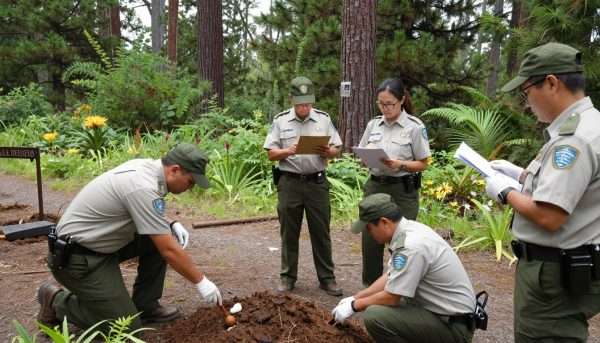
UNESCO World Heritage Sites face numerous challenges in the 21st century. Climate change threatens natural sites through rising temperatures, changing precipitation patterns, and increased extreme weather events. Cultural sites face pressures from urban development, tourism impacts, and aging infrastructure.
What threats do UNESCO sites in USA face?
American UNESCO sites face various challenges including:
- Climate change impacts – Rising sea levels threaten the Statue of Liberty and Everglades; warming temperatures affect alpine ecosystems in Olympic and Yellowstone
- Overtourism – Popular sites like Grand Canyon and Yosemite struggle with visitor management during peak seasons
- Development pressures – Urban expansion near sites like Cahokia Mounds and Taos Pueblo
- Funding limitations – Maintenance backlogs at many national parks exceed billions of dollars
- Invasive species – Non-native plants and animals threaten ecosystems in many natural sites
How are these sites being preserved?
Numerous conservation efforts are underway to protect UNESCO sites in USA:
- Scientific research – Ongoing studies monitor site conditions and develop preservation strategies
- Visitor management – Timed entry systems, shuttle services, and designated viewing areas help reduce impacts
- Restoration projects – Efforts to restore natural processes, such as controlled burns in forests and wolf reintroduction in Yellowstone
- Public-private partnerships – Organizations like the National Park Foundation supplement government funding
- Community involvement – Local communities participate in site management, especially at cultural sites with living traditions
How can visitors help preserve these sites?
Visitors play a crucial role in preservation through responsible tourism:
- Follow all site regulations and stay on designated paths
- Practice Leave No Trace principles by packing out all trash
- Visit during off-peak times when possible to reduce crowding
- Support conservation organizations that work to protect these sites
- Share your experiences to raise awareness about preservation needs
- Respect cultural protocols, especially at indigenous sites
Fascinating Facts About UNESCO Sites in USA

Record Holders
- Mammoth Cave is the world’s longest known cave system with over 400 miles of surveyed passageways
- Redwood National Park contains the tallest trees on Earth, with some exceeding 370 feet
- Yellowstone was the world’s first national park (1872) and America’s first UNESCO World Heritage Site (1978)
Hidden Histories
- The Statue of Liberty was originally copper-colored; its green patina developed over 20 years of oxidation
- Cahokia was once larger than London in the 13th century, with sophisticated urban planning
- Mesa Verde’s cliff dwellings were “rediscovered” in 1888 by cowboys searching for stray cattle
Surprising Connections
- The Hopewell Ceremonial Earthworks in Ohio align precisely with lunar cycles, showing advanced astronomical knowledge
- Frank Lloyd Wright’s buildings influenced architecture globally, from Europe to Japan
- Papahānaumokuākea in Hawaii is considered sacred in Native Hawaiian culture as the place where life begins and spirits return after death
“These sites belong to all the peoples of the world, irrespective of the territory on which they are located. Their protection and preservation for future generations is a concern shared by the international community as a whole.”
Potential Future UNESCO Sites in USA
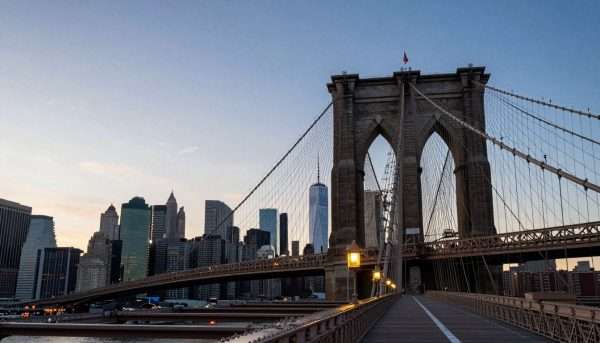
The United States maintains a “Tentative List” of sites being considered for future UNESCO World Heritage nomination. These locations represent additional aspects of America’s natural and cultural heritage that may one day join the prestigious list of UNESCO sites in USA.
Natural Sites Under Consideration:
- Big Bend National Park (Texas) – Exceptional biodiversity where the Chihuahuan Desert meets the Rio Grande
- White Sands National Park (New Mexico) – The world’s largest gypsum dune field with unique adapted wildlife
- Okefenokee National Wildlife Refuge (Georgia) – One of the world’s largest intact freshwater ecosystems
- Petrified Forest National Park (Arizona) – Remarkable concentration of petrified wood and archaeological sites
Cultural Sites Under Consideration:
- Brooklyn Bridge (New York) – Revolutionary suspension bridge that transformed urban development
- Civil Rights Movement Sites (Various States) – Places associated with the struggle for racial equality
- Early Chicago Skyscrapers (Illinois) – Birthplace of the modern skyscraper and innovative architectural design
- Ellis Island (New York/New Jersey) – Historic immigration station that processed over 12 million newcomers
- Mount Vernon (Virginia) – George Washington’s plantation home and a symbol of early American architecture
The Nomination Process
The path to UNESCO World Heritage designation is rigorous and can take many years. Sites must first be placed on a country’s Tentative List, then undergo extensive documentation and evaluation before being formally nominated. The World Heritage Committee, composed of representatives from 21 countries, makes the final decision on inscriptions during its annual meeting. This careful process ensures that only sites of truly outstanding universal value receive this prestigious designation.
Preserving America’s World Heritage for Future Generations
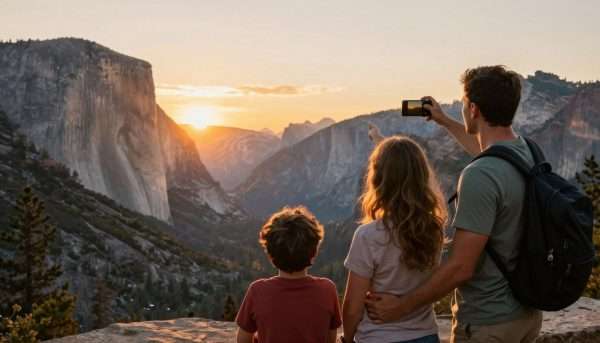
The 25 UNESCO sites in USA represent the best of America’s natural wonders and cultural achievements. From the geothermal marvels of Yellowstone to the democratic ideals embodied in Independence Hall, these places tell the story of both the land and its people. They preserve ecosystems found nowhere else on Earth and commemorate pivotal moments in human history.
As global citizens, we share responsibility for protecting these irreplaceable treasures. Climate change, development pressures, and tourism impacts all threaten the integrity of these sites. By supporting conservation efforts, practicing responsible tourism, and raising awareness about their significance, we can help ensure these wonders remain intact for future generations to experience and cherish.
Whether you’re planning your next adventure or simply appreciating these remarkable places from afar, remember that UNESCO World Heritage Sites belong to all of humanity. They connect us to our shared past and inspire us to preserve our natural and cultural legacy for the future.
Ready to Explore America’s UNESCO Treasures?
Start planning your journey to these extraordinary places that showcase the best of America’s natural and cultural heritage. From ancient cliff dwellings to magnificent canyons, unforgettable adventures await!
Additional Resources
Official Sites
- UNESCO World Heritage USA Official Page
- National Park Service World Heritage Program
- U.S. Department of the Interior World Heritage Information


Leave A Comment