
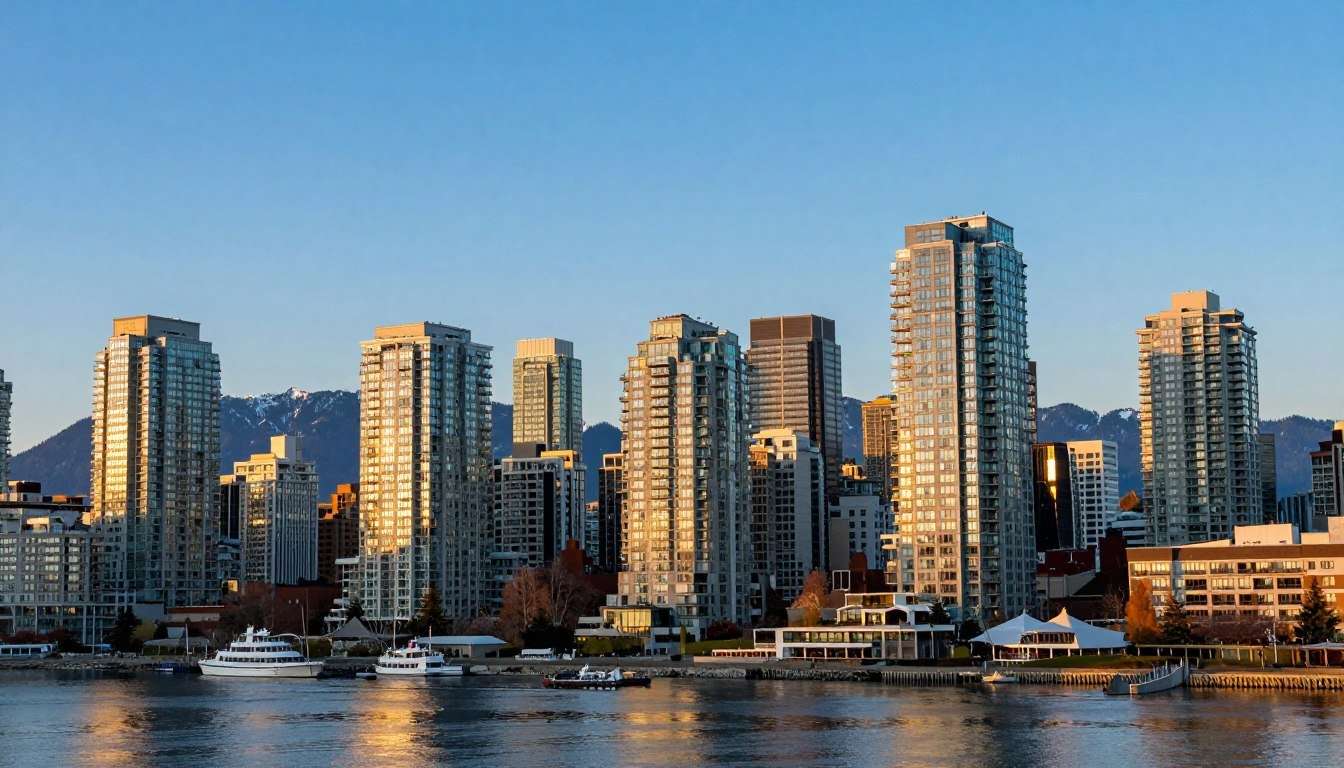
Why Vancouver Ranks Among North America’s Top Destinations
Vancouver consistently appears on “best cities” lists worldwide. The combination of urban sophistication and outdoor adventure creates a unique appeal. You can ski world-class mountains in the morning and sail the ocean by afternoon. Few cities offer this diversity of experiences within minutes of downtown.
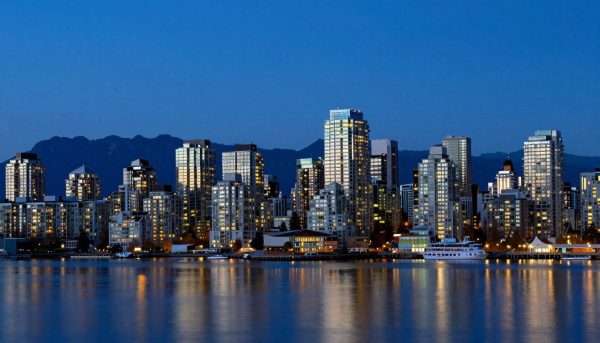
The natural setting provides breathtaking views from almost everywhere. Stanley Park spans 1,000 acres of rainforest in the city core. Beaches line the waterfront. Mountains create a dramatic backdrop for the urban skyline. This geography makes Vancouver visually stunning year-round.
Cultural diversity enriches the city’s character. Vancouver hosts thriving Asian, European, and Indigenous communities. This multicultural blend appears in food scenes, festivals, and neighborhood atmospheres. You’ll find authentic cuisine from dozens of countries within a short trip.
The mild climate attracts visitors escaping harsh winters. While rain falls frequently from November through March, temperatures rarely drop below freezing. Summers bring warm, dry weather perfect for outdoor activities. This temperate weather supports year-round tourism.
Urban amenities match those of major global cities. World-class restaurants earn international recognition. Shopping districts offer everything from high-end boutiques to local markets. Cultural venues host performances and exhibitions. Modern infrastructure supports comfortable travel throughout the area.
Understanding Vancouver’s Neighborhood Layout
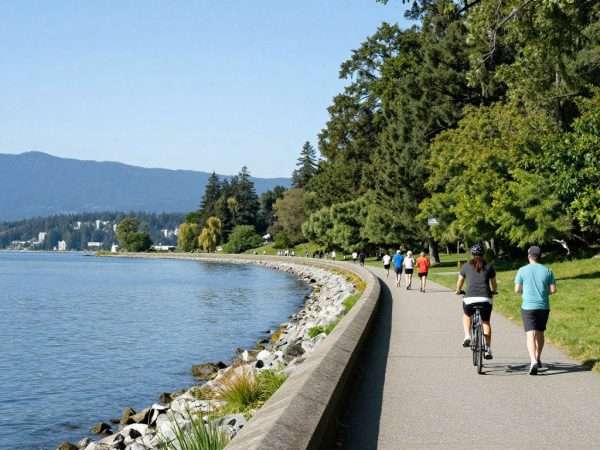
Vancouver’s geography creates natural divisions between neighborhoods. Water bodies and parks form boundaries that give each area distinct character. The city spreads across a peninsula, with downtown occupying the northern tip. False Creek cuts through the middle, separating downtown from southern neighborhoods.
Public transit connects all major areas efficiently. The SkyTrain rapid transit system reaches from downtown to suburbs. Bus routes cover areas between train stations. SeaBus ferries cross the harbor to North Vancouver. This network makes staying in any neighborhood convenient for exploring the whole city.
Navigation Tip: Vancouver uses a grid system in most areas, making navigation straightforward. Streets run east-west while avenues run north-south. However, downtown breaks this pattern with diagonal streets following the waterfront. Keep a map app handy for downtown exploration.
Urban Core Areas
Downtown, West End, and Yaletown form Vancouver’s high-density center. These neighborhoods offer walkable streets, concentrated amenities, and easy transit access. Hotels range from budget to luxury. Restaurants, shops, and entertainment cluster here.
Waterfront Districts
Granville Island, False Creek, and English Bay provide water-oriented experiences. These areas feature marinas, beaches, and waterfront paths. Accommodation options include boutique hotels and vacation rentals. Views come at premium prices.
Historic Neighborhoods
Gastown and Chinatown showcase Vancouver’s heritage. Brick buildings house restaurants, galleries, and specialty shops. These areas offer character and charm. Budget hotels and hostels mix with upscale options in converted heritage buildings.
Interactive map showing Vancouver’s main neighborhoods and districts
Downtown Vancouver: The Heart of the City
Downtown Vancouver packs more activity into fewer blocks than anywhere else in the city. Glass towers house offices, hotels, and condos. The streets buzz with people heading to meetings, restaurants, and shops. This area serves as Vancouver’s commercial and tourist hub.
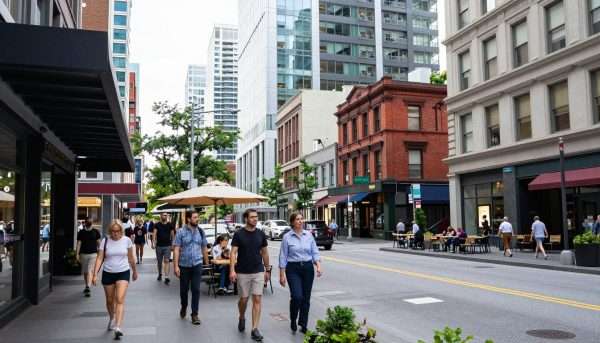
Staying downtown puts you within walking distance of major attractions. Canada Place sits on the waterfront, hosting cruise ships and convention events. The Vancouver Art Gallery occupies a heritage building downtown. Shopping centers like Pacific Centre offer hundreds of stores. Theatres and entertainment venues cluster along Granville Street.
Advantages
- Walking distance to most major attractions and landmarks
- Highest concentration of restaurants, bars, and entertainment
- Multiple SkyTrain stations for easy transit access
- Wide range of hotel options from budget to luxury
- Central location for day trips to all parts of city
- Active streets with constant energy and activity
Disadvantages
- Higher accommodation prices compared to other areas
- Street noise can disturb sleep in some hotels
- Parking costs add significant expense for drivers
- Some areas experience homelessness and social issues
- Crowded sidewalks and busy atmosphere not relaxing
Best Hotels in Vancouver Downtown
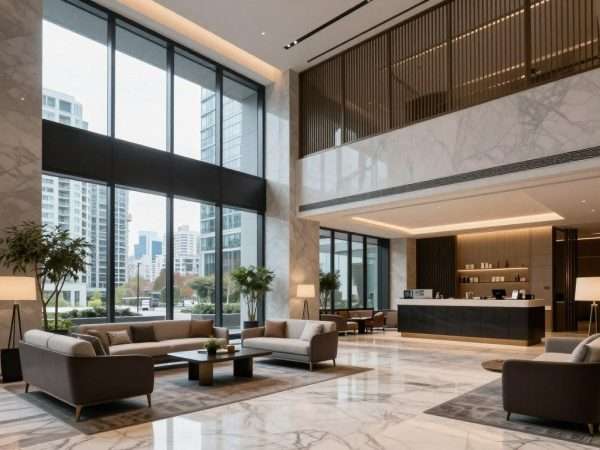
Luxury Choice: Fairmont Pacific Rim
This waterfront luxury hotel offers stunning harbor views and world-class amenities. The rooftop pool provides panoramic city views. Rooms feature floor-to-ceiling windows and high-end finishes. The location near Canada Place puts cruise terminals and convention centers steps away.
Price Range: $450-$800 per night
Best For: Business travelers, special occasions, luxury seekers
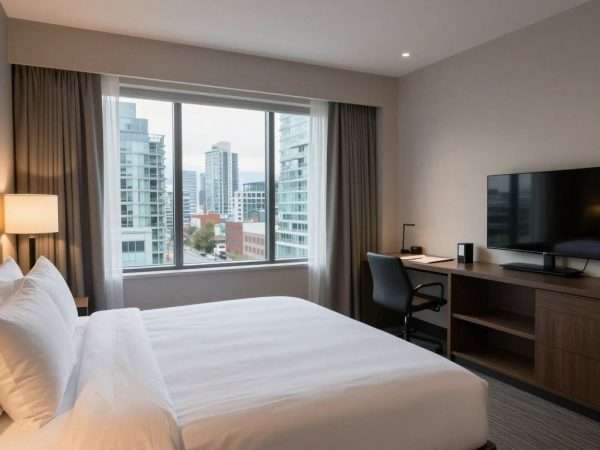
Mid-Range Pick: Sandman Signature Vancouver
This modern hotel balances comfort and value in the heart of downtown. Recent renovations updated rooms with contemporary design. The on-site restaurant serves quality meals without leaving the building. SkyTrain access sits two blocks away for easy exploration.
Price Range: $180-$280 per night
Best For: Families, couples, value-conscious travelers
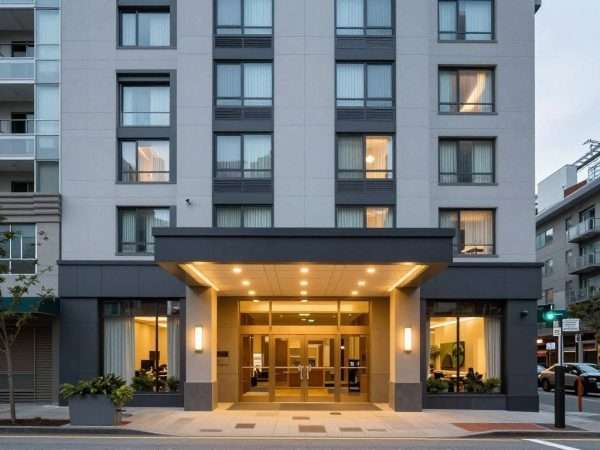
Budget Option: Ramada Limited Vancouver
This no-frills hotel provides clean, basic rooms at competitive prices. The downtown location offers walkability without premium costs. Rooms include essential amenities but skip luxury extras. Continental breakfast helps reduce daily food expenses.
Price Range: $110-$160 per night
Best For: Budget travelers, short stays, solo visitors
Find More Vancouver Downtown Hotels
Compare prices across 200+ downtown hotels and find the perfect match for your budget and preferences. Filter by amenities, guest ratings, and location to discover your ideal stay.
West End: Beach Life Meets Urban Living
The West End blends residential calm with downtown proximity. Tree-lined streets create a neighborhood feel despite the high-rise buildings. This area attracts people who want beach access and park space while staying close to the city center. The atmosphere feels more relaxed than the busy downtown core.
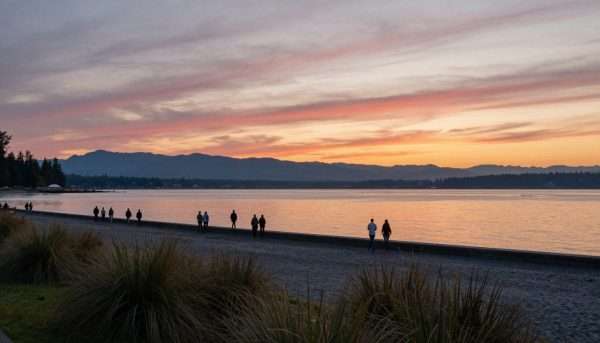
English Bay Beach forms the neighborhood’s centerpiece. The sandy beach stretches along the waterfront, providing swimming spots and sunset views. The seawall path connects to Stanley Park, offering scenic walking and cycling routes. Summer evenings bring crowds to watch the sun set over the Pacific.
Denman Street serves as the West End’s main commercial strip. This walkable street hosts dozens of restaurants representing global cuisines. Coffee shops provide morning gathering spots. Small grocery stores and shops meet daily needs. The mix of services makes the West End feel like a self-contained village within the city.
Who Should Stay in West End
- Beach lovers who want ocean access
- Runners and cyclists using seawall paths
- Families seeking quieter streets than downtown
- LGBTQ+ travelers (the area has a vibrant community)
- People who value walkable neighborhoods
- Visitors planning Stanley Park visits
West End Accommodation Features
Hotels in the West End tend toward boutique properties and mid-range chains. Many buildings date from the 1960s-1980s but offer updated interiors. Ocean-view rooms command premium rates. Properties near Denman Street provide easy restaurant access.
Vacation rentals flourish in this neighborhood. Many residents rent their apartments when traveling. This creates good options for longer stays or groups needing kitchen facilities. The residential character makes rentals feel more like living in Vancouver than staying in a hotel.
Recommended: Sylvia Hotel
This heritage hotel sits directly on English Bay Beach. The ivy-covered brick building has welcomed guests since 1912, making it Vancouver’s oldest operating hotel. Rooms feature classic decor with modern updates. The beachfront restaurant and lounge offer water views.
Local Tip: Book early for summer stays. The Sylvia’s beachfront location and historic charm make it extremely popular during peak season. Rooms facing the water book months in advance.
Price Range: $150-$250 per night
Best For: Romantic getaways, beach enthusiasts, history buffs
Gastown: Historic Streets and Modern Style
Gastown represents Vancouver’s birthplace and current hipster hub. Cobblestone streets wind between heritage buildings that now house trendy restaurants and boutiques. The neighborhood manages to feel both historic and cutting-edge. Visitors come for the Instagram-worthy streets and stay for the excellent food scene.
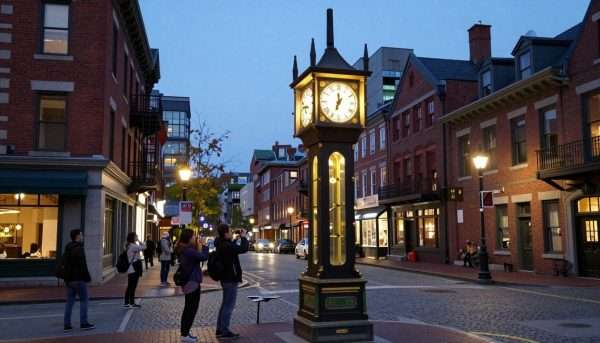
The famous Steam Clock marks Gastown’s center. This working clock powered by steam whistles every fifteen minutes. Tourists gather around it throughout the day for photos. While the clock draws crowds, exploring the surrounding streets reveals Gastown’s real character.
Water Street forms the main thoroughfare. Brick buildings with large windows create appealing storefronts. High-end restaurants occupy ground floors while creative offices fill upper levels. Galleries showcase local artists. Cocktail bars serve craft drinks in atmospheric spaces. The whole street feels carefully curated.
Dining Scene
Gastown hosts some of Vancouver’s best restaurants. Award-winning chefs run establishments ranging from upscale dining rooms to casual spots. The area particularly excels at Italian cuisine, steakhouses, and fusion concepts. Reservations prove essential for popular spots.
Nightlife Options
Bars and lounges populate Gastown’s historic buildings. Craft cocktail bars create innovative drinks in stylish settings. Wine bars offer extensive lists. Some venues host live music on weekends. The scene attracts a sophisticated crowd compared to louder entertainment districts.
Shopping Experience
Independent boutiques sell clothing, home goods, and local products. Many shops focus on Canadian-made items. Art galleries display contemporary works. Specialty stores offer unique finds you won’t see elsewhere. The shopping emphasizes quality over quantity.
Safety Note: Gastown borders the Downtown Eastside, an area with visible poverty and drug use. While Gastown itself generally feels safe, walking a few blocks in the wrong direction leads to less comfortable streets. Stay aware of your surroundings, especially at night.
Where to Stay in Gastown
Boutique hotels dominate Gastown accommodations. Many occupy converted heritage buildings, preserving historic character while adding modern amenities. These properties typically offer fewer rooms than major chains, creating more intimate atmospheres. Expect stylish design and higher prices than average.
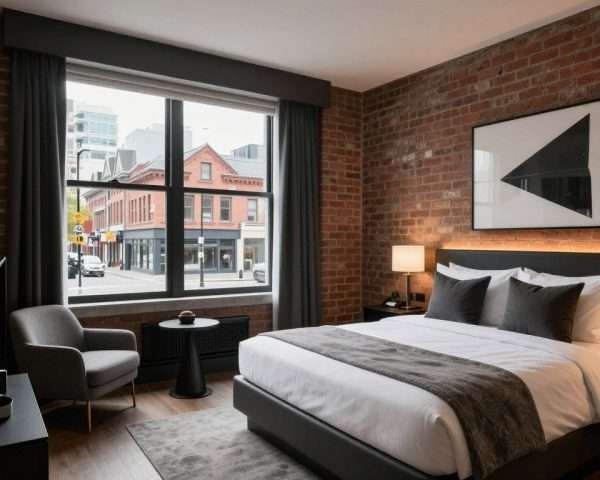
The Landing Hotel
This boutique property occupies a restored 1912 building on Water Street. Suites feature exposed brick, wood beams, and contemporary furnishings. Full kitchens in every room make it ideal for longer stays. The ground floor houses a popular Italian restaurant.
Room Types: One and two-bedroom suites with kitchens
Price Range: $220-$380 per night
Granville Island and False Creek: Waterfront Culture
Granville Island transformed from industrial wasteland to cultural hub. This small peninsula under the Granville Bridge now hosts a public market, artisan studios, and performance spaces. The area draws locals and tourists alike for its unique atmosphere and waterfront location. Staying near Granville Island puts you in one of Vancouver’s most distinctive neighborhoods.
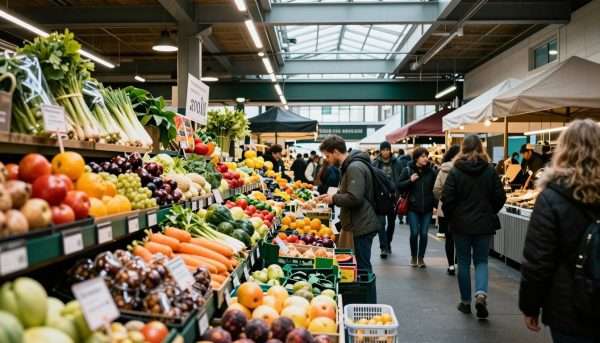
The Public Market forms Granville Island’s heart. Vendors sell fresh produce, baked goods, seafood, and prepared foods. Local farmers bring seasonal vegetables. Artisan producers offer cheese, charcuterie, and specialty items. The market provides an excellent spot for assembling picnic supplies or simply browsing the impressive food selection.
False Creek separates downtown from southern neighborhoods. This inlet creates waterfront paths on both sides. Marinas dot the shores. Water taxis ferry people across the creek, offering a unique transit option. The area feels more relaxed than downtown while maintaining easy access to the city center.
Market Activities
Beyond food vendors, Granville Island hosts various activities. Artists maintain studios where you can watch them work. Performance spaces host theatre shows and concerts. A brewery offers tours and tastings. Kids enjoy the water park and play areas.
- Over 50 food and craft vendors in Public Market
- Working artisan studios open to visitors
- Granville Island Brewing tours available
- Kids Market with toy stores and activities
Waterfront Features
The seawall extends along False Creek’s edges. This paved path connects neighborhoods and provides walking or cycling routes. Boats of all sizes fill marinas. Kayak and paddleboard rentals let you explore the water. Waterfront restaurants offer patio dining with views.
- Seawall path for walking and cycling
- Water taxi service across False Creek
- Kayak and paddleboard rental shops
- Waterfront restaurant patios with views
Cultural Venues
Granville Island supports Vancouver’s arts community. Several theatres present plays and performances year-round. Emily Carr University’s campus brings art students to the area. Galleries showcase both established and emerging artists. The concentration of creative spaces makes the island feel vibrant.
- Multiple live theatre venues
- Emily Carr University art campus
- Artisan studios and galleries
- Regular festivals and cultural events
Neighborhood Character
The area maintains an industrial-meets-artistic vibe. Converted warehouses house businesses and residences. Colorful buildings contrast with concrete structures. Street art decorates walls. The mix creates a visually interesting environment unlike typical neighborhoods.
- Converted industrial buildings
- Vibrant street art and murals
- Mix of creative businesses
- Pedestrian-friendly streets
Granville Island Hotels and Lodging
Few hotels exist directly on Granville Island due to limited space. However, several options sit close enough to walk to the market within minutes. The surrounding False Creek area offers more choices. Properties here tend toward mid-range and upscale categories.
Granville Island Hotel
The only full-service hotel actually on Granville Island occupies a prime waterfront location. Rooms overlook False Creek and the downtown skyline. The hotel’s restaurant sources ingredients from the Public Market steps away. Modern rooms feature balconies and updated amenities.
Special Features: Waterfront location, market access, on-site dining
Price Range: $280-$450 per night
Explore False Creek Accommodation Options
Discover waterfront hotels, vacation rentals, and boutique stays near Granville Island. Compare amenities, prices, and guest reviews to find your perfect False Creek home base.
Yaletown: Upscale Urban Living
Yaletown represents Vancouver’s most polished neighborhood. Former warehouses converted into loft apartments, restaurants, and boutiques. Wide sidewalks accommodate outdoor patios. The area attracts young professionals and affluent residents. Everything about Yaletown exudes sophistication and style.
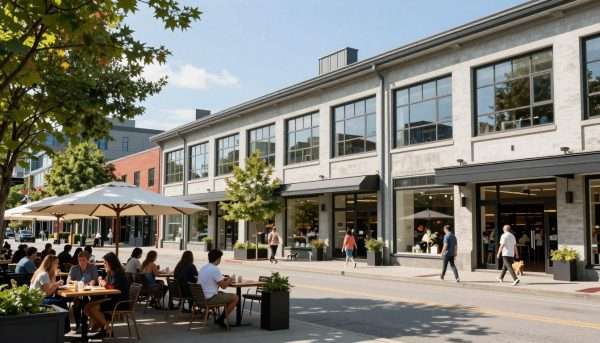
Mainland Street and Hamilton Street form Yaletown’s core. Both streets feature wide sidewalks that became outdoor dining spaces. Restaurants extend their seating areas onto the street. This European-style arrangement creates lively scenes during warm weather. The pedestrian-friendly design makes window shopping and people-watching enjoyable.
The False Creek seawall borders Yaletown’s north side. This provides residents and visitors with waterfront walking paths. Marina-side restaurants offer water views with upscale menus. The proximity to downtown and convenient transit access make Yaletown both practical and pleasant.
Yaletown Highlights
- High-end restaurant concentration
- Designer shopping boutiques
- Waterfront seawall access
- Modern loft architecture
- Close to downtown core
- Safe, clean streets
- Excellent coffee shops
Considerations
- Premium pricing across the board
- Limited budget food options
- Quieter at night than downtown
- Parking challenges and costs
- Can feel overly polished
- Fewer family-oriented activities
Yaletown Hotel Recommendations
Hotels in Yaletown match the neighborhood’s upscale character. Boutique properties dominate over major chains. Design-focused interiors appeal to style-conscious travelers. Expect modern amenities, quality service, and prices reflecting the premium location. Business travelers and couples appreciate Yaletown’s sophisticated atmosphere.
Opus Hotel Vancouver
This design hotel defines Yaletown luxury. Each room category features distinct color schemes and modern furniture. The property’s trendy bar attracts locals and hotel guests. The central Yaletown location puts top restaurants within walking distance.
Price Range: $320-$550 per night
Staying in Yaletown suits travelers who prioritize dining and design. The neighborhood offers limited attractions beyond restaurants and shopping. However, its downtown proximity means attractions sit just minutes away. SkyTrain stations at both ends of Yaletown provide easy transit access.
Mornings bring locals to coffee shops and juice bars. Lunch hours fill patio seats with business meetings. Evenings see couples heading to dinner reservations. The rhythm reflects Yaletown’s professional resident base. Weekends add more leisure activity as visitors explore the area’s offerings.
Kitsilano: Beach Neighborhood with Local Flavor
Kitsilano, or “Kits” to locals, offers a more laid-back vibe than downtown areas. This residential neighborhood across False Creek from downtown maintains a beach-town atmosphere. Young families, students, and health-conscious residents fill the tree-lined streets. The area feels more authentically Vancouver than tourist-focused districts.
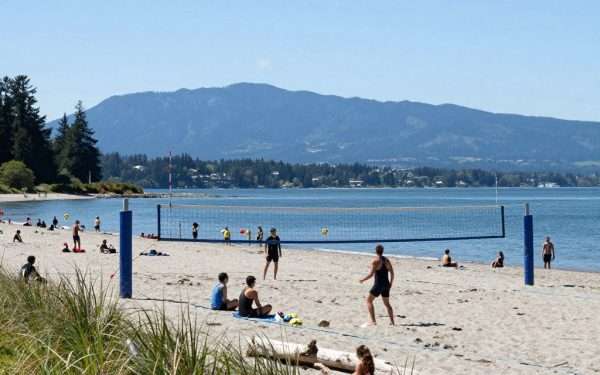
Kitsilano Beach stretches along the neighborhood’s north edge. This popular summer destination features volleyball courts, swimming areas, and grassy lawns. The heated saltwater pool attracts lap swimmers. The beach gets crowded on hot days but provides a quintessential Vancouver beach experience. Views across to downtown and the mountains create stunning backdrops.
Fourth Avenue serves as Kitsilano’s main commercial street. This long corridor hosts independent shops, yoga studios, and casual restaurants. Health food stores and organic markets reflect the neighborhood’s wellness focus. Coffee shops provide gathering spots. The street lacks downtown’s glitz but offers authentic neighborhood character.
Kitsilano Lifestyle
The neighborhood embodies active, healthy living. Residents run along beach paths, practice yoga, and frequent juice bars. Farmers markets sell organic produce. Vegetarian restaurants thrive here. The environmental consciousness extends to transportation, with many people cycling instead of driving.
Cultural diversity adds to Kitsilano’s appeal. Greek restaurants represent an established community. Asian eateries serve various cuisines. The mix creates interesting dining options beyond typical beach neighborhood fare. Local breweries and wine bars have recently added to the food scene.
Getting Around Kitsilano
Kitsilano sits farther from downtown than previous neighborhoods. Buses connect the area to the city center, with trips taking 15-25 minutes. Many visitors rent bikes to explore at their own pace. The seawall extends to Kits, creating scenic cycling routes.
This distance creates trade-offs. You sacrifice downtown convenience for more space and local atmosphere. Visitors who want to immerse themselves in Vancouver neighborhood life appreciate Kitsilano. Those focused on tourist attractions might find the location less practical.
Accommodation in Kitsilano
Kitsilano has fewer traditional hotels than downtown areas. Vacation rentals dominate accommodation options. Renting an apartment or house lets you experience the neighborhood like a resident. Some bed and breakfasts occupy heritage homes. The limited hotel options keep tourist crowds lower than in central areas.
Booking Tip: Search vacation rental platforms for Kitsilano properties. Look for places within walking distance of the beach and Fourth Avenue for the best experience. Book early for July and August when beach demand peaks.
Budget Accommodation Options Across Vancouver
Vancouver’s reputation for expensive lodging holds some truth. However, budget travelers can find affordable options with smart planning. The key involves balancing location, comfort, and cost. Staying slightly outside downtown significantly reduces prices while maintaining transit access to attractions.

Hostels for Budget Travelers
Hostels provide the cheapest accommodation in Vancouver. These properties offer dorm beds starting around thirty dollars per night. Private rooms cost more but still undercut hotel rates. Modern hostels include kitchens, common areas, and organized activities. Solo travelers and young people comprise most guests.
HI Vancouver Central
This downtown hostel occupies a modern building near transit. Dorm rooms sleep four to eight people in bunk beds. Private rooms accommodate couples or solo travelers wanting more space. The location provides easy access to attractions.
Dorm Beds: $35-$50 per night
Private Rooms: $90-$130 per night
Samesun Vancouver
Located in Granville Entertainment District, this hostel attracts party-oriented travelers. The on-site bar hosts nightly events. Rooms are basic but clean. The social atmosphere suits people wanting to meet other travelers.
Dorm Beds: $32-$48 per night
Private Rooms: $85-$120 per night
Vancouver Central Backpackers
This budget option offers rock-bottom prices in a convenient location. Facilities are basic and showing age. However, the price and downtown access attract backpackers on tight budgets. Expect minimal amenities.
Dorm Beds: $28-$42 per night
Private Rooms: $75-$105 per night
Budget Hotels and Motels
Budget hotels provide private rooms at affordable rates. These properties typically offer basic amenities without luxury features. Locations often sit outside the most central areas. Expect small rooms, limited services, and older buildings. However, cleanliness and safety standards remain acceptable.
Motel-style properties line major roads leading into Vancouver. These suburban options cost less than downtown hotels. Many include free parking, which saves money for drivers. The trade-off involves longer trips to attractions. Budget an extra thirty minutes of travel time from these locations.
Money-Saving Strategy: Book accommodations with kitchen facilities. Preparing some meals instead of eating out every day significantly reduces overall trip costs. Look for properties advertising “kitchenettes” or “full kitchens” in room descriptions.
Alternative Budget Options
Vacation Rentals
- Entire apartments available
- Kitchen facilities included
- More space than hotel rooms
- Good for longer stays
- Neighborhood immersion
- Often cheaper for groups
University Housing
- Summer availability on campus
- Basic dorm rooms
- Very affordable rates
- Shared bathroom facilities
- Limited to summer months
- Campus locations vary
Camping Options
- Campgrounds near city
- Lowest cost option
- Nature experience included
- Requires camping gear
- Transit to city needed
- Weather dependent
Luxury Hotels for Upscale Travelers
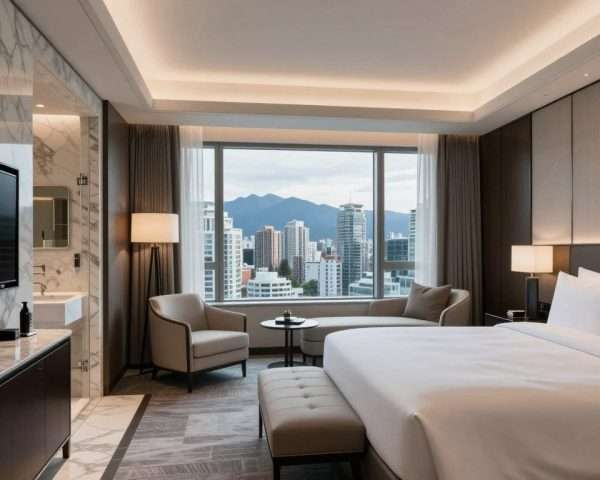
Vancouver offers world-class luxury hotels competing with properties in major global cities. These five-star establishments provide impeccable service, elegant design, and premium amenities. Locations concentrate in downtown areas with convenient access to business districts and upscale shopping. Expect to pay premium rates for these exceptional experiences.
Top Luxury Properties
Fairmont Hotel Vancouver
This historic railway hotel anchors downtown since 1939. The château-style building features a distinctive green copper roof. Recently renovated rooms blend classic elegance with modern technology. The property’s central location puts shopping and dining steps away.
Signature Features: Historic architecture, rooftop garden, full-service spa
Rates: $400-$700 per night
Rosewood Hotel Georgia
This 1920s heritage building underwent complete restoration to create modern luxury. Art deco design elements complement contemporary amenities. The renowned restaurant serves Pacific Northwest cuisine. The spa offers extensive treatment menus.
Signature Features: Art deco styling, Hawksworth Restaurant, luxury spa
Rates: $450-$800 per night
Shangri-La Hotel Vancouver
Occupying floors in Vancouver’s tallest building, this hotel offers stunning views. Asian-inspired design creates serene spaces. The spa ranks among the city’s best. Service standards match the Shangri-La brand’s global reputation.
Signature Features: High-floor views, CHI spa, personalized service
Rates: $500-$900 per night
What Luxury Hotels Offer
Premium properties distinguish themselves through exceptional service and attention to detail. Staff anticipate needs before guests ask. Concierge teams secure impossible reservations and arrange special experiences. Housekeeping maintains spotless rooms with multiple daily services. Every interaction reflects training and professionalism.
Amenities extend beyond standard hotel offerings. Full-service spas provide extensive treatment menus. Fitness centers include personal training and classes. Pools often feature infinity edges or rooftop locations. Restaurants employ acclaimed chefs creating memorable dining experiences. Business centers offer private meeting spaces and advanced technology.
Room quality significantly exceeds mid-range properties. Luxury linens ensure comfortable sleep. Bathrooms feature marble, soaking tubs, and premium products. Technology integration includes automated controls and high-speed connectivity. Many rooms provide separate living areas and work spaces. Views from upper floors showcase Vancouver’s dramatic setting.
Booking Tip: Luxury hotels often provide better value through package deals. Look for offers including breakfast, spa credits, or parking. Booking directly with hotels sometimes yields upgrades or amenities not available through third-party sites.
Best Areas and Hotels for Families
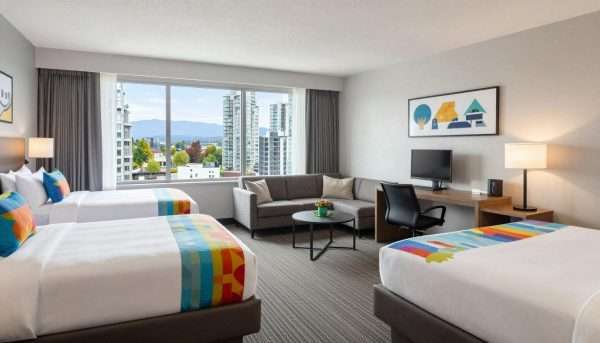
Families visiting Vancouver need different accommodation considerations than solo travelers or couples. Space becomes essential with children. Kitchen facilities help manage meal costs and dietary needs. Proximity to parks and family attractions reduces transit time. Safety and quiet neighborhoods ensure better sleep for everyone.
Best Neighborhoods for Families
The West End provides family-friendly features while maintaining downtown proximity. English Bay Beach offers safe swimming and playgrounds. Stanley Park sits within walking distance. The residential streets feel safer than busy downtown blocks. Restaurants along Denman Street welcome families with casual atmospheres.
Kitsilano appeals to families wanting neighborhood experiences. The beach attracts kids with swimming and volleyball. Parks dot residential streets. Fourth Avenue has ice cream shops and casual restaurants. The area feels more relaxed than tourist-heavy districts. However, the distance from downtown requires more planning for attraction visits.
Family-Friendly Features to Look For
- Suite or connecting room options for space
- Kitchen facilities to prepare meals and snacks
- Pool or water features kids enjoy
- Proximity to parks and outdoor spaces
- Restaurants with children’s menus nearby
- In-room laundry or on-site facilities
- Quiet location away from nightlife areas
Areas to Avoid with Families
- Granville Entertainment District (loud nightlife)
- Downtown Eastside (social issues present)
- Properties on busy streets with traffic noise
- Hotels without family room options
- Areas far from grocery stores and services
Recommended Family Hotels
Residence Inn by Marriott Downtown
This all-suite hotel provides separate sleeping and living areas. Full kitchens include dishes and cookware. Free breakfast helps start days without restaurant costs. The indoor pool entertains kids. Downtown location maintains attraction access.
Family Features: Suites with kitchens, free breakfast, pool, central location
Rates: $220-$380 per night
Coast Coal Harbour Hotel
Located near Stanley Park’s entrance, this hotel offers family suites. Rooms include small kitchenettes. The waterfront location provides walking access to the seawall. The pool area includes a hot tub. Views overlook the marina.
Family Features: Park proximity, suites available, kitchenettes, waterfront setting
Rates: $190-$340 per night
Vacation Rentals for Families
Renting an entire apartment or house often works better for families than hotels. More space accommodates everyone comfortably. Full kitchens allow preparing familiar meals. Multiple bedrooms give parents and kids separate sleeping areas. Laundry facilities help manage clothing needs during longer stays.
Look for rentals in residential neighborhoods rather than downtown high-rises. Areas like Kitsilano, Mount Pleasant, or Commercial Drive offer local experiences. Grocery stores and parks sit nearby. The residential setting feels more home-like than tourist districts. However, plan for longer transit times to major attractions from these locations.
Hotels for Business Travelers
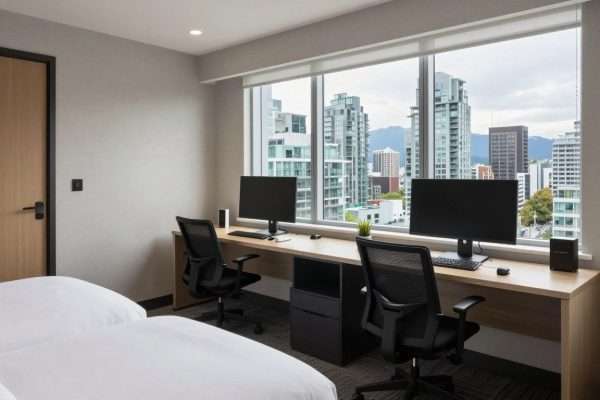
Business travelers require specific amenities and locations different from leisure visitors. Proximity to meeting venues, reliable wifi, and professional work spaces take priority. Hotels near the convention center or financial district reduce travel time. Business-class properties understand professional traveler needs and deliver accordingly.
Essential Business Amenities
- High-speed internet in rooms and public areas
- Work desks with proper lighting and outlets
- Meeting rooms or business centers on-site
- Express check-in and check-out services
- On-site restaurants for working meals
- Fitness centers for stress relief
- Concierge services for local arrangements
- Proximity to transit for meeting access
Best Business Hotel Locations
Downtown Vancouver concentrates most business hotels. The area surrounds the Vancouver Convention Centre and financial district. Walking to meetings becomes possible from these locations. SkyTrain stations provide quick access to other business areas. After-work dining and entertainment sit close by.
Coal Harbour represents the premium business district. This waterfront area hosts corporate headquarters and upscale hotels. Properties here target executive travelers with luxury amenities and services. The harbor views and mountain backdrop create impressive settings for business entertaining.
Pan Pacific Vancouver
Connected directly to the Convention Centre, this hotel serves business travelers perfectly. Harbor-view rooms provide inspiring work environments. Multiple on-site restaurants accommodate business meals. The spa helps relieve work stress.
Business Features: Convention center access, meeting spaces, executive lounge
Hyatt Regency Vancouver
This downtown tower places business travelers near the financial core. Rooms include spacious work areas. The club level provides lounge access with complimentary breakfast and evening reception. Meeting rooms accommodate small group sessions.
Business Features: Financial district location, club lounge, meeting facilities
Westin Bayshore Vancouver
Situated between downtown and Stanley Park, this waterfront property balances business and leisure. Convention spaces host corporate events. The setting allows post-meeting walks in the park. Rooms overlook the harbor or park.
Business Features: Convention facilities, waterfront setting, fitness amenities
Smart Booking Strategies for Vancouver Hotels
Timing and strategy significantly impact Vancouver accommodation costs. Prices fluctuate based on season, events, and booking timing. Understanding these patterns helps secure better rates. A few strategic decisions can save hundreds of dollars on multi-night stays.

Seasonal Pricing Patterns
Summer brings peak rates to Vancouver hotels. July and August see the highest prices as good weather attracts maximum visitors. Booking six months ahead becomes necessary for popular properties. Expect to pay 40-60% more than winter rates during summer months.
Winter offers the best accommodation values. November through March brings lower rates and better availability. While weather includes rain, temperatures remain mild. Indoor attractions stay open year-round. The money saved on lodging can fund other trip expenses.
| Season | Months | Price Level | Booking Window | Best For |
| Peak Summer | July-August | Highest | 4-6 months ahead | Beach activities, outdoor events |
| Shoulder Season | May-June, September | Moderate-High | 2-3 months ahead | Pleasant weather, fewer crowds |
| Fall | October-November | Moderate | 1-2 months ahead | Fall colors, comfortable temps |
| Winter Low | December-February | Lowest | 2-4 weeks ahead | Budget travel, indoor attractions |
| Spring | March-April | Moderate | 1-2 months ahead | Cherry blossoms, warming weather |
Comparison Shopping Strategies
Compare prices across multiple booking platforms before committing. Rates vary between sites for the same hotel and dates. Check the hotel’s direct website, major booking sites, and discount platforms. Sometimes calling the hotel directly yields rates not advertised online.
Where to Search
- Hotel direct websites for best rate guarantees
- Major booking platforms for variety and reviews
- Discount sites for last-minute deals
- Package deals combining flights and hotels
- Corporate discount programs if eligible
- Membership programs like AAA or AARP
Money-Saving Tips
- Book refundable rates during price-watch periods
- Check for free breakfast to reduce food costs
- Consider properties with free parking if driving
- Look for hotels including transit passes
- Ask about extended stay discounts for week-long trips
- Join hotel loyalty programs for perks and upgrades
Understanding Hotel Fees
Vancouver hotels increasingly add extra fees beyond nightly rates. Destination fees, resort charges, or facility fees can add twenty to forty dollars per night. Parking costs another twenty to fifty dollars daily at downtown properties. These fees significantly impact total costs. Always check the final price including all fees before booking.
Important: Read cancellation policies carefully before booking. Many discounted rates become non-refundable. If your plans might change, paying slightly more for flexible cancellation provides peace of mind. The ability to cancel without penalty often justifies a small rate increase.
Ready to Book Your Vancouver Stay?
Compare rates from hundreds of Vancouver hotels across all neighborhoods. Find the perfect match for your budget, travel style, and preferred location. Book with confidence knowing you’ve found the best available rate.
Getting From Vancouver Airports to Your Hotel
Vancouver International Airport (YVR) sits about twelve kilometers from downtown. This modern facility serves as the main arrival point for international and domestic travelers. Multiple transportation options connect the airport to city hotels. Your choice depends on budget, luggage amount, and final destination.
SkyTrain Canada Line
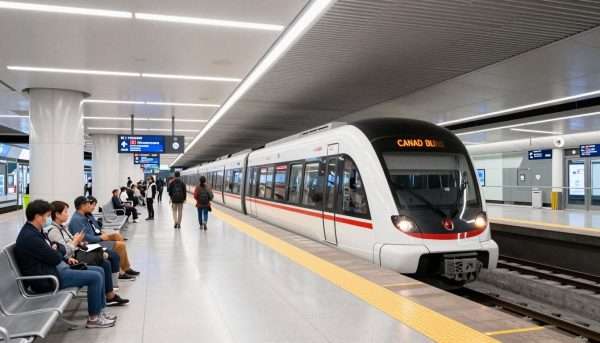
The Canada Line rapid transit connects YVR directly to downtown. Trains depart every few minutes during daytime hours. The trip to downtown takes about twenty-five minutes. This option costs significantly less than taxis while providing reliable service. Stations serve major hotel areas including downtown, Yaletown, and Olympic Village.
Purchase tickets from machines at the airport station. The fare includes an airport surcharge on top of regular transit costs. Total cost runs around ten dollars per person. Trains accommodate luggage but get crowded during rush hours. For early morning or late night arrivals, verify train operating hours before relying on this option.
Taxi and Ride-Share Services
Taxis wait at designated airport pickup areas. Fixed-rate fares to downtown range from thirty-five to forty-five dollars before tip. The trip takes twenty to forty minutes depending on traffic. Taxis work well for groups sharing costs or travelers with lots of luggage.
Ride-share services like Uber and Lyft operate from YVR. Rates typically match or slightly undercut taxi prices. Wait times vary based on driver availability. Pickup locations differ from taxi stands, so follow app instructions carefully. Both options provide door-to-door convenience.
Shuttle Services
Shared shuttle vans transport multiple passengers to downtown hotels. These cost less than taxis but take longer due to multiple stops. Companies like YVR Skylynx offer scheduled departures. Book online for slight discounts. Shuttles suit solo travelers or couples wanting to save money versus private transportation.
Some hotels provide shuttle services for guests. Check with your accommodation when booking. These complimentary or low-cost shuttles run on set schedules. They work best when your flight arrival aligns with shuttle timing. Hotels on Canada Line routes may not offer shuttles since transit provides easy access.
Rental Cars
Major rental car companies operate at YVR. Renting makes sense if you plan to explore beyond Vancouver or visit multiple destinations. However, downtown parking costs and traffic make cars less practical for staying within the city. Many visitors rent cars for only part of their trip, picking them up when heading to Whistler or Victoria.
Parking Costs: Downtown Vancouver hotels charge twenty to fifty dollars per night for parking. Street parking requires paying meters during daytime hours. If you’re staying downtown without plans to drive daily, avoid bringing a car. The transit system and walking reach most attractions efficiently.
Getting Around Once You Arrive
Vancouver’s public transit system covers the entire metropolitan area. The SkyTrain provides rapid transit on three lines. Buses fill gaps between train stations. SeaBus ferries cross the harbor. A day pass allows unlimited rides on all services for about eleven dollars. Most hotel areas connect well to the transit network.
Many visitors find walking the easiest way to explore downtown and nearby neighborhoods. The seawall provides scenic routes for walking or biking. Bike share programs offer rentals from stations throughout the city. The compact downtown core and flat terrain make walking or cycling practical for covering several kilometers comfortably.
Vancouver Neighborhood Comparison at a Glance
Choosing where to stay in Vancouver depends on balancing multiple factors. This comparison helps you evaluate neighborhoods based on what matters most for your trip. Consider your priorities around location, budget, atmosphere, and activities when making your decision.
| Neighborhood | Best For | Vibe | Price Range | Transit Access | Top Attractions Nearby |
| Downtown | First-time visitors, business travelers | Busy, urban, energetic | $150-$500+ | Excellent | Canada Place, shopping, dining |
| West End | Beach lovers, runners, LGBTQ+ travelers | Relaxed, residential, diverse | $130-$350 | Good | English Bay, Stanley Park, seawall |
| Gastown | Foodies, couples, photographers | Historic, hip, trendy | $180-$400 | Good | Steam Clock, restaurants, galleries |
| Yaletown | Luxury seekers, professionals | Upscale, polished, sophisticated | $200-$500+ | Excellent | False Creek, dining, shopping |
| Granville Island | Families, culture enthusiasts | Artistic, lively, market-focused | $200-$450 | Moderate | Public Market, theatres, waterfront |
| Kitsilano | Beach enthusiasts, local experience | Laid-back, health-conscious, residential | $120-$300 | Moderate | Kits Beach, Fourth Avenue, parks |
Matching Your Travel Style to the Right Neighborhood
Adventure Seekers
Active travelers prioritizing outdoor activities should consider the West End or Kitsilano. Both offer immediate beach and park access.
- Easy seawall access for running and cycling
- Close proximity to Stanley Park trails
- Beach activities within walking distance
- Equipment rental shops nearby
Culture Enthusiasts
Visitors focused on arts, dining, and cultural experiences thrive in Gastown or Granville Island neighborhoods.
- Concentrated galleries and performance spaces
- Award-winning restaurant scenes
- Historic architecture and character
- Artisan studios and local craft markets
Budget Travelers
Cost-conscious visitors find better value staying slightly outside downtown core while maintaining good transit access.
- Lower accommodation rates in residential areas
- Kitchen facilities to reduce meal costs
- Grocery stores for budget-friendly supplies
- Free parks and beaches for entertainment
Luxury Seekers
Travelers wanting premium experiences should target downtown, Yaletown, or Coal Harbour luxury properties.
- Five-star hotels with full amenities
- Fine dining restaurants within walking distance
- Upscale shopping and entertainment
- Concierge services for personalized experiences
Frequently Asked Questions About Vancouver Accommodations
What is the best area to stay in Vancouver for first-time visitors?
Downtown Vancouver offers the best location for first-time visitors. You’ll find easy walking access to major attractions, hundreds of dining options, and excellent public transit connections. The concentration of hotels in all price ranges makes finding suitable accommodation straightforward. While downtown costs more than outlying areas, the convenience and time saved justifies the premium for short visits.
How far in advance should I book Vancouver hotels?
Book summer stays four to six months ahead, especially for July and August. Popular hotels sell out during peak season. For shoulder seasons like spring and fall, booking two to three months ahead provides good selection and rates. Winter visits allow more flexibility, with booking one month ahead usually sufficient. Major events like conferences or festivals require earlier booking regardless of season.
Do I need a car when staying in Vancouver?
Most visitors don’t need cars for exploring Vancouver proper. The public transit system efficiently connects neighborhoods and attractions. Downtown and nearby areas offer excellent walkability. Parking costs and traffic make cars impractical for staying within the city. However, rent a car if you plan day trips to Whistler, Victoria, or exploring British Columbia’s mountains and coastline beyond Vancouver.
What’s the average cost per night for Vancouver hotels?
Budget accommodations including hostels start around thirty to eighty dollars for dorm beds or basic rooms. Mid-range hotels typically cost one hundred fifty to two hundred fifty dollars per night. Luxury properties range from four hundred to eight hundred dollars and higher. Prices increase forty to sixty percent during summer peak season. Add parking fees, destination charges, and taxes to base rates when budgeting.
Are vacation rentals a good option in Vancouver?
Vacation rentals work well for families, groups, or longer stays. Full kitchens reduce meal costs. More space provides comfort for multiple people. However, Vancouver regulations restrict short-term rentals in many areas. Available properties concentrate in certain neighborhoods. Hotels may offer better value for solo travelers or couples on short trips. Compare total costs including cleaning fees before deciding.
Which Vancouver neighborhood is safest for tourists?
Most tourist-focused neighborhoods maintain good safety standards. The West End, Yaletown, Kitsilano, and main downtown areas feel secure day and night. Avoid the Downtown Eastside east of Abbott Street, which experiences visible poverty and drug issues. Use normal urban awareness anywhere at night. Keep valuables secured. Overall, Vancouver ranks as one of North America’s safer major cities for visitors.
Can I walk between Vancouver neighborhoods easily?
Downtown, West End, Gastown, and Yaletown all connect through walkable distances of fifteen to thirty minutes between areas. The flat terrain and pedestrian-friendly streets make walking pleasant. The seawall provides scenic walking routes along the waterfront. However, Kitsilano and areas south of False Creek require transit or longer walks from downtown. Comfortable shoes and weather-appropriate clothing help maximize walking exploration.
What amenities should I prioritize when booking Vancouver accommodation?
Prioritize location near transit or attractions matching your interests. Air conditioning matters for summer visits despite Vancouver’s reputation for cool weather. Kitchen facilities help budget travelers reduce food costs. Free breakfast saves time and money. Parking availability matters if you’re driving. Check internet speed if you need to work remotely. Room size varies significantly between properties, so verify dimensions for comfort.
Final Thoughts on Choosing Where to Stay in Vancouver
Your Vancouver accommodation choice shapes your entire visit experience. Each neighborhood offers distinct advantages matching different travel styles and priorities. Downtown provides maximum convenience and attraction access. Beach neighborhoods like the West End or Kitsilano offer relaxed vibes with water access. Historic areas like Gastown deliver character and excellent dining.
Consider your budget, trip purpose, and daily activity plans when selecting accommodation. Business travelers benefit from downtown proximity to meeting venues. Families need space and kid-friendly amenities. Couples might prioritize romantic settings and fine dining access. Solo travelers could value social hostel atmospheres or transit connectivity.
Book early for summer visits when demand peaks and prices rise. Compare rates across multiple platforms before committing. Read recent reviews to verify property conditions and service standards. Factor in additional costs like parking fees and resort charges when budgeting. Understanding these elements prevents surprise expenses.
Vancouver rewards visitors with stunning natural beauty, diverse culture, and urban sophistication. The city’s compact layout and excellent transit system make exploring straightforward once you arrive. Whether you choose a luxury hotel with mountain views or a budget hostel near the beach, Vancouver’s attractions remain accessible. Your accommodation simply determines which experiences sit closest to your temporary home base.
Plan your stay thoughtfully, book with confidence, and prepare to discover why Vancouver consistently ranks among the world’s most livable and visitable cities. The right accommodation choice sets the foundation for an memorable Vancouver experience.


Leave A Comment