
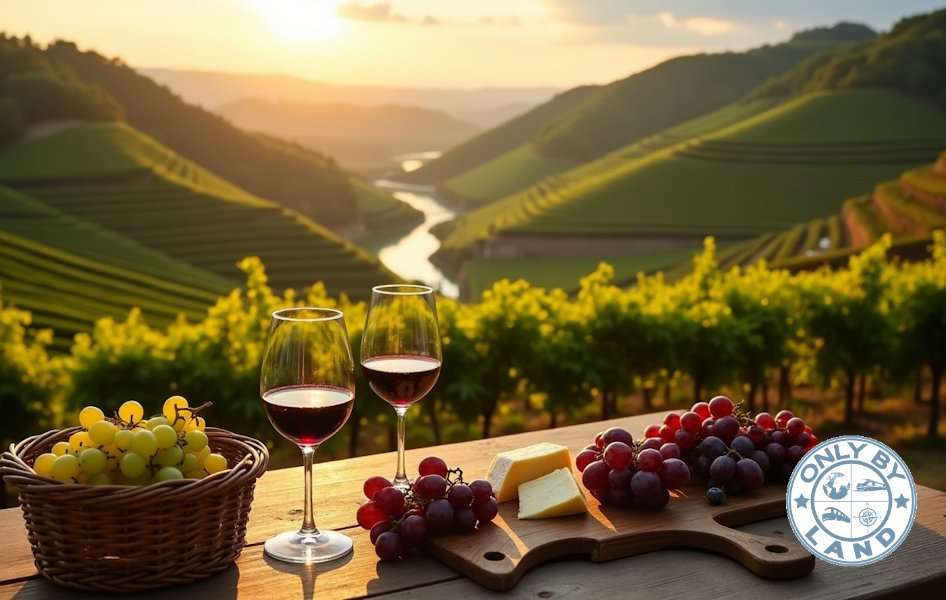
Portugal boasts an amazing 250+ native grape varieties spread across 31 wine regions. This makes Portugal’s wine scene one of Europe’s most diverse. The country’s wine regions stretch from the historic Douro Valley to the sunny Algarve vineyards. Each region showcases Portugal’s rich winemaking heritage and state-of-the-art techniques.
The Douro Valley’s dramatic terraced vineyards have earned it UNESCO World Heritage status. It’s also the world’s oldest designated wine region. Other areas like Alentejo and Vinho Verde have built their own unique reputations. These regions create wines ranging from rich reds to crisp, lightly sparkling whites. Wine lovers particularly appreciate the excellent value these wines offer.
Let’s take a closer look at Portugal’s major wine regions in this piece. You’ll find perfect food pairings, lesser-known treasures and useful tips to plan your wine tasting trip. Portuguese wines deserve a special place in every food enthusiast’s collection. The country’s family-run wineries and distinctive tasting rooms make sure of that.
Understanding Portuguese Wine Regions
Portuguese wines follow a three-tier classification system. Denominação de Origem Controlada (DOC) stands at the top, Indicação de Proveniência Regulamentada (IPR) comes next and Vinho Regional (VR) represents table wines. Portugal had 26 DOCs, 4 IPRs, and 11 VRs as of 2009.
Major Wine Regions at a Glance
The Douro Valley, recognized as a UNESCO World Heritage site, showcases steep terraced vineyards that stretch along the Douro River and its tributaries. This region endures hot, dry summers and harsh winters. Wine producers here make Port and non-fortified table wines in equal quantities.
The distinctive Vinho Verde region covers 24,000 hectares with nine sub-regions in northern Portugal. Mountains shelter the remote Trás-os-Montes region nearby. The area shares schistous soils with Douro but produces lighter, more aromatic reds.
Granite slopes surround the Dão region, where mountains and pine forests offer protection. This area has revolutionized its wine production. Bairrada lies between mountains and coast and winemakers here focus on the baga grape variety.
Atlantic breezes keep wines fresh in the Lisboa region. The Alentejo region makes up almost one-third of continental Portugal with seven sub-regions. Hot, dry Mediterranean climate with continental influences creates perfect conditions for full-bodied reds here.
Key Grape Varieties by Region
Portuguese wine regions feature unique grape varieties that excel in their local terroirs. Douro Valley’s vineyards grow Touriga Nacional, Touriga Franca, Tinta Barroca, Tinto Cao and Tinta Roriz. These grapes go into both Port and table wines.
White varieties rule the Vinho Verde region. Alvarinho, Arinto (called Pedernã locally), Avesso, Azal, Loureiro and Trajadura thrive here. Red wine production relies on Borraçal, Brancelho, Espadeiro and Vinhão.
Alentejo’s winemakers work with both native and international grapes. White varieties include Antão Vaz, Arinto, and Roupeiro. Red grapes feature Alfrocheiro, Alicante Bouschet and Aragonez.
The National Ampelographic Collection demonstrates Portugal’s steadfast dedication to its wine heritage. This collection helps identify and preserve the country’s grape varieties. Genetic testing and DNA profiling play vital roles in confirming variety identities.
When is the best time to visit Portugal?
Food and Wine Pairings by Region
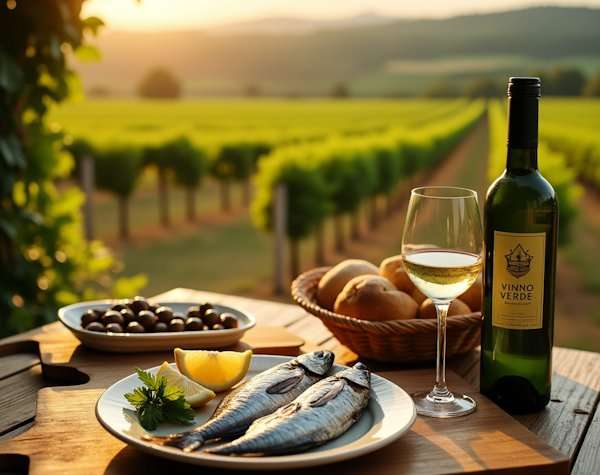
Portuguese wine regions showcase unique food and wine combinations that celebrate centuries of culinary tradition. The local cuisine ranges from hearty northern dishes to fresh coastal delicacies. Each region brings its own special pairings that make both food and wine taste better.
Northern Portugal’s Hearty Pairings
Red Douro wines pair beautifully with the region’s game dishes. Wild boar stew tastes amazing with Red Douro wines, especially when you have those made from Touriga Nacional. The region’s aged white wines are a great match for light bacalhau dishes, particularly bacalhau cozido com grão (boiled saltcod with chickpeas).
Young Douro reds go perfectly with cabrito assado (roasted kid goat) and coelho estufado (stewed rabbit). These wines make heavier saltcod dishes like bacalhau com natas (saltcod “potato gratin”) taste even better. Wild mushrooms from local forests create fantastic combinations with earthy Douro reds, giving you a true taste of northern Portugal.
Coastal Region Seafood Matches
Portugal’s coastline boasts the highest seafood consumption in Europe. The local wines celebrate the Atlantic’s bounty naturally. Vinho Verde’s refreshing character works brilliantly with grilled sardines. Moncão’s Alvarinho, grown in slatey, granitic soils, produces wines with pure citrus fruits and subtle honey notes that make seafood rice dishes shine.
Arinto, a versatile native grape found in Portuguese wine regions, keeps its refreshing acidity even in warm climates. This quality makes it perfect with grelhado na brasa (fish cooked over hot embers), letting the smoky flavors take center stage. Crisp white wines pair wonderfully with fresh shellfish, especially clams sautéed with garlic and onion.
Southern Portugal’s Flavor Combinations
Alentejo’s wine pairings reflect its warm Mediterranean climate beautifully. Carne de Porco à Alentejana, a dish mixing marinated pork and clams, tastes amazing with smooth Alentejo reds. The region’s bold red wines, especially those made from Alicante Bouschet, match perfectly with migas à alentejana, a rustic dish of bread, garlic and olive oil.
Alentejo’s white wines made from Antão Vaz go great with seafood cataplana, a copper-pot stew full of fish and shellfish. The region’s rosé wines work well with many dishes, particularly seafood in rich tomato-based sauces.
Port wine stands out with its versatile pairing options. White Port makes an excellent aperitif with olives and toasted almonds. Tawny Ports taste fantastic with nutty desserts and local cheeses, especially the flavorful Queijo da Serra from the Serra de Estrela mountain range. Ruby and Late Bottled Vintage (LBV) Ports create magic with strong cheeses and dark chocolate desserts.
Visit Montmartre Vinyard.
Best Wine Tasting Experiences
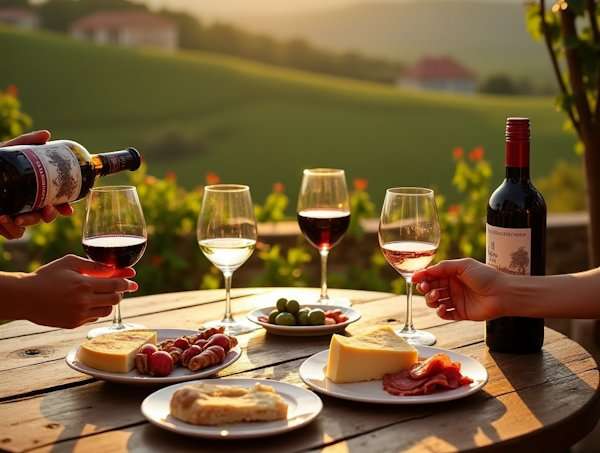
Portuguese wine experiences blend centuries-old traditions naturally with modern hospitality. Each venue, from cozy family estates to stunning tasting rooms, provides unique ways to experience Portuguese wines.
Small Family Wineries to Visit
The Maçanita siblings run their winery just 20 minutes from Pinhão. Their minimal intervention approach shows the Douro terroir’s true character. They produce about 80,000 bottles each year including reds, whites and rosés.
Quinta da Casa Amarela sits between Régua and Lamego, showing excellence in family winemaking. Gil Regueiro’s passion guides visitors through century-old traditions of Port Wine and table wine production.
Tiago Cartageno, a sixth-generation winemaker at Quinta Vila Raquel, keeps his family’s century-old legacy alive. His biodiverse vineyards let grape varieties flourish among fruit trees and cork oaks.
Unique Tasting Rooms
Taylor’s new Lisbon tasting room showcases Port wine appreciation with experiences from €20. Quinta do Vallado pairs beautiful architecture with complete wine education through guided tours and tastings from €30.
The Vidago Palace Hotel Cellar creates an exceptional tasting environment. This 150-square-meter bistro and wine shop features elegant gray and blue décor. Guests can enter through outdoor or indoor entrances.
Quinta Nova Luxury Winery House creates Portugal’s most innovative wine experiences, with tastings from €36. Real Companhia Velha lets visitors explore centuries of history through guided tours and tastings from €20.
The Port Knox cellar at Mourão houses rare Ports. Wine lovers can arrange private tastings straight from casks, including special 100-year-old wines. ViniPortugal’s tasting rooms in Porto and Lisbon open doors to Portugal’s wine excellence, offering experiences from €20.
Quinta dos Vales Wine Estate lets guests sample award-winning Algarve wines in beautiful sculpture-filled gardens. Quinta do Ameal introduces innovative regional approaches through guided tours and tastings starting at €26.
Expert sommeliers lead daily wine tastings to help guests learn. These sessions feature organic and natural wines, Portuguese grape varieties and Port wines. Each tasting includes carefully selected food pairings.
Try Portuguese desserts.
Hidden Gems in Portuguese Wine
Portugal has more than its famous wine regions. The country’s viticultural landscape holds a wealth of hidden treasures. The country boasts the highest density of indigenous grapes per square mile globally and these lesser-known gems give wine lovers unique flavors and experiences.
Lesser-known Wine Varieties
Portugal’s noblest white grape, Encruzado, grows in the Dão region. This variety creates balanced whites with floral and mineral notes, plus excellent aging potential. The Azores Islands’ volcanic soil helps Arinto dos Açores, which differs from mainland Arinto, produce wines with distinctive character.
Ramisco, a rare grape with just 20 hectares left worldwide, shows Portugal’s steadfast dedication to keeping unique varieties alive. Bairrada’s signature grape Baga gives winemakers a challenge with its thick, tannic skin. The reward comes with age-worthy wines that show enchanting aromas and juicy cherry notes.
Up-and-coming Wine Regions
Mountains and granite-rich soils define the Dão region, where wines often draw comparisons to Burgundy. This unique microclimate helps create vibrant reds from Touriga Nacional and crisp, aromatic whites.
Maritime influences make Bairrada shine as a rising star. Winemakers here excel at bold red wines from Baga grapes and traditional-method sparkling wines that compete with the world’s best.
Tejo, once called Ribatejo, delivers great value wines. Fertile plains and riverbanks create ideal growing conditions and producers now focus more on quality-driven wines.
Boutique Wineries
Algarve’s Atlas Land shows how innovation works in small-batch sustainable wines that capture the local terroir. Filipa Pato and William Wouters prove their excellence in Bairrada through authentic, terroir-driven wines. They work mainly with native grapes like Baga and Arinto.
António Madeira’s love for Dão’s historic region shows in wines that protect native grape varieties. His careful approach to vineyard work and winemaking creates wines that truly reflect the region’s character.
Portuguese wine finds another fascinating frontier in the Azores. Pico’s volcanic island makes distinctive dry whites shaped by volcanic soil and Atlantic weather. These wines balance acidity with unique aromas that reflect their special terroir.
Lisboa stands out as Portugal’s most dynamic region for new winemaking talent. Easy access to vineyard land and old vine plots, plus its closeness to Portugal’s food scene, draws creative winemakers. Small producers like Duas Árvores make limited batches that put quality first.
Visit Braga Portugal.
Planning Your Wine Region Visit
A great wine experience in Portugal’s wine regions just needs good planning and the right timing. Let’s take a look at how you can plan an unforgettable wine experience, from picking the perfect season to getting around.
Best Times to Visit
Spring (March to May) brings perfect weather to explore vineyards outdoors. You’ll find intimate wine-tasting sessions with smaller crowds during these months. The Madeira Wine Festival in May is a chance to explore deeply into Portuguese wine culture.
Autumn (September-October) is the most magical time for wine lovers. The locals call it vindima (harvest) and the vineyards buzz with activity. Many wineries let visitors join traditional grape-picking and stomp grapes in granite lagares. Sunny days and cool evenings make it perfect to appreciate Port wine.
Winter (December-February) is a hidden gem for wine tourism. The wine regions are peaceful, and you’ll get undivided attention during tastings in warm, cozy cellars.
Transportation Tips
The Douro Valley is easy to reach through several options. From Porto, you can get there by:
- Private car or transfer (1 hour)
- Train from Porto Campanha Station (1 hour 45 minutes)
- Bus from Campo 24 de Agosto Station (2 hours)
From Lisbon, your options include:
- Direct drive covering 125 miles on the A1/E1 Highway
- Train from Santa Apolónia Station to Porto (3 hours)
- Bus service from Lisbon Sete Rios Station or Lisbon Oriente Station
Booking Tastings
The best wine experiences need early booking. Top wineries and wine hotels in Douro and Alentejo fill up months ahead. Here are some estates with special harvest programs:
Quinta do Pôpa near Pinhão runs specialized wine tasting sessions. Quinta da Pacheca’s full-day harvest experiences include breakfast, grape cutting, buffet lunch, wine tasting and traditional grape stomping.
Monverde welcomes families with activities where kids collect vineyard materials during harvest. Quinta da Avessada’s exclusive programs combine garden visits, grape treading, liqueur wine tastings and regional dining with estate wines.
Quinta de Ventozelo makes harvest special with entertainment and guided tours. They even transport visitors to harvesting plots in vintage Bedford trucks. Many wineries open their doors in September for visitors to experience grape-picking traditions.
Here are some practical tips for booking tastings:
- Book sessions in the morning or late afternoon to avoid heat
- Get your transportation sorted early, whether it’s private drivers or guided tours
- Check specific tour times with each winery
- Stay in countryside hotels or villages away from city centers during peak season
Enjoy the Wine Regions of Portugal
Portugal’s winemaking prowess shows in its perfect blend of tradition, diversity and value. The country boasts 31 wine regions with their own unique character. Wine lovers can explore everything from the UNESCO-listed Douro Valley to the rising stars in Lisboa and Tejo.
Each region highlights Portugal’s rich wine heritage through more than 250 native grape varieties. The wines complement local dishes perfectly. Small family wineries keep their age-old methods alive while welcoming breakthroughs. Their wines match the quality of famous regions but cost nowhere near as much.
Smart planning helps visitors experience Portugal’s wine regions at their best. The finest times to visit are spring and autumn, though winter brings its own charm with cozy tastings. A reliable infrastructure makes most wine areas easy to reach. Booking ahead will give a chance to enjoy the best tasting sessions.
Portuguese wines keep winning global acclaim while staying true to their roots and great value. Wine enthusiasts looking for bold Douro reds, fresh Vinho Verde whites or vintage Ports will find Portugal’s varied wine scene both enriching and unforgettable.
FAQs
Q1. What are the top wine regions to visit in Portugal?
Portugal boasts several exceptional wine regions, with the Douro Valley being the most famous. Other notable regions include Vinho Verde, known for its young light wines, Alentejo for its wide variety and Dão, often considered Portugal’s underrated gem. Each region offers unique wine experiences and landscapes.
Q2. When is the best time to plan a wine tour in Portugal?
The best times for wine tours in Portugal are spring (March to May) and autumn (September to October). Spring offers mild weather and fewer crowds, while autumn coincides with the harvest season, allowing visitors to participate in grape-picking activities. Winter can also be a great time for intimate tasting experiences.
Q3. How can I book wine tastings in Portugal?
It’s recommended to book wine tastings in advance, especially for popular wineries in regions like Douro and Alentejo. Many estates offer specialized tasting programs, including harvest experiences. Consider booking morning or late afternoon sessions to avoid peak heat and arrange transportation in advance.
Q4. What are some unique Portuguese grape varieties to try?
Portugal is home to numerous indigenous grape varieties. Some lesser-known but noteworthy ones include Encruzado, a noble white grape from the Dão region, Arinto dos Açores from the Azores Islands and Ramisco, a rare variety with only 20 hectares remaining worldwide. These varieties offer unique flavors and characteristics.
Q5. Are there any boutique wineries worth visiting in Portugal?
Yes, Portugal has many excellent boutique wineries. Some notable ones include Atlas Land in the Algarve, specializing in small-batch sustainable wines, Filipa Pato and William Wouters in Bairrada focusing on indigenous varieties, and António Madeira in Dão, known for preserving historic grape varieties. These wineries offer authentic and unique wine experiences.




Leave A Comment