

Moldova stands as one of the world’s least-visited countries, yet this hidden corner of Eastern Europe holds sights you won’t find anywhere else. Nestled between Romania and Ukraine, this small country packs a wealth of surprises within its borders.
The country’s remarkable wine heritage dominates its tourist scene. Moldova once served as the Soviet Union’s primary wine producer and wine-making remains its signature industry today. The largest wine cellar in the world, Milestii Mici, features an incredible network of limestone tunnels stretching 200km (120 miles). Cricova matches this grandeur with its own underground maze – a 120km (74.6 miles) network that proudly serves as the National Wine Cellar.
Moldova’s charm extends well beyond its famous wines. The country boasts medieval fortresses and Soviet-era landmarks that tell fascinating stories. Visitors can discover Chisinau’s 600-year legacy or join the country’s biggest wine festival during the first weekend of October. These authentic experiences set Moldova apart from its more tourist-heavy European neighbors.
Cricova Winery
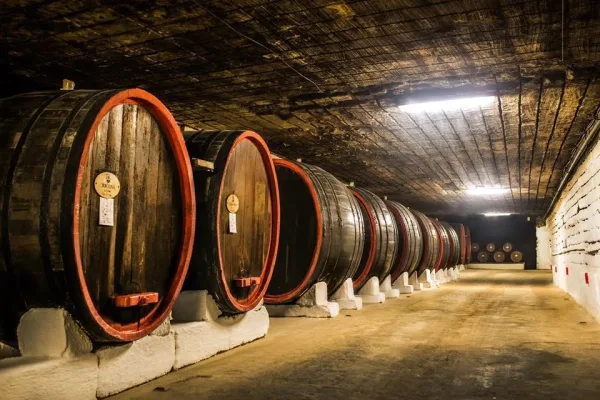
Image Source: Wine.md
A mere 15 kilometers north of Chisinau stands one of the most extraordinary Moldova tourist attractions – Cricova Winery, a true underground marvel.
Cricova Winery History
This prestigious winery opened its doors in 1952 under Stalin’s decree as an experimental venture. The remarkable location’s story goes back to the 15th century. Limestone extraction created the original tunnels that would later become this wine emporium. These abandoned mines became Moldova’s second largest wine cellar in the 1950s, right after Milestii Mici. Cricova earned its status as a National Cultural Heritage site and became a symbol of Moldovan winemaking excellence through the decades.
Cricova Winery Tour Experience
A visit to Cricova ranks among the top things to do in Moldova. Guests start their journey on an electric train through an underground city. The maze-like network spans 120 kilometers of streets named after wine varieties: Cabernet, Sauvignon, Feteasca and others. The underground temperature stays constant at 12-14°C, perfect for year-round wine storage.
Tour packages start at 400 MDL for a simple 70-minute exploration and go up to 3,000 MDL for a 3-hour VIP experience. The winery’s National Oenoteca has over 1.3 million bottles of rare wines. On top of that, it has bottles from Hermann Göring’s private collection, seized by the Red Army during World War II. Many world leaders keep their private collections in these cellars. Past visitors like Yuri Gagarin, Vladimir Putin and Angela Merkel have walked these halls.
Cricova Winery Wine Tasting
Cricova’s exceptional wines stand out among what Moldova is famous for. The winery produces over 150 varieties, from Pinot Noir and Cabernet Sauvignon to Rkatiteli and Aligote. The sparkling wines deserve special mention. They follow the traditional French method with secondary fermentation in bottles and age for at least three years.
Wine tastings happen in one of five uniquely decorated underground halls: The European Hall, Casa Mare, The Sea Bottom Hall, The Presidential Hall and The Fireplace Hall. The collection’s pride lies in the “Jerusalem Easter” wine from 1902, their oldest and most valuable possession.
Milestii Mici Wine Cellars
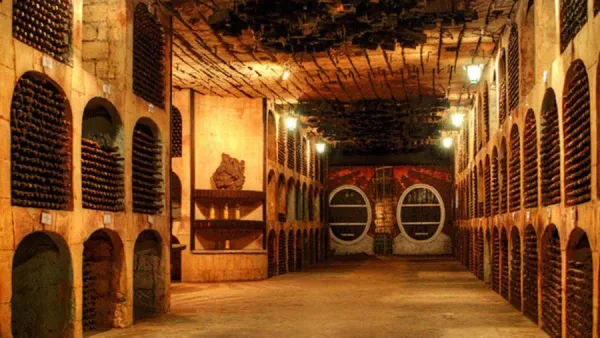
Image Source: tourHQ
Milestii Mici, the crown jewel among Moldova attractions, sits just 18 kilometers south of Chisinau. This remarkable site holds the world’s largest wine cellar, a title recognized by the Guinness Book of World Records.
Milestii Mici Underground Tunnels
The site’s subterranean network of limestone tunnels stretches an amazing 200 kilometers. Currently, wine storage and production take up only 55 kilometers of these tunnels. These tunnels, originally carved out to supply limestone for building Chisinau, transformed into a wine cellar in 1969.
The underground galleries provide perfect wine storage conditions. Year-round temperatures stay between 12-14°C with humidity levels of 85-95%. Visitors can explore these limestone labyrinths by electric train, car or bicycle.
The underground passages feel like a city. Each “street” bears the name of a grape variety – Merlot, Pinot and Cabernet. This design creates a charming underground wine metropolis.
Milestii Mici Wine Collection
Milestii Mici’s extraordinary collection makes it a must-visit destination among things to do in Moldova. The Guinness World Records confirmed its status in 2005 with approximately 1.5 million bottles. Recent sources suggest this number has grown to nearly 2 million.
The collection’s oldest wines date back to 1969, with the most precious vintages from 1973-74. Red wines make up 70% of the collection, white wines 20%, and dessert varieties about 10%. Massive oak casks store most wines, ranging from 600 to 2,000 dal – some big enough to fit a small car.
Milestii Mici Tour Pricing
A Milestii Mici tour is a great way to experience what to do in Moldova. Simple tour packages begin at $18. Prices go up by 100 lei per person after 5:00 p.m. and on weekends. Tour packages vary in content. Some feature young red and white wines, while others showcase old collection wines and sparkling varieties. Visitors can choose between simple tastings with snacks or full experiences with meals and souvenirs.
Orheiul Vechi Monastery Complex
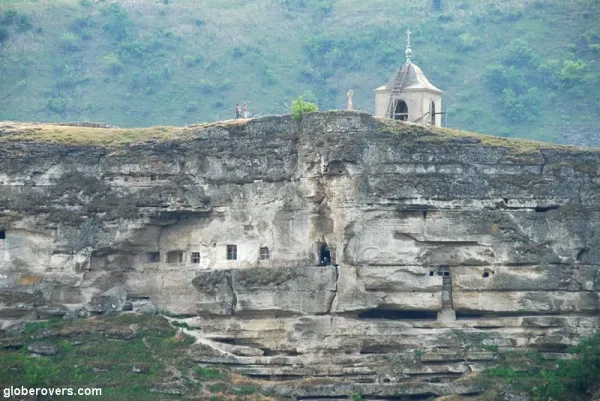
Image Source: GlobeRovers
About 60 kilometers northeast of Chisinau stands Orheiul Vechi, a captivating cultural-natural reserve that ranks among the most remarkable Moldova places to visit for anyone who loves history and nature.
Orheiul Vechi historical significance
People have made this remarkable archeological site their home through the centuries because of its natural defenses and the Răut River’s path to the Black Sea. The oldest traces of human life here go back to the Paleolithic era, with the most important Getaean settlements from 500-300 BC. The Getaean fortress dominated the region and stretched 3,000 x 100 meters. Its builders cleverly adapted the fortifications to fit the natural terrain. Archeologists have also found traces of the Cucuteni culture (5th-4th millennium BC) and settlements from the 8th-9th and 14th centuries.
Orheiul Vechi Cave Monastery
One of the best things to do in Moldova is to take a closer look at the cave monasteries carved into limestone cliffs. The Peştera cave monastery above Butuceni village is easy to reach and dates back to the 15th century. This sacred complex has a church, monastic cells, an 1820 bell tower and a stone cross from the 17th-18th century. The monastery served different purposes between the 15th-16th centuries and became Butuceni’s parish church from 1816 to 1904. The Soviets closed it and used it as storage, but restoration work brought it back to life in 1996.
Orheiul Vechi Hiking Trails
Nature lovers looking for what to do in Moldova will find several marked hiking routes here. The trails range from simple 1-2 hour walks to tougher adventures. Popular paths include:
- “Following the Footsteps of the Past” (7.5 km circular route, ~3 hours, with 12 points of interest)
- “Hiking to the hermitage of Bosie” (3 km, difficult level, ~1 hour)
- “The landscape reserve – Trebujeni segment” (3.4 km, easy level, ~1.5 hours)
These paths showcase the area’s natural wonders and unique wildlife. The reserve is home to about 100 bird species, which make up one-third of Moldova’s total bird population.
Valea Morilor Park

Image Source: The Passenger
Valea Morilor Park (Valley of the Mills) is one of Chisinau’s most beloved green spaces, tucked away in the Buiucani district. Locals and tourists love this urban getaway, which is 73 years old. Leonid Brezhnev started it as the “Central Park of Culture and Rest of the Leninist Commune”.
Valea Morilor Lake Activities
A stunning artificial lake sits at the heart of this popular Moldova tourist attraction, named after the area’s historic watermills. The lake lets visitors take peaceful rides in rental paddle boats. The park’s sandy beach becomes a hot spot for swimming and sunbathing in summer. The water quality isn’t always the best. The lake turns into a natural ice skating rink when it freezes during winter months.
Valea Morilor Park Ambiance
This sprawling park covers more than 200 hectares and gives visitors a break from busy city life. Clean, winding paths through green spaces make it perfect for walks or morning runs. Visitors will find the grand “Potemkin” staircase, beautiful cascading fountains and an amphitheater that hosts various events. The park also features playgrounds, sports areas and exercise equipment. Quiet spots exist throughout this green paradise, even on busy weekends.
Valea Morilor Best Time to Visit
People looking for what to do in Moldova should plan their park visit carefully to get the most out of it. The park is peaceful in early mornings with locals working out and fewer crowds. Summer evenings buzz with cultural events, flash mobs and sports tournaments. The weather is best during spring and early autumn, with beautiful foliage on display. Each season brings its own magic – from colorful autumn leaves to peaceful snow-covered winter scenes.
Visit the Portugal wine region.
Dendrariu Park
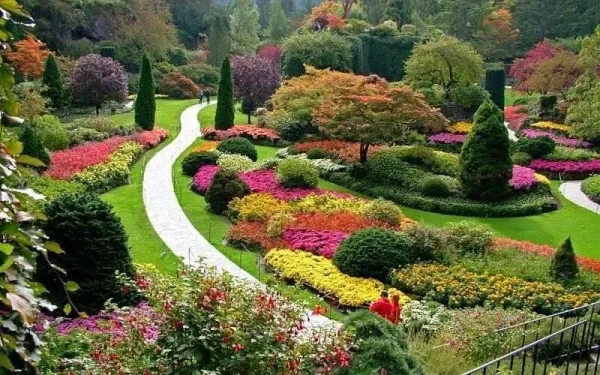
Image Source: Tripadvisor
The 1973 old Dendrariu Park stands as a refreshing alternative to Moldova’s wine attractions and welcomes visitors to a sprawling 83-hectare green oasis in Chisinau’s Buiucani district.
Dendrariu Park Flora and Fauna
This botanical paradise houses over 1,000 tree species from Moldova and 50 countries worldwide. The park proudly preserves 9 out of 13 woody plant species listed in the Red Book of the Republic of Moldova. The park’s treasures include the Ginkgo biloba, which scientists first found in Japan in 1690. This remarkable tree remains the only survivor of its class from the Triassic period. The park’s specialized sections showcase plants from Europe, Asia and North America. Rose lovers will appreciate the park’s collection of carefully maintained roses that bloom in various colors and sizes.
Dendrariu Park Entrance Fee
Adults can visit this magnificent Moldova tourist attraction for 10 lei, while scholars and students may enjoy discounted rates of 2 lei. Professional guided tours range between 10-15 lei. The park welcomes visitors daily from 8:00 to 21:00 through three separate entrances.
Dendrariu Park Visitor Tips
Weekday mornings between 8:00-10:00 AM offer the quietest atmosphere to explore this top things to do in Moldova destination. Visitors should pack their own food and water since the park has no stores or coffee shops. The kids’ train runs during warm months, making it perfect for family visits. Clean toilets remain available throughout the premises. The park allows cycling, rollerblading, and picnics, though fires are not permitted.
Bendery Fortress
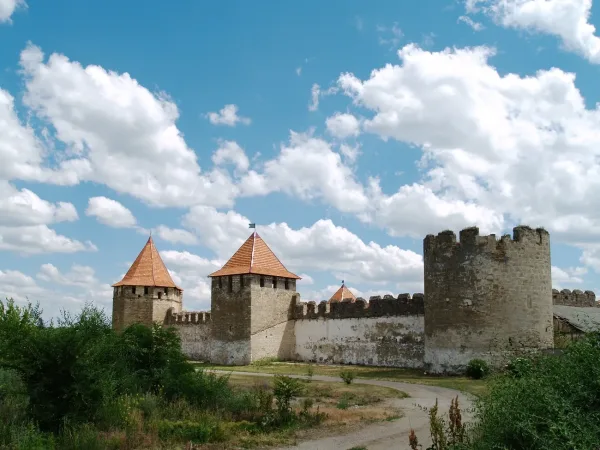
Image Source: en.wikipedia.org
Bendery Fortress stands tall on the Dniester River’s right bank. This 800-year old structure ranks as one of the Moldova tourist attractions that tells stories of centuries of dramatic history.
Bendery Fortress History
The fortress story begins in the 13th century when Genoese merchants built a trading post by the Dniester River. The structure, known as Tighina back then, fell to Ottoman Sultan Suleiman the Magnificent in 1538, who gave it the name Bender. Turkish architect Sinan led its transformation into a complete fortress by 1541. The fortress survived many sieges over time, including attacks from Moldavian ruler Ion Voda in 1574 and Cossack forces. The fortress walls witnessed pivotal moments in history. The Bender Constitution came to life here in 1710, which created separation of powers in government almost 40 years before Montesquieu wrote about it. Russia finally took control of the fortress in 1812 after several Russo-Turkish wars.
Bendery Fortress Guided Tours
Travelers looking to discover what to do in Moldova will find the guided tours here fascinating. Visitors pay around 250 lei for entry tickets. Guides like Anna speak English and give detailed explanations about the fortress’s history, Ottoman period, watchtowers and punishment halls. Most organized trips include the entrance fee and tours usually take an hour.
Bendery Fortress Architecture
History lovers count this architectural wonder among the must-see Moldova places to visit. The fortress follows Western European bastion-type design with tall stone walls and impressive defensive structures. A citadel divides the 20-hectare fortress into upper and lower sections. Battle positions still remain on towers today. The entrance tower shows signs of its past life as a mosque and mysterious underground tunnels run below. The star shape of the fortress helped defend it better and created stunning views of the area.
Transnistria Day Trip
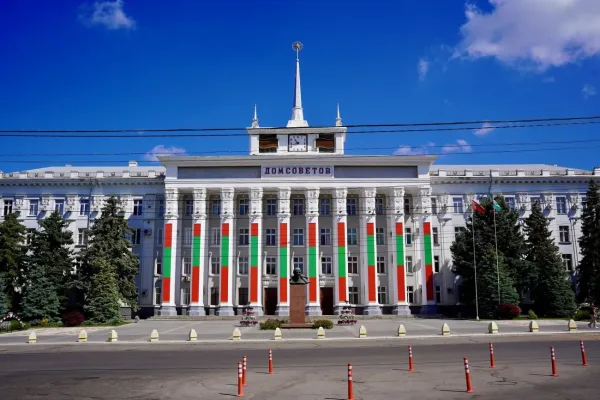
Image Source: Next Journey Ahead
Things to do in Moldova should include a trip to breakaway Transnistria. This destination gives visitors a unique glimpse into Soviet times.
Transnistria Travel Logistics
Chisinau makes a great starting point to reach this unrecognized state. Marshrutkas (minivans) leave Chisinau Central Bus Station throughout the day. The two-hour ride costs between €2-7. You can also take a private taxi that costs around €17-21 each way. Visitors need their passport at the border checkpoint to get a migration card. This paper document is vital—make sure you don’t lose it! Ukrainian citizens need special permission before they arrive. Remember to bring cash since Transnistria doesn’t accept credit cards like Moldova does.
Transnistria Soviet Landmarks
The region proudly displays its Soviet heritage everywhere you look. Lenin statues, Soviet monuments, and classic USSR-era architecture line the streets of Tiraspol and Bender. The Presidential Palace stands out with its Lenin statue. You’ll also find the House of Soviets, the Memorial of Military Glory and beautiful Soviet-era mosaics throughout the region. Transnistria has one of the best collections of Soviet art and monuments you’ll find in the former USSR.
Transnistria Cultural Experience
The cultural immersion goes beyond just monuments here. Many tours take you to Soviet-style canteens and the nostalgic “Back in the USSR” restaurant where you can try traditional Soviet dishes. Local families often welcome visitors for homemade meals with traditional Moldovan food, wine and brandy. The Green Market in Tiraspol shows you real local life and its cheese section really stands out.
Tipova Monastery

Image Source: Tripadvisor
Tipova Monastery sits high in limestone cliffs and ranks among the most breathtaking Moldova places to visit for travelers who want spiritual and natural wonders away from common tourist spots.
Tipova Monastery Cliffside Views
The sanctuary sits 200 meters above the Dniester River and rewards visitors with spectacular panoramic views. The majestic river wraps around the picturesque Transdniestran village of Popencu on the opposite bank. Forested hills surround the area while the Tipova River creates beautiful waterfalls as it meets the Dniester. These natural settings make perfect spots for quiet moments and photos.
Tipova Monastery Religious Heritage
This 10th-12th century structure stands as Eastern Europe’s largest cave monastery and Moldova’s oldest religious sanctuary. The complex has three religious chambers linked by steps cut into the rock face. The Elevation of the Holy Cross cave church, built in the 11th century, stands as the oldest chamber and holds tremendous historical value. Stories tell that Stefan cel Mare, Moldova’s greatest ruler, married one of his wives here in the 15th century.
Tipova Monastery Hiking Route
Visitors can find this hidden gem by leaving Highway R20 about 20km south of Rezina. Another option is to take a marshrutka from Chisinau’s North Bus Station for a 2.5-hour trip. Sturdy walking shoes help navigate the rocky, stony paths. The waterfall hike stretches about 2-2.5 miles each way and lets visitors see local wildlife and diverse landscapes.
Soroca Fortress
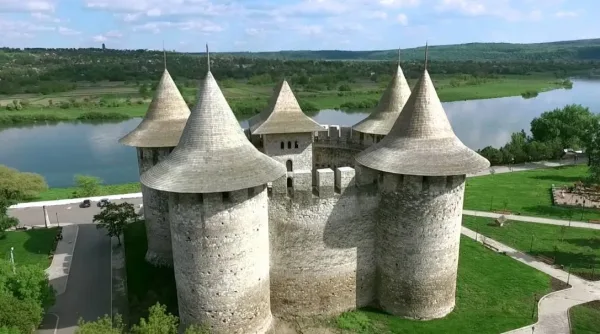
Image Source: moldova.md
Soroca Fortress stands as one of Moldova’s most remarkable historical treasures. This magnificent structure towers over the northern landscape from its position on a rocky promontory above the Dniester River.
Soroca Fortress Medieval History
Stephen the Great built the original wooden defensive structure in 1499. The fortress transformed into stone between 1543-1546 during Petru Rares’ reign. We designed it to defend against Ottoman attacks, and it became part of Moldova’s strategic “stone belt” fortress chain. Soroca’s walls have witnessed countless battles through the centuries. King John III Sobieski’s forces achieved a soaring win against Ottoman besiegers during the Great Turkish War. The fortress served a crucial role in Peter the Great’s 1711 Prut Campaign. Russian troops later captured it during the 1768-1774 Russo-Turkish War.
Soroca Fortress Architecture
The fortress features a perfect circular design with five towers that stand equidistantly. Four round towers and one square tower guard the entrance. The inner courtyard spans 30.5 meters in diameter, while the walls reach 21 meters high and 3 meters thick. Soroca’s unique architectural style mirrors Western European castle models, which suggests Transylvanian or British builders’ influence. An interior inscription reveals that Master Iacob led Transylvanian masons during construction.
Soroca Fortress Visitor Info
Visitors will find the fortress 160 kilometers north of Chisinau. The site welcomes guests Tuesday through Sunday from 9:00 am to 6:00 pm. Admission costs just €1.50 per person. The European Union’s recent restoration support allows visitors to explore the interior and climb stairs that lead to breathtaking panoramic views of the Dniester River. This remarkable medieval monument continues to captivate history enthusiasts.
National Museum of Ethnography and Natural History
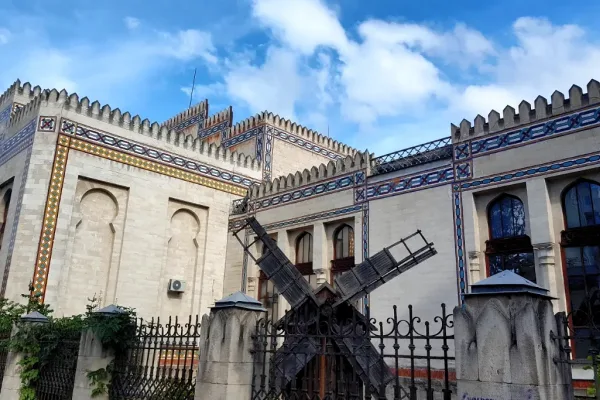
Image Source: HiMoldova
The National Museum of Ethnography and Natural History, 134 years old, stands as Moldova’s first public museum. Baron Alexander Stuart created this gem that has become a great chance for anyone learning about what to do in Moldova. The museum’s name changed several times, including the National Museum of Natural History and Regional Museum of Bessarabia.
Museum Exhibits
More than 135,000 exhibits of national, European, and universal value fill the museum’s halls. The museum’s pride lies in its complete skeleton of Dinoterium Gigantisimus, which lived on Earth 7 million years ago. Visitors can find amazing collections ranging from paleontology and geology to zoology, archeology, entomology, ethnography and numismatics. The museum proudly displays treasures from villages like Lerguta, Cetrosica and Carbuna among precious collections of traditional weaving, national clothing, ceramics and folk architecture. “Nature. Man. Culture,” the museum’s permanent exhibition, covers 2,000 square meters and shows how humans connect with nature.
Museum Architecture
The building itself, constructed in 1905, stands as an architectural masterpiece with its unique pseudo-Moorish style. This oriental-inspired design makes it unlike any other building in Moldova. The complex adds character to Chisinau’s historic architecture, built between 1889-1905. Many renowned scientists like S. Miller, F. Ostermann and others have used the building as their laboratory.
Museum Ticket Pricing
This must-see Moldova tourist attraction keeps its prices budget-friendly at just 10 lei for adults. Photos inside cost an extra 15 lei. The museum opens daily from 10:00 AM to 5:00 PM, making it a perfect stop for travelers checking out Moldova places to visit.
Things to do in Brasov, Romania.
Catedrala Nasterea Domnului
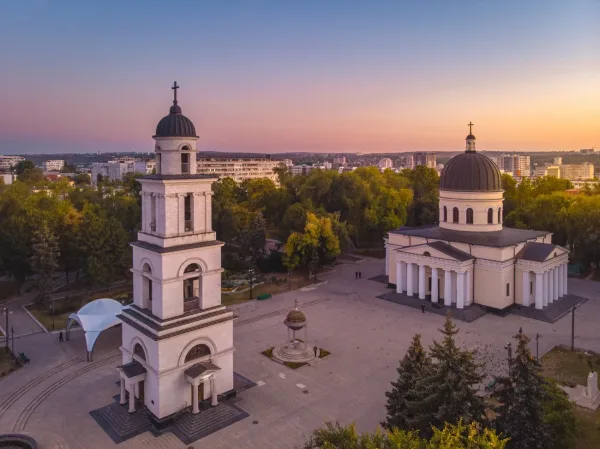
Image Source: en.wikipedia.org
The resilient Catedrala Nasterea Domnului (Cathedral of Christ’s Nativity) stands proudly in Moldova’s heart. This enduring symbol of faith has weathered political upheavals, war damage and Soviet repression.
Cathedral Architecture
Architect Abram Melnikov created this magnificent structure with elegant Neoclassical design in 1830. Six stately Doric columns mark the entrance and create a simple yet dignified appearance. The building’s cubic core combines with four porticoes to form a cruciform layout. A central dome sits atop a cylindrical drum, while twelve windows bathe the interior with natural light. Workers added the current zinc dome and cross in 1997 over the previous structure. The cathedral’s interior walls showcase richly decorated gold icons and stunning frescoes.
Cathedral Location
The Moldovan Orthodox Church’s main cathedral stands prominently in Sectorul Centru. Its placement near the Triumphal Arch makes it a photogenic centerpiece of Moldova’s capital. Markets and food fairs bring life to the surrounding parkland and streets throughout the year. A friendly request to the verger might grant you access to climb the stairs for spectacular views of Bulevardul Stefan Cel Mare.
Cathedral Cultural Importance
Prince Mikhail Semyonovich Vorontsov and Metropolitan Gavril Bănulescu-Bodoni commissioned this religious treasure. The cathedral originally featured three altars dedicated to the Nativity of Christ, St. Alexander Nevsky, and St. Nicholas. World War II bombing caused significant damage and Communists later destroyed its bell tower in 1962. The Soviet regime prohibited worship and converted the building into an exhibition center. The cathedral finally returned to its religious purpose in 1989.
Stefan cel Mare Park
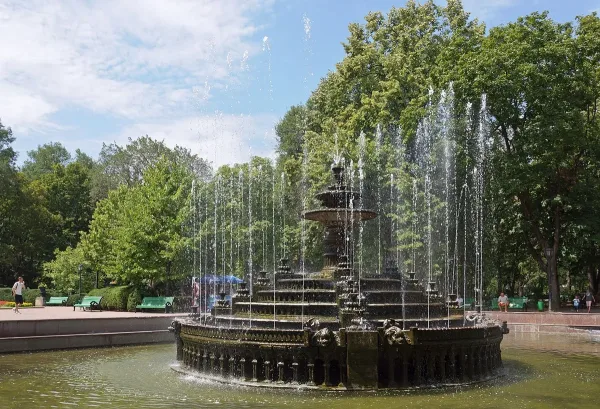
Image Source: Wikipedia, the free encyclopedia
Stefan cel Mare Park, the oldest green space in Moldova, provides a peaceful escape in the heart of Chisinau for both locals and visitors who are learning about the capital city.
Stefan cel Mare Statue
A magnificent bronze monument of Stefan cel Mare, Moldova’s greatest medieval ruler who protected the country from Turkish invasions, stands proudly at the main entrance. Alexandru Plamadeala sculpted this impressive statue, which was cast in Bucharest during the early 20th century at a cost of 4,000,000 lei. The memorial’s journey through history saw several moves. Soviet occupation in 1940 led to its temporary relocation to Vaslui, Romania. The statue returned to Chisinau in 1942, only to move back to Romania in 1944. Political changes in 1989 finally brought it home to its original location permanently.
Park Layout and Features
Russian military engineers designed this historic garden in 1818, which now spans about 7 hectares (17 acres). The park’s diverse landscape includes around 50 species of trees and shrubs, some of which have stood for nearly 200 years. A beautiful cast-iron fence from 1868-1869 surrounds the park, with seven welcoming entrances. The Alley of Classics showcases 29 busts of Romanian literature’s most celebrated figures. Four fountains add to the park’s charm, with the main fountain sitting at the point where all paths join together.
Events at Stefan cel Mare Park
The park comes alive with cultural activities year-round. Wine Park festival will celebrate Moldova’s signature wines with rock music on July 11-12, 2025. Everyone can attend this event freely, and wine tasting sets cost 200 MDL. Dance lovers can join the Friday evening sessions that happen regularly. Young couples often choose this beloved green space as their meeting spot, earning it the nickname “lovers’ park”.
Piața Centrală Market
The bustling Piața Centrală sits at the heart of Chisinau and gives visitors a genuine peek into daily Moldovan life through its maze of stalls and vendors.
Piața Centrală Local Produce
A vast marketplace spans roughly 4×4 city blocks and showcases Moldova’s rich agricultural bounty. The central food hall captivates shoppers with vibrant displays of seasonal fruits, vegetables and Moldova’s famous dairy products. The “Hall of Cheese” features at least 12 vendors who let you sample their fresh local cheese. Shoppers can find neatly arranged butter cookies, candies, fresh fish and meat counters throughout the market. Local vendors take pride in their homemade jams, pickles and preserves that showcase Moldova’s traditional culinary heritage.
Piața Centrală Shopping Tips
This essential Moldova tourist attraction comes alive early each morning when it opens at 7 AM. Early birds get the freshest picks and see the market at its most dynamic. Remember to bring cash since most vendors don’t accept credit cards. Romanian, Moldovan and Russian are the main languages here, as English isn’t commonly used. Don’t shy away from trying before buying – vendors are happy to offer samples.
Piața Centrală Cultural Vibe
This market ranks high among things to do in Moldova and serves as a community hub where locals meet, share news and celebrate together. Lively bargaining and friendly chatter fill the air, creating a memorable experience that strikes a chord with visitors.
Things to do in Odessa, Ukraine.
Shopping Malldova

Image Source: Tripadvisor
Shopping MallDova stands out as Moldova’s top shopping destination and gives visitors a modern, multi-level retail experience right in the heart of Chisinau.
Shopping Malldova Stores
The shopping center buzzes with life and showcases international and local brands of all types. Fashion lovers will find their favorite stores like Calvin Klein, while the new Lee Wrangler store offers quality denim products. Several multibrand boutiques dot the mall, including the new FR.G. Shoppers can browse through bookstores, beauty shops, electronics, home goods and pet supplies. The mall’s entertainment zone features a modern cinema and bowling alley.
Shopping Malldova Pricing
MallDova runs promotions throughout the year. The Summer Sale is a highlight that offers discounts up to 80%. The prices stay competitive when compared to other European destinations. Special events like Anime Days and motorcycle exhibitions add extra value to the shopping experience without any additional cost.
Shopping Malldova Location
The mall welcomes visitors daily from 10:00 AM to 10:00 PM at Strada Arborilor 21 in Chisinau (MD 2025). Getting there is easy with busses 5 and 23 or trolleybuses 22, 2, 30, and 17. Shoppers will find all essential amenities including parking, restrooms, wheelchair access and air conditioning.
Victory Memorial and Eternal Flame
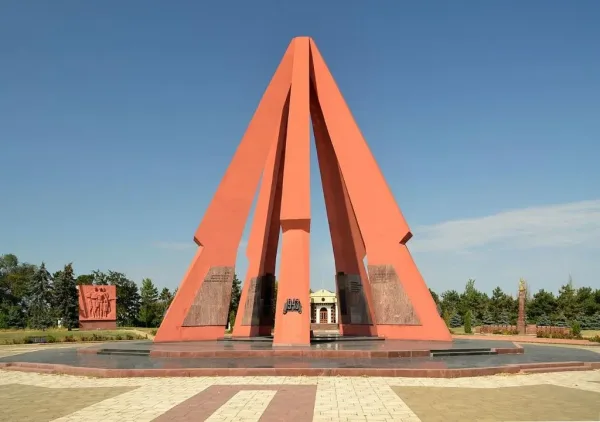
Image Source: GPSmyCity
The Eternity Memorial Complex stands on Marshal Malinovsky Street as a solemn tribute to Soviet soldiers who fell during the Great Patriotic War. This meaningful landmark ranks high among Moldova places to visit.
Victory Memorial Symbolism
A striking 25-meter high pyramid dominates the memorial’s center, formed by five stylized stone rifles that symbolize the five years of war from 1941-1945. The impressive monument opened on May 9, 1975, marking the 30th anniversary of Soviet victory. Architect A. Minaev created this masterpiece among other sculptors A. Maiko and I. Poniatowski. The complex has stone steles that show different stages of the war and marble stands with names of fallen Moldovan soldiers engraved on them.
Eternal Flame Significance
An eternal flame burns at the structure’s heart, encircled by a five-pointed star. This sacred space brings people together to honor fallen heroes, whatever their nationality, age or priorities. The eternal flame’s structure keeps the memory of liberation fighters alive through its symbolic presence.
Memorial Visitor Tips
The Moldovan Army’s honor guard watches over the monument, changing every hour. Tourists learning about things to do in Moldova should plan 5-10 minutes to visit this site. National holidays feature regular wreath-laying ceremonies. Photographers will find evening light conditions better than harsh midday sun.
St. Theodor Tiron Convent
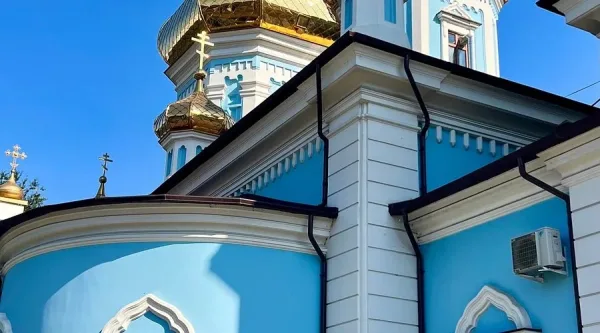
Image Source: Tripadvisor
The St. Theodor Tiron Convent, which locals call Ciuflea Monastery, draws spiritual seekers as one of the must-see things to do in Moldova while learning about Chisinau’s religious heritage.
Convent Architecture
Nine gilded domes crown this magnificent white stone temple, built by Aromanian merchant brothers Teodor and Anastasie Ciufli. The structure, completed between 1854-1858, follows architect Luca Zaușchevici’s designs and illustrates the elegant Russian-Byzantine style that continues to engage visitors. The sort of thing I love about this site is its journey – it started in a remote, poor suburb but now stands proudly in Chisinau’s bustling center. A marble inscription inside reveals that the brothers who funded this architectural masterpiece rest near the south wall.
Convent Religious Role
This holy place stood as a beacon of Orthodox faith through difficult Soviet times (1962-2002). Sacred treasures now fill the monastery, including Saint Theodor Tiron’s remains and the revered Icon of Our Lady “Panagia Portaitissa” brought from Mount Athos in 2008. Morning and evening church services happen daily, with prayers in both official and Church Slavonic languages. This spiritual sanctuary serves as a “field hospital for souls” and shows authentic Orthodox tradition at work.
Convent Visiting Hours
Anyone can join services without booking ahead. The convent runs on voluntary donations and has a gift shop with religious mementos. Women need to cover their heads with scarves since this is an active place of worship. Inside, the humble interior contrasts with the golden domes outside, which adds to its genuine appeal.
Chisinau City History Museum
The Chisinau City History Museum sits in a historic 19th-century water tower. This architectural monument in Moldova’s capital is a chance to explore history vertically. The state-protected building stands proudly in the city’s historic center on A. Mateevici Street.
Museum Exhibits
The museum’s collection spans several floors with 1,075 objects from a total of 26,000 items. These artifacts tell Chisinau’s story from the 15th to 20th centuries. Each level showcases a different historical period and has displays from the Russian Empire occupation, the Great Unification of Romanians and Soviet era. Visitors can discover artifacts, black and white photographs of the city’s evolution, and detailed historical displays. The museum’s heritage features fascinating collections that highlight the most important periods in Moldova’s identity.
Panoramic Views From Tower
The top floor’s 360-degree panoramic view is without doubt the highlight of any visit. Visitors can see the whole city spread out below from this vantage point. The observation deck lets you capture perfect photos of nearby landmarks like Moldova State University and Valea Morilor Park. The viewing platform sits on the 7th floor and visitors need to climb about 100 steps from the elevator’s final stop.
Museum Entry Fee
A ticket costs just 30 MDL (around £1.28), making it one of the best value things to do in Moldova. The museum welcomes visitors Tuesday through Saturday. Summer hours (April-October) run from 10:00-18:00 while winter hours (November-March) are 9:00-17:00. Visitors who want just the views can head straight to the top floor.
Cooking Class in Trebujeni

Image Source: Peek
Learning about Moldova’s historical sites and diving into the country’s culinary traditions brings a fresh point of view. The village of Trebujeni near the scenic Old Orhei area gives visitors a chance to connect with authentic Moldovan cuisine through hands-on cooking classes.
Trebujeni Local Dishes
Local cooking workshops teach participants to prepare placinte, a traditional filled pastry at the heart of Moldovan cuisine. Participants discover other classic dishes during their culinary experience, such as mămăligă (cornmeal porridge), sarmale (cabbage rolls) and various homemade specialties. Local families preserve their generations-old recipes and create seasonal variations based on available ingredients. Christmas celebrations in Trebujeni feature special dishes like grape leaf sarmale.
Cooking Class Experience
Each culinary workshop runs for about an hour after a two-hour visit to the Old Orhei historical site. Local hosts guide participants through traditional cooking techniques passed down through generations. Guests savor their culinary creations during a relaxing one-hour lunch. This hands-on class comes with air-conditioned transportation and shows participants Moldovan culture’s everyday aspects.
Booking and Pricing
Group size substantially affects the cost. Single travelers pay about 195 EUR, while couples pay 114 EUR per person. Groups get better rates: three people pay 95 EUR each, groups of four to five pay 79 EUR per person and prices continue to drop as groups get larger. Groups of 40 or more get the best deal at 41 EUR per person. Tour packages come with round-trip transportation from Chisinau, and guests get picked up from their hotels.
Comparison Table
| Attraction Name | Type | Location | Key Features | Entry Fee | Opening Hours |
|---|---|---|---|---|---|
| Cricova Winery | Wine Tourism | 15km north of Chisinau | 120km of underground tunnels, wine collection, 5 tasting halls | 400-3,000 MDL | – |
| Milestii Mici Wine Cellars | Wine Tourism | 18km south of Chisinau | 200km of tunnels, world’s largest wine collection (1.5M bottles) | $18 simple tour | – |
| Orheiul Vechi Monastery | Religious/Historical | 60km from Chisinau | Cave monasteries, hiking trails, archeological site | – | – |
| Valea Morilor Park | Urban Park | Buiucani district, Chisinau | Artificial lake, beach area, walking paths, amphitheater | Free | – |
| Dendrariu Park | Botanical Park | Buiucani district, Chisinau | 1,000+ tree species, specialized botanical sections | 10 lei (adults) | 8:00-21:00 daily |
| Bendery Fortress | Historical | Bender, Transnistria | Ottoman-era fortress, guided tours, defensive structures | 250 lei | – |
| Tipova Monastery | Religious | 200m above Dniester River | Cave churches, waterfalls, hiking trails | – | – |
| Soroca Fortress | Historical | 160km north of Chisinau | Circular medieval fortress, 5 towers, 21m high walls | €1.50 | 9:00-18:00 (Tue-Sun) |
| National Museum of Ethnography | Museum | Chisinau | 135,000 exhibits, unique pseudo-Moorish architecture | 10 lei | 10:00-17:00 |
| Catedrala Nasterea Domnului | Religious | Central Chisinau | Neoclassical architecture, restored dome, religious services | Free | – |
| Stefan cel Mare Park | Urban Park | Central Chisinau | Historic statues, Alley of Classics, 4 fountains | Free | – |
| Piața Centrală Market | Market | Central Chisinau | Fresh produce, local cheese, traditional foods | Free entry | Opens 7:00 daily |
| Shopping Malldova | Shopping Center | Strada Arborilor 21, Chisinau | International brands, cinema, bowling | Not mentioned | 10:00-22:00 daily |
| Victory Memorial | Monument | Marshal Malinovsky St, Chisinau | 25m high pyramid, eternal flame, honor guard | Free | – |
| St. Theodor Tiron Convent | Religious | Central Chisinau | Nine gilded domes, Russian-Byzantine style | Voluntary donation | – |
| Chisinau City History Museum | Museum | A. Mateevici Street, Chisinau | 26,000 items, panoramic city view, historic water tower | 30 MDL | 10:00-18:00 (Summer) |
| Cooking Class in Trebujeni | Cultural Activity | Trebujeni village | Traditional cooking lessons, local dishes | 41-195 EUR | – |
Enjoy Things to do in Moldova
Moldova remains one of Europe’s best-kept secrets. This small Eastern European nation offers an array of experiences that blend age-old traditions with natural beauty. The country packs impressive attractions despite its size. Wine lovers will find the underground marvels of Cricova and Milestii Mici fascinating. These limestone tunnels stretch for kilometers and house some of the world’s finest wine collections.
Moldova’s remarkable historical sites fascinate visitors. The medieval fortresses of Soroca and Bendery tell tales of past conflicts and cultural exchanges. Cave monasteries like Tipova and Orheiul Vechi reflect the country’s deep spiritual roots. These religious sanctuaries carved into limestone cliffs give visitors an explanation of history and stunning panoramic views.
Chisinau, the capital city, blends Soviet-era architecture with Orthodox cathedrals and green parks. Stefan cel Mare Park and Valea Morilor give peaceful breaks from city life. The bustling Piața Centrală market shows authentic Moldovan culture through local foods and crafts.
A day trip to Transnistria takes you back to Soviet times with its preserved monuments and cultural experiences. The cooking class in Trebujeni helps visitors connect with local traditions through food preparation and shared meals.
Moldova gives curious travelers authentic experiences that busy European destinations can’t match. This hidden gem between Romania and Ukraine is nowhere near typical tourist routes and offers great value among genuine hospitality. You might come for the world-famous wine cellars, ancient monasteries or just to see a less-explored part of Europe. Either way, Moldova promises memorable adventures way beyond the reach and influence of standard tourism.
FAQs
Q1. What are the must-visit attractions in Moldova?
Top attractions include the Cricova and Milestii Mici wine cellars, Orheiul Vechi Monastery complex, Soroca Fortress and the National Museum of Ethnography and Natural History in Chisinau. These sites offer a mix of Moldova’s rich wine heritage, historical landmarks and cultural experiences.
Q2. How many days should I plan for a trip to Moldova?
A 5-7 day itinerary is ideal for first-time visitors to Moldova. This allows for 2 days exploring Chisinau, 1-2 days visiting renowned wineries and 2-3 days discovering archeological sites and historic monasteries throughout the country.
Q3. Is Moldova safe for tourists?
Moldova is generally safe for tourists, but visitors should exercise caution due to the country’s proximity to the conflict in Ukraine. It’s advisable to stay informed about the current situation, avoid protests or large gatherings and follow local authorities’ guidance.
Q4. What unique experiences does Moldova offer?
Moldova offers unique experiences such as exploring the world’s largest wine cellars, visiting cave monasteries carved into limestone cliffs and taking cooking classes to learn traditional Moldovan cuisine. The country also provides opportunities to step back in time through its Soviet-era landmarks and preserved cultural traditions.
Q5. When is the best time to visit Moldova?
The best time to visit Moldova is during late spring (May-June) or early fall (September-October) when the weather is mild and pleasant. Fall is particularly appealing for wine enthusiasts, as the country’s biggest wine festival takes place on the first weekend of October.


Leave A Comment