
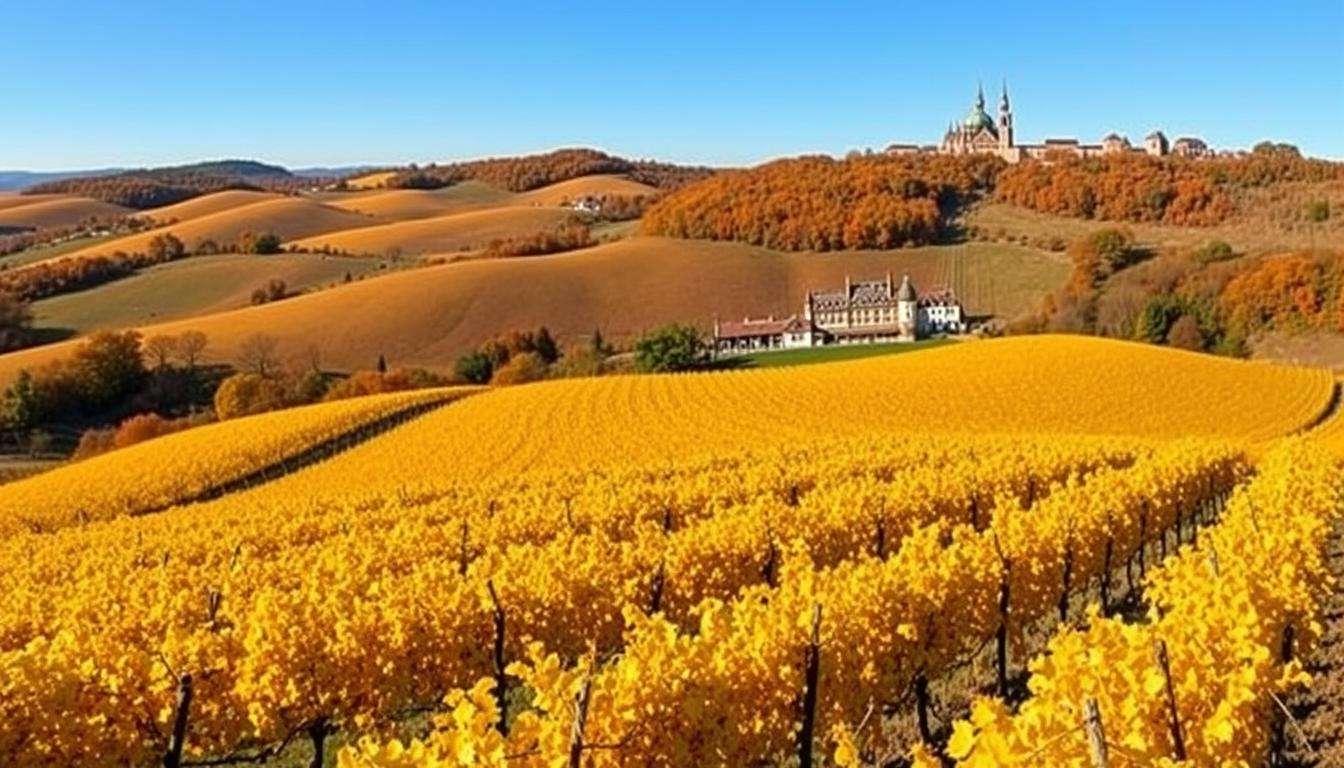
Hungary’s Winemaking Heritage
In the heart of Central Europe, Hungary’s winemaking tradition predates even the Romans. While Celtic tribes were the first to cultivate grapes in the Carpathian basin, it was the Hungarian tribes arriving from Asia who developed the region’s distinctive winemaking practices. For centuries, Hungarian wines enjoyed prestigious status throughout Europe.
Louis XIV of France famously referred to Tokaji wine as “Vinum Regum, Rex Vinorum” – the wine of kings and king of wines. Emperor Franz Josef sent Queen Victoria Tokaji wines as annual birthday gifts, while luminaries from Beethoven to Thomas Jefferson savored these exceptional creations.
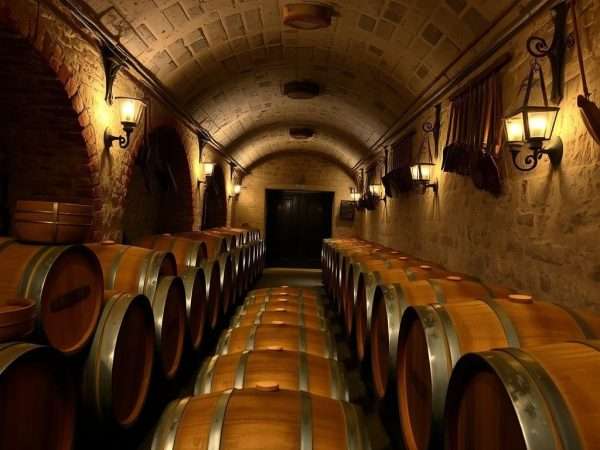
However, Hungary’s wine industry faced two devastating setbacks. First, the phylloxera epidemic of the late 19th century destroyed most vineyards, forcing winemakers to replant with different varieties. Then, during the Communist era (1949-1989), vineyards were nationalized and quality was sacrificed for quantity, severely damaging Hungary’s wine reputation internationally.
Today, a new generation of passionate winemakers is reclaiming Hungary’s viticultural heritage, combining traditional methods with modern techniques to produce wines of exceptional character and quality.
Key Hungarian Wine Regions
Hungary boasts 22 wine regions, each with distinctive terroir and specialties. The country’s location between the 46th and 49th parallels – the same latitude range as many of France’s top wine regions – provides ideal growing conditions. Let’s explore four of the most significant regions:
Tokaj
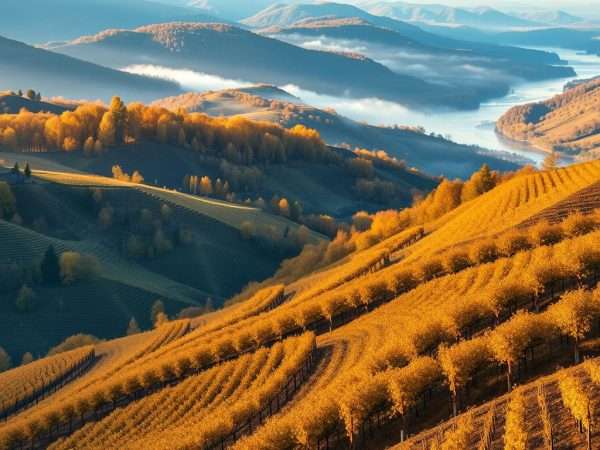
Hungary’s most famous wine region and the world’s first classified wine region (1737). Located in the northeast, Tokaj is renowned for its sweet Aszú wines made from botrytized grapes. The region’s volcanic soils and unique microclimate created by the Tisza and Bodrog rivers produce wines of exceptional complexity.
Key Varieties: Furmint, Hárslevelű, Sárgamuskotály
Signature Wine: Tokaji Aszú – a golden sweet wine with honey, apricot and spice notes
Eger
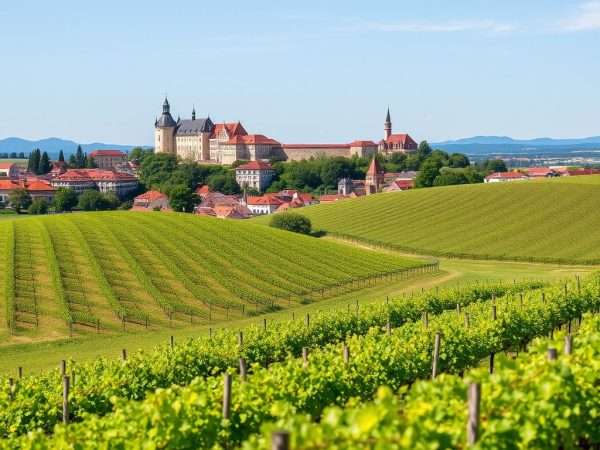
Located 86 miles northeast of Budapest, Eger features volcanic soils perfect for both red and white wines. The region is famous for its Egri Bikavér (Bull’s Blood), a robust red blend with a fascinating historical legend involving Turkish invaders.
Key Varieties: Kékfrankos, Kadarka, Leányka, Királyleányka
Signature Wine: Egri Bikavér – a spicy red blend with dark forest fruits and firm tannins
Villány
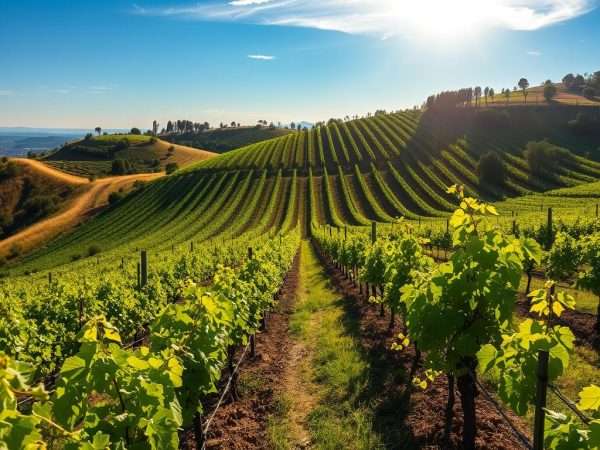
Hungary’s southernmost wine region, Villány enjoys a sub-Mediterranean climate ideal for producing full-bodied red wines. Located near the Croatian border, its warm summers and mild winters create perfect conditions for Bordeaux varieties and native grapes.
Key Varieties: Cabernet Franc, Cabernet Sauvignon, Merlot, Kékfrankos
Signature Wine: Villányi Franc – elegant Cabernet Franc with black currant, raspberry and subtle spice notes
Nagy Somló

Hungary’s smallest wine region (just 300 hectares) is located on an extinct volcanic butte. Somló produces some of the most distinctive white wines in the world, known for their intense minerality and smoky character.
Key Varieties: Juhfark, Olaszrizling, Furmint
Signature Wine: Somlói Juhfark – a mineral-driven white with lemon, smoke and wheat notes
Szekszárd
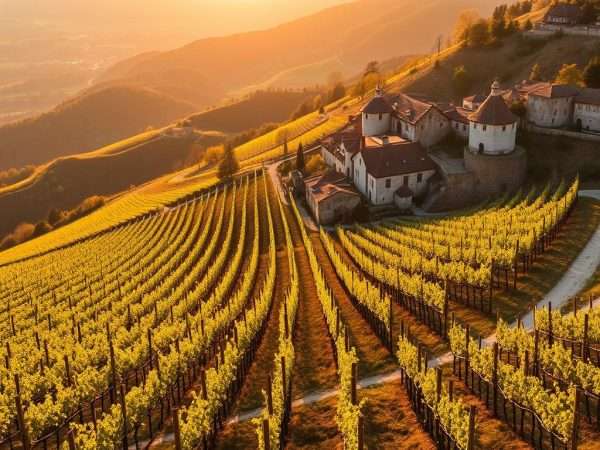
Located in southern Hungary, Szekszárd is known for elegant red wines and its own version of Bikavér. The region’s loess soils and sunny climate create ideal conditions for both international and indigenous varieties.
Key Varieties: Kékfrankos, Kadarka, Merlot
Signature Wine: Szekszárdi Bikavér – a complex, spicy red blend with silky tannins
Balaton
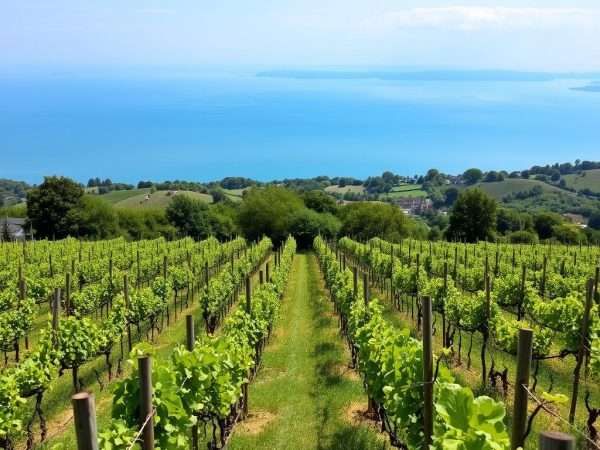
The regions surrounding Lake Balaton, Central Europe’s largest lake, benefit from the water’s moderating effect on the climate. The area produces primarily aromatic white wines with vibrant acidity.
Key Varieties: Olaszrizling, Szürkebarát, Kéknyelű
Signature Wine: Badacsonyi Olaszrizling – a fresh white with almond, apple and mineral notes
Ready to Explore Hungarian Wine Regions?
Discover the distinctive terroir and flavors of Hungary’s wine regions with our curated selection of authentic wines. From the volcanic slopes of Tokaj to the sun-drenched hills of Villány, experience the diversity of Hungarian winemaking.
Unique Hungarian Grape Varieties
Hungary’s viticultural landscape features both indigenous varieties found nowhere else and international grapes that express themselves distinctively in Hungarian terroir. Here are some of the most important varieties:
Indigenous White Varieties
Furmint
Hungary’s flagship white grape, Furmint is the primary variety in Tokaji wines. It’s remarkably versatile, producing everything from bone-dry whites with searing acidity to lusciously sweet Aszú wines. Dry Furmint offers flavors of green apple, pear and wet stone, while sweet versions develop apricot, honey and botrytis notes.
Hárslevelű
Often blended with Furmint in Tokaji wines, Hárslevelű (meaning “linden leaf”) produces aromatic whites with notes of linden blossom, honey and quince. It typically has softer acidity than Furmint but still maintains excellent structure.
Juhfark
Grown almost exclusively in Somló, Juhfark (meaning “sheep’s tail” due to the elongated shape of its clusters) creates intensely mineral whites with high acidity. These wines often display smoky, flinty characteristics with citrus and wheat notes.
Kéknyelű
A rare variety native to the Badacsony region near Lake Balaton, Kéknyelű produces elegant, mineral-driven whites with subtle floral notes. It’s known for its challenging cultivation, requiring specific conditions to thrive.
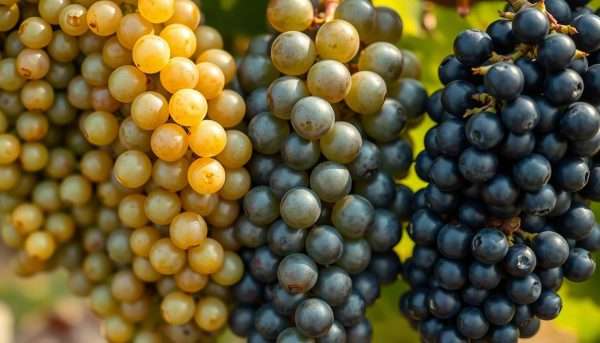
Indigenous Red Varieties
Kadarka
Once Hungary’s most widely planted red grape, Kadarka nearly disappeared during the Communist era but is now experiencing a revival. It produces elegant, medium-bodied reds with bright acidity, red fruit flavors and distinctive spicy notes. Think of it as Hungary’s answer to Pinot Noir.
Kékfrankos
Known as Blaufränkisch in Austria, Kékfrankos is a versatile red variety that creates wines ranging from light and fruity to structured and age-worthy. It typically offers flavors of black cherry, blackberry and spice with vibrant acidity and moderate tannins.
Portugieser
An early-ripening variety that produces light, fruity reds perfect for early consumption. Portugieser wines feature soft tannins and bright cherry flavors, making them approachable and food-friendly.
Zweigelt
Though more associated with Austria, Zweigelt has found a home in western Hungary, producing juicy, fruit-forward reds with soft tannins and notes of cherry and black pepper.
International Varieties
Hungary also excels with international varieties, particularly in warmer regions like Villány and Szekszárd:
- Cabernet Franc – Thrives in Villány, producing elegant, velvety wines with black currant and raspberry notes
- Merlot – Creates rich, plummy wines, often blended with other varieties
- Cabernet Sauvignon – Produces structured, age-worthy wines, particularly in warmer southern regions
- Chardonnay – Expresses well in cooler regions, offering apple and pear notes with subtle oak influence
- Riesling – Known as Rajnai Rizling in Hungary, creates vibrant whites with excellent aging potential
Distinctive Hungarian Wine Styles
Tokaji Aszú
Hungary’s most famous wine is made from individually picked botrytized grapes (affected by “noble rot”) that are then macerated in dry wine or must. The resulting golden nectar offers intense sweetness balanced by vibrant acidity, with flavors of dried apricot, honey, marmalade and spice. Traditionally classified by “puttonyos” (indicating sweetness levels), modern Aszú wines must have at least 120 grams of residual sugar per liter.
Egri Bikavér (Bull’s Blood)
This legendary red blend from Eger must contain at least three varieties, with native grapes making up at least 50%. Kékfrankos typically forms the backbone, complemented by other varieties like Kadarka, Cabernet Franc and Merlot. The result is a spicy, medium to full-bodied red with forest fruit flavors and firm structure.
Szamorodni
Another Tokaj specialty, Szamorodni (from Polish, meaning “as it comes”) is made from whole bunches of grapes that may contain both botrytized and healthy berries. It comes in dry and sweet versions, both offering complex flavors and excellent aging potential.
Dry Furmint
A relatively recent style that has gained international acclaim, dry Furmint showcases the grape’s natural minerality and acidity. These wines range from crisp and citrusy to more complex, oak-aged versions with remarkable aging potential.

The Historical Journey of Hungarian Wines
“The wine of Tokaj has more history in its drops than any other wine in the world.”
Hungary’s wine story is one of remarkable highs and devastating lows. During the Medieval and Renaissance periods, Hungarian wines were prized throughout Europe, with Tokaji Aszú served at royal courts from Vienna to St. Petersburg. Peter the Great of Russia was so enamored with Tokaji that he stationed a permanent military detachment in the region to ensure his supply was never interrupted.
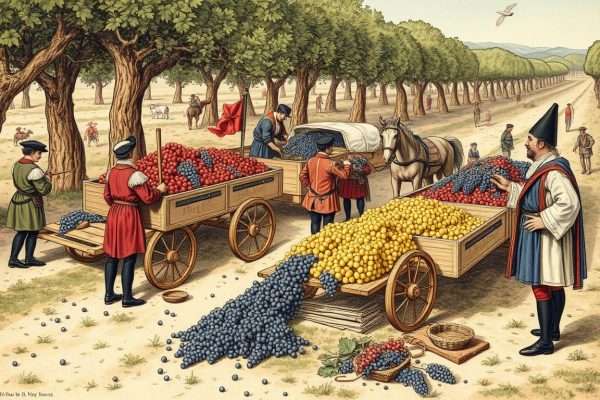
The Ottoman occupation (1541-1699) significantly impacted Hungarian winemaking. While the Turks were Muslim and prohibited alcohol consumption, they recognized the economic value of wine exports and allowed production to continue, taxing it heavily. This period introduced red winemaking techniques as Serbs fleeing Ottoman rule in the Balkans settled in southern Hungary.
The late 19th century brought catastrophe in the form of phylloxera, a vine louse that devastated vineyards across Europe. Hungary was particularly hard-hit, losing nearly 65% of its vineyards. The replanting that followed forever changed the country’s viticultural landscape, with many indigenous varieties lost and French varieties introduced.
The Communist era (1949-1989) dealt another severe blow to quality winemaking. Vineyards were nationalized, traditional winemaking families were displaced and production focused on quantity over quality. The state-owned cooperatives mass-produced mediocre wines, severely damaging Hungary’s reputation in international markets.
Since the fall of Communism in 1989, Hungary’s wine industry has undergone a remarkable renaissance. Family estates have been restored, traditional methods revived and a new generation of winemakers has emerged, combining historical knowledge with modern techniques. Today, Hungarian wines are once again gaining recognition for their quality, uniqueness and exceptional value.
The Modern Revival of Hungarian Wines
The past three decades have witnessed a remarkable transformation in Hungary’s wine industry. After the fall of Communism, privatization allowed families to reclaim vineyards and foreign investment brought new technology and expertise. This renaissance has been driven by several key factors:
Quality Focus
Today’s Hungarian winemakers have shifted decisively from quantity to quality. Yields have been reduced, vineyard management improved and winemaking techniques refined. Many producers now focus on expressing Hungary’s unique terroir rather than imitating international styles.
International Recognition
Hungarian wines are increasingly featured in international competitions and receiving high scores from critics. Dry Furmint has been hailed as one of the world’s great white wines, while Villány’s Cabernet Franc has earned the nickname “Villányi Franc” in recognition of its distinctive character.
Sustainable Practices
Many Hungarian wineries have embraced organic and biodynamic viticulture. The volcanic soils of regions like Tokaj and Somló are particularly well-suited to these approaches, resulting in wines that authentically express their terroir.
Wine Tourism
Hungary’s wine regions are becoming popular destinations for oenophiles. Modern tasting rooms, boutique accommodations and wine routes have developed, allowing visitors to experience Hungarian wine culture firsthand.
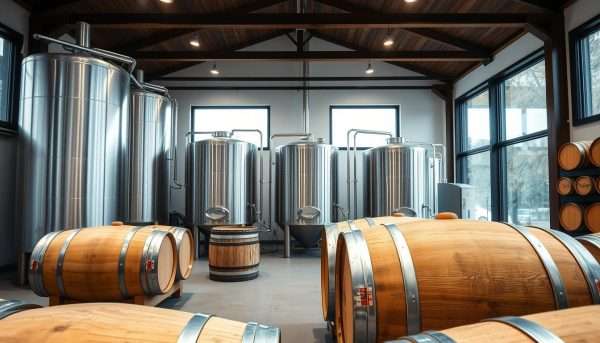
Did You Know? Hungary is home to the Tokaj-Hegyalja Wine Region, a UNESCO World Heritage Site since 2002. This recognition celebrates the region’s 1,000+ years of winemaking tradition and its unique viticultural landscape.
Perfect Pairings: Hungarian Wines and Cuisine
Hungarian wines shine brightest when paired with food and the country’s hearty, flavorful cuisine offers perfect companions. Here are some classic and contemporary pairings:
Sweet Tokaji Aszú
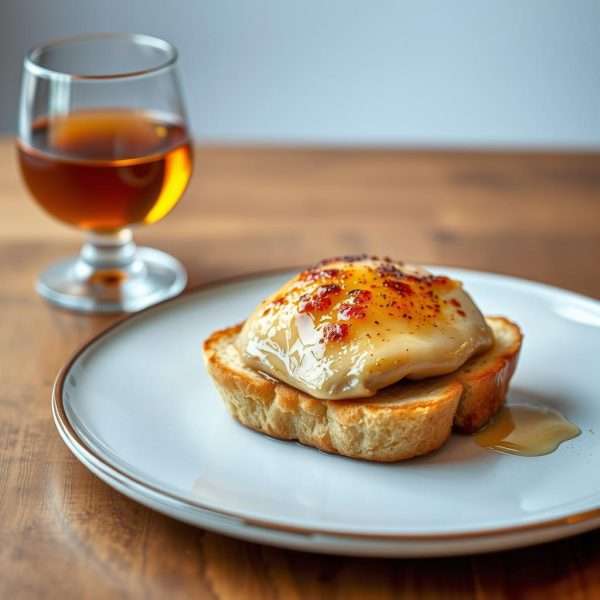
- Foie Gras – The classic pairing; the wine’s acidity cuts through the richness
- Blue Cheese – The sweetness balances the cheese’s saltiness
- Fruit-based Desserts – Particularly those featuring apricot or peach
- Dark Chocolate – Creates a luxurious combination with aged Aszú
Dry Furmint & White Wines
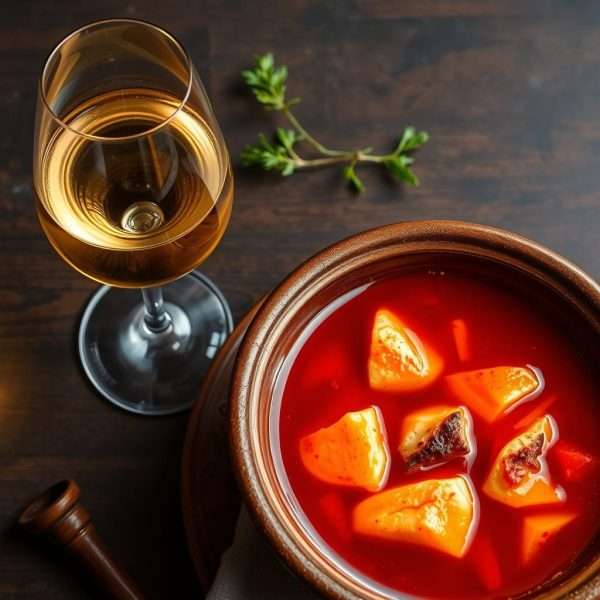
- Fisherman’s Soup (Halászlé) – The wine’s acidity complements the paprika-spiced broth
- Chicken Paprikash – Creamy paprika sauce pairs beautifully with mineral-driven whites
- Fresh Water Fish – Pike-perch (fogas) with butter sauce and a glass of Furmint is divine
- Goat Cheese – The mineral notes in Juhfark enhance the cheese’s tanginess
Red Wines
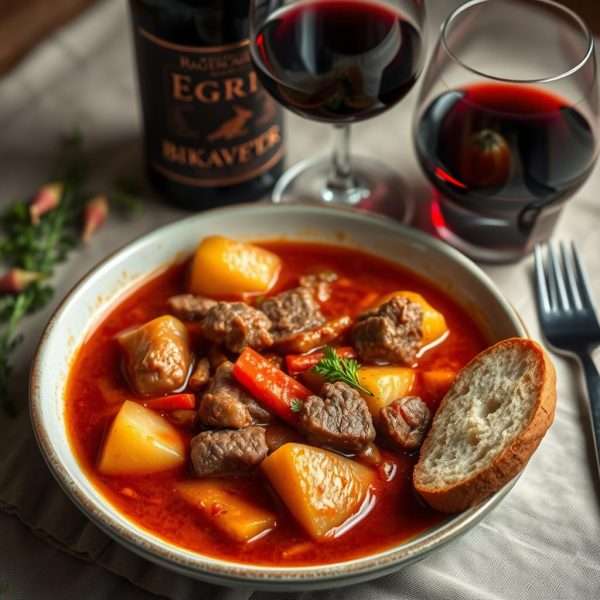
- Goulash (Gulyás) – The spicy, paprika-rich soup pairs perfectly with Bikavér
- Beef Stew (Pörkölt) – Rich meat dishes complement the structure of Villányi reds
- Game Meats – Venison or wild boar with Kékfrankos or Cabernet Franc
- Stuffed Cabbage (Töltött Káposzta) – The acidity in Kadarka cuts through the richness
Where to Find Hungarian Wines
While Hungarian wines are still gaining distribution globally, several excellent producers export their wines and can be found in specialty wine shops and online retailers. Here are five outstanding Hungarian wineries to look for:
Royal Tokaji
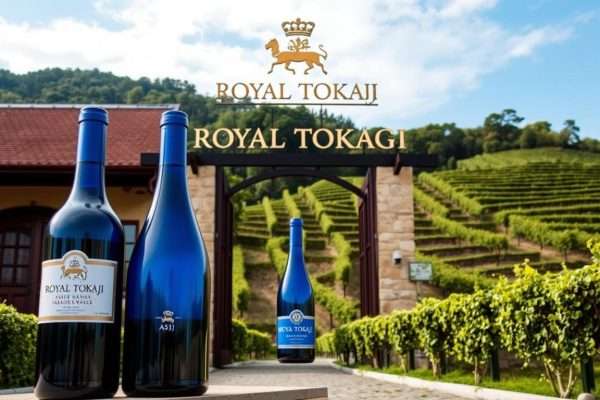
Founded in 1990 by renowned wine writer Hugh Johnson and a group of investors, Royal Tokaji was instrumental in reviving the region’s fortunes post-Communism. Their range includes exceptional Aszú wines, dry Furmint, and the rare Essencia.
Signature Wine: Blue Label 5 Puttonyos Aszú
Disznókő
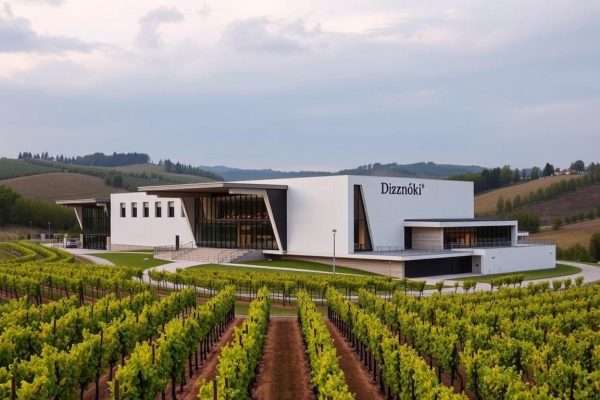
This Tokaj estate combines traditional methods with modern technology. Owned by French insurance company AXA, Disznókő produces a range of sweet and dry wines that consistently receive international acclaim.
Signature Wine: Disznókő 1413 Dry Furmint
Sauska
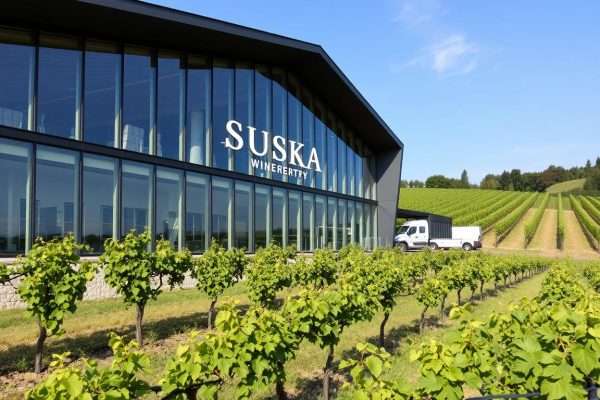
With estates in both Tokaj and Villány, Sauska produces a diverse range of wines. Their Villány reds, particularly Cabernet Franc, have earned international recognition, while their Tokaj whites showcase both traditional and innovative approaches.
Signature Wine: Sauska Cuvée 7 (Villány)
Oremus
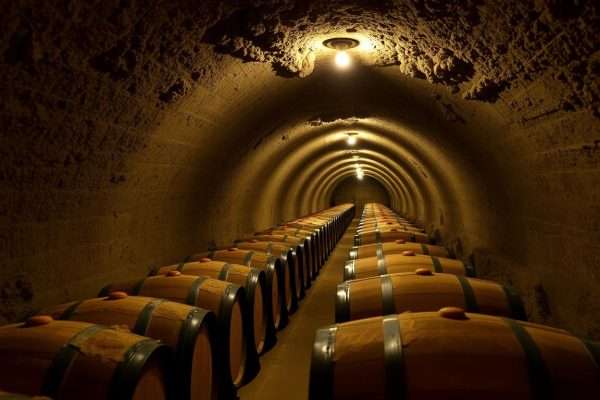
Owned by Spanish wine giant Vega Sicilia, Oremus combines Hungarian tradition with Spanish expertise. Their historic cellars date back to the 1620s and their wines are known for their elegance and precision.
Signature Wine: Oremus Late Harvest
Gere Attila
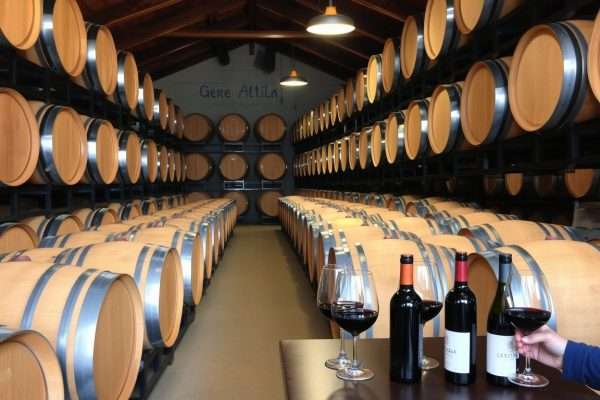
One of Villány’s most respected producers, Gere Attila specializes in powerful, structured red wines. Their Bordeaux-style blends and varietal Cabernet Franc have helped establish Villány’s reputation for world-class reds.
Signature Wine: Gere Attila Kopar Cuvée
Discover Hungarian Wines Today
Ready to explore the unique flavors of Hungarian wines? From the legendary sweet wines of Tokaj to the bold reds of Villány, these distinctive bottles offer exceptional quality and value. Start your Hungarian wine journey with our curated selection from top producers.
Conclusion: Hungary’s Wine Renaissance
Hungarian wines represent one of the wine world’s most exciting rediscoveries. With a winemaking heritage spanning millennia, unique indigenous varieties, and distinctive terroirs, Hungary offers wine lovers a fascinating alternative to more familiar regions.
From the legendary sweet wines of Tokaj to the robust reds of Villány and the mineral-driven whites of Somló, Hungarian wines showcase remarkable diversity and character. As quality continues to improve and international recognition grows, these wines remain excellent values, often delivering complexity and distinction at prices below their Western European counterparts.
Whether you’re an adventurous wine enthusiast seeking new experiences or simply looking for interesting, food-friendly wines that won’t break the bank, Hungarian wines deserve a place in your glass. By exploring these Central European treasures, you’re not just discovering new flavors – you’re connecting with centuries of winemaking tradition and supporting the renaissance of one of Europe’s most historic wine cultures.
Deepen Your Wine Knowledge
Want to learn more about the fascinating world of European wines? Subscribe to our newsletter for expert insights, tasting notes and special offers on exceptional wines from Hungary and beyond.
Share your experience in the comments below.










Leave A Comment