
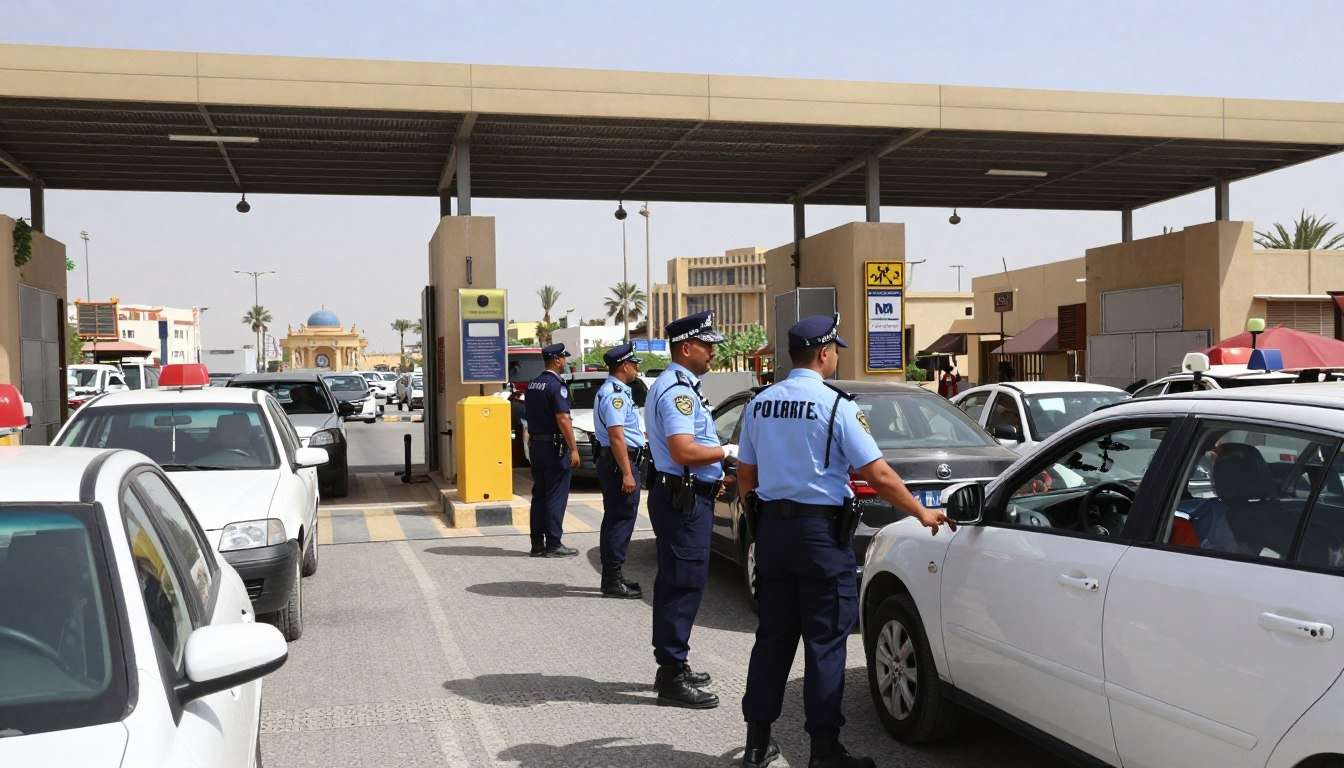
Current Travel Advisories for Egypt
Government travel advisories provide valuable insights into potential safety concerns. Here’s what major countries currently advise regarding travel safety in Egypt:
United States State Department
The U.S. currently lists Egypt as “Level 2: Exercise Increased Caution” due to terrorism risks. Specific regions have higher warning levels:
- North Sinai Peninsula: “Level 4: Do Not Travel” due to terrorism and ongoing military operations
- Western Desert and border areas: “Level 4: Do Not Travel” unless with licensed tour companies
- Egyptian border regions: “Level 4: Do Not Travel” due to military zones
United Kingdom Foreign Office
The UK advises against all travel to North Sinai and all but essential travel to:
- Areas within 20km of the Libya border
- The Governorate of South Sinai, excluding the Sharm El Sheikh perimeter
- The area west of the Nile Valley and Nile Delta regions
Canadian Government
Canada advises exercising a high degree of caution in Egypt with regional advisories:
- “Avoid all travel” to the northern Sinai Peninsula
- “Avoid all travel” to within 50km of the Libya border
- “Avoid non-essential travel” to the northern part of South Sinai Governorate
Australian Government
Australia recommends reconsidering the need to travel to Egypt overall, with stronger warnings for border regions and North Sinai.
Stay Informed About Safety Updates
Register with your government’s travel advisory service to receive real-time safety updates and emergency assistance during your trip to Egypt.
General Safety for Tourists in Egypt
The safety situation varies significantly across Egypt’s diverse regions. Here’s a breakdown of what to expect in major tourist destinations:

Cairo and Giza
Egypt’s capital and the nearby Giza Plateau (home to the Great Pyramids) maintain strong security presence, especially in tourist areas. Violent crime against tourists is rare, though petty theft and scams can occur in crowded areas. The Egyptian Museum, Khan el-Khalili bazaar, and major hotels have enhanced security measures. Traffic poses the most significant daily safety challenge, with chaotic driving conditions that can be intimidating for visitors.
Luxor and Aswan
These Upper Egypt cities, home to magnificent ancient temples and tombs, are generally considered safe for tourists. Security checkpoints are common, and tourist police maintain visibility at major sites. The relaxed atmosphere and dependence on tourism revenue create a welcoming environment for visitors. Evening walks along the Nile Corniche are generally safe, though women travelers should remain vigilant.
Red Sea Resorts
Hurghada, Sharm El-Sheikh, and other Red Sea destinations operate under special security protocols with substantial protection for tourist zones. These areas function almost as separate entities from the rest of Egypt, with controlled entry points and regular security patrols. Resort areas have experienced few security incidents in recent years and maintain some of the highest safety standards in the country.
Alexandria
Egypt’s second-largest city and Mediterranean port has a more relaxed atmosphere than Cairo. Tourist areas along the Corniche and around historical sites maintain good security, though standard precautions against petty crime are advised. The city experiences fewer security concerns than Cairo but similar traffic challenges.
Travel with Local Expertise
Local guides not only enhance your understanding of Egypt’s rich history but also provide an additional layer of security. They help navigate cultural differences, avoid common scams, and ensure you visit areas that are both fascinating and safe.
Primary Safety Concerns for Travelers
While Egypt is generally safe for tourists who take proper precautions, several specific concerns deserve attention:

Petty Crime and Scams
The most common safety issues tourists face involve non-violent crimes of opportunity:
- Pickpocketing: Most prevalent in crowded areas like markets, public transportation, and major tourist sites
- Overcharging: Inflated prices for tourists, particularly in taxis and markets without fixed prices
- “Free gift” scams: Vendors placing items in your hands then demanding payment
- Unofficial guides: Individuals claiming to work at sites but charging excessive fees for basic information
- Photography scams: Being charged to take photos in areas where photography is actually free
Terrorism Risk
While Egypt has experienced terrorist incidents historically, attacks specifically targeting tourists have decreased significantly since 2019. The Egyptian government has implemented extensive security measures at tourist sites, hotels, and transportation hubs. Most incidents in recent years have occurred in areas tourists rarely visit, particularly North Sinai. Major tourist destinations maintain robust security protocols, including:
- Metal detectors and security screenings at hotels, museums, and major attractions
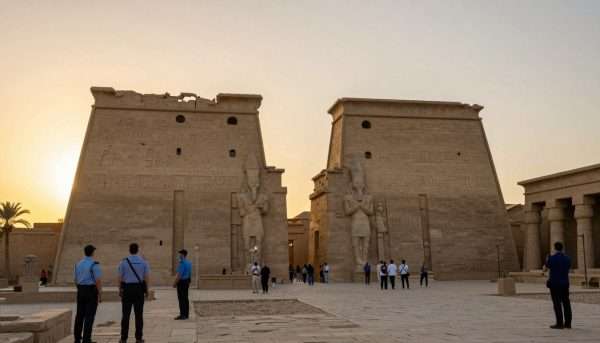
- Armed tourist police at archaeological sites
- Security checkpoints on roads between cities
- Enhanced airport security procedures
Health and Sanitation
Health considerations for travelers to Egypt include:
- Water safety: Tap water is generally not safe for drinking; stick to bottled water
- “Pharaoh’s Revenge”: Traveler’s diarrhea affects many visitors; be cautious with street food
- Heat-related illness: Temperatures can exceed 100°F (38°C) in summer months
- Air quality: Cairo experiences significant air pollution that may affect those with respiratory conditions
- Medical facilities: Quality healthcare is available in major cities but may be limited in rural areas
Protect Your Trip with Travel Insurance
Comprehensive travel insurance is essential for Egypt, covering medical emergencies, evacuation, and trip disruptions. Don’t leave your safety to chance.
Regional Safety Considerations in Egypt
Egypt’s safety situation varies significantly by region. Understanding these differences is crucial for planning a secure trip:

Areas to Avoid
Several regions in Egypt present elevated safety risks that travelers should generally avoid:
- North Sinai Peninsula: Active conflict zone with terrorist groups and military operations
- Western Desert near Libya: Smuggling activities and extremist presence make this border region dangerous
- Gaza Border: Political instability and potential for rapid security changes
- Remote desert areas: Travel without proper guides and permits can lead to dangerous situations
Sinai Peninsula Considerations
The Sinai Peninsula requires special attention due to its varied security landscape:
- North Sinai: Avoid completely due to ongoing security operations
- South Sinai: Generally safer, especially in established tourist areas
- Sharm El-Sheikh: Operates under special security protocols with controlled access points
- Dahab and Nuweiba: Smaller resorts with good safety records but less intensive security
- St. Catherine’s Monastery: Requires traveling through areas with security checkpoints
Western Desert Safety
Egypt’s vast Western Desert presents unique safety considerations:
- Travel only with licensed tour operators and necessary permits
- Popular oases like Siwa, Bahariya, and Farafra are generally safe with proper guides
- Independent travel is strongly discouraged due to navigation hazards and security concerns
- Areas within 50km of the Libya border should be avoided entirely
Nile Valley Security
The Nile Valley corridor from Cairo to Aswan forms Egypt’s tourism heartland:
- Well-established security infrastructure throughout major sites
- Tourist police presence at all significant attractions
- Nile cruises operate under specific security protocols
- Travel between cities sometimes requires security convoy arrangements
Cultural and Social Safety Considerations
Understanding and respecting Egyptian cultural norms significantly enhances your safety and overall experience:
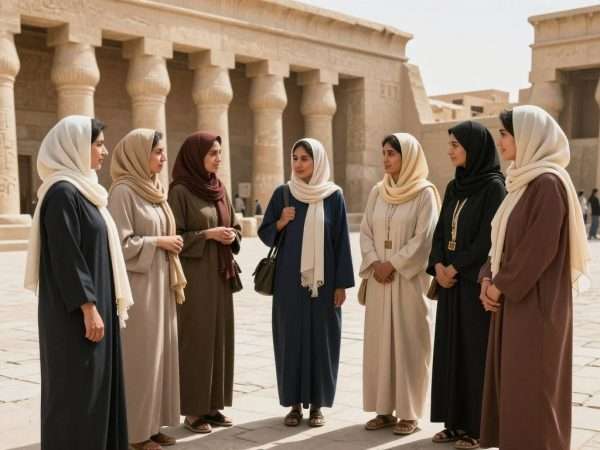
Dress Code and Public Behavior
Egypt is a predominantly Muslim country with conservative social norms:
- Women travelers: Modest clothing covering shoulders, chest, and knees reduces unwanted attention
- Men travelers: Long pants are appropriate in religious sites and conservative areas
- Public displays of affection: Should be avoided, particularly outside tourist resorts
- Religious sites: Women should cover their hair when visiting mosques; both genders remove shoes
- Photography: Always ask permission before photographing locals, especially women
Gender Considerations
Women travelers may face additional challenges in Egypt:
- Harassment: Verbal harassment and staring can occur, particularly in crowded areas
- Solo travel: Women traveling alone may attract more attention than those in groups
- Transportation: Women-only cars on Cairo Metro provide more comfortable travel options
- Evening activities: Women should exercise additional caution when out after dark
- Local assistance: Hotel staff can provide guidance on appropriate areas and transportation
Communication and Interaction
Effective communication helps navigate potential safety concerns:
- Basic Arabic phrases: Learning greetings and polite expressions earns respect
- Firm but polite refusals: A clear “la shukran” (no thank you) helps with persistent vendors
- Political discussions: Avoid sensitive political topics, particularly regarding government
- Ramadan considerations: During the holy month, be respectful of fasting and dress more conservatively
- Tipping culture: Understanding baksheesh (tipping) expectations prevents uncomfortable situations
Tallest pyramids in the world.
Experience Egypt with Cultural Insight
Local guides provide invaluable cultural context that enhances your safety and enriches your experience. They help navigate social norms, communicate effectively with locals, and ensure you experience Egypt’s wonders respectfully.
Practical Safety Tips for Egypt Travel
These actionable recommendations will help you navigate Egypt safely while maximizing your enjoyment:

Before Your Trip
- Research thoroughly: Understand current conditions in specific regions you plan to visit
- Register with your embassy: Programs like the U.S. STEP provide crucial updates and emergency assistance
- Purchase comprehensive travel insurance: Ensure it covers medical evacuation and trip interruption
- Prepare a communication plan: Share your itinerary with family and establish check-in procedures
- Download useful apps: Maps.me for offline navigation, Google Translate with Arabic downloaded, and Uber
Transportation Safety
- Use reputable transportation: Hotel shuttles, official taxis, or ride-sharing apps like Uber and Careem
- Avoid overnight buses: When possible, choose trains or domestic flights for long-distance travel
- Confirm prices before rides: Negotiate taxi fares in advance or insist on meter usage
- Exercise extreme caution in traffic: Egyptian driving can be chaotic; cross streets carefully
- Consider private transfers: For remote destinations, pre-arranged transportation enhances security
Accommodation Security
- Choose established hotels: Reputable accommodations maintain security protocols
- Use room safes: Store passports, extra cash, and valuables securely
- Keep doors locked: Even during the day, maintain basic security practices
- Know emergency exits: Familiarize yourself with evacuation routes upon arrival
- Trust hotel staff: Front desk personnel can provide valuable safety guidance
Money and Valuables
- Carry limited cash: Bring only what you need for each day
- Use money belts: Keep larger amounts and important documents concealed
- Be discreet with valuables: Avoid displaying expensive cameras, jewelry, or electronics
- Have emergency funds: Keep some U.S. dollars or euros in a separate location
- Use ATMs carefully: Choose machines in banks or hotels, shield PIN entry
Health Precautions
- Drink bottled water: Avoid tap water, including ice in drinks
- Eat carefully: Choose busy restaurants with high turnover and freshly cooked food
- Carry a basic medical kit: Include remedies for stomach issues, pain relievers, and first aid supplies
- Protect against sun and heat: Use sunscreen, stay hydrated, and avoid midday sun
- Know medical facilities: Research quality hospitals in each destination before arrival
Download Essential Travel Safety Apps
Stay connected and informed with apps that enhance your safety in Egypt. From offline maps to emergency contacts, proper preparation makes all the difference.
Emergency Resources in Egypt
Knowing who to contact during emergencies is crucial for travel safety in Egypt:
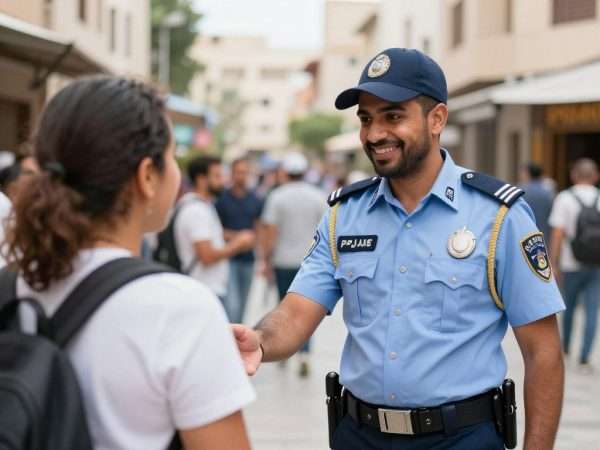
Emergency Contact Numbers
| Service | Number | Notes |
| Tourist Police | 126 | Specialized police for tourist assistance |
| Ambulance | 123 | Medical emergencies |
| Police Emergency | 122 | General police assistance |
| Fire Department | 180 | Fire emergencies |
Embassy and Consulate Information
Your country’s embassy or consulate can provide crucial assistance during emergencies:
- U.S. Embassy in Cairo: +20-2-2797-3300 (24/7 emergency line)
- UK Embassy in Cairo: +20-2-2791-6000
- Canadian Embassy in Cairo: +20-2-2461-2200
- Australian Embassy in Cairo: +20-2-2770-6600
Save these numbers in your phone and keep a printed copy in your travel documents.
Medical Resources
Quality medical facilities in major tourist areas include:
- Cairo: As-Salam International Hospital, Dar Al Fouad Hospital
- Alexandria: Alexandria International Hospital
- Luxor: International Hospital Luxor
- Hurghada: El Gouna Hospital
- Sharm El-Sheikh: South Sinai Hospital
Pro Tip: Store emergency contacts, hotel information, and embassy details in both your phone and as a printed document kept separate from your main belongings. Share this information with someone at home before your trip.
Is Egypt Safe? Making Your Decision
Egypt offers extraordinary cultural and historical experiences that continue to draw millions of visitors annually. While certain safety concerns exist, they can be effectively managed with proper preparation and awareness.
For most travelers who:
- Visit established tourist destinations
- Stay in reputable accommodations
- Use licensed guides and transportation
- Remain aware of their surroundings
- Respect local customs and dress codes
Egypt provides a safe and rewarding travel experience. The vast majority of visitors encounter no serious safety issues beyond minor inconveniences.
The key to a successful trip lies in balanced preparation: research thoroughly, take reasonable precautions, but don’t let exaggerated fears prevent you from experiencing Egypt’s remarkable treasures. By staying informed about specific regional risks and following the practical advice in this guide, you can focus on creating unforgettable memories in one of the world’s most fascinating destinations.
Is it safe for women to travel alone in Egypt?
Solo female travelers can visit Egypt safely but should take additional precautions. Dressing modestly, arranging transportation in advance, avoiding isolated areas (especially at night), and considering guided tours for certain locations will significantly enhance safety. Many women travel solo in Egypt successfully by maintaining awareness and confidence while respecting cultural norms.
How safe are Nile cruises?
Nile cruises between Luxor and Aswan operate with good safety records and security protocols. Ships maintain security personnel, follow established routes with regular checkpoints, and dock at secured locations. Reputable cruise operators prioritize passenger safety and coordinate with local authorities. This remains one of the safest and most enjoyable ways to experience Upper Egypt.
Should I be concerned about terrorism in Egypt?
While Egypt has experienced terrorist incidents historically, attacks specifically targeting tourists have decreased significantly in recent years. The Egyptian government has implemented extensive security measures at tourist sites, hotels, and transportation hubs. Most incidents occur in areas tourists rarely visit, particularly North Sinai. By staying in established tourist areas and following local guidance, the terrorism risk for most visitors is low.
Ready to Experience Egypt Safely?
With proper preparation and awareness, you can enjoy all the wonders Egypt has to offer while minimizing risks. Start planning your journey today with comprehensive protection.


Leave A Comment