
From Laptop to Clothing Brand
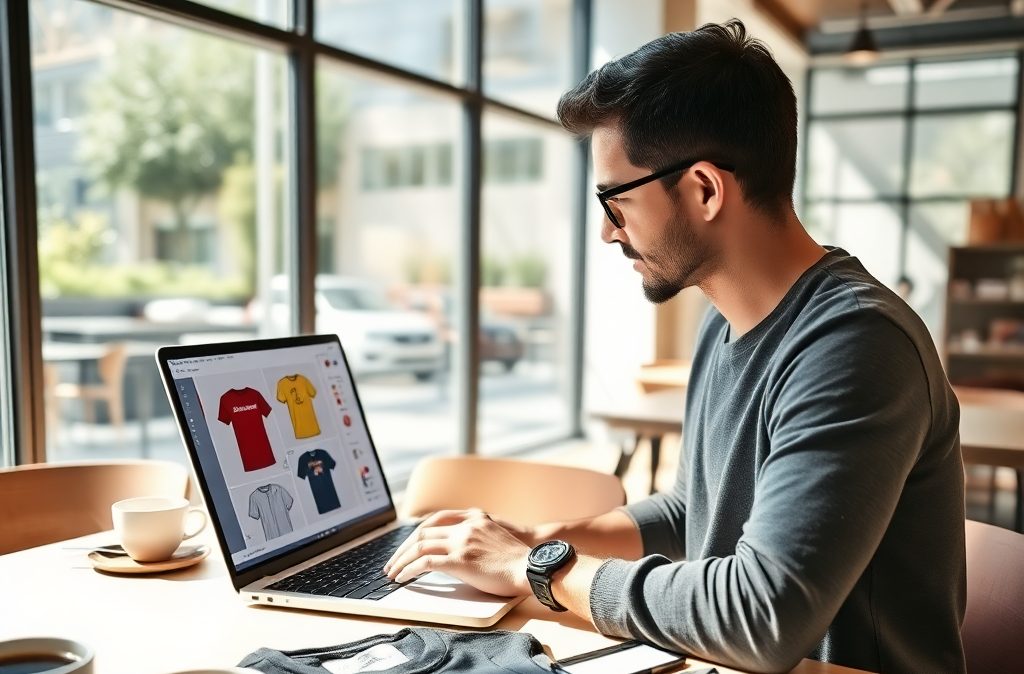
The rise of remote work has quietly reshaped how modern entrepreneurs build businesses. What began as a shift toward flexible employment has gradually evolved into something broader: a generation of entrepreneurs designing companies that exist almost entirely online. These founders manage projects from laptops rather than offices, collaborating across time zones while living temporarily in different countries. A growing number of them are creatives launching independent brands that operate without traditional infrastructure.
Among these remote entrepreneurs, apparel brands are becoming increasingly common. At first glance, this might seem counterintuitive, as clothing brands have historically relied on logistics-heavy operations involving warehouses, inventory management, and distribution networks. Traditional apparel companies rely on storage space, packaging operations, and supply chains that demand constant oversight. For founders living abroad or moving between locations, managing those physical processes would appear impractical.
Yet modern production systems have changed the way clothing businesses operate. Today, designers can launch apparel brands without holding stock, relying instead on digital production networks that manufacture garments only when customers place orders. Designers create designs online, build audiences through social media, and send garments directly to customers through specialised fulfilment partners. The founder never needs to manage inventory personally.
For digital nomads, this model removes one of the largest obstacles to launching a clothing brand. Instead of investing in large manufacturing runs or worrying about unsold garments, entrepreneurs can focus on the creative and strategic side of the business. Branding, storytelling, and design development take priority, while production happens quietly behind the scenes. What once required warehouses and staff can now be coordinated remotely from almost anywhere.
This shift reflects a wider transformation in how creative businesses operate. As digital tools allow founders to reach global audiences, physical production increasingly becomes something that can be outsourced, decentralised, and automated. Apparel brands built by remote entrepreneurs are a clear example of how this new model works in practice.
Why Digital Nomads Are Turning to Apparel Brands
For many creatives, clothing offers a natural extension of their work. Designers, illustrators, and digital creators often begin by sharing ideas online, building small audiences through visual platforms and social communities. As those audiences grow, merchandise becomes an obvious way to translate creative identity into something tangible. Apparel is particularly appealing because it allows supporters to participate in the creator’s world in a visible and personal way.
Unlike many physical products, clothing also carries cultural meaning. A t-shirt can express humour, social commentary, artistic style, or affiliation with a community. Independent brands often emerge from these shared identities, where garments act less like retail products and more like signals of belonging. For creators who already communicate visually, apparel becomes a powerful medium through which ideas can move beyond screens and into everyday life.
The digital economy has made this transition easier than ever. Content creators, freelance designers, and artists frequently cultivate audiences long before launching products. Social media platforms, newsletters, and portfolio sites allow creatives to develop communities around their work. When those communities respond positively to a brand identity, introducing apparel becomes a logical step rather than a risky leap into manufacturing.
For digital nomads, apparel offers another advantage: the creative process itself is location-independent. Designers can develop apparel designs anywhere with design software and an internet connection. They coordinate branding decisions, marketing campaigns, and product releases through digital tools. A founder might sketch concepts in a café in Lisbon, refine layouts from a co-working space in Berlin, and launch a collection while travelling through Southeast Asia.
This flexibility aligns closely with the motivations of many remote entrepreneurs. Digital nomads tend to prioritise independence, creative control, and the ability to work from multiple locations. Apparel brands built around digital production models can maintain that flexibility while still producing a physical product that audiences can engage with.
Importantly, these brands often grow gradually rather than through large upfront investments. Instead of launching with large inventories, founders experiment with designs, respond to audience feedback, and refine their identity over time. In this sense, apparel becomes less about traditional retail expansion and more about cultivating a creative ecosystem where design, storytelling, and community evolve together.
The Problem With Holding Stock
Despite the appeal of launching a clothing brand, traditional inventory models present serious challenges for entrepreneurs who work remotely. Stock requires physical storage space, and even modest apparel collections can quickly accumulate into dozens or hundreds of garments. Managing those items involves organisation, packaging supplies, and systems for tracking sizes, colours, and quantities.
For founders who travel frequently or live in temporary accommodation, these requirements create immediate complications. Digital nomads often move between cities or countries every few months, staying in short-term rentals or co-living spaces that do not accommodate inventory storage. Even a small collection of garments can become a logistical burden when relocation is part of everyday life.
Inventory also introduces financial risk. Traditional clothing production typically relies on bulk manufacturing, where larger quantities reduce the cost per unit. Designers often need to commit to significant production runs before knowing whether a design will resonate with customers. If demand falls short of expectations, unsold garments remain in storage, tying up both capital and space.
For entrepreneurs experimenting with new brands, this uncertainty can feel prohibitive. Many creatives launching apparel lines are doing so alongside freelance work or other income streams. Investing large sums in inventory before validating demand introduces risks that not all founders are willing to take on.
Stock management also adds operational complexity that can distract from the creative aspects of running a brand. Packaging orders, handling returns, managing shipping labels, and maintaining inventory systems require time and administrative attention. While these processes are manageable for established businesses with dedicated teams, they can overwhelm solo founders who are still developing their brand identity.
These challenges explain why many modern apparel startups deliberately avoid holding stock altogether. Rather than trying to replicate traditional retail logistics, remote founders increasingly adopt production models designed for flexibility. By removing inventory from the equation, they can build brands that remain compatible with a mobile, location-independent lifestyle.
Best Caribbean Islands for digital nomads.
Print-on-Demand Production Changes the Model
Advances in digital garment printing have made these flexible production models possible. Print-on-demand technology allows production partners to manufacture clothing only when a customer places an order, eliminating the need to produce garments in advance. Designs exist digitally until a purchase occurs, at which point the garment is printed and prepared for shipment.
This approach fundamentally changes how apparel brands manage risk. Instead of predicting demand months before a product launch, founders can introduce new designs gradually and observe how audiences respond. Popular pieces continue selling, while less successful ones simply fade away without leaving unsold inventory behind.
For independent creators, this flexibility encourages experimentation. Designers can test different ideas, typography styles, or graphic concepts without committing to large production runs. Collections can evolve organically as founders learn what resonates with their audience. Seasonal releases or limited-edition pieces become easier to manage because production aligns directly with demand.
Print-on-demand production also shifts operational responsibilities away from the founder. Rather than maintaining stock and managing fulfilment, entrepreneurs work with specialised printing partners who handle the technical side of garment production. These partners receive digital artwork files, print garments upon order arrival, and ship products directly to customers.
For digital nomads, this structure eliminates the need to interact with the product in person. Founders can design collections, manage online stores, and communicate with customers while travelling or living abroad. The apparel brand becomes a creative and strategic project rather than a logistics-heavy retail operation.
This transformation has opened the apparel industry to a wider range of entrepreneurs. Creators who previously lacked the resources to launch clothing lines can now test ideas with minimal upfront investment. The barriers that once separated digital creativity from physical products are gradually disappearing, allowing independent brands to emerge from anywhere in the world.
Production Without Warehousing
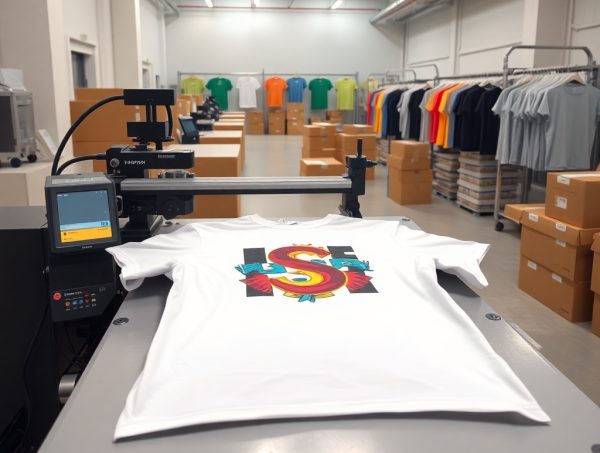
The practical advantage of print-on-demand production becomes most evident when founders remove warehousing entirely from the equation. Traditional clothing businesses often revolve around storage and fulfilment operations. Garments are manufactured in advance, shipped to a central location, sorted by size and colour, and held until orders arrive. This system requires both space and management, turning inventory into one of the defining responsibilities of running an apparel brand.
For digital nomads, that structure quickly becomes incompatible with a location-independent lifestyle. Founders who move between cities or countries cannot easily maintain storage facilities or manage shipping operations themselves. Even small inventory collections can become a burden when travel is part of everyday life. Boxes of unsold garments, packing materials, and return shipments introduce logistical challenges that undermine the flexibility remote entrepreneurs rely on.
Instead, many founders adopt a distributed production model. Rather than storing garments themselves, they partner with printing providers that manufacture items only when customers place orders. Production partners receive the design files, print the garment, package the order, and ship it directly to the customer. The founder remains responsible for creative direction and brand development, while production partners handle the business’s operations remotely.
Many founders of remote apparel brands rely on a UK-based t-shirt printing partner to handle production and fulfilment while they focus on design and marketing. In this arrangement, the production partner effectively becomes the brand’s operational backbone. Production teams print garments as orders arrive, and the finished items move directly from the production facility to the customer without ever passing through the founder’s hands.
This system dramatically reduces the logistical demands of running an apparel brand. Founders no longer need to manage stock levels, organise packaging materials, or maintain storage space. Instead, they can concentrate on the aspects of the brand that actually attract customers: design, storytelling, and audience engagement. Production becomes an infrastructure layer rather than a daily responsibility.
For digital nomads, this shift allows apparel businesses to remain fully compatible with remote work. A founder living in Portugal, for example, can manage a brand aimed at UK customers while production takes place domestically within Britain. Orders move through the fulfilment network automatically, and the brand operates without the founder handling the product physically.
The result is a business model where geography becomes largely irrelevant. As long as communication with production partners remains reliable and design assets are delivered correctly, the brand itself can function from anywhere.
Why the UK Is Still an Important Production Hub
Even when founders live abroad, producing garments in the UK can remain an important strategic decision. Many independent brands launched by digital nomads still target British audiences, particularly when the founder originally built their community there. Maintaining production within the UK allows those brands to deliver products more quickly and consistently to their primary customers.
Domestic production shortens delivery times significantly compared with overseas manufacturing. When garments are produced and shipped from within the same country, customers receive their orders faster and with fewer complications related to customs or international shipping delays. For small brands building trust with their audience, reliable delivery is often just as important as the design itself.
Quality control also becomes easier when production remains local. Printing partners operating within the UK typically follow established industry standards and can maintain consistent garment quality across multiple orders. For independent brands trying to establish credibility, this consistency matters. Customers who receive garments that match the design expectations are more likely to trust the brand and make repeat purchases.
There is also a growing emphasis on sustainability and transparency within the apparel industry. Many consumers now pay closer attention to where brands produce garments and how manufacturers make them. Producing clothing domestically can help brands reduce shipping distances and maintain clearer oversight of their supply chain. While no production system is entirely impact-free, local manufacturing often aligns better with the values of customers who prefer smaller, more transparent brands.
For digital nomads building apparel businesses remotely, the UK offers an established infrastructure that supports flexible production. Printing companies, fulfilment providers, and shipping networks already exist to support independent brands operating without large manufacturing runs. Founders can plug into that infrastructure without needing to replicate it themselves.
This combination of remote creative work and localised production creates an effective hybrid model. The brand itself may be built online and managed from anywhere, but the garments remain rooted in a physical production environment capable of delivering consistent results. For entrepreneurs balancing mobility with business reliability, this structure offers the best of both worlds.
The Future of Apparel Brands Is Flexible
The emergence of digital nomad entrepreneurship has challenged assumptions about how businesses must operate. Companies that once required offices, staff, and physical infrastructure can now function through distributed systems supported by digital tools and specialised service partners. Apparel brands have become one of the clearest examples of how this transformation is unfolding.
For creative founders, clothing provides a tangible way to turn design ideas into products that audiences can engage with. At the same time, modern production networks remove the traditional obstacles that once made apparel difficult to manage remotely. Print-on-demand manufacturing allows production partners to produce garments only when customers place orders, eliminating the need for warehouses and large inventories.
This shift has opened the apparel industry to a new generation of entrepreneurs who prioritise flexibility. Digital nomads can build brands while travelling or living abroad, focusing their energy on design and storytelling, while fulfilment partners manage the physical side of production. The brand itself becomes a creative project supported by infrastructure rather than constrained by logistics.
For many founders, the most appealing aspect of this model is the freedom it creates. Instead of tying a business to a fixed location or a large inventory investment, entrepreneurs can grow their brand gradually, responding to their audience and refining their identity over time. Production adapts to demand rather than dictating it.
As remote work continues to expand, this type of distributed brand building is likely to become increasingly common. Independent designers and digital creators no longer need warehouses or complex supply chains to launch clothing brands. With the right production partnerships in place, they can operate from almost anywhere while delivering physical products to customers worldwide.
The result is a new kind of apparel business: one built through creativity, supported by modern production networks, and shaped by the flexibility of location-independent work.














Leave A Comment