
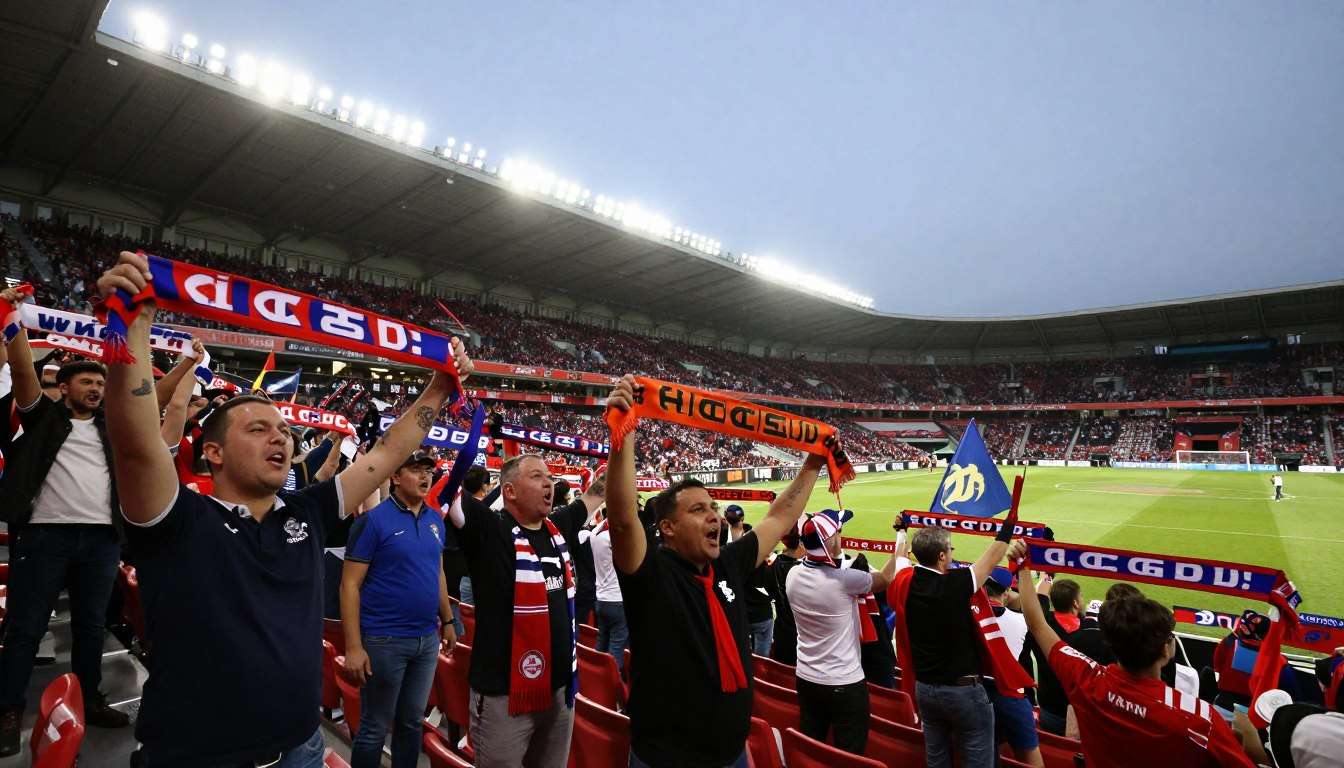
What Are Football Chants and Why Do They Matter
Football chants are rhythmic songs that fans sing during matches. These vocal expressions create atmosphere and demonstrate support for their team. Supporters use chants to encourage players, celebrate goals, and intimidate opponents.
The songs serve multiple purposes beyond simple entertainment. They build community among fans who share the same passion. Chants also establish territorial pride within home stadiums. This vocal tradition dates back over a century.
Modern football chants draw from various musical sources. Many adapt popular songs with modified lyrics. Others create original compositions specific to clubs or players. The best chants spread quickly through supporter groups and become part of football culture.
The Core Elements of Football Chants
Every effective chant contains specific components that make it memorable. The rhythm must be simple enough for thousands to sing together. Lyrics need to be easy to remember and repeat throughout ninety minutes.
Successful chants also connect to team identity. They reference club history, legendary players, or local culture. This personal touch transforms generic songs into meaningful anthems that resonate with supporters across generations.
How Chants Create Stadium Atmosphere
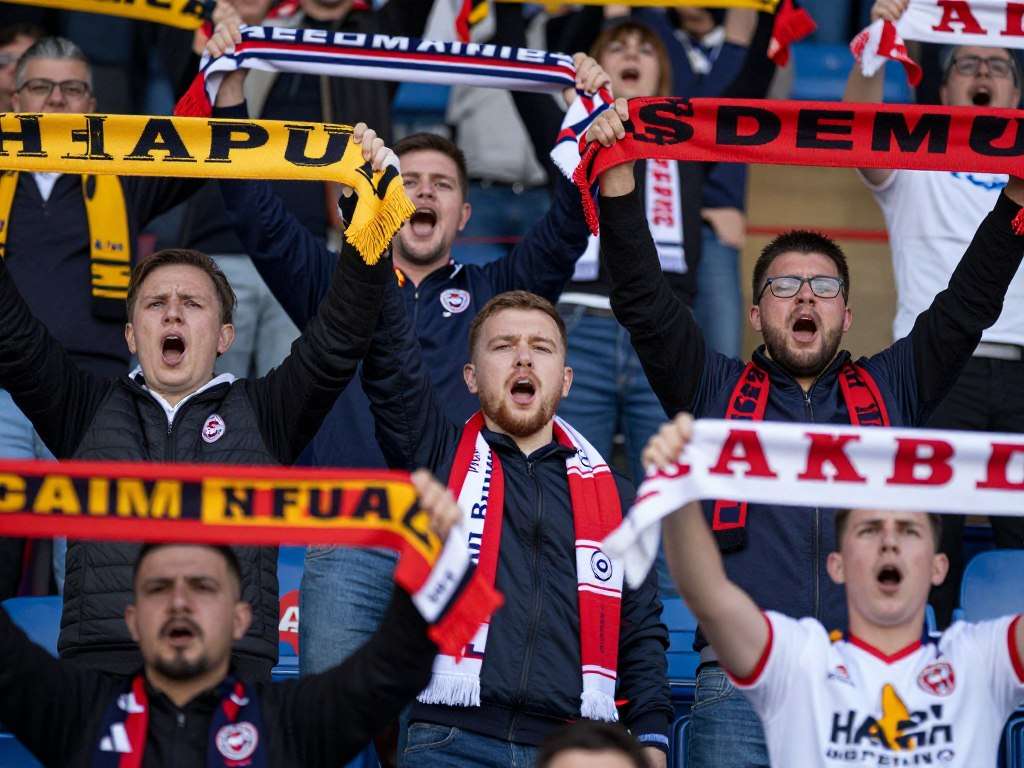
The collective voice of fans transforms stadiums into cauldrons of noise. When thousands sing in unison, the sound becomes physical. Players report feeling energized by supporter songs during crucial moments.
Different sections of stadiums often lead specific chants. These organized supporter groups coordinate songs to maintain constant noise. The back-and-forth between sections creates a dynamic soundscape that defines the matchday experience.
- Chants boost player morale and team performance
- Songs create intimidating atmospheres for visiting teams
- Rhythmic singing unifies diverse supporter groups
- Anthems preserve club history and traditions
- Chants distinguish one fan base from another
The History of Football Chants Through the Decades
Football chants emerged in the late 19th century alongside organized football. Early supporters gathered outside grounds singing music hall songs. These gatherings established the foundation for modern terrace culture.
The practice evolved significantly during the 1960s. Liverpool fans revolutionized supporter songs by adapting pop music hits. Their version of “You’ll Never Walk Alone” became the template for modern football anthems across the world.
Early Years and Traditional Hymns
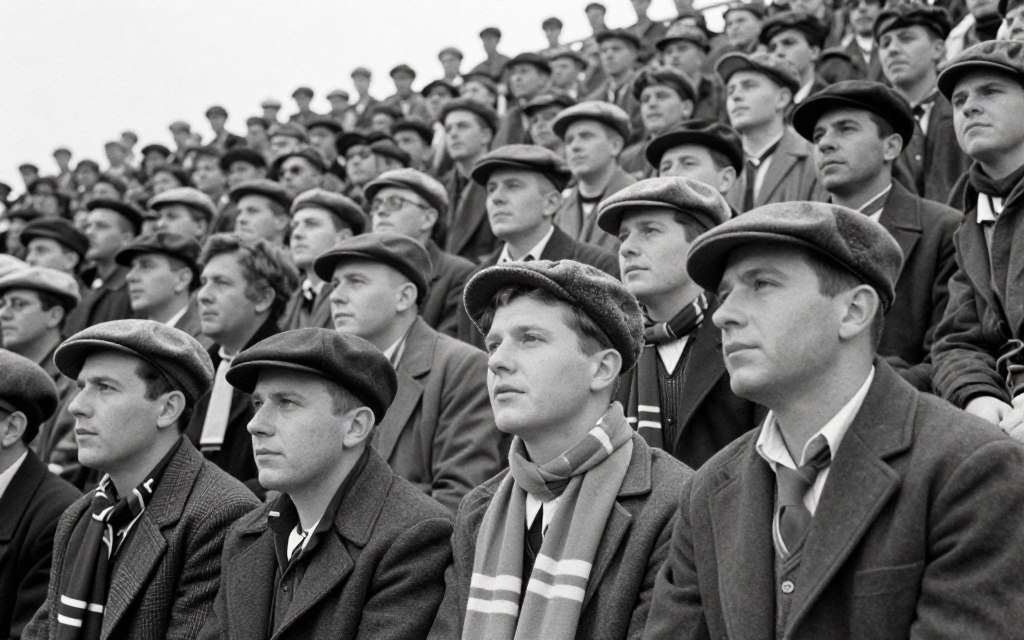
Victorian-era supporters sang religious hymns and patriotic songs. “Abide with Me” became associated with FA Cup finals since 1927. These solemn anthems reflected the era’s cultural values and community spirit.
Working-class communities viewed football as their sport. The songs they brought to stadiums came from pubs and music halls. This grassroots origin gave chants their distinctive character and authentic voice that persists today.
The 1960s Revolution
The Kop at Anfield changed everything. Liverpool supporters borrowed from Gerry and the Pacemakers, creating instant classics. Other clubs quickly adopted this model, adapting contemporary hits to express team pride and identity.
This period introduced call-and-response patterns. Different sections of crowds would answer each other, creating dialogue through song. The innovation spread throughout English football and eventually reached clubs worldwide.
Pre-1960s Characteristics
- Hymns and patriotic songs dominated
- Formal, traditional musical styles
- Limited lyrical creativity
- Brass bands often led singing
Post-1960s Evolution
- Pop music adaptations became standard
- Creative, witty lyrics emerged
- Organized supporter groups formed
- Chants became part of club identity
- International influence expanded
Modern Era and Global Spread
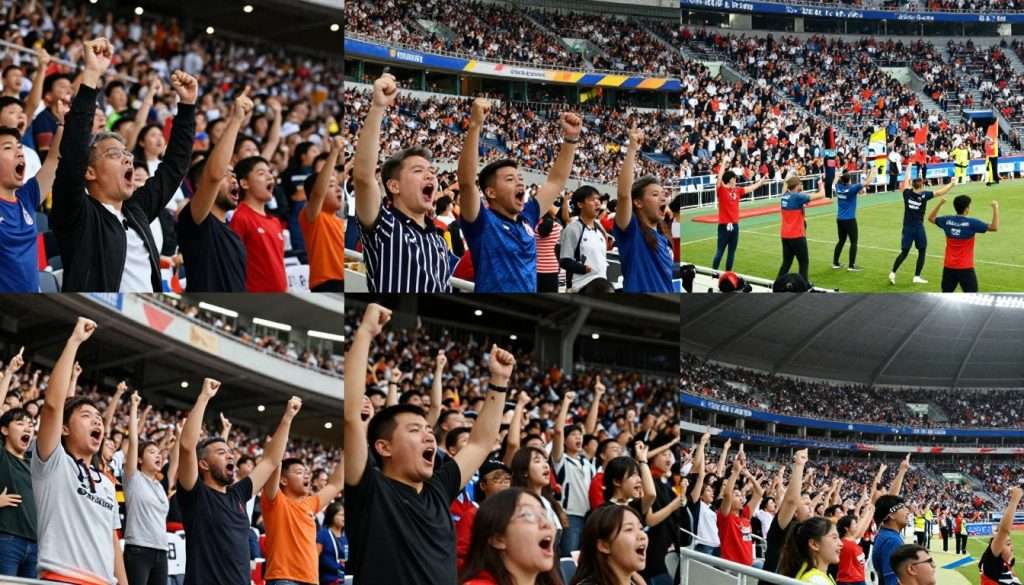
The 1990s witnessed football chants becoming global phenomena. Television broadcasts carried supporter songs to international audiences. Fans from different countries began sharing ideas and adapting successful chants to their own clubs.
The internet accelerated this cultural exchange. Supporters now share videos of impressive displays from around the world. This connectivity has created a global chant culture while maintaining local distinctiveness in different football nations.
Social media platforms transformed how quickly new chants spread. A clever song created by one supporter can reach thousands within hours. This rapid distribution means the best chants now achieve worldwide recognition in days rather than years.
Different Types of Football Chants and Songs
Football chants fall into distinct categories based on purpose and style. Each type serves a specific function during matches. Understanding these categories reveals the sophisticated culture behind supporter songs.
Club Anthems and Identity Songs
Every major club has signature anthems that define their identity. These songs play before matches and after victories. Supporters consider these anthems sacred, passing them down through generations of fans.
Club anthems often reference local geography or history. They celebrate the city or region the team represents. This geographical pride strengthens the connection between club and community that extends beyond football itself.
Classic Anthem Examples
- “You’ll Never Walk Alone” – Liverpool
- “Blue Moon” – Manchester City
- “I’m Forever Blowing Bubbles” – West Ham
- “Marching On Together” – Leeds United
Anthem Characteristics
- Emotional and uplifting melodies
- Strong connection to club history
- Sung at specific match moments
- Recognized globally by football fans
Cultural Impact
- Define club identity worldwide
- Unite fans across generations
- Create goosebump moments
- Attract new supporters to clubs
Player Tribute Chants
Supporters create songs to honor exceptional players. These tributes celebrate individual brilliance and loyalty. The best player chants become synonymous with the athletes themselves, lasting long after retirement.
Player songs often incorporate the footballer’s name into existing melodies. The lyrics highlight memorable moments or playing style. Hearing their personal chant motivates players and strengthens their bond with supporters.
Rivalry and Opposition Chants
Derby matches bring out the most creative and brutal chants. Supporters mock rival clubs with witty and sometimes harsh lyrics. These songs reference historical defeats, financial problems, or local stereotypes.
Rivalry chants serve psychological warfare purposes. They aim to unsettle opposing players and fans. The tradition of mocking rivals has existed since football’s earliest days and remains a controversial but integral part of the game.
Encouragement and Support Songs
During tense moments, fans sing encouraging chants. These songs lift player spirits when the team needs support most. Simple, repetitive phrases create walls of sound that push teams forward.
Support chants often include the team name repeated rhythmically. The simplicity allows all supporters to join immediately. This inclusive nature makes encouragement chants powerful tools for creating unity in challenging moments.
Goal Celebration and Victory Songs
Specific chants erupt immediately after goals. These celebration songs amplify the joy of scoring. Different clubs have distinct traditions for celebrating, making each goal unique to that supporter culture.
Victory songs dominate the final minutes when winning is secure. Fans celebrate anticipated success with triumphant anthems. These moments create lasting memories that supporters cherish for years afterward.
Most Famous Football Chants From Around the World
Certain chants transcend their clubs and become global phenomena. These songs are recognized by football fans everywhere. Their popularity stems from memorable melodies, clever lyrics, or historical significance.
Seven Nation Army: The Modern Universal Chant
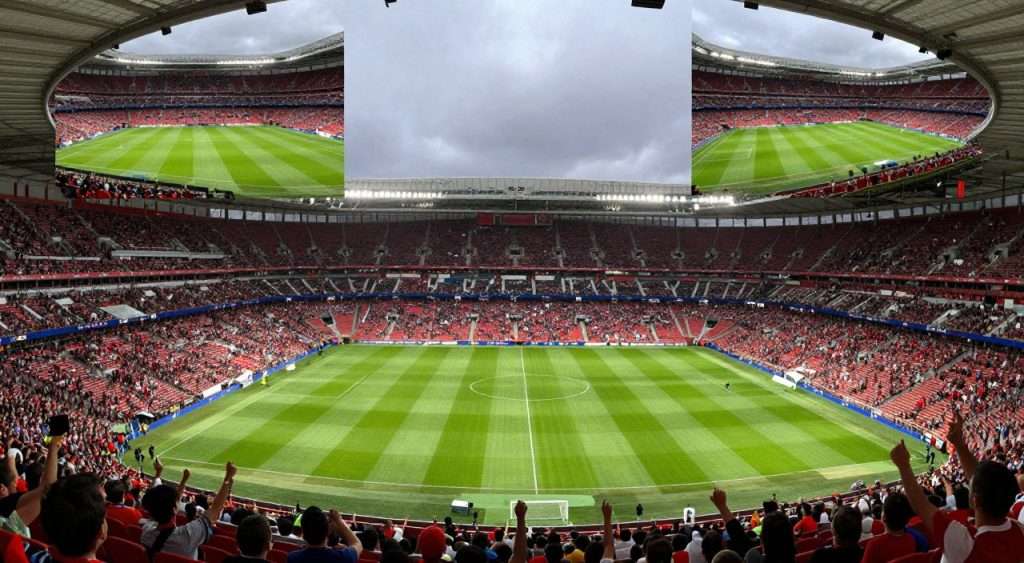
The White Stripes’ riff became football’s most universal chant. Fans across continents adopted the simple “oh-oh-oh” melody. Its origin traces to Belgian club fans during the 2006 World Cup, then spread globally.
Seven Nation Army demonstrates how quickly modern chants travel. Within years, the song appeared in stadiums worldwide. Clubs adapt the lyrics to their specific needs while maintaining the distinctive rhythm that makes it instantly recognizable.
The chant’s simplicity explains its success. Anyone can learn it within seconds. No complex lyrics or cultural knowledge required. This accessibility transformed Seven Nation Army into football’s closest thing to a universal language.
You’ll Never Walk Alone
Liverpool’s anthem remains football’s most emotionally powerful song. Originally from the musical Carousel, it became synonymous with the Kop. The song represents resilience, unity, and unwavering support through difficult times.
Other clubs adopted the anthem, but Liverpool’s version remains definitive. Hearing 50,000 fans sing before European nights at Anfield creates unforgettable moments. The song transcends sport, becoming a cultural symbol of solidarity and hope.
Allez Les Bleus and National Team Anthems
National team chants unite entire countries during major tournaments. “Allez Les Bleus” became France’s rallying cry during World Cup campaigns. The simple phrase captures national pride and collective aspiration perfectly.
The FIFA World Cup generates unique chants every tournament. Fans create songs celebrating their national teams and mocking opponents. These temporary anthems often fade after tournaments end, but the best become permanent parts of football culture.
World Cup football brings together diverse chanting traditions. South American supporters bring drums and continuous singing. European fans contribute structured songs and call-and-response patterns. This cultural exchange enriches global football culture.
European Classics
- “Ole Ole Ole” – Universal celebration
- “Stand Up for the Champions” – England
- “La Marseillaise” – France national anthem
- “Football’s Coming Home” – England tournaments
South American Passion
- “Olé, Olé, Olé, Olá” – Brazilian rhythm
- “Dale Campeón” – Argentine victory song
- Samba drum patterns and chants
- Continuous singing traditions
Global Phenomena
- Seven Nation Army melody
- Viking Clap from Iceland
- Will Grigg’s On Fire viral sensation
- Freed From Desire adaptations
City-Specific and Derby Chants
Local derbies produce the most creative and aggressive songs. Manchester United fans and Manchester City fans sing competing versions of the same melodies. The rivalry adds edge and wit that outsiders might miss without local context.
London clubs have particularly rich chant traditions. Arsenal, Tottenham, Chelsea, and West Ham fans create songs mocking each other. These hyper-local references might confuse international audiences but resonate powerfully with local supporters.
How Football Chants Are Created and Spread
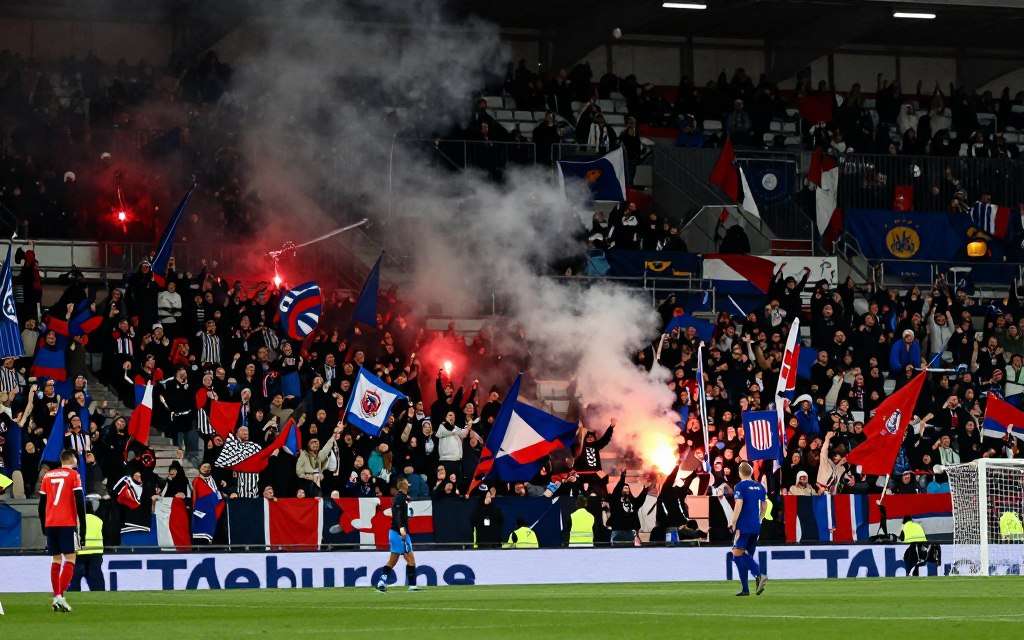
New chants often emerge spontaneously in pubs before matches. A creative supporter suggests lyrics over a popular melody. If others find it catchy, they repeat it. The best ideas spread naturally through supporter networks.
Organized supporter groups also deliberately create new songs. These fan clubs hold meetings to workshop chants for upcoming matches. They test different versions until finding one with the right rhythm and impact.
The Creative Process Behind New Chants
Creating an effective chant requires understanding what works in stadiums. The melody must be familiar enough that fans recognize it immediately. Lyrics need to be simple, repeatable, and relevant to current events or long-standing traditions.
Timing matters significantly. Chants about recent events gain traction quickly. References to last week’s victory or a new player signing feel fresh and exciting. This immediacy helps new songs spread faster than generic compositions.
Successful Chant Elements
- Recognizable melody from popular culture
- Simple, memorable lyrics
- Relevant to current team situation
- Easy to sing by large groups
- Distinctive from existing chants
- Appropriate length for repetition
Common Pitfalls to Avoid
- Overly complex melodies
- Too many words or verses
- Obscure references nobody understands
- Offensive content that crosses lines
- Poor rhythm that doesn’t work collectively
- Copying rivals too obviously
How Chants Spread Through Fan Communities
Social media accelerated chant distribution dramatically. A supporter films a new song at a match and posts it online. Within hours, fans worldwide see it. If they like it, they share with their own networks.
Away fans play crucial roles in spreading chants. Traveling supporters bring new songs back to their home stadiums. They teach local fans who missed away matches. This organic distribution creates nationwide adoption of successful chants.
Youth participation ensures chant longevity. Young supporters learn songs from older generations. They carry these traditions forward while adding their own creative touches. This generational transfer keeps football culture alive across decades.
The Role of Supporter Groups and Ultras
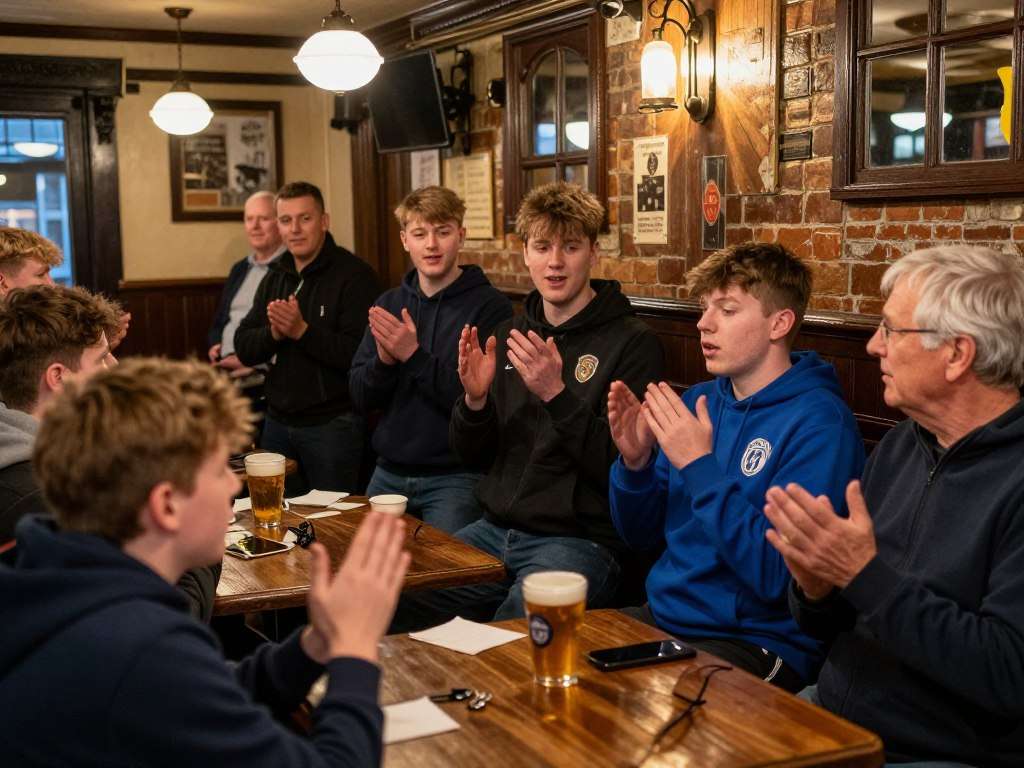
Organized supporter groups coordinate stadium atmosphere systematically. They designate song leaders who start chants. These groups practice timing and transitions to maintain constant noise throughout matches.
European ultras take this organization to extreme levels. They choreograph elaborate displays synchronized with specific songs. The preparation involves hundreds of members coordinating tifo displays, pyrotechnics, and continuous chanting.
British supporter culture differs from continental ultras. UK fans prefer spontaneous singing over choreographed displays. This contrast creates distinct atmospheres in different countries, though both traditions produce impressive vocal support.
Cultural Significance and Social Impact of Football Chants
Football chants represent more than entertainment. They express community identity and cultural values. The songs preserve local dialect, humor, and historical memory. This makes them important cultural artifacts beyond their sporting context.
Academics study chants to understand working-class culture and community bonds. The lyrics reveal social attitudes, political views, and regional pride. Anthropologists treat supporter songs as modern folk music deserving serious scholarly attention.
Chants as Community Identity
Supporting a club creates tribal belonging. The shared experience of singing together strengthens these bonds. People from different backgrounds unite through common songs and rituals repeated every matchday.
This communal identity provides psychological benefits. Supporters feel part of something larger than themselves. The collective voice creates powerful emotional experiences that isolated individuals cannot achieve alone.
Football Chants and National Identity
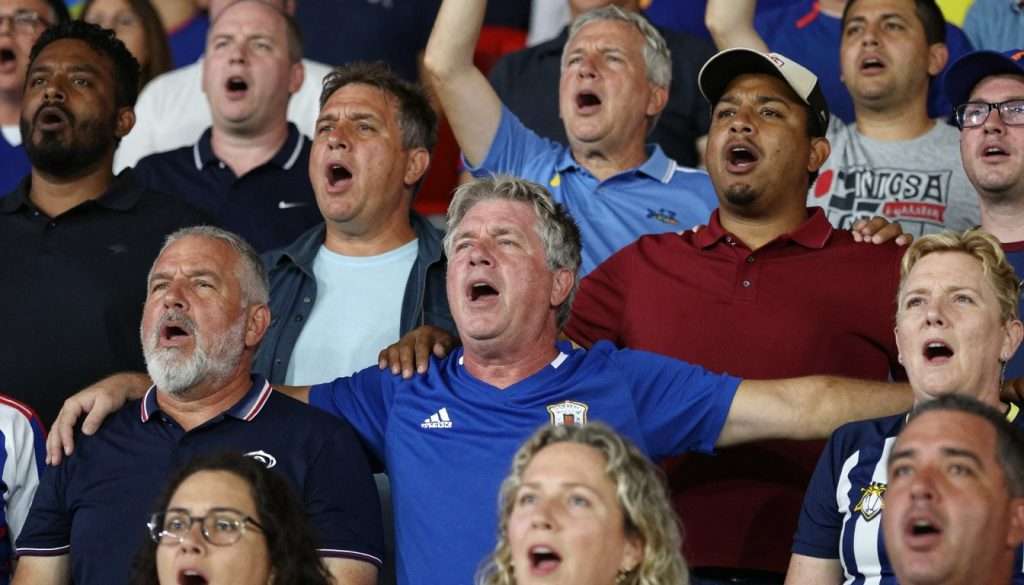
National team support amplifies chants’ cultural significance. During the World Cup, entire countries unite behind their teams. The songs become temporary national anthems expressing collective pride and aspiration.
England’s “Football’s Coming Home” exemplifies this phenomenon. Originally ironic, the song became a genuine expression of national hope during tournaments. Its evolution reflects how chants adapt to changing cultural contexts and collective emotions.
“When you hear 80,000 people singing the same song, you’re not just watching football. You’re witnessing cultural expression at its most raw and authentic. These moments define what it means to belong.”
Social Cohesion and Division
Chants simultaneously unite and divide. They bring club supporters together while creating antagonism toward rivals. This duality reflects sport’s role in society—creating positive community while channeling competitive aggression.
The tribal nature of football chants occasionally crosses into problematic territory. Some songs contain offensive language or discriminatory content. Football authorities constantly balance preserving authentic culture while eliminating genuinely harmful expressions.
Chants in Popular Culture
Football songs increasingly influence mainstream music. “Three Lions” topped UK charts multiple times. Artists collaborate with supporter groups to create official team anthems. This crossover demonstrates chants’ cultural relevance beyond stadiums.
Television and film use football chants to evoke specific emotions. The sound immediately establishes setting and atmosphere. This cultural shorthand proves how deeply these songs penetrate collective consciousness.
Football Chants at the FIFA World Cup and Major Tournaments
World Cup tournaments showcase global chanting diversity. Each nation brings unique musical traditions and singing styles. The FIFA World Cup becomes a cultural exchange where different supporter cultures meet and influence each other.
International tournaments create temporary chants tied to specific competitions. These songs capture tournament moments and player performances. While many fade afterward, the most memorable become permanent parts of football folklore.
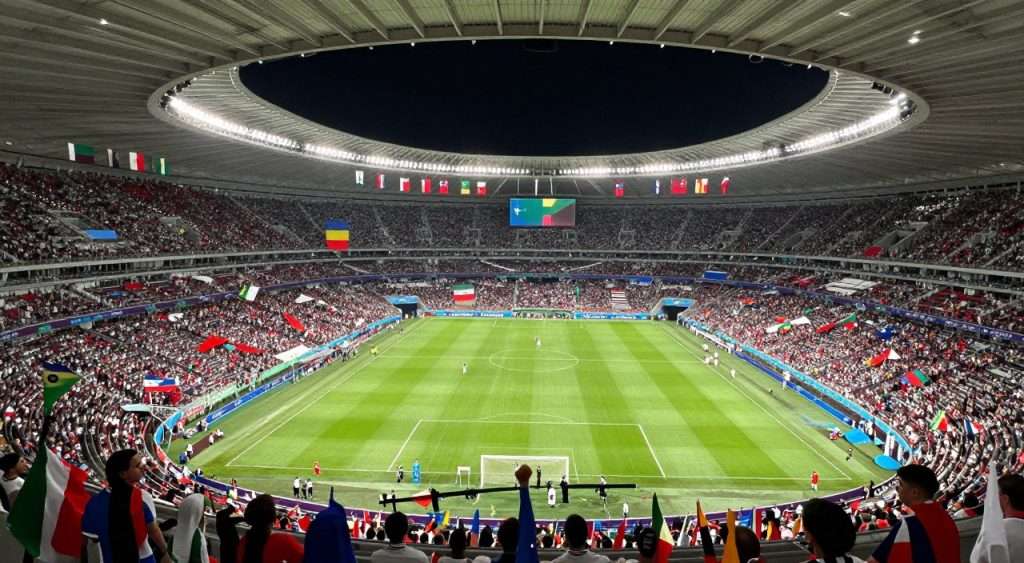
World Cup Chanting Traditions by Region
South American supporters bring carnival atmosphere to World Cup stadiums. Continuous drumming and dancing accompany their songs. Brazilian fans particularly excel at maintaining energy for entire matches regardless of score.
European supporters offer more structured chanting patterns. They favor call-and-response formats and coordinated timing. The contrast between European and South American styles creates fascinating cultural exchanges during tournaments.
African nations introduced unique rhythms and celebration styles to World Cup culture. Their chants often incorporate traditional music elements. This diversity enriches global football culture and inspires new hybrid chanting styles.
Memorable World Cup Chants Through History
Each World Cup produces iconic moments tied to specific chants. Iceland’s Viking Clap at the 2016 Euros and 2018 World Cup became global phenomena. The synchronized clapping and chanting demonstrated how small nations can make massive cultural impacts.
The 2014 World Cup in Brazil showcased that nation’s musical heritage. “Olé, Olé, Olé, Olá” echoed through stadiums worldwide. The infectious rhythm united fans from different countries in shared celebration of the beautiful game.
1990s Era
- “Nessun Dorma” – Italy 1990 theme
- “World in Motion” – England 1990
- “Carnival de Paris” – France 1998
2000s Era
- “Wavin Flag” – 2010 South Africa
- “Waka Waka” – 2010 theme song
- Vuvuzela sounds integrated into chants
2010s-Present
- “La La La” – 2014 Brazil official song
- Viking Clap global spread
- Social media viral chants
How Tournaments Influence Club Chanting
Successful World Cup songs often return to club football. Players who perform well at tournaments receive new chants referencing their international exploits. This cross-pollination keeps club chanting culture fresh and connected to broader football narratives.
Tournament exposure also introduces foreign chants to domestic leagues. English fans might adopt a melody heard during the World Cup. This global exchange accelerates chant evolution and creates increasingly international supporter culture.
Regional Variations in Football Chanting Culture
Each football nation developed distinct chanting traditions reflecting local culture. British supporters pioneered modern football songs but each region added unique characteristics. Understanding these variations reveals how geography shapes supporter expression.
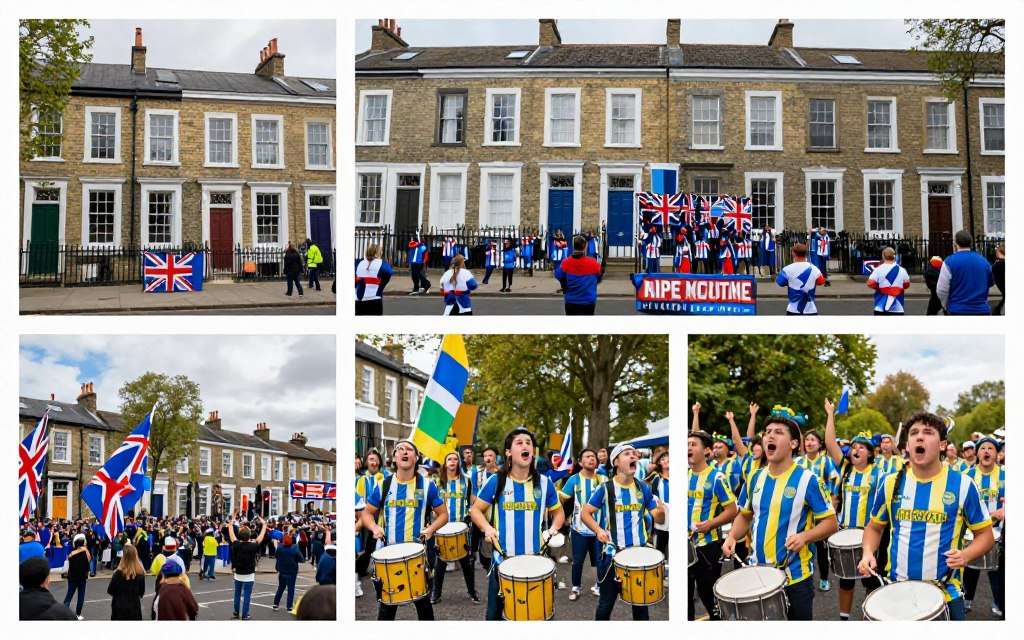
British Terrace Culture
English football chants emphasize wit and humor. Supporters pride themselves on clever wordplay and quick responses to match events. This linguistic creativity reflects British cultural values around banter and verbal sparring.
Scottish fans developed similar traditions with distinctive regional flavor. Their songs often reference Scottish identity and independence themes. Glasgow derbies between Celtic and Rangers produce particularly intense vocal displays with deep historical and religious significance.
That passion also extends to Scotland’s national team, where the Tartan Army has developed its own distinctive matchday traditions. Supporters combine songs, flags and national colours to create a strong sense of unity, particularly during international fixtures. Fans looking to represent their country can explore Scotland kits at SoccerLord, with football shirts providing another way to express the national pride reflected in the chants heard throughout the stands.
Welsh and Northern Irish supporters add Celtic musical influences to British chanting traditions. Their songs incorporate folk melodies and traditional instruments. This regional diversity within the UK demonstrates how local culture shapes supporter expression.
Continental European Ultras Movement
Italian ultras created highly organized supporter culture. They choreograph elaborate visual displays synchronized with chants. Drums provide rhythmic foundation for continuous singing throughout matches.
German fan culture balances passion with social responsibility. Their chants address political issues and community concerns. Standing sections create intense atmospheres while maintaining safer environments than some other European leagues.
Eastern European supporters developed particularly intense chanting styles. Massive choreographed displays and pyrotechnics accompany their songs. The dedication and organization rival anything seen in Western Europe.
South American Passion and Carnival Atmosphere
Brazilian supporters treat matches as carnival celebrations. Samba rhythms dominate their chanting style. Continuous percussion and dancing create nonstop energy regardless of match circumstances.
Argentine fans developed the “aguante” culture—continuous support proving dedication. Their songs never stop, demonstrating unwavering loyalty even during defeats. This philosophy influences supporter culture throughout South America.
North American Soccer Culture Evolution
Major League Soccer supporters consciously built chanting culture inspired by European and South American traditions. Supporter groups created original songs while adapting international favorites. The growth demonstrates how deliberate effort can establish new traditions.
American fans face unique challenges building atmosphere in larger, more spread-out stadiums. Designated supporter sections concentrate vocal fans to maximize impact. This pragmatic approach reflects American sporting culture’s organizational tendencies.
Asian and African Emerging Traditions
Asian football nations blend local musical traditions with imported chanting styles. Japanese supporters created unique choreographies combining discipline with passion. Their organized yet enthusiastic approach reflects broader cultural values.
African supporters bring drumming traditions and call-and-response patterns from indigenous cultures. Their chants incorporate local languages and musical scales. This authentic integration creates distinctive supporter experiences unlike anywhere else worldwide.
Psychology Behind Chants and Their Impact on Performance
Scientific research confirms what fans instinctively know—chanting affects match outcomes. The noise creates tangible home advantage by influencing referee decisions and player psychology. Understanding these mechanisms reveals chants’ practical importance beyond cultural value.
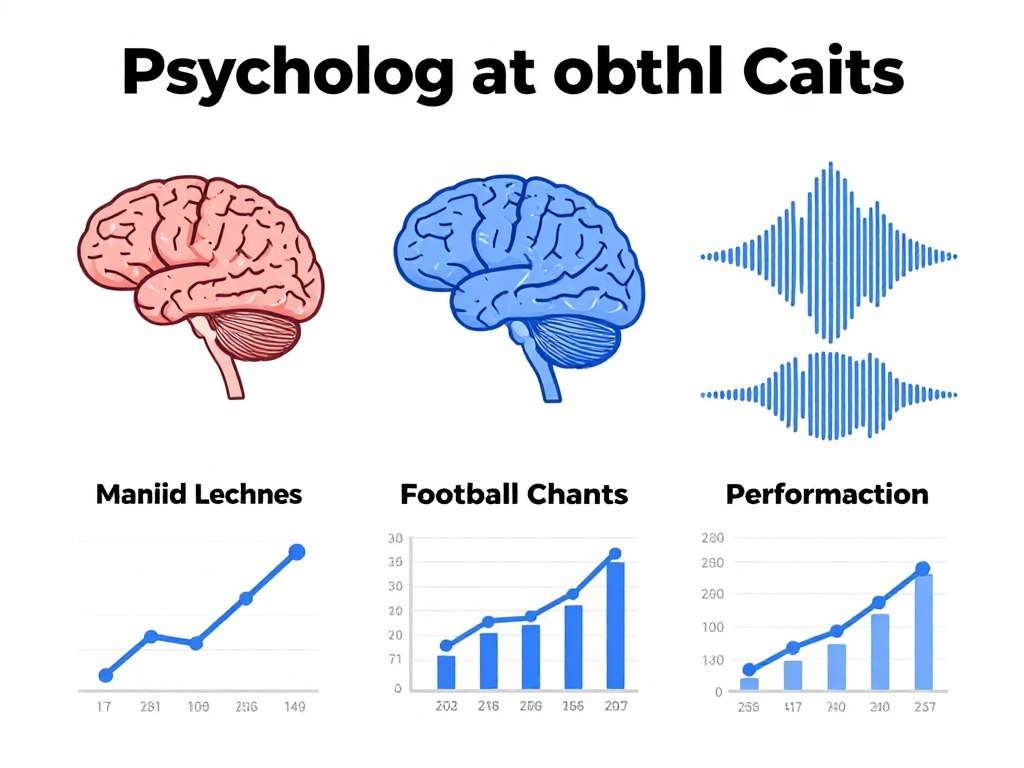
The Science of Home Advantage
Statistical analysis proves home teams win more frequently across all competitions. Crowd noise contributes significantly to this advantage. Players perform better with vocal support while visitors experience increased stress and pressure.
Referee psychology also plays a role. Studies show officials make more decisions favoring home teams in front of loud crowds. The unconscious bias stems from social pressure and desire to avoid hostile crowd reactions.
Positive Effects on Home Players
- Increased adrenaline and energy levels
- Enhanced confidence and risk-taking
- Better concentration during crucial moments
- Reduced perception of physical fatigue
- Stronger emotional resilience
Negative Effects on Away Players
- Elevated stress and anxiety levels
- Reduced communication effectiveness
- Impaired decision-making under pressure
- Increased error rates in hostile environments
- Faster onset of mental fatigue
Collective Behavior and Social Identity Theory
Singing together triggers powerful psychological mechanisms. Group synchrony creates emotional bonding between strangers. This explains why supporters feel connected to fellow fans they’ve never met.
Social identity theory explains chanting’s psychological appeal. Individuals derive self-esteem from group membership. Participating in collective songs reinforces belonging and validates personal identity through shared ritual.
Player Testimonials on Chant Impact
Professional players consistently describe how supporter songs affect their performance. They report feeling physically stronger when thousands sing their names. This psychological boost provides measurable performance enhancement during matches.
Opposing players confirm the intimidation factor. Walking into hostile stadiums filled with aggressive chanting creates genuine fear. Managing these emotions requires mental strength and experience that younger players often lack.
“Hearing ‘You’ll Never Walk Alone’ from the Kop before European nights gave us an extra player on the pitch. The hair on your neck stands up, and you feel invincible. Those moments defined my career.”
Controversial Aspects and Ethical Considerations
Football chants occasionally cross ethical boundaries. Some songs contain offensive language, discriminatory content, or inappropriate references. Football authorities struggle balancing authentic supporter culture with necessary standards for inclusive environments.
Discriminatory Chants and Racism
Racist chanting remains football’s persistent shame. Despite decades of anti-racism campaigns, incidents continue occurring worldwide. Authorities impose fines and stadium closures, but cultural change proves difficult to enforce through punishment alone.
The problem requires comprehensive approaches addressing underlying prejudices. Educational programs, severe sanctions, and cultural shift all play necessary roles. Progress happens slowly, but modern football shows measurably less tolerance for discrimination than previous generations.
Offensive Language and Vulgarity
Many traditional chants contain profanity and crude references. This creates tension between authentic expression and family-friendly atmospheres. Clubs face pressure to sanitize supporter culture without destroying its essential character.
Different cultures draw lines in different places. What seems acceptable in one country offends audiences elsewhere. This complicates international competitions where diverse cultural standards collide in shared spaces.
Violence and Aggression in Chants
Some songs explicitly threaten violence against rivals. These chants can incite actual physical confrontations between opposing fans. Authorities monitor lyrics closely and ban songs deemed likely to provoke disorder.
Critics argue banning songs drives the problem underground rather than solving it. Supporters continue singing prohibited chants away from cameras. This cat-and-mouse game between authorities and fans creates ongoing tension.
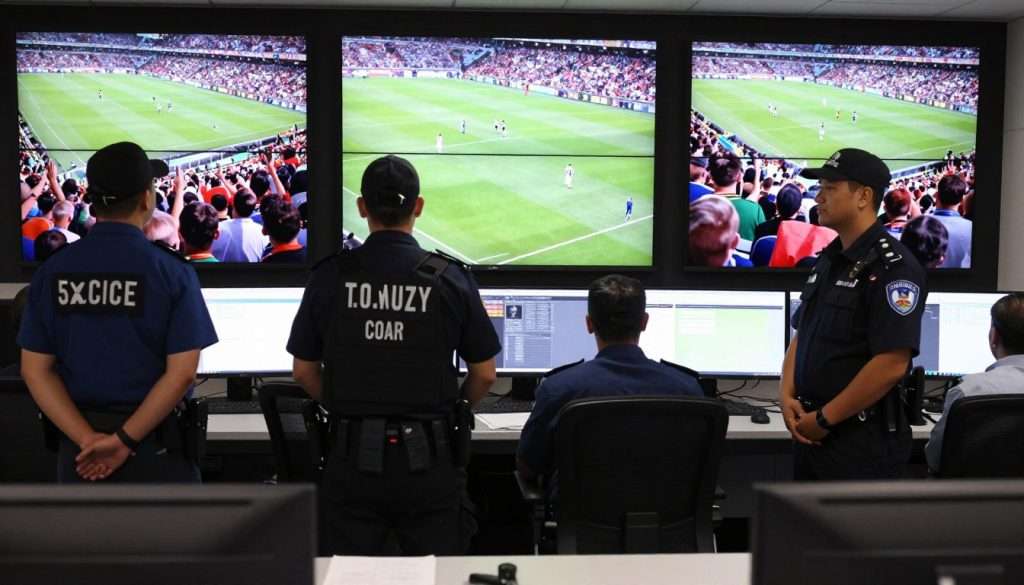
Finding Balance Between Tradition and Progress
Football must preserve authentic supporter culture while eliminating genuinely harmful elements. This requires nuanced understanding of context and intent. Not all controversial chants carry equal moral weight or deserve identical responses.
Supporter groups increasingly self-police their members. They recognize that defending indefensible behavior damages their credibility. This grassroots change proves more effective than top-down enforcement alone.
The future depends on continuous dialogue between clubs, authorities, and supporter groups. Mutual respect and understanding can preserve what makes football culture special while evolving beyond outdated and harmful expressions.
Modern Evolution and Digital Age Impact
Technology transformed how chants develop and spread. The digital age accelerated chant evolution while creating new challenges for traditional supporter culture. Understanding these changes reveals football culture’s ongoing adaptation to contemporary life.
Social Media and Viral Chants
Twitter, TikTok, and YouTube allow chants to spread globally within hours. A clever song created at a Tuesday night match can trend worldwide by Wednesday morning. This virality rewards creativity and punishes poor attempts more quickly than ever before.
Fans now compete for attention across platforms. Creating memorable chants brings social media fame and recognition. This incentivizes innovation but also encourages attention-seeking stunts over organic cultural development.

Commercial Pressures and Sanitization
Modern stadiums cater to corporate hospitality and family audiences. This economic reality pressures clubs to control supporter behavior. Traditional rough edges get smoothed away, concerning purists who value authentic working-class culture.
Premium pricing excludes traditional working-class supporters from many grounds. The demographic shift changes stadium atmosphere as passionate locals are replaced by tourists and corporate guests. This gentrification threatens the very culture that attracted new audiences initially.
Preserving Tradition in Contemporary Football
Supporter trusts and fan organizations work to preserve traditional chanting culture. They document classic songs and teach younger generations. This conscious preservation effort acknowledges that organic transmission alone no longer suffices.
Safe standing sections represent one solution to atmosphere decline. Allowing supporters to stand recreates conditions that historically produced best atmospheres. Clubs implementing safe standing report noticeable atmosphere improvements.
Digital Age Advantages
- Rapid global chant distribution
- International supporter community building
- Archival preservation of classic songs
- Cross-cultural inspiration and exchange
Digital Age Challenges
- Commercialization reducing authenticity
- Tourist attendance diluting atmosphere
- Stadium design prioritizing profit over fans
- Performative support replacing genuine passion
Future Directions
- Safe standing area expansion
- Supporter ownership models
- Digital communities complementing physical attendance
- Balance between tradition and progress
Women’s Football and Expanding Chanting Culture
Women’s football growth brings new dimensions to chanting culture. Female supporters create their own traditions while adapting existing songs. The expansion demonstrates chanting’s universality beyond traditional male-dominated spaces.
Women’s teams develop signature chants celebrating players and achievements. These songs build distinct identities separate from men’s teams. The parallel evolution enriches overall football culture and expands who participates in creating it.
How to Learn and Participate in Football Chants
New supporters often feel intimidated joining established chanting cultures. Learning when to sing specific songs and how to time contributions takes experience. However, supporter groups welcome enthusiastic newcomers willing to learn traditions.

Getting Started as a New Supporter
Start by attending matches and listening carefully. Identify repeated songs and learn lyrics gradually. Most chants use simple words repeated frequently, making memorization relatively easy with regular attendance.
Join supporters in singing once you recognize a chant. Nobody expects perfection from new participants. The collective voice drowns individual errors, allowing you to learn without embarrassment.
Tips for New Chanters
- Arrive early to hear pre-match songs
- Stand in traditional singing sections
- Don’t be shy—join in confidently
- Learn your club’s main anthems first
- Follow the lead of experienced fans
- Respect traditions and timing
Common Beginner Mistakes
- Starting chants at wrong moments
- Singing rival club songs by accident
- Using outdated or banned chants
- Singing solo when others have stopped
- Not respecting silence for injuries
- Recording instead of participating
Understanding Chant Timing and Context
Experienced supporters know which songs suit different match situations. Celebration chants follow goals while encouragement songs lift teams during struggles. Learning this contextual awareness separates knowledgeable fans from casual observers.
Some chants have specific triggers—certain players touching the ball or particular scorelines. These contextual songs create inside jokes and shared moments between regular attendees. Learning them requires time and observation.
Joining Supporter Groups and Organizations
Official supporter clubs offer structured introduction to chanting culture. They organize pre-match gatherings where members practice songs together. These groups provide welcoming environments for learning traditions in supportive settings.
Online communities complement physical attendance. Fan forums and social media groups share lyrics, videos, and historical context. These resources help supporters learn between matches and connect with fellow fans worldwide.
Creating Your Own Chants
Original chants require understanding what works in stadium environments. Choose familiar melodies everyone recognizes. Write simple lyrics referencing current events or beloved players. Test ideas with friends before introducing them at matches.
Patience matters when introducing new chants. Start singing with a small group and repeat consistently. If the song resonates, others will join naturally. Forcing adoption never works—quality ideas spread organically.
The Complete Matchday Chanting Experience
Chanting begins long before kickoff. Pubs near grounds fill with supporters hours early, warming up voices and building excitement. These pre-match gatherings establish atmosphere that continues through final whistle and beyond.
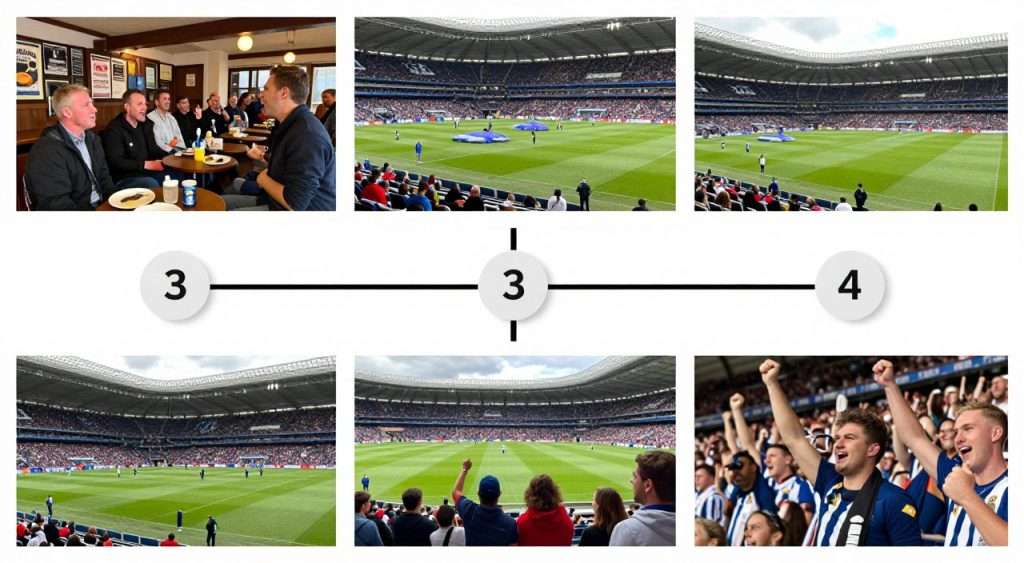
Pre-Match Rituals and Pub Culture
Traditional matchday starts in supporter pubs. Fans gather hours before kickoff, singing club anthems over drinks. These sessions serve social functions beyond football—strengthening community bonds and maintaining traditions across generations.
The walk to the stadium continues vocal preparation. Supporters march together singing, announcing their presence to the city. This procession builds collective energy while intimidating arriving opposition fans.
Inside the Stadium: From Warmup to Final Whistle
Pre-match anthems begin as teams warm up. Each club has signature songs played over loudspeakers. Supporters then take over vocally, drowning out recorded music with authentic human voices.
The atmosphere intensifies as kickoff approaches. Main anthems ring out, creating goosebump moments. Players emerge from tunnels to walls of sound that set the tone for the entire match.
During play, chanting ebbs and flows with match action. Encouragement during attacks, celebration after goals, defiance when defending. The soundtrack constantly adapts to on-field events, creating dynamic atmosphere.
Peak Moments and Special Occasions
Derby matches produce maximum vocal intensity. Supporters understand rivalry significance and respond with sustained noise. The atmosphere at these fixtures exceeds regular season matches dramatically.
European nights bring different energy to grounds. Continental competition adds prestige that elevates supporter performances. Clubs develop specific European chants used only for these special occasions.
Title-deciding matches and cup finals create once-in-a-lifetime atmospheres. Supporters recognize historical significance and rise to the occasion. These peak experiences define memories supporters cherish forever.
Post-Match Continuation
Victory songs dominate after positive results. Supporters celebrate wins long after leaving stadiums. The singing continues in pubs, trains, and streets—extending the matchday experience hours beyond the final whistle.
Even after defeats, certain songs affirm continued support. These expressions of loyalty demonstrate the unconditional nature of true fandom. The commitment to sing regardless of results defines genuine supporter culture.
Most Iconic Stadiums for Chanting Atmosphere
Certain grounds developed legendary reputations for supporter atmosphere. These stadiums combine architectural design, fan passion, and tradition to create unforgettable experiences. Understanding what makes them special reveals the elements that produce great atmospheres.
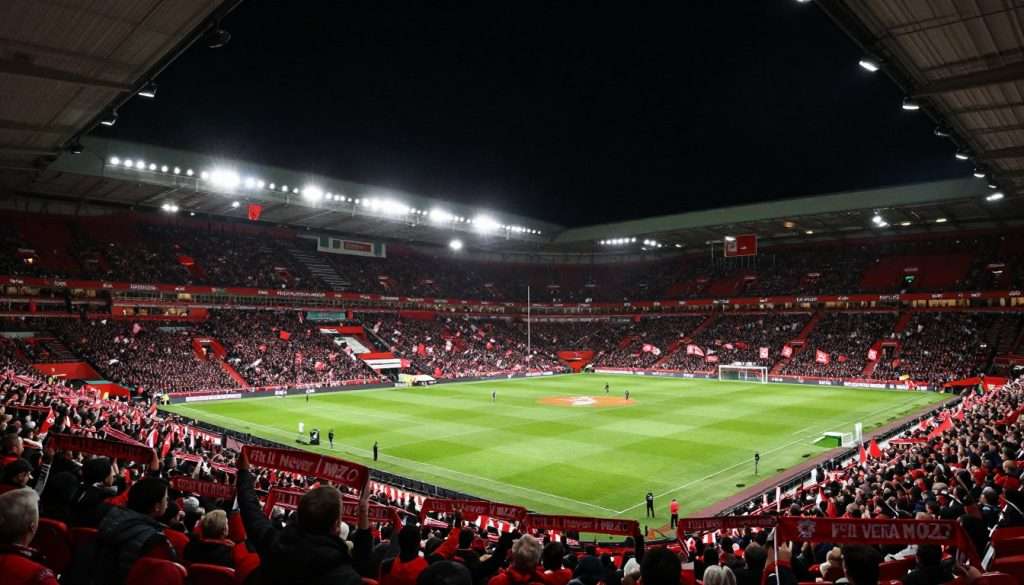
Anfield and the Legendary Kop
Liverpool’s Anfield set the global standard for football atmospheres. The Kop end created the template modern supporter culture follows. Their adoption of “You’ll Never Walk Alone” became football’s most iconic chanting moment.
European nights at Anfield produce unmatched atmospheres. The combination of history, passionate support, and architectural acoustics creates intimidating environments. Opposing players and managers consistently cite Anfield as their most challenging away venue.
Signal Iduna Park and the Yellow Wall
Borussia Dortmund’s standing terrace holds 25,000 supporters creating football’s largest single-tiered stand. The Yellow Wall produces constant noise and spectacular visual displays. Their synchronized singing and choreography set continental standards.
German fan culture’s organization and passion combine perfectly in Dortmund. Safe standing allows intensity while maintaining security. The model proves passionate atmospheres don’t require sacrificing safety or family accessibility.
La Bombonera and South American Intensity
Boca Juniors’ stadium in Buenos Aires defines South American supporter culture. The stands literally shake from coordinated jumping and singing. Visiting players describe the experience as genuinely frightening.
La Bombonera’s unique architecture amplifies crowd noise. The steep stands place supporters close to the pitch, creating claustrophobic intensity. Combined with Argentine passion, the atmosphere becomes overwhelming for opponents.
European Cathedrals
- Anfield – Liverpool
- Signal Iduna Park – Dortmund
- Celtic Park – Glasgow
- San Siro – Milan
South American Passion
- La Bombonera – Buenos Aires
- Maracanã – Rio de Janeiro
- Monumental – Buenos Aires
- Estadio Centenario – Montevideo
Emerging Atmospheres
- Lumen Field – Seattle
- Fenerbahçe Şükrü Saracoğlu – Istanbul
- Velodrome – Marseille
- Ibrox – Glasgow
What Makes a Great Chanting Venue
Architecture significantly impacts atmosphere. Enclosed roof designs trap noise, amplifying crowd volume. Steep stands bring supporters closer to the action, increasing perceived intensity.
Standing areas allow more dynamic supporter movement. Fans can jump, sway, and move with chants more naturally than seated spectators. This physical freedom enhances vocal performance and visual spectacle.
Tradition and history also contribute intangibly. Stadiums with decades of supporter memories create self-perpetuating atmospheres. New fans feel pressure to maintain standards set by previous generations.
The Future of Football Chants and Supporter Culture
Football chanting faces both opportunities and threats in coming years. Technology, commercialization, and demographic changes will reshape how supporters express themselves. However, the fundamental human need for collective expression ensures chanting culture will endure.
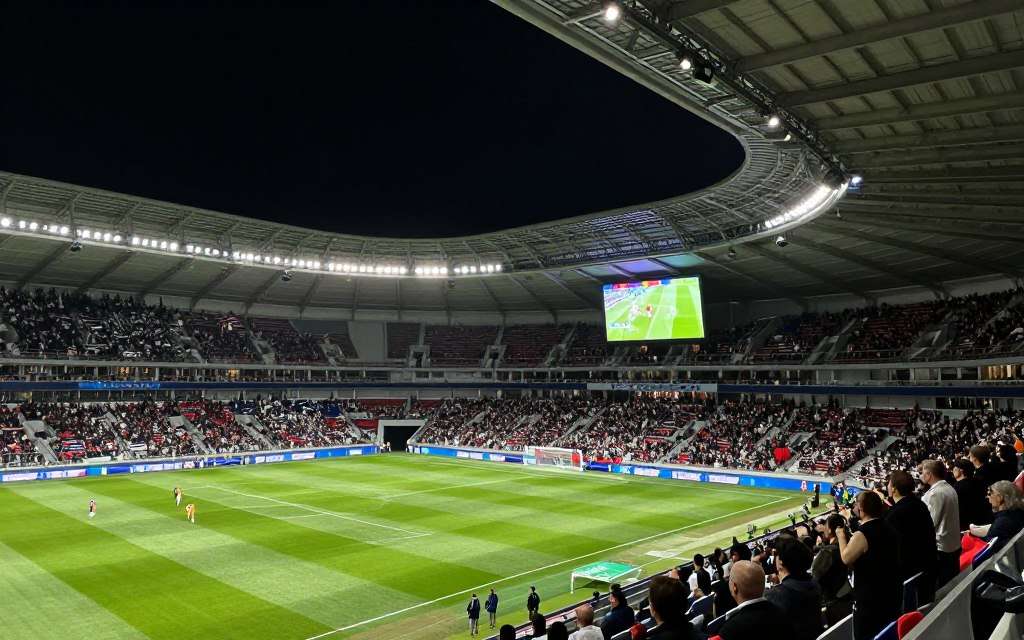
Technology Integration and Innovation
Augmented reality might soon enhance matchday experiences. Imagine smartphone apps displaying synchronized lyrics or historical context for chants. Technology could educate new supporters while preserving traditions for future generations.
However, over-reliance on technology threatens authentic culture. Manufactured atmospheres using loudspeakers and forced participation lack genuine passion. The challenge involves using technology to supplement rather than replace organic supporter expression.
Globalization and Cultural Exchange
International supporters bring fresh perspectives to traditional clubs. Global fan bases create hybrid chanting styles mixing local traditions with imported influences. This evolution enriches culture while occasionally creating tension with traditional supporters.
The rise of international supporter clubs spreads football culture worldwide. Fans in distant countries adopt and adapt songs from their favorite teams. This globalization demonstrates football’s universal language transcending geographic and cultural boundaries.
Youth Engagement and Cultural Transmission
Ensuring young people learn and value chanting traditions requires deliberate effort. Clubs must create pathways for youth participation in supporter culture. School programs and junior supporter sections help transmit traditions to new generations.
Young supporters also drive innovation. They bring fresh energy and creative ideas that revitalize traditional cultures. Balancing respect for history with openness to evolution defines successful cultural transmission.
Predictions for Next Decade
- Increased emphasis on safe standing areas across leagues
- Greater female participation in supporter culture
- Technology-enhanced lyric sharing and education
- Stricter enforcement against discriminatory chanting
- Growth of supporter ownership models protecting fan culture
- Hybrid online-offline supporter communities emerging
- Climate activism integrated into supporter movements
Sustainability of Traditional Culture
Commercial pressures threaten traditional working-class supporter culture. Rising ticket prices exclude the demographics that historically created chanting traditions. Clubs must balance financial objectives with maintaining authentic atmospheres that attract fans initially.
Supporter ownership models offer one solution. Fan-owned clubs prioritize atmosphere and tradition over maximum profit. These alternative structures prove sustainable while preserving cultural elements that make football special.
The future depends on recognizing supporter culture’s value beyond economics. Atmospheres created by passionate fans represent competitive advantages and brand differentiation. Smart clubs will invest in maintaining and developing their unique supporter cultures.
Resources for Learning More About Football Chants
Numerous resources exist for supporters wanting to deepen their understanding of chanting culture. Books, documentaries, and online communities provide access to knowledge accumulated over decades. These resources help preserve traditions while making them accessible to new generations.
Books and Academic Research
Several academic texts explore football chanting from cultural and sociological perspectives. These scholarly works treat supporter songs as legitimate subjects worthy of serious analysis. Reading them provides deeper understanding of cultural significance beyond surface entertainment.
Popular histories offer more accessible entries into the topic. These books combine storytelling with cultural analysis, making complex ideas understandable for general audiences. They document specific clubs and supporter movements, preserving important historical records.
Documentary Films and Media
Documentary filmmakers increasingly focus on supporter culture. These visual records capture atmospheres and emotional experiences that text cannot fully convey. Watching them provides vicarious participation in famous chanting moments from football history.
Football podcasts frequently discuss supporter culture and memorable chants. These audio formats allow deep dives into specific songs, rivalries, and traditions. The conversational format makes learning enjoyable while building community among listeners.
Online Communities and Forums
Fan websites maintain lyric databases and historical archives. These volunteer-run resources preserve chants that might otherwise disappear as older supporters pass away. They perform valuable cultural preservation work often underappreciated by mainstream football.
Social media groups connect supporters globally. Fans share videos of impressive atmospheres and discuss chanting traditions from different clubs. These communities facilitate cultural exchange and mutual learning across geographical boundaries.
Recommended Reading
- “Among the Thugs” – Bill Buford
- “The Football Man” – Arthur Hopcraft
- “Football Chants and Songs” collections
- Academic journals on fan culture

Essential Viewing
- “Zulu: The Only Football Film” documentary
- “The World Game” series on supporter culture
- Club-specific documentary features
- YouTube channels dedicated to atmospheres
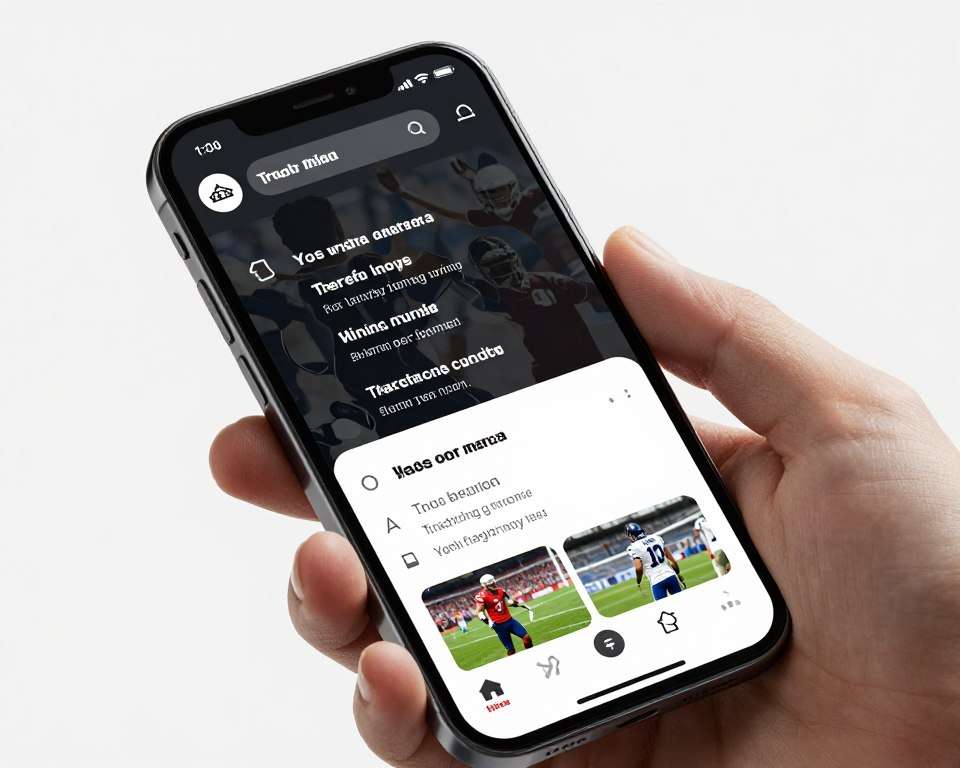
Digital Communities
- Club-specific supporter forums
- Reddit football culture communities
- Twitter fan accounts and hashtags
- Facebook supporter groups worldwide
Museums and Physical Archives
Football museums increasingly recognize supporter culture’s importance. Exhibits document chanting traditions alongside playing history. These institutions preserve artifacts and recordings for future generations.
Club museums often feature sections on famous atmospheres and supporter movements. Visiting these spaces provides tangible connections to historical moments. They help supporters understand their place in continuing traditions spanning decades.
The Enduring Power of Football Chants
Football chants represent far more than simple songs sung at matches. They embody community, identity, and collective passion expressed through human voices united in common purpose. These traditions connect past generations to present supporters while building foundations for future fans.
From the terraces of English stadiums to the World Cup’s global stage, chants create atmosphere that defines the football experience. They motivate players, intimidate opponents, and forge bonds between strangers who share nothing except love for their team.
The culture continues evolving as new supporters add their voices to century-old traditions. Technology changes how chants spread, but fundamental human needs for belonging and expression remain constant. This ensures football songs will echo through stadiums for generations to come.
Whether you sing from the Kop, the Yellow Wall, or your local club’s home end, you participate in living culture that transcends sport. Every voice matters in the collective chorus that makes football the world’s most passionate game.
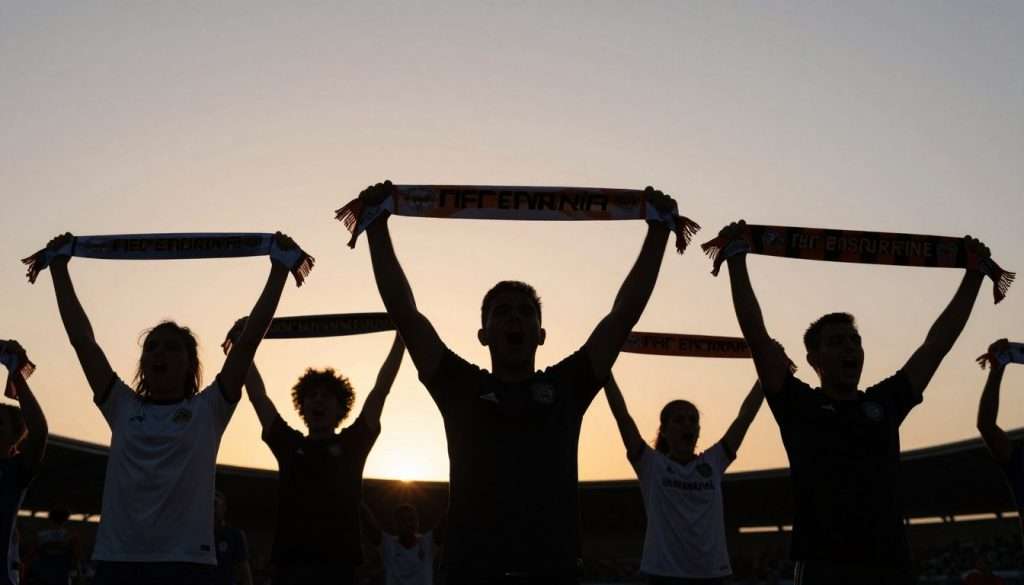
Join the Global Football Community
Don’t experience football culture alone. Connect with passionate supporters worldwide, share your matchday stories, and discover chanting traditions from clubs across the globe.


Leave A Comment