
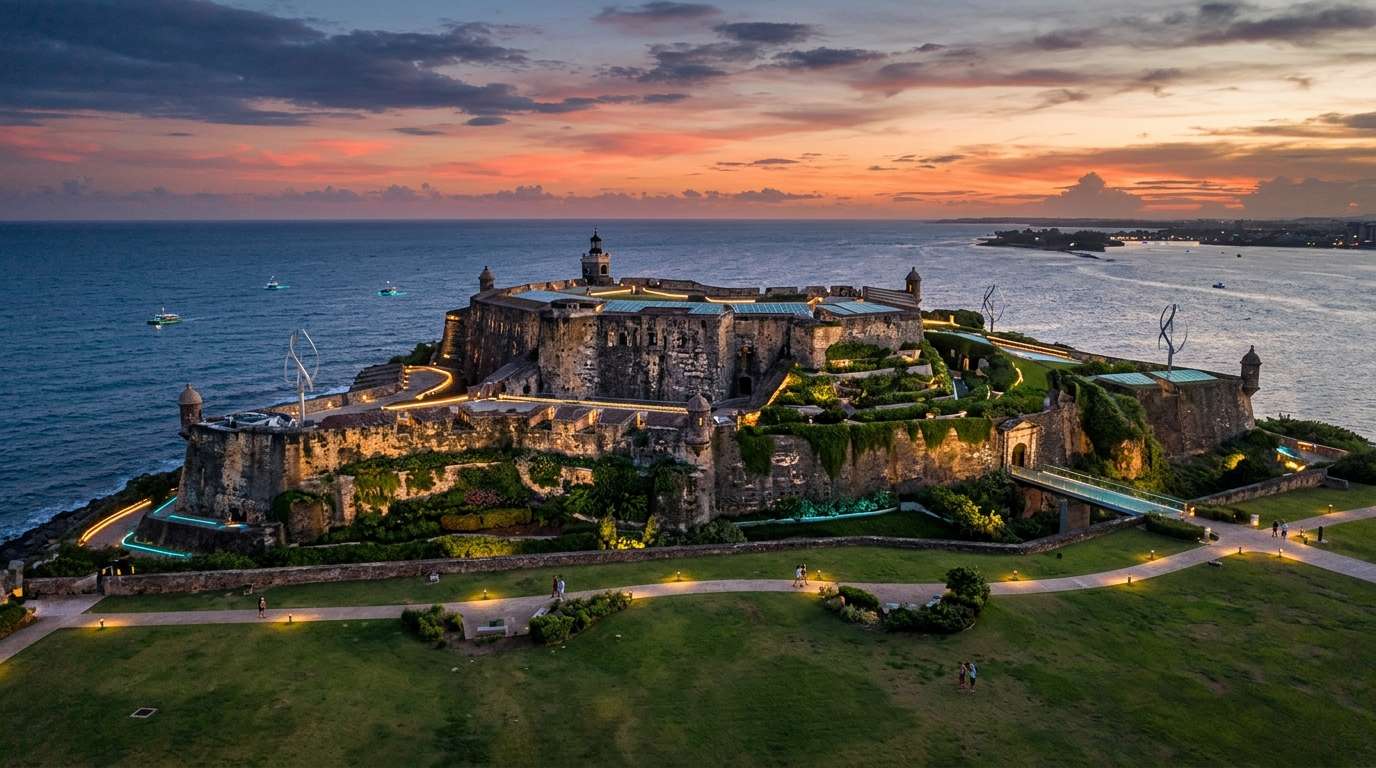
Last spring, I stood on the ramparts of Castillo San Felipe del Morro. Salt wind swept off the bay as I imagined three decades ahead.
Could this limestone giant, guarding San Juan’s harbor for over four centuries, become the world’s first autonomous, carbon-neutral heritage fortress?
That question does not feel like science fiction to me. Green engineering trends already point this direction. This iconic stronghold could lead historic sites toward a hurricane-proof, net-zero future.
I love old stone walls, salty breezes, and imagining what comes next for places like this. Ahead, I will explore breathable mineral coatings and hidden stormwater vaults beneath the glacis. I will also examine footstep-powered microgrids that turn visitor energy into electricity.
The Castillo San Felipe del Morro future 2050 vision also examines how engineers will shield these sandstone ramparts from Category 5 hurricanes. It could set a global benchmark for coastal fortress resilience.
Grab your walking shoes. This is one adventure worth exploring, one bastion at a time.
Key Takeaways
- The fortress plans to reach net-zero carbon status by 2050 through innovative engineering.
- Breathable mineral coatings aim to protect limestone walls without trapping moisture.
- Hidden stormwater vaults beneath the glacis could manage hurricane flooding.
- Footstep-powered microgrids may convert visitor traffic into renewable energy.
- The design targets resilience against Category 5 hurricanes.
- This vision sets a global benchmark for sustainable heritage preservation.
1. Castillo San Felipe del Morro Future 2050: A Fortress Reimagined as a Living Heritage Biome
Imagine a 460-year-old Spanish fortress powered by sunlight, rainwater, and visitors’ footsteps. By 2050, that vision could guide Castillo San Felipe del Morro. I researched this transformation for weeks, and it sounds more like science fiction than preservation.
But this future is real. It is taking shape in San Juan, Puerto Rico.
Engineers and preservationists call future El Morro a “living heritage biome.” The phrase treats the fortress as a living ecosystem, not a frozen museum. It protects, powers, and adapts itself to Caribbean conditions.
The Spanish engineers who built these walls in the 1500s knew nothing about Category 5 hurricanes. They knew nothing about rising sea levels or saltwater intrusion. Still, their designs seem far ahead of their time.
Thick ashlar stone walls absorb impacts. Natural ventilation shafts cool rooms without electricity. Elevated garitas, or iconic sentry boxes, catch ocean breezes and watch for threats. These choices came from necessity, yet they match resilience principles engineers use today.
I have visited old forts across Latin America and the Caribbean. Few impress me like El Morro. It teaches us to respect what works instead of starting over.
By 2050, modern technology will build on that original resilience. The goal is to preserve the fortress’s character while adding technology visitors barely notice.
This transformation rests on four connected systems working together. I will explain each one later, but here is a brief preview.
| System | Primary Function | Historic Element It Protects |
|---|---|---|
| Mineral Masonry Glazes | Shields stone from salt spray and spalling | Ashlar walls, lime mortar, garitas |
| Subsurface Hydrologic Engineering | Captures and reuses stormwater runoff | 27-acre green glacis |
| Kinetic Microgrid | Converts foot traffic into electricity | Entry ramps, promenades, interior magazines |
| Hurricane Flood Defense | Manages storm surge and extreme wind loads | Entire fortress perimeter |
Each system supports the others. Captured rainwater feeds cooling loops, while kinetic energy powers sensors that track stone stress in real time. This integrated organism is not a collection of standalone gadgets.
El Morro isn’t just being preserved. It’s being reborn as something smarter than the sum of its parts a fortress. It can face storms its builders could only guess at.
2. Non-Invasive Mineral Masonry Glazes: Shielding Ashlar, Mortar, and Garitas from Atlantic Fury
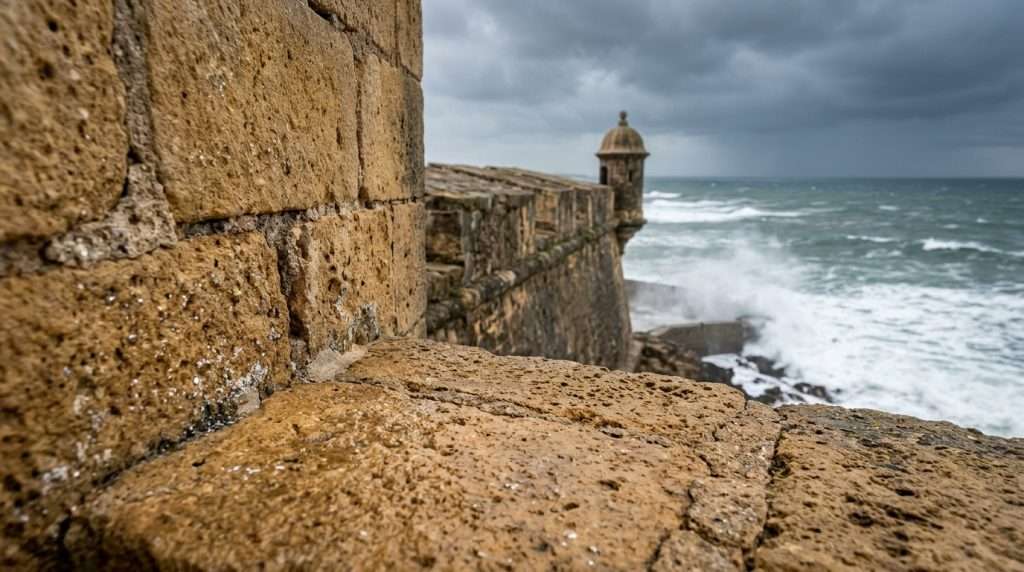
Stand close to El Morro’s walls after a storm, and notice what most visitors miss. The stone seems to breathe. It swells with humidity, dries in sunlight, and absorbs salt from every Atlantic gust.
Preserving a 16th-century fortress in hurricane country creates a serious challenge. Modern sealant cannot simply solve it. The walls need protection that works with their chemistry, not against it; that’s where non invasive mineral masonry glazes help.
2.1 Calcareous Sandstone and Lime Mortar Under Hurricane-Era Stress
El Morro’s builders used calcareous sandstone, a porous, lime-rich stone quarried from nearby coastal deposits. It is soft enough to carve but dense enough to form walls over 140 feet thick in places.
The lime mortar binding everything together was smart for its time. It flexes slightly and self-heals hairline cracks through a natural recarbonation process. However, both materials are porous.
Every hurricane season brings three stresses working together:
- Salt spray that carries dissolved chlorides deep into the stone’s pores
- Humidity swings that cause repeated expansion and contraction inside the mineral structure
- Wind-driven rain that forces moisture sideways into joints sealants typically miss
Over centuries, salt crystals grow inside the stone’s pores during dry spells. When humidity returns, those crystals expand again. Repeated thousands of times, this cycle cracks the surface from the inside out.
2.2 Breathable Nano-Mineral Coatings vs. Salt Delamination and Stone Spalling
Here’s the clever part. Old-school sealants trap moisture inside stone like plastic covering damp wood. Trapped moisture eventually pushes outward, causing chunks of stone to flake from the surface.
Non-invasive mineral masonry glazes work differently. They form a nano-thin layer that bonds mineralogically with sandstone instead of sitting like paint.
The coating lets water vapor pass through while blocking liquid water and salt. Think of it as a breathable rain jacket for a fortress wall.
| Feature | Traditional Sealants | Non-Invasive Mineral Glazes |
|---|---|---|
| Moisture vapor transmission | Blocked, traps vapor inside | Open, allows stone to breathe |
| Salt crystallization risk | High, promotes delamination | Low, limits salt penetration |
| Surface appearance | Glossy or plastic-like film | Matte, natural stone texture |
| Long-term stone health | Accelerates spalling over time | Slows decay, preserves mass |
That breathability is the whole point. Stone walls that release moisture naturally stay structurally sound for decades longer than walls under a hard shell.
2.3 Preserving the Garitas’ Golden Patina Without Altering Authenticity
Now, let’s talk about the garitas. Those sentry boxes perched on the fortress corners are Old San Juan’s single most photographed detail. I’ve spent entire mornings chasing the right light to catch their warm, honeyed glow.
That golden patina is not paint. It comes from centuries of mineral weathering, sun exposure, and salt air reacting with the stone’s natural pigments. Any approach that strips or flattens this look would be a quiet tragedy for photographers and historians.
“The goal was never to make the garitas look new again. The goal was to make sure they’re still standing, looking exactly as weathered and honest as they do today, a century from now.”
Engineers formulated the mineral masonry glaze to remain invisible to the naked eye. It does not add sheen, shift color tone, or smooth the texture that makes these structures feel real.
For a place built on authenticity, that restraint matters. El Morro does not need to look restored. It needs to look like it survived, because it has survived over 450 years.
3. Subsurface Hydrologic Heritage Engineering Beneath the 27-Acre Green Glacis
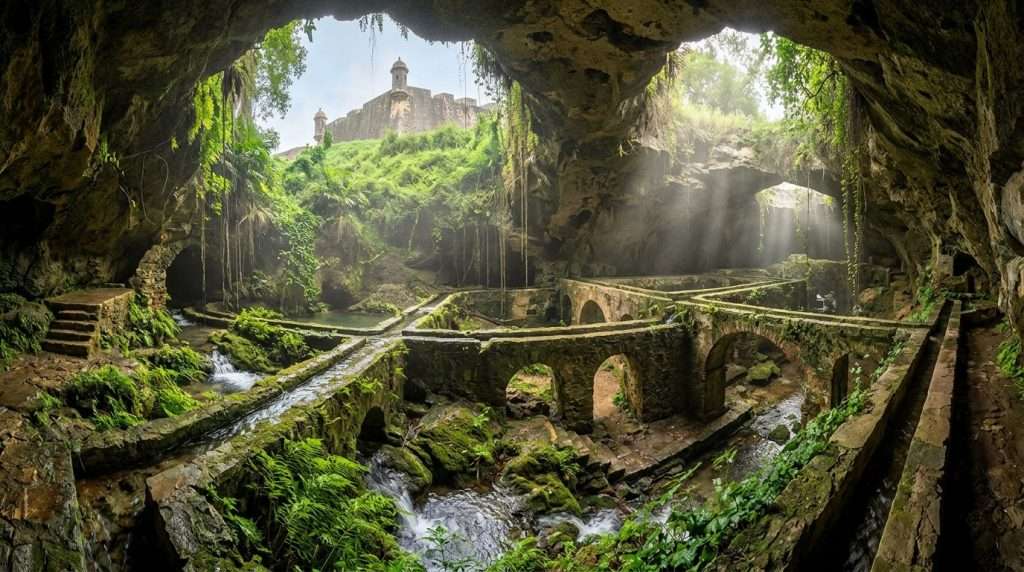
Honestly, El Morro’s underground engineering fascinated me more than its cannons. From the grassy slope, you cannot see the system beneath your boots. This 27-acre green glacis protects the 500-year-old stronghold from the next big storm.
This is more than drainage. It is a full network of subsurface hydrologic heritage engineering built to protect the land and limestone walls from Atlantic hurricanes. It does so without touching any part of the fortress’s historic surface.
3.1 Automated Retention Vaults Capturing 100% of Tropical Storm Surge
Imagine a honeycomb of hidden chambers beneath the parade grounds. That is what now lies beneath El Morro.
These automated retention vaults capture 100% of tropical storm surge before it reaches the historic walls. Sensors track rising water and automatically open gates. They pull surge water into underground storage, preventing pools and erosion of centuries-old stonework.
Nobody needs to run outside during a hurricane to operate a valve. The system works quietly while the storm rages overhead.
3.2 Closed-Loop Reservoir Stormwater Harvesting Feeding Geothermal Cooling Loops
Captured storm surge does not sit and become stagnant. Filtration systems first clean the seawater.
Then it flows into closed loop reservoir stormwater harvesting tanks built into the fortress foundation. The water then circulates through geothermal cooling loops, keeping the interior magazines at a steady, stable temperature year-round.
There are no generators or fossil fuels burning in the background. Hurricane water protects the grounds and cools historic chambers at the same time.
3.3 Borrowing from Stadium Porous Asphalt Stormwater Drainage Models
Here is a relatable example. Have you noticed how a modern stadium handles a downpour without turning its parking lot into a swamp?
That is thanks to stadium porous asphalt stormwater drainage systems. They use layered, permeable surfaces that let water soak through instead of collecting on top. El Morro’s engineers borrowed this logic and scaled it up for a 16th-century Spanish fortress.
The green glacis now acts like one giant porous surface. It absorbs rainfall and guides the water toward the retention vaults below.
| Feature | Modern Stadiums | El Morro 2050 |
|---|---|---|
| Surface Type | Porous asphalt parking lots | Grassy green glacis |
| Water Destination | Municipal storm drains | Underground retention vaults |
| Secondary Use | None typically applied | Geothermal cooling for magazines |
This simple idea came from sports architecture and now protects one of the oldest Spanish forts in the Americas. I never expected a stadium parking lot to explain a 500-year-old fortress to me, but here we are.
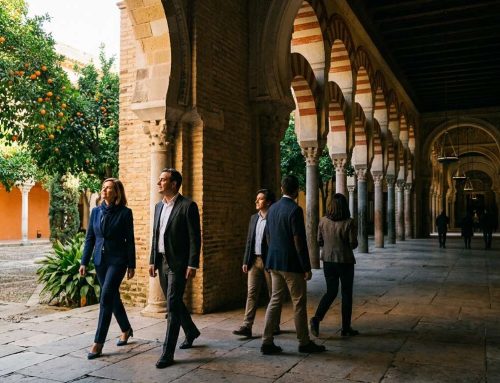
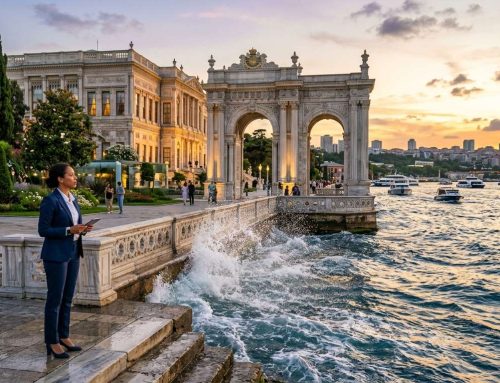
Mosque Cathedral of Cordoba future.
4. Old San Juan Kinetic Microgrid: Converting Footsteps into Fortress Power
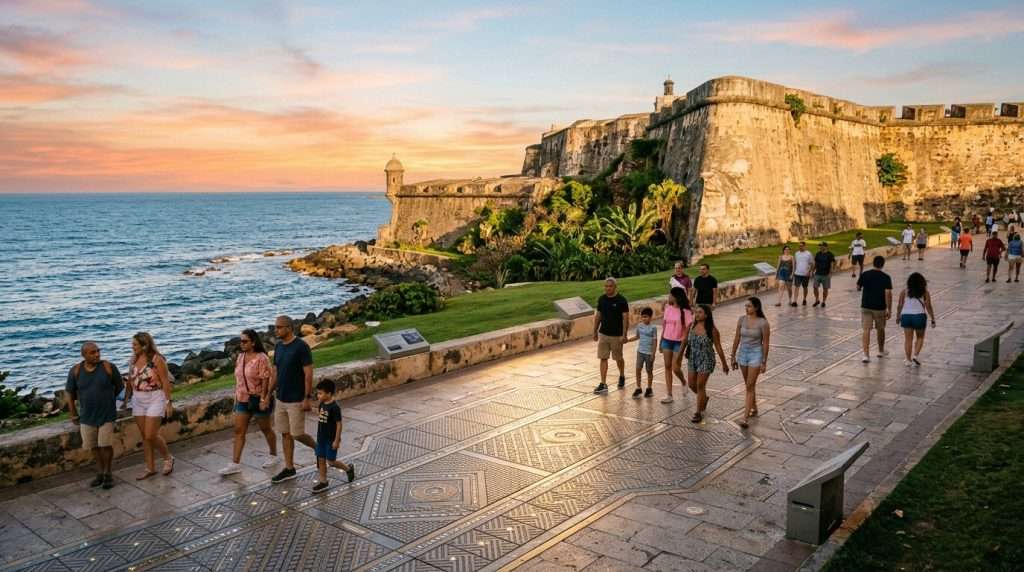
Every visitor who climbs El Morro’s ramps does more than sightsee. They generate electricity without realizing it. The Old San Juan Kinetic Microgrid turns walking into clean, usable power through technology beneath their feet.
I love how the fortress makes every tourist part of the solution, not just a spectator. Visitors climb the worn stones that Spanish soldiers marched across centuries ago, helping keep the lights on inside.
Piezoelectric Pavers Across Historic Entry Ramps and Promenades
Engineers placed piezoelectric pavers beneath the historic entry ramps and promenades. They sit under the cobblestones, so the fortress keeps its historic appearance.
Here is the simple science: pressure from a footstep squeezes tiny crystals inside each paver. That pressure creates a small electric charge, while one step alone produces almost nothing. But multiply that by thousands of visitors walking the same paths every single day, and the system gains a steady, reliable stream of power.
The approach is clever because it stays invisible: no wires or panels appear along the ramps. The cobblestones look as they did decades ago, and authenticity is essential at this UNESCO World Heritage Site.
Powering Interior Magazines Through a Self-Sustaining Microgrid
The pavers capture energy instead of letting it disappear. Underground cables carry it to batteries, then send it to the fortress’s interior magazines. These old storage rooms and exhibit spaces once held gunpowder and supplies.
Together, these systems form the old san juan kinetic microgrid. This creates a genuinely self-sustaining microgrid. El Morro no longer needs diesel generators running in the background or Puerto Rico’s sometimes-unreliable power grid during storm season.
That independence matters more than many people realize. A few benefits stand out:
- Lights and climate systems keep running even if island-wide power fails.
- No diesel fumes or generator noise inside a centuries-old stone structure.
- Lower long-term operating costs for the National Park Service.
- A quieter, more authentic visitor experience overall.
To put this shift in perspective, the table compares this kinetic microgrid with older power options the fortress once relied on.
| Power Source | Storm Reliability | Environmental Impact | Maintenance Needs |
|---|---|---|---|
| Diesel Generators | Moderate, fuel-dependent | High emissions, fuel spills risk | Frequent servicing and fuel delivery |
| Puerto Rico Power Grid | Low during hurricanes | Variable, grid-dependent | Outside fortress control |
| Kinetic Microgrid | High, self-contained | Zero direct emissions | Minimal, solid-state components |
Standing on those ramps, I know my footsteps add a tiny spark to the system. The old san juan kinetic microgrid changes how I experience this fortress. It feels less like a place I visit and more like one I help power, one step at a time.
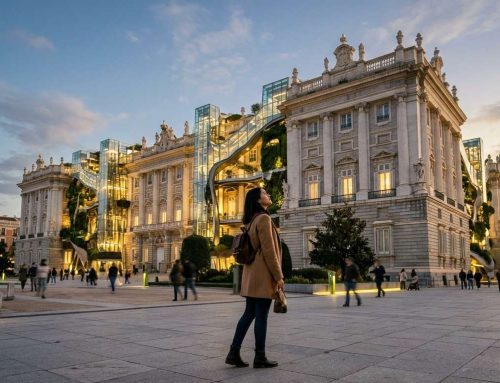
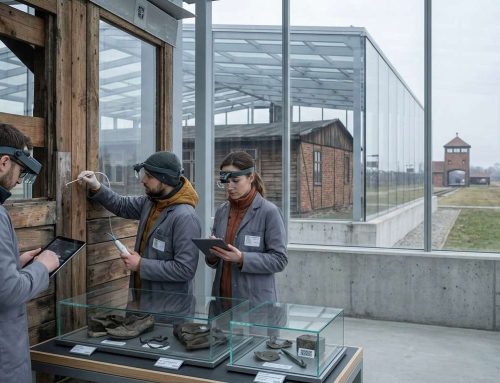
Royal Palace of Madrid future.
5. Caribbean Hurricane Flood Defense as the New Global Benchmark
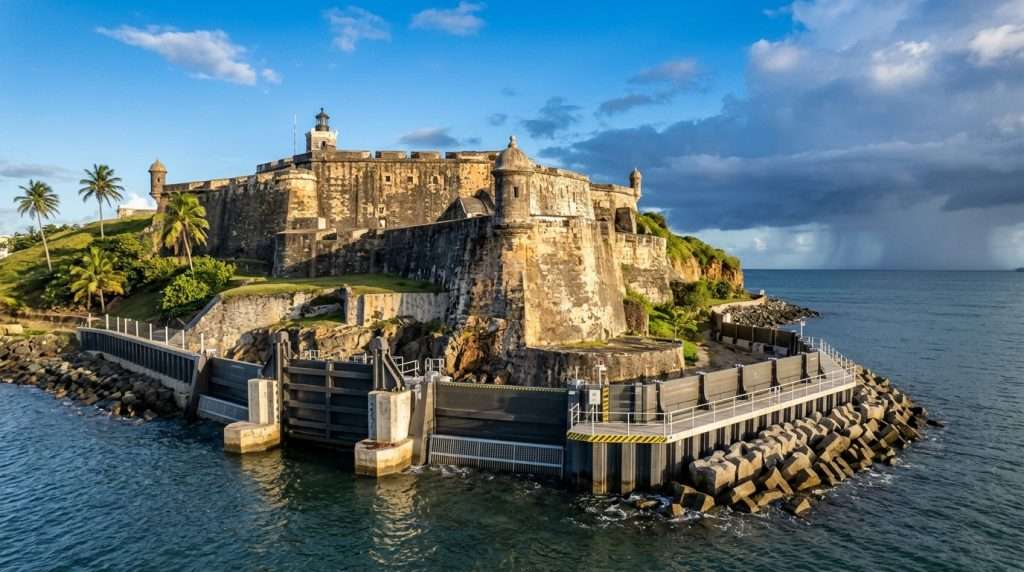
Look beyond El Morro’s thick stone walls, and you see more than one fortress in San Juan. You see a model for how coastal heritage sites might survive stronger storms and rising seas over the next fifty years.
I’ve explored old forts across the Caribbean and Central America. Many are losing the fight against salt air, flooding, and neglect. El Morro is different. It is reshaping what caribbean hurricane flood defense means for the 21st century.
That change did not happen by accident. Puerto Rico turned decades of storm damage into design knowledge that few regional sites can match.
5.1 How Puerto Rico Redefines Fortress Longevity
Puerto Rico has endured brutal storm seasons. Hurricane Maria alone changed how local engineers approach infrastructure, including heritage buildings.
Preservation teams did not treat El Morro as a fragile relic needing protection from modern engineering. They treated it as a living structure that could learn from stadium drainage systems, nano-mineral coatings, and closed-loop water harvesting.
That mindset is rare. Many historic sites freeze in time, fearing upgrades will erase their authenticity. Puerto Rico made the opposite choice.
“Resilience isn’t about resisting change. It’s about absorbing it without losing what made the place worth saving in the first place.”
That quote captures what makes El Morro San Juan preservation different from typical restoration projects. The fortress still looks like a 16th-century stronghold. Beneath its stone shell, it now works like a modern, flood-resilient building.
Here is a quick comparison of El Morro’s approach with coastal heritage protection methods I’ve seen elsewhere:
| Protection Approach | Typical Coastal Fortress | El Morro 2050 Model |
|---|---|---|
| Stormwater Handling | Passive runoff, frequent flooding | Automated retention vaults, near-total capture |
| Stone Protection | Periodic resealing, visible patching | Breathable nano-mineral glazes, invisible shielding |
| Energy Use | Grid-dependent, generator backup | Kinetic microgrid, self-sustaining power |
| Long-Term Outlook | Reactive repairs after each storm | Predictive, storm-ready by design |
What El Morro Teaches Coastal Heritage Sites Worldwide
I think about coastal fortresses I’ve photographed. Mediterranean citadels face rising heat, while Southeast Asian temples sink into tidal creep. They all face pressures San Juan has already endured.
El Morro proves something simple: old masonry and modern climate engineering can work together. They can share the same wall.
Site managers overseas should not copy Puerto Rico exactly. They can apply several practical lessons almost anywhere:
- Treat stormwater as an asset to capture, not just a threat to drain away.
- Protect stone chemically before damage becomes structural.
- Build energy independence into the site itself, not just backup generators.
- Let visible authenticity stay untouched while invisible systems do the heavy lifting.
That last point matters most to me as a traveler. I want to feel a fortress’s age, not notice a retrofit. El Morro manages both at once, and that is rare.
If more coastal heritage sites adopt this approach, we will preserve old walls and prove history can share space with resilience. That lesson matters even as storms grow stronger.
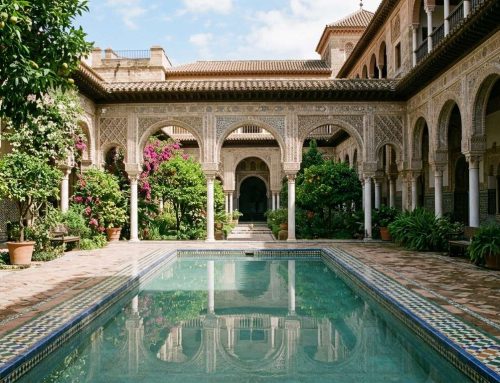
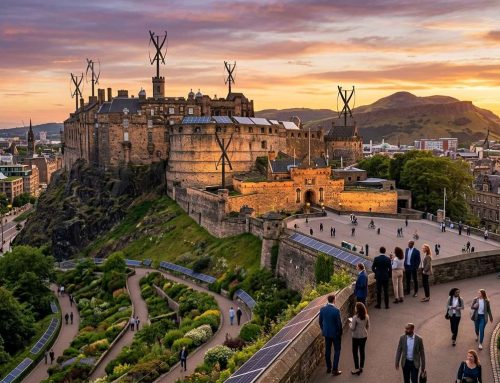
Royal Alcazar of Seville future.
6. Conclusion
I keep returning to one image: standing on ancient ramparts decades from now, feeling the Atlantic wind as soldiers did. The walls beneath my feet would quietly protect themselves, which excites me about Castillo San Felipe del Morro in 2050.
None of this is fantasy. These ideas include breathable stone coatings, hidden stormwater vaults, a footstep-powered microgrid, and layered flood defenses. They use technology tested worldwide today in labs and cities, showing what happens when it meets one of the most storied fortresses in the Americas.
By 2050, I believe Castillo San Felipe del Morro could become a global masterclass in coastal fortress resilience. It could prove a 16th-century structure can face 21st-century climate challenges without losing its soul.
Historic preservation and climate innovation do not have to compete. They can work side by side, with each making the other stronger.
If you ever walk the grounds of El Morro in San Juan, look beyond the stone. Picture what happens underneath, around, and within those walls. Then imagine returning in thirty years to see how much of this future has already arrived.





Leave A Comment